Complete Guide to Mechanical Seal Materials: What Are Mechanical Seals Made Of

Get a Free Quote

Our representative will contact you soon.
Email
Name
Company Name
Message
0/1000

what are mechanical seals made of

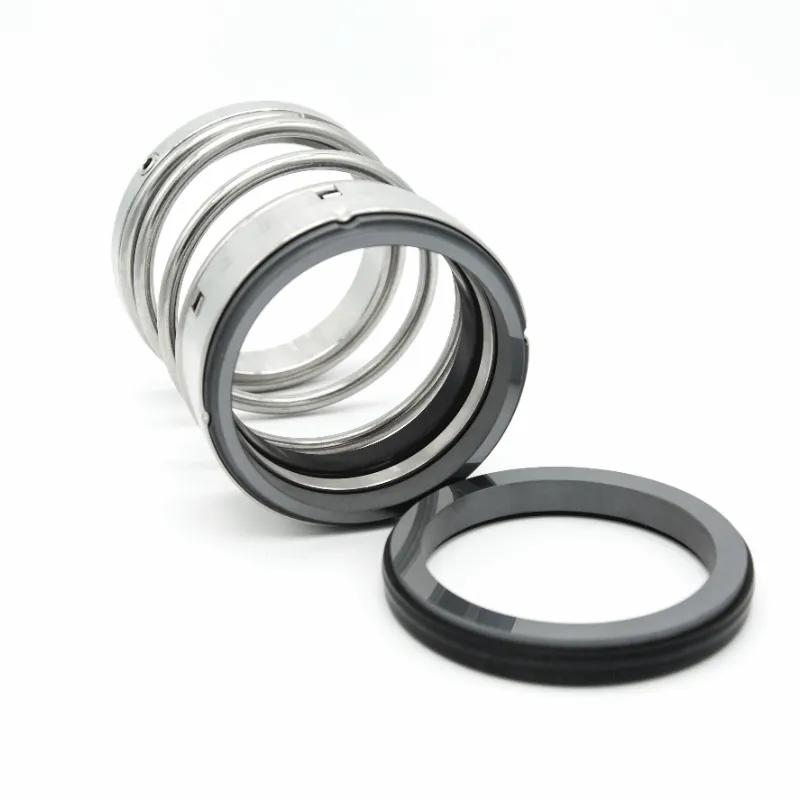
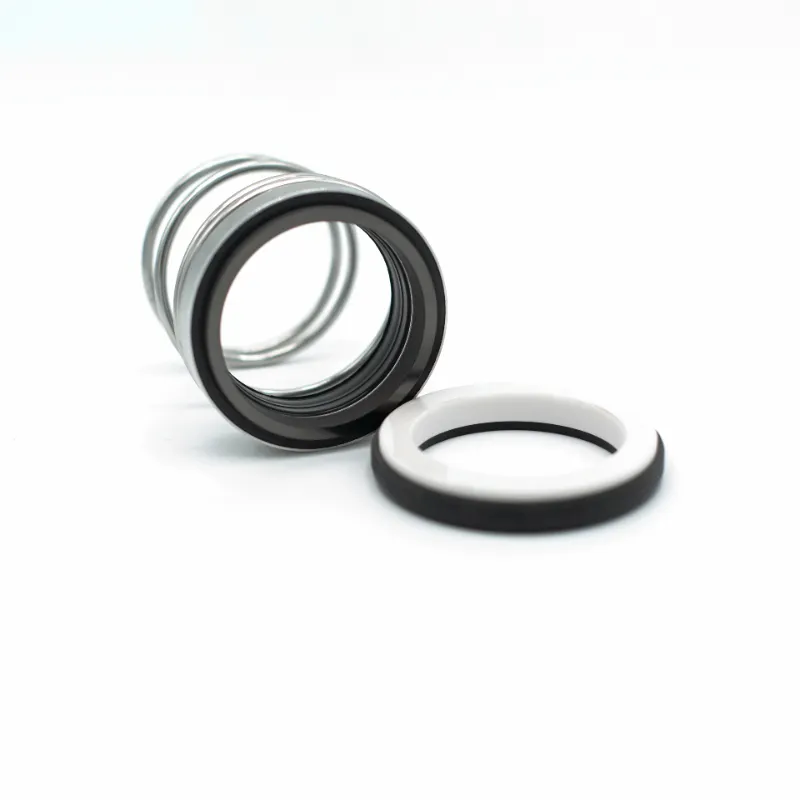
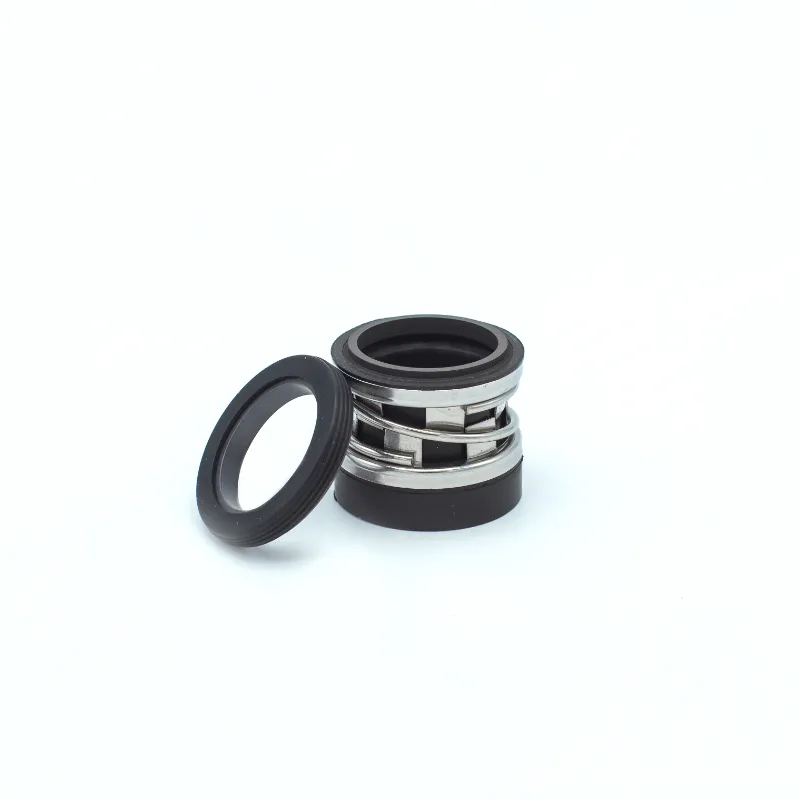
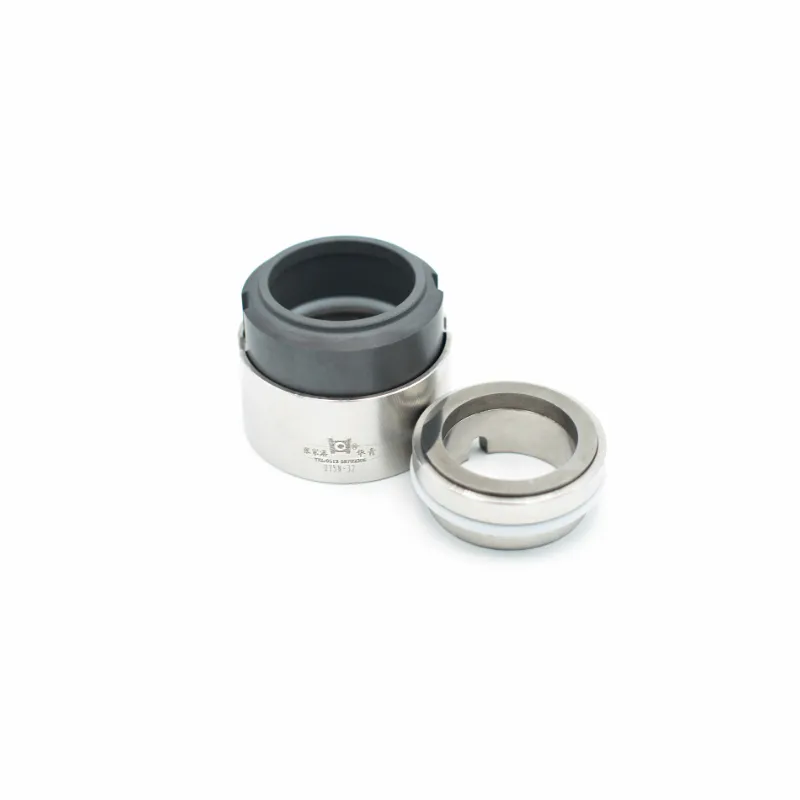
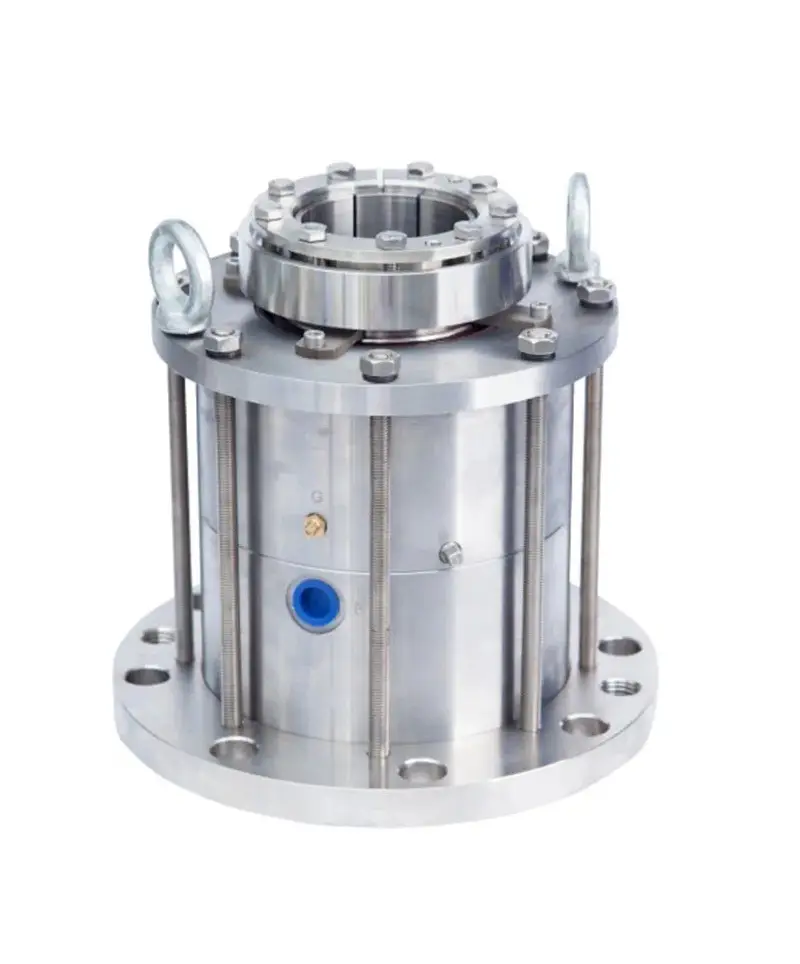
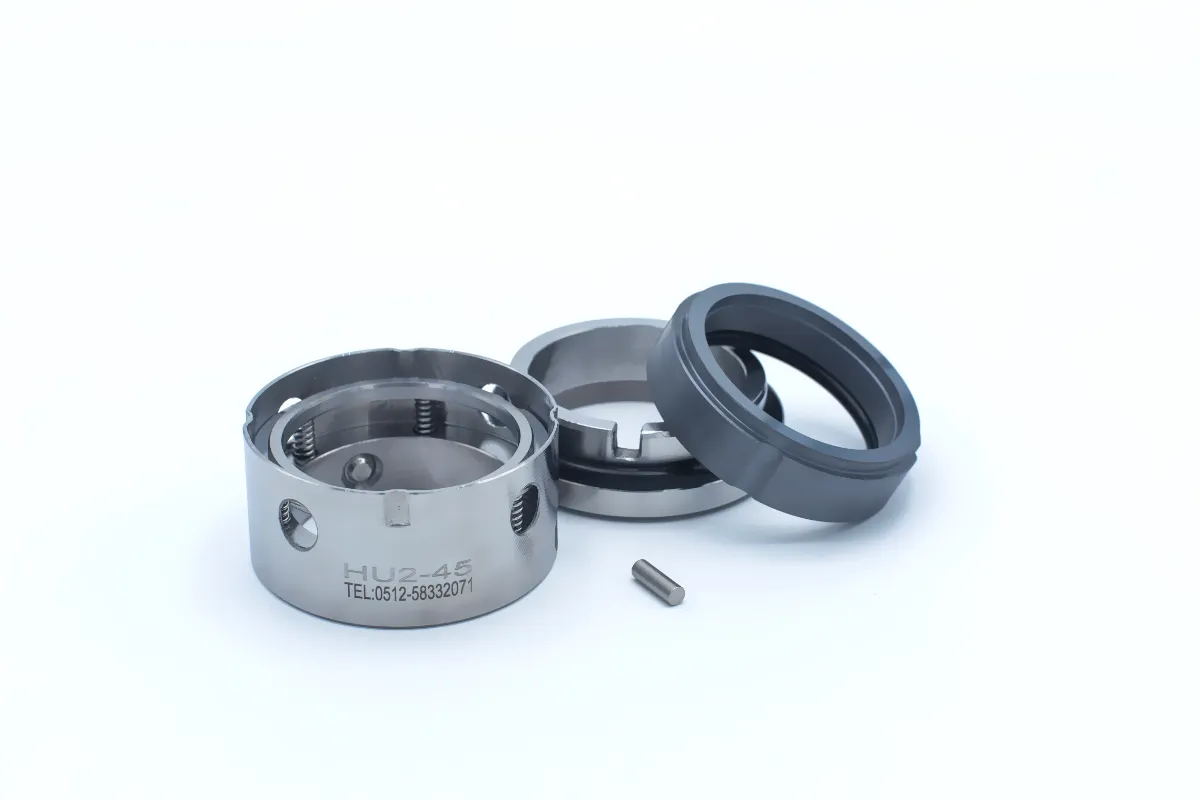
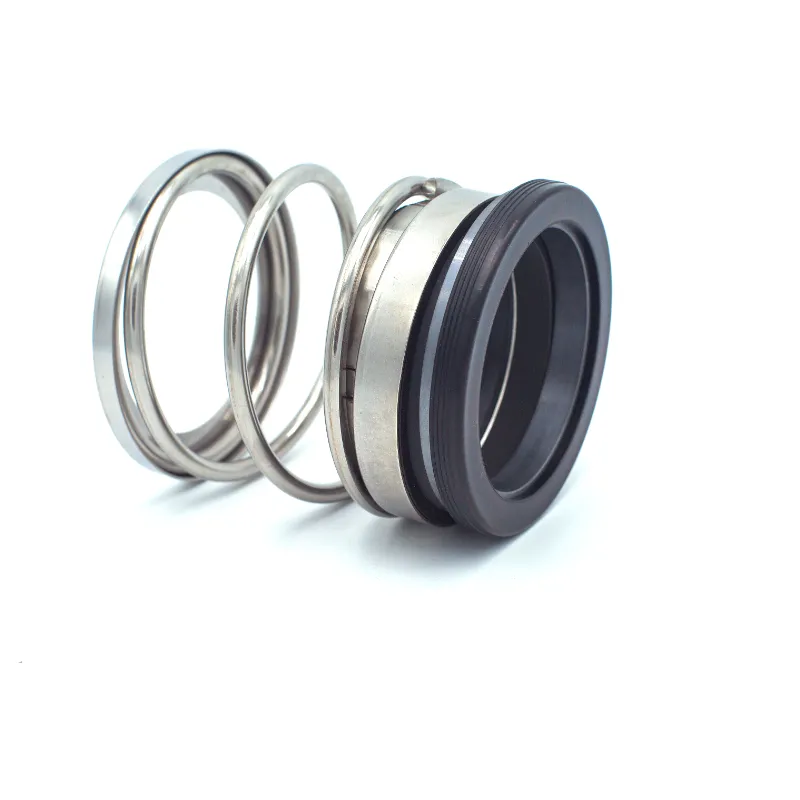
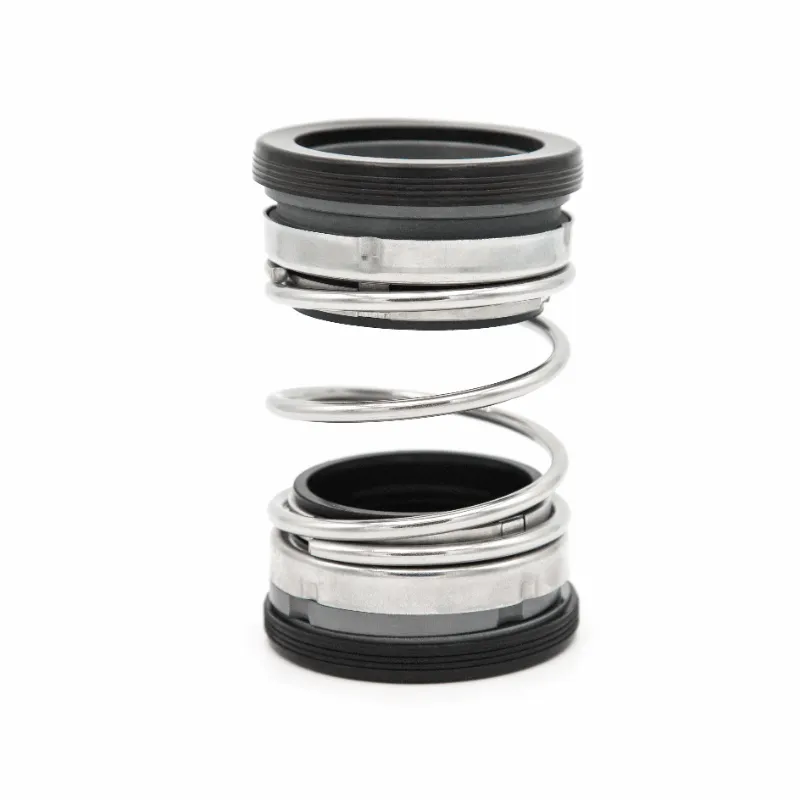
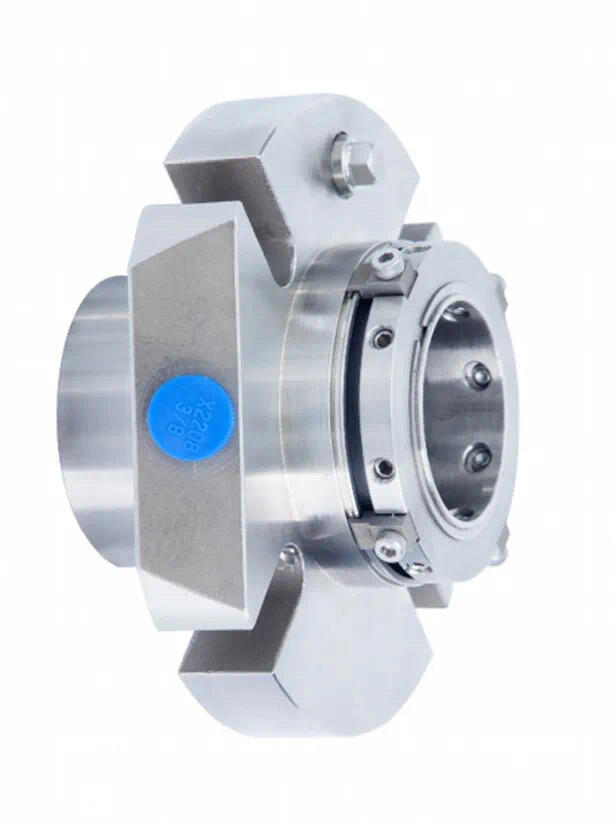
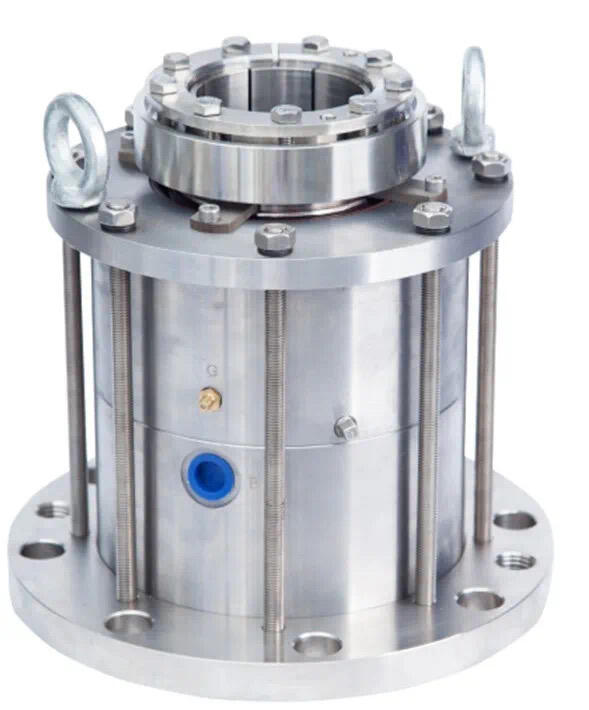
Understanding what are mechanical seals made of is crucial for industries relying on rotating equipment to prevent fluid leakage. Mechanical seals consist of various materials carefully selected to withstand specific operating conditions, pressures, and chemical environments. The primary components include face materials, secondary sealing elements, and hardware components, each serving distinct functions in the overall sealing system. The face materials, which form the primary sealing interface, typically comprise carbon, silicon carbide, tungsten carbide, or ceramic materials. These materials provide the essential sealing contact between rotating and stationary surfaces. Carbon faces offer excellent self-lubricating properties and thermal conductivity, making them ideal for water applications. Silicon carbide delivers superior hardness and chemical resistance, perfect for aggressive chemical environments. Tungsten carbide provides exceptional durability in abrasive conditions, while ceramic materials offer excellent corrosion resistance. Secondary sealing elements, including O-rings and gaskets, utilize elastomeric materials such as nitrile rubber, EPDM, fluoroelastomers, and PTFE. These materials accommodate thermal expansion, vibration, and minor misalignments while maintaining secondary sealing integrity. The hardware components encompass springs, retainers, and drive mechanisms manufactured from stainless steel, Inconel, or specialized alloys. Springs provide the necessary closing force to maintain face contact, while retainers position and secure sealing elements. The technological features of what are mechanical seals made of include material compatibility matrices, temperature resistance ranges, and pressure handling capabilities. Modern mechanical seals incorporate advanced material combinations optimized for specific applications, ensuring reliable performance across diverse industrial sectors including chemical processing, petroleum refining, pharmaceutical manufacturing, and water treatment facilities.

New Products

The advantages of understanding what are mechanical seals made of directly impact operational efficiency, maintenance costs, and equipment reliability across industrial applications. Proper material selection significantly reduces downtime by matching seal components to specific operating environments, eliminating premature failures caused by chemical incompatibility or thermal degradation. Industries benefit from extended equipment life when mechanical seal materials are correctly specified, as compatible materials resist wear, corrosion, and chemical attack that would otherwise compromise sealing performance. Cost savings emerge through reduced maintenance frequency and lower replacement part expenses when what are mechanical seals made of aligns with application requirements. Carbon-graphite materials provide self-lubricating properties that minimize friction and heat generation, extending seal life in water-based applications while reducing power consumption. Silicon carbide faces deliver exceptional hardness and thermal conductivity, enabling operation in high-temperature environments where softer materials would fail rapidly. The chemical resistance of specialized materials like tungsten carbide and advanced ceramics prevents costly equipment damage from aggressive fluids, protecting valuable pumps, mixers, and rotating equipment from internal corrosion. Secondary sealing materials offer flexibility and resilience, accommodating shaft movement and thermal expansion while maintaining leak-tight performance. Fluoroelastomer O-rings withstand extreme temperatures and chemical exposure, providing reliable secondary sealing in demanding applications. PTFE-based materials combine chemical inertness with low friction characteristics, ideal for pharmaceutical and food processing applications requiring purity maintenance. Stainless steel hardware components resist corrosion and provide structural integrity under high-pressure conditions, ensuring mechanical seal assemblies maintain proper geometry and function throughout their service life. The modular design of modern mechanical seals allows customization of what are mechanical seals made of for specific applications, enabling engineers to optimize performance while controlling costs. Advanced material combinations reduce inventory requirements by providing versatile solutions suitable for multiple applications, simplifying procurement and maintenance procedures while ensuring optimal sealing performance.

Tips And Tricks

Avoiding Downtime: Seal Solutions for Top-Entry Agitators

21

Jul

Avoiding Downtime: Seal Solutions for Top-Entry Agitators

Maximizing Equipment Availability in Industrial Mixing Systems Industrial processes rely heavily on consistent performance, particularly in sectors such as chemical manufacturing, food production, and pharmaceuticals. One of the most critical compone...
View More
Key Features of High-Performance Agitator Seal Pressure Systems

06

Aug

Key Features of High-Performance Agitator Seal Pressure Systems

Ensuring Long-Term Efficiency in Industrial Sealing In the world of industrial processing, maintaining system integrity under various operational stresses is a continuous challenge. One of the most vital components for achieving this reliability is t...
View More
Cartridge Mechanical Seal Solutions for Zero-Error Maintenance

22

Dec

Cartridge Mechanical Seal Solutions for Zero-Error Maintenance

Industrial pump systems operate under extreme conditions where even minor seal failures can result in catastrophic downtime and costly repairs. The cartridge mechanical seal represents a revolutionary advancement in sealing technology, offering super...
View More
Complete Mechanical Seal Types Comparison for Industrial Pumps

13

Jan

Complete Mechanical Seal Types Comparison for Industrial Pumps

Industrial pumps represent the backbone of countless manufacturing processes, and their reliability depends heavily on proper sealing mechanisms. Understanding mechanical seal types is crucial for engineers and maintenance professionals who need to e...
View More

Get a Free Quote

Our representative will contact you soon.
Email
Name
Company Name
Country/Region
Message
0/1000

what are mechanical seals made of

Advanced Face Material Technologies for Superior Sealing Performance

Advanced Face Material Technologies for Superior Sealing Performance

The face materials representing what are mechanical seals made of constitute the most critical components determining sealing effectiveness and operational longevity. Modern mechanical seals utilize sophisticated face material combinations engineered to withstand extreme operating conditions while maintaining precise sealing contact. Silicon carbide has emerged as the premium choice for demanding applications due to its exceptional hardness rating of 2800 HV, superior thermal conductivity, and outstanding chemical resistance. This material combination enables mechanical seals to operate reliably in temperatures exceeding 500°F while handling aggressive chemicals that would rapidly degrade conventional materials. The crystalline structure of silicon carbide provides natural lubricity, reducing friction coefficients and minimizing heat generation during operation. Carbon-graphite materials offer unique self-lubricating characteristics essential for water and low-lubricity applications. The porous structure of carbon allows fluid penetration, creating a hydrodynamic film that separates sealing faces and reduces wear rates significantly. This material excels in applications where external lubrication is unavailable or contamination concerns exist. Tungsten carbide represents the ultimate choice for abrasive environments, providing hardness levels approaching 1800 HV while maintaining excellent corrosion resistance. The material's density and strength enable operation in high-pressure applications where face loading exceeds conventional material capabilities. Advanced ceramic materials, including aluminum oxide and zirconium oxide, deliver exceptional corrosion resistance in acidic and alkaline environments while providing thermal shock resistance crucial for cycling applications. These materials maintain dimensional stability across wide temperature ranges, ensuring consistent sealing performance. The selection of what are mechanical seals made of regarding face materials directly influences equipment reliability, with proper material matching reducing maintenance costs by up to 75% compared to incorrectly specified alternatives. Surface treatments and coatings further enhance face material performance, with diamond-like carbon coatings providing additional hardness and chemical resistance for extreme applications.
Elastomeric Secondary Sealing Materials for Comprehensive Leak Prevention

Elastomeric Secondary Sealing Materials for Comprehensive Leak Prevention

Understanding what are mechanical seals made of extends beyond primary face materials to encompass critical secondary sealing elements that provide comprehensive leak prevention and accommodate dynamic operating conditions. Elastomeric materials forming O-rings, gaskets, and bellows must withstand chemical exposure, temperature extremes, and mechanical stress while maintaining flexibility and sealing integrity throughout the equipment's operational life. Nitrile rubber (NBR) serves as the standard elastomeric material for petroleum-based applications, offering excellent oil resistance and moderate temperature capability up to 250°F. The material's resilience and compression set resistance ensure reliable secondary sealing in pumps handling hydrocarbons, lubricating oils, and fuel systems. However, NBR's limitations in high-temperature and ozone-rich environments necessitate alternative materials for demanding applications. Fluoroelastomers, particularly Viton and similar compounds, represent premium elastomeric materials capable of withstanding temperatures up to 400°F while providing exceptional chemical resistance to acids, bases, and organic solvents. These materials maintain flexibility and sealing effectiveness across temperature cycles that would cause conventional rubbers to become brittle or lose elasticity. The fluorine-carbon molecular structure provides inherent chemical inertness, making fluoroelastomers ideal for pharmaceutical, chemical processing, and aerospace applications where contamination prevention is critical. EPDM (Ethylene Propylene Diene Monomer) excels in water and steam applications, offering superior ozone resistance and maintaining flexibility at low temperatures down to -65°F. This material's excellent aging characteristics ensure long-term reliability in outdoor installations and applications involving temperature cycling. Perfluoroelastomers represent the ultimate in chemical resistance, withstanding virtually all industrial chemicals while operating continuously at temperatures up to 600°F. These specialized materials find application in semiconductor manufacturing, chemical processing, and other industries requiring absolute chemical compatibility. The selection of what are mechanical seals made of regarding elastomeric materials significantly impacts seal reliability, with proper material specification preventing premature failures that could result in equipment damage, environmental concerns, and production losses exceeding thousands of dollars per incident.
High-Performance Hardware Materials for Structural Integrity and Durability

High-Performance Hardware Materials for Structural Integrity and Durability

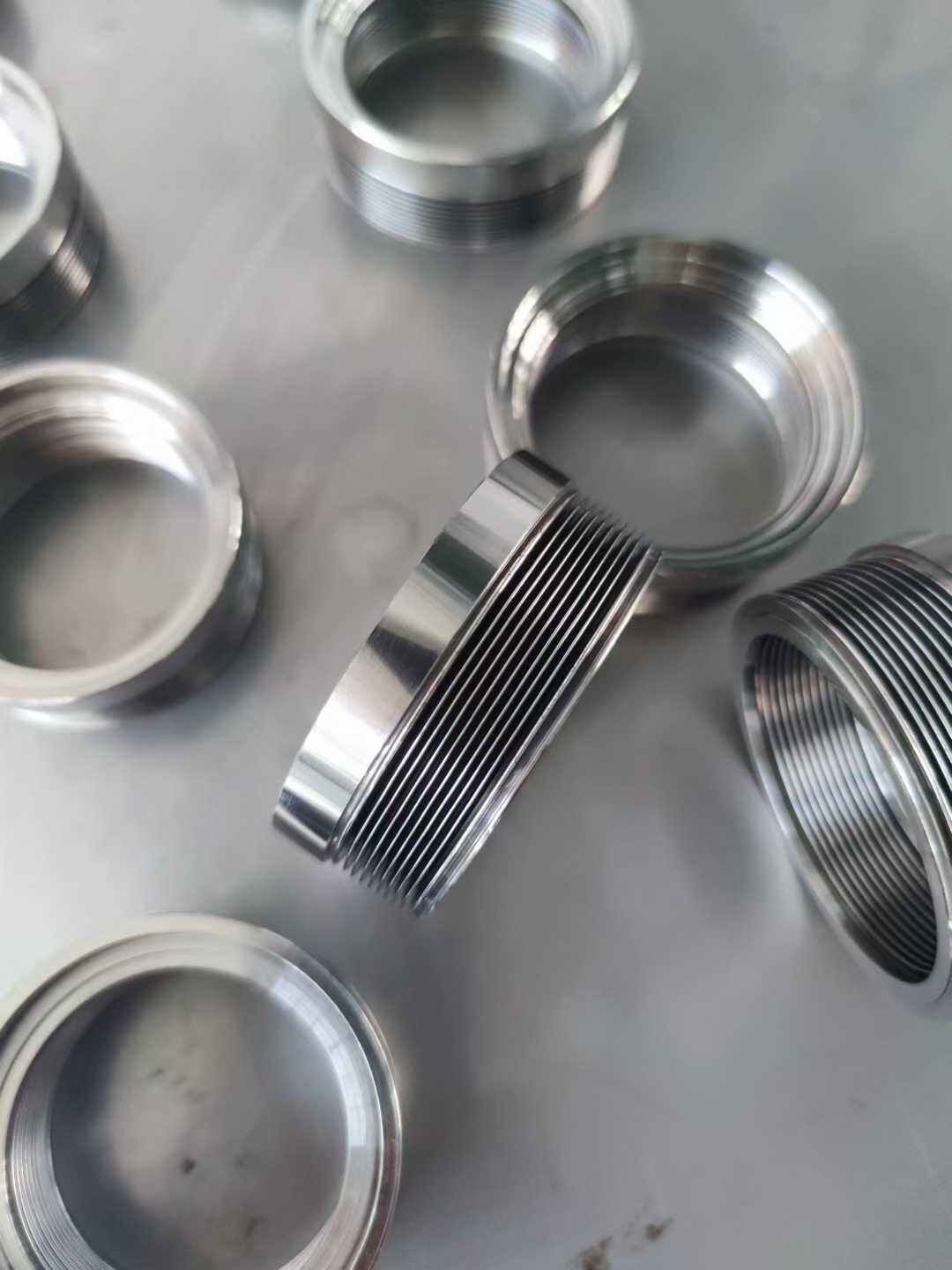
The hardware components determining what are mechanical seals made of provide essential structural support, force transmission, and positioning functions that enable reliable sealing performance under demanding industrial conditions. These components, including springs, retainers, sleeves, and drive pins, must maintain dimensional stability, resist corrosion, and provide consistent mechanical properties throughout extended service periods. Stainless steel grades, particularly 316 and 316L, serve as primary materials for mechanical seal hardware due to their excellent corrosion resistance, mechanical strength, and availability in various forms including bar stock, wire, and sheet materials. The chromium and molybdenum content provides resistance to chloride-induced pitting and crevice corrosion commonly encountered in marine, chemical, and industrial water applications. Springs manufactured from stainless steel wire maintain consistent load characteristics across temperature ranges while resisting stress corrosion cracking that could lead to sudden failure. Inconel alloys represent premium hardware materials for extreme temperature and corrosive environments, with Inconel 718 providing exceptional strength retention at temperatures up to 1200°F. These nickel-based superalloys resist oxidation, carburization, and thermal fatigue while maintaining spring characteristics essential for proper seal operation. The material's coefficient of thermal expansion closely matches that of stainless steel components, preventing stress concentrations during temperature cycling. Hastelloy materials offer superior resistance to reducing acids and chloride-containing environments where stainless steels would experience rapid corrosion. These nickel-molybdenum-chromium alloys maintain mechanical properties in highly aggressive chemical environments, ensuring hardware integrity throughout seal service life. Titanium alloys provide lightweight alternatives for aerospace and marine applications where weight reduction and corrosion resistance are paramount. The material's strength-to-weight ratio enables compact seal designs while providing exceptional resistance to seawater and chemical attack. Specialized coatings and surface treatments enhance hardware performance, with passivation treatments improving corrosion resistance and wear-resistant coatings extending service life in abrasive environments. The careful selection of what are mechanical seals made of regarding hardware materials ensures mechanical seal assemblies maintain proper geometry, loading, and positioning throughout their operational life, preventing costly failures that could damage expensive rotating equipment and interrupt critical industrial processes.

Get a Free Quote

Our representative will contact you soon.
Email
Name
Company Name
Country/Region
Message
0/1000