 EN
EN


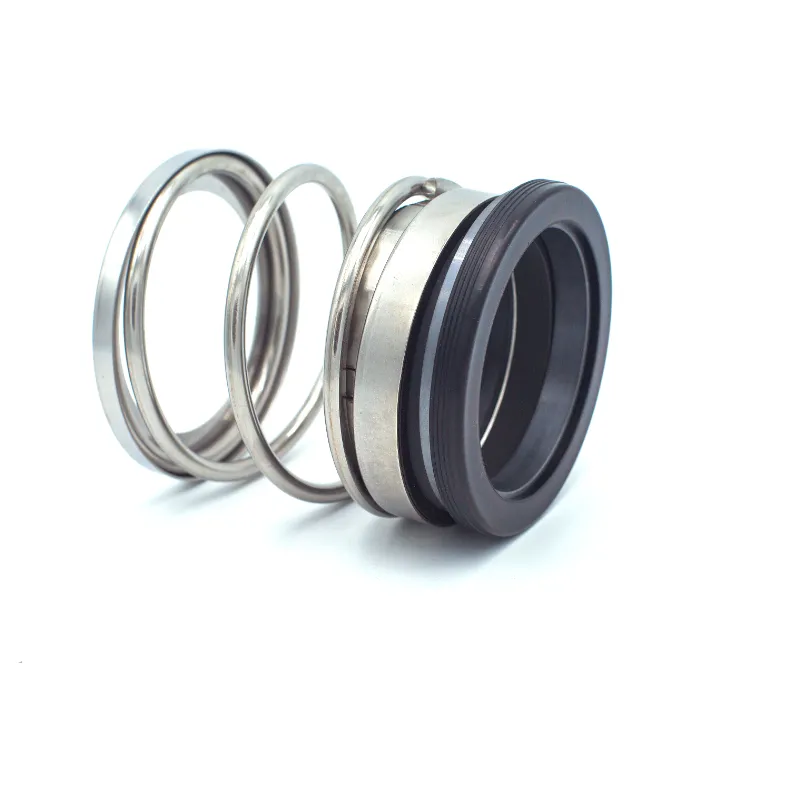
Industrial pump systems operate under extreme conditions where even minor seal failures can result in catastrophic downtime and costly repairs. The cartridge mechanical seal represents a revolutionary advancement in sealing technology, offering superior reliability and simplified maintenance procedures that eliminate human error during installation. These precision-engineered components have transformed how industries approach critical sealing applications, delivering consistent performance across diverse operating environments.
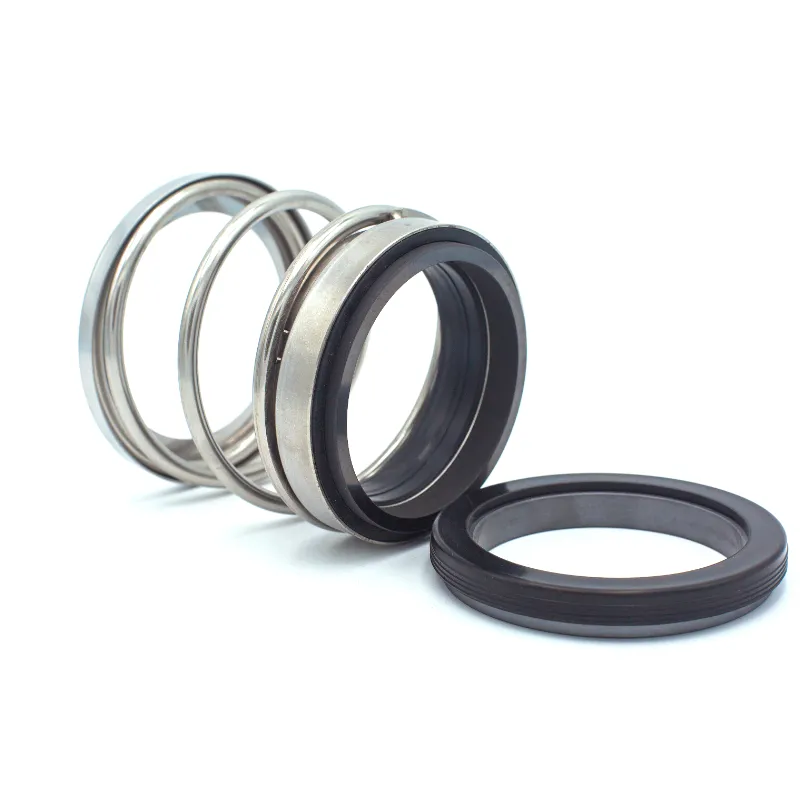
The evolution from conventional component seals to cartridge configurations has addressed fundamental challenges that have plagued maintenance teams for decades. Traditional mechanical seals required precise alignment, careful measurement, and extensive technical knowledge during installation, creating multiple opportunities for costly mistakes. Modern cartridge mechanical seal designs eliminate these variables by pre-assembling all critical components within a single unit, ensuring optimal performance from the moment of installation.
Advanced Engineering Behind Cartridge Mechanical Seal Technology
Integrated Component Design Philosophy
The sophisticated engineering of cartridge mechanical seal systems centers around the integration of multiple sealing elements within a single, self-contained unit. This approach eliminates the need for field assembly of individual components, dramatically reducing installation complexity and potential failure points. Each cartridge mechanical seal incorporates precisely manufactured seal faces, springs, gaskets, and housing components that work in perfect harmony to create an impermeable barrier against fluid leakage.
Manufacturing tolerances within cartridge mechanical seal assemblies are maintained to extremely tight specifications, ensuring consistent performance across identical units. Advanced materials science plays a crucial role in component selection, with seal faces manufactured from silicon carbide, tungsten carbide, or specialized ceramics depending on application requirements. These materials provide exceptional wear resistance and chemical compatibility while maintaining dimensional stability under varying temperature and pressure conditions.
Precision Manufacturing Standards
Quality control processes for cartridge mechanical seal production involve rigorous testing protocols that verify performance under simulated operating conditions. Each seal undergoes pressure testing, leak detection, and dimensional verification before packaging and shipment. The manufacturing process incorporates automated assembly techniques that eliminate human variables, ensuring consistent quality and reliable performance across production batches.
Surface finishing techniques applied to seal faces achieve mirror-like smoothness that is essential for creating effective sealing barriers. Lapping and polishing operations are controlled to achieve surface roughness measurements in the nanometer range, creating optimal conditions for hydrodynamic film formation between rotating and stationary seal faces. These precision manufacturing standards directly contribute to extended service life and reduced maintenance requirements.
Installation Advantages and Error Prevention
Simplified Installation Procedures
Traditional mechanical seal installation requires extensive technical knowledge and careful attention to multiple critical dimensions and alignment parameters. The cartridge mechanical seal approach eliminates these complications by providing a complete sealing system that installs as a single unit. Installation typically involves removing the old seal assembly and installing the new cartridge unit using basic hand tools, dramatically reducing installation time and skill requirements.
Pre-set spring compression and precise component positioning within the cartridge mechanical seal eliminate the need for field adjustments that often introduce installation errors. The sealed cartridge design protects internal components from contamination during storage and handling, ensuring that critical sealing surfaces remain pristine until the moment of operation. This protection extends to secondary sealing elements that might otherwise be damaged during conventional installation procedures.
Elimination of Common Installation Errors
Field studies indicate that over sixty percent of premature mechanical seal failures result from installation errors rather than component defects or operating condition problems. The cartridge mechanical seal design addresses the most common installation mistakes by pre-assembling components to exact specifications within a controlled manufacturing environment. Incorrect spring compression, misaligned seal faces, and damaged gaskets are eliminated as potential failure modes through the cartridge approach.
Documentation and installation procedures for cartridge mechanical seal systems are significantly simplified compared to component seal alternatives. Installation manuals typically contain fewer steps and require less technical interpretation, reducing the likelihood of procedural errors. The self-contained nature of the cartridge mechanical seal means that critical dimensional measurements and alignment procedures are eliminated from field installation requirements.
Performance Benefits Across Industrial Applications
Enhanced Reliability in Critical Services
Chemical processing facilities have experienced significant improvements in equipment reliability through the adoption of cartridge mechanical seal technology. The consistent manufacturing quality and pre-tested performance characteristics of these seals provide predictable service life that enables more accurate maintenance planning. Process uptime improvements of fifteen to twenty percent are commonly reported following conversion from component seals to cartridge configurations.
High-temperature applications benefit particularly from the precision assembly possible within cartridge mechanical seal manufacturing environments. Thermal expansion coefficients and material compatibility issues are addressed during the design phase, ensuring optimal performance across the entire operating temperature range. The integrated design approach allows for sophisticated cooling and lubrication systems that would be difficult to implement with component seal configurations.
Cost-Effectiveness Through Reduced Maintenance
While the initial purchase price of a cartridge mechanical seal may exceed that of equivalent component seals, the total cost of ownership typically favors the cartridge approach through reduced installation labor, fewer installation errors, and extended service life. Maintenance departments report significant reductions in emergency seal replacement events, which often involve overtime labor costs and production losses that far exceed the cost of the seal itself.
Inventory management becomes more straightforward with cartridge mechanical seal systems, as each unit represents a complete sealing solution rather than multiple individual components that must be stocked separately. This consolidation reduces inventory carrying costs and eliminates the possibility of missing critical components during emergency repairs. The standardized nature of cartridge installations also enables maintenance teams to become proficient with fewer seal configurations.
Material Selection and Chemical Compatibility
Advanced Seal Face Materials
The selection of appropriate seal face materials within cartridge mechanical seal assemblies requires careful consideration of chemical compatibility, temperature resistance, and wear characteristics specific to each application. Silicon carbide seal faces provide excellent performance in most aqueous applications and offer superior thermal conductivity for heat dissipation. Tungsten carbide alternatives deliver exceptional wear resistance in abrasive services while maintaining chemical inertness in many corrosive environments.
Specialized ceramic materials such as aluminum oxide and zirconium oxide extend the capabilities of cartridge mechanical seal systems into extreme chemical environments where metallic components would quickly fail. These advanced materials maintain dimensional stability and surface finish characteristics even when exposed to strong acids, bases, and organic solvents. The manufacturing precision required for ceramic components has improved significantly, making these materials more accessible for demanding applications.
Elastomer and Secondary Seal Selection
Secondary sealing elements within cartridge mechanical seal assemblies must provide reliable sealing while maintaining flexibility across temperature and pressure variations. Fluoroelastomer compounds offer exceptional chemical resistance and temperature stability, making them suitable for most industrial applications. Perfluoroelastomer materials extend service capabilities into extreme chemical environments where conventional elastomers would quickly degrade.
The integration of multiple elastomer components within a single cartridge mechanical seal requires careful consideration of compatibility between different rubber compounds and the sealed fluid. Material selection charts and chemical compatibility databases guide engineers in selecting appropriate combinations that will provide long-term reliability. Pre-testing of complete cartridge assemblies in simulated service conditions validates material selections before full-scale implementation.
Temperature and Pressure Performance Capabilities
High-Temperature Operating Environments
Industrial processes operating at elevated temperatures present unique challenges for mechanical sealing systems, particularly regarding thermal expansion, material stability, and lubrication film maintenance. Advanced cartridge mechanical seal designs incorporate thermal management features such as integrated cooling jackets, heat-resistant materials, and optimized seal face geometry to maintain reliable performance at temperatures exceeding 400 degrees Fahrenheit.
The pre-assembled nature of cartridge mechanical seal systems allows manufacturers to incorporate sophisticated thermal compensation mechanisms that would be difficult to implement in field-assembled component seals. These features include spring systems designed to maintain optimal seal face loading across temperature variations and seal face materials selected for minimal thermal expansion differences. Temperature monitoring capabilities can be integrated directly into the cartridge assembly for real-time performance assessment.
High-Pressure Service Applications
Pressure capabilities of modern cartridge mechanical seal designs have expanded significantly through advances in materials science and mechanical design optimization. Service pressures exceeding 1000 PSI are routinely handled by specialized cartridge configurations that incorporate reinforced housing designs and pressure-balanced seal face geometries. The integrated approach allows for sophisticated pressure management systems that distribute loads evenly across all sealing interfaces.
Hydraulic balancing within cartridge mechanical seal assemblies reduces the net closing force on seal faces, enabling operation at higher pressures while maintaining reasonable face loading. This approach extends seal life by reducing wear rates and heat generation at the sealing interface. Pressure testing during manufacturing validates the performance capabilities of each cartridge mechanical seal unit before delivery to ensure reliable operation under specified conditions.
Maintenance Strategies and Service Life Optimization
Predictive Maintenance Integration
Modern cartridge mechanical seal systems can be equipped with sensors and monitoring equipment that provide real-time data on operating conditions and performance trends. Vibration monitoring, temperature measurement, and leak detection systems enable maintenance teams to track seal condition and plan replacements before failure occurs. This predictive approach maximizes equipment uptime while preventing catastrophic failures that could damage expensive pump components.
Data collection from cartridge mechanical seal monitoring systems contributes to continuous improvement in seal selection and application practices. Historical performance data helps engineers optimize operating parameters and identify patterns that may indicate suboptimal installation or operating conditions. This information feeds back into future seal specifications and installation procedures, creating a cycle of continuous improvement in sealing system reliability.
Service Life Extension Techniques
Proper installation and commissioning procedures are critical for achieving maximum service life from cartridge mechanical seal systems. Initial startup protocols should include gradual pressure and temperature increases to allow proper seating of seal faces and thermal stabilization of all components. Monitoring during the initial operating period can identify potential issues before they develop into serious problems.
Operating parameter optimization can significantly extend the service life of cartridge mechanical seal installations. Maintaining proper fluid temperature, pressure, and cleanliness levels creates ideal conditions for seal operation. Regular inspection of auxiliary systems such as cooling water, flush plans, and buffer gas supplies ensures that the cartridge mechanical seal operates within design parameters throughout its service life.
Industry-Specific Applications and Success Stories
Chemical Processing Industry Implementation
Major chemical manufacturers have achieved remarkable success through strategic implementation of cartridge mechanical seal technology across their process equipment fleets. A leading petrochemical facility reported a forty percent reduction in unplanned maintenance events following conversion of critical process pumps to cartridge seal configurations. The standardization enabled by cartridge systems allowed maintenance teams to stock fewer seal varieties while covering a broader range of equipment.
Corrosive service applications in chemical processing present particular challenges that cartridge mechanical seal technology addresses through integrated design approaches. Complete material compatibility testing during manufacturing ensures that all seal components will perform reliably in contact with process fluids. The sealed cartridge approach protects critical sealing surfaces from contamination during storage and handling, maintaining optimal performance characteristics until installation.
Power Generation and Utilities
Electric utilities operating large-scale pumping systems have embraced cartridge mechanical seal technology for both reliability improvements and maintenance simplification. Cooling water systems, condensate pumps, and feedwater applications benefit from the consistent performance and simplified installation procedures. Emergency replacement capabilities are enhanced through the reduced skill requirements and faster installation times possible with cartridge configurations.
Nuclear power applications require the highest levels of reliability and safety, making cartridge mechanical seal systems an attractive solution for critical safety systems. The pre-tested nature of cartridge assemblies provides confidence in performance under emergency conditions, while the simplified installation reduces the potential for human error during maintenance activities. Qualification testing for nuclear applications validates performance under extreme conditions that may occur during accident scenarios.
FAQ
What are the main advantages of cartridge mechanical seals over traditional component seals
Cartridge mechanical seals offer significant advantages including simplified installation that eliminates common assembly errors, reduced installation time and skill requirements, pre-tested performance characteristics, and integrated design that optimizes all sealing components. The self-contained nature protects components during storage and handling while ensuring consistent quality across installations. These benefits typically result in improved reliability, reduced maintenance costs, and extended service life compared to traditional component seal arrangements.
How do cartridge mechanical seals improve installation reliability
Installation reliability improves dramatically because cartridge mechanical seals eliminate the most common sources of installation errors including incorrect spring compression, misaligned seal faces, damaged gaskets, and improper dimensional measurements. The pre-assembled design ensures that all critical relationships between components are established during manufacturing under controlled conditions. Field installation becomes a simple replacement procedure that requires basic tools and minimal technical knowledge, reducing the opportunity for human error.
What operating conditions can cartridge mechanical seals handle
Modern cartridge mechanical seals can operate reliably across a wide range of conditions including temperatures up to 400 degrees Fahrenheit, pressures exceeding 1000 PSI, and in chemically aggressive environments through appropriate material selection. Advanced designs incorporate thermal management features, pressure balancing systems, and specialized materials that extend capabilities into extreme operating conditions. Specific performance capabilities depend on the particular cartridge design and material configuration selected for each application.
How does material selection affect cartridge mechanical seal performance
Material selection is critical for achieving optimal performance and service life from cartridge mechanical seal systems. Seal face materials such as silicon carbide, tungsten carbide, and advanced ceramics are chosen based on chemical compatibility, temperature resistance, and wear characteristics. Secondary sealing elements including elastomers and gaskets must be compatible with process fluids and operating conditions. The integrated design approach allows manufacturers to optimize material combinations and pre-test complete assemblies to validate performance before delivery.
Table of Contents
- Advanced Engineering Behind Cartridge Mechanical Seal Technology
- Installation Advantages and Error Prevention
- Performance Benefits Across Industrial Applications
- Material Selection and Chemical Compatibility
- Temperature and Pressure Performance Capabilities
- Maintenance Strategies and Service Life Optimization
- Industry-Specific Applications and Success Stories
- FAQ