 EN
EN


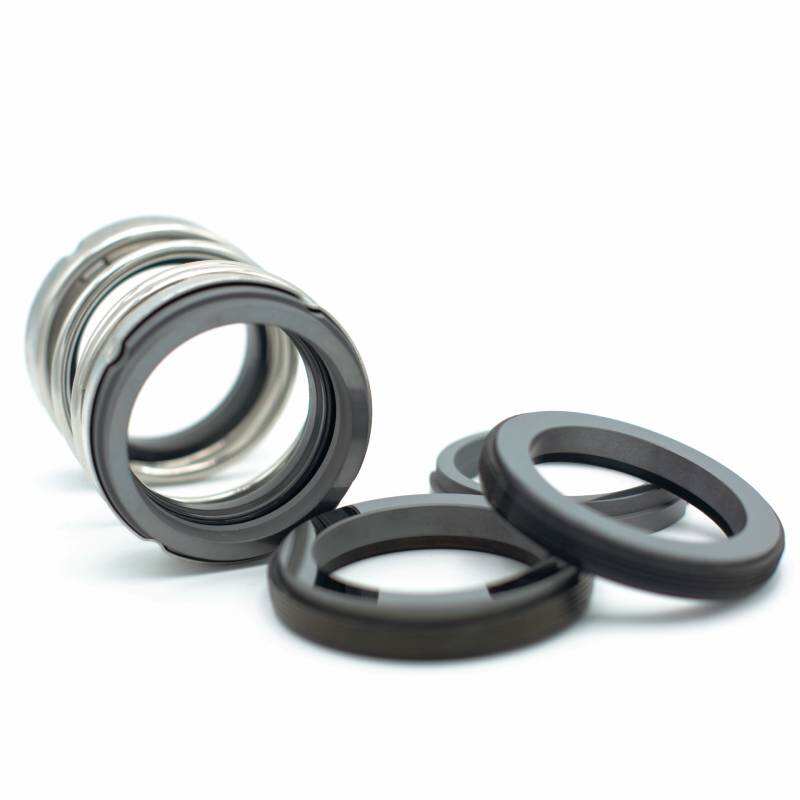
Industrial pumping systems demand exceptional reliability and performance, especially when handling aggressive fluids and operating under extreme conditions. Modern mechanical seal technology has evolved to meet these challenges, with advanced solutions like cartex systems leading the industry in durability and efficiency. These specialized sealing mechanisms provide superior protection against leakage while maintaining optimal operational performance across diverse industrial applications. The integration of cutting-edge materials and precision engineering makes cartex technology an essential component for facilities requiring uncompromising seal performance.
Understanding Cartex Mechanical Seal Technology
Core Design Principles
The fundamental architecture of cartex mechanical seals incorporates advanced face seal geometry that ensures consistent contact pressure and minimal friction during operation. This design philosophy prioritizes longevity while maintaining exceptional sealing capabilities across varying temperature and pressure conditions. The precision-machined surfaces create an optimal sealing interface that adapts to minor shaft movements and thermal expansion without compromising integrity.
Material selection plays a crucial role in cartex seal performance, with manufacturers utilizing high-grade carbon, silicon carbide, and tungsten carbide combinations to achieve maximum wear resistance. These materials undergo specialized heat treatment processes that enhance their molecular structure, resulting in superior hardness and chemical resistance. The careful balance between hardness and flexibility ensures that cartex seals maintain their effectiveness even under extreme operational stress.
Advanced Manufacturing Techniques
Contemporary cartex production employs computer-controlled machining centers that achieve tolerances measured in micrometers, ensuring perfect fit and optimal performance characteristics. The manufacturing process includes multiple quality checkpoints where dimensional accuracy, surface finish, and material integrity undergo rigorous testing. Advanced grinding techniques create mirror-like surface finishes that minimize friction and wear while maximizing sealing effectiveness.
Quality assurance protocols for cartex manufacturing include hydrostatic pressure testing, thermal cycling evaluation, and accelerated wear testing to simulate years of operational conditions. These comprehensive testing procedures guarantee that each seal meets stringent performance standards before reaching industrial applications. The implementation of statistical process control ensures consistent quality across entire production runs, maintaining the reliability standards that industrial operators depend upon.
Industrial Applications and Performance Benefits
Chemical Processing Industries
Chemical processing facilities rely heavily on cartex mechanical seals for handling corrosive substances and maintaining process isolation. The exceptional chemical resistance of modern cartex designs allows for safe handling of acids, bases, solvents, and other aggressive chemicals without seal degradation. This reliability translates directly into reduced maintenance costs and improved operational safety for chemical manufacturing operations.
Temperature stability represents another critical advantage of cartex technology in chemical applications, where process temperatures can fluctuate dramatically during normal operations. The thermal expansion characteristics of cartex materials remain stable across wide temperature ranges, preventing seal failure during thermal cycling. This stability ensures consistent performance whether processing high-temperature reactants or cryogenic fluids.
Oil and Gas Operations
Petroleum industry applications demand exceptional reliability from sealing systems, particularly in offshore drilling and refining operations where equipment failure can result in significant environmental and economic consequences. Cartex mechanical seals provide the robust performance required for these demanding applications, withstanding high pressures and hydrocarbon exposure without deterioration.
The ability of cartex seals to maintain integrity under extreme pressure conditions makes them ideal for deepwater drilling operations and high-pressure pipeline systems. Their resistance to hydrocarbon swelling and chemical degradation ensures long-term reliability in crude oil, natural gas, and refined product handling applications. This durability reduces the frequency of costly offshore maintenance operations and minimizes environmental risks associated with seal failures.
Installation and Maintenance Considerations
Proper Installation Procedures
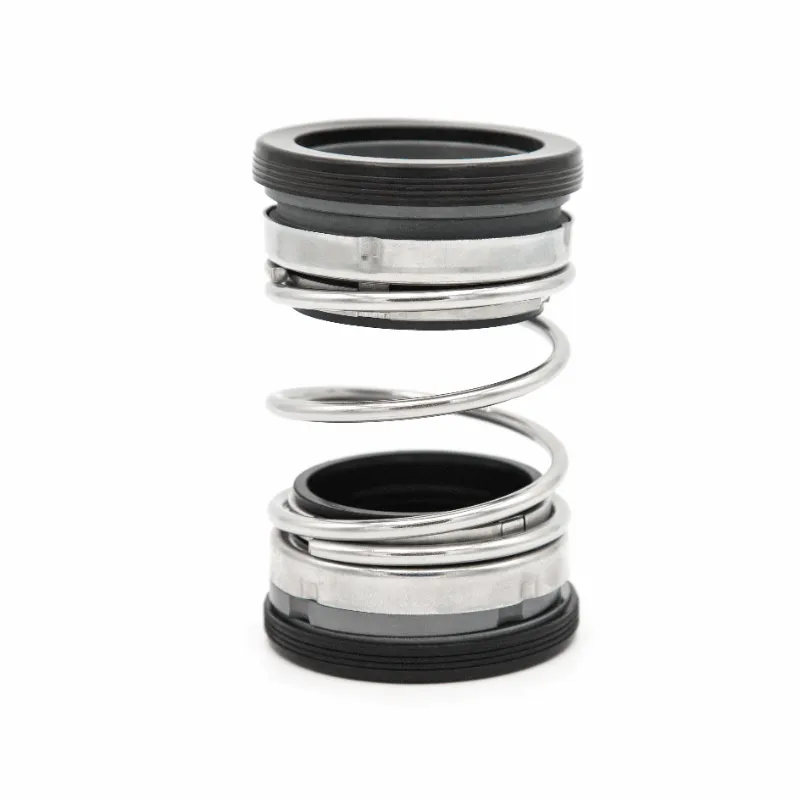
Successful cartex seal installation requires careful attention to shaft alignment, housing concentricity, and proper torque specifications to ensure optimal performance and longevity. Pre-installation inspection of mating surfaces, shaft runout measurement, and housing bore verification help prevent premature seal failure. The use of appropriate installation tools and following manufacturer-specified procedures ensures that cartex seals achieve their designed performance characteristics.
Environmental considerations during installation include maintaining clean conditions, using appropriate lubricants, and protecting seal faces from contamination. The delicate sealing surfaces of cartex systems require careful handling to prevent scratches or damage that could compromise sealing effectiveness. Proper storage and handling procedures before installation help maintain the precision manufacturing tolerances that make cartex seals so effective.
Preventive Maintenance Strategies
Regular monitoring of cartex seal performance includes tracking leakage rates, vibration levels, and temperature variations that could indicate developing problems. Early detection of performance changes allows for planned maintenance rather than emergency repairs, significantly reducing operational disruptions. Condition monitoring systems can provide continuous feedback on seal performance, enabling predictive maintenance strategies that maximize equipment uptime.
Scheduled maintenance intervals for cartex systems depend on operating conditions, but typically involve inspection of auxiliary systems such as flush lines, quench systems, and cooling circuits. Maintaining proper support system operation ensures that cartex seals operate within their designed parameters, extending service life and maintaining optimal performance. Documentation of maintenance activities and performance trends helps optimize maintenance schedules and identify potential improvements in system design or operation.
Selection Criteria and Engineering Specifications
Operating Parameter Evaluation
Selecting the appropriate cartex seal configuration requires careful analysis of operating pressure, temperature, shaft speed, and fluid characteristics to ensure optimal performance and longevity. Pressure-velocity calculations help determine the most suitable seal face materials and spring loading requirements for specific applications. The interaction between these parameters significantly influences seal performance and service life expectations.
Fluid compatibility analysis ensures that cartex materials remain stable when exposed to process fluids, preventing chemical attack or swelling that could compromise seal integrity. Consideration of fluid properties such as viscosity, lubricity, and abrasiveness helps optimize seal design for specific applications. The presence of suspended solids or crystallizing tendencies requires special attention to flush system design and seal face material selection.
Environmental and Safety Factors
Environmental regulations and safety requirements often dictate the selection of cartex seal configurations, particularly in applications involving hazardous or environmentally sensitive fluids. Double mechanical seal arrangements provide additional containment protection, while cartex technology ensures reliable performance of both primary and secondary sealing elements. Compliance with industry standards and environmental regulations requires careful consideration of seal design and support system requirements.
Safety considerations extend beyond environmental protection to include personnel safety during maintenance and operation. Cartex seals with cartridge designs facilitate safer maintenance procedures by minimizing exposure to process fluids and reducing maintenance time. The robust design of cartex systems also reduces the likelihood of catastrophic failure that could endanger personnel or equipment.
Economic Impact and Cost Optimization
Total Cost of Ownership Analysis
Economic evaluation of cartex mechanical seal systems extends beyond initial purchase price to include installation costs, maintenance requirements, energy consumption, and downtime impacts. The superior reliability of cartex technology often justifies higher initial costs through reduced maintenance frequency and extended service life. Comprehensive cost analysis reveals that cartex seals typically provide lower total cost of ownership compared to conventional sealing solutions.
Energy efficiency benefits of cartex seals contribute to operational cost savings through reduced friction and power consumption. The precision manufacturing and optimized face geometry minimize energy losses while maintaining effective sealing. These efficiency gains compound over the operational life of the equipment, providing substantial cost savings in energy-intensive applications.
Reliability and Downtime Reduction
The exceptional reliability of cartex mechanical seals significantly reduces unplanned downtime, which represents one of the largest cost factors in industrial operations. Improved mean time between failures translates directly into increased production capacity and reduced maintenance costs. The predictable performance characteristics of cartex systems enable better maintenance planning and inventory management.
Risk mitigation benefits of cartex technology include reduced likelihood of environmental incidents, equipment damage, and production losses associated with seal failures. The robust design margins incorporated into cartex seals provide additional safety factors that protect against unexpected operating conditions. This reliability reduces insurance costs and regulatory compliance risks while improving overall operational stability.
Future Developments and Technology Trends
Advanced Materials Research
Ongoing research in cartex seal technology focuses on developing new materials with enhanced performance characteristics, including improved wear resistance, chemical compatibility, and temperature stability. Nanotechnology applications in seal face materials promise to further improve friction characteristics and extend service life. These material advances will expand the application range of cartex seals into even more demanding environments.
Ceramic matrix composites and advanced polymer formulations represent emerging material technologies that could revolutionize cartex seal performance. These materials offer the potential for significant improvements in chemical resistance, thermal stability, and mechanical properties. The integration of smart materials that can adapt to changing operating conditions represents a future direction for cartex technology development.
Digital Integration and Monitoring
The integration of digital sensors and monitoring systems into cartex seal designs enables real-time performance monitoring and predictive maintenance capabilities. IoT connectivity allows for remote monitoring of seal condition and automated alert systems for maintenance scheduling. These digital enhancements improve reliability while reducing maintenance costs through optimized service intervals.
Artificial intelligence applications in cartex seal monitoring can identify performance patterns and predict failure modes before they occur, enabling proactive maintenance strategies. Machine learning algorithms analyze operational data to optimize seal performance and extend service life. These technological advances position cartex seals at the forefront of Industry 4.0 implementations in industrial facilities.
FAQ
What makes cartex mechanical seals superior to conventional sealing solutions
Cartex mechanical seals offer superior performance through advanced materials engineering, precision manufacturing, and optimized design geometry that provides exceptional durability and reliability. The combination of high-grade face materials, precise dimensional tolerances, and robust construction enables cartex seals to withstand extreme operating conditions while maintaining consistent sealing performance. This translates into longer service life, reduced maintenance requirements, and lower total cost of ownership compared to traditional sealing technologies.
How do operating conditions affect cartex seal selection and performance
Operating conditions such as pressure, temperature, shaft speed, and fluid characteristics directly influence cartex seal selection and expected performance. Higher pressures require stronger spring loading and more robust face materials, while temperature extremes may necessitate special material combinations and thermal management considerations. Proper evaluation of all operating parameters ensures optimal cartex seal configuration and maximizes service life in specific applications.
What maintenance practices optimize cartex seal performance and longevity
Optimal cartex seal performance requires regular monitoring of operating parameters, proper maintenance of support systems such as flush and cooling circuits, and adherence to manufacturer-recommended service intervals. Condition monitoring techniques help identify performance trends and enable predictive maintenance strategies that prevent unexpected failures. Proper installation procedures, environmental cleanliness, and use of appropriate lubricants during maintenance also contribute significantly to extended cartex seal service life.
How do environmental regulations impact cartex seal selection and design
Environmental regulations often require enhanced containment capabilities and improved reliability from cartex seal systems, particularly when handling hazardous or environmentally sensitive fluids. Double seal arrangements with appropriate barrier fluid systems may be necessary to meet regulatory requirements while maintaining operational efficiency. The robust design and proven reliability of cartex technology makes it well-suited for applications where environmental compliance is critical, providing the performance assurance needed to meet stringent regulatory standards.