 EN
EN


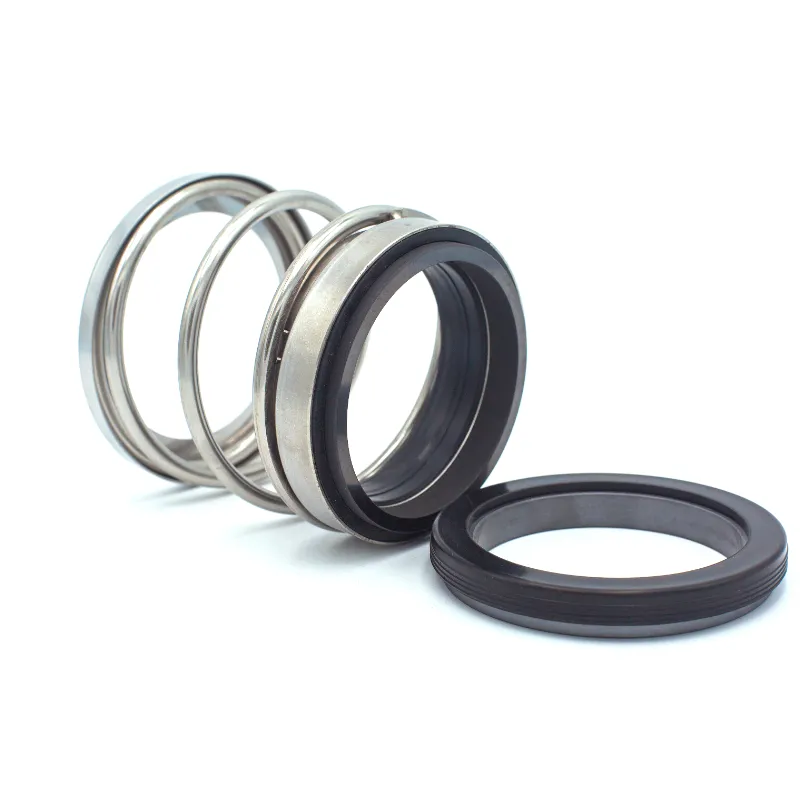
Industrial facilities worldwide face mounting pressure to reduce operational costs while maintaining peak equipment performance. One critical component that significantly impacts maintenance expenses is the mechanical seal system used in pumps, compressors, and rotating equipment. High-Performance Mechanical Seals represent a transformative solution that addresses these challenges by delivering superior reliability, extended service life, and reduced downtime compared to conventional sealing technologies.
Manufacturing operations across industries including chemical processing, oil and gas, water treatment, and power generation rely heavily on rotating equipment where sealing integrity directly affects both safety and profitability. Traditional sealing methods often require frequent replacement cycles, unplanned maintenance interventions, and costly production shutdowns. Advanced mechanical seal technologies have emerged as a strategic solution to these persistent challenges, offering measurable returns on investment through reduced maintenance requirements and enhanced operational efficiency.
The economic impact of seal failures extends far beyond the component replacement cost itself. Unplanned downtime, emergency repairs, environmental compliance issues, and lost production capacity create cascading financial consequences that can devastate operational budgets. Understanding how high-performance sealing solutions address these cost drivers provides facility managers with valuable insights for making informed equipment upgrade decisions that support long-term financial objectives.
Understanding High-Performance Mechanical Seal Technology
Advanced Materials and Engineering Design
Modern High-Performance Mechanical Seals incorporate cutting-edge materials science and precision engineering to overcome the limitations of conventional sealing systems. These advanced components utilize specialized face materials such as silicon carbide, tungsten carbide, and advanced ceramics that provide exceptional wear resistance and chemical compatibility across diverse operating conditions. The enhanced material properties enable these seals to withstand higher pressures, temperatures, and corrosive environments while maintaining consistent sealing performance over extended periods.
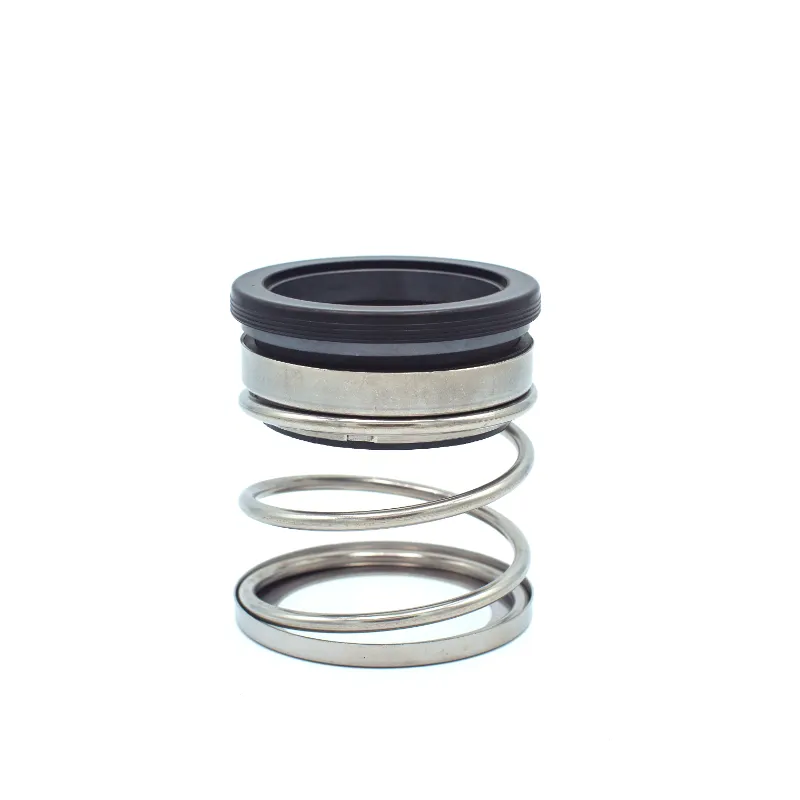
Engineering innovations in seal face geometry, spring systems, and secondary sealing elements contribute significantly to the superior performance characteristics of these advanced systems. Precision-machined sealing surfaces with optimized flatness and surface finish reduce friction and heat generation, while advanced spring designs maintain proper contact pressure throughout the seal's operational life. Secondary sealing elements manufactured from high-performance elastomers provide reliable static sealing even under extreme temperature fluctuations and chemical exposure conditions.
Operating Principles and Performance Benefits
The fundamental operating principle of High-Performance Mechanical Seals involves creating a controlled interface between rotating and stationary components where a thin fluid film maintains separation while preventing leakage. Advanced seal designs optimize this interface through sophisticated face geometry, improved lubrication systems, and enhanced heat dissipation capabilities that collectively reduce wear rates and extend service intervals compared to standard mechanical seals.
Performance benefits manifest through measurably improved mean time between failures, reduced leakage rates, and enhanced compatibility with challenging process fluids. These improvements translate directly into reduced maintenance frequency, lower spare parts consumption, and decreased environmental compliance risks. Additionally, the enhanced reliability of high-performance sealing systems supports predictive maintenance strategies that enable planned maintenance activities rather than reactive emergency repairs.
Cost Analysis and Maintenance Reduction Strategies
Direct Maintenance Cost Reduction
Implementing High-Performance Mechanical Seals generates substantial direct maintenance cost savings through extended service intervals and reduced component replacement frequency. Industry data indicates that advanced mechanical seals typically achieve service lives two to five times longer than conventional alternatives, significantly reducing the frequency of planned maintenance interventions. This extended operational period translates into lower annual spare parts consumption, reduced labor requirements for maintenance activities, and decreased inventory carrying costs for replacement components.
Labor cost reductions represent another significant benefit area, as longer service intervals mean maintenance technicians spend less time performing seal replacements and associated equipment servicing. The reduced maintenance frequency also allows maintenance teams to focus resources on other critical equipment needs, improving overall facility maintenance efficiency. Additionally, the predictable service life of high-performance seals enables better maintenance planning and scheduling, reducing overtime labor costs associated with emergency repairs.
Indirect Cost Benefits and Operational Improvements
Beyond direct maintenance savings, High-Performance Mechanical Seals deliver substantial indirect cost benefits through improved equipment reliability and operational efficiency. Reduced unplanned downtime translates directly into increased production capacity and revenue generation opportunities, while enhanced sealing integrity minimizes product losses and environmental compliance risks. These operational improvements often represent the largest component of total cost savings achieved through high-performance sealing system implementation.
Energy efficiency improvements also contribute to operational cost reduction, as advanced seal designs typically exhibit lower friction characteristics that reduce power consumption in rotating equipment. The improved sealing performance reduces auxiliary system requirements such as seal flush systems and buffer gas consumption, further contributing to operational cost savings. These cumulative benefits create compelling business cases for upgrading to high-performance sealing technologies across industrial applications.
Industry Applications and Implementation Considerations
Chemical Processing and Petrochemical Industries
Chemical processing facilities represent one of the most demanding applications for High-Performance Mechanical Seals, where aggressive chemicals, extreme temperatures, and high pressures create challenging sealing environments. These advanced sealing systems demonstrate exceptional performance in handling corrosive process fluids, high-temperature applications, and critical safety services where seal failure could create significant safety or environmental risks. The enhanced chemical compatibility and thermal stability of high-performance seals make them essential components for modern chemical processing operations.
Petrochemical refineries and gas processing facilities benefit significantly from the improved reliability and safety characteristics of advanced mechanical sealing systems. These applications often involve hydrocarbon services where seal integrity directly impacts both operational safety and environmental compliance. High-Performance Mechanical Seals provide the enhanced reliability required for these critical applications while reducing maintenance costs through extended service intervals and improved predictability of maintenance requirements.
Water Treatment and Power Generation Applications
Municipal and industrial water treatment facilities utilize High-Performance Mechanical Seals in pumping systems handling various water qualities, from clean potable water to heavily contaminated wastewater streams. The enhanced wear resistance and corrosion protection of these advanced seals provide significant maintenance cost reductions in applications involving abrasive particles, chemical additives, and varying pH conditions. The improved reliability also supports critical infrastructure requirements where equipment failures can impact public health and safety.
Power generation facilities, including both fossil fuel and renewable energy systems, rely on High-Performance Mechanical Seals for critical pumping applications such as boiler feed water, cooling water circulation, and fuel handling systems. The enhanced reliability of these sealing systems supports power plant availability requirements while reducing maintenance costs through extended service intervals. The ability to operate reliably under varying load conditions and thermal cycling makes these seals particularly valuable for modern power generation applications.
Selection Criteria and Performance Optimization
Technical Specification Requirements
Selecting appropriate High-Performance Mechanical Seals requires careful evaluation of operating conditions including pressure, temperature, speed, and chemical compatibility requirements. Advanced sealing systems offer various material combinations and design configurations to optimize performance for specific applications. Understanding the relationship between operating parameters and seal material selection enables facility engineers to maximize the maintenance cost reduction benefits of high-performance sealing technologies.
Performance optimization also involves consideration of system design factors such as flush plans, auxiliary systems, and installation requirements that influence seal performance and service life. Proper seal selection and system design ensure that High-Performance Mechanical Seals achieve their full potential for maintenance cost reduction while providing reliable long-term service. Technical support from seal manufacturers plays a crucial role in optimizing these complex interactions for maximum cost-effectiveness.
Installation and Maintenance Best Practices
Achieving maximum maintenance cost reduction benefits from High-Performance Mechanical Seals requires adherence to proper installation procedures and maintenance practices. Precision installation techniques, proper shaft alignment, and appropriate system commissioning procedures ensure that advanced seals operate within their design parameters to achieve expected service life goals. Training maintenance personnel on proper installation and handling procedures prevents premature failures that could negate the cost reduction benefits of high-performance sealing systems.
Condition monitoring and predictive maintenance strategies enhance the cost reduction benefits of High-Performance Mechanical Seals by enabling early detection of potential issues before they result in equipment failures. Vibration monitoring, temperature measurement, and leakage detection systems provide valuable data for optimizing maintenance schedules and maximizing seal service life. These proactive maintenance approaches leverage the enhanced reliability of high-performance seals to achieve maximum cost reduction benefits.
Return on Investment and Economic Justification
Financial Analysis Methods
Quantifying the maintenance cost reduction benefits of High-Performance Mechanical Seals requires comprehensive financial analysis that considers both direct and indirect cost factors. Life cycle cost analysis provides the most accurate method for evaluating the economic benefits of advanced sealing technologies by comparing total ownership costs over extended operating periods. This analysis includes initial equipment costs, maintenance expenses, downtime costs, and operational efficiency improvements to provide complete economic justification for high-performance sealing system investments.
Payback period calculations typically demonstrate favorable returns on investment for High-Performance Mechanical Seals, with many applications achieving payback within one to three years through reduced maintenance costs alone. When including indirect benefits such as reduced downtime, improved reliability, and enhanced safety performance, the economic justification becomes even more compelling. These financial benefits support capital investment decisions for upgrading existing equipment or specifying advanced sealing systems for new installations.
Long-term Cost Projection Models
Long-term cost projection models demonstrate the cumulative financial benefits of implementing High-Performance Mechanical Seals across multiple years of operation. These models account for inflation, changing maintenance labor costs, and evolving regulatory requirements that influence total cost of ownership calculations. The enhanced predictability of maintenance requirements with high-performance sealing systems enables more accurate budget planning and resource allocation for facility maintenance operations.
Risk assessment considerations also factor into long-term cost projections, as the improved reliability of High-Performance Mechanical Seals reduces exposure to catastrophic failure scenarios that could result in significant financial losses. The enhanced safety characteristics and environmental compliance benefits of advanced sealing systems provide additional economic value through reduced insurance costs and regulatory compliance expenses. These comprehensive cost models support strategic decision-making for facility modernization and equipment upgrade programs.
FAQ
How much can facilities typically save on maintenance costs by upgrading to High-Performance Mechanical Seals
Maintenance cost savings from High-Performance Mechanical Seals typically range from 30% to 70% compared to conventional sealing systems, depending on the specific application and operating conditions. These savings result from extended service intervals, reduced unplanned downtime, lower spare parts consumption, and decreased labor requirements for maintenance activities. Most facilities achieve payback on their investment within 1-3 years through direct maintenance cost reductions alone.
What operating conditions benefit most from high-performance sealing technology upgrades
Applications involving high pressures, extreme temperatures, corrosive chemicals, or abrasive fluids typically achieve the greatest maintenance cost reduction benefits from High-Performance Mechanical Seals. Critical services where seal failures result in significant downtime or safety risks also justify high-performance sealing system investments. Facilities with aging equipment experiencing frequent seal failures are excellent candidates for upgrading to advanced sealing technologies.
How do High-Performance Mechanical Seals compare to traditional sealing methods in terms of service life
High-Performance Mechanical Seals typically achieve service lives 2-5 times longer than conventional mechanical seals and significantly longer than packing or other traditional sealing methods. This extended service life results from advanced materials, precision manufacturing, and optimized design features that reduce wear rates and improve reliability. The predictable service intervals enable better maintenance planning and reduce emergency repair requirements.
What factors should be considered when calculating the return on investment for high-performance sealing upgrades
ROI calculations should include direct costs such as seal purchase price, installation expenses, and ongoing maintenance costs, as well as indirect benefits like reduced downtime, improved safety, and enhanced environmental compliance. Energy savings from reduced friction, lower auxiliary system requirements, and improved production efficiency also contribute to overall economic benefits. Long-term considerations such as equipment reliability improvements and predictable maintenance scheduling provide additional value that supports investment justification.
Table of Contents
- Understanding High-Performance Mechanical Seal Technology
- Cost Analysis and Maintenance Reduction Strategies
- Industry Applications and Implementation Considerations
- Selection Criteria and Performance Optimization
- Return on Investment and Economic Justification
-
FAQ
- How much can facilities typically save on maintenance costs by upgrading to High-Performance Mechanical Seals
- What operating conditions benefit most from high-performance sealing technology upgrades
- How do High-Performance Mechanical Seals compare to traditional sealing methods in terms of service life
- What factors should be considered when calculating the return on investment for high-performance sealing upgrades