 EN
EN


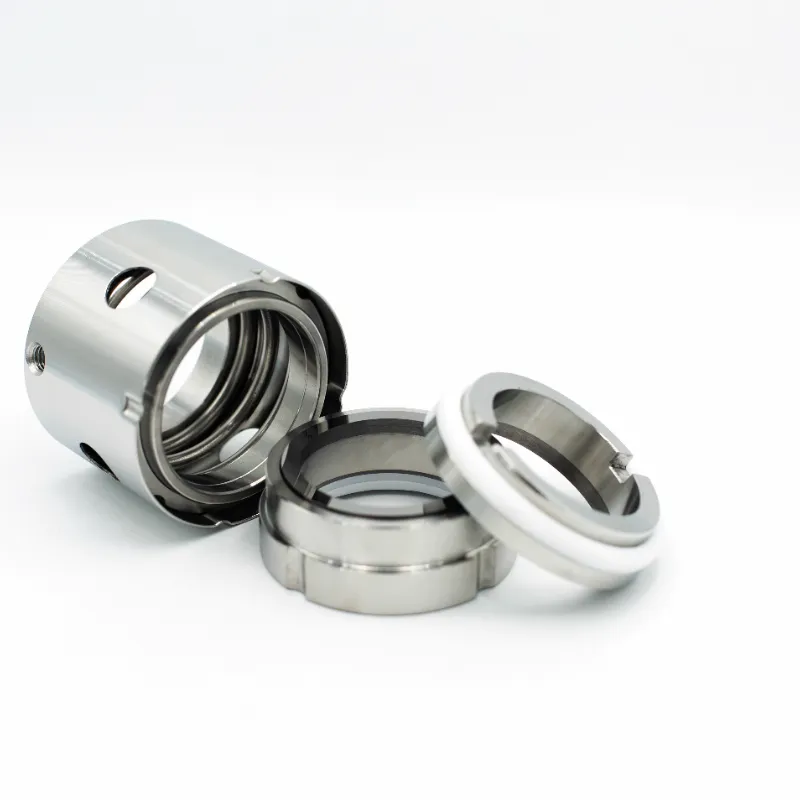
Industrial facilities across manufacturing, chemical processing, and oil refining sectors face constant pressure to minimize equipment downtime while maximizing operational efficiency. One critical component that significantly impacts these goals is the mechanical sealing system used in rotating equipment. Cartridge Mechanical Seals have emerged as a revolutionary solution that addresses many traditional sealing challenges, offering enhanced reliability and reduced maintenance requirements compared to conventional component seals.
The evolution from component-style mechanical seals to cartridge mechanical seals represents a significant advancement in sealing technology. Unlike traditional seals that require individual assembly of multiple components on-site, cartridge mechanical seals arrive as pre-assembled units with all sealing elements, springs, and secondary seals integrated into a single cartridge housing. This design innovation eliminates many common installation errors while providing superior performance characteristics that directly translate to reduced operational costs and improved equipment availability.
Understanding Cartridge Mechanical Seal Technology
Design Principles and Construction
Cartridge mechanical seals incorporate advanced engineering principles that optimize seal face contact, heat dissipation, and contamination resistance. The cartridge design encapsulates all critical sealing components within a protective housing, ensuring precise alignment and proper compression of sealing elements. This integrated approach eliminates the guesswork associated with component seal installation, where improper assembly can lead to premature failure and costly downtime events.
The construction of cartridge mechanical seals typically includes high-performance materials such as silicon carbide, tungsten carbide, or ceramic seal faces that provide exceptional wear resistance and chemical compatibility. These materials are specifically selected based on the application requirements, including fluid characteristics, temperature ranges, and pressure conditions. The cartridge housing itself is manufactured from corrosion-resistant materials like stainless steel or specialized alloys that ensure long-term durability in harsh industrial environments.
Sealing Mechanism and Performance Characteristics
The sealing mechanism in cartridge mechanical seals relies on precise face-to-face contact between rotating and stationary seal rings, creating a dynamic seal that prevents fluid leakage while accommodating shaft movement and thermal expansion. Advanced spring systems within the cartridge maintain optimal seal face loading throughout the operating cycle, automatically adjusting for wear and thermal effects that would otherwise compromise sealing performance in traditional designs.
Temperature management is a critical aspect of cartridge mechanical seals performance, as these units often incorporate enhanced heat dissipation features such as enlarged cooling chambers, optimized fluid circulation paths, and thermal barrier coatings. These design elements work together to maintain stable operating temperatures even under demanding conditions, significantly extending seal life and reducing the likelihood of thermal-induced failures that commonly plague conventional sealing systems.
Operational Advantages in Industrial Applications
Reduced Installation Time and Complexity
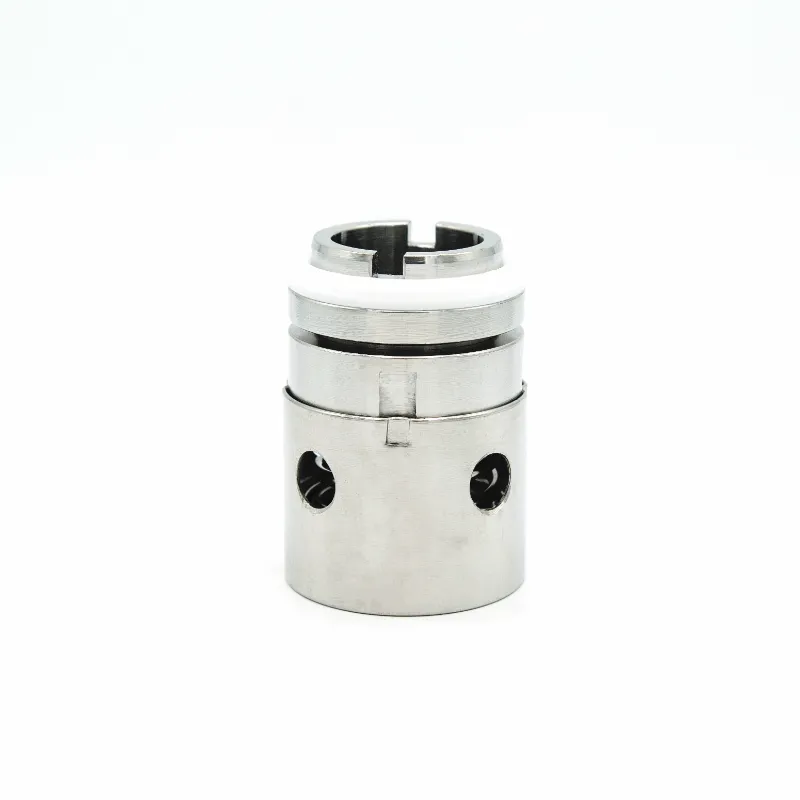
One of the most significant advantages of cartridge mechanical seals is the dramatic reduction in installation time and complexity compared to component seals. Traditional mechanical seal installation requires skilled technicians to carefully measure, align, and assemble multiple individual components, a process that can take several hours and is prone to human error. Cartridge mechanical seals eliminate this complexity by arriving as complete, pre-assembled units that can be installed in a fraction of the time using standardized procedures.
The simplified installation process for cartridge mechanical seals also reduces the skill level required for maintenance personnel, as the pre-set dimensions and factory-calibrated components eliminate critical measurement and adjustment steps. This standardization allows facilities to train maintenance staff more efficiently while reducing the risk of installation-related failures that can result in immediate equipment damage or extended downtime periods.
Enhanced Reliability and Performance Consistency
Cartridge mechanical seals deliver superior reliability through their factory-controlled assembly process, which ensures optimal component alignment and proper spring compression under controlled manufacturing conditions. This precision assembly eliminates many variables that can affect seal performance in field-assembled component seals, resulting in more predictable service life and consistent performance across multiple installations.
The integrated design of cartridge mechanical seals also provides better contamination protection, as the cartridge housing shields internal components from external contaminants that can cause premature wear or seal face damage. This protection is particularly valuable in applications involving abrasive particles, corrosive chemicals, or high-temperature conditions where component seals might experience rapid degradation due to environmental exposure.
Maintenance Benefits and Cost Reduction
Predictive Maintenance Capabilities
Modern cartridge mechanical seals often incorporate advanced monitoring capabilities that enable predictive maintenance strategies, allowing maintenance teams to schedule seal replacement during planned outages rather than responding to unexpected failures. These monitoring systems can track seal face wear, detect early signs of degradation, and provide advance warning of potential issues before they result in catastrophic failure or environmental releases.
The predictive maintenance capabilities of cartridge mechanical seals extend beyond simple leak detection to include temperature monitoring, vibration analysis, and seal face condition assessment. This comprehensive monitoring approach enables maintenance professionals to optimize replacement intervals, reduce inventory requirements, and eliminate emergency repair situations that often involve premium labor costs and expedited parts procurement.
Inventory Management and Standardization
Implementing cartridge mechanical seals in industrial facilities often leads to significant improvements in inventory management and parts standardization. Unlike component seals that require stocking multiple individual parts for each seal size and configuration, cartridge mechanical seals consolidate inventory requirements into fewer, more standardized units that can serve multiple applications within a facility.
The standardization benefits of cartridge mechanical seals extend to maintenance procedures, training requirements, and spare parts management. Facilities can develop standardized installation and maintenance procedures that apply across multiple equipment types, reducing training costs and improving maintenance efficiency. This standardization also simplifies procurement processes and enables better negotiation of volume discounts with seal suppliers.
Economic Impact and Return on Investment
Quantifying Downtime Reduction
The economic benefits of cartridge mechanical seals become evident when analyzing their impact on equipment downtime and maintenance costs. Studies in various industrial sectors have demonstrated that facilities implementing cartridge mechanical seals typically experience 40-60% reduction in seal-related downtime compared to traditional component seal systems. This reduction stems from faster installation times, improved reliability, and enhanced predictive maintenance capabilities.
Downtime cost calculations must consider not only the direct costs of maintenance labor and parts but also the indirect costs of lost production, product quality issues, and potential environmental or safety incidents. Cartridge mechanical seals address all these cost factors by providing more reliable sealing performance that reduces both planned and unplanned maintenance events while improving overall equipment effectiveness.
Long-term Operational Savings
Beyond immediate maintenance savings, cartridge mechanical seals contribute to long-term operational cost reduction through improved energy efficiency, reduced product loss, and extended equipment life. The superior sealing performance of cartridge mechanical seals minimizes internal leakage that can reduce pump efficiency and increase energy consumption, while also preventing product contamination that might require costly reprocessing or disposal.
The extended service life typical of cartridge mechanical seals also reduces the frequency of seal replacement activities, leading to lower annual maintenance costs and reduced exposure to safety risks associated with equipment maintenance. These long-term benefits often justify the higher initial cost of cartridge mechanical seals through improved total cost of ownership calculations that account for all operational and maintenance expenses over the equipment lifecycle.
Industry-Specific Applications and Success Stories
Chemical Processing and Petrochemical Industries
In chemical processing applications, cartridge mechanical seals have proven particularly effective in handling corrosive and toxic fluids where seal reliability is critical for both operational and safety considerations. The enhanced chemical compatibility and contamination resistance of cartridge mechanical seals make them ideal for applications involving acids, caustics, and organic solvents that can quickly degrade conventional sealing systems.
Petrochemical facilities have reported significant improvements in equipment availability and maintenance costs after implementing cartridge mechanical seals in critical pumping applications. The ability of these seals to handle high-temperature hydrocarbon streams while maintaining reliable sealing performance has enabled extended run times between maintenance intervals, resulting in improved production efficiency and reduced maintenance-related safety exposure.
Power Generation and Water Treatment
Power generation facilities utilize cartridge mechanical seals in various applications including cooling water pumps, condensate systems, and chemical feed equipment where reliability is essential for maintaining grid stability and environmental compliance. The predictive maintenance capabilities of modern cartridge mechanical seals align well with the condition-based maintenance strategies employed by power generation companies to optimize equipment performance and minimize forced outages.
Water treatment facilities have found cartridge mechanical seals particularly beneficial in applications involving abrasive slurries, corrosive chemicals, and varying operating conditions that can challenge conventional sealing systems. The robust design and enhanced contamination resistance of cartridge mechanical seals enable reliable operation in these demanding environments while reducing maintenance frequency and associated labor costs.
Implementation Strategies and Best Practices
Selection Criteria and Application Assessment
Successful implementation of cartridge mechanical seals begins with thorough application assessment and proper selection criteria that consider fluid characteristics, operating conditions, and performance requirements. Factors such as pressure, temperature, fluid compatibility, and shaft speed must be carefully evaluated to ensure optimal seal selection and performance. Working with experienced seal manufacturers and application engineers helps ensure proper selection and avoids costly misapplication issues.
The assessment process should also include evaluation of existing equipment modifications that might be required to accommodate cartridge mechanical seals, such as seal chamber dimensions, cooling system requirements, or instrumentation connections for monitoring systems. Planning for these modifications during scheduled outages helps minimize installation costs and ensures smooth transition to the new sealing technology.
Training and Maintenance Program Development
Implementing cartridge mechanical seals successfully requires developing appropriate training programs for maintenance personnel and establishing maintenance procedures that leverage the unique capabilities of these sealing systems. Training should cover proper installation techniques, monitoring system operation, and troubleshooting procedures specific to cartridge mechanical seals to ensure optimal performance and reliability.
Maintenance program development should incorporate the predictive maintenance capabilities of cartridge mechanical seals to optimize replacement intervals and reduce overall maintenance costs. Establishing baseline performance data and monitoring trends enables maintenance teams to identify optimal replacement timing while avoiding both premature replacement and unexpected failures that can result in costly emergency repairs.
FAQ
What makes cartridge mechanical seals more reliable than component seals
Cartridge mechanical seals offer superior reliability because they are pre-assembled under controlled factory conditions, eliminating installation errors that commonly occur with component seals. The integrated design provides better alignment, proper spring compression, and enhanced contamination protection, resulting in longer service life and more predictable performance compared to field-assembled component seals.
How do cartridge mechanical seals reduce maintenance costs
These seals reduce maintenance costs through faster installation times, extended service life, predictive maintenance capabilities, and simplified inventory management. The pre-assembled design eliminates time-consuming field assembly, while enhanced reliability reduces both planned and unplanned maintenance events, resulting in significant cost savings over the equipment lifecycle.
Can existing equipment be retrofitted with cartridge mechanical seals
Most existing equipment can be retrofitted with cartridge mechanical seals, though some modifications to seal chambers or cooling systems may be required. Working with seal manufacturers during the retrofit planning process helps identify any necessary modifications and ensures proper selection of cartridge seals that will provide optimal performance in the existing equipment configuration.
What monitoring capabilities are available with modern cartridge mechanical seals
Modern cartridge mechanical seals can incorporate various monitoring technologies including temperature sensors, vibration monitoring, seal face wear detection, and leak detection systems. These monitoring capabilities enable predictive maintenance strategies that allow maintenance teams to schedule seal replacement during planned outages rather than responding to unexpected failures, further reducing downtime and maintenance costs.