 EN
EN


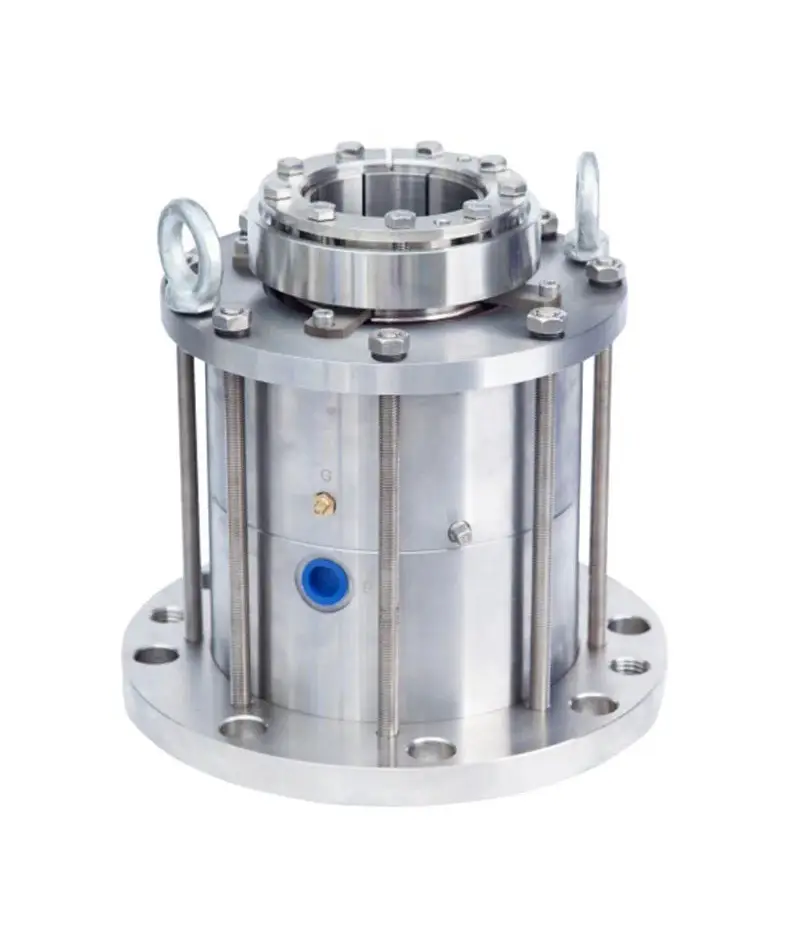
Industrial mixing operations in chemical, pharmaceutical, and food processing facilities rely heavily on dependable sealing solutions to maintain process integrity and operational efficiency. Agitator seals serve as critical components that prevent fluid leakage while ensuring contamination-free mixing environments. These specialized sealing systems must withstand challenging conditions including temperature fluctuations, chemical compatibility requirements, and continuous mechanical stress from rotating equipment.
Modern manufacturing processes demand sealing solutions that deliver consistent performance across diverse applications. From pharmaceutical batch reactors to food-grade mixing vessels, the selection of appropriate sealing technology directly impacts product quality, operational costs, and regulatory compliance. Understanding the fundamental principles and available options for agitator sealing systems enables engineers to make informed decisions that optimize both performance and reliability.
Understanding Agitator Seal Technology
Mechanical Seal Fundamentals
Mechanical seals represent the most widely adopted solution for agitator applications, offering superior performance compared to traditional packing methods. These precision-engineered components create a dynamic seal between rotating and stationary surfaces through carefully controlled contact pressure and lubrication. The seal faces, typically manufactured from materials such as silicon carbide, tungsten carbide, or specialized ceramics, maintain minimal clearance while preventing process fluid escape.
The effectiveness of mechanical agitator seals depends on several critical factors including face flatness, surface finish quality, and proper installation procedures. Primary sealing occurs at the interface between rotating and stationary seal faces, while secondary sealing elements such as O-rings or bellows provide static sealing against housing components. This dual-sealing approach ensures comprehensive containment even under varying operational conditions.
Single Face Versus Dual Face Configurations
Single face agitator seals utilize one primary sealing interface, making them suitable for standard applications with moderate pressure and temperature requirements. These designs offer cost-effective solutions for many industrial mixing operations while maintaining adequate performance levels. The simplified construction reduces initial investment costs and simplifies maintenance procedures, making them attractive for budget-conscious facilities.
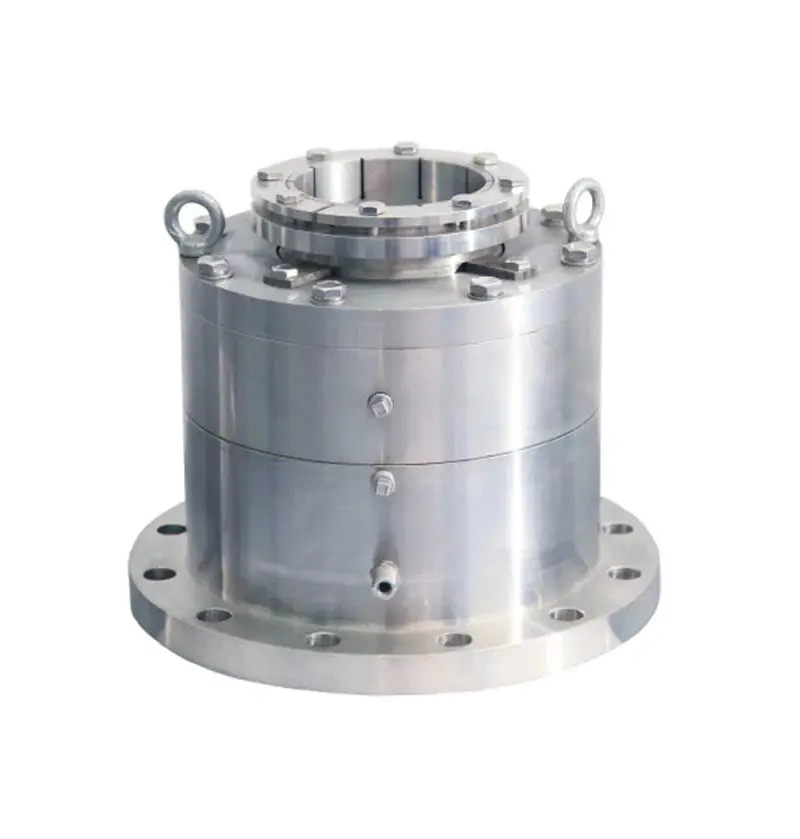
Dual face configurations provide enhanced sealing capabilities through redundant sealing interfaces, offering improved reliability for critical applications. This design approach incorporates two independent sealing points, ensuring continued operation even if one seal face experiences degradation. The additional complexity requires higher initial investment but delivers superior protection against process contamination and environmental release.
Material Selection Considerations
Chemical Compatibility Requirements
Selecting appropriate materials for agitator seals requires comprehensive understanding of process chemistry and operating conditions. Chemical compatibility charts provide essential guidance for evaluating material performance against specific process fluids, including considerations for pH levels, oxidizing agents, and solvent exposure. Incompatible material combinations can result in rapid seal degradation, leading to premature failure and costly downtime.
Advanced materials such as perfluoroelastomers and specialized ceramics extend the operational envelope for aggressive chemical environments. These high-performance options resist swelling, hardening, and chemical attack that would rapidly degrade standard elastomeric materials. Investment in premium materials often proves cost-effective through extended service life and reduced maintenance requirements.
Temperature and Pressure Considerations
Operating temperature ranges significantly influence material selection for agitator seals, with different elastomers and hard face materials exhibiting varying performance characteristics across temperature spectrums. High-temperature applications may require specialized compounds that maintain flexibility and sealing integrity at elevated temperatures, while cryogenic services demand materials that resist brittleness at extremely low temperatures.
Pressure considerations affect both material selection and seal design parameters, with higher pressures requiring enhanced face loading and more robust secondary sealing elements. The relationship between pressure and temperature creates additional complexity, as many materials experience reduced pressure capabilities at elevated temperatures. Proper engineering analysis ensures selected materials meet combined operating requirements throughout the expected service life.
Installation and Maintenance Best Practices
Proper Installation Procedures
Successful agitator seals installation begins with thorough preparation of mounting surfaces and verification of shaft runout specifications. Surface finish requirements typically demand mirror-like smoothness on seal face contact areas, while shaft runout must remain within manufacturer specifications to prevent premature wear. Contamination during installation represents a primary cause of early seal failure, necessitating clean assembly procedures and proper handling techniques.
Torque specifications for mounting hardware require careful attention, as both under-tightening and over-tightening can compromise seal performance. Proper alignment between rotating and stationary components ensures even wear patterns and optimal sealing contact. Installation procedures should include verification of spring compression, face gap measurements, and leak testing before commissioning equipment into service.
Preventive Maintenance Strategies
Effective maintenance programs for agitator seals incorporate regular inspection schedules, performance monitoring, and proactive replacement strategies. Visual inspections can identify early signs of wear, leakage, or misalignment before catastrophic failure occurs. Monitoring seal chamber temperatures, vibration levels, and leakage rates provides valuable data for predicting maintenance requirements and optimizing replacement intervals.
Spare parts inventory management ensures critical components remain available when needed, minimizing unplanned downtime. Standardizing on specific seal designs across similar applications simplifies inventory requirements and reduces training complexity for maintenance personnel. Documentation of installation procedures, performance history, and failure analysis creates valuable knowledge base for continuous improvement initiatives.
Application-Specific Solutions
Pharmaceutical Industry Requirements
Pharmaceutical manufacturing imposes stringent requirements on agitator seals including FDA compliance, cleanability, and contamination prevention. Seal designs must accommodate clean-in-place procedures without disassembly while maintaining validated cleaning effectiveness. Material selections require certification for food contact applications and resistance to common cleaning agents and sterilization procedures.
Validation protocols for pharmaceutical agitator seals encompass installation qualification, operational qualification, and performance qualification phases. These comprehensive testing procedures verify proper installation, operational parameters, and long-term performance characteristics. Documentation requirements include material certifications, test results, and change control procedures that support regulatory compliance throughout the product lifecycle.
Food Processing Applications
Food processing environments demand agitator seals that meet hygienic design principles while providing reliable containment of food products. Smooth surface finishes, crevice-free construction, and compatibility with food-grade lubricants represent essential design features. Material selections must comply with FDA regulations for food contact surfaces while providing adequate performance under typical processing conditions.
Cleanability requirements in food processing applications necessitate seal designs that facilitate thorough cleaning without product contamination risks. Quick-disconnect features and accessible mounting configurations support efficient cleaning procedures while minimizing downtime. Temperature cycling during cleaning operations requires materials and designs that accommodate thermal expansion without compromising sealing integrity.
Troubleshooting Common Issues
Leakage Problems
Agitator seals leakage typically results from face wear, secondary seal degradation, or installation errors. Systematic troubleshooting procedures help identify root causes and implement appropriate corrective actions. Face wear patterns provide valuable diagnostic information, with even wear indicating proper operation while irregular patterns suggest alignment issues or contamination problems.
Secondary seal leakage often manifests as gradual performance degradation rather than sudden failure. O-ring swelling, hardening, or extrusion can compromise static sealing effectiveness while maintaining acceptable dynamic seal performance. Regular inspection of secondary sealing elements during maintenance intervals enables proactive replacement before failure occurs.
Premature Wear Conditions
Excessive wear rates in agitator seals frequently indicate operating conditions outside design parameters or inadequate lubrication. Dry running conditions, excessive shaft deflection, or process fluid contamination accelerate wear beyond normal expectations. Identifying and correcting these underlying causes prevents recurring failures and optimizes seal performance.
Vibration-induced wear represents another common failure mode, often resulting from imbalanced rotating assemblies or inadequate shaft support. Condition monitoring systems can detect increasing vibration levels before they cause seal damage, enabling preventive maintenance actions. Proper shaft coupling alignment and bearing maintenance support optimal seal operating conditions.
FAQ
What factors determine agitator seals service life
Service life depends on operating conditions including temperature, pressure, process fluid chemistry, and shaft speed. Proper material selection, installation quality, and maintenance practices significantly influence longevity. Typical service intervals range from six months to several years based on application severity and seal design.
How do single face and double face seals compare in performance
Single face seals offer cost-effective solutions for standard applications with adequate reliability. Double face configurations provide enhanced containment and redundancy for critical services or hazardous fluids. The choice depends on application requirements, safety considerations, and cost-benefit analysis.
What maintenance indicators suggest seal replacement needs
Key indicators include visible leakage, increased seal chamber temperatures, unusual vibration patterns, and declining process performance. Regular inspection schedules help identify these conditions before catastrophic failure occurs. Trending performance parameters enables predictive maintenance strategies.
Can agitator seals accommodate varying process conditions
Modern seal designs accommodate reasonable variations in temperature, pressure, and process chemistry through proper material selection and engineering. Extreme condition changes may require different seal configurations or enhanced designs. Consulting with seal manufacturers ensures optimal selection for variable operating conditions.