 EN
EN


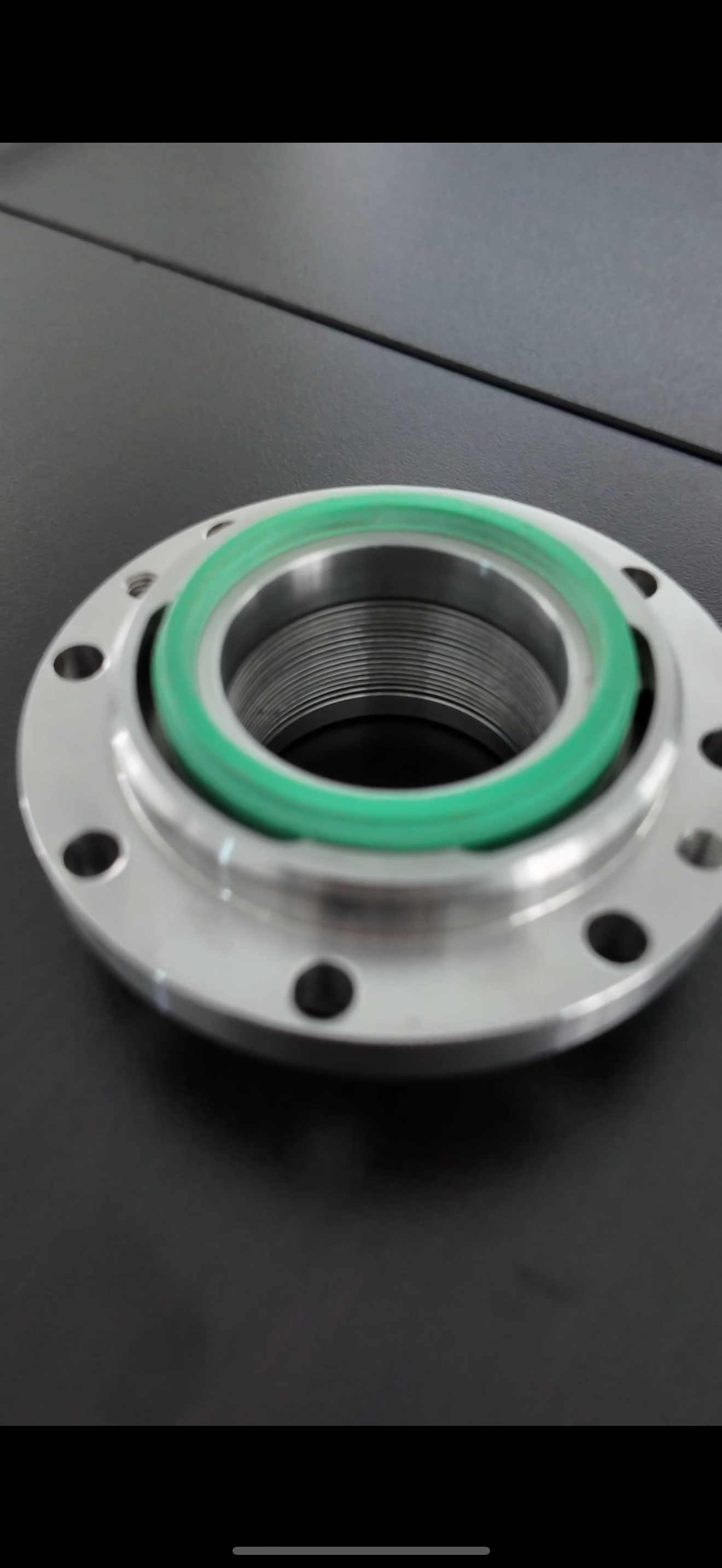
Industrial pumps operate under demanding conditions that require reliable fluid containment and leak prevention. Selecting the right mechanical seal types directly impacts pump longevity, operational efficiency, and maintenance costs. Different mechanical seal types are engineered to handle specific fluid characteristics, pressure ranges, temperature extremes, and speed variations. Understanding the distinctions between available mechanical seal types empowers plant managers and engineers to make informed decisions that align with their operational requirements and budget constraints.
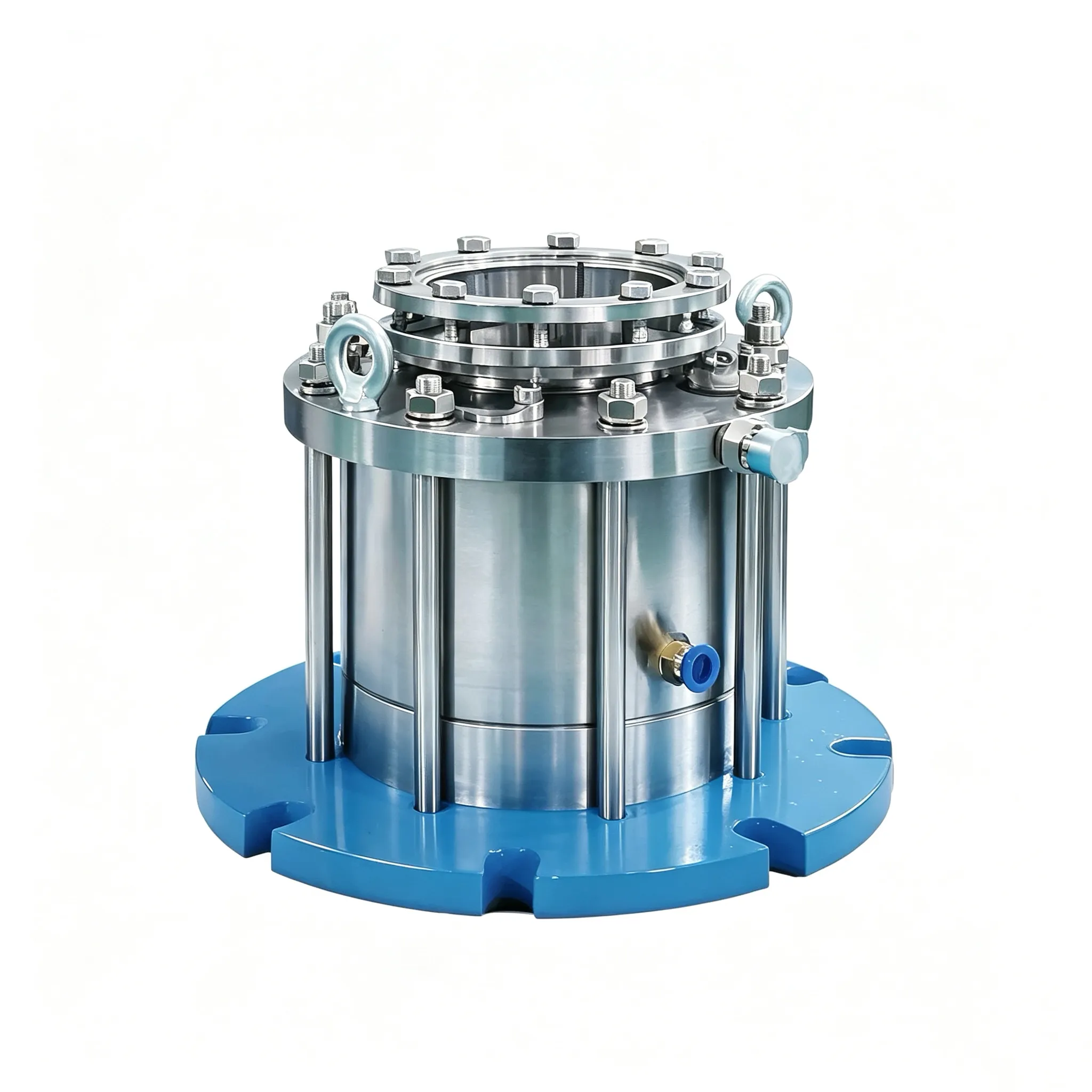
The pump sealing landscape has evolved significantly over the past decades, with manufacturers developing specialized mechanical seal types to address unique operational challenges. Each category of mechanical seal types presents distinct advantages, limitations, and cost implications. A thorough comparison of available mechanical seal types reveals that no single solution works universally; rather, the optimal choice depends on fluid compatibility, system pressure, rotational speed, temperature stability, and environmental factors. This comprehensive guide explores the primary mechanical seal types used in industrial pumping applications, helping you understand their structural features, performance characteristics, and best-use scenarios.
Understanding Single-Face Mechanical Seal Types
Core Design and Operating Principle
Single-face mechanical seal types represent the most commonly deployed configuration in general industrial pumping applications. This category of mechanical seal types features one rotating seal face and one stationary seal face that create a dynamic sealing interface. The rotating member, typically mounted on the pump shaft, maintains contact with the stationary seat through spring pressure and hydraulic forces generated during pump operation. Single-face mechanical seal types are engineered to handle moderate pressures, standard temperature ranges, and most conventional industrial fluids including water, light hydrocarbons, and dilute chemical solutions.
Advantages and Application Scope
Single-face mechanical seal types dominate the market due to their cost-effectiveness, straightforward installation, and proven reliability in standard duty applications. These mechanical seal types require minimal modification to existing pump housings and spare part inventories remain manageable across multiple facilities. Single-face mechanical seal types excel in heating, ventilation, air conditioning, water treatment, and commercial refrigeration sectors where operating conditions remain relatively stable. Their simplicity translates to lower maintenance overhead and faster troubleshooting when problems arise. For routine industrial pumping where hazardous fluid containment is not a primary concern, single-face mechanical seal types deliver excellent value and predictable performance over extended operating intervals.
Exploring Dual-Face and Tandem Mechanical Seal Types
Dual-Face Mechanical Seal Types for High-Pressure Applications
Dual-face mechanical seal types incorporate two rotating seal faces and two stationary seal faces working in series to create redundancy and enhanced pressure rating capabilities. This design of mechanical seal types excels in high-pressure industrial pumping where single-stage sealing cannot contain system pressures effectively. Dual-face mechanical seal types are extensively used in water injection systems, high-pressure hydraulic applications, and specialized process industries where pressure containment is mission-critical. The redundant sealing stages in these mechanical seal types dramatically reduce leakage rates and extend seal life by distributing load more evenly across the sealing surfaces. Dual-face mechanical seal types require more sophisticated installation procedures and demand tighter tolerances, but their superior performance in demanding environments justifies the additional complexity and cost.
Tandem and Back-to-Back Mechanical Seal Types
Tandem mechanical seal types and back-to-back configurations represent advanced solutions for hazardous fluid containment and extreme operating conditions. Tandem mechanical seal types position two seal assemblies in series with a buffer chamber between them, allowing for independent monitoring and controlled leakage management. These specialized mechanical seal types are mandatory in refineries, petrochemical plants, and chemical processing facilities where fluid toxicity, volatility, or environmental sensitivity demands comprehensive secondary containment. Back-to-back mechanical seal types arrange seal assemblies in opposite-facing orientation to balance hydraulic forces and minimize face deflection during pressure spikes. Both configurations of mechanical seal types support instrumentation and sensor integration, enabling predictive maintenance and real-time condition monitoring. While tandem and back-to-back mechanical seal types command premium pricing and require specialized technical expertise for installation and maintenance, their superior safety profile and extended operating intervals make them essential for critical infrastructure applications.
Selection Criteria and Performance Comparison of Mechanical Seal Types
Matching Mechanical Seal Types to Operating Conditions
Successful mechanical seal selection requires systematic evaluation of multiple operational parameters to determine which mechanical seal types will deliver optimal performance and reliability. Pressure rating forms the primary selection criterion; low-pressure applications under 500 psi typically employ single-face mechanical seal types, while pressures exceeding 1000 psi demand dual-face or tandem mechanical seal types. Temperature stability significantly influences mechanical seal types suitability; materials and springs in standard mechanical seal types degrade in extreme thermal environments, necessitating specialized elastomers and alloys in high-temperature variants. Fluid compatibility directly affects seal material selection across all mechanical seal types families; aggressive solvents and corrosive compounds require exotic material selections unavailable in basic mechanical seal types configurations. Rotational speed impacts face wear rates and heat generation, with high-speed pumps above 3500 rpm benefiting from advanced surface coatings found in premium mechanical seal types offerings.
Cost-Benefit Analysis Across Mechanical Seal Types
Initial capital expenditure represents only one factor in total cost-of-ownership calculations for different mechanical seal types selections. Single-face mechanical seal types minimize upfront investment but may require replacement every 12-24 months in challenging applications. Dual-face and tandem mechanical seal types require significantly higher initial spending but demonstrate dramatically extended service intervals, sometimes exceeding 5-7 years in stable operating environments. Secondary costs including maintenance labor, downtime events, environmental compliance, and fluid contamination prevention vary substantially between mechanical seal types categories. Premium mechanical seal types incorporating advanced materials and designs reduce unplanned failures and emergency maintenance episodes that disrupt production schedules. Environmental regulations increasingly mandate specific mechanical seal types for hazardous service, making compliance-driven selection necessary regardless of cost considerations in regulated industries.
FAQ
What factors most influence the selection of mechanical seal types for a specific pump?
System pressure, fluid characteristics, temperature range, rotational speed, and environmental regulations form the primary decision criteria for choosing among available mechanical seal types. Each mechanical seal types category has optimal operating windows; selecting outside these parameters results in premature failure and increased maintenance costs. Consulting with seal manufacturers and reviewing historical performance data from similar applications accelerates the selection process for appropriate mechanical seal types.
Can single-face mechanical seal types be upgraded to dual-face without extensive pump modification?
Upgrading from single-face to dual-face mechanical seal types typically requires design modifications to the pump cavity and may necessitate adapter components. Many modern pump designs accommodate interchangeable mechanical seal types, but older equipment may require substantial engineering work. Equipment manufacturers provide upgrade documentation specifying compatibility parameters for different mechanical seal types installations.
How do environmental regulations influence mechanical seal types specifications in industrial applications?
Strict environmental protection standards mandate specific mechanical seal types for applications involving volatile organic compounds, hazardous liquids, and toxic chemicals. Regulatory frameworks often require dual-stage containment through tandem or back-to-back mechanical seal types to prevent groundwater contamination and atmospheric emissions. Compliance with EPA, OSHA, and state environmental requirements directly dictates which mechanical seal types are legally permissible for regulated service applications.