Complete Guide to Mechanical Seals: Types, Applications and Benefits

Get a Free Quote

Our representative will contact you soon.
Email
Name
Company Name
Message
0/1000

what is mechanical seal and its types

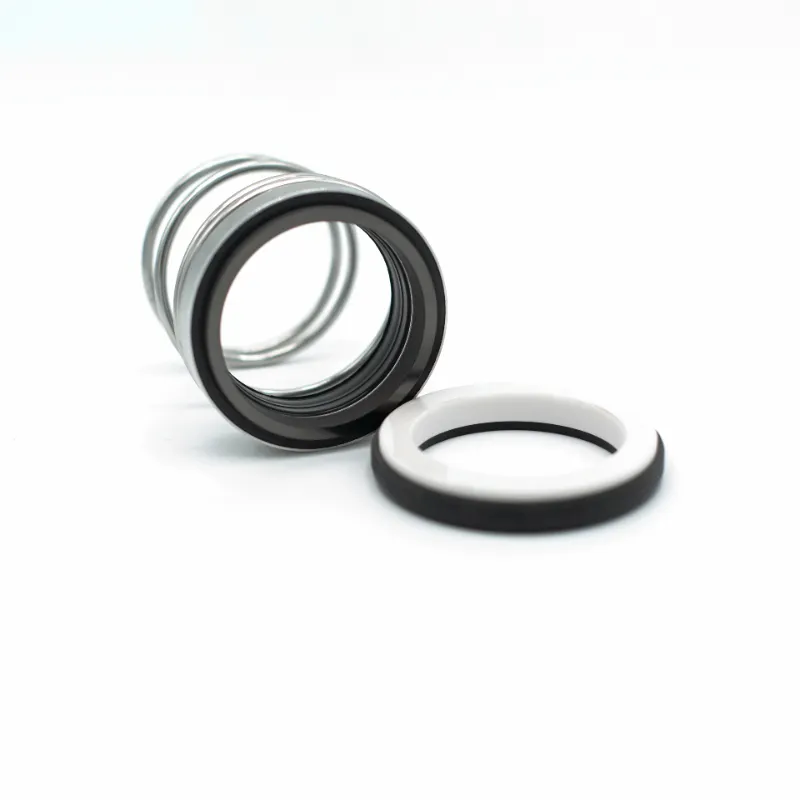
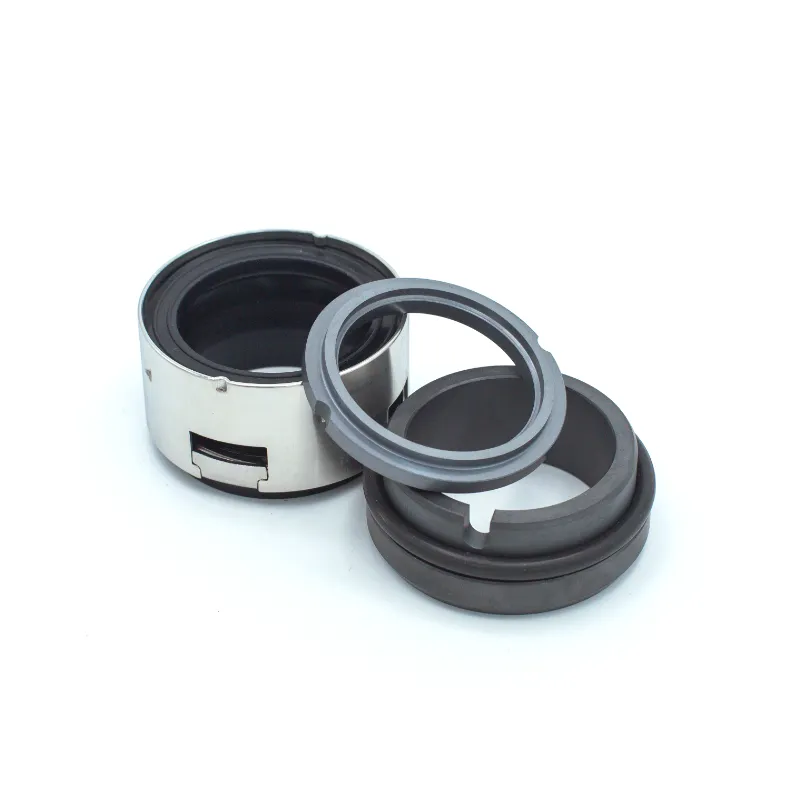
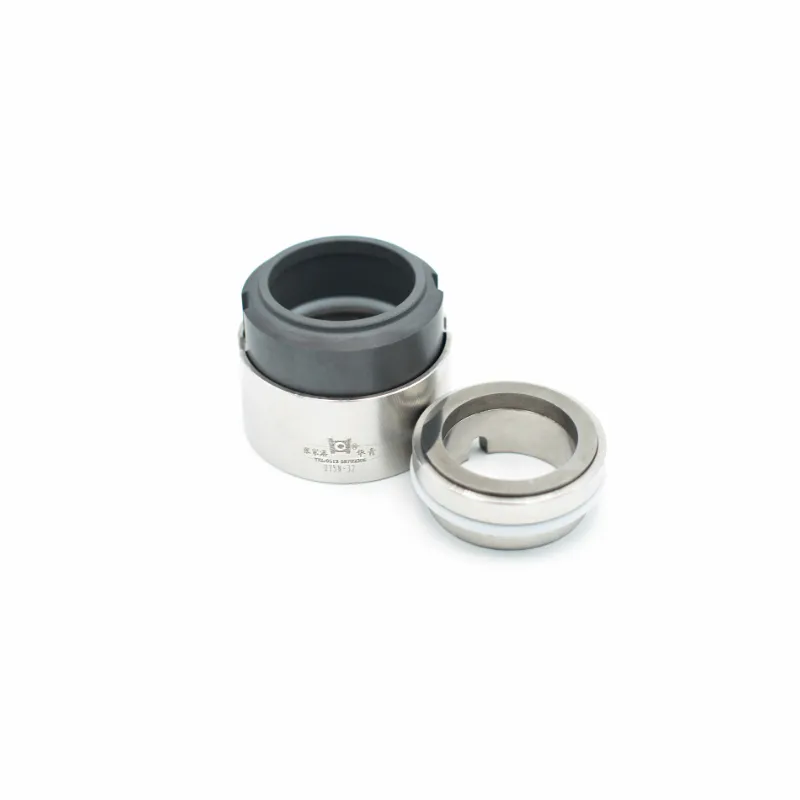
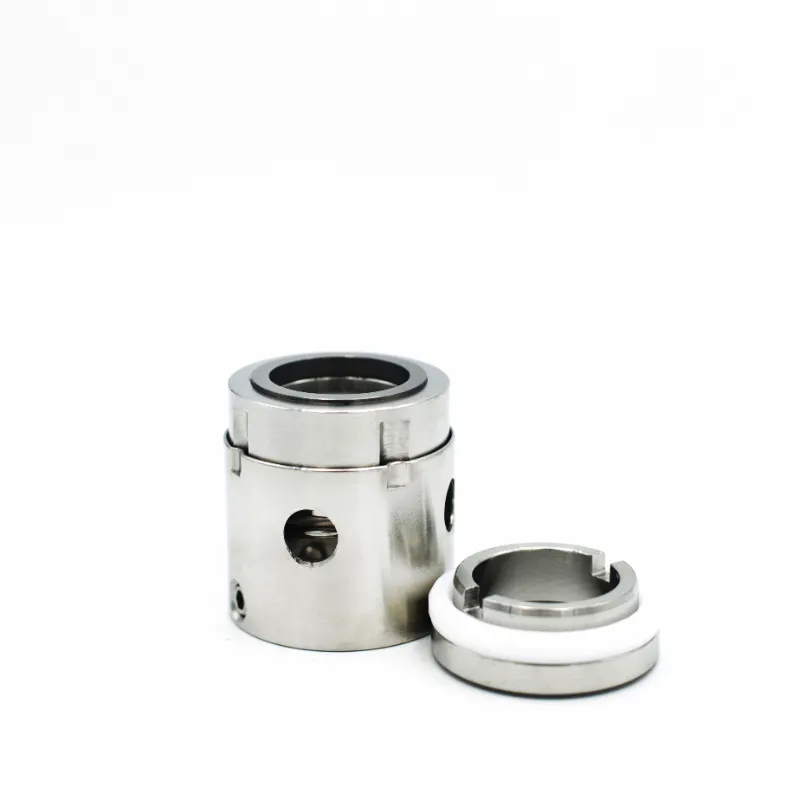
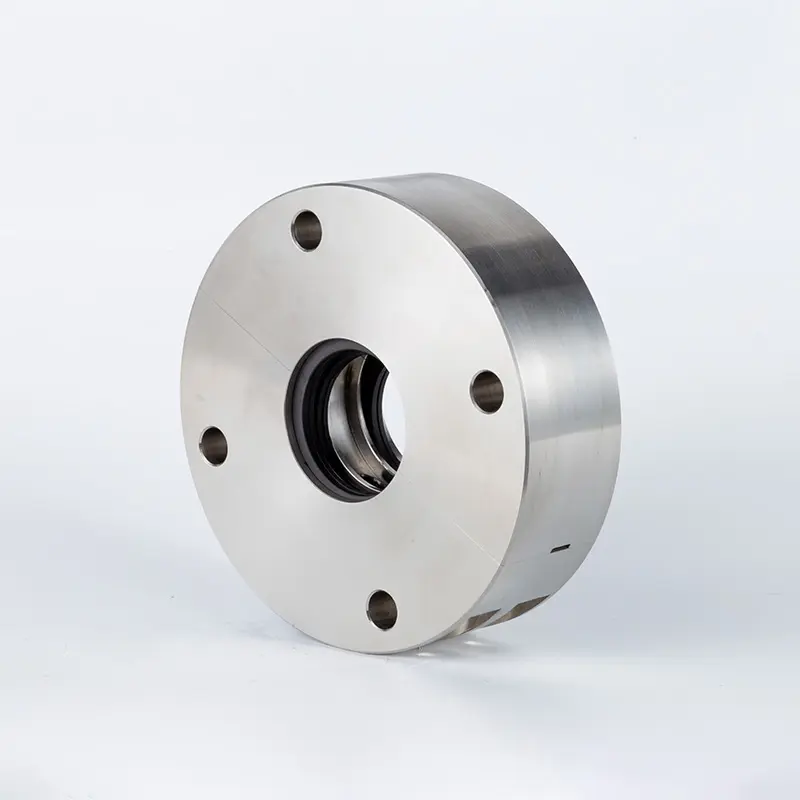
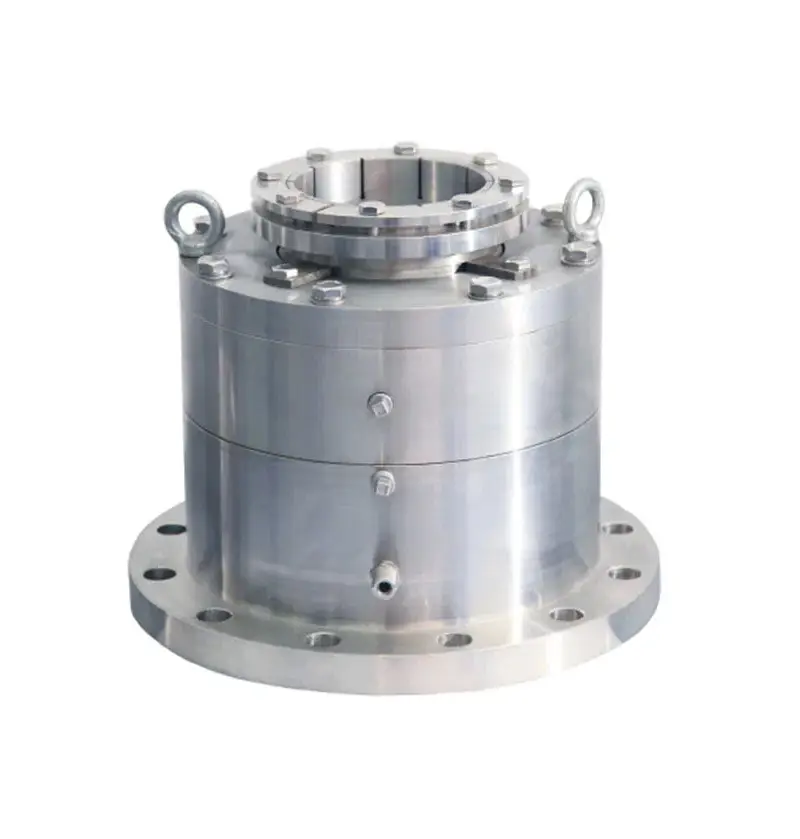
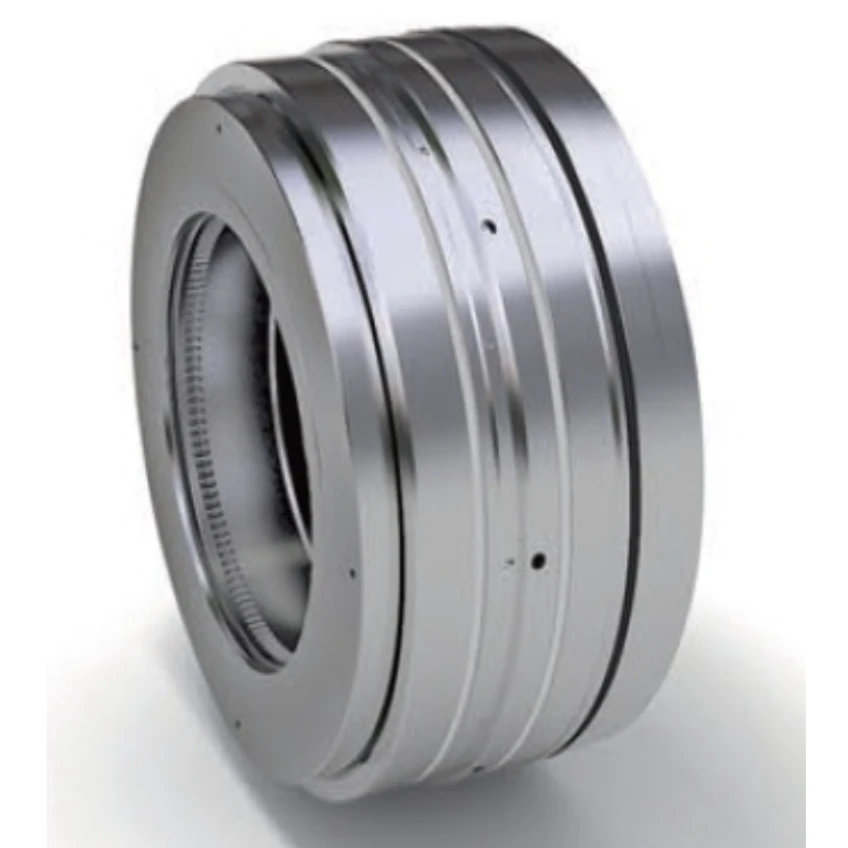
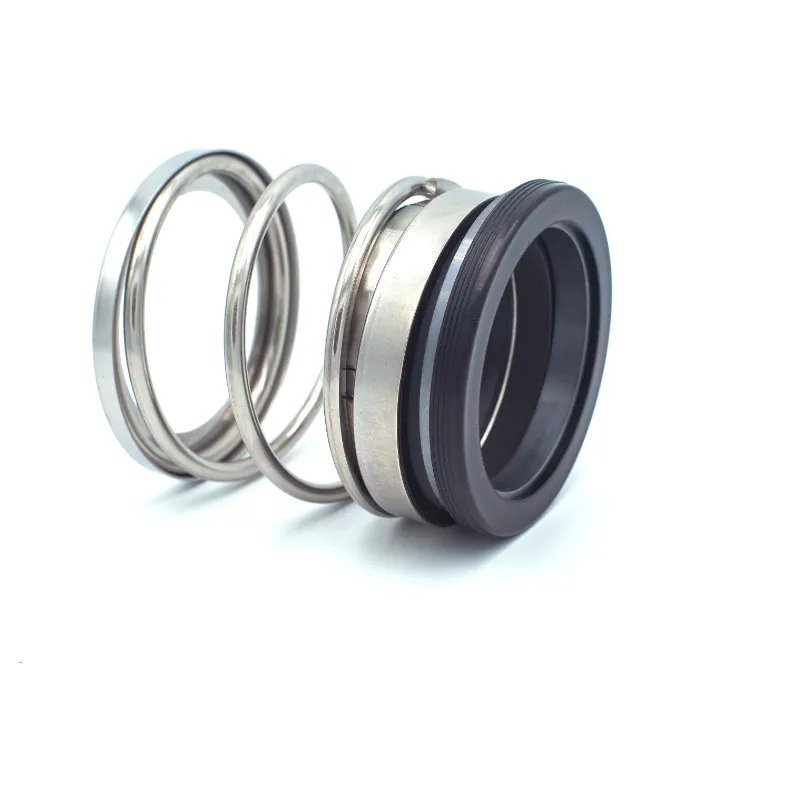
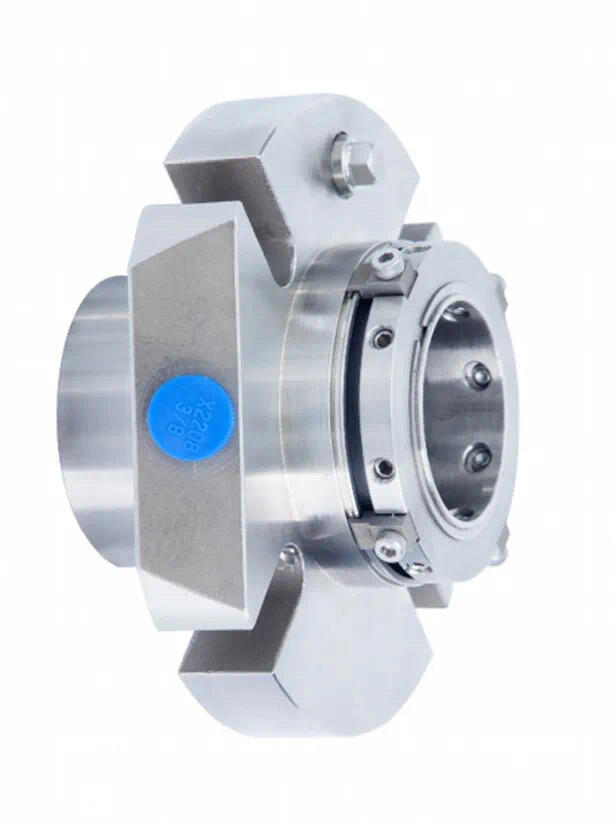
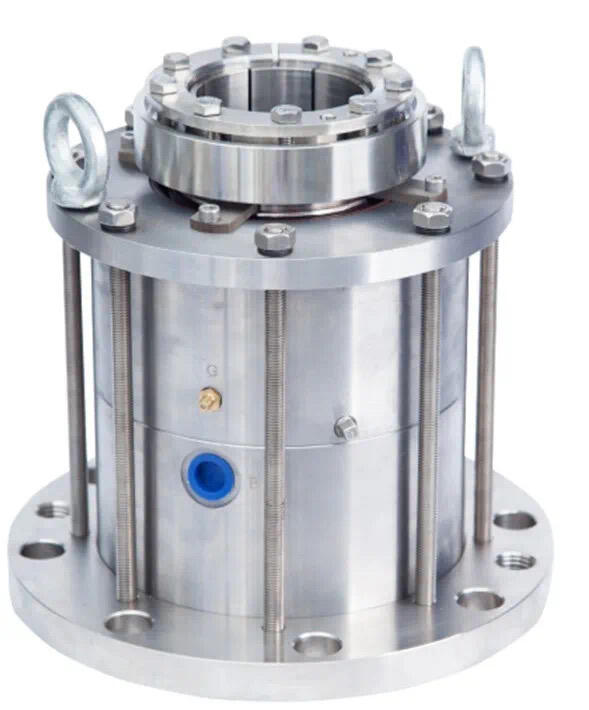
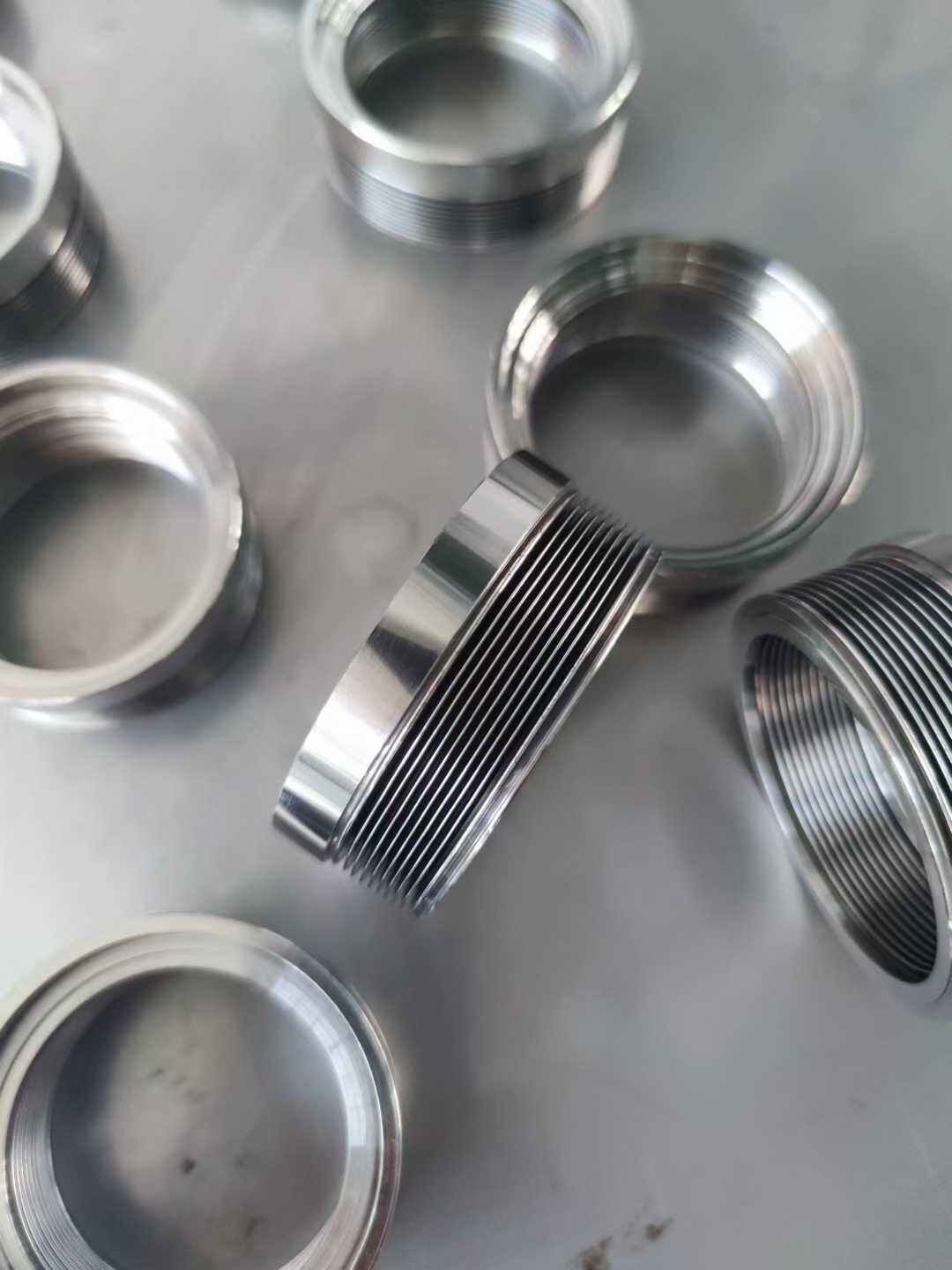
A mechanical seal represents a critical sealing device that prevents fluid leakage between rotating and stationary equipment components in industrial machinery. Understanding what is mechanical seal and its types becomes essential for engineers and maintenance professionals working with pumps, compressors, mixers, and other rotating equipment. These precision-engineered components create a dynamic seal between a shaft and housing, maintaining system integrity while allowing rotational movement. The fundamental design consists of two primary sealing faces - one rotating with the shaft and one stationary - that maintain contact under spring pressure and hydraulic forces. This contact creates a thin liquid film that provides both sealing and lubrication. What is mechanical seal and its types encompasses various configurations designed for specific operating conditions, including single seals, double seals, cartridge seals, and pusher or non-pusher designs. Single mechanical seals feature one sealing interface and are suitable for clean, non-hazardous fluids. Double mechanical seals incorporate two sealing stages with a barrier fluid between them, providing enhanced safety for toxic or volatile media. Cartridge seals offer pre-assembled convenience with all components mounted in a single unit, simplifying installation and maintenance procedures. Pusher-type seals use springs to maintain face contact, while non-pusher designs rely on hydraulic pressure and elastomeric bellows. The sealing faces typically consist of carbon graphite, silicon carbide, tungsten carbide, or ceramic materials, selected based on chemical compatibility, temperature resistance, and wear characteristics. Secondary sealing elements include O-rings, gaskets, and bellows that prevent leakage around the seal assembly. Modern mechanical seal designs incorporate advanced features like dual pressurization systems, temperature monitoring, and leak detection capabilities. Understanding what is mechanical seal and its types enables proper selection for applications ranging from water treatment and chemical processing to oil refining and pharmaceutical manufacturing, ensuring reliable operation and environmental protection.

Popular Products

The implementation of mechanical seals offers numerous compelling advantages that make them superior alternatives to traditional packing seals in rotating equipment applications. Understanding what is mechanical seal and its types reveals significant benefits in operational efficiency, environmental protection, and cost-effectiveness. First, mechanical seals provide exceptional sealing performance with minimal leakage rates, typically measuring in drops per minute compared to traditional packing that may leak several gallons per hour. This superior sealing capability directly translates into reduced product loss, lower environmental impact, and improved workplace safety, particularly when handling hazardous or expensive fluids. The reduced friction characteristics of mechanical seals contribute to lower power consumption and reduced wear on rotating shafts, extending equipment life and minimizing maintenance requirements. Unlike packing seals that require periodic tightening and replacement, mechanical seals operate with consistent performance throughout their service life, reducing labor costs and equipment downtime. What is mechanical seal and its types demonstrates versatility in handling extreme operating conditions, including high pressures, elevated temperatures, and corrosive media that would quickly degrade conventional sealing methods. The self-adjusting nature of mechanical seals compensates for normal wear and shaft movement, maintaining effective sealing without manual intervention. Environmental benefits include elimination of fugitive emissions, which helps facilities comply with increasingly stringent environmental regulations and avoid costly fines. The clean operation of mechanical seals prevents contamination of surrounding areas, reducing housekeeping requirements and improving workplace conditions. Energy savings result from reduced friction losses, with some installations showing power consumption reductions of 30-50 percent compared to packing seals. Extended equipment life occurs because mechanical seals eliminate the shaft wear associated with packing, preventing expensive shaft replacement or repair. The reliability of modern mechanical seal designs reduces unplanned maintenance and emergency shutdowns, improving overall plant availability and productivity. Different types of mechanical seals address specific application challenges, from double seals for hazardous services to cartridge designs for simplified maintenance, ensuring optimal performance across diverse industrial requirements.

Tips And Tricks

Common Challenges with Agitator Seals in Bioreactors

21

Jul

Common Challenges with Agitator Seals in Bioreactors

Sealing Systems in Sterile and Pressure-Sensitive Environments Bioreactors operate under highly controlled conditions, where sterility, pressure balance, and agitation efficiency must all coexist seamlessly. Among the critical components enabling thi...
View More
What Are the Different Types of Agitator Seals?

21

Jul

What Are the Different Types of Agitator Seals?

Exploring Sealing Solutions for Industrial Mixing Systems In industrial mixing applications, maintaining a controlled, leak-free environment is essential to ensure product quality, process efficiency, and safety. Agitator seals play a pivotal role in...
View More
Double Mechanical Seals for Higher Pressure and Temperature Control

13

Jan

Double Mechanical Seals for Higher Pressure and Temperature Control

In industrial applications where reliability and performance are paramount, double mechanical seals have emerged as the preferred sealing solution for high-pressure and high-temperature environments. These advanced sealing systems provide superior pr...
View More
How Can a High-Quality Seal Face Reduce Leakage and Extend Pump Life?

13

Jan

How Can a High-Quality Seal Face Reduce Leakage and Extend Pump Life?

Industrial pumps operate under extreme conditions where even minor component failures can lead to catastrophic system breakdowns and costly downtime. Among all pump components, the seal face stands as one of the most critical elements determining ope...
View More

Get a Free Quote

Our representative will contact you soon.
Email
Name
Company Name
Country/Region
Message
0/1000

what is mechanical seal and its types

Superior Environmental Protection and Regulatory Compliance

Superior Environmental Protection and Regulatory Compliance

Understanding what is mechanical seal and its types reveals their paramount importance in environmental protection and regulatory compliance across industrial facilities worldwide. Modern environmental regulations demand virtually zero emissions from rotating equipment, making mechanical seals essential components for meeting these stringent requirements. Unlike traditional packing seals that inherently allow controlled leakage, mechanical seals provide near-zero emission performance that helps facilities avoid costly environmental violations and penalties. The Environmental Protection Agency and international regulatory bodies have established increasingly strict limits on fugitive emissions, particularly for volatile organic compounds and hazardous air pollutants. Mechanical seals address these challenges by incorporating advanced design features such as dual containment systems, barrier fluid circulation, and leak detection capabilities. What is mechanical seal and its types demonstrates how different configurations serve specific environmental protection needs - double mechanical seals with pressurized barrier systems prevent any process fluid from reaching the atmosphere, while gas seals eliminate liquid contamination entirely. The environmental benefits extend beyond regulatory compliance to include significant reductions in product waste, groundwater contamination risks, and air quality impacts. Facilities using mechanical seals report dramatic decreases in reportable environmental incidents and associated cleanup costs. The technology also supports corporate sustainability initiatives by minimizing resource waste and reducing carbon footprints through improved energy efficiency. Advanced monitoring systems integrated with modern mechanical seals provide real-time leak detection and performance data, enabling predictive maintenance strategies that prevent environmental incidents before they occur. This proactive approach not only protects the environment but also reduces liability exposure and insurance costs for industrial operators. The long-term reliability of properly selected mechanical seals ensures consistent environmental protection throughout their service life, unlike packing seals that require frequent adjustment and replacement. Understanding what is mechanical seal and its types empowers engineers to select optimal configurations that exceed environmental requirements while maintaining operational efficiency and cost-effectiveness.
Enhanced Operational Efficiency and Cost Reduction

Enhanced Operational Efficiency and Cost Reduction

Exploring what is mechanical seal and its types unveils remarkable opportunities for operational efficiency improvements and substantial cost reductions across industrial applications. The superior performance characteristics of mechanical seals directly translate into measurable economic benefits that justify their initial investment costs many times over. Energy efficiency represents one of the most significant advantages, with mechanical seals typically reducing power consumption by 30-70 percent compared to traditional packing arrangements. This reduction occurs because mechanical seals eliminate the high friction forces associated with compressed packing materials, allowing equipment to operate with lower torque requirements and reduced electrical consumption. The cumulative energy savings over a seal's operational life can amount to thousands of dollars per installation, making mechanical seals highly cost-effective solutions. Maintenance cost reductions provide another compelling economic advantage, as mechanical seals require minimal intervention during their service life compared to packing that needs frequent adjustment, replacement, and monitoring. What is mechanical seal and its types demonstrates how different designs optimize maintenance intervals - cartridge seals enable rapid replacement without dismantling equipment, while split seals allow installation without shaft removal. The extended mean time between failures of modern mechanical seals significantly reduces planned and unplanned maintenance costs, spare parts inventory requirements, and labor expenses. Product recovery benefits become substantial when handling expensive or valuable fluids, as mechanical seals prevent costly product losses that occur with leaking packing arrangements. In chemical processing applications, recovered product value can exceed seal costs within months of installation. The elimination of packing-related shaft wear extends equipment life and prevents expensive shaft repairs or replacements, providing additional long-term savings. Reduced downtime represents another critical economic factor, as mechanical seals operate reliably for extended periods without requiring equipment shutdown for maintenance. This improved availability translates directly into increased production capacity and revenue generation opportunities for manufacturing facilities.
Versatile Design Options for Diverse Industrial Applications

Versatile Design Options for Diverse Industrial Applications

Understanding what is mechanical seal and its types reveals an extensive range of design configurations that address virtually every industrial sealing challenge across diverse operating conditions and applications. The versatility of mechanical seal technology stems from decades of engineering innovation that has produced specialized solutions for extreme temperatures, corrosive chemicals, high pressures, and challenging installation requirements. Single mechanical seals provide economical solutions for standard applications involving clean, non-hazardous fluids, offering reliable performance with simplified maintenance procedures. Double mechanical seals incorporate dual sealing interfaces with barrier fluid systems, creating redundant protection for critical applications involving toxic, explosive, or environmentally sensitive media. The barrier fluid system not only provides emergency backup sealing but also enables condition monitoring and leak detection capabilities. Cartridge mechanical seals represent pre-assembled solutions that eliminate installation errors and reduce maintenance time by incorporating all sealing components in a single replaceable unit. These designs particularly benefit facilities with limited maintenance expertise or tight maintenance windows. What is mechanical seal and its types includes specialized configurations such as split seals for large shaft diameters, mixer seals for agitator applications, and gas seals for dry-running conditions. Material selection options provide chemical compatibility with virtually any process fluid, from highly corrosive acids to abrasive slurries and high-temperature hydrocarbons. Face material combinations include carbon-ceramic, silicon carbide-silicon carbide, and tungsten carbide configurations, each optimized for specific operating parameters. Secondary seal options encompass various elastomers, PTFE, and metal bellows designs that accommodate different temperature ranges and chemical exposures. The modular nature of modern mechanical seal designs enables customization for unique applications while maintaining standardized components for inventory efficiency. Temperature compensation features, spring loading options, and face geometry variations allow fine-tuning of seal performance for optimal results. Advanced monitoring capabilities integrated into contemporary mechanical seal designs provide real-time performance data, enabling predictive maintenance strategies and operational optimization. Understanding what is mechanical seal and its types empowers engineers to specify precise configurations that deliver maximum reliability, efficiency, and cost-effectiveness for their specific applications.

Get a Free Quote

Our representative will contact you soon.
Email
Name
Company Name
Country/Region
Message
0/1000