what are the parts of mechanical seal
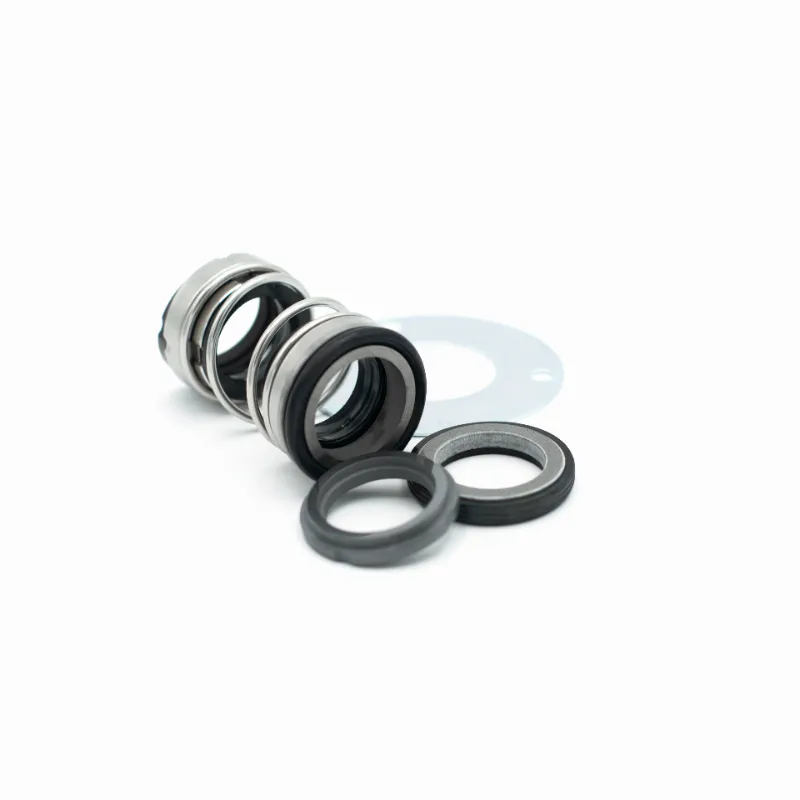
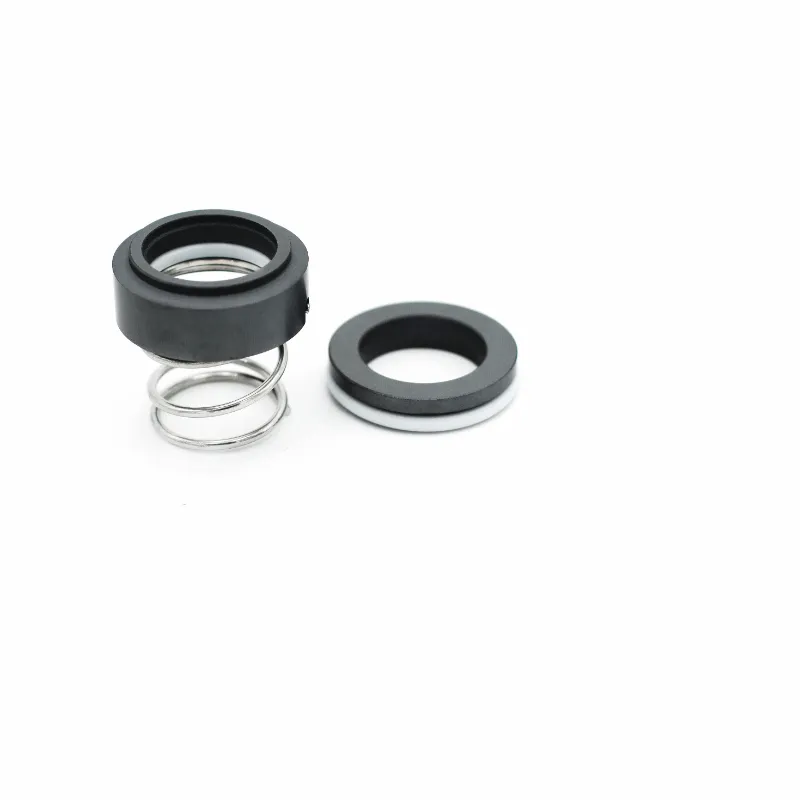
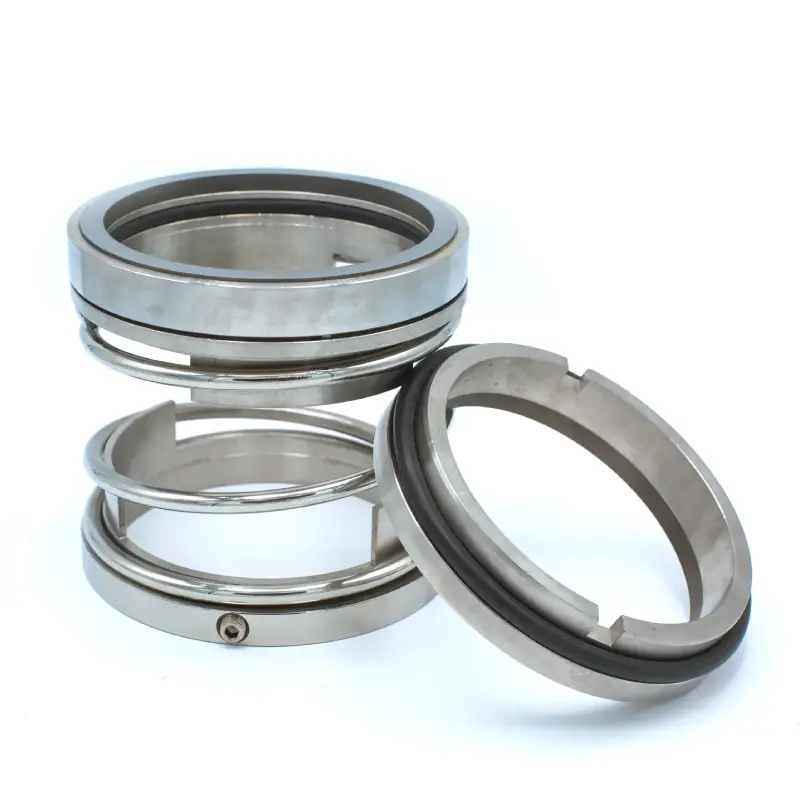
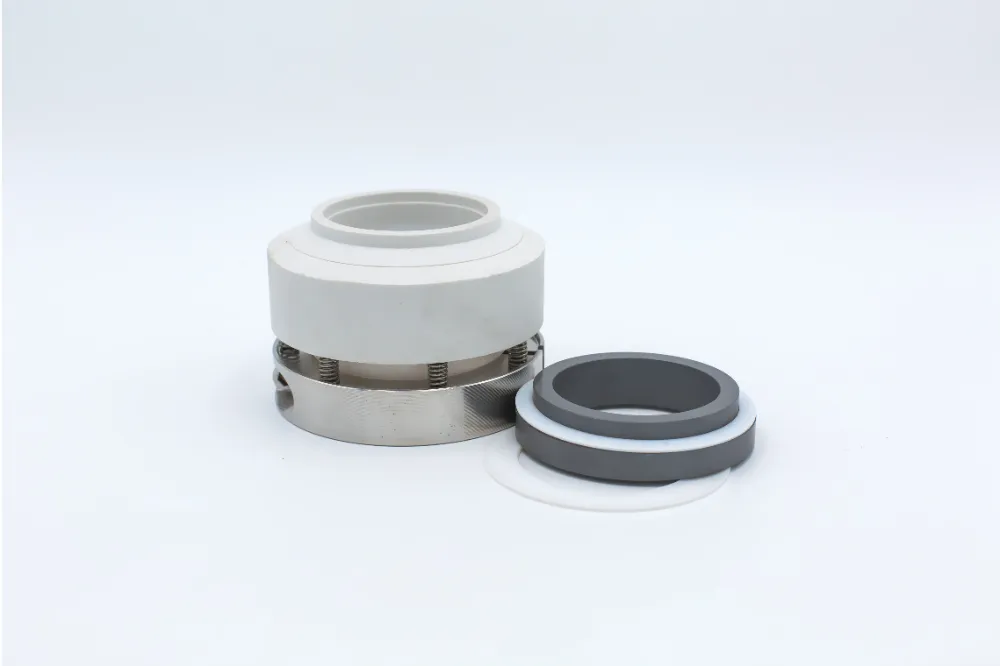
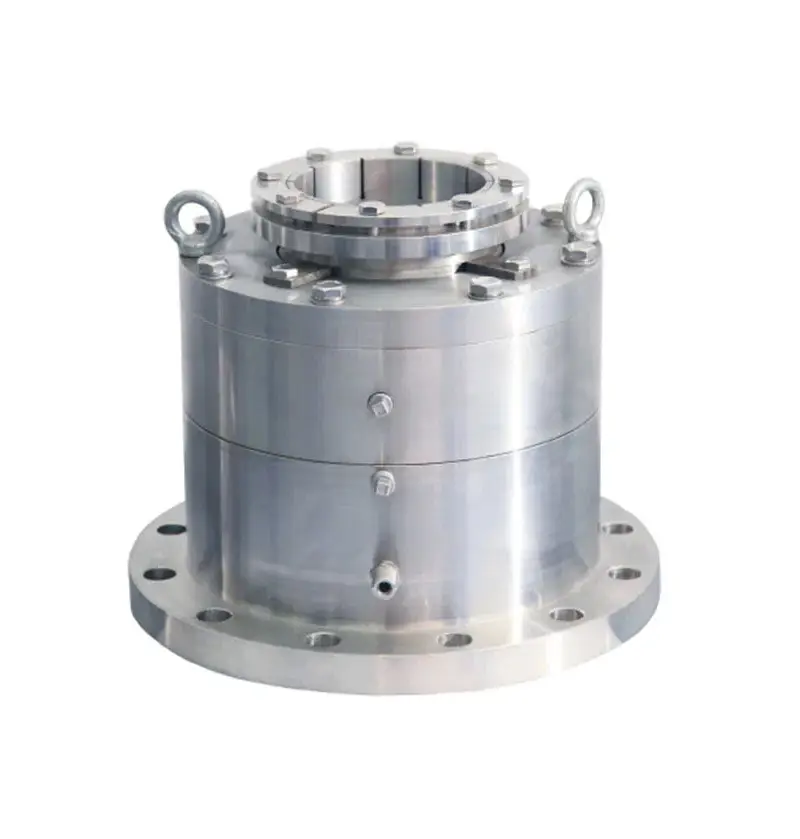
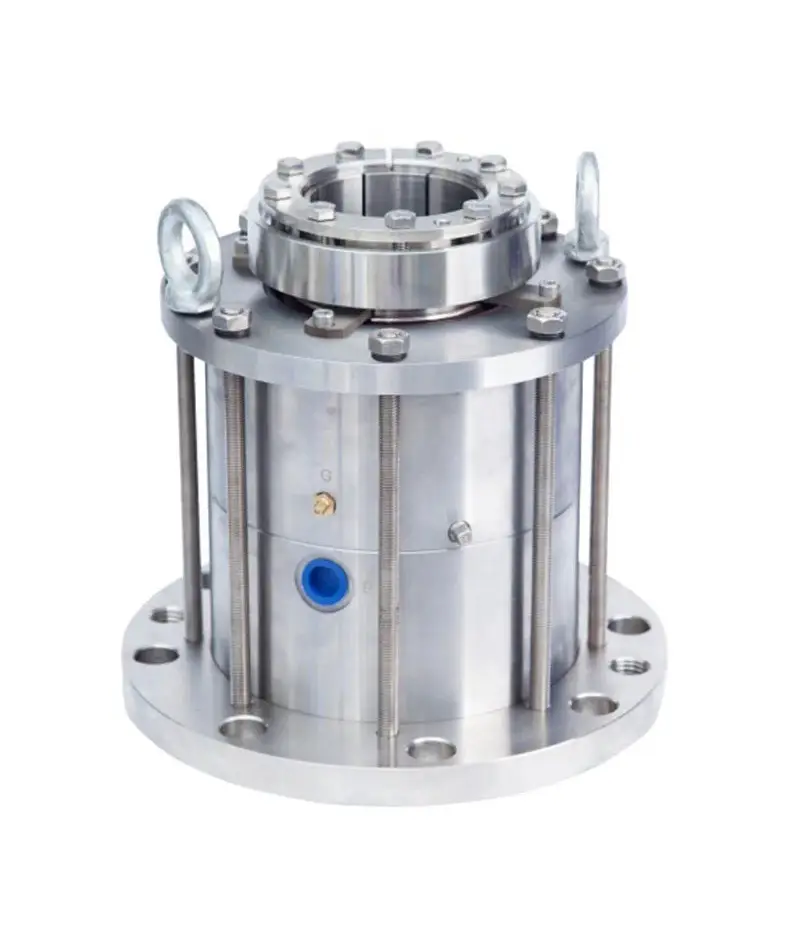
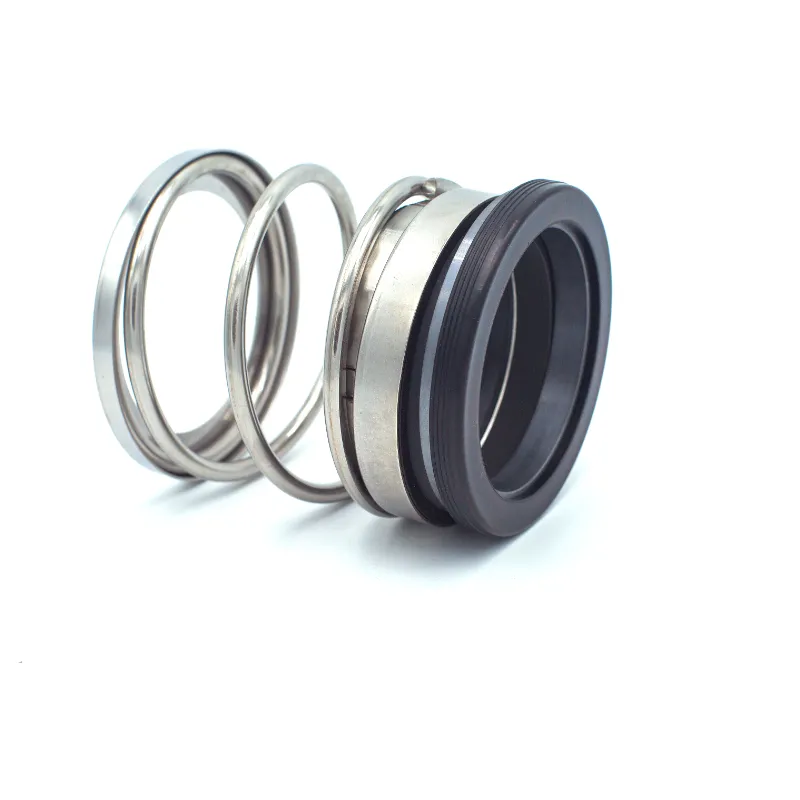
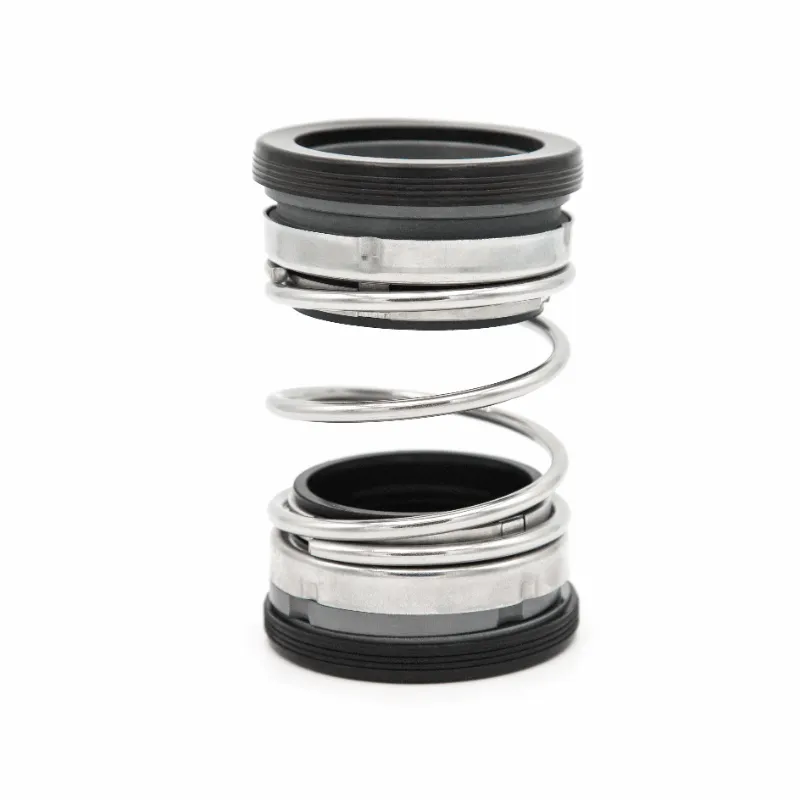
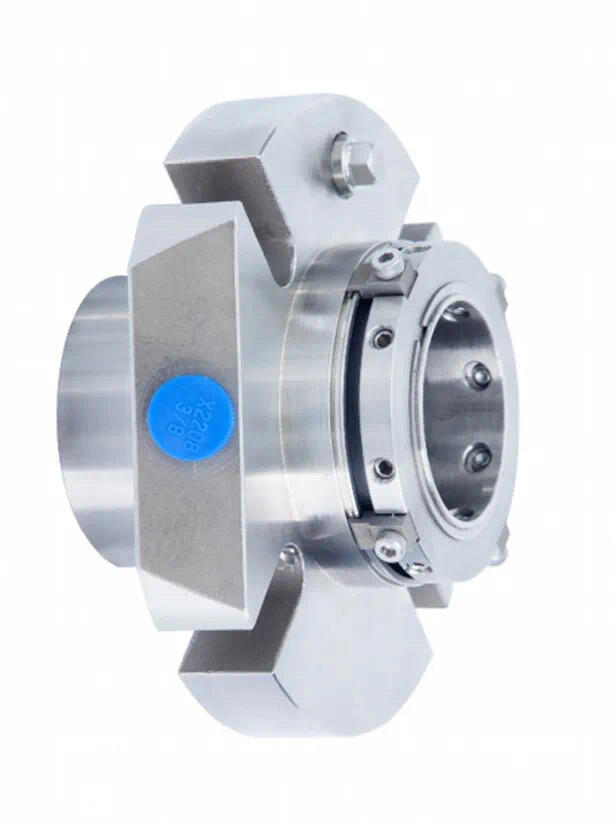
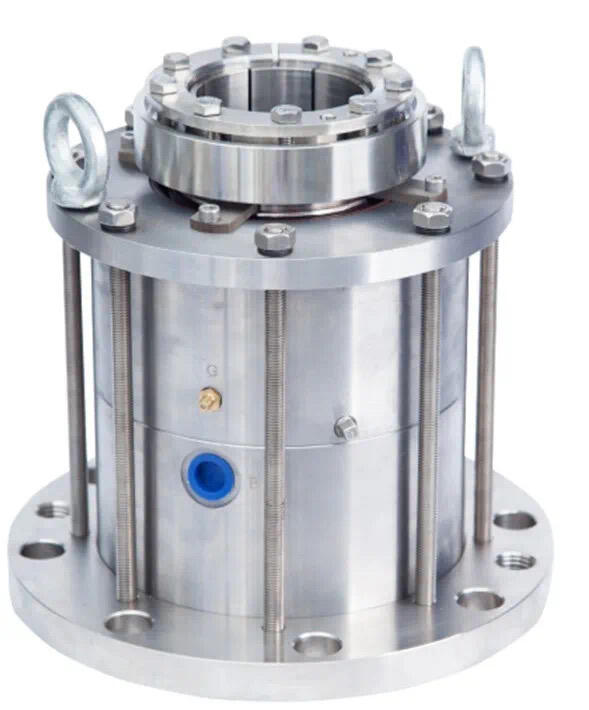
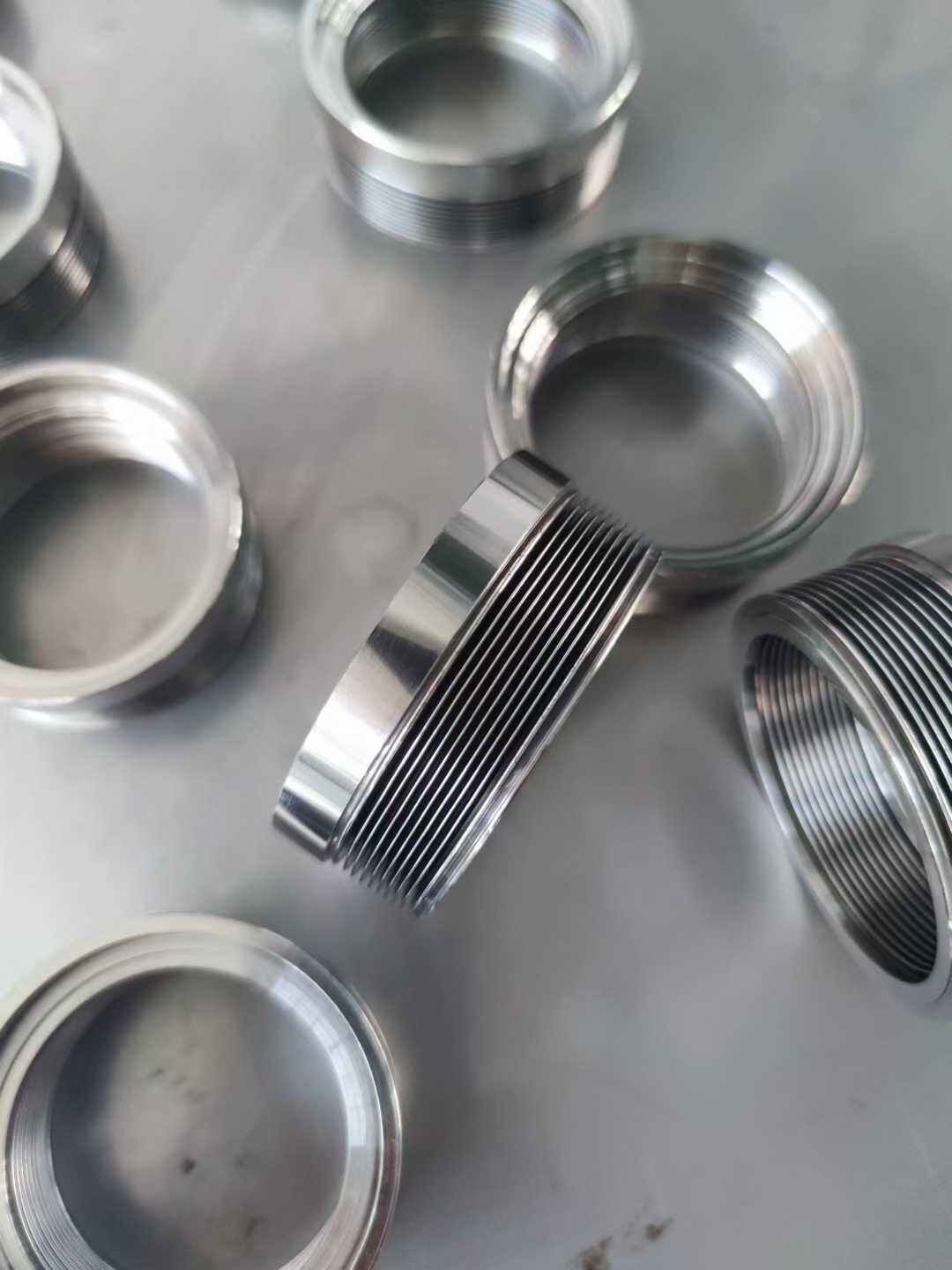
Understanding what are the parts of mechanical seal is essential for anyone working with rotating equipment in industrial applications. A mechanical seal consists of several critical components that work together to prevent fluid leakage between rotating and stationary parts. The primary components include the rotating face, stationary face, secondary sealing elements, springs, and hardware assemblies. The rotating face, typically made from carbon or ceramic materials, moves with the shaft and maintains contact with the stationary face. The stationary face remains fixed in the seal housing and provides the sealing surface against which the rotating face operates. Secondary sealing elements, such as O-rings or gaskets, create additional barriers against leakage around the seal components. Springs provide the necessary force to maintain proper contact between the sealing faces throughout operation. The hardware assembly includes retainers, sleeves, and other mechanical components that hold the seal parts in their correct positions. These components must work in perfect harmony to achieve effective sealing performance. The technological features of what are the parts of mechanical seal include precision-machined surfaces, corrosion-resistant materials, and engineered spring systems that adapt to various operating conditions. Modern mechanical seals incorporate advanced materials like silicon carbide, tungsten carbide, and specialized elastomers that enhance durability and performance. The applications for mechanical seals span across numerous industries including chemical processing, oil and gas, water treatment, pharmaceutical manufacturing, and food processing. Each application requires specific consideration of what are the parts of mechanical seal to ensure optimal performance under varying temperature, pressure, and chemical compatibility requirements. The seal faces must maintain extremely flat surfaces, often within microinches, to prevent leakage while allowing smooth rotation of the shaft.
 EN
EN