What is the Function of Mechanical Seal: Complete Guide to Industrial Sealing Solutions

Get a Free Quote

Our representative will contact you soon.
Email
Name
Company Name
Message
0/1000

what is the function of mechanical seal

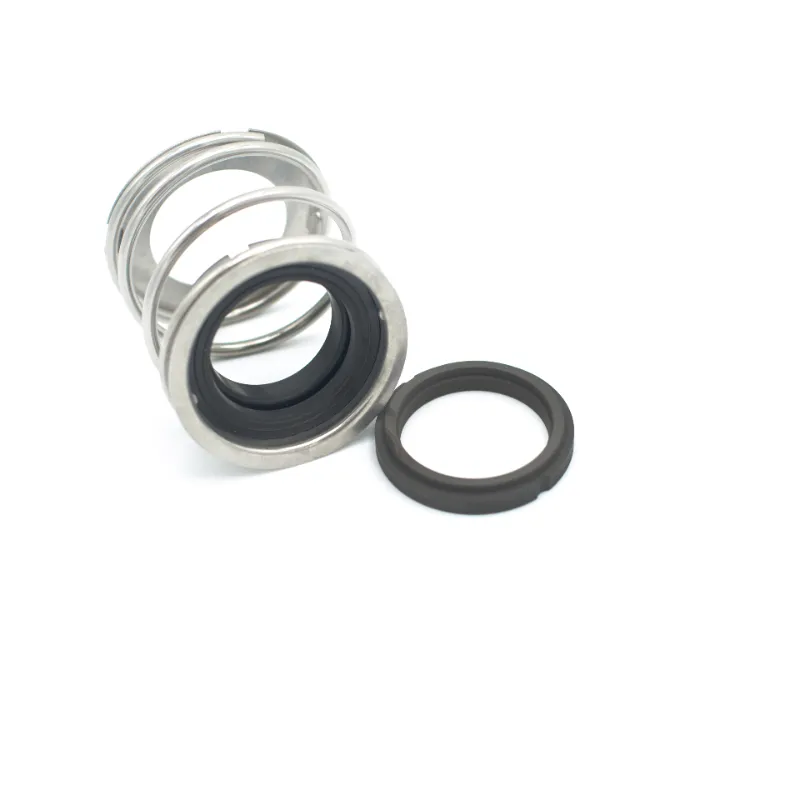
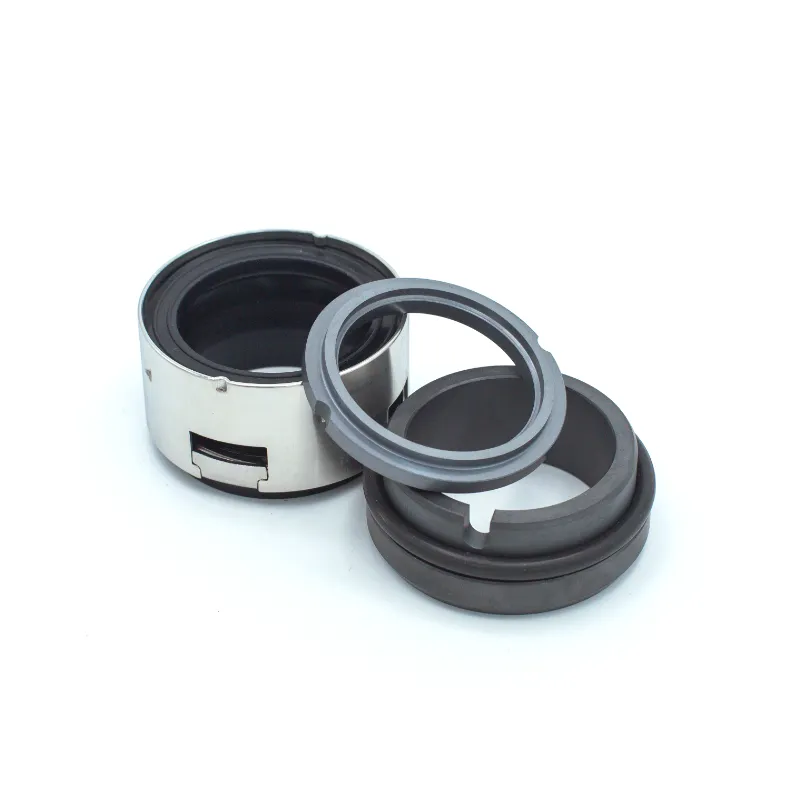
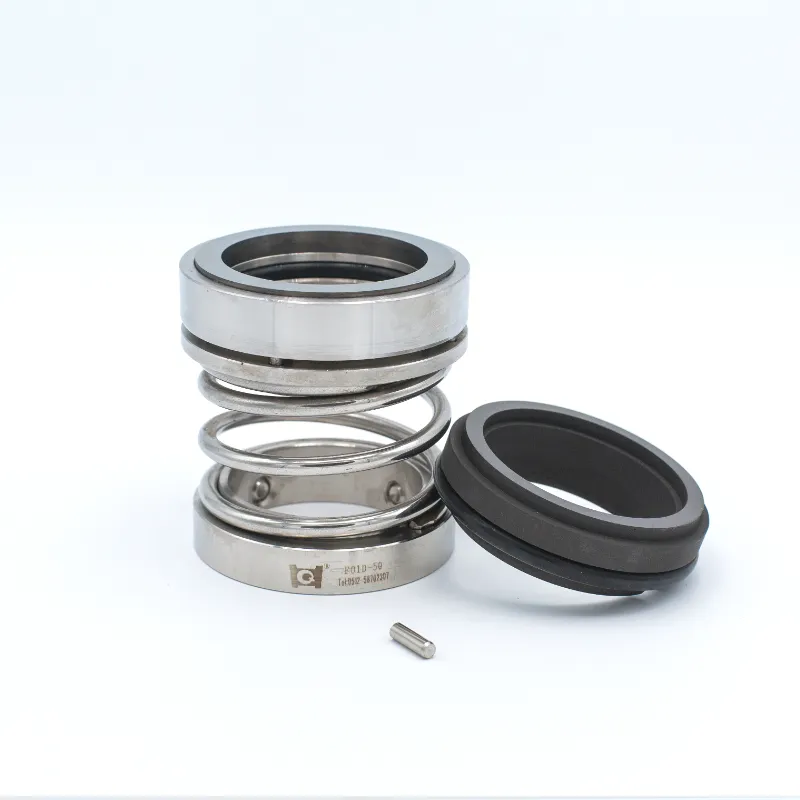
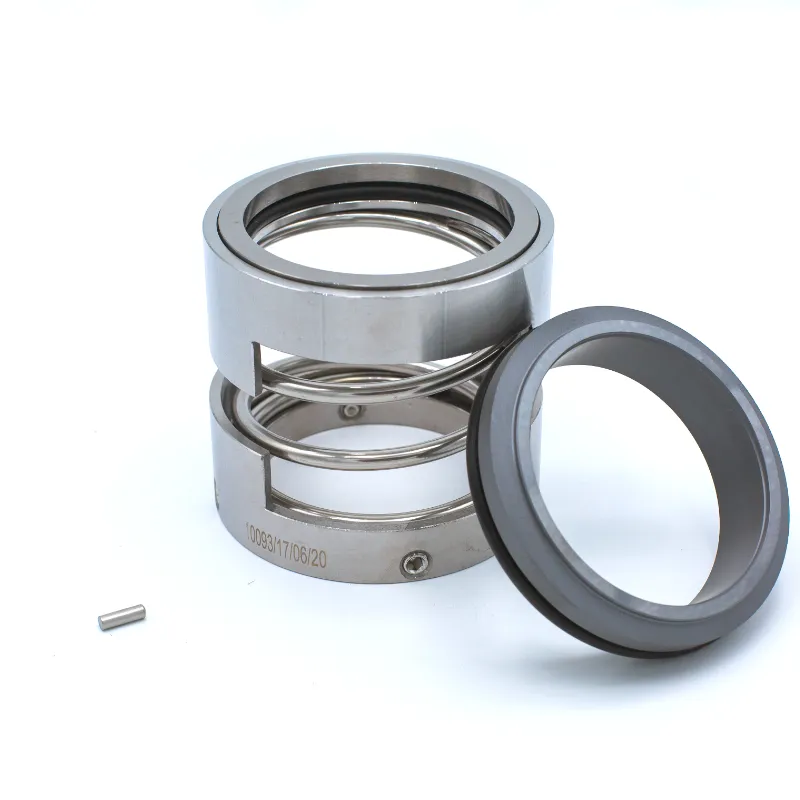
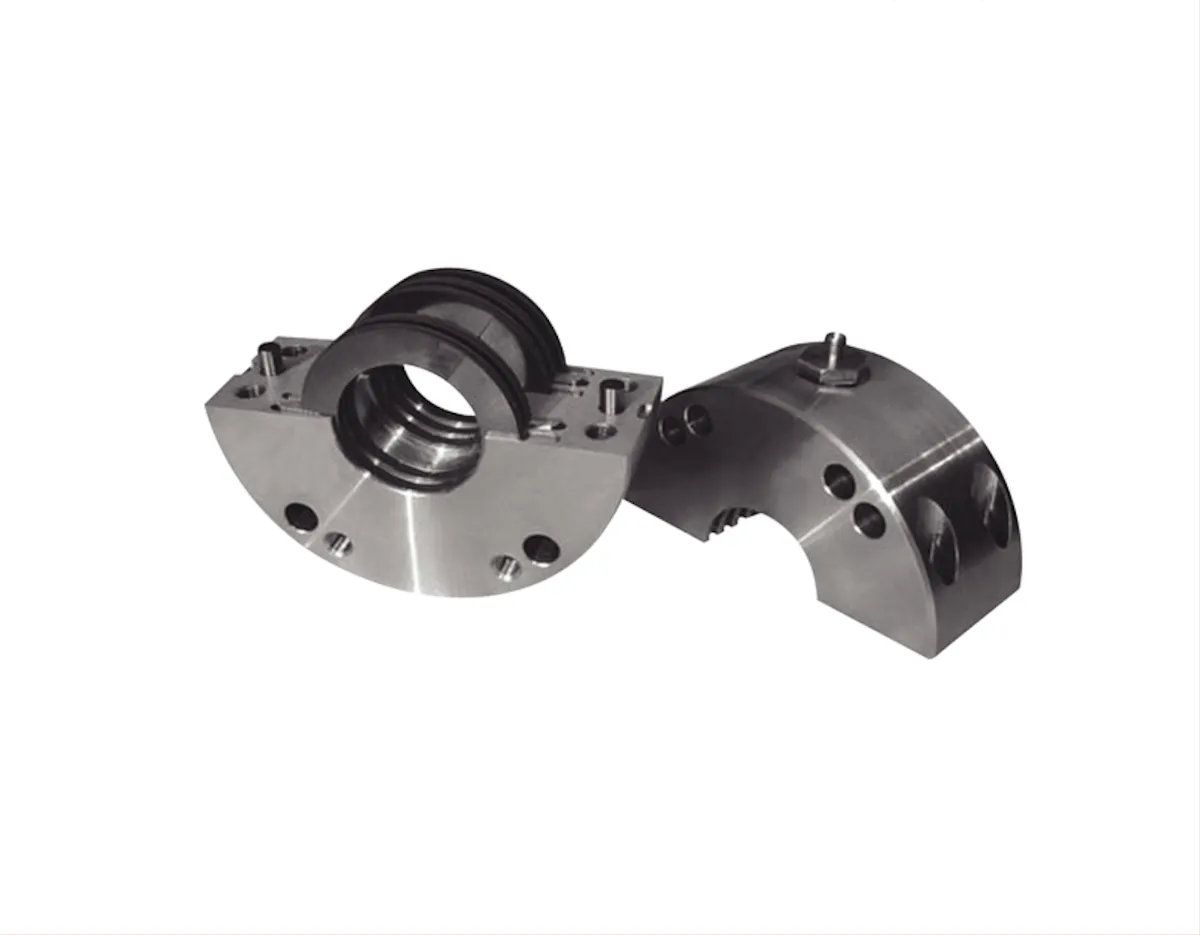
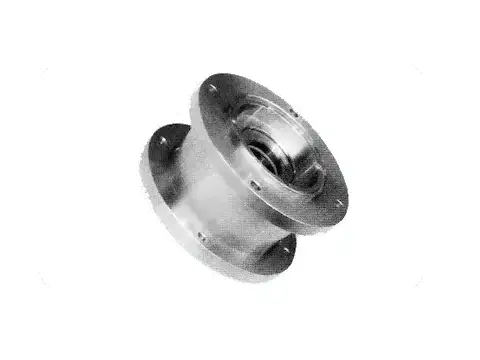
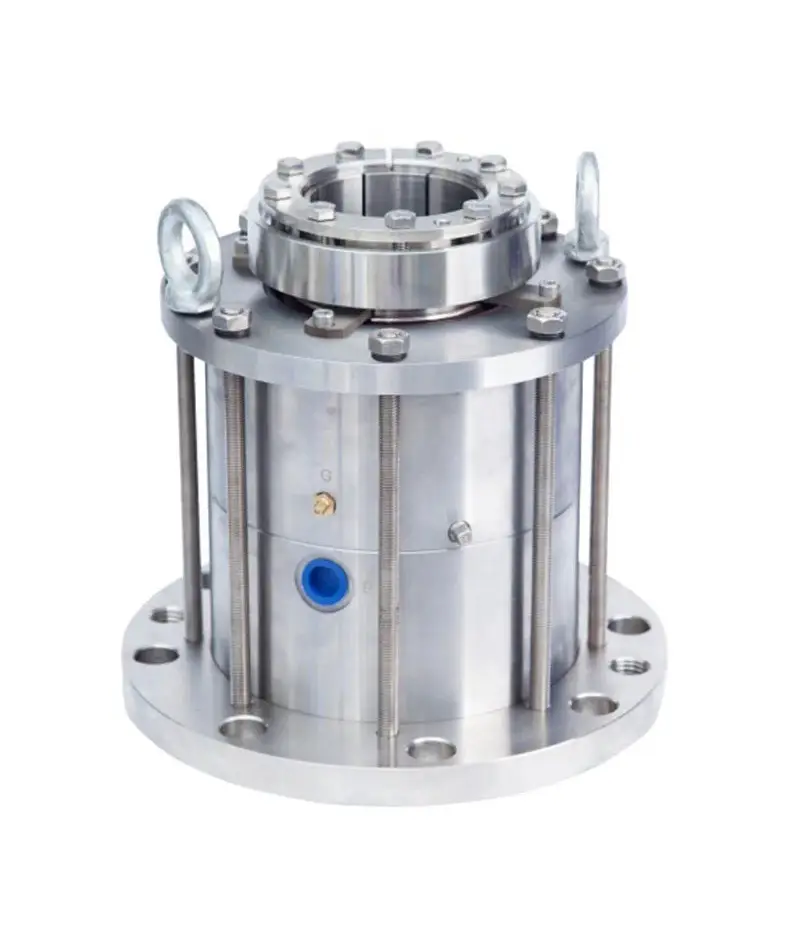
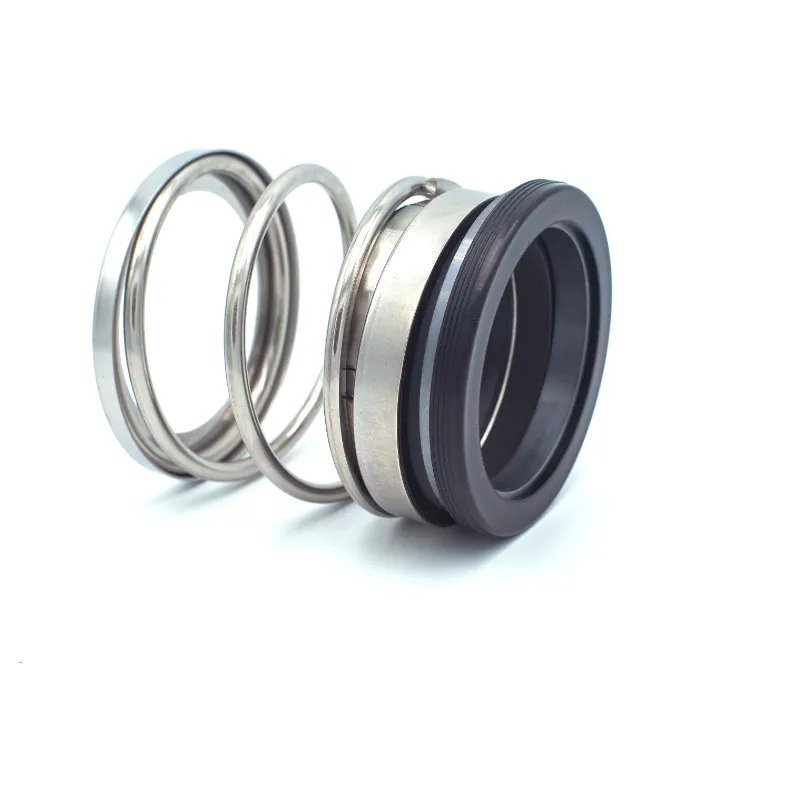
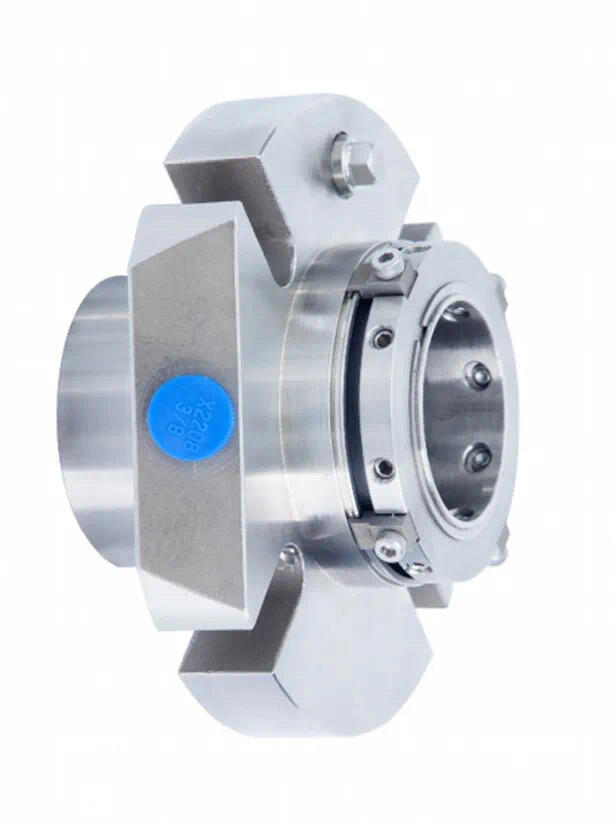
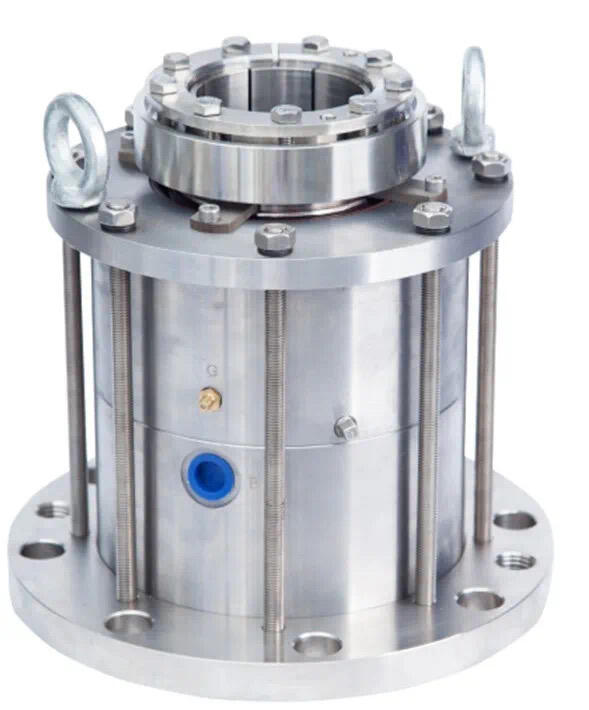
Understanding what is the function of mechanical seal is essential for anyone working with rotating equipment in industrial applications. A mechanical seal serves as a critical sealing device that prevents fluid leakage between rotating and stationary components in pumps, compressors, mixers, and other rotating machinery. The primary function involves creating a reliable barrier that contains process fluids while allowing the shaft to rotate freely without excessive friction or wear. The core mechanism relies on two precisely machined surfaces - typically one rotating with the shaft and one stationary - that maintain contact under controlled pressure to form an effective seal. These surfaces are engineered with extreme precision to ensure minimal gaps while accommodating thermal expansion, vibration, and normal operational variations. The technological features of mechanical seals include specialized materials such as carbon, ceramic, tungsten carbide, and various elastomers selected based on the specific application requirements including temperature, pressure, and chemical compatibility. Advanced designs incorporate secondary sealing elements, springs or bellows for maintaining proper contact pressure, and sophisticated cooling systems to manage heat generation. The function encompasses multiple operational aspects including pressure containment, contamination prevention, and environmental protection by stopping hazardous chemicals from escaping into the atmosphere. Modern mechanical seals feature enhanced durability through improved metallurgy, better surface treatments, and optimized geometries that extend service life significantly compared to traditional packing methods. Applications span across diverse industries including chemical processing, petroleum refining, water treatment, pharmaceutical manufacturing, food processing, and power generation where reliable sealing performance directly impacts operational efficiency, safety compliance, and environmental responsibility. The versatility of mechanical seal functions makes them indispensable components in maintaining operational integrity across countless industrial processes worldwide.

New Products

The advantages of understanding what is the function of mechanical seal extend far beyond basic sealing capabilities, offering substantial practical benefits that directly impact operational efficiency and cost-effectiveness. Primary advantages include superior leak prevention compared to traditional packing methods, which translates into reduced product loss, environmental compliance, and enhanced workplace safety. Mechanical seals eliminate the constant adjustment and maintenance required with packing, reducing labor costs and minimizing downtime for routine maintenance procedures. The precise engineering behind mechanical seal function ensures consistent performance across varying operating conditions, providing reliable sealing even under fluctuating pressures and temperatures that would compromise other sealing methods. Energy efficiency represents another significant advantage, as mechanical seals create minimal friction compared to tight packing arrangements, resulting in reduced power consumption and lower operating costs over the equipment lifecycle. The function of mechanical seals supports extended equipment life by preventing abrasive particles and contaminants from entering bearing areas, protecting valuable rotating machinery from premature wear and costly repairs. Maintenance advantages include predictable service intervals and easier replacement procedures, allowing maintenance teams to plan interventions during scheduled shutdowns rather than responding to emergency failures. The sealed environment created by proper mechanical seal function prevents contamination of process fluids, maintaining product quality and reducing waste in sensitive applications such as pharmaceutical or food processing. Environmental benefits include elimination of fugitive emissions, supporting regulatory compliance and corporate sustainability initiatives while reducing environmental impact. Cost advantages accumulate through reduced product loss, lower maintenance requirements, decreased energy consumption, and extended equipment life, typically providing return on investment within months of installation. The function enables higher operational pressures and temperatures than alternative sealing methods, expanding equipment capabilities and process flexibility. Quality consistency improves significantly as mechanical seals maintain stable sealing performance throughout their service life, unlike packing which degrades continuously and requires constant attention. These combined advantages demonstrate why understanding what is the function of mechanical seal is crucial for optimizing industrial operations and achieving long-term operational success.

Tips And Tricks

Agitator Seal Pressure Manufacturers Offering Customized Sealing Solutions

06

Aug

Agitator Seal Pressure Manufacturers Offering Customized Sealing Solutions

The Growing Demand for Precision Sealing in Industrial Equipment In modern industrial processes, efficiency and reliability are more critical than ever. Equipment must operate under extreme pressure, temperature, and chemical exposure, requiring comp...
View More
What Is Agitator Seal Pressure and Why It Matters in Industrial Equipment?

06

Aug

What Is Agitator Seal Pressure and Why It Matters in Industrial Equipment?

Importance of Pressure Control in Industrial Sealing Systems Industrial processes often involve extreme conditions—high temperatures, intense pressures, and reactive chemicals. To maintain system safety and ensure reliable performance, manufac...
View More
Agitator Seal Solutions for Chemical, Pharma & Food Processing

22

Dec

Agitator Seal Solutions for Chemical, Pharma & Food Processing

Industrial mixing operations in chemical, pharmaceutical, and food processing facilities rely heavily on dependable sealing solutions to maintain process integrity and operational efficiency. Agitator seals serve as critical components that prevent f...
View More
How Can a High-Quality Seal Face Reduce Leakage and Extend Pump Life?

13

Jan

How Can a High-Quality Seal Face Reduce Leakage and Extend Pump Life?

Industrial pumps operate under extreme conditions where even minor component failures can lead to catastrophic system breakdowns and costly downtime. Among all pump components, the seal face stands as one of the most critical elements determining ope...
View More

Get a Free Quote

Our representative will contact you soon.
Email
Name
Company Name
Country/Region
Message
0/1000

what is the function of mechanical seal

Superior Leak Prevention and Environmental Protection

Superior Leak Prevention and Environmental Protection

The fundamental function of mechanical seals centers on providing exceptional leak prevention capabilities that far exceed traditional sealing methods, delivering critical environmental protection and operational benefits. Unlike packing systems that inherently allow controlled leakage, the function of mechanical seals creates virtually leak-free operation by maintaining precise contact between engineered surfaces under controlled conditions. This superior sealing performance prevents valuable process fluids from escaping, eliminating product loss that can amount to thousands of dollars annually in high-value applications. The environmental protection aspect becomes particularly crucial when handling hazardous chemicals, toxic substances, or volatile organic compounds where even minimal leakage poses significant safety and regulatory concerns. Understanding what is the function of mechanical seal reveals how the precision-engineered contact surfaces work together with secondary sealing elements to create multiple barriers against leakage, ensuring containment even under challenging operating conditions including pressure fluctuations, thermal cycling, and vibration. The leak prevention function operates through carefully balanced forces that maintain optimal contact pressure between sealing faces while accommodating normal equipment movement and thermal expansion. This dynamic balance ensures consistent sealing performance throughout the operational envelope, preventing both excessive wear from over-compression and leakage from insufficient contact pressure. Advanced mechanical seal designs incorporate features such as balanced configurations that reduce face loading, specialized face materials that resist wear and chemical attack, and sophisticated cooling systems that maintain optimal operating temperatures. The environmental protection benefits extend beyond simple containment to include prevention of contamination ingress, protecting both the process fluid quality and internal equipment components from external contaminants. This dual protection function ensures product integrity while safeguarding expensive machinery from premature failure due to contamination-related damage. The superior leak prevention capability directly supports regulatory compliance with increasingly stringent environmental regulations, helping companies avoid costly fines and maintain operating permits. Modern mechanical seals can achieve leakage rates measured in drops per hour or even completely dry operation, representing a dramatic improvement over packing systems that may leak gallons per day under normal operation.
Enhanced Equipment Reliability and Reduced Maintenance Requirements

Enhanced Equipment Reliability and Reduced Maintenance Requirements

The function of mechanical seals significantly enhances equipment reliability while dramatically reducing maintenance requirements compared to alternative sealing methods, providing substantial operational and economic advantages. Understanding what is the function of mechanical seal reveals how these components eliminate the need for constant adjustment and repacking that characterizes traditional stuffing box arrangements, transforming maintenance from reactive to predictive scheduling. The reliability enhancement stems from the mechanical seal's ability to operate consistently across varying conditions without degradation in sealing performance, unlike packing which gradually wears and loosens over time. This consistent performance function ensures uninterrupted operation during critical production periods, preventing costly emergency shutdowns and maintaining production schedules. The reduced maintenance requirements manifest in multiple ways, starting with elimination of routine packing adjustments that typically require weekly or even daily attention from maintenance personnel. Mechanical seals operate effectively for months or years without intervention, allowing maintenance teams to focus resources on other critical equipment needs. The function includes self-compensating mechanisms such as springs or bellows that automatically adjust for normal wear and thermal effects, maintaining optimal sealing performance without external adjustment. This self-maintaining characteristic reduces labor costs and minimizes the risk of improper adjustment that could lead to premature failure or excessive leakage. Planned maintenance becomes more predictable with mechanical seals, as service intervals are based on operating hours or calendar time rather than unpredictable leakage or packing deterioration. The reliability function extends to protection of expensive rotating equipment by preventing contaminants from entering bearing areas and eliminating shaft scoring that commonly occurs with over-tightened packing. Maintenance costs decrease substantially due to longer service intervals, reduced inventory requirements for replacement parts, and elimination of emergency repair situations. The function of mechanical seals also supports condition monitoring programs through vibration analysis and temperature monitoring, enabling predictive maintenance strategies that optimize replacement timing. Training requirements for maintenance personnel are simplified since mechanical seal replacement follows standardized procedures without the variable skills needed for proper packing installation and adjustment. These combined reliability and maintenance advantages demonstrate why understanding what is the function of mechanical seal is essential for optimizing maintenance strategies and achieving operational excellence.
Improved Energy Efficiency and Operational Performance

Improved Energy Efficiency and Operational Performance

The energy efficiency improvements delivered through understanding what is the function of mechanical seals provide significant operational performance enhancements that directly impact bottom-line profitability and equipment capability. The function of mechanical seals in reducing friction losses represents one of the most immediate and measurable benefits, as properly designed mechanical seals generate substantially less friction than tightly packed stuffing boxes required to minimize leakage. This reduced friction translates directly into lower power consumption, with energy savings often measuring in thousands of kilowatt-hours annually for larger equipment installations. The efficiency function operates through precise face geometry and specialized materials that minimize contact pressure while maintaining effective sealing, creating an optimal balance between sealing performance and friction generation. Advanced face materials such as silicon carbide and tungsten carbide provide extremely smooth surfaces with excellent wear resistance, enabling operation with minimal friction even under high-pressure conditions. Understanding the lubrication function within mechanical seals reveals how the thin film of process fluid between sealing faces creates hydrodynamic effects that further reduce friction while maintaining sealing integrity. The operational performance improvements extend beyond energy savings to include enhanced equipment capabilities such as higher operating speeds, increased pressure ratings, and expanded temperature ranges compared to packing limitations. The function enables equipment to operate closer to design specifications without the derating often required to accommodate packing limitations and associated maintenance needs. Pump performance specifically benefits from mechanical seal function through elimination of shaft deflection caused by excessive packing forces, allowing impellers to maintain proper clearances and optimal hydraulic performance. The consistent sealing function also prevents air ingress that can cause cavitation and reduce pump efficiency, maintaining design flow rates and pressure capabilities throughout the service interval. Process optimization becomes possible when mechanical seal function eliminates variables such as leakage flow rates, packing adjustment effects, and contamination concerns that otherwise require operational compromises. Energy management programs benefit significantly from the predictable, low-friction operation of mechanical seals, enabling accurate power consumption modeling and optimization strategies. The improved operational performance includes enhanced process control stability since mechanical seals eliminate pressure fluctuations and flow variations associated with packing adjustments and leakage changes. These efficiency and performance advantages compound over time, making the understanding of what is the function of mechanical seal crucial for maximizing equipment return on investment and achieving operational optimization goals.

Get a Free Quote

Our representative will contact you soon.
Email
Name
Company Name
Country/Region
Message
0/1000