What is the Purpose of Mechanical Seal: Complete Guide to Industrial Sealing Solutions

Get a Free Quote

Our representative will contact you soon.
Email
Name
Company Name
Message
0/1000

what is the purpose of mechanical seal

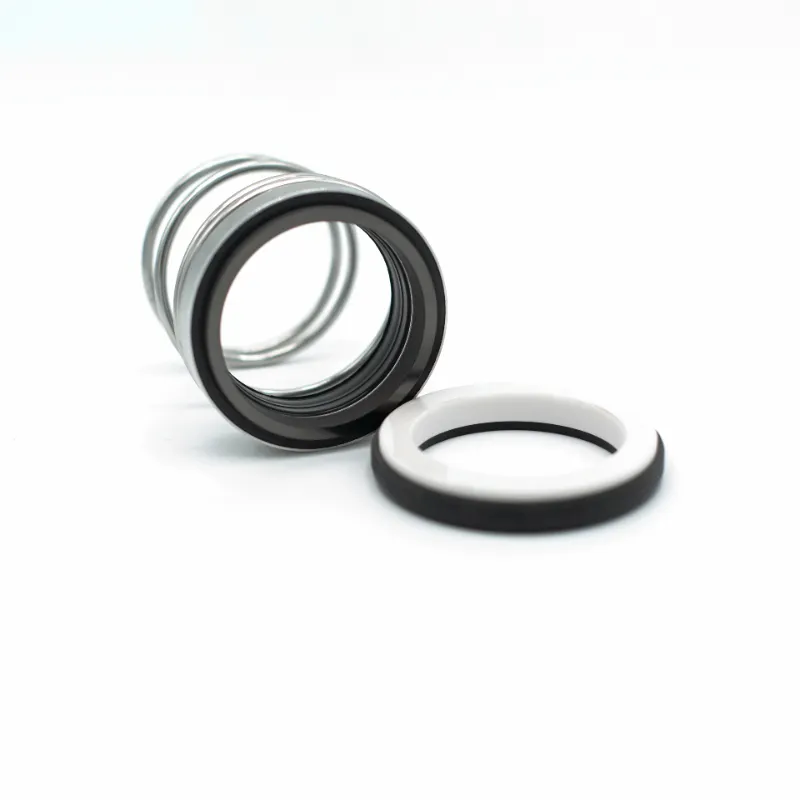
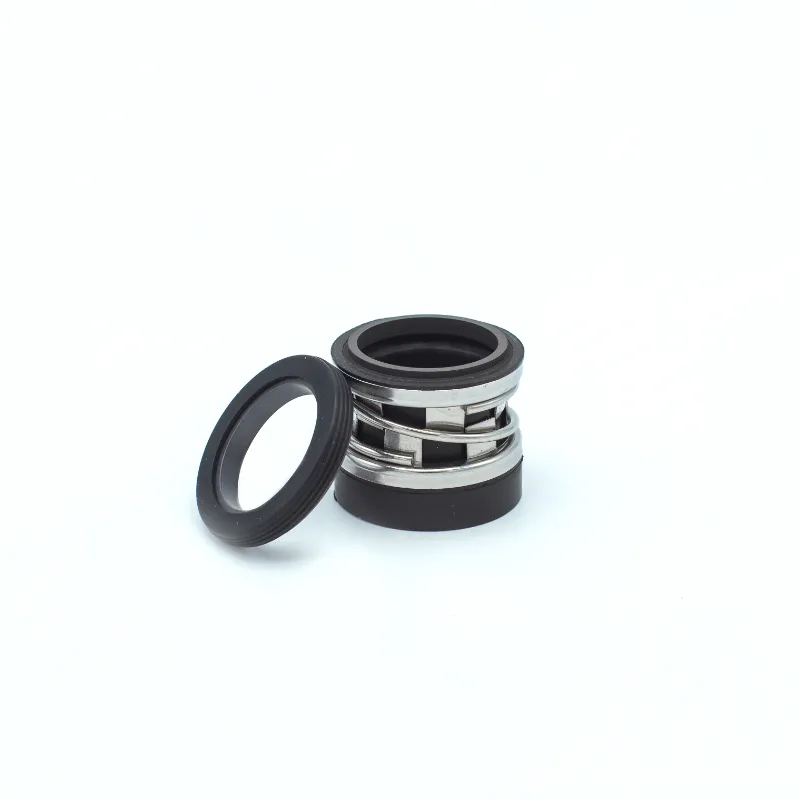
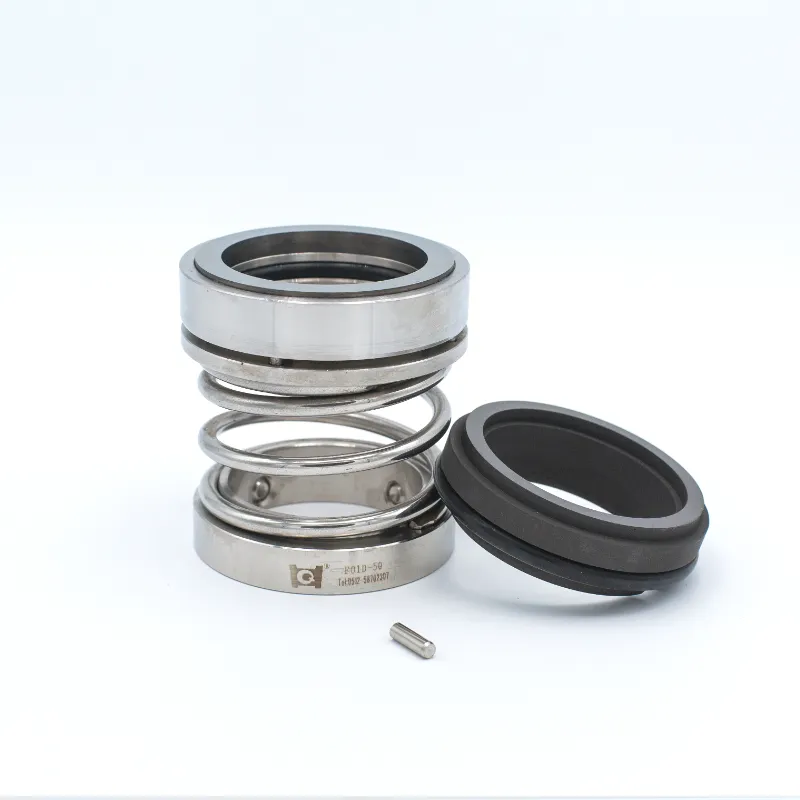
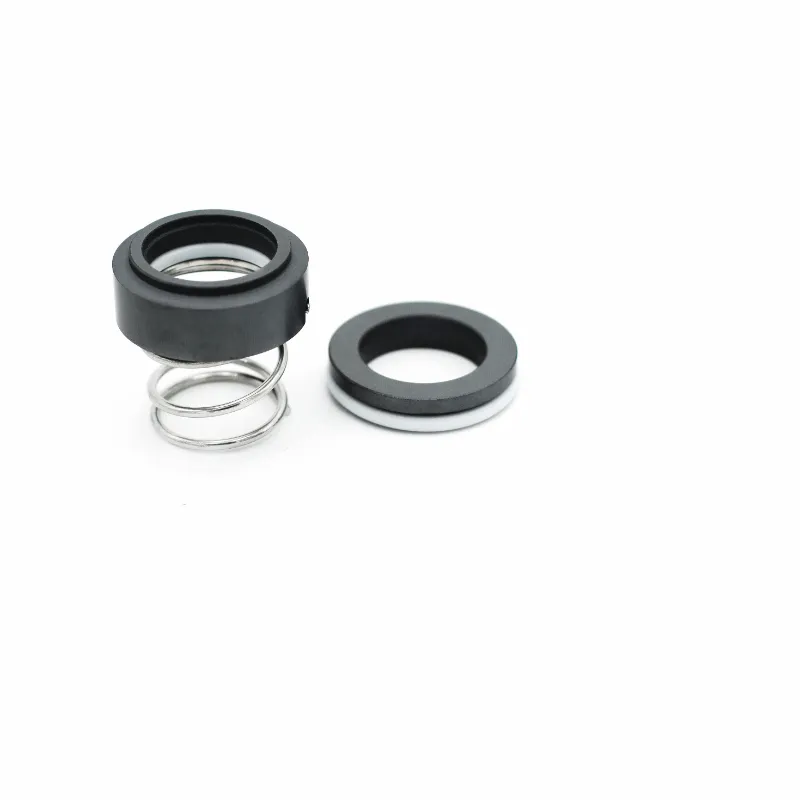
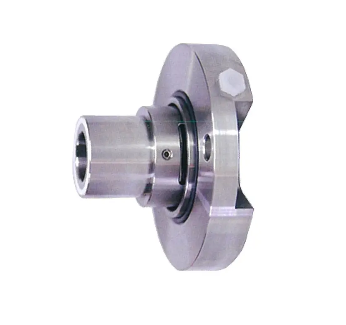
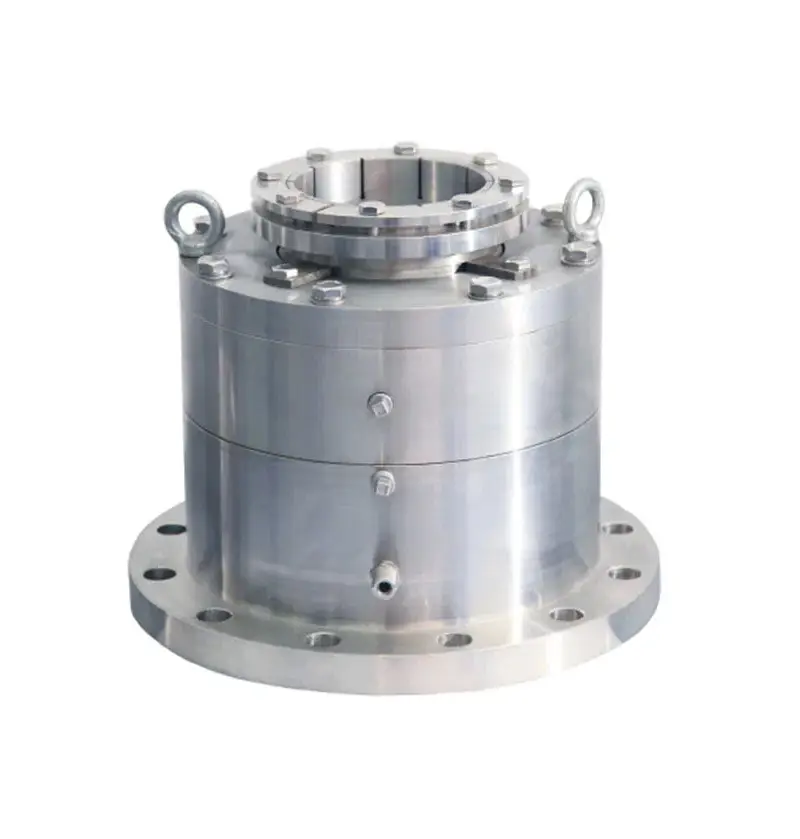
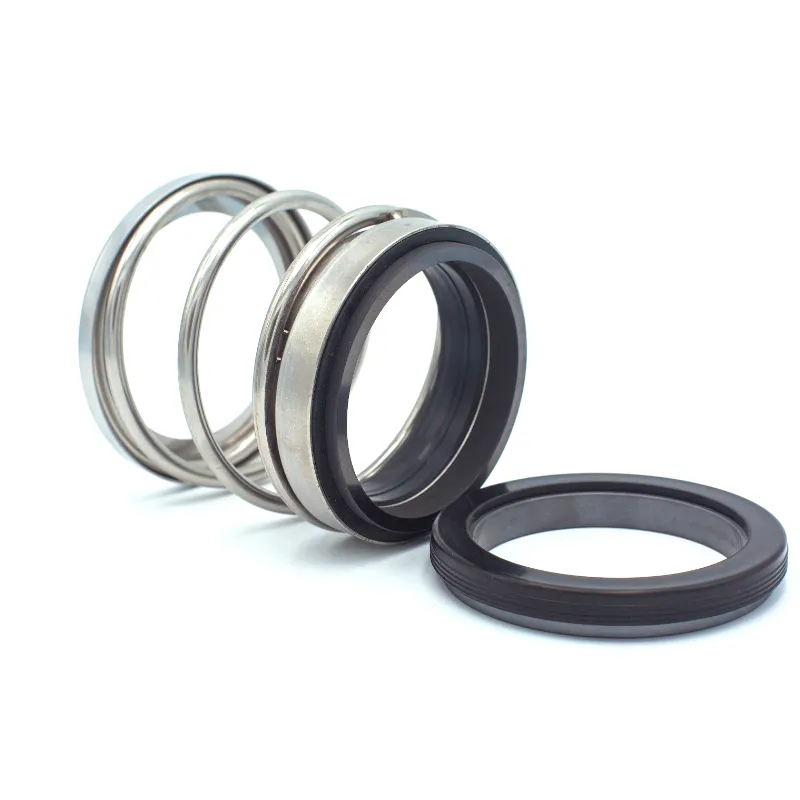
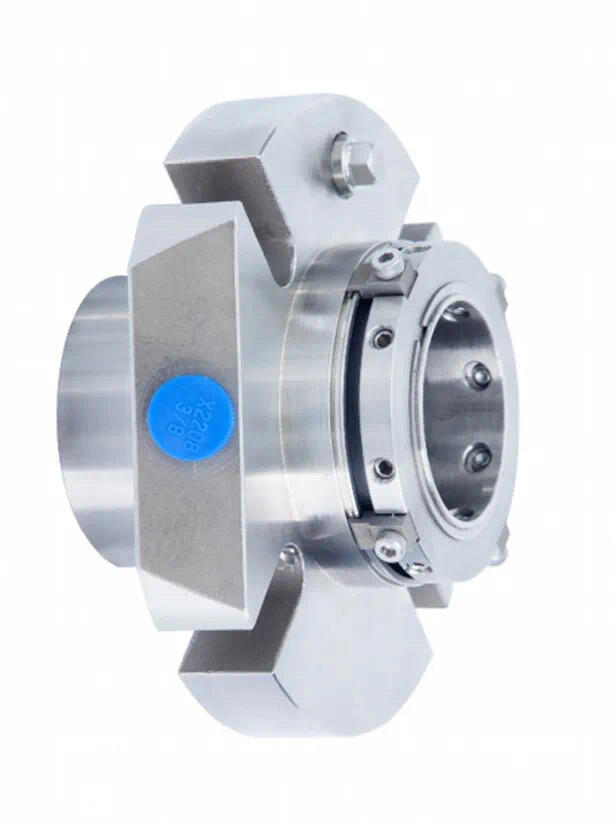
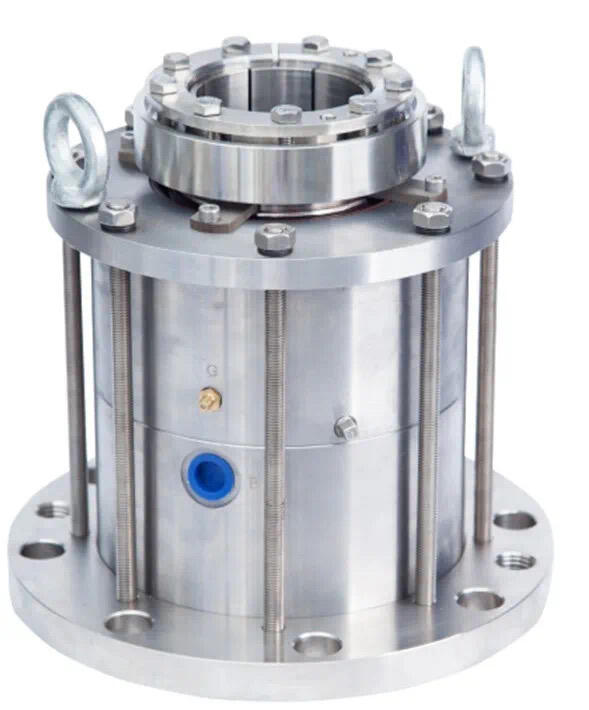
Understanding what is the purpose of mechanical seal requires examining its fundamental role in industrial machinery and equipment. A mechanical seal serves as a critical sealing device that prevents fluid leakage between rotating and stationary components in pumps, compressors, mixers, and various rotating equipment. The primary purpose of mechanical seal technology centers on containing process fluids while maintaining optimal system performance and safety standards. These sophisticated sealing solutions consist of two primary seal faces - one rotating with the shaft and one stationary - that maintain contact under spring pressure and hydraulic force. The purpose of mechanical seal design involves creating a dynamic barrier that accommodates shaft movement while preventing media from escaping the system. Modern mechanical seals incorporate advanced materials including carbon, silicon carbide, tungsten carbide, and specialized elastomers to handle diverse operating conditions. The technological features of what is the purpose of mechanical seal encompass multiple design variations including cartridge seals, component seals, balanced and unbalanced configurations, and specialized arrangements for challenging applications. Temperature resistance, chemical compatibility, and pressure handling capabilities represent core technological aspects that define mechanical seal performance. Applications span across industries including chemical processing, oil and gas, pharmaceutical manufacturing, water treatment, food and beverage production, and power generation facilities. The purpose of mechanical seal implementation extends beyond simple leakage prevention to include environmental protection, worker safety, and regulatory compliance. Understanding what is the purpose of mechanical seal involves recognizing its contribution to reducing maintenance costs, minimizing downtime, and ensuring reliable operation in critical industrial processes where fluid containment is essential for operational success.

New Products

The advantages of understanding what is the purpose of mechanical seal become evident when comparing traditional packing methods with modern sealing technology. Mechanical seals deliver superior leakage control, virtually eliminating product loss and environmental contamination that commonly occurs with conventional packing systems. This enhanced sealing capability directly translates to cost savings through reduced product waste and decreased environmental cleanup expenses. The purpose of mechanical seal technology includes extending equipment life by protecting shaft surfaces from wear and corrosion that typically results from packing friction and abrasive contact. Reduced maintenance requirements represent another significant advantage, as mechanical seals operate for extended periods without adjustment or replacement, unlike packing that requires regular tightening and frequent replacement. Energy efficiency improvements constitute a major benefit since mechanical seals generate minimal friction compared to compressed packing systems, resulting in lower power consumption and reduced operating costs. The purpose of mechanical seal design incorporates self-adjusting features that compensate for normal wear, maintaining consistent sealing performance throughout the service life. Improved safety conditions emerge from eliminating hazardous fluid emissions that pose risks to personnel and surrounding equipment. What is the purpose of mechanical seal implementation includes ensuring compliance with increasingly stringent environmental regulations governing emissions and workplace safety standards. Operational reliability increases substantially due to consistent sealing performance under varying pressure and temperature conditions. The versatility advantage allows mechanical seals to handle diverse fluids including corrosive chemicals, high-temperature liquids, abrasive slurries, and toxic substances that would quickly destroy conventional packing materials. Reduced contamination risks protect product quality in pharmaceutical, food processing, and semiconductor applications where purity standards are critical. Understanding what is the purpose of mechanical seal technology reveals long-term economic benefits that far exceed initial investment costs through reduced downtime, lower maintenance expenses, improved efficiency, and enhanced environmental compliance.

Tips And Tricks

Best Above Ground Well Pumps for Efficient Water Flow

19

Sep

Best Above Ground Well Pumps for Efficient Water Flow

Types of Above Ground Well Pumps for Efficient Flow Shallow Well Jet Pumps: Ideal for Shallow Water Tables Shallow well jet pumps are specifically designed to lift water from depths of up to 25 feet, making them ideal for rural or suburban areas wit...
View More
What Are the Different Types of Agitator Seals?

21

Jul

What Are the Different Types of Agitator Seals?

Exploring Sealing Solutions for Industrial Mixing Systems In industrial mixing applications, maintaining a controlled, leak-free environment is essential to ensure product quality, process efficiency, and safety. Agitator seals play a pivotal role in...
View More
Can High-Performance Mechanical Seals Reduce Maintenance Costs?

22

Dec

Can High-Performance Mechanical Seals Reduce Maintenance Costs?

Industrial facilities worldwide face mounting pressure to reduce operational costs while maintaining peak equipment performance. One critical component that significantly impacts maintenance expenses is the mechanical seal system used in pumps, compr...
View More
How Do Cartridge Mechanical Seals Simplify Installation Process?

13

Jan

How Do Cartridge Mechanical Seals Simplify Installation Process?

Modern industrial applications demand reliable sealing solutions that minimize downtime and reduce maintenance complexity. Cartridge Mechanical Seals have emerged as the preferred choice for engineers and maintenance professionals seeking efficient, ...
View More

Get a Free Quote

Our representative will contact you soon.
Email
Name
Company Name
Country/Region
Message
0/1000

what is the purpose of mechanical seal

Superior Leakage Prevention and Environmental Protection

Superior Leakage Prevention and Environmental Protection

The fundamental purpose of mechanical seal technology revolves around delivering exceptional leakage prevention capabilities that far exceed traditional sealing methods. Unlike conventional packing systems that inherently allow controlled leakage, mechanical seals create an virtually impermeable barrier between rotating and stationary components. This superior sealing performance stems from precision-engineered seal faces that maintain intimate contact under carefully controlled pressure, creating an effective seal interface that prevents fluid escape. Understanding what is the purpose of mechanical seal design reveals sophisticated engineering that accommodates thermal expansion, shaft deflection, and normal wear while maintaining consistent sealing integrity. The environmental protection benefits cannot be overstated, particularly in today's regulatory environment where emissions control and workplace safety represent critical operational requirements. Mechanical seals eliminate the continuous dripping associated with packing systems, preventing hazardous chemicals from contaminating work areas, groundwater, or surrounding environment. This containment capability proves especially valuable when handling toxic, flammable, or corrosive substances that pose significant health and environmental risks. The purpose of mechanical seal implementation includes protecting expensive process fluids from loss, which directly impacts operational profitability and resource conservation. Advanced seal designs incorporate multiple barriers and containment systems that provide fail-safe protection even under extreme operating conditions. Secondary sealing elements and containment provisions ensure that even if primary sealing faces experience wear or damage, fluid containment remains intact. What is the purpose of mechanical seal technology extends to supporting corporate sustainability initiatives by minimizing waste, reducing environmental impact, and ensuring compliance with increasingly stringent environmental regulations. The long-term cost benefits include avoiding expensive environmental remediation, regulatory fines, and product replacement costs associated with fluid losses.
Extended Equipment Life and Reduced Maintenance Requirements

Extended Equipment Life and Reduced Maintenance Requirements

A critical aspect of what is the purpose of mechanical seal technology involves dramatically extending equipment service life while simultaneously reducing maintenance requirements and associated costs. Traditional packing systems create continuous friction against rotating shafts, causing progressive wear that eventually necessitates expensive shaft replacement or refurbishment. Mechanical seals eliminate this destructive contact, allowing shafts to operate indefinitely without wear-related damage. The purpose of mechanical seal design incorporates non-contacting or minimal-contact operation that preserves shaft integrity while maintaining effective sealing performance. This protection extends to shaft sleeves, stuffing boxes, and related components that experience premature failure in packing-equipped systems. Understanding what is the purpose of mechanical seal maintenance reveals significant operational advantages including predictable service intervals, simplified inspection procedures, and reduced labor requirements. Unlike packing systems that require frequent adjustment, retightening, and replacement, mechanical seals operate for extended periods without intervention, allowing maintenance teams to focus on other critical tasks. The self-adjusting characteristics inherent in mechanical seal design automatically compensate for normal wear and thermal effects, maintaining consistent performance throughout the service life. Cartridge-style mechanical seals further simplify maintenance by enabling complete seal replacement as a pre-assembled unit, reducing installation time and eliminating assembly errors. The purpose of mechanical seal technology includes incorporating condition monitoring capabilities that provide early warning of potential issues, enabling proactive maintenance scheduling that prevents unexpected failures. Reduced inventory requirements represent another advantage, as mechanical seals typically have longer shelf life and fewer replacement parts compared to packing systems that require various sizes and materials. What is the purpose of mechanical seal implementation includes minimizing unplanned downtime through reliable performance and predictable maintenance intervals, directly contributing to improved plant availability and production efficiency.
Enhanced Performance and Operational Efficiency

Enhanced Performance and Operational Efficiency

The performance enhancement capabilities represent a fundamental aspect of what is the purpose of mechanical seal technology in modern industrial applications. Mechanical seals deliver consistent sealing performance across wide ranges of pressure, temperature, and speed conditions that would challenge or destroy conventional sealing methods. This operational flexibility allows equipment to operate at optimal parameters without sealing-related limitations, maximizing process efficiency and throughput. The purpose of mechanical seal engineering involves accommodating dynamic operating conditions while maintaining seal integrity, enabling equipment to handle process variations, startup and shutdown cycles, and emergency conditions without compromise. Energy efficiency improvements constitute a significant performance advantage, as mechanical seals generate minimal friction compared to compressed packing systems that create substantial parasitic power losses. This reduced friction translates to lower energy consumption, reduced heat generation, and improved overall system efficiency. Understanding what is the purpose of mechanical seal design reveals sophisticated features including balanced configurations that minimize closing forces, advanced materials that reduce friction coefficients, and optimized geometries that enhance fluid film lubrication. The thermal management capabilities of mechanical seals prevent heat buildup that commonly causes packing failure and shaft damage in high-speed applications. Advanced seal designs incorporate cooling and lubrication systems that maintain optimal operating temperatures even under demanding conditions. The purpose of mechanical seal technology includes enabling equipment operation at higher pressures and temperatures than possible with conventional sealing methods, expanding process capabilities and improving productivity. Specialized mechanical seal configurations handle challenging applications including dry running conditions, abrasive media, and corrosive environments that would quickly destroy alternative sealing solutions. What is the purpose of mechanical seal implementation extends to supporting process optimization through reliable performance that enables precise control of system parameters, consistent product quality, and reduced process variations that impact efficiency and profitability.

Get a Free Quote

Our representative will contact you soon.
Email
Name
Company Name
Country/Region
Message
0/1000