What is the Use of Mechanical Seal: Complete Guide to Industrial Sealing Solutions

Get a Free Quote

Our representative will contact you soon.
Email
Name
Company Name
Message
0/1000

what is the use of mechanical seal

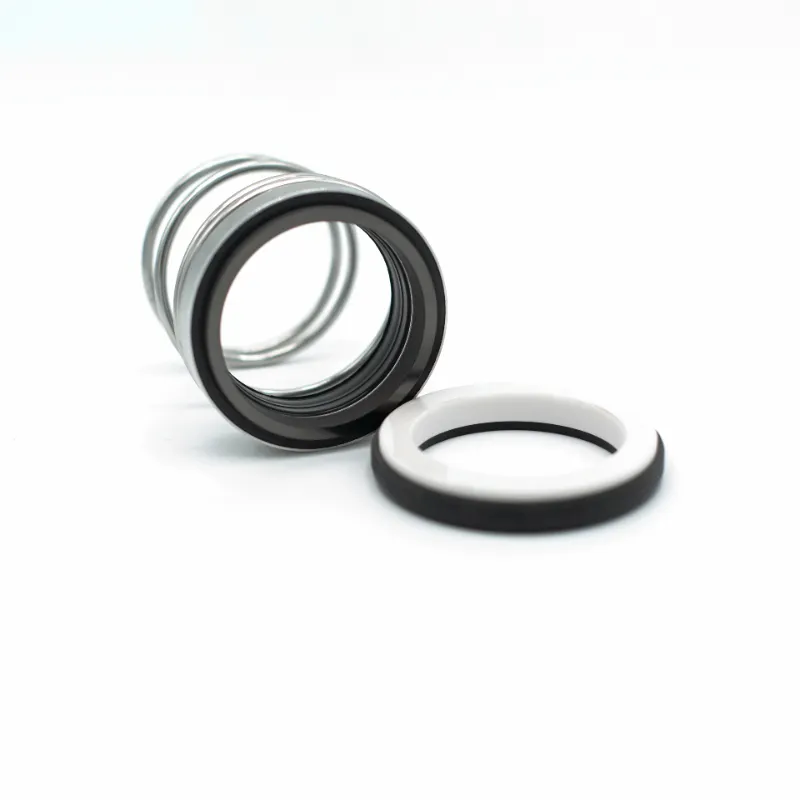
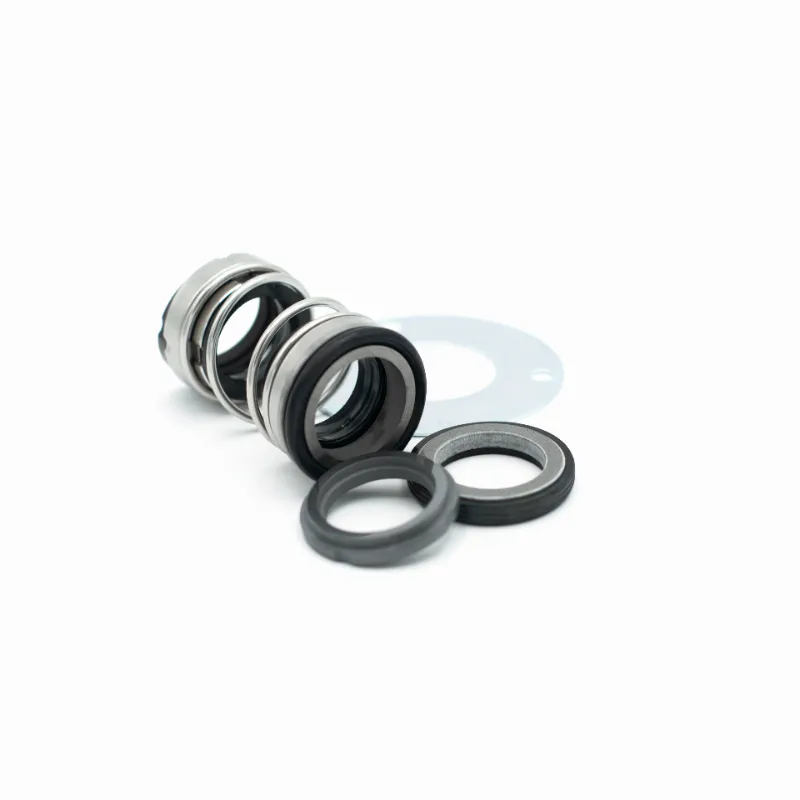
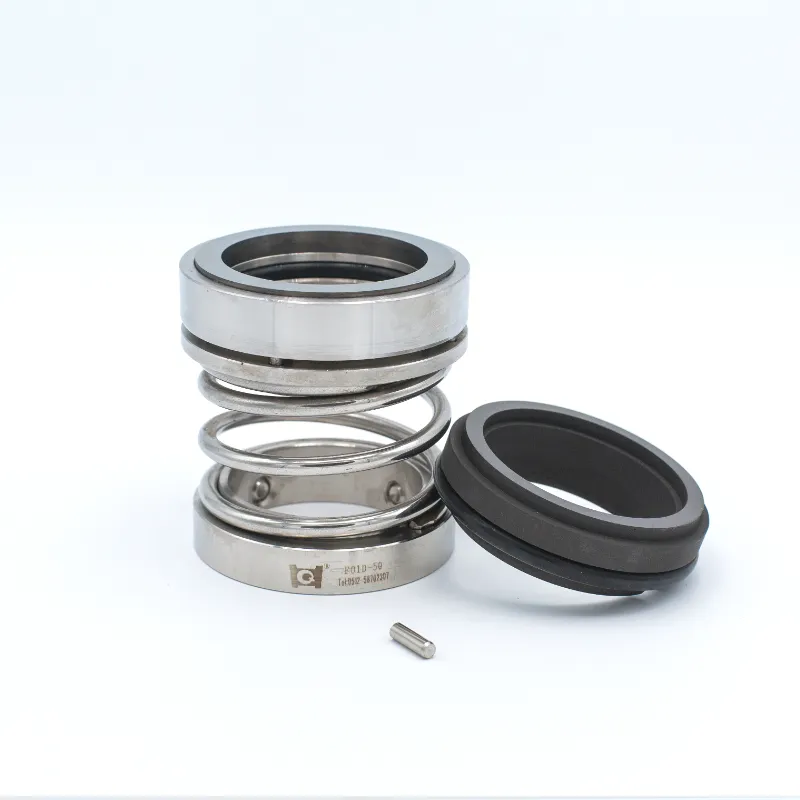
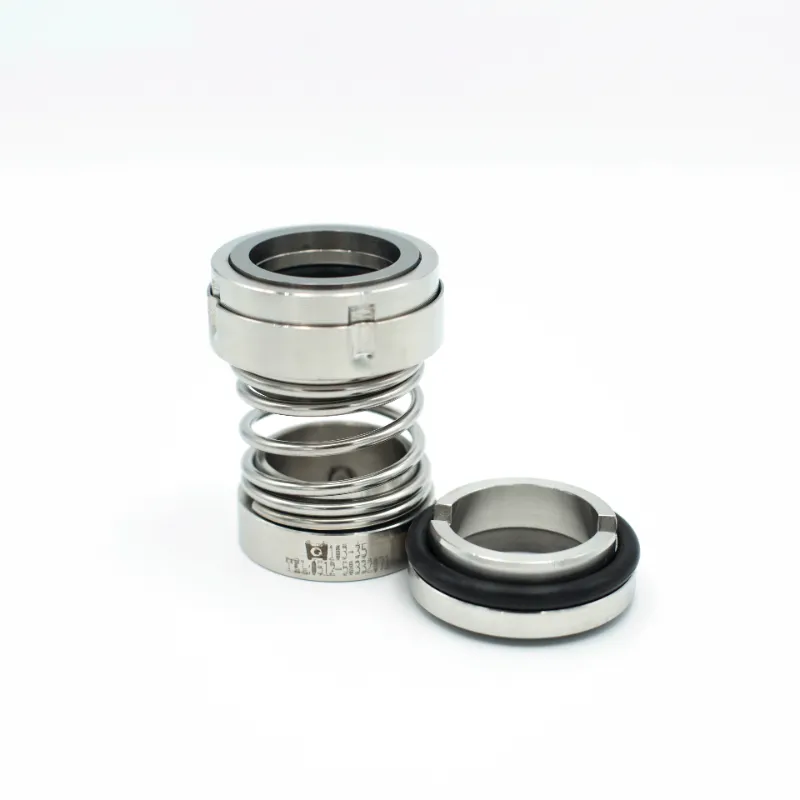
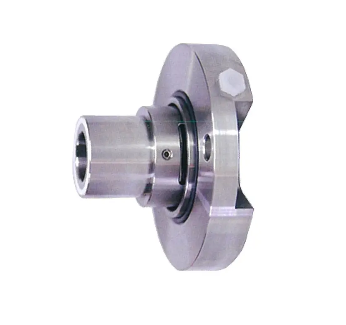
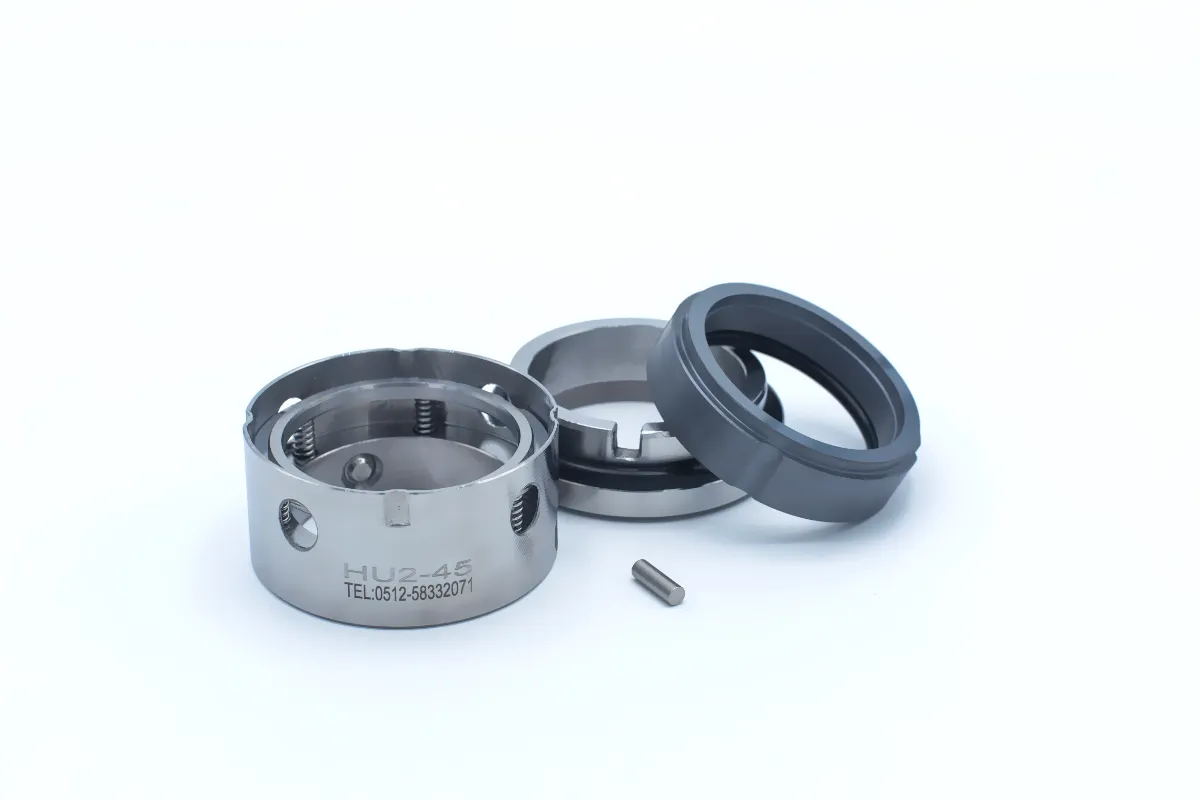
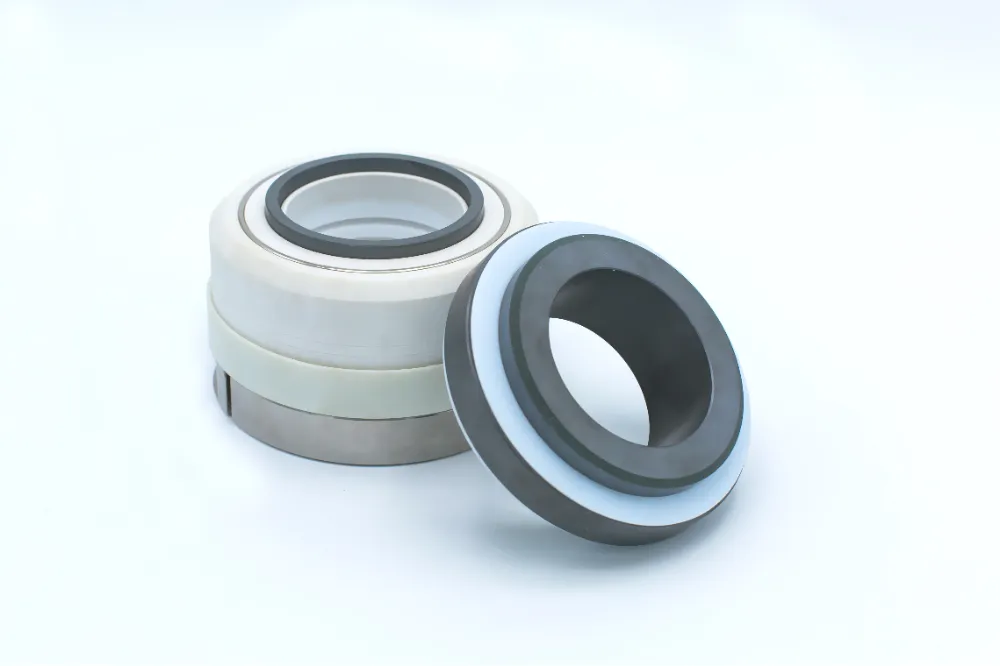
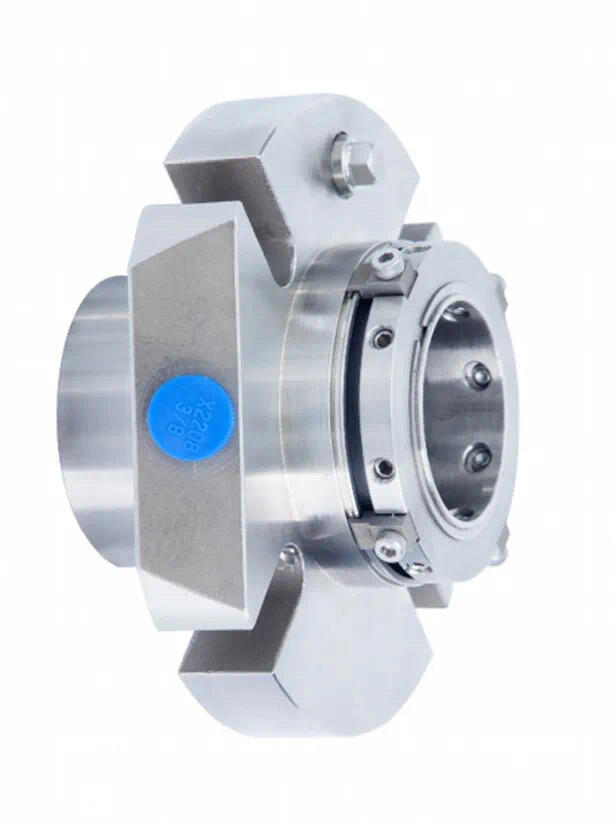
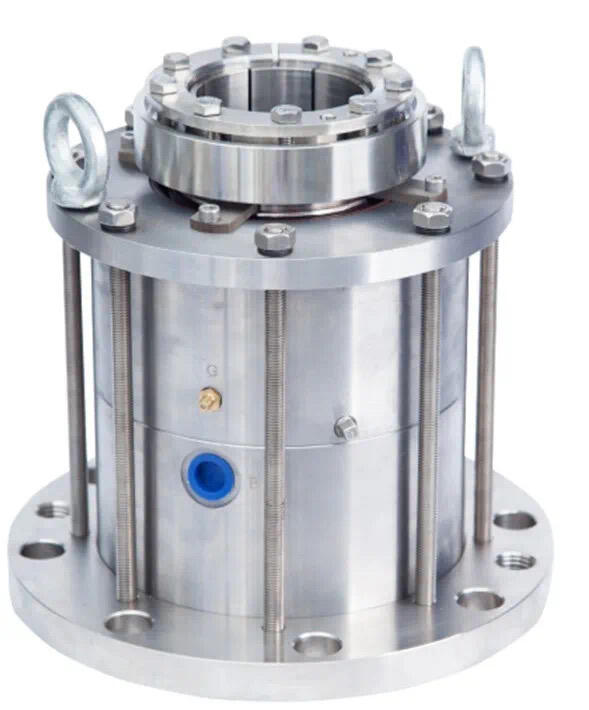
A mechanical seal serves as a critical component in rotating equipment, designed to prevent fluid leakage between stationary and rotating parts. Understanding what is the use of mechanical seal becomes essential for industries requiring reliable fluid containment solutions. The primary function of a mechanical seal involves creating a barrier that stops liquids or gases from escaping along a rotating shaft while allowing the shaft to move freely. This sophisticated sealing mechanism consists of two primary sealing faces: one rotating with the shaft and another stationary, held in precise contact through spring force and hydraulic pressure. The technological features of mechanical seals include precision-engineered sealing faces made from materials like carbon, ceramic, silicon carbide, or tungsten carbide, selected based on operating conditions. These seals incorporate secondary sealing elements such as O-rings or gaskets that provide additional containment. Advanced mechanical seals feature balanced designs that reduce face loading, extending operational life and improving performance. Temperature compensation mechanisms ensure consistent sealing under thermal variations, while self-adjusting springs maintain optimal face contact pressure throughout the seal's lifecycle. The applications for mechanical seals span numerous industries including chemical processing, pharmaceutical manufacturing, oil and gas, water treatment, food processing, and automotive sectors. In centrifugal pumps, mechanical seals prevent process fluid leakage while maintaining system efficiency. Compressors utilize these seals to contain gases under high pressure, ensuring safety and environmental compliance. Mixers and agitators in chemical plants rely on mechanical seals to prevent contamination between process fluids and external environment. Marine applications use mechanical seals in propeller shaft systems to prevent seawater ingress. The versatility of mechanical seal designs allows customization for specific operating parameters including pressure, temperature, rotational speed, and chemical compatibility, making them indispensable components in modern industrial equipment.

Popular Products

The advantages of implementing mechanical seals in industrial applications provide substantial benefits that directly impact operational efficiency and cost-effectiveness. Understanding what is the use of mechanical seal reveals significant performance improvements over traditional sealing methods. Mechanical seals eliminate the constant drip associated with packing glands, reducing product loss and environmental contamination. This zero-leakage capability translates into measurable cost savings through reduced material waste and compliance with stringent environmental regulations. The self-adjusting nature of mechanical seals maintains consistent performance throughout their operational life, reducing maintenance frequency and associated downtime costs. Unlike packing materials that require regular adjustment and replacement, mechanical seals operate automatically, minimizing labor requirements and human intervention. The precision engineering of mechanical seal faces ensures minimal friction between sealing surfaces, reducing power consumption and extending equipment life. This efficiency improvement contributes to lower energy costs and improved overall system performance. Mechanical seals provide superior chemical resistance through careful material selection, allowing operation with aggressive fluids that would quickly deteriorate conventional sealing materials. This chemical compatibility expands equipment application ranges and reduces the risk of premature seal failure. The compact design of mechanical seals requires minimal axial space, enabling equipment designers to create more efficient and space-saving machinery layouts. Installation simplicity reduces assembly time and ensures consistent sealing performance across multiple units. Mechanical seals offer predictable service life, enabling planned maintenance schedules that optimize equipment availability and reduce emergency repair costs. The standardized dimensions and interchangeable designs facilitate quick replacement and inventory management. Temperature stability allows mechanical seals to operate effectively across wide temperature ranges without performance degradation. Pressure handling capabilities enable operation in high-pressure systems where other sealing methods fail. The smooth sealing faces minimize shaft wear, protecting expensive equipment components and extending overall machinery life. Quality mechanical seals provide reliable operation in critical applications where seal failure could result in significant safety hazards or production losses.

Latest News

Best Above Ground Well Pumps for Efficient Water Flow

19

Sep

Best Above Ground Well Pumps for Efficient Water Flow

Types of Above Ground Well Pumps for Efficient Flow Shallow Well Jet Pumps: Ideal for Shallow Water Tables Shallow well jet pumps are specifically designed to lift water from depths of up to 25 feet, making them ideal for rural or suburban areas wit...
View More
Key Features of High-Performance Agitator Seal Pressure Systems

06

Aug

Key Features of High-Performance Agitator Seal Pressure Systems

Ensuring Long-Term Efficiency in Industrial Sealing In the world of industrial processing, maintaining system integrity under various operational stresses is a continuous challenge. One of the most vital components for achieving this reliability is t...
View More
Agitator Seal Pressure Applications in Chemical and Pharmaceutical Plants

06

Aug

Agitator Seal Pressure Applications in Chemical and Pharmaceutical Plants

Importance of Sealing Integrity in Industrial Processing Environments In chemical and pharmaceutical plants, the integrity of sealing systems is vital for ensuring safety, process efficiency, and product quality. A small leakage or contamination due ...
View More
How Do Mech Seals Improve Pump Efficiency and Uptime?

13

Jan

How Do Mech Seals Improve Pump Efficiency and Uptime?

Mechanical seals play a crucial role in maintaining optimal pump performance across industrial applications. Understanding how mech seals function and their impact on operational efficiency can help facility managers and engineers make informed decis...
View More

Get a Free Quote

Our representative will contact you soon.
Email
Name
Company Name
Country/Region
Message
0/1000

what is the use of mechanical seal

Superior Leakage Prevention Technology

Superior Leakage Prevention Technology

The primary advantage of understanding what is the use of mechanical seal lies in its exceptional ability to prevent fluid leakage through advanced sealing technology. Unlike traditional packing methods that inherently allow controlled leakage, mechanical seals create a virtually zero-leakage barrier that protects both the environment and process integrity. This superior containment capability stems from the precision-engineered sealing faces that maintain intimate contact through carefully calibrated spring forces and hydraulic balancing. The sealing mechanism operates on the principle of creating a thin lubricating film between two extremely flat surfaces, typically measured in light bands of helium interference. This microscopic film provides lubrication while preventing bulk fluid passage, ensuring long-term reliability without compromising sealing effectiveness. The materials used in mechanical seal construction undergo rigorous testing to ensure compatibility with process fluids, temperature extremes, and pressure variations. Carbon-graphite faces provide excellent self-lubricating properties and chemical resistance, while ceramic and silicon carbide offer superior hardness and wear resistance for demanding applications. The secondary sealing elements, including elastomeric O-rings and gaskets, create additional containment barriers that prevent bypass leakage around the primary sealing components. Advanced mechanical seal designs incorporate balanced configurations that reduce face loading, minimizing heat generation and extending seal life while maintaining leak-tight performance. Environmental regulations increasingly demand zero-emission standards, making mechanical seals essential for compliance in chemical processing, pharmaceutical manufacturing, and petroleum refining applications. The cost benefits of preventing product loss, environmental cleanup, and regulatory penalties far outweigh the initial investment in quality mechanical sealing systems. Process contamination prevention ensures product purity and quality consistency, critical factors in food processing, pharmaceutical production, and semiconductor manufacturing. The reliability of mechanical seal technology enables continuous operation in critical applications where even minimal leakage could compromise safety, product quality, or environmental protection standards.
Enhanced Equipment Reliability and Performance

Enhanced Equipment Reliability and Performance

Understanding what is the use of mechanical seal reveals significant improvements in equipment reliability and overall system performance that directly benefit industrial operations. Mechanical seals eliminate the shaft wear associated with traditional packing materials, protecting expensive equipment components and extending machinery service life. The smooth, polished sealing faces create minimal friction during operation, reducing power consumption and heat generation that can damage surrounding equipment components. This efficiency improvement translates into lower operating costs and reduced maintenance requirements throughout the equipment lifecycle. The self-adjusting characteristics of mechanical seals automatically compensate for normal wear and thermal expansion, maintaining consistent sealing performance without manual intervention or adjustment. This automatic operation ensures continuous productivity while reducing labor costs and the potential for human error in maintenance procedures. Quality mechanical seals provide predictable service intervals, enabling planned maintenance scheduling that optimizes equipment availability and prevents unexpected failures. The standardized design and dimensions of mechanical seals facilitate quick replacement during scheduled maintenance windows, minimizing production downtime and associated revenue losses. Advanced mechanical seal designs incorporate features such as dual seals, barrier fluid systems, and condition monitoring capabilities that provide early warning of potential seal degradation. These monitoring systems enable proactive maintenance strategies that prevent catastrophic failures and extend seal service life. The chemical resistance of properly selected mechanical seal materials ensures reliable operation with aggressive process fluids that would rapidly deteriorate conventional sealing methods. Temperature compensation mechanisms built into mechanical seal designs maintain sealing effectiveness across wide temperature ranges, eliminating the performance degradation common with elastomeric sealing solutions. Pressure balancing features enable mechanical seals to operate effectively in high-pressure applications where other sealing methods would fail or require frequent maintenance. The compact design of mechanical seals allows equipment manufacturers to create more efficient and space-saving machinery configurations while maintaining superior sealing performance and reliability standards.
Cost-Effective Long-Term Operation

Cost-Effective Long-Term Operation

The economic advantages of mechanical seals demonstrate why understanding what is the use of mechanical seal becomes crucial for cost-conscious industrial operations. While the initial investment in mechanical sealing technology may exceed traditional packing costs, the long-term operational savings provide substantial return on investment through reduced maintenance, eliminated product loss, and improved system efficiency. Mechanical seals eliminate the continuous product drip inherent in packing gland systems, preventing costly material waste and environmental cleanup expenses. This zero-leakage capability becomes particularly valuable when sealing expensive chemicals, pharmaceuticals, or petroleum products where even small losses accumulate significant costs over time. The extended service life of quality mechanical seals reduces replacement frequency and associated labor costs compared to frequently adjusted and replaced packing materials. Mechanical seals operate automatically without requiring periodic tightening or adjustment, eliminating ongoing maintenance labor and reducing the potential for improper installation or adjustment errors. Energy savings result from the low-friction operation of mechanical seals, which reduces power consumption and heat generation compared to tightly packed gland sealing systems. This efficiency improvement provides ongoing operational cost reductions while extending the life of pumps, motors, and other system components. Environmental compliance benefits include elimination of fugitive emissions, reduced waste disposal costs, and avoidance of regulatory penalties associated with leaking equipment. Insurance costs may decrease due to reduced fire and environmental hazard risks associated with leak-free operation. Inventory management becomes more efficient with standardized mechanical seal designs that reduce the variety of replacement parts required for maintenance operations. Planned maintenance scheduling enables optimal resource allocation and reduces emergency repair costs associated with unexpected seal failures. Production uptime improvements result from the reliable operation and predictable service life of mechanical seals, maximizing equipment availability and revenue generation. Quality assurance benefits include consistent product purity and elimination of contamination risks that could result in costly product recalls or quality failures in critical applications.

Get a Free Quote

Our representative will contact you soon.
Email
Name
Company Name
Country/Region
Message
0/1000