what are the types of mechanical seals
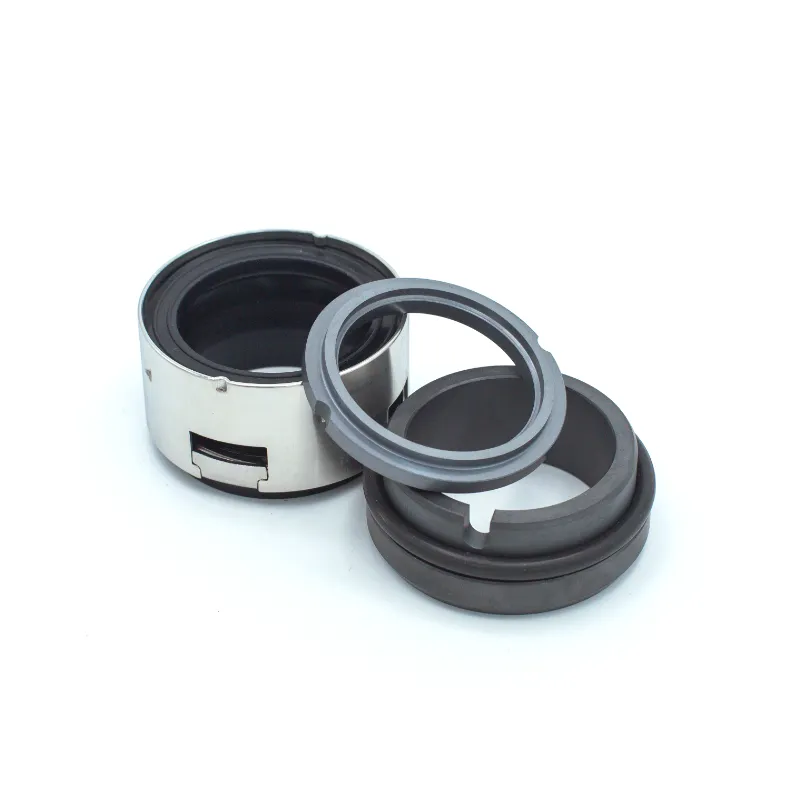
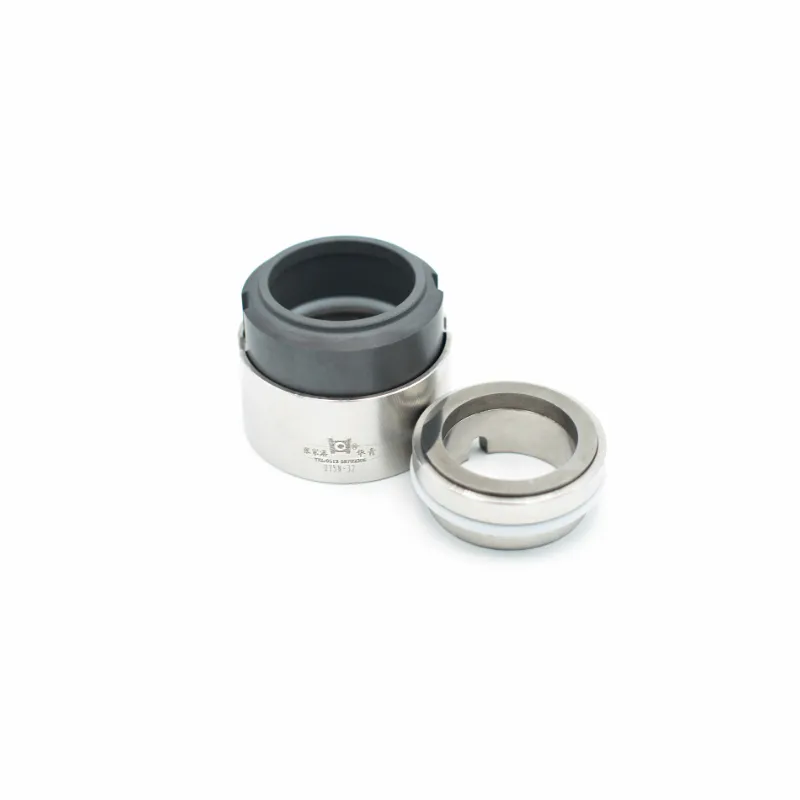
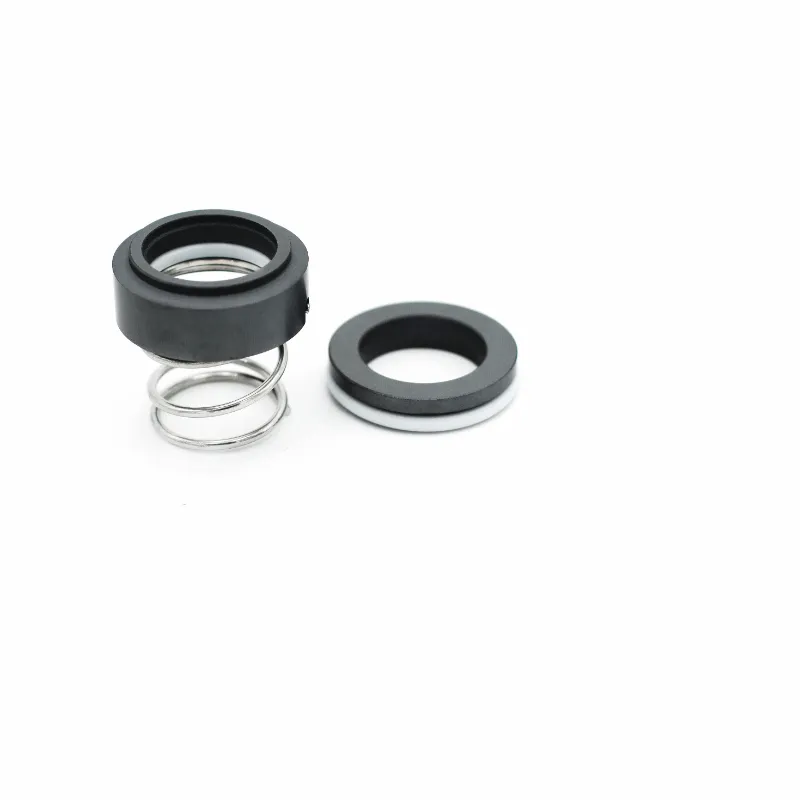
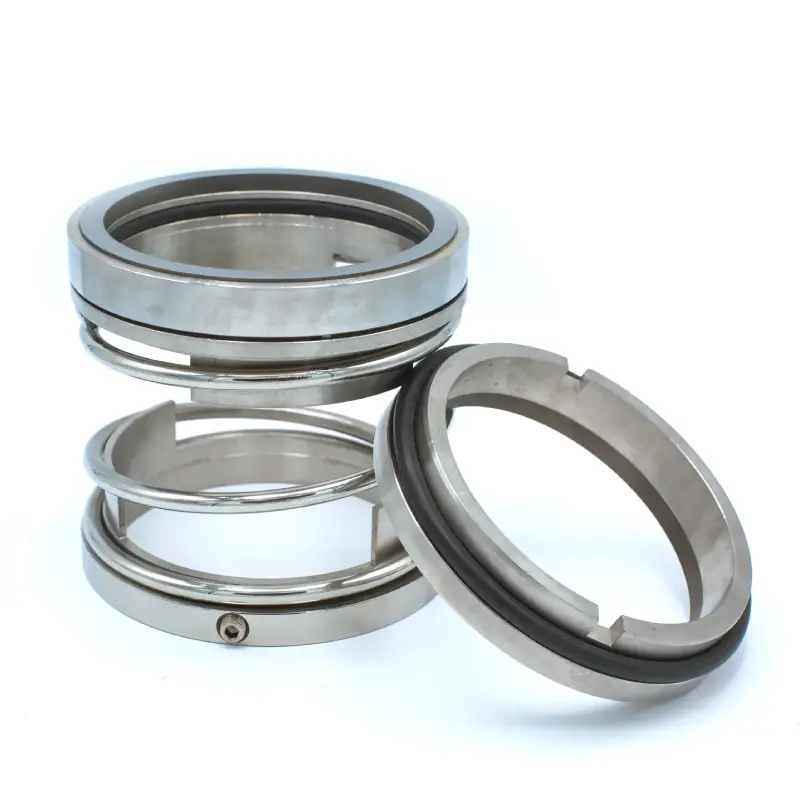
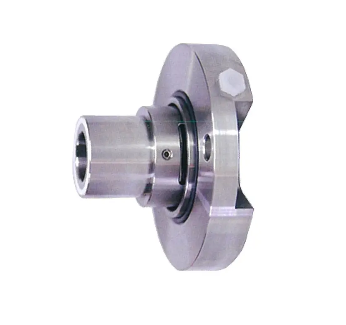
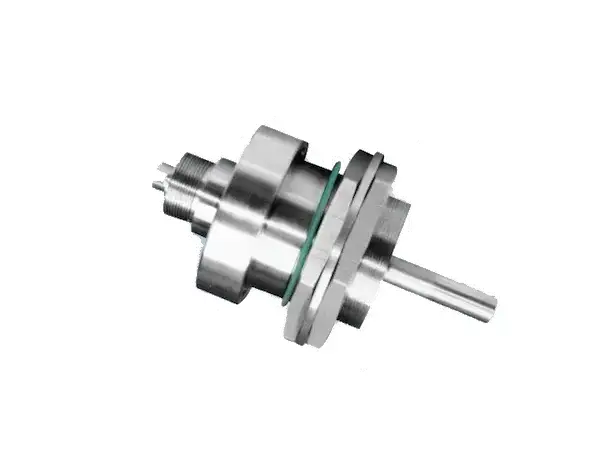
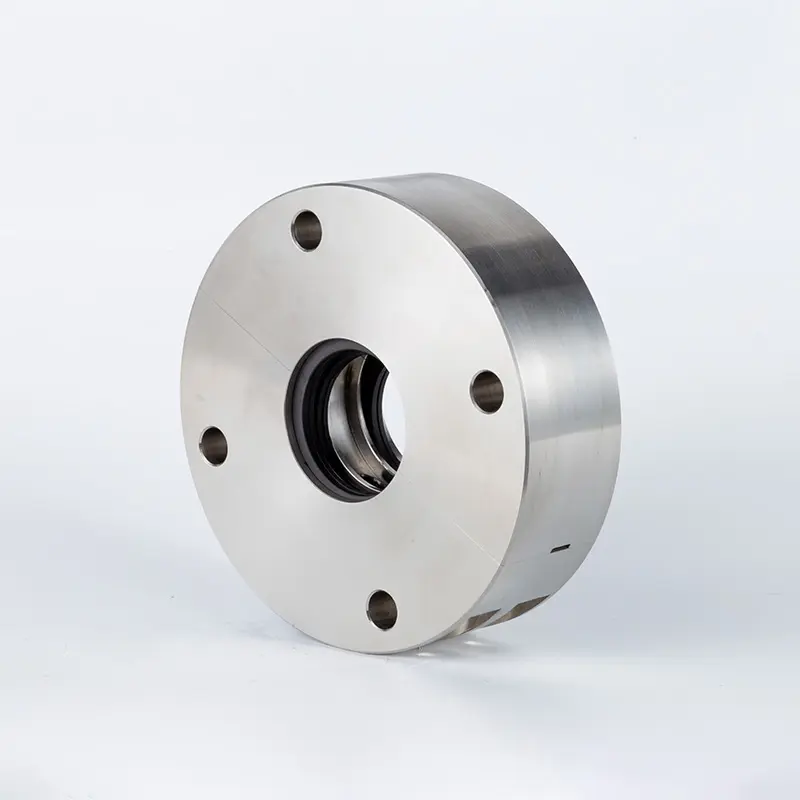
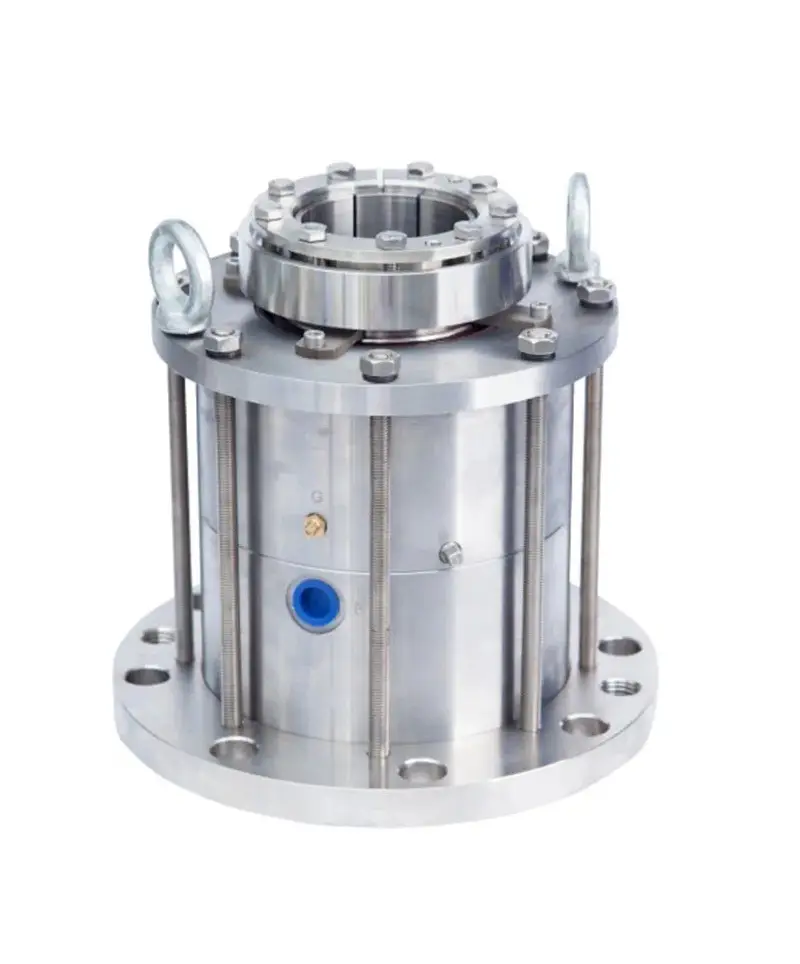
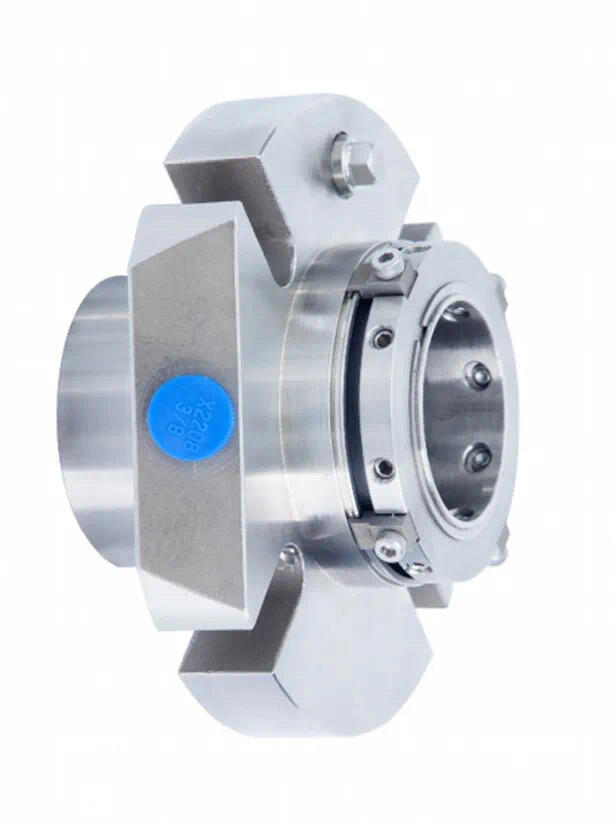
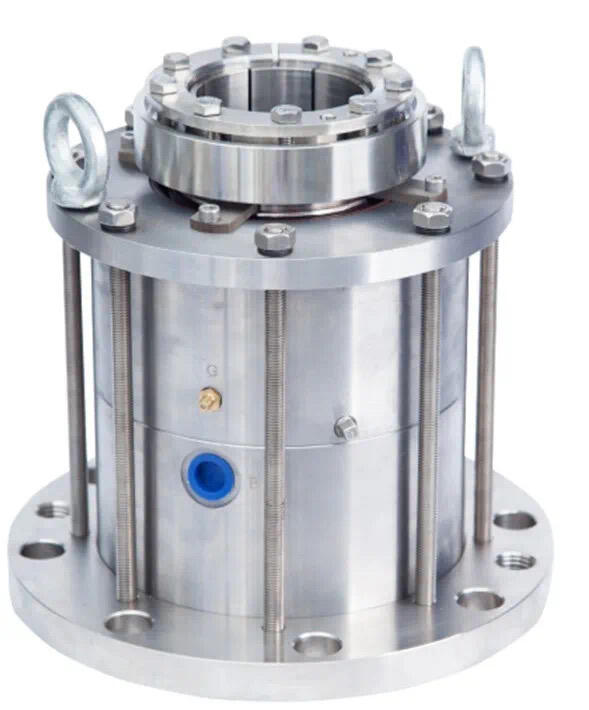
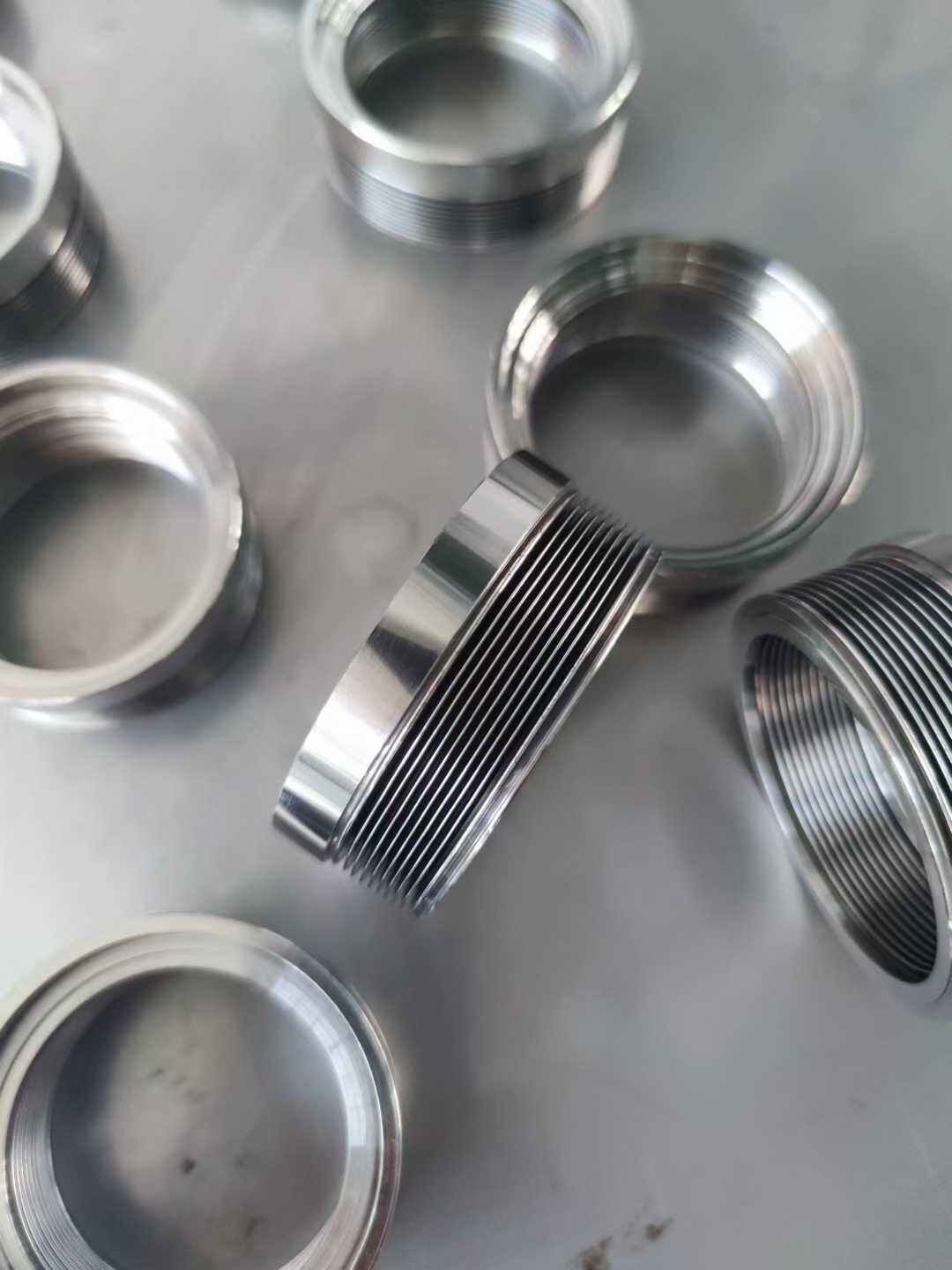
Understanding what are the types of mechanical seals is crucial for industries requiring reliable fluid containment solutions. Mechanical seals represent sophisticated engineering components designed to prevent leakage between rotating and stationary parts in pumps, compressors, mixers, and other rotating equipment. These precision-engineered devices serve as the primary barrier against fluid escape, protecting both the environment and equipment integrity. The main functions of mechanical seals include containing process fluids, preventing contamination, reducing maintenance costs, and ensuring operational safety. Their technological features encompass advanced materials, precise manufacturing tolerances, and innovative design configurations that adapt to various operating conditions. Single mechanical seals constitute the most common type, featuring one sealing interface between rotating and stationary faces. These seals work effectively in clean fluid applications where minimal leakage is acceptable. Double mechanical seals provide enhanced protection through two sealing barriers, making them ideal for hazardous or expensive fluids. Cartridge mechanical seals offer simplified installation and maintenance, pre-assembled with all components in proper alignment. Split mechanical seals enable installation without equipment disassembly, reducing downtime significantly. Pusher seals utilize spring mechanisms to maintain contact pressure, while non-pusher seals rely on bellows or diaphragm designs for dynamic sealing. Gas seals represent specialized versions for gas compression applications, featuring unique face geometries for optimal performance. Applications span across chemical processing, petroleum refining, pharmaceutical manufacturing, food production, water treatment, and power generation. Each type addresses specific operational requirements, from standard water pumping to aggressive chemical handling. The selection of appropriate mechanical seal types depends on factors including fluid properties, operating pressures, temperatures, shaft speeds, and environmental considerations. Modern mechanical seals incorporate ceramic, carbon, tungsten carbide, and various elastomeric materials to achieve optimal performance across diverse applications.
 EN
EN