 EN
EN


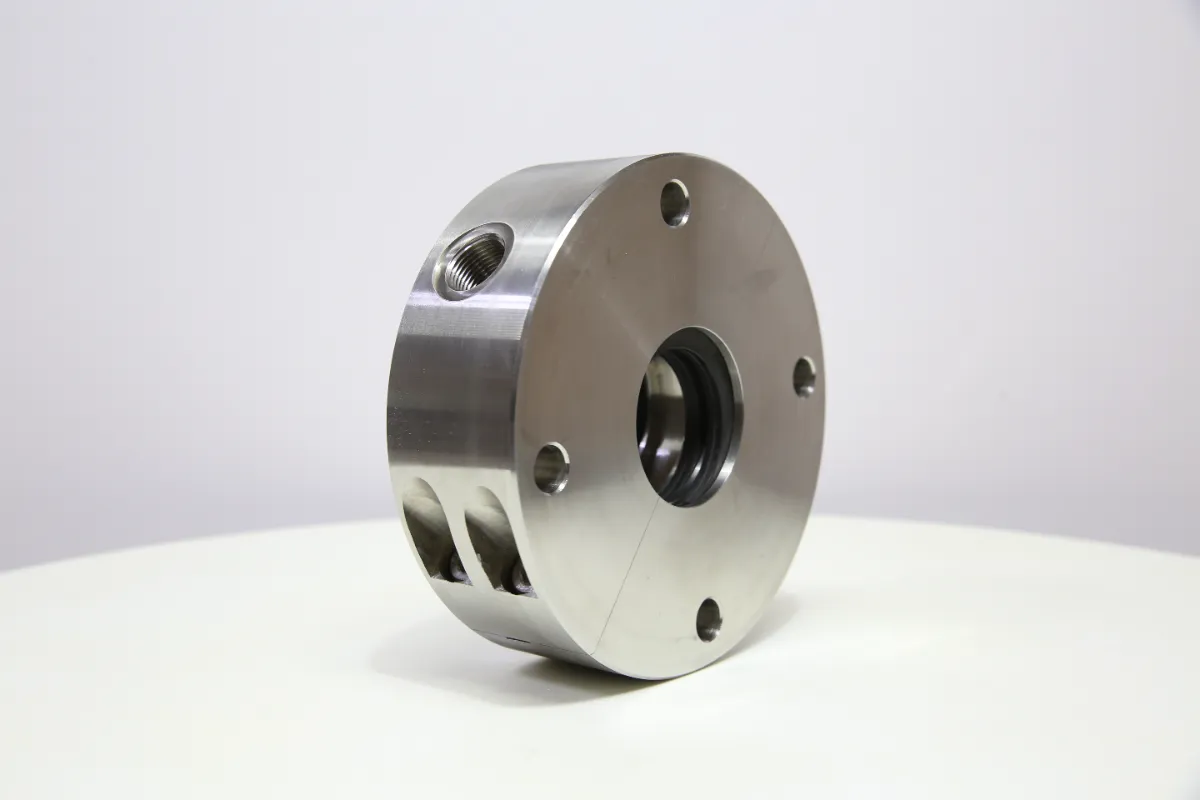
Mechanical seals play a crucial role in maintaining optimal pump performance across industrial applications. Understanding how mech seals function and their impact on operational efficiency can help facility managers and engineers make informed decisions about pump maintenance and equipment selection. These precision-engineered components serve as the primary barrier between rotating pump shafts and stationary housings, preventing fluid leakage while minimizing friction and wear. The effectiveness of mech seals directly influences pump reliability, energy consumption, and overall system performance in demanding industrial environments.
Understanding Mechanical Seal Technology and Design Principles
Core Components and Operating Mechanisms
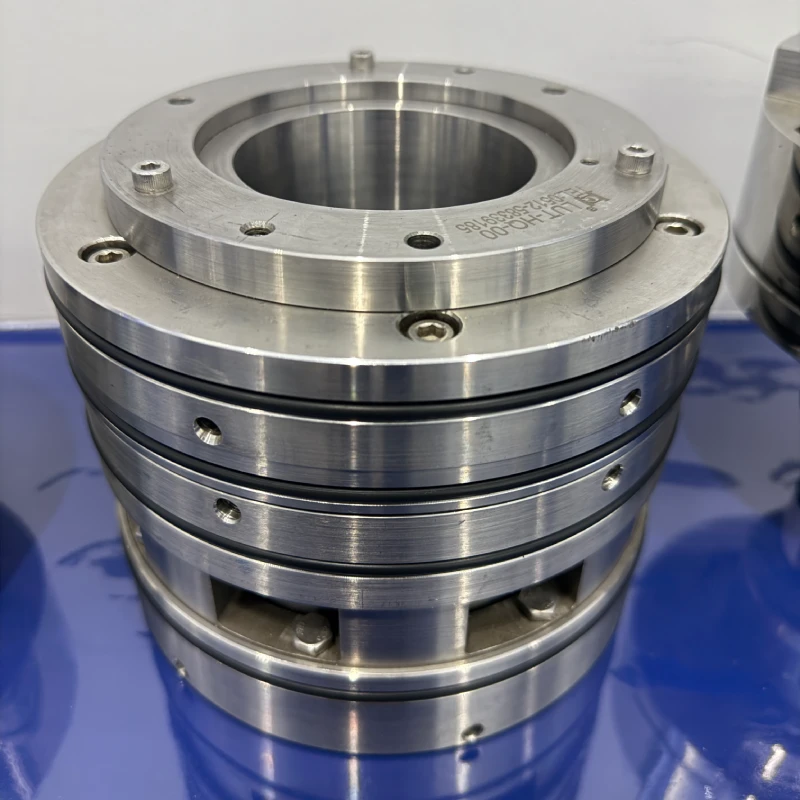
Mech seals consist of several interconnected components working together to create an effective sealing interface. The primary seal face, typically made from carbon or ceramic materials, rotates with the pump shaft while maintaining contact with a stationary mating ring. This dynamic interface creates a thin film barrier that prevents process fluid from escaping along the shaft. The secondary sealing elements, including O-rings and gaskets, provide additional containment around the seal assembly perimeter.
The spring-loading mechanism within mech seals maintains consistent contact pressure between sealing faces throughout the pump's operating cycle. This compensates for thermal expansion, shaft deflection, and normal wear patterns that occur during extended operation. Advanced seal designs incorporate multiple spring configurations, from single coil springs to wave springs and bellows arrangements, each optimized for specific pressure and temperature ranges.
Material Selection and Performance Characteristics
Material compatibility represents a critical factor in mech seals performance and longevity. Carbon-based primary seals offer excellent self-lubricating properties and thermal conductivity, making them suitable for high-temperature applications. Silicon carbide faces provide superior hardness and chemical resistance for corrosive environments, while tungsten carbide delivers exceptional durability in abrasive service conditions.
The elastomeric components within mech seals require careful selection based on chemical compatibility and temperature requirements. Fluorocarbon materials excel in aggressive chemical environments, while EPDM compounds offer cost-effective solutions for water-based applications. Understanding these material properties enables engineers to specify appropriate mech seals for diverse industrial processes and operating conditions.
Impact on Pump Efficiency and Energy Consumption
Friction Reduction and Power Savings
Modern mech seals significantly reduce friction losses compared to traditional packing solutions, directly improving pump efficiency. The precise face geometry and controlled lubrication film minimize energy consumption while maintaining effective sealing performance. Studies indicate that converting from packing to mech seals can reduce shaft power requirements by 15-25% in typical centrifugal pump applications.
The hydrodynamic lubrication principle within mech seals creates a microscopic fluid film that separates the sealing faces during operation. This phenomenon eliminates metal-to-metal contact, reducing wear rates and maintaining consistent sealing performance over extended periods. The resulting efficiency gains translate to measurable energy savings and reduced operating costs in high-duty cycle applications.
Volumetric Efficiency Improvements
Effective sealing performance directly impacts volumetric efficiency by minimizing internal recirculation and external leakage losses. Mech seals maintain tighter clearances and more consistent sealing interfaces compared to alternative solutions, preserving pump capacity and head characteristics. This improved volumetric efficiency becomes particularly important in high-pressure applications where small leakage rates can significantly impact overall system performance.
Process fluid containment through properly functioning mech seals prevents the formation of air pockets and cavitation-inducing conditions within pump chambers. Maintaining optimal fluid conditions supports stable pump operation and prevents efficiency degradation associated with vapor formation and turbulent flow patterns.
Enhancing Equipment Uptime and Reliability
Predictable Maintenance Intervals
Mech seals offer predictable wear patterns and maintenance requirements that enable proactive scheduling of service intervals. Unlike packing systems that require frequent adjustment and replacement, properly specified mech seals can operate for thousands of hours without intervention. This predictability allows maintenance teams to plan downtime during scheduled outages rather than responding to emergency failures.
Condition monitoring technologies integrated with mech seals provide early warning indicators of seal deterioration and performance degradation. Temperature sensors, vibration monitors, and leakage detection systems enable maintenance personnel to assess seal condition and plan replacement activities before catastrophic failure occurs. These monitoring capabilities extend equipment life and minimize unplanned downtime events.
Reduced Environmental and Safety Risks
The superior containment capabilities of mech seals significantly reduce environmental release risks compared to traditional sealing methods. Minimal leakage rates help facilities maintain compliance with environmental regulations while protecting personnel from exposure to hazardous process fluids. This enhanced safety profile reduces liability concerns and supports sustainable operational practices.
Emergency shutdown protection features built into modern mech seals prevent catastrophic failures that could damage pump internals or create safety hazards. Dry-running capabilities and thermal protection systems allow pumps to operate safely during upset conditions, preserving equipment integrity and maintaining operational continuity during process disturbances.
Application-Specific Benefits and Selection Criteria
Chemical Process Industry Applications
Chemical processing facilities benefit significantly from mech seals designed for corrosive and toxic service conditions. Specialized face materials and barrier fluid systems enable reliable operation in applications involving acids, bases, solvents, and reactive chemicals. The containment capabilities of mech seals prevent cross-contamination between process streams and protect equipment from corrosive attack.
Temperature management features within mech seals accommodate the thermal cycling common in chemical processes. Heat dissipation pathways and thermal barrier coatings maintain optimal operating temperatures while preventing thermal shock and material degradation. These capabilities extend seal life and maintain consistent performance across varying process conditions.
Water Treatment and Municipal Applications
Municipal water systems rely on mech seals to maintain system pressure and prevent contamination in distribution networks. The long service life and minimal maintenance requirements of mech seals reduce operational costs while ensuring reliable water delivery to communities. Abrasion-resistant materials handle suspended solids and debris commonly encountered in raw water applications.
Wastewater treatment facilities utilize specialized mech seals designed for challenging conditions including varying pH levels, suspended solids, and biological activity. These robust designs maintain sealing integrity while accommodating the harsh operating environment typical of municipal treatment processes. The reliability improvements translate to better treatment efficiency and reduced maintenance overhead.
Installation and Maintenance Best Practices
Proper Installation Techniques
Correct installation procedures are essential for achieving optimal mech seals performance and service life. Shaft preparation, including surface finish verification and runout measurements, establishes the foundation for reliable seal operation. Proper alignment and clearance settings prevent premature wear and ensure consistent face contact throughout the operating range.
Cleanliness during installation prevents contamination that can cause rapid seal deterioration. Proper handling techniques and clean assembly practices protect delicate sealing surfaces from damage during installation. Following manufacturer specifications for torque values, clearances, and assembly sequences ensures optimal seal performance from initial startup.
Preventive Maintenance Strategies
Effective preventive maintenance programs for mech seals focus on monitoring operating parameters and maintaining optimal support systems. Regular inspection of cooling water systems, barrier fluid levels, and temperature indicators helps identify developing problems before they impact seal performance. Trending these parameters over time reveals gradual changes that may indicate approaching end-of-life conditions.
Replacement part inventory management ensures availability of critical components when maintenance activities are required. Maintaining appropriate spare seal assemblies and wear parts minimizes downtime duration during planned maintenance events. Proper storage conditions preserve seal integrity and prevent deterioration of elastomeric components during extended storage periods.
Advanced Technologies and Future Developments
Smart Monitoring Integration
Next-generation mech seals incorporate advanced sensor technologies that provide real-time performance data and predictive maintenance capabilities. Wireless communication systems transmit operating parameters to centralized monitoring platforms, enabling remote assessment of seal condition and performance trends. These technologies support condition-based maintenance strategies that optimize replacement timing and reduce maintenance costs.
Machine learning algorithms analyze historical performance data to predict remaining useful life and optimize maintenance schedules. Pattern recognition capabilities identify early indicators of seal degradation and provide actionable recommendations for maintenance personnel. These intelligent systems continuously improve their predictive accuracy through ongoing data collection and analysis.
Enhanced Material Technologies
Advanced ceramic and composite materials continue expanding the application range and performance capabilities of mech seals. Nanostructured surface treatments improve wear resistance and self-lubricating properties while maintaining chemical compatibility with aggressive process fluids. These material advances enable mech seals operation in increasingly demanding applications previously considered unsuitable for mechanical sealing solutions.
Hybrid seal designs combining multiple sealing principles offer enhanced performance characteristics for specialized applications. Magnetic coupling technologies eliminate direct mechanical contact while maintaining effective containment capabilities. These innovative approaches address unique challenges in high-speed, high-temperature, or magnetically sensitive applications where conventional mech seals may have limitations.
FAQ
What factors determine the appropriate mech seals selection for a specific pump application
Proper mech seals selection depends on several critical factors including process fluid properties, operating temperature and pressure ranges, shaft speed, and environmental conditions. Chemical compatibility between seal materials and process fluids prevents degradation and ensures long service life. Temperature limits of elastomeric components and face materials must accommodate normal operating conditions plus reasonable safety margins for upset conditions.
How do mech seals compare to packing in terms of maintenance requirements and operational costs
Mech seals typically require less frequent maintenance compared to packing systems, which need regular adjustment and periodic replacement. While initial installation costs may be higher, the reduced maintenance frequency and improved efficiency often result in lower total cost of ownership. Energy savings from reduced friction and improved volumetric efficiency contribute additional operational benefits over the equipment lifecycle.
What are the most common causes of premature mech seals failure in industrial applications
Common failure modes include improper installation, inadequate lubrication, contamination, thermal cycling, and operating outside design parameters. Shaft misalignment and excessive vibration can cause face distortion and accelerated wear. Maintaining proper cooling water flow, barrier fluid systems, and operating within specified pressure and temperature limits prevents most premature failures and maximizes seal service life.
How can facilities implement condition monitoring systems to optimize mech seals performance
Effective condition monitoring combines temperature sensors, vibration analysis, and leakage detection systems to track seal health over time. Establishing baseline measurements during initial operation provides reference points for detecting gradual changes that indicate developing problems. Regular data collection and trending analysis enable maintenance teams to schedule seal replacement during planned outages rather than responding to emergency failures.
Table of Contents
- Understanding Mechanical Seal Technology and Design Principles
- Impact on Pump Efficiency and Energy Consumption
- Enhancing Equipment Uptime and Reliability
- Application-Specific Benefits and Selection Criteria
- Installation and Maintenance Best Practices
- Advanced Technologies and Future Developments
-
FAQ
- What factors determine the appropriate mech seals selection for a specific pump application
- How do mech seals compare to packing in terms of maintenance requirements and operational costs
- What are the most common causes of premature mech seals failure in industrial applications
- How can facilities implement condition monitoring systems to optimize mech seals performance