 EN
EN


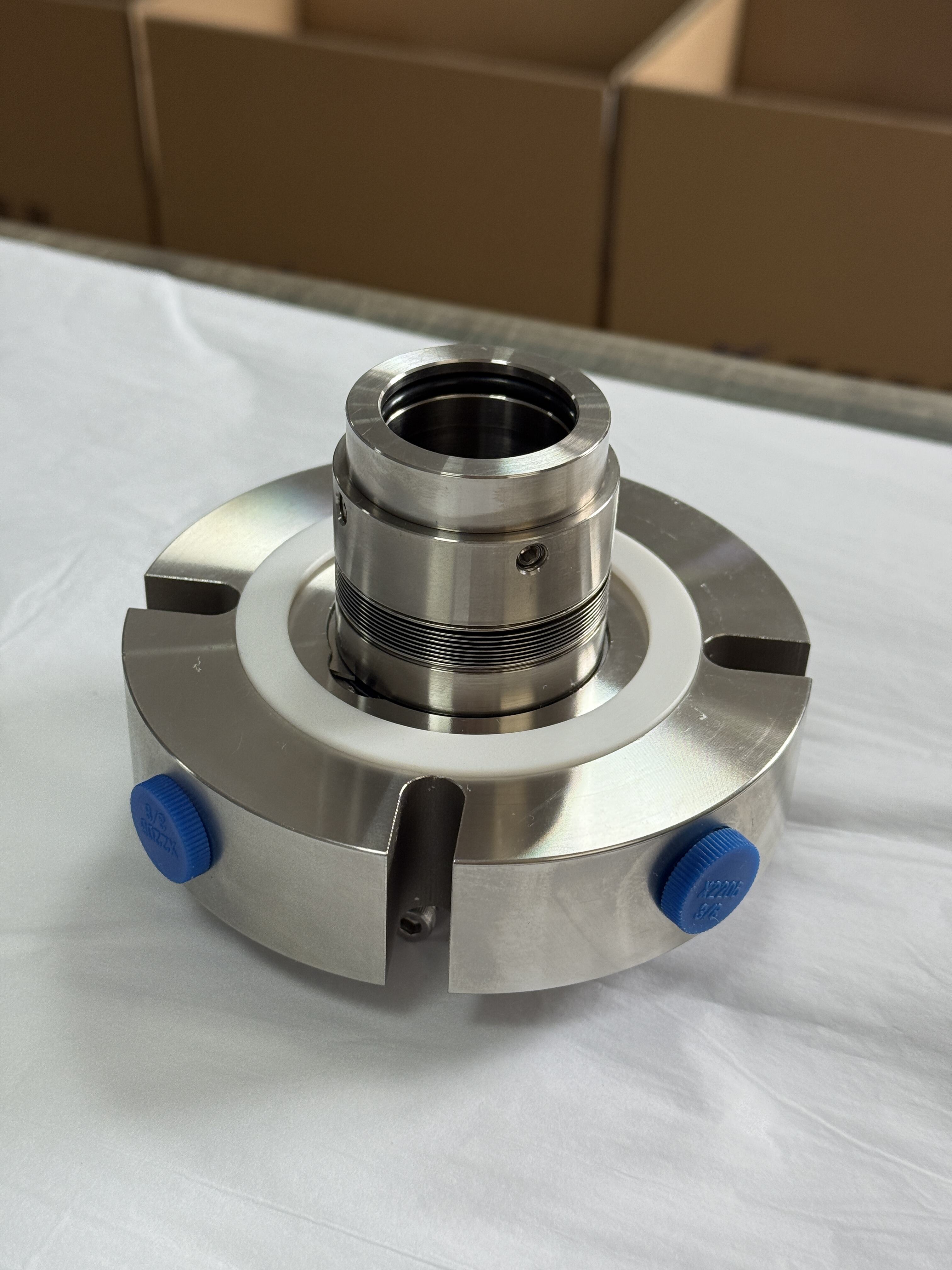
Industrial operations across manufacturing, petrochemical, and power generation sectors face mounting pressure to reduce energy consumption while maintaining operational excellence. Mechanical seal solutions have emerged as critical components in achieving these dual objectives, offering sophisticated sealing technology that minimizes energy losses and maximizes equipment performance. These advanced sealing systems provide superior leak prevention capabilities while reducing friction and parasitic power consumption that traditionally plague industrial rotating equipment.
The relationship between sealing technology and energy efficiency extends beyond simple leak prevention. Modern mechanical seal solutions incorporate advanced materials, precision engineering, and innovative design principles that collectively contribute to substantial energy savings. By eliminating internal leakage paths and reducing mechanical friction, these systems enable pumps, compressors, and other rotating machinery to operate at optimal efficiency levels throughout their operational lifecycle.
Understanding how mechanical seal solutions support energy efficiency requires examining multiple performance factors including seal face design, material selection, lubrication systems, and installation practices. Each element plays a vital role in determining the overall energy impact of sealing systems within industrial applications.
Energy Loss Mechanisms in Traditional Sealing Systems
Internal Leakage and Volumetric Efficiency
Traditional packing and basic seal designs often suffer from internal leakage that directly impacts equipment energy efficiency. When process fluids bypass sealing surfaces, pumps must work harder to maintain system pressure and flow rates, resulting in increased power consumption. Mechanical seal solutions address this challenge through precision-engineered sealing interfaces that maintain consistent contact pressure and eliminate leak paths.
The volumetric efficiency of rotating equipment depends heavily on the effectiveness of sealing systems. Even minor leakage rates can compound over time, requiring additional energy input to compensate for lost fluid volume. Advanced mechanical seal solutions utilize specialized face materials and spring-loaded designs that automatically adjust to wear patterns, maintaining optimal sealing performance throughout the component lifecycle.
Friction-Related Power Losses
Excessive friction between sealing surfaces represents another significant source of energy waste in industrial equipment. Conventional sealing methods often rely on high contact pressures that generate substantial heat and consume parasitic power. Modern mechanical seal solutions employ sophisticated face geometries and advanced materials that minimize friction while maintaining effective sealing performance.
Heat generation from friction not only wastes energy directly but also creates secondary efficiency losses through thermal expansion, material degradation, and increased cooling requirements. By reducing friction coefficients and optimizing contact pressures, mechanical seal solutions help maintain lower operating temperatures and reduce overall system energy demands.
Advanced Design Features for Energy Optimization
Face Geometry and Surface Engineering
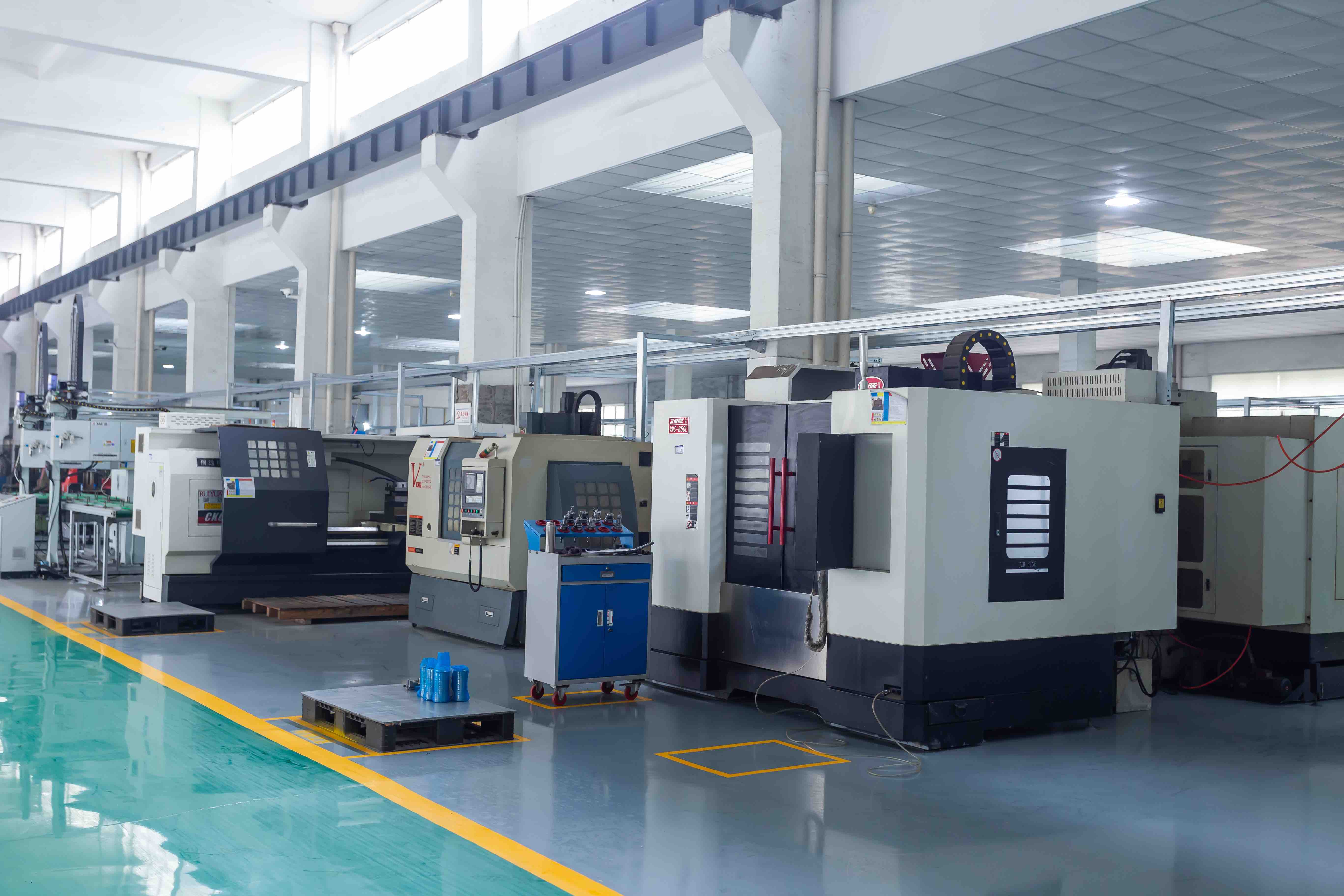
The geometric configuration of sealing faces plays a crucial role in energy efficiency optimization. Advanced mechanical seal solutions incorporate micro-surface texturing, specialized groove patterns, and precisely controlled flatness tolerances that promote efficient lubrication while minimizing friction losses. These engineered surfaces create optimal fluid film conditions that separate contact surfaces without compromising sealing effectiveness.
Surface engineering technologies enable mechanical seal solutions to achieve extremely low friction coefficients through careful control of surface roughness, hardness profiles, and chemical compatibility. Advanced coating technologies and surface treatments further enhance performance by reducing wear rates and maintaining consistent surface characteristics over extended operating periods.
Material Selection and Tribological Properties
Material selection represents a fundamental aspect of energy-efficient mechanical seal solutions design. High-performance materials such as silicon carbide, tungsten carbide, and advanced ceramics offer superior wear resistance and low friction characteristics compared to traditional sealing materials. These materials maintain dimensional stability under varying temperature and pressure conditions, ensuring consistent sealing performance.
The tribological properties of seal face materials directly impact energy consumption through their influence on friction coefficients and wear rates. Mechanical seal solutions utilizing advanced material combinations can achieve friction coefficients as low as 0.02-0.05, representing significant improvements over conventional sealing approaches that typically exhibit friction coefficients of 0.1-0.3.
Lubrication Systems and Fluid Film Management
Barrier and Buffer Fluid Optimization
Effective lubrication management is essential for achieving optimal energy efficiency in mechanical seal solutions. Barrier and buffer fluid systems provide controlled lubrication to sealing interfaces while preventing process fluid contamination. Proper fluid selection and circulation design minimize pumping power requirements while ensuring adequate lubrication for low-friction operation.
Advanced lubrication systems for mechanical seal solutions incorporate temperature and pressure monitoring capabilities that optimize fluid properties for specific operating conditions. By maintaining optimal viscosity and thermal properties, these systems ensure efficient heat dissipation and minimize friction-related energy losses.
Self-Lubricating Design Concepts
Self-lubricating mechanical seal solutions eliminate the need for external lubrication systems, reducing parasitic power consumption associated with auxiliary pumping and circulation equipment. These designs utilize process fluids or engineered surface features to generate adequate lubrication films without additional energy input.
The development of self-lubricating capabilities in mechanical seal solutions represents a significant advancement in energy efficiency optimization. By eliminating external lubrication requirements, these systems reduce overall system complexity while minimizing energy consumption associated with auxiliary equipment operation.
Installation and Maintenance Practices
Precision Alignment and Setup Procedures
Proper installation procedures are critical for realizing the energy efficiency benefits of advanced mechanical seal solutions. Precision alignment between rotating and stationary components ensures optimal contact patterns and minimizes uneven wear that can increase friction and reduce sealing effectiveness. Specialized installation tools and measurement techniques help achieve the tight tolerances required for optimal performance.
Installation quality directly impacts the long-term energy performance of mechanical seal solutions. Misalignment, improper torque specifications, or contamination during installation can significantly increase friction levels and reduce operational efficiency. Comprehensive installation procedures and training programs help ensure that mechanical seal solutions achieve their designed energy efficiency targets.
Condition Monitoring and Predictive Maintenance
Advanced condition monitoring systems enable predictive maintenance strategies that maintain optimal energy efficiency throughout the operational lifecycle of mechanical seal solutions. Vibration analysis, temperature monitoring, and leakage detection systems provide early warning of performance degradation that could impact energy consumption.
Predictive maintenance approaches for mechanical seal solutions focus on maintaining optimal operating conditions rather than simply preventing failures. By monitoring key performance indicators such as friction levels, seal face wear rates, and thermal conditions, maintenance programs can optimize energy efficiency while extending component lifecycle.
Industry Applications and Performance Benefits
Pump Applications and Efficiency Improvements
Centrifugal pumps represent one of the most significant applications for energy-efficient mechanical seal solutions. In typical industrial pump installations, sealing systems can account for 2-5% of total pump power consumption through friction and leakage losses. Advanced mechanical seal solutions can reduce these losses by 50-80%, resulting in substantial energy savings for high-duty cycle applications.
The impact of mechanical seal solutions on pump efficiency extends beyond direct energy savings to include reduced maintenance requirements and extended equipment lifecycle. By minimizing wear rates and maintaining consistent performance characteristics, these systems help pumps operate closer to their design efficiency points for longer periods.
Compressor Applications and Gas Sealing Technology
Gas compression applications present unique challenges for mechanical seal solutions due to the compressible nature of process fluids and high operating pressures. Advanced gas sealing technologies incorporate specialized face designs and materials that accommodate thermal expansion while maintaining effective sealing under varying pressure conditions.
Energy efficiency improvements in compressor applications through advanced mechanical seal solutions can be particularly significant due to the high power requirements of compression equipment. Even small reductions in friction or leakage losses can translate to substantial energy savings and improved overall system efficiency.
Quantifying Energy Efficiency Benefits
Measurement Methodologies and Performance Metrics
Accurate measurement of energy efficiency improvements from mechanical seal solutions requires sophisticated monitoring and analysis techniques. Key performance metrics include friction torque measurements, leakage rate quantification, and thermal efficiency analysis. Advanced instrumentation systems enable real-time monitoring of these parameters to validate energy performance improvements.
Standardized testing protocols for mechanical seal solutions help establish baseline performance characteristics and enable comparative analysis of different sealing technologies. These methodologies provide objective data for evaluating energy efficiency benefits and supporting investment decisions for sealing system upgrades.
Economic Analysis and Return on Investment
The economic benefits of energy-efficient mechanical seal solutions extend beyond direct energy cost savings to include reduced maintenance expenses, extended equipment lifecycle, and improved operational reliability. Comprehensive economic analysis considers all these factors to determine the total return on investment for advanced sealing technologies.
Payback periods for mechanical seal solutions upgrades typically range from 6 months to 3 years, depending on application duty cycle, energy costs, and baseline efficiency levels. High-duty cycle applications with significant energy consumption often achieve the fastest payback periods due to the cumulative impact of efficiency improvements over time.
FAQ
How much energy can mechanical seal solutions save compared to traditional sealing methods
Energy savings from advanced mechanical seal solutions typically range from 2-8% of total equipment power consumption, depending on the specific application and baseline sealing technology. In high-power applications such as large pumps or compressors, these savings can translate to thousands of dollars annually in reduced energy costs. The exact savings depend on factors including operating duty cycle, energy pricing, and the efficiency gap between old and new sealing technologies.
What are the key design features that make mechanical seal solutions energy efficient
Energy-efficient mechanical seal solutions incorporate several key design features including optimized face geometries that minimize friction, advanced materials with low friction coefficients and high wear resistance, precision-engineered surface treatments that promote effective lubrication, and spring-loaded designs that automatically maintain optimal contact pressures. These features work together to reduce both friction-related power losses and internal leakage that requires additional energy input to compensate.
How do installation and maintenance practices affect the energy efficiency of mechanical seal solutions
Proper installation and maintenance are critical for realizing the full energy efficiency potential of mechanical seal solutions. Precise alignment during installation ensures optimal contact patterns and minimizes friction, while proper torque specifications prevent over-compression that can increase power consumption. Regular condition monitoring and predictive maintenance help maintain optimal performance throughout the operational lifecycle, preventing efficiency degradation that can occur with wear or contamination.
In which industrial applications do mechanical seal solutions provide the greatest energy efficiency benefits
Mechanical seal solutions provide the greatest energy efficiency benefits in high-duty cycle applications with significant power requirements, including large centrifugal pumps in water treatment and chemical processing, gas compressors in petrochemical facilities, and rotating equipment in power generation plants. Applications with continuous operation schedules, high energy costs, or stringent environmental requirements typically see the most substantial returns from energy-efficient sealing technology investments.
Table of Contents
- Energy Loss Mechanisms in Traditional Sealing Systems
- Advanced Design Features for Energy Optimization
- Lubrication Systems and Fluid Film Management
- Installation and Maintenance Practices
- Industry Applications and Performance Benefits
- Quantifying Energy Efficiency Benefits
-
FAQ
- How much energy can mechanical seal solutions save compared to traditional sealing methods
- What are the key design features that make mechanical seal solutions energy efficient
- How do installation and maintenance practices affect the energy efficiency of mechanical seal solutions
- In which industrial applications do mechanical seal solutions provide the greatest energy efficiency benefits