 EN
EN


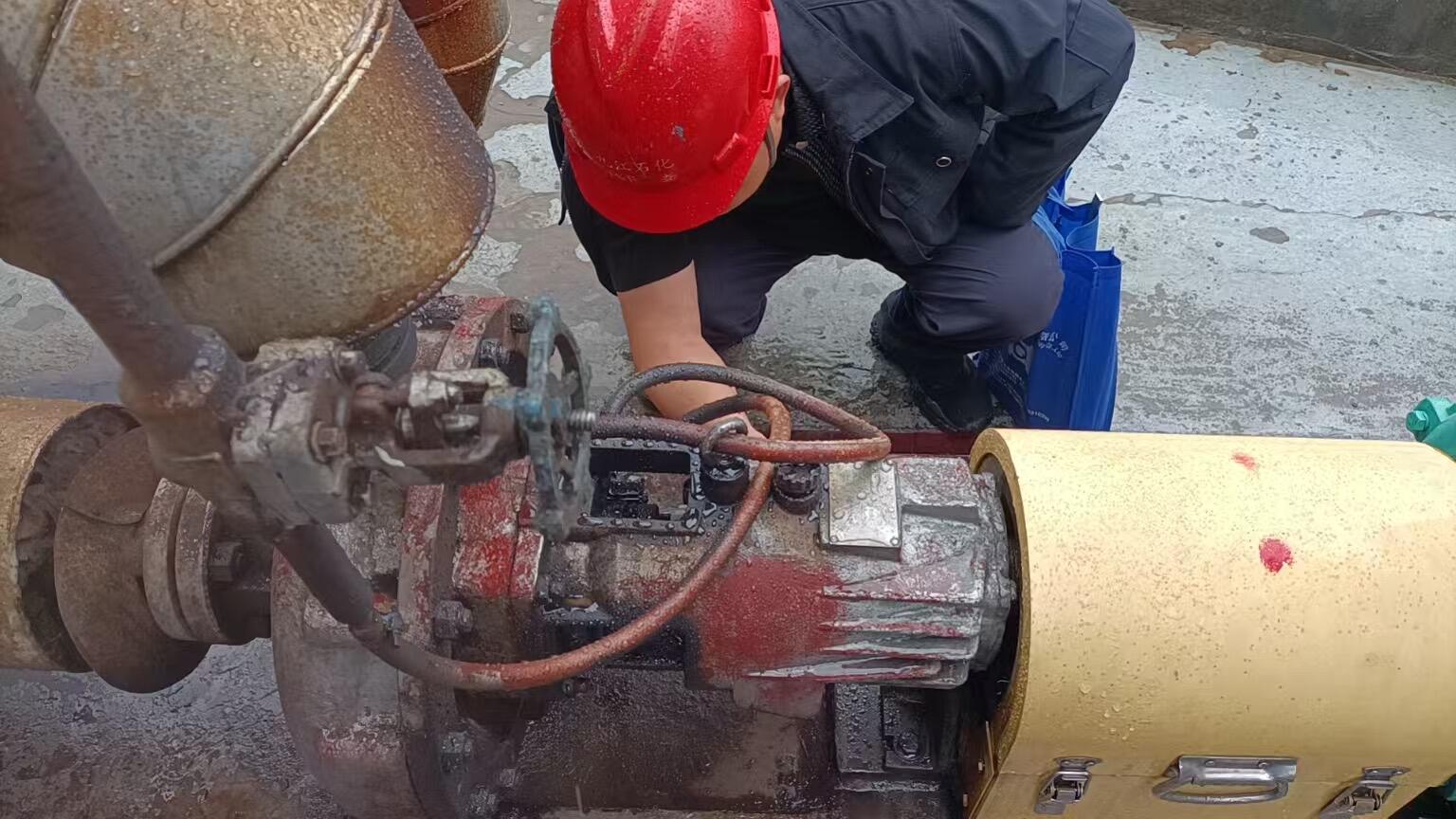
Selecting the right mechanical seal for your pump system is crucial for maintaining operational efficiency, preventing fluid leakage, and extending equipment lifespan. A mechanical seal serves as the primary barrier between rotating and stationary components in pumps, preventing process fluids from escaping while keeping contaminants out. Understanding the key factors involved in mechanical seal selection will help you make informed decisions that optimize your pump performance and reduce maintenance costs.
Understanding Mechanical Seal Fundamentals
Basic Components and Operation Principles
A mechanical seal consists of several essential components that work together to create an effective sealing solution. The primary seal faces, typically made from materials like carbon, ceramic, or tungsten carbide, form the critical sealing interface. Secondary sealing elements, including O-rings and gaskets, provide additional sealing around stationary components. The spring mechanism maintains proper contact pressure between the seal faces, ensuring consistent performance throughout the operating cycle.
The operating principle of a mechanical seal relies on maintaining a thin lubricating film between the rotating and stationary faces. This film prevents direct contact while minimizing leakage, creating an optimal balance between sealing effectiveness and wear resistance. Understanding this fundamental concept helps engineers appreciate why proper mechanical seal selection is essential for long-term pump reliability.
Types and Configurations
Mechanical seals are available in various configurations to suit different applications and operating conditions. Single mechanical seals represent the most common type, featuring one set of sealing faces and suitable for most standard pumping applications. Double mechanical seals incorporate two sets of faces with a barrier fluid system, providing enhanced safety for hazardous or valuable process fluids.
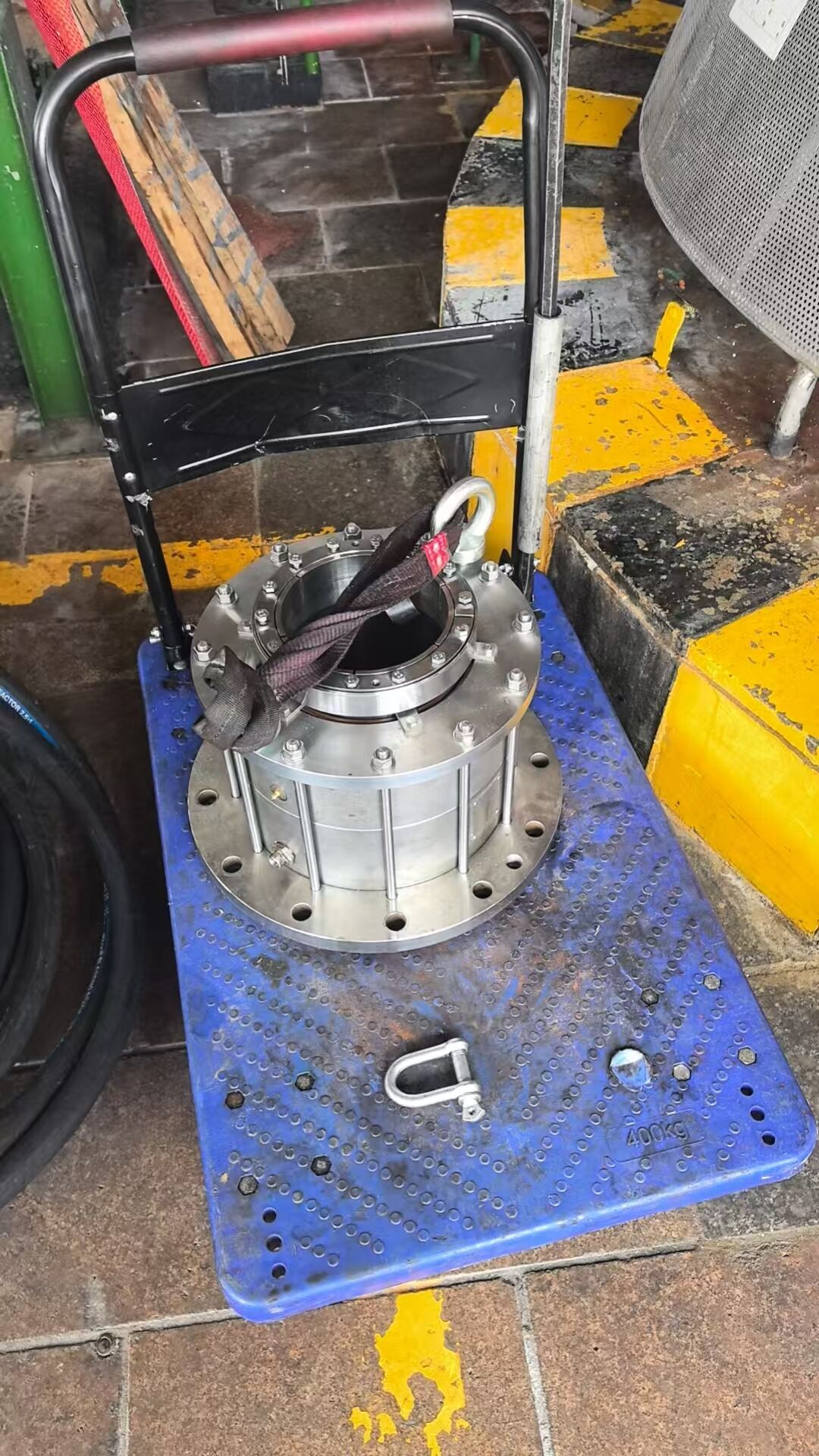
Cartridge mechanical seals offer simplified installation and maintenance advantages by pre-assembling all components in a single unit. Split mechanical seals enable installation without pump disassembly, making them ideal for large or difficult-to-access equipment. Each configuration type serves specific operational requirements and installation constraints.
Critical Selection Criteria
Operating Temperature and Pressure Considerations
Temperature and pressure conditions significantly impact mechanical seal performance and material selection. High-temperature applications require heat-resistant materials and specialized cooling arrangements to prevent thermal damage. Low-temperature environments may cause material brittleness or thermal shock, necessitating appropriate material choices and gradual temperature transitions.
Pressure considerations include both system pressure and pressure variations during operation. High-pressure applications demand robust mechanical seal designs with enhanced face loading and pressure-resistant secondary sealing elements. Vacuum conditions require special attention to atmospheric pressure effects and potential dry-running scenarios that could damage seal faces.
Fluid Compatibility and Chemical Resistance
The process fluid characteristics directly influence mechanical seal material selection and design requirements. Corrosive chemicals require chemically resistant materials such as silicon carbide or specialized alloys that can withstand aggressive environments. Abrasive fluids containing suspended solids necessitate hard-faced materials and potentially modified seal chamber designs to minimize wear.
Fluid viscosity affects lubrication between seal faces and heat generation characteristics. High-viscosity fluids may require modified face geometries or external lubrication systems, while low-viscosity fluids might need enhanced secondary sealing to prevent leakage. Understanding fluid properties ensures proper mechanical seal performance throughout the application lifecycle.
Material Selection Guidelines
Face Material Options
Carbon represents a popular choice for mechanical seal faces due to its excellent self-lubricating properties and chemical compatibility with many fluids. Carbon faces provide good thermal conductivity and wear resistance while maintaining cost-effectiveness for standard applications. However, carbon may not be suitable for oxidizing environments or high-temperature applications where material degradation could occur.
Ceramic materials offer superior chemical resistance and hardness compared to carbon, making them suitable for aggressive chemical applications. Silicon carbide provides exceptional wear resistance and thermal stability, ideal for high-temperature or abrasive service conditions. Tungsten carbide delivers maximum hardness and wear resistance for the most demanding applications, though at higher cost.
Secondary Sealing Materials
O-rings and gaskets used in mechanical seal assemblies require careful material selection based on chemical compatibility and temperature requirements. Nitrile rubber (NBR) offers good general-purpose performance for petroleum-based fluids at moderate temperatures. Viton (FKM) provides superior chemical resistance and high-temperature capability for challenging applications.
EPDM materials excel in water-based applications and provide excellent ozone resistance. PTFE and specialized elastomers may be required for extreme chemical environments or unusual temperature ranges. Proper secondary seal material selection ensures complete mechanical seal system integrity.
Installation and Operational Factors
Shaft and Housing Considerations
Shaft condition and tolerances significantly affect mechanical seal performance and longevity. Surface finish requirements typically specify roughness values between 16 and 32 microinches for optimal seal face tracking. Shaft runout and axial play must remain within specified limits to prevent premature mechanical seal failure due to excessive face separation or contact pressure variations.
Housing bore concentricity and surface finish directly impact mechanical seal installation and operation. Proper machining tolerances ensure correct seal positioning and prevent binding or distortion during installation. Housing modifications may be necessary to accommodate specific mechanical seal designs or cooling requirements.
Support Systems and Auxiliaries
Many mechanical seal applications require support systems to ensure optimal performance and reliability. Flush plans provide clean, cool fluid to the seal chamber, removing heat and contaminants that could cause premature failure. Quench systems supply clean fluid to the atmospheric side of mechanical seals, preventing process fluid exposure to the environment.
Barrier and buffer fluid systems support double mechanical seal configurations by providing controlled fluid between the primary and secondary seals. These systems maintain proper pressure relationships and provide backup sealing capability in case of primary seal failure. Proper support system design and maintenance are essential for maximizing mechanical seal performance.
Performance Optimization Strategies
Monitoring and Maintenance Protocols
Effective mechanical seal monitoring involves tracking key performance indicators such as leakage rates, temperature trends, and vibration patterns. Establishing baseline measurements during initial operation enables early detection of performance degradation or potential failure modes. Regular inspection schedules should include visual checks for leakage, unusual sounds, or temperature variations.
Preventive maintenance programs help maximize mechanical seal life and prevent unexpected failures. These programs include periodic replacement of wear components, support system maintenance, and shaft condition monitoring. Documentation of maintenance activities and performance trends provides valuable data for optimizing replacement intervals and identifying recurring issues.
Troubleshooting Common Issues
Excessive leakage often indicates mechanical seal face damage, secondary seal failure, or improper installation. Systematic troubleshooting should examine installation procedures, operating conditions, and material compatibility to identify root causes. Heat generation problems may result from insufficient lubrication, excessive face pressure, or inadequate cooling.
Premature mechanical seal failure frequently stems from improper selection, installation errors, or adverse operating conditions. Analyzing failed components can reveal important information about operating stresses and help guide future mechanical seal selection decisions. Implementing corrective measures based on failure analysis prevents recurring problems and improves overall system reliability.
Cost Analysis and Lifecycle Considerations
Initial Investment versus Long-term Value
While higher-quality mechanical seal designs may require greater initial investment, they often provide superior long-term value through extended service life and reduced maintenance requirements. Premium materials and advanced designs can significantly reduce total cost of ownership by minimizing downtime, replacement frequency, and associated labor costs.
Lifecycle cost analysis should consider not only the mechanical seal purchase price but also installation costs, maintenance requirements, energy consumption, and potential consequences of failure. Environmental and safety benefits of reliable mechanical seal performance may justify premium selections in critical applications where failure could result in significant consequences.
Standardization Benefits
Standardizing mechanical seal selections across similar applications can reduce inventory costs, simplify maintenance procedures, and improve technician familiarity with specific designs. However, standardization should not compromise performance or safety requirements for individual applications. Balancing standardization benefits with application-specific needs requires careful analysis of operating conditions and performance requirements.
Training programs for maintenance personnel become more effective when focused on fewer mechanical seal types and configurations. Standardization also enables bulk purchasing opportunities and stronger supplier relationships, potentially reducing overall procurement costs while maintaining quality standards.
FAQ
What factors determine mechanical seal face material selection?
Mechanical seal face material selection depends on several critical factors including process fluid chemistry, operating temperature range, pressure conditions, and abrasive content. Chemical compatibility ensures materials resist corrosion or degradation when exposed to process fluids. Temperature requirements determine thermal stability needs, while pressure conditions affect material strength requirements. Abrasive particles in the fluid necessitate harder face materials to resist wear and extend service life.
How do operating conditions affect mechanical seal performance?
Operating conditions significantly impact mechanical seal performance through multiple mechanisms. High temperatures can cause thermal expansion, material degradation, and reduced lubrication effectiveness. Excessive pressure creates higher face loads and potential deformation of sealing components. Process fluid properties such as viscosity, lubricity, and contamination levels directly affect seal face lubrication and wear rates. Proper condition monitoring helps optimize mechanical seal selection for specific operating environments.
What maintenance practices extend mechanical seal life?
Regular maintenance practices that extend mechanical seal life include monitoring leakage rates, maintaining proper support system operation, and ensuring correct installation procedures. Flush and cooling systems require regular inspection and cleaning to maintain effectiveness. Shaft condition monitoring prevents damage from runout or surface deterioration. Proper startup and shutdown procedures minimize thermal shock and pressure transients that could damage mechanical seal components.
When should double mechanical seals be considered instead of single seals?
Double mechanical seals should be considered for applications involving hazardous, toxic, or valuable process fluids where environmental release must be prevented. High-temperature applications often benefit from double seals with barrier fluid cooling. Abrasive or contaminated fluids may require double seals with clean barrier fluid to protect the primary sealing interface. Regulatory requirements for certain chemicals or processes may mandate double mechanical seal configurations for safety and environmental protection.