 EN
EN


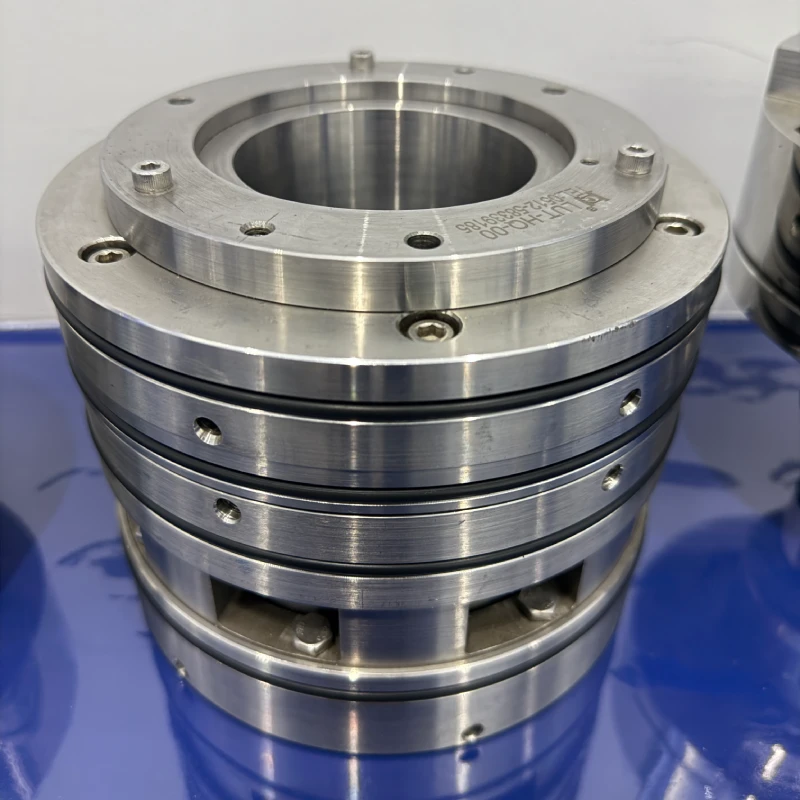
Gas compressors operate in demanding industrial environments where safety and reliability are paramount concerns. Traditional wet seal systems, while functional, present numerous challenges including fluid contamination, environmental hazards, and maintenance complexities that can compromise operational safety. The introduction of advanced dry seal technology has revolutionized compressor design by eliminating process gas contamination and reducing mechanical failures that often lead to dangerous situations.
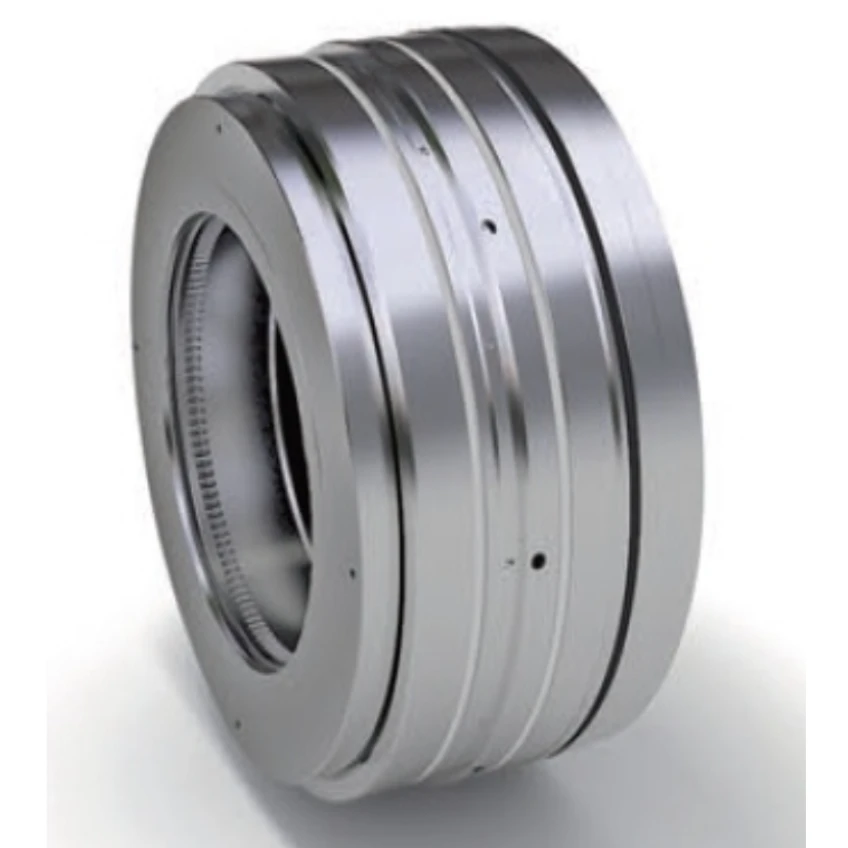
Modern industrial facilities increasingly rely on dry seal systems to maintain optimal safety standards while maximizing operational efficiency. These sophisticated sealing solutions provide enhanced protection against gas leakage, reduce fire and explosion risks, and deliver consistent performance under extreme operating conditions. Understanding how dry seal technology contributes to compressor safety enables facility managers and engineers to make informed decisions about equipment upgrades and maintenance protocols.
Fundamental Safety Principles of Dry Seal Technology
Elimination of Contamination Risks
The primary safety advantage of dry seal systems stems from their ability to prevent process gas contamination without relying on barrier fluids. Unlike wet seals that require continuous oil circulation, dry seal technology uses precisely controlled gas films to create effective barriers between rotating and stationary components. This design eliminates the risk of oil contamination in process streams, which can lead to product quality issues, equipment corrosion, and potential safety hazards in sensitive applications.
Dry seal systems maintain separation between process gas and atmospheric conditions through non-contacting face seal arrangements. The absence of liquid lubricants removes possibilities for fluid degradation, chemical reactions with process gases, and the formation of harmful deposits that could compromise compressor integrity. This fundamental design approach significantly reduces maintenance requirements while enhancing overall system reliability and safety performance.
Enhanced Fire and Explosion Prevention
Fire prevention represents a critical safety benefit offered by dry seal technology in gas compression applications. Traditional wet sealing systems create potential ignition sources through oil vapor generation, particularly when barrier fluids experience thermal degradation or mechanical agitation. The dry seal approach eliminates these risks by removing flammable liquids from the sealing interface, dramatically reducing fire hazard potential in compressor installations.
The non-contacting nature of dry seal designs prevents frictional heat generation that could ignite process gases or create hot surfaces capable of triggering explosive atmospheres. Advanced dry seal systems incorporate temperature monitoring and automated shutdown capabilities that further enhance fire prevention measures. These safety features work together to create multiple layers of protection against thermal incidents that could endanger personnel and facility infrastructure.
Operational Safety Enhancements Through Advanced Monitoring
Real-Time Performance Surveillance
Modern dry seal installations incorporate sophisticated monitoring systems that provide continuous surveillance of critical operating parameters. These advanced control systems track seal face temperatures, gas flow rates, pressure differentials, and vibration characteristics to detect potential safety issues before they develop into serious problems. Real-time data collection enables operators to identify abnormal conditions and implement corrective actions that prevent equipment failures and associated safety risks.
Integrated monitoring capabilities allow dry seal systems to communicate with plant-wide control networks, providing centralized oversight of compressor safety status. Automated alarm systems alert operators to conditions that could compromise safety performance, while predictive analytics help anticipate maintenance needs and prevent unexpected shutdowns. This comprehensive monitoring approach significantly enhances operational safety by ensuring that potential issues are addressed proactively rather than reactively.
Automated Safety Response Systems
Dry seal technology incorporates multiple automated safety response mechanisms that activate when operating conditions exceed predetermined safety thresholds. These systems can automatically adjust sealing gas pressures, initiate emergency shutdown sequences, and isolate affected equipment to prevent safety incidents from escalating. The rapid response capabilities of these automated systems provide crucial protection during upset conditions when manual intervention might not be fast enough to prevent serious consequences.
Emergency shutdown systems integrated with dry seal monitoring can halt compressor operation within seconds of detecting dangerous conditions such as excessive seal leakage, abnormal temperatures, or loss of sealing gas supply. These safety interlocks work in conjunction with other plant safety systems to ensure coordinated response to emergency situations. The reliability and speed of automated safety responses make dry seal systems particularly well-suited for applications where rapid shutdown capability is essential for personnel and equipment protection.
Maintenance Safety Advantages and Risk Reduction
Reduced Exposure to Hazardous Materials
Maintenance activities on dry seal systems present significantly fewer safety risks compared to traditional wet seal arrangements. The absence of barrier oil eliminates worker exposure to potentially hazardous lubricants, reduces slip and fall risks from oil spills, and minimizes environmental contamination concerns during routine maintenance procedures. Technicians can perform dry seal inspections and repairs without specialized protective equipment required for handling barrier fluids, improving both safety and maintenance efficiency.
The clean operating environment created by dry seal technology reduces the accumulation of flammable deposits and contaminated surfaces that could pose fire or explosion risks during maintenance activities. Hot work permits and fire watch requirements are often simplified when working on equipment with dry seal systems, as the absence of combustible fluids reduces ignition potential. This safety advantage translates into more flexible maintenance scheduling and reduced operational disruptions for safety-critical maintenance tasks.
Simplified Maintenance Procedures
Dry seal maintenance procedures are inherently safer due to their simplified design and reduced component complexity. The elimination of oil circulation systems, coolers, and associated piping reduces the number of potential leak points and mechanical connections that could fail during operation or maintenance activities. Fewer system components mean fewer opportunities for maintenance-related safety incidents and reduced complexity in lockout/tagout procedures required for safe maintenance work.
The modular design of many dry seal systems allows for component replacement and repair without extensive disassembly of surrounding equipment. This design approach minimizes maintenance time in potentially hazardous environments and reduces worker exposure to rotating machinery and high-pressure systems. Simplified maintenance procedures also reduce the likelihood of human error during reassembly, which could compromise safety performance or create new hazards in the compressor system.
Environmental Safety and Regulatory Compliance
Emissions Reduction and Environmental Protection
Dry seal systems contribute significantly to environmental safety by minimizing fugitive emissions that could harm air quality and pose health risks to facility personnel and surrounding communities. The superior sealing performance of dry seal technology reduces process gas losses to atmosphere, helping facilities meet increasingly stringent environmental regulations while protecting worker health. Lower emission rates also reduce the formation of hazardous vapor clouds that could create explosion risks or require emergency response actions.
The elimination of barrier oil systems removes potential sources of soil and groundwater contamination that could result from seal oil leaks or spills. This environmental protection benefit is particularly important in facilities located near sensitive ecological areas or water supplies where contamination incidents could have far-reaching consequences. Dry seal technology supports corporate environmental responsibility goals while reducing liability exposure related to environmental incidents.
Regulatory Compliance Advantages
Regulatory agencies increasingly require enhanced safety measures and emissions control in industrial facilities, making dry seal technology an attractive option for maintaining compliance with evolving safety standards. The inherent safety features of dry seal systems help facilities meet or exceed regulatory requirements for equipment integrity, emissions control, and worker protection. Compliance advantages include reduced reporting requirements for emissions, simplified safety documentation, and enhanced ability to demonstrate due diligence in safety management.
Many jurisdictions offer regulatory incentives or expedited permitting for facilities that implement advanced safety technologies like dry seal systems. These regulatory benefits can translate into significant cost savings and operational flexibility that offset the initial investment in dry seal technology. The demonstrated safety performance of dry seal systems also supports insurance risk assessments and may result in favorable insurance premiums for facilities that implement these advanced sealing solutions.
Long-Term Safety Performance and Reliability
Extended Service Life and Reduced Failure Risks
The robust design of dry seal systems provides exceptional service life that reduces the frequency of maintenance interventions and associated safety risks. Extended operating periods between major maintenance activities mean fewer opportunities for maintenance-related incidents and reduced exposure of workers to potentially hazardous conditions. The reliability advantages of dry seal technology translate directly into improved safety performance through consistent, predictable operation over extended service intervals.
Reduced component wear rates in dry seal systems minimize the likelihood of unexpected failures that could create emergency situations requiring rapid response from maintenance personnel. The predictable performance characteristics of dry seal technology enable more accurate maintenance planning and scheduling, reducing the need for emergency repairs that often present elevated safety risks. This reliability advantage is particularly valuable in continuous process operations where unplanned shutdowns can create cascading safety issues throughout interconnected systems.
Continuous Improvement in Safety Technology
Ongoing developments in dry seal technology continue to enhance safety performance through improved materials, advanced monitoring capabilities, and more sophisticated control systems. Research and development efforts focus on extending service life, improving leak detection sensitivity, and enhancing automated response capabilities that further reduce safety risks. These technological advances ensure that dry seal systems remain at the forefront of compressor safety technology.
The integration of artificial intelligence and machine learning capabilities into dry seal monitoring systems represents the next evolution in safety enhancement. These advanced technologies enable predictive maintenance strategies that identify potential safety issues before they manifest as equipment failures or safety incidents. Continuous improvement in dry seal technology ensures that safety performance will continue to advance, providing even greater protection for personnel and facilities in the future.
FAQ
What makes dry seal systems safer than traditional wet seals in gas compressors
Dry seal systems eliminate fire and explosion risks by removing flammable barrier fluids from the sealing interface. They prevent process gas contamination, reduce maintenance-related safety hazards, and provide superior leak detection capabilities through advanced monitoring systems. The non-contacting design prevents frictional heating that could ignite gases, while automated safety systems provide rapid response to abnormal conditions.
How do dry seal monitoring systems enhance compressor safety
Advanced monitoring systems in dry seal installations provide real-time surveillance of critical parameters including temperature, pressure, and vibration. These systems can detect potential safety issues before they become serious problems and automatically initiate protective actions such as emergency shutdown or pressure adjustments. Predictive analytics capabilities help anticipate maintenance needs and prevent unexpected failures that could create safety hazards.
What maintenance safety advantages do dry seal systems provide
Dry seal systems eliminate worker exposure to hazardous barrier fluids, reduce slip and fall risks from oil spills, and simplify lockout/tagout procedures during maintenance. The modular design allows component replacement without extensive disassembly, reducing maintenance time in potentially hazardous environments. Fewer system components mean fewer potential failure points and reduced complexity in maintenance safety procedures.
How do dry seal systems help with environmental safety compliance
Dry seal technology significantly reduces fugitive emissions to atmosphere, helping facilities meet stringent environmental regulations while protecting air quality. The elimination of barrier oil systems prevents potential soil and groundwater contamination from leaks or spills. These environmental safety benefits support regulatory compliance efforts and may qualify facilities for regulatory incentives or favorable insurance premiums.