 EN
EN


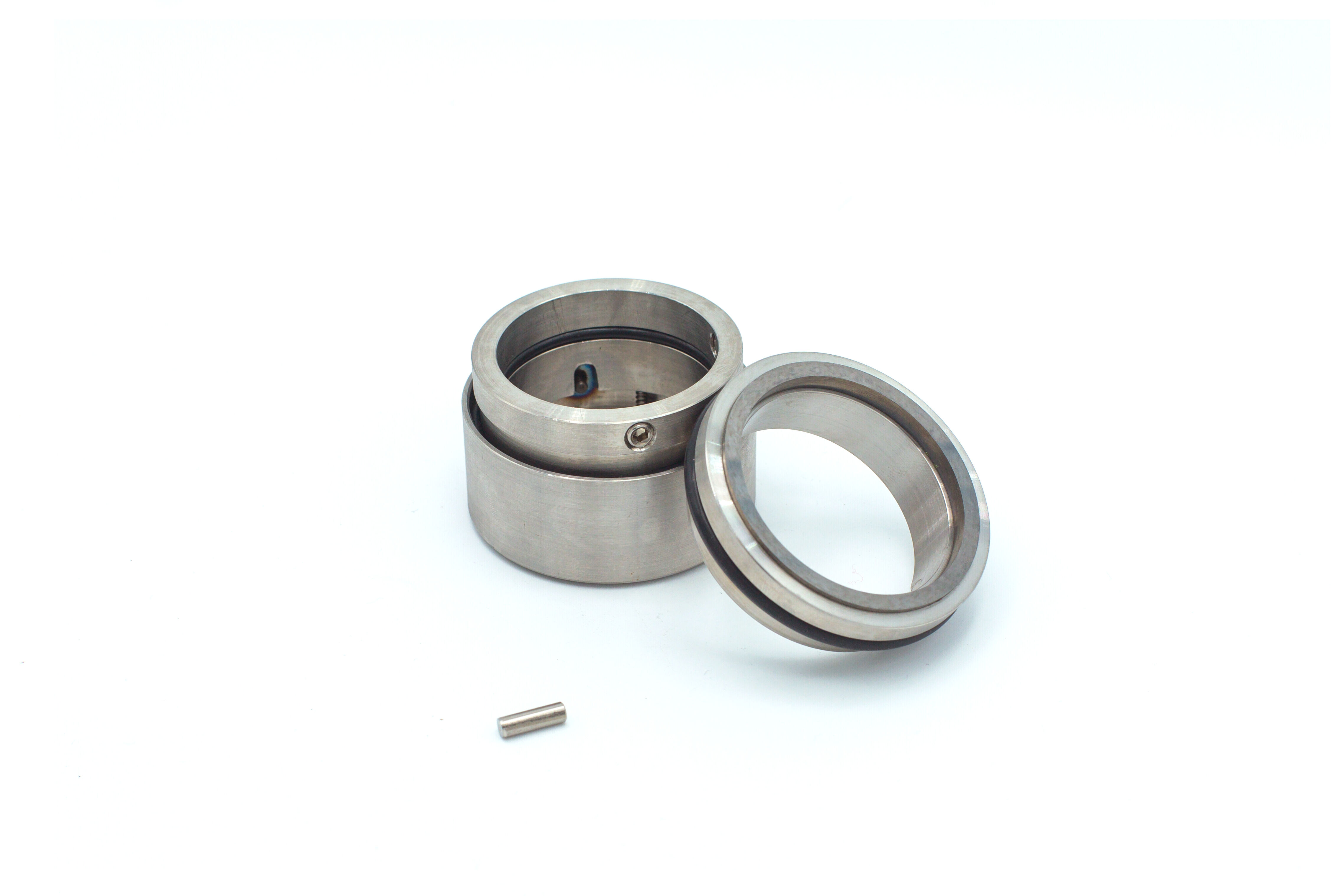
Selecting the correct pump seal for your specific working medium is one of the most critical decisions in industrial pump operations. The wrong seal choice can lead to catastrophic failures, costly downtime, and potential safety hazards. Understanding the intricate relationship between your working medium and seal materials, design configurations, and operating parameters ensures optimal pump performance and longevity. A properly matched pump seal not only prevents leakage but also maintains system efficiency while minimizing maintenance requirements across diverse industrial applications.
Understanding Working Medium Characteristics
Chemical Compatibility Assessment
Chemical compatibility forms the foundation of pump seal selection for any working medium. Different seal materials exhibit varying degrees of resistance to acids, bases, solvents, and other chemical compounds present in your process fluid. Elastomeric seals like Viton excel in handling aggressive chemicals and high temperatures, while EPDM performs exceptionally with water-based solutions and mild chemicals. The pump seal material must withstand prolonged exposure without degradation, swelling, or chemical attack that could compromise sealing integrity.
Conducting thorough chemical compatibility testing becomes essential when dealing with complex or mixed working mediums. Many industrial processes involve multiple chemical components that can interact synergistically, creating conditions more aggressive than individual components would suggest. Advanced seal manufacturers provide comprehensive chemical resistance charts, but real-world testing often reveals subtle incompatibilities that laboratory data might miss. Regular monitoring of seal performance in actual operating conditions helps validate initial material selections.
Temperature and Pressure Considerations
Operating temperature directly influences pump seal material selection and design configuration choices. High-temperature applications require specialized materials like perfluoroelastomers or metal seals that maintain their properties at elevated temperatures. Conversely, low-temperature operations may cause standard elastomers to become brittle and lose their sealing capability. The pump seal must accommodate thermal expansion and contraction cycles while maintaining consistent sealing pressure against mating surfaces.
System pressure affects both seal design selection and installation requirements for optimal performance. High-pressure applications typically require balanced seal designs that reduce the sealing force and minimize heat generation. Spring-loaded seals adjust automatically to pressure variations, maintaining optimal contact pressure throughout the operating range. Understanding the complete pressure profile, including startup transients and pressure pulsations, ensures appropriate pump seal selection for long-term reliability.
Mechanical Seal Design Options
Single Versus Double Seal Configurations
Single mechanical seals represent the most economical solution for standard applications with compatible working mediums. These seals feature one sealing interface between the rotating and stationary components, making them suitable for clean, non-hazardous fluids with moderate operating conditions. The simplicity of single pump seal designs reduces initial costs and simplifies maintenance procedures, making them attractive for general industrial applications where environmental concerns are minimal.
Double mechanical seals provide enhanced safety and reliability for hazardous or valuable working mediums. The dual sealing arrangement creates a barrier system that prevents process fluid leakage to the atmosphere while protecting the primary seal from external contamination. Buffer fluid circulation between the seals maintains optimal operating conditions for both sealing interfaces. This pump seal configuration becomes mandatory for toxic, flammable, or environmentally sensitive applications where zero emissions are required.
Balanced and Unbalanced Seal Designs
Balanced mechanical seals reduce the hydraulic closing force acting on the seal faces, minimizing heat generation and extending seal life in high-pressure applications. The balance ratio determines how much system pressure acts on the sealing faces, with typical values ranging from 0.6 to 0.85. Proper balance design prevents excessive face loading while maintaining adequate sealing pressure for leak prevention. This pump seal configuration particularly benefits high-pressure or high-speed applications where heat generation could cause premature failure.
Unbalanced seals expose the full system pressure to the sealing faces, creating higher closing forces and increased heat generation. While this design provides excellent sealing capability at low pressures, it becomes impractical for high-pressure applications due to excessive wear and thermal stress. The pump seal selection between balanced and unbalanced designs depends primarily on operating pressure, rotational speed, and heat dissipation capability of the working medium.
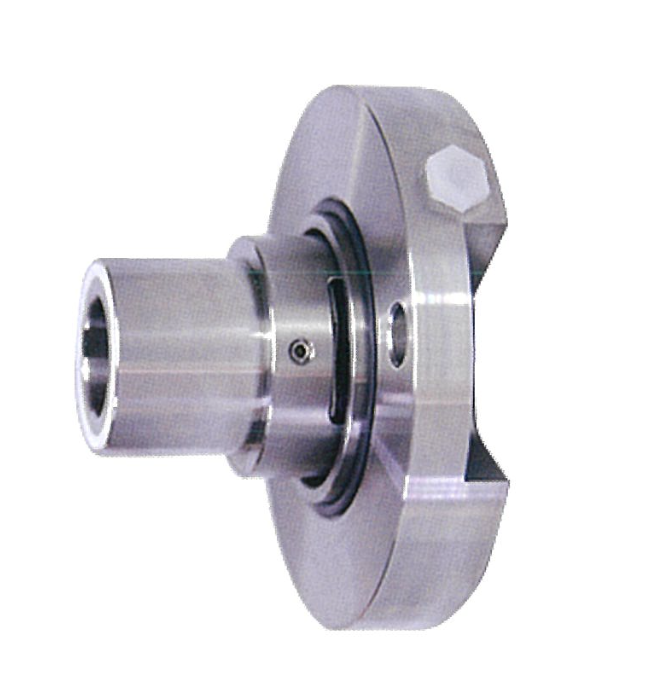
Material Selection Criteria
Elastomeric Seal Materials
Nitrile rubber (NBR) serves as the workhorse material for many industrial pump seal applications due to its excellent oil resistance and moderate cost. This versatile elastomer handles petroleum-based fluids, hydraulic oils, and many industrial chemicals while maintaining good mechanical properties across a wide temperature range. However, NBR exhibits poor ozone resistance and limited compatibility with certain solvents and high-temperature applications. Proper material selection requires careful evaluation of all working medium components and operating conditions.
Fluorocarbon elastomers (FKM/Viton) provide superior chemical resistance and high-temperature capability for demanding applications. These advanced materials withstand aggressive acids, bases, and solvents that would quickly destroy conventional rubber seals. The exceptional thermal stability allows continuous operation at temperatures exceeding 200°C while maintaining sealing integrity. Despite higher initial costs, pump seal applications involving corrosive or high-temperature working mediums often justify the investment through extended service life and reduced maintenance costs.
Metal and Ceramic Seal Faces
Carbon-graphite seal faces offer excellent thermal conductivity and self-lubricating properties for many pump seal applications. The porous structure allows controlled absorption of working medium, creating a thin lubricating film that reduces friction and wear. Various carbon grades provide different hardness levels and chemical resistance properties to match specific application requirements. Resin impregnation enhances chemical resistance and reduces permeability for aggressive working mediums.
Ceramic and tungsten carbide faces provide exceptional hardness and wear resistance for abrasive working mediums. Silicon carbide offers outstanding chemical inertness and thermal shock resistance, making it ideal for high-temperature applications with corrosive fluids. Tungsten carbide provides maximum wear resistance for applications involving suspended solids or abrasive particles. The pump seal face material selection significantly impacts service life and maintenance intervals in challenging operating environments.
Working Medium Specific Considerations
Corrosive and Acidic Fluids
Corrosive working mediums require specialized pump seal materials and design features to prevent rapid degradation and failure. Strong acids like hydrochloric, sulfuric, and nitric acid attack many common seal materials, necessitating the use of highly resistant elastomers or metal components. PTFE and perfluoroelastomer seals excel in these applications but require careful installation and design consideration due to their unique properties. Secondary seals and O-rings must also receive appropriate material selection to prevent system contamination.
Alkaline solutions present different challenges for pump seal selection, often causing stress cracking in certain elastomeric materials. EPDM and some specialty compounds resist alkaline attack better than hydrocarbon-based rubbers. The concentration and temperature of alkaline working mediums significantly influence material compatibility and expected service life. Regular monitoring of seal condition becomes critical in these applications to prevent unexpected failures and process contamination.
Abrasive and Particle-Laden Fluids
Abrasive working mediums containing suspended solids create unique challenges for pump seal design and material selection. Hard particles can embed in soft seal faces, creating grinding compounds that accelerate wear of mating surfaces. Proper seal face material combinations minimize this effect while maintaining adequate sealing capability. Hard-faced seals with appropriate surface finishes resist abrasive wear while allowing controlled leakage to flush particles from the sealing interface.
Flush plans become essential for pump seal applications handling abrasive working mediums. Clean flush fluid removes particles from the seal chamber while providing lubrication and cooling for the sealing faces. The flush pressure and flow rate must be carefully controlled to maintain proper seal operation without causing excessive dilution of the process fluid. Filtration systems remove particles from the flush fluid, preventing recirculation of abrasive contaminants through the sealing interface.
Installation and Maintenance Factors
Proper Installation Procedures
Correct installation procedures critically influence pump seal performance and service life regardless of material selection. Proper alignment between rotating and stationary components ensures even wear patterns and prevents premature failure. Seal face flatness and surface finish specifications must meet manufacturer requirements to achieve optimal sealing capability. Installation tools and techniques vary depending on seal design and working medium characteristics.
Pre-installation inspection of seal components identifies potential issues before they cause operational problems. Seal faces require protection from scratches, chips, or contamination during handling and installation. Secondary seals need proper lubrication with compatible materials to prevent installation damage. Following manufacturer torque specifications ensures adequate clamping force without over-stressing seal components. The pump seal installation process directly impacts initial performance and long-term reliability.
Monitoring and Maintenance Protocols
Regular monitoring of pump seal performance provides early warning of developing problems before catastrophic failure occurs. Leakage rates, temperature measurements, and vibration analysis reveal changes in seal condition that warrant investigation. Trending these parameters over time helps establish normal operating ranges and identifies gradual degradation patterns. Predictive maintenance programs optimize seal replacement intervals while minimizing unscheduled downtime.
Maintenance procedures must account for working medium characteristics and safety requirements during seal replacement. Proper system isolation and decontamination protect personnel from hazardous fluids while preventing environmental release. Seal chamber inspection during maintenance reveals wear patterns and contamination issues that guide future material selection decisions. Documentation of seal performance and failure modes builds institutional knowledge for improved pump seal selection in similar applications.
FAQ
What factors determine pump seal compatibility with my working medium
Pump seal compatibility depends on chemical resistance, temperature capability, pressure rating, and abrasive characteristics of your working medium. Chemical compatibility charts provide initial guidance, but actual testing in your specific conditions ensures optimal material selection. Consider all fluid components, including additives and contaminants that might affect seal performance.
How do I know if I need a single or double mechanical seal
Single seals work for non-hazardous, clean fluids with moderate operating conditions, while double seals are required for toxic, flammable, or environmentally sensitive working mediums. Regulatory requirements, safety considerations, and fluid value often mandate double seal configurations despite higher initial costs.
What seal face materials work best for abrasive applications
Silicon carbide and tungsten carbide faces provide maximum wear resistance for abrasive working mediums. Carbon faces may work for mildly abrasive applications with proper flush systems. The key is selecting appropriate hardness combinations and surface finishes while implementing effective particle removal strategies.
How often should I replace pump seals in corrosive service
Replacement intervals for pump seals in corrosive service depend on material compatibility, operating conditions, and acceptable leakage levels. Proper material selection can extend service life significantly, but regular monitoring remains essential. Establish baseline performance metrics and replace seals when degradation exceeds acceptable limits rather than following rigid time-based schedules.