 EN
EN


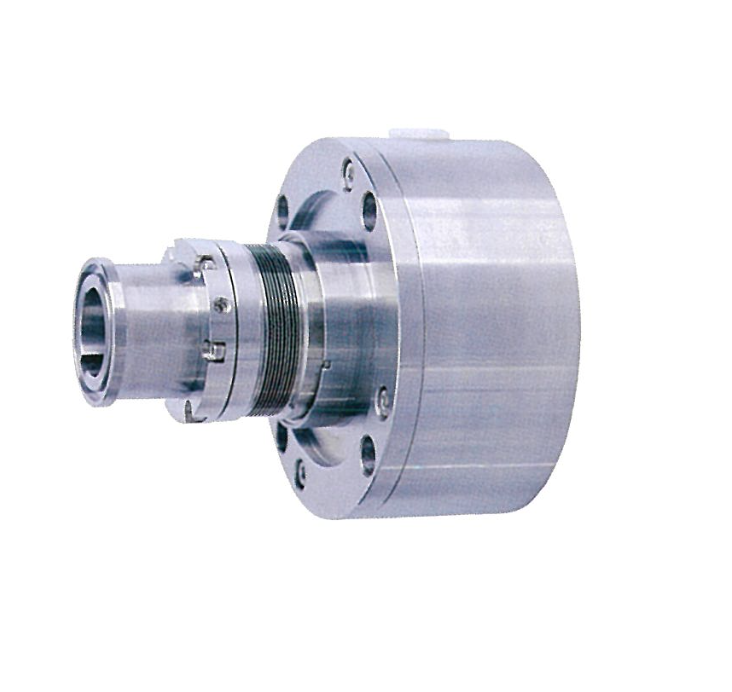
Preventing fluid leakage in industrial equipment is a critical concern for engineers and maintenance professionals across various industries. A mechanical seal serves as the primary barrier between rotating and stationary components in pumps, compressors, and other fluid handling systems. Understanding how these sophisticated sealing solutions work can help professionals make informed decisions about equipment reliability, operational efficiency, and maintenance costs. The effectiveness of a mechanical seal depends on precise engineering principles, material selection, and proper installation techniques that work together to create an almost impermeable barrier against fluid escape.
Fundamental Principles of Mechanical Seal Operation
Contact Surface Technology
The core functionality of a mechanical seal relies on two precisely machined surfaces that rotate against each other while maintaining intimate contact. These surfaces, typically consisting of one stationary and one rotating ring, create a primary sealing interface that prevents fluid from escaping along the shaft. The rotating ring moves with the equipment shaft, while the stationary ring remains fixed to the equipment housing. This design ensures that the mechanical seal maintains its sealing effectiveness regardless of shaft rotation speed or direction.
The contact surfaces undergo extensive engineering to achieve flatness measurements within light bands, ensuring minimal gaps that could allow fluid passage. Advanced manufacturing techniques create mirror-like finishes on both sealing faces, with surface roughness typically measured in microinches. The precision required for effective sealing means that even microscopic imperfections can significantly impact the mechanical seal performance and lead to premature failure or increased leakage rates.
Hydraulic Balance Mechanisms
Hydraulic balance plays a crucial role in mechanical seal operation by controlling the closing force between sealing faces. The design incorporates specific geometric relationships that utilize system pressure to create appropriate contact pressure without excessive face loading. This balance ensures that the mechanical seal maintains effective sealing while minimizing wear and heat generation that could lead to premature failure or reduced service life.
Engineers calculate hydraulic balance ratios based on the diameter relationships between various seal components and the stepped configuration of the rotating assembly. Proper hydraulic balance prevents both insufficient sealing force, which would allow excessive leakage, and excessive force, which would cause rapid wear and potential thermal damage. The mechanical seal design must account for varying pressure conditions and fluid properties to maintain optimal balance throughout the operating range.
Essential Components and Their Functions
Primary Sealing Elements
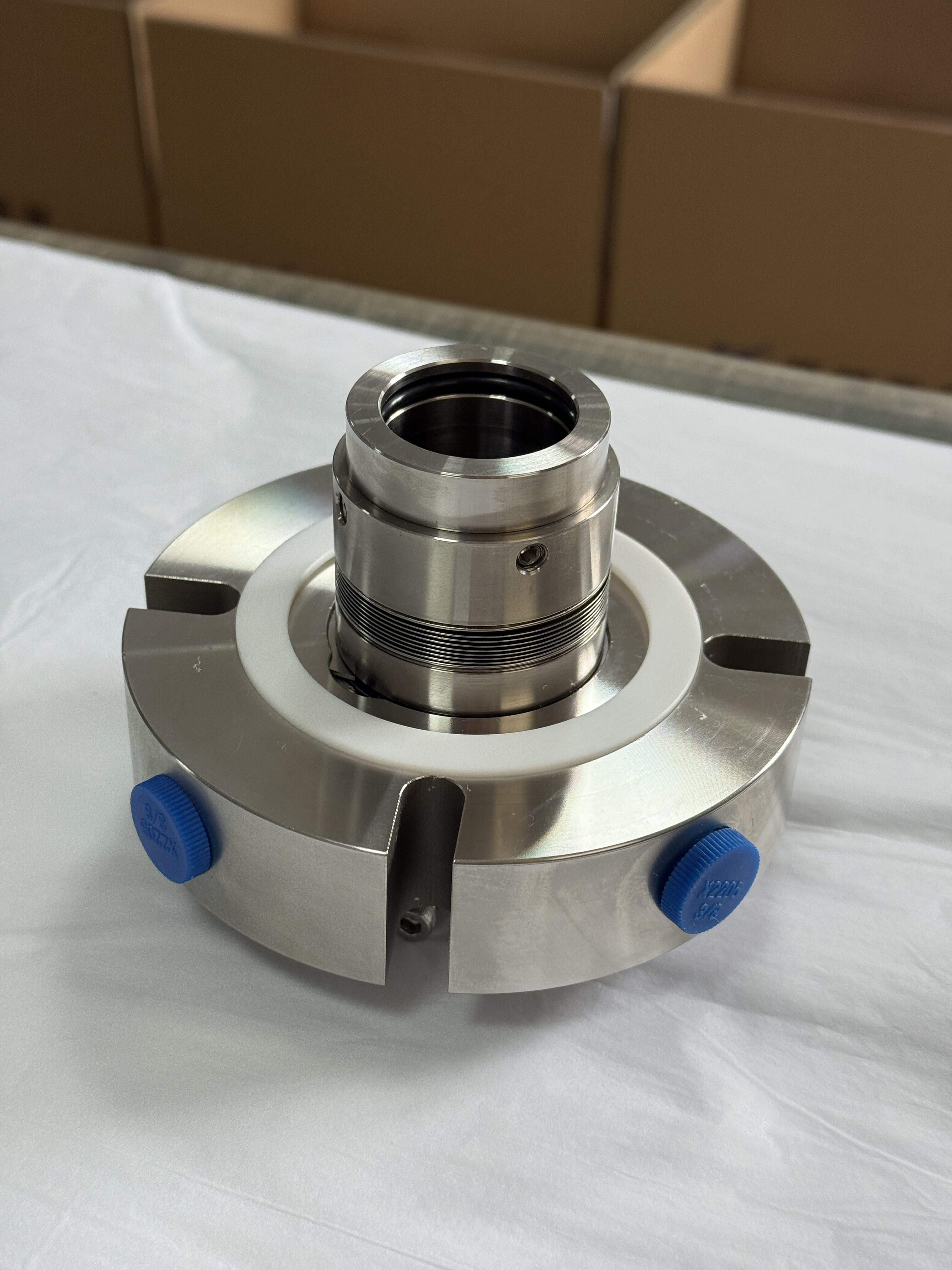
The primary sealing elements of a mechanical seal include the rotating and stationary rings, which form the heart of the sealing system. These components are manufactured from materials specifically selected for their compatibility with the process fluid, temperature resistance, and wear characteristics. Common materials include carbon, silicon carbide, tungsten carbide, and various ceramic compositions, each offering specific advantages for different applications and operating conditions.
Material pairing between the rotating and stationary rings is critical for optimal performance of the mechanical seal. Hard-soft combinations, where one ring is made from a harder material than its mating surface, help minimize wear while maintaining effective sealing. The selection process considers factors such as thermal expansion coefficients, chemical compatibility, and tribological properties to ensure long-term reliability and minimal maintenance requirements.
Secondary Sealing Systems
Secondary sealing elements provide static sealing between the mechanical seal components and the equipment housing or shaft. These elements, typically elastomeric O-rings or gaskets, prevent fluid leakage around the seal assembly while accommodating thermal expansion and minor dimensional variations. The secondary sealing system must maintain its integrity throughout the expected service life while providing the flexibility needed for proper seal operation.
The design of secondary sealing elements considers factors such as chemical compatibility, temperature range, and pressure ratings to ensure reliable performance. Advanced mechanical seal designs may incorporate multiple secondary sealing elements or specialized geometries to enhance sealing effectiveness and accommodate challenging operating conditions such as high temperatures, aggressive chemicals, or extreme pressures.
Leakage Prevention Mechanisms
Face Contact Pressure Control
Controlling face contact pressure represents one of the most critical aspects of mechanical seal design for leakage prevention. The closing force must be sufficient to maintain contact between sealing faces despite system pressure, vibration, and thermal effects, while avoiding excessive pressure that could cause rapid wear or face distortion. This delicate balance is achieved through careful design of spring systems, hydraulic balance ratios, and component geometry.
Spring systems in a mechanical seal provide the necessary closing force while compensating for wear and thermal expansion of components. Multiple spring configurations, including wave springs, coil springs, and bellows systems, offer different force characteristics and response to temperature variations. The spring system design must maintain consistent force throughout the operating range while accommodating manufacturing tolerances and wear progression over the service life.
Thermal Management Systems
Heat generation at the sealing interface poses a significant challenge for mechanical seal performance and leakage prevention. Friction between the rotating faces creates thermal energy that must be effectively dissipated to prevent face distortion, material degradation, and loss of sealing effectiveness. Advanced thermal management strategies include heat dissipation features, cooling systems, and material selection optimized for thermal conductivity and stability.
Cooling systems for mechanical seals may incorporate external flushing with compatible fluids, heat exchangers, or specialized cooling jackets depending on the application requirements. The mechanical seal design must facilitate effective heat transfer while maintaining sealing integrity and preventing contamination of the process fluid. Proper thermal management extends seal life, reduces maintenance requirements, and ensures consistent sealing performance throughout varying operating conditions.
Material Selection for Optimal Performance
Face Material Combinations
The selection of face materials significantly impacts the ability of a mechanical seal to prevent leakage effectively. Different material combinations offer varying degrees of wear resistance, chemical compatibility, and thermal stability. Carbon-based materials provide excellent self-lubricating properties and conformability, making them ideal for one sealing face, while harder materials like silicon carbide or tungsten carbide provide wear resistance and dimensional stability for the mating surface.
Advanced ceramic materials have revolutionized mechanical seal performance in demanding applications where traditional materials may fail. These materials offer exceptional chemical resistance, thermal stability, and wear characteristics that enable reliable sealing in aggressive environments. The mechanical seal industry continues to develop new material formulations and surface treatments that enhance sealing effectiveness while extending service life and reducing maintenance costs.
Elastomer Compatibility
Elastomeric materials used in secondary sealing elements must be carefully selected based on their compatibility with process fluids, temperature range, and chemical environment. Different elastomer formulations offer varying degrees of chemical resistance, temperature capability, and mechanical properties. Common options include nitrile rubber, fluoroelastomers, perfluoroelastomers, and specialty compounds designed for specific applications.
The degradation of elastomeric components can lead to secondary leakage paths that compromise the overall effectiveness of the mechanical seal system. Material testing and compatibility studies help ensure that elastomer selection provides long-term reliability under actual operating conditions. Advanced elastomer formulations may incorporate additives or special curing processes to enhance specific properties such as chemical resistance, temperature stability, or mechanical durability.
Installation and Maintenance Considerations
Proper Installation Techniques
Correct installation procedures are essential for ensuring that a mechanical seal performs its leakage prevention function effectively. Installation errors can lead to immediate failure, reduced service life, or compromised sealing performance that may not become apparent until significant operational problems develop. Proper procedures include careful handling of components, verification of dimensions and tolerances, and adherence to recommended assembly sequences and torque specifications.
Pre-installation inspection of the mechanical seal and equipment interfaces helps identify potential issues that could affect sealing performance. This includes verification of shaft runout, housing bore concentricity, and surface finish requirements. Installation tools and fixtures designed specifically for mechanical seal assembly help ensure proper alignment and prevent damage to sensitive components during the installation process.
Monitoring and Predictive Maintenance
Effective monitoring systems enable early detection of mechanical seal degradation before catastrophic failure occurs. Monitoring techniques may include vibration analysis, temperature measurement, leakage detection, and performance trending to identify developing issues. Advanced monitoring systems can provide real-time feedback on seal condition and alert maintenance personnel to potential problems before they result in equipment failure or environmental releases.
Predictive maintenance strategies for mechanical seals incorporate historical performance data, operating conditions, and failure analysis to optimize replacement schedules and maintenance procedures. This approach helps minimize unplanned downtime while ensuring that seals are replaced before their sealing effectiveness is compromised. Regular maintenance activities may include inspection of secondary sealing elements, verification of proper installation, and assessment of wear patterns or damage indicators.
Applications Across Industries
Chemical Processing Applications
Chemical processing industries rely heavily on mechanical seals to prevent leakage of hazardous or valuable process fluids. These applications often involve aggressive chemicals, extreme temperatures, and high pressures that challenge conventional sealing technologies. The mechanical seal designs used in chemical processing must provide exceptional chemical resistance while maintaining sealing effectiveness throughout extended service periods.
Specialized mechanical seal configurations for chemical applications may incorporate exotic materials, multiple containment barriers, or engineered flushing systems to ensure reliable performance. The selection process considers factors such as fluid compatibility, emission regulations, safety requirements, and maintenance accessibility to optimize the sealing solution for each specific application. Advanced designs may incorporate features such as dry-running capability, gas barrier systems, or containment seals for enhanced safety and environmental protection.
Power Generation Systems
Power generation facilities utilize mechanical seals in critical applications including cooling water pumps, condensate systems, and fuel handling equipment. The reliability requirements for these applications are exceptionally high, as seal failures can result in forced outages, environmental releases, or safety hazards. The mechanical seal designs must provide consistent performance throughout extended operating periods while accommodating varying load conditions and seasonal temperature fluctuations.
Nuclear power applications present unique challenges for mechanical seal technology due to radiation exposure, strict quality requirements, and limited maintenance access. Specialized materials and designs are required to withstand radiation effects while maintaining sealing integrity throughout the extended fuel cycles typical of nuclear operations. The qualification and testing requirements for nuclear mechanical seals are significantly more stringent than those for conventional applications.
FAQ
What causes a mechanical seal to fail and allow leakage
Mechanical seal failures typically result from face wear, thermal damage, chemical attack, or installation errors. Common causes include inadequate lubrication, excessive face pressure, contamination, thermal shock, or improper material selection. Seal faces may become damaged due to dry running, abrasive particles in the process fluid, or thermal distortion caused by excessive heat generation. Secondary sealing elements can fail due to chemical degradation, temperature exposure beyond their design limits, or mechanical damage during installation. Proper selection, installation, and maintenance practices significantly reduce the likelihood of premature seal failure.
How long should a properly designed mechanical seal last
The service life of a mechanical seal depends on operating conditions, material selection, installation quality, and maintenance practices. Under ideal conditions with proper selection and installation, a mechanical seal can operate for several years without requiring replacement. Typical service life ranges from 12 to 36 months for standard applications, while specialized designs for demanding conditions may have shorter or longer service intervals. Factors that affect service life include process fluid properties, temperature and pressure conditions, equipment operation patterns, and environmental factors. Regular monitoring and predictive maintenance can help optimize seal replacement timing and maximize service life.
Can mechanical seals be rebuilt or repaired when they start leaking
Most mechanical seals are designed as consumable items that require complete replacement when they begin to leak significantly. However, some larger or specialized seals may be rebuilt by replacing worn components such as sealing faces, springs, and elastomeric elements. The decision to rebuild versus replace depends on the seal design, availability of replacement parts, cost considerations, and criticality of the application. Rebuilt seals should undergo thorough inspection and testing to ensure they meet original performance specifications. In many cases, the cost and reliability considerations favor complete replacement with new mechanical seal assemblies rather than attempting repairs of failed components.
What maintenance is required to keep mechanical seals operating effectively
Preventive maintenance for mechanical seals focuses primarily on monitoring performance indicators and maintaining proper operating conditions rather than direct seal maintenance. Key activities include monitoring leakage rates, vibration levels, temperature trends, and system pressures to detect developing issues. Maintaining clean process fluids, proper system alignment, and appropriate operating temperatures helps extend seal life and maintain sealing effectiveness. Flush systems, cooling systems, and barrier fluid systems require regular maintenance to ensure they support optimal seal operation. When mechanical seal replacement becomes necessary, proper installation procedures and quality replacement parts are essential for restoring reliable sealing performance.'}