Premium Mechanical Seals for Liquid Oxygen Applications - Cryogenic Sealing Solutions

Get a Free Quote

Our representative will contact you soon.
Email
Name
Company Name
Message
0/1000

mechanical seals for liquid oxygen applications

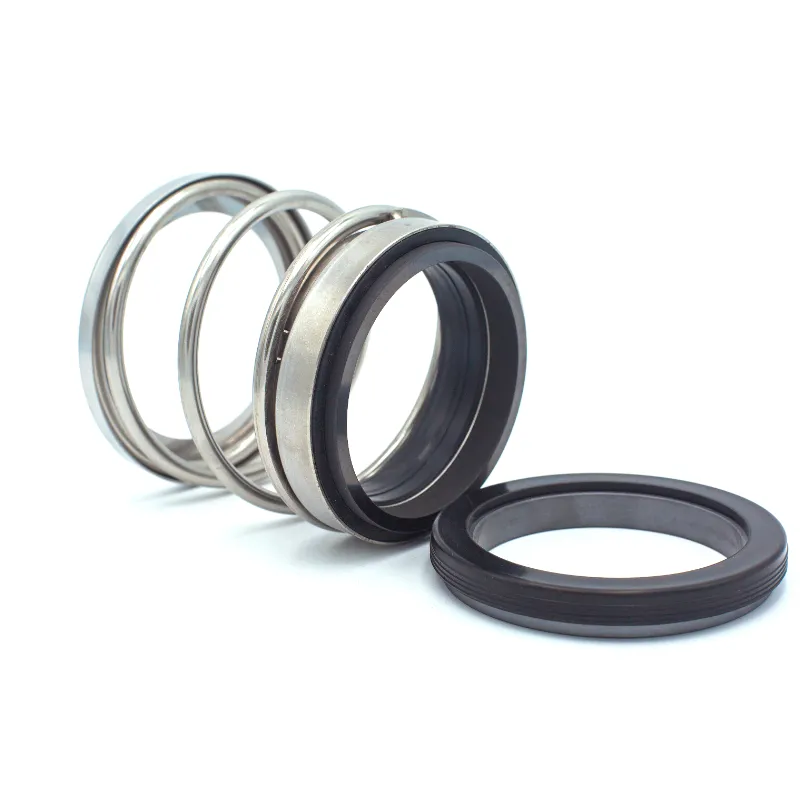
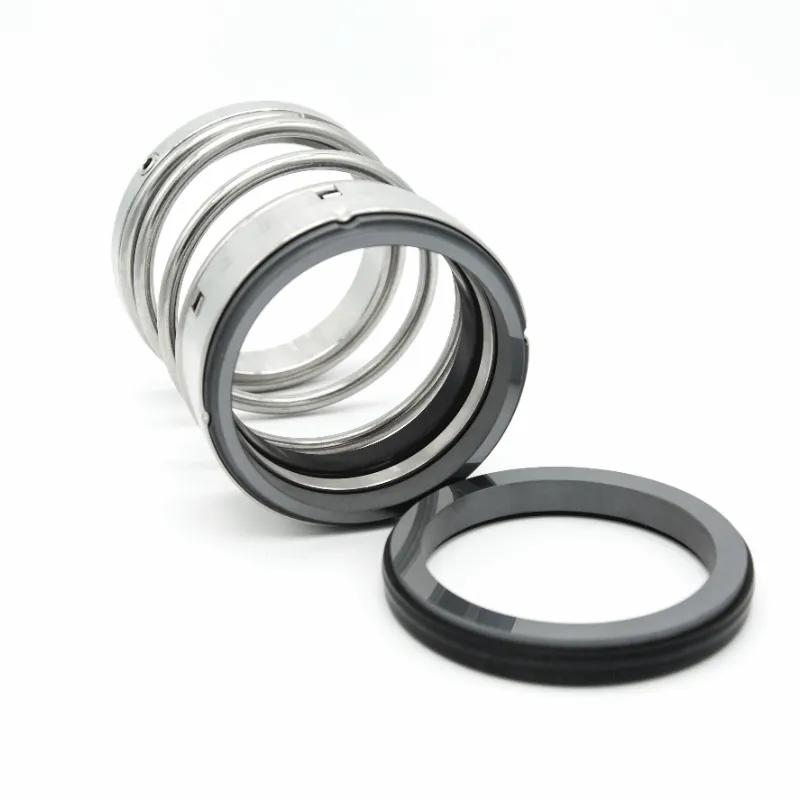
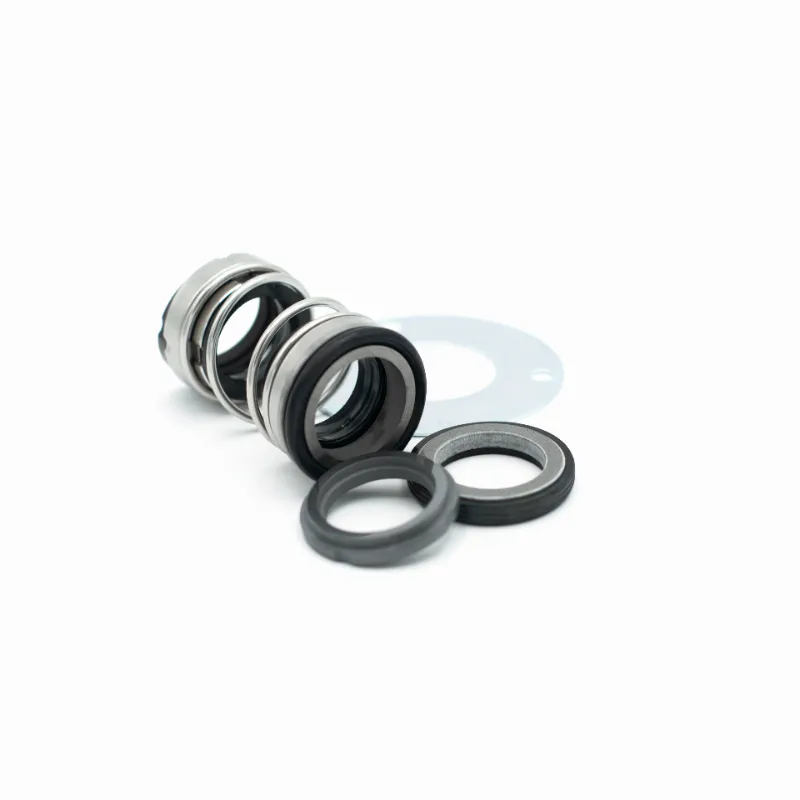
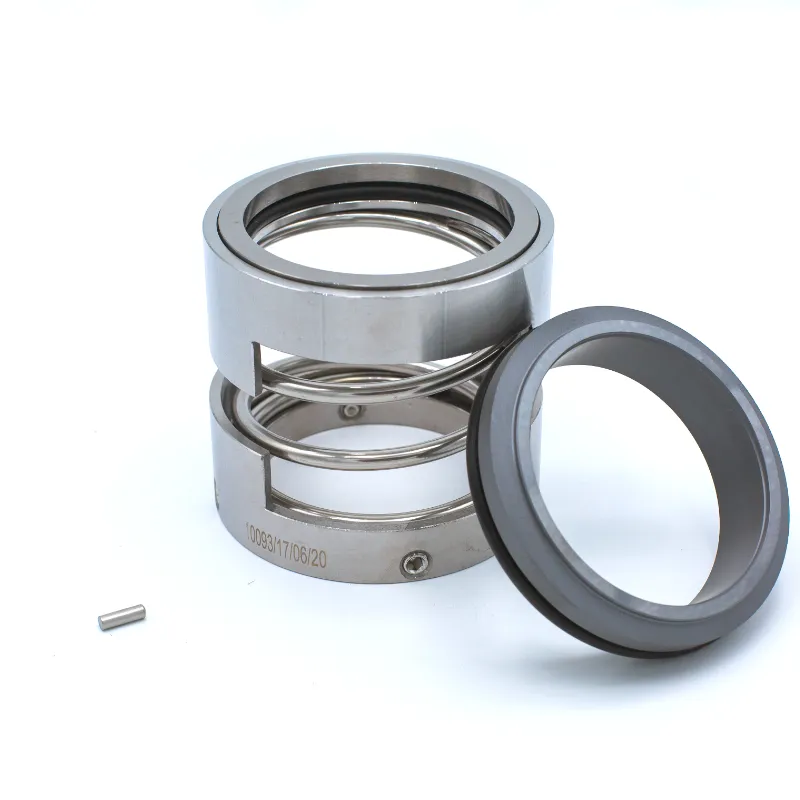
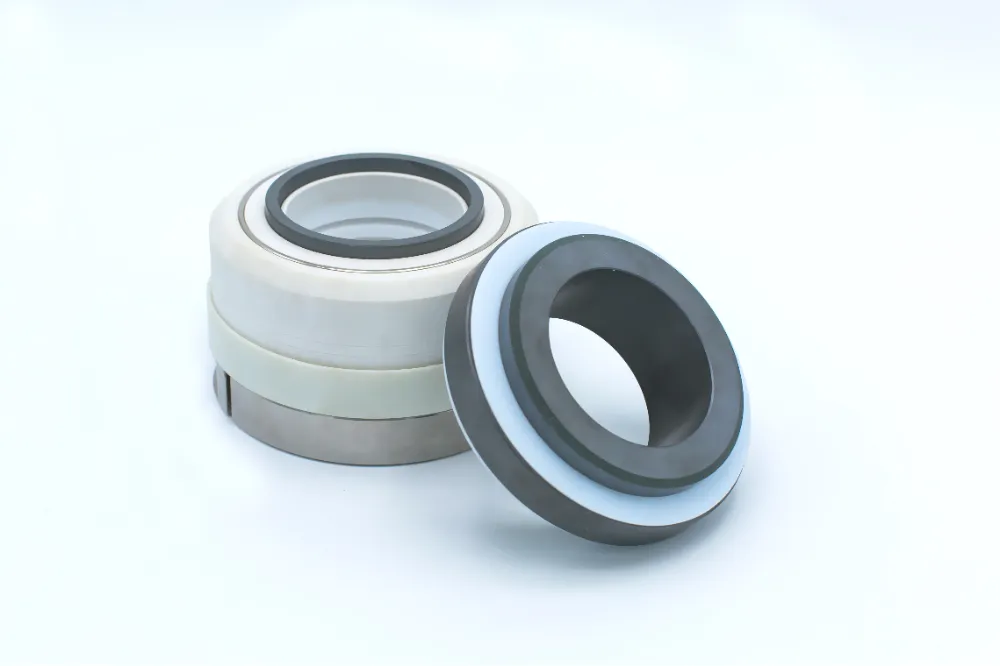
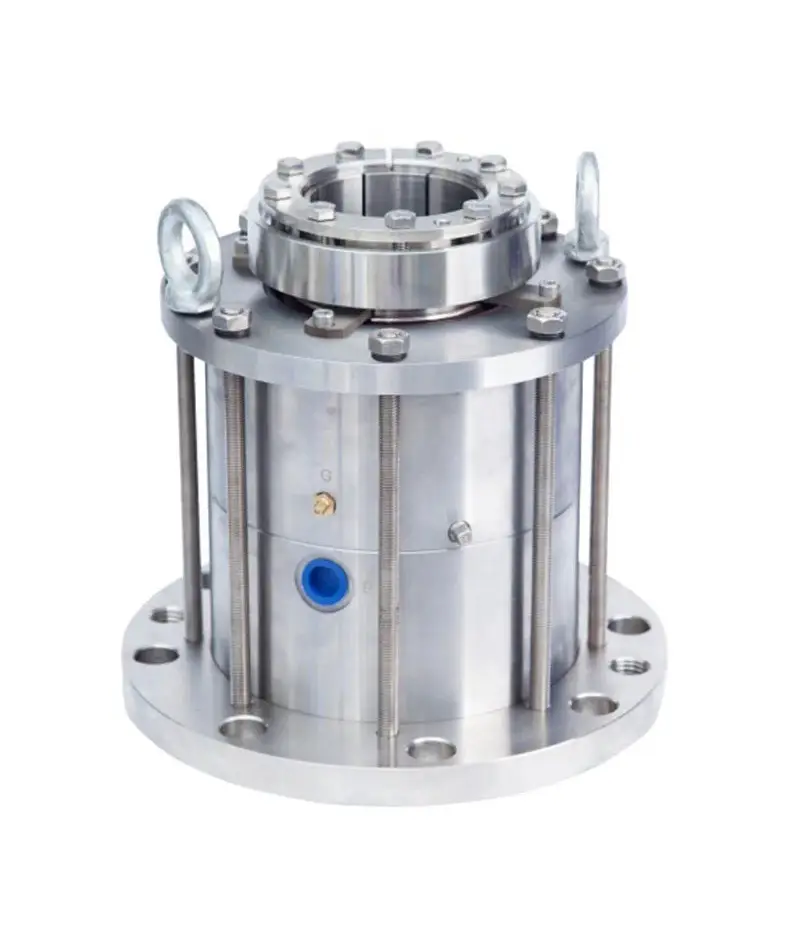
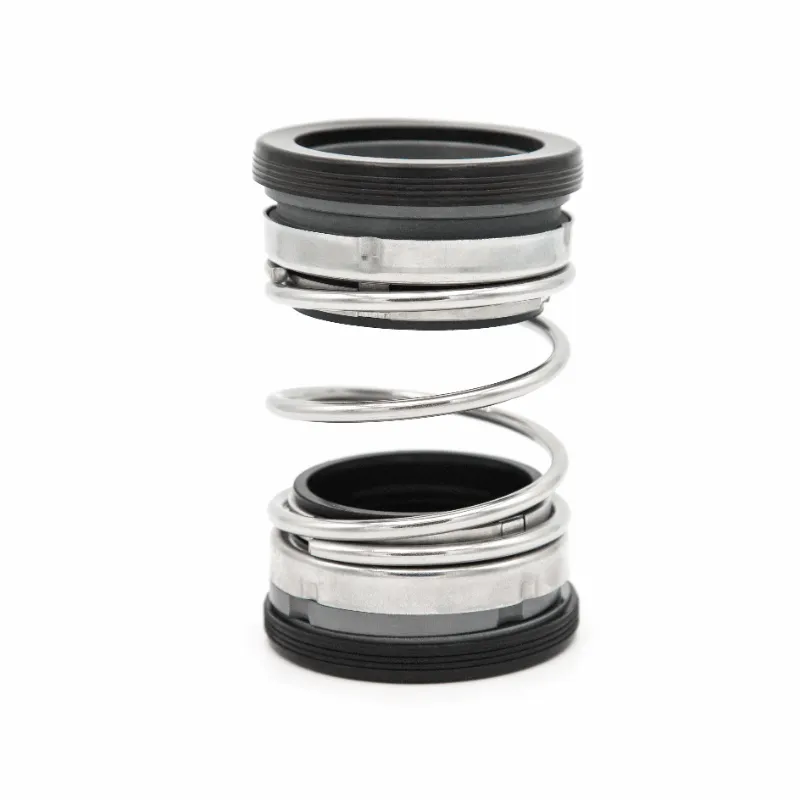
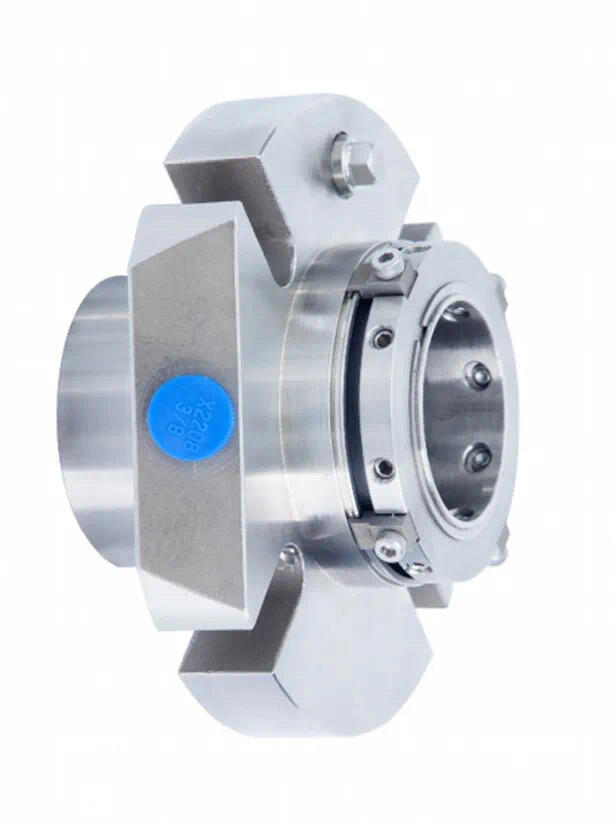
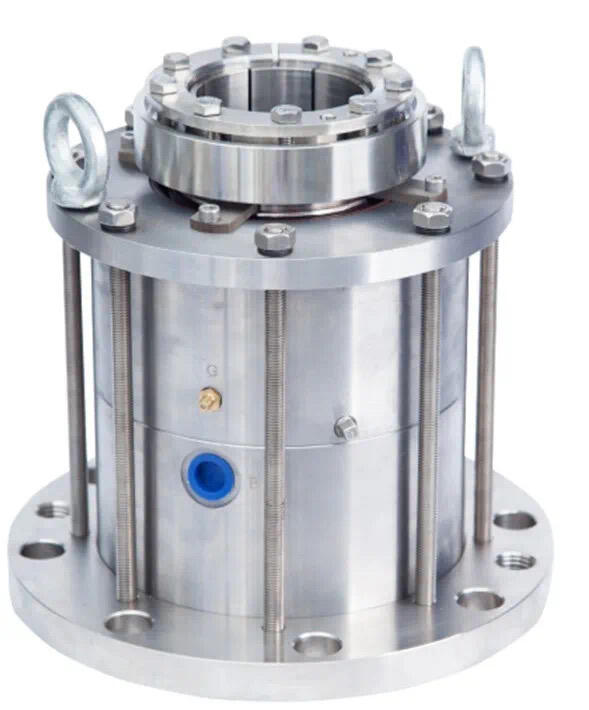
Mechanical seals for liquid oxygen applications represent cutting-edge sealing technology specifically engineered to handle the unique challenges of cryogenic oxygen environments. These specialized seals serve as critical components in various industrial systems where liquid oxygen is processed, stored, or transported. The primary function of these mechanical seals for liquid oxygen applications is to prevent leakage between rotating and stationary equipment parts while maintaining system integrity under extreme temperature conditions ranging from -183°C to ambient temperatures. These seals effectively contain liquid oxygen within pumps, compressors, mixers, and other rotating equipment, ensuring safe and efficient operations in aerospace, medical, industrial gas, and chemical processing industries. The technological features of mechanical seals for liquid oxygen applications include advanced material compositions that resist embrittlement at cryogenic temperatures, specialized face geometries that accommodate thermal expansion and contraction, and innovative lubrication systems that function reliably in oxygen-rich environments. These seals incorporate fire-resistant materials that comply with oxygen service standards, ensuring compatibility with high-purity oxygen applications. The seal faces typically utilize materials such as silicon carbide, tungsten carbide, or specialized ceramics that maintain their properties at extremely low temperatures. Secondary sealing elements employ fluorocarbon elastomers or PTFE-based compounds that remain flexible and effective in cryogenic conditions. Applications for mechanical seals for liquid oxygen applications span multiple industries, including rocket propulsion systems, medical oxygen concentrators, industrial oxygen production facilities, steel manufacturing plants, and semiconductor fabrication equipment. In aerospace applications, these seals enable reliable operation of liquid oxygen pumps in rocket engines and fuel systems. Medical applications rely on these seals for oxygen generation and purification equipment that supports life-saving treatments. Industrial applications include oxygen production plants, where these seals ensure continuous operation of critical pumping and compression equipment while maintaining the purity standards required for various manufacturing processes.

New Product Releases

The advantages of mechanical seals for liquid oxygen applications provide substantial practical benefits that directly impact operational efficiency, safety, and cost-effectiveness for end users. These specialized seals deliver exceptional reliability in extreme cryogenic environments, significantly reducing maintenance downtime and associated costs. Unlike conventional sealing solutions, mechanical seals for liquid oxygen applications maintain consistent performance across wide temperature ranges, eliminating the frequent replacements required by standard seals that fail under cryogenic stress. This reliability translates to increased equipment uptime and improved production continuity for manufacturing facilities. Safety represents another crucial advantage, as these seals prevent dangerous oxygen leaks that could create fire or explosion hazards in industrial environments. The robust design of mechanical seals for liquid oxygen applications incorporates fire-resistant materials and configurations that meet stringent oxygen service standards, protecting both personnel and equipment. This enhanced safety profile reduces liability risks and helps companies maintain compliance with regulatory requirements. Cost savings emerge through multiple channels when using mechanical seals for liquid oxygen applications. The extended service life of these seals reduces replacement frequency, lowering both material costs and labor expenses associated with maintenance activities. Additionally, the superior sealing performance minimizes product loss, preserving valuable liquid oxygen that would otherwise escape through inferior sealing systems. Energy efficiency improvements result from reduced friction and optimized seal geometries, leading to lower power consumption in pumping and compression systems. The precision engineering of mechanical seals for liquid oxygen applications ensures minimal wear on shaft surfaces, extending the operational life of expensive rotating equipment and reducing overall maintenance costs. Installation simplicity represents another practical advantage, as these seals often feature standardized dimensions and mounting configurations that facilitate quick replacement during maintenance operations. Many designs incorporate self-aligning features that reduce installation errors and ensure proper seal operation from startup. The versatility of mechanical seals for liquid oxygen applications allows them to accommodate various shaft sizes and operating conditions, providing flexibility for equipment designers and maintenance teams. Quality assurance programs associated with these specialized seals typically include rigorous testing protocols that verify performance under actual operating conditions, giving users confidence in their investment and reducing the risk of unexpected failures.

Practical Tips

Agitator Seal Pressure Applications in Chemical and Pharmaceutical Plants

06

Aug

Agitator Seal Pressure Applications in Chemical and Pharmaceutical Plants

Importance of Sealing Integrity in Industrial Processing Environments In chemical and pharmaceutical plants, the integrity of sealing systems is vital for ensuring safety, process efficiency, and product quality. A small leakage or contamination due ...
View More
Agitator Seal Solutions for Chemical, Pharma & Food Processing

22

Dec

Agitator Seal Solutions for Chemical, Pharma & Food Processing

Industrial mixing operations in chemical, pharmaceutical, and food processing facilities rely heavily on dependable sealing solutions to maintain process integrity and operational efficiency. Agitator seals serve as critical components that prevent f...
View More
Complete Mechanical Seal Types Comparison for Industrial Pumps

13

Jan

Complete Mechanical Seal Types Comparison for Industrial Pumps

Industrial pumps represent the backbone of countless manufacturing processes, and their reliability depends heavily on proper sealing mechanisms. Understanding mechanical seal types is crucial for engineers and maintenance professionals who need to e...
View More
How Do Cartridge Mechanical Seals Simplify Installation Process?

13

Jan

How Do Cartridge Mechanical Seals Simplify Installation Process?

Modern industrial applications demand reliable sealing solutions that minimize downtime and reduce maintenance complexity. Cartridge Mechanical Seals have emerged as the preferred choice for engineers and maintenance professionals seeking efficient, ...
View More

Get a Free Quote

Our representative will contact you soon.
Email
Name
Company Name
Country/Region
Message
0/1000

mechanical seals for liquid oxygen applications

Advanced Cryogenic Material Technology

Advanced Cryogenic Material Technology

The cornerstone advantage of mechanical seals for liquid oxygen applications lies in their advanced cryogenic material technology, which represents a significant breakthrough in sealing engineering. These materials undergo specialized selection and treatment processes to maintain their mechanical properties and chemical compatibility at liquid oxygen temperatures of -183°C. The primary seal faces utilize premium-grade silicon carbide or tungsten carbide materials that resist thermal shock and maintain dimensional stability throughout repeated temperature cycling. This material technology prevents the brittle fracture that commonly affects standard sealing materials when exposed to cryogenic conditions. The secondary sealing elements employ specially formulated fluorocarbon compounds or modified PTFE materials that retain flexibility and sealing effectiveness at extremely low temperatures. Unlike conventional rubber seals that become rigid and crack in cryogenic environments, these advanced materials maintain their elastomeric properties, ensuring consistent sealing performance throughout the operational temperature range. The material selection process for mechanical seals for liquid oxygen applications also considers oxygen compatibility requirements, incorporating components that resist ignition and combustion in high-oxygen environments. This fire-resistant characteristic is crucial for safety in applications where any spark or heat generation could create catastrophic conditions. The manufacturing process includes specialized heat treatment and surface finishing techniques that enhance material performance and longevity. These treatments create optimal surface roughness characteristics that promote effective lubrication while minimizing wear rates. The result is a sealing system that maintains tight tolerances and reliable operation even after extended service periods. Quality control procedures for these materials include comprehensive testing for oxygen compatibility, thermal cycling resistance, and mechanical property retention at cryogenic temperatures. This rigorous material technology ensures that mechanical seals for liquid oxygen applications provide dependable service in the most demanding industrial environments while meeting strict safety and performance standards.
Precision-Engineered Seal Face Geometry

Precision-Engineered Seal Face Geometry

The precision-engineered seal face geometry of mechanical seals for liquid oxygen applications represents a sophisticated approach to managing the complex challenges of cryogenic sealing environments. This specialized geometry incorporates advanced design features that accommodate the significant thermal expansion and contraction cycles inherent in liquid oxygen systems. The seal faces feature carefully calculated surface profiles that maintain optimal contact pressure and lubrication throughout temperature transitions from ambient conditions to -183°C. These geometric designs include micro-grooves and surface textures that promote effective lubrication film formation while preventing excessive friction and heat generation. The face geometry of mechanical seals for liquid oxygen applications utilizes computational fluid dynamics modeling to optimize the balance between sealing effectiveness and operational stability. This engineering approach ensures that the sealing interface maintains proper alignment and contact pressure even when subjected to thermal distortion of surrounding equipment components. The precision manufacturing tolerances achieve flatness specifications measured in light bands, ensuring intimate contact between mating surfaces while accommodating the thermal growth differentials that occur during system operation. Specialized lapping and polishing techniques create surface finishes that promote stable operation and extended service life. The geometric design also incorporates features that manage the unique properties of liquid oxygen, including its low viscosity and high volatility. Surface modifications create controlled leakage paths that prevent dry running conditions while maintaining acceptable leakage rates for system operation. These design elements work together to create a self-lubricating interface that functions reliably without external lubrication systems that might contaminate the oxygen stream. The face geometry optimization extends to the spring-loading mechanisms that maintain proper contact pressure, incorporating temperature compensation features that adjust for thermal effects on spring materials. This comprehensive geometric approach ensures that mechanical seals for liquid oxygen applications maintain consistent performance throughout their service life, providing reliable sealing while minimizing maintenance requirements and operational disruptions.
Integrated Safety and Compliance Features

Integrated Safety and Compliance Features

The integrated safety and compliance features of mechanical seals for liquid oxygen applications establish these products as essential components for maintaining operational safety and regulatory compliance in oxygen-handling systems. These features address the unique hazards associated with liquid oxygen, including its high reactivity, oxidizing properties, and potential for supporting rapid combustion of organic materials. The safety engineering incorporates fire-resistant materials throughout the seal assembly, utilizing metals and ceramics that resist ignition even in pure oxygen environments under pressure. This material selection eliminates organic compounds that could serve as fuel sources, reducing fire and explosion risks in oxygen service applications. The compliance features ensure adherence to industry standards such as ASTM G63, ASTM G94, and NASA specifications for oxygen compatibility, providing documented evidence of safety performance for regulatory inspections and insurance requirements. Mechanical seals for liquid oxygen applications incorporate design features that prevent static electricity buildup, which could create ignition sources in oxygen-rich environments. Conductive materials and grounding provisions ensure that any electrical charges are safely dissipated, maintaining system safety during operation and maintenance activities. The seal assemblies include multiple containment barriers that provide backup sealing capability if primary sealing elements experience wear or damage, preventing catastrophic leakage incidents that could endanger personnel or equipment. Temperature monitoring capabilities integrated into advanced versions of mechanical seals for liquid oxygen applications provide early warning of potential problems, allowing operators to take corrective action before failures occur. These monitoring systems can interface with plant control systems to provide automatic shutdown capabilities when unsafe conditions are detected. The safety features extend to installation and maintenance procedures, with designs that minimize personnel exposure to cryogenic materials during service operations. Quick-disconnect features and specialized tools reduce the time required for maintenance activities while ensuring proper seal installation. Documentation packages accompanying mechanical seals for liquid oxygen applications include comprehensive safety data sheets, installation procedures, and maintenance guidelines that help facilities maintain compliance with occupational safety regulations and industry best practices for oxygen handling systems.

Get a Free Quote

Our representative will contact you soon.
Email
Name
Company Name
Country/Region
Message
0/1000