iso 9001 certified mechanical seals
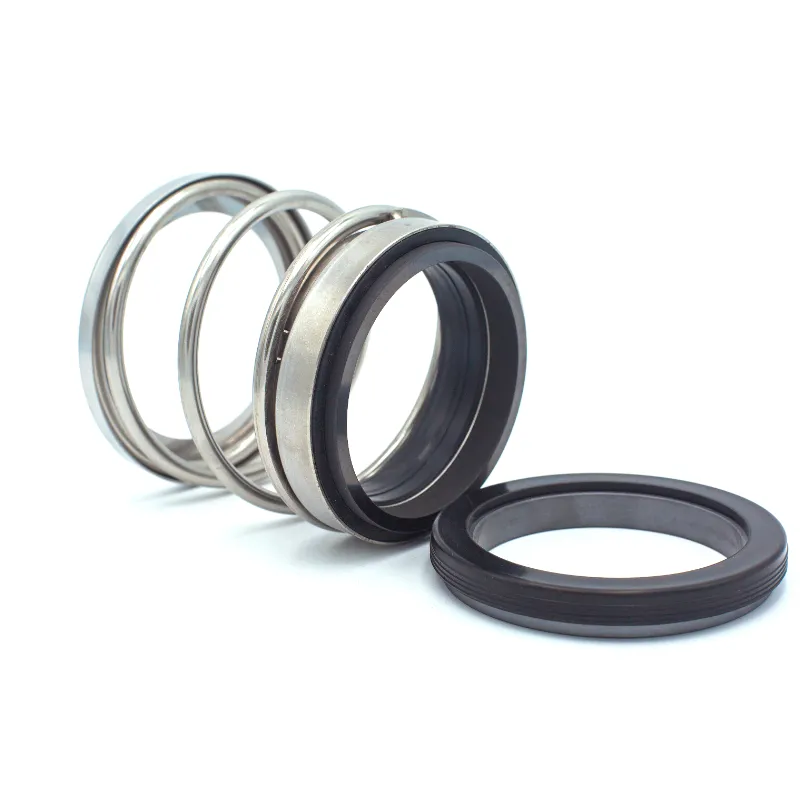
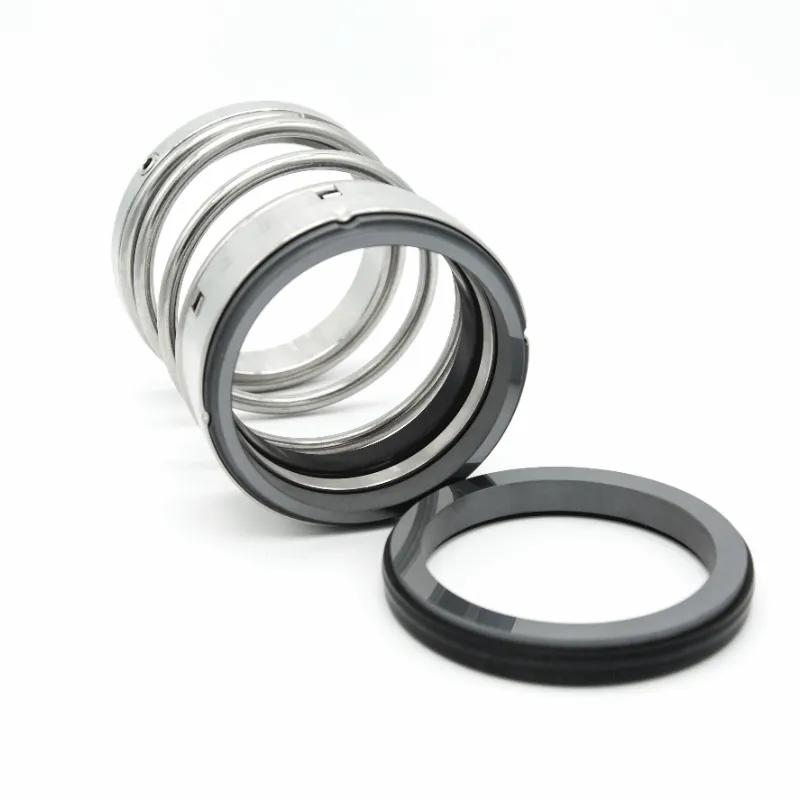
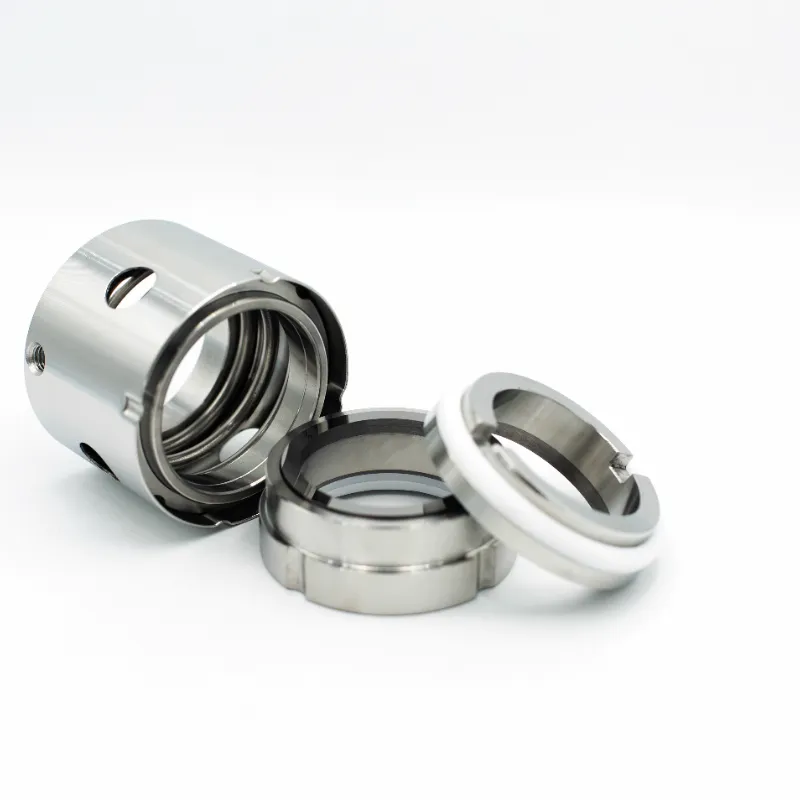
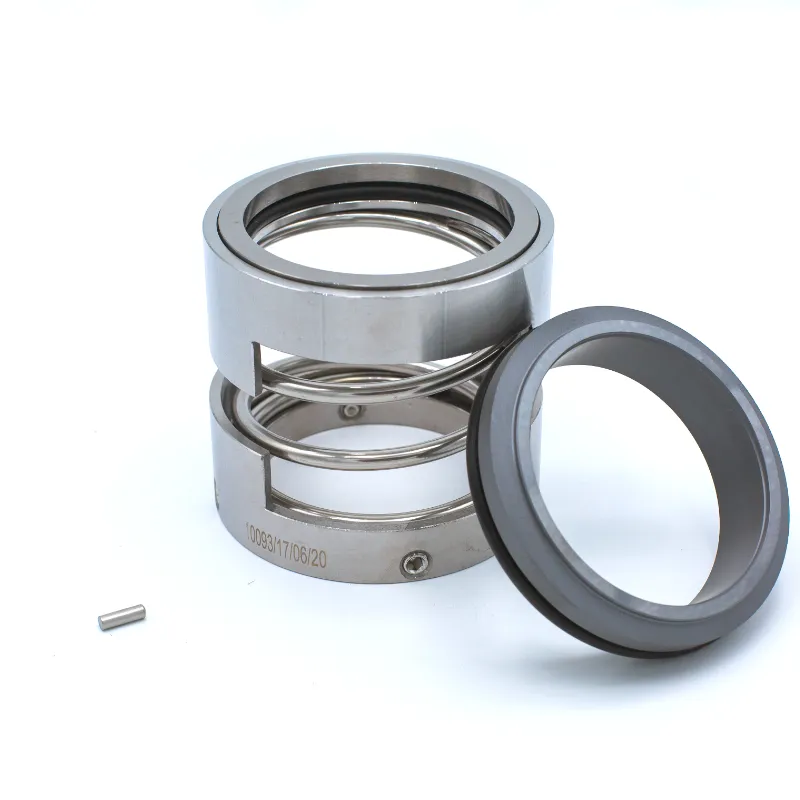
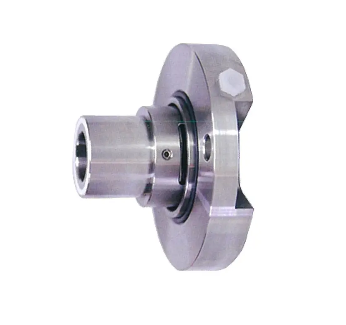
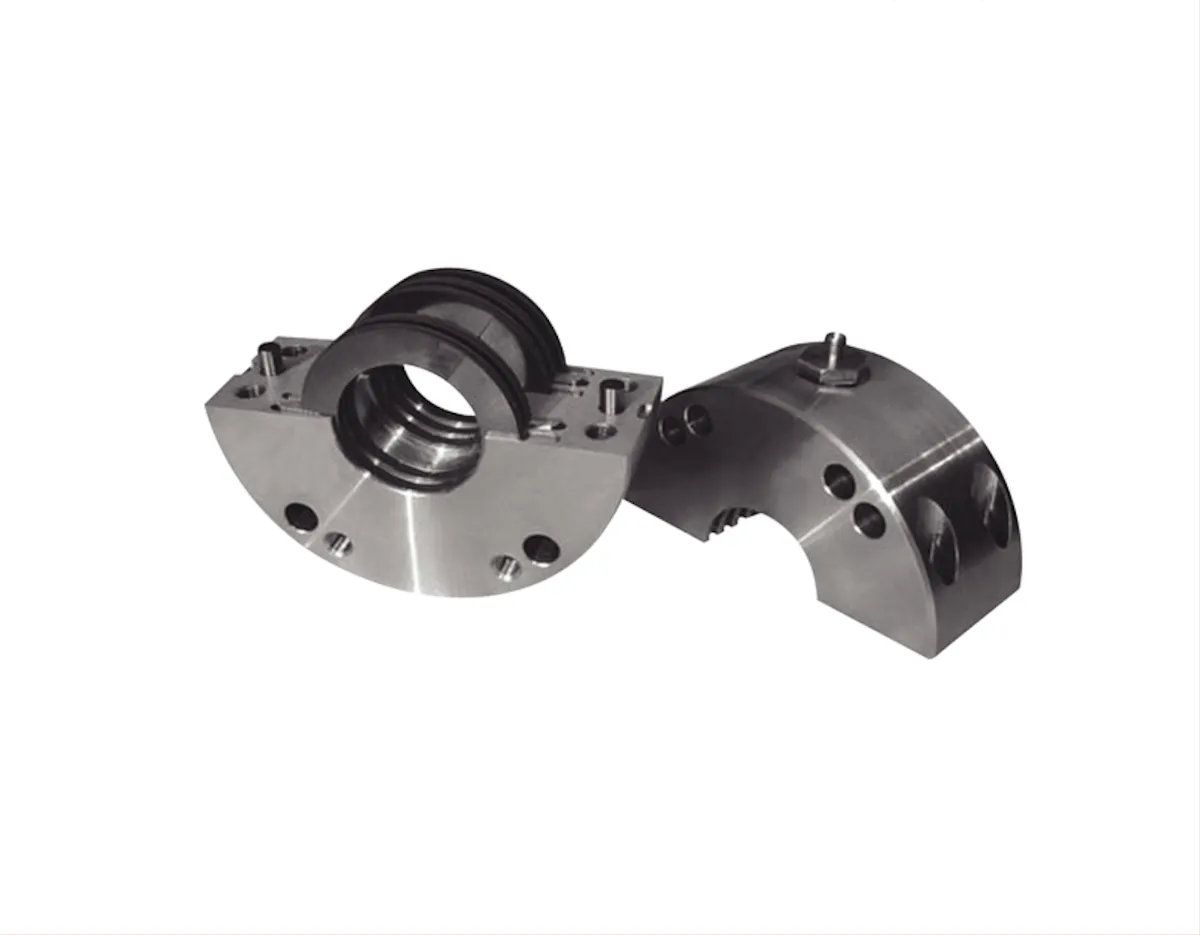
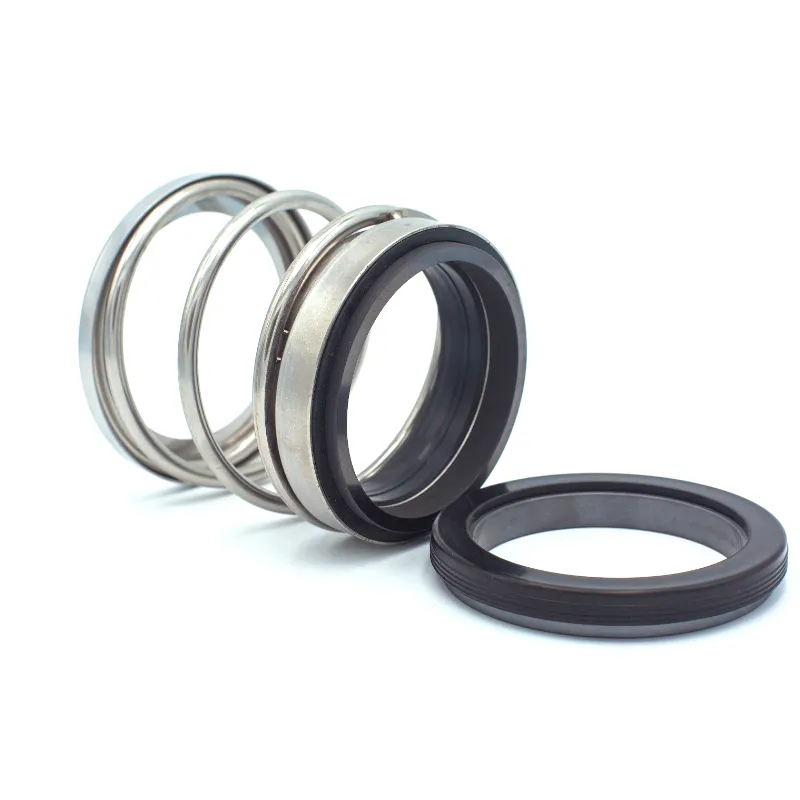
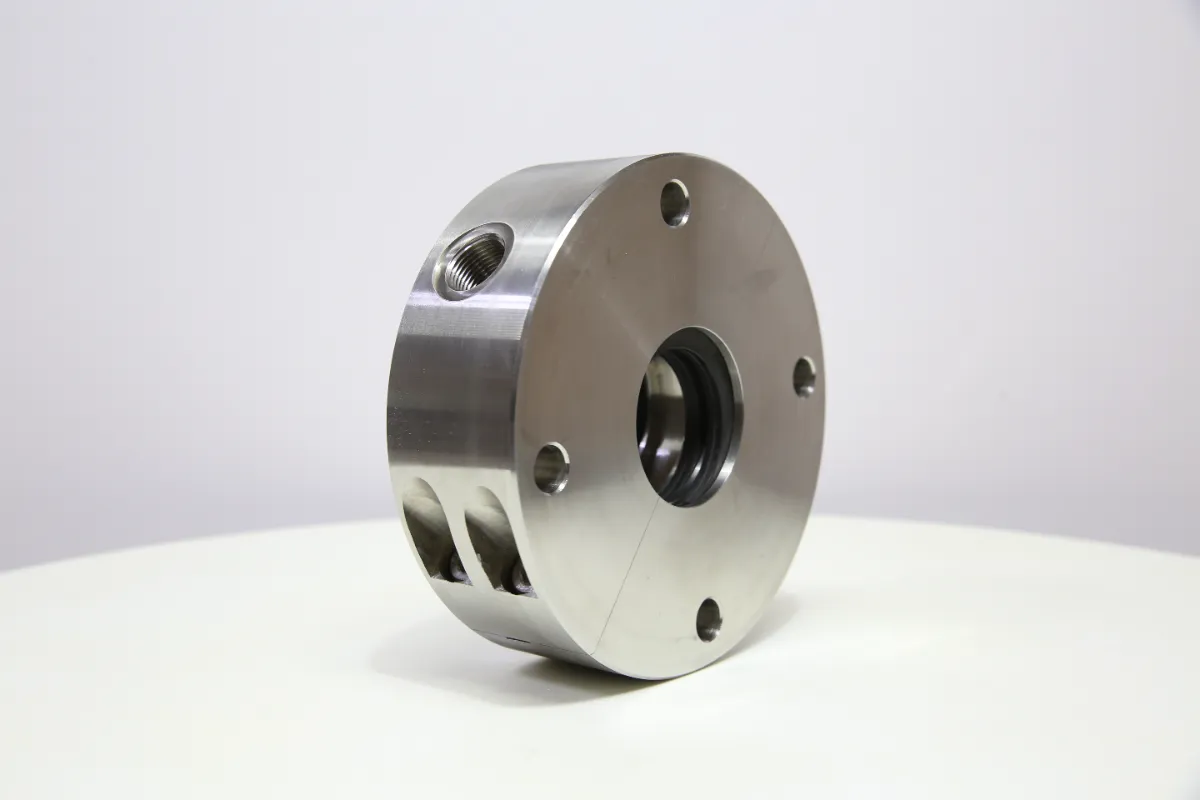
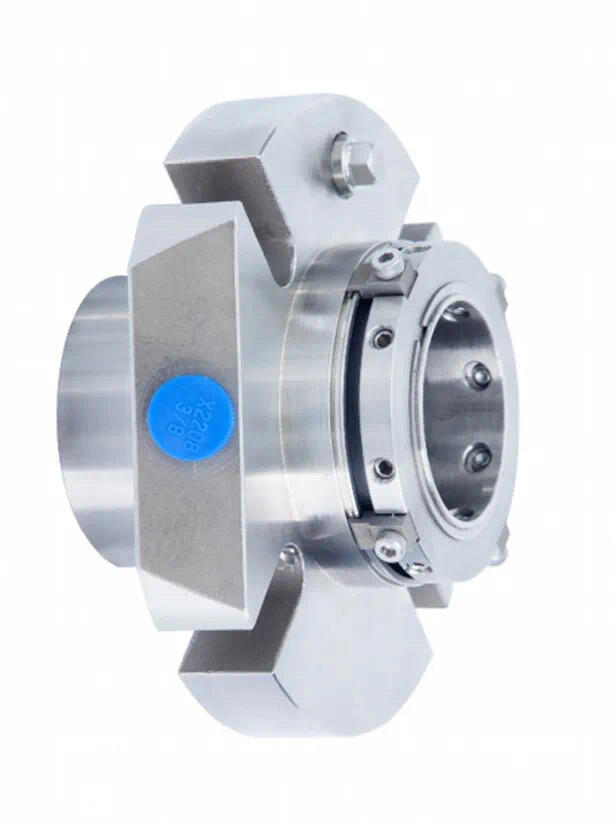
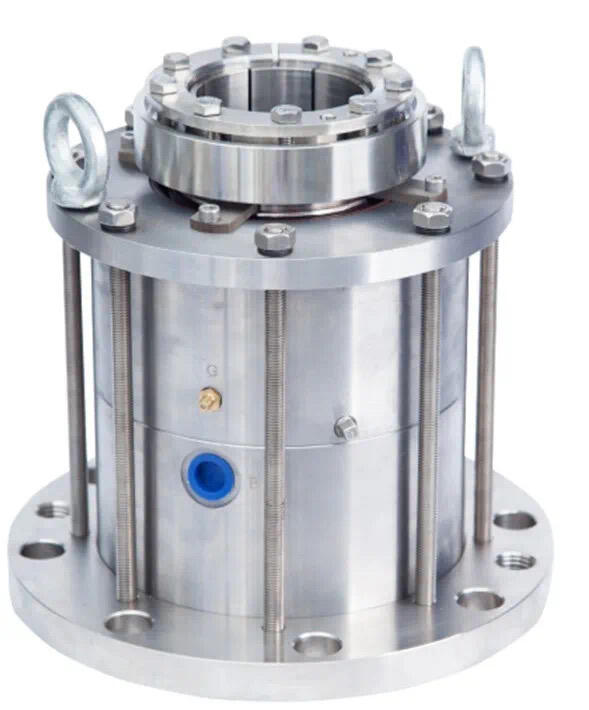
ISO 9001 certified mechanical seals represent the pinnacle of sealing technology, combining rigorous quality standards with advanced engineering solutions for industrial applications. These precision-engineered components serve as critical barriers between rotating and stationary parts in pumps, compressors, mixers, and other rotating equipment, preventing fluid leakage while maintaining operational efficiency. The ISO 9001 certification ensures that these mechanical seals are manufactured under strict quality management systems, guaranteeing consistent performance and reliability across diverse industrial environments. The primary function of ISO 9001 certified mechanical seals involves creating a dynamic seal between two surfaces, typically a rotating shaft and stationary housing, through precisely machined faces that maintain contact under controlled pressure. This sealing mechanism effectively contains process fluids, preventing contamination and environmental damage while protecting equipment from external contaminants. Technologically, these seals incorporate advanced materials such as silicon carbide, tungsten carbide, and specialized elastomers that withstand extreme temperatures, pressures, and chemical environments. The manufacturing process follows stringent ISO 9001 protocols, ensuring dimensional accuracy, surface finish quality, and material consistency that directly impact seal performance and longevity. Applications for ISO 9001 certified mechanical seals span numerous industries including chemical processing, petroleum refining, power generation, water treatment, pharmaceutical manufacturing, and food processing. In chemical plants, these seals handle corrosive media while maintaining zero-emission standards. Power generation facilities rely on them for cooling water pumps and steam systems. Water treatment operations depend on their reliability for continuous operation without contamination risks. The pharmaceutical industry values their sanitary design and compliance with regulatory standards. Food processing applications benefit from their ability to prevent product contamination while meeting strict hygiene requirements. The certification process involves comprehensive testing of materials, design validation, manufacturing process control, and quality assurance protocols that ensure each seal meets international standards for performance and durability.
 EN
EN