What is Mechanical Seal: Complete Guide to Industrial Sealing Solutions

Get a Free Quote

Our representative will contact you soon.
Email
Name
Company Name
Message
0/1000

what is mechanical seal

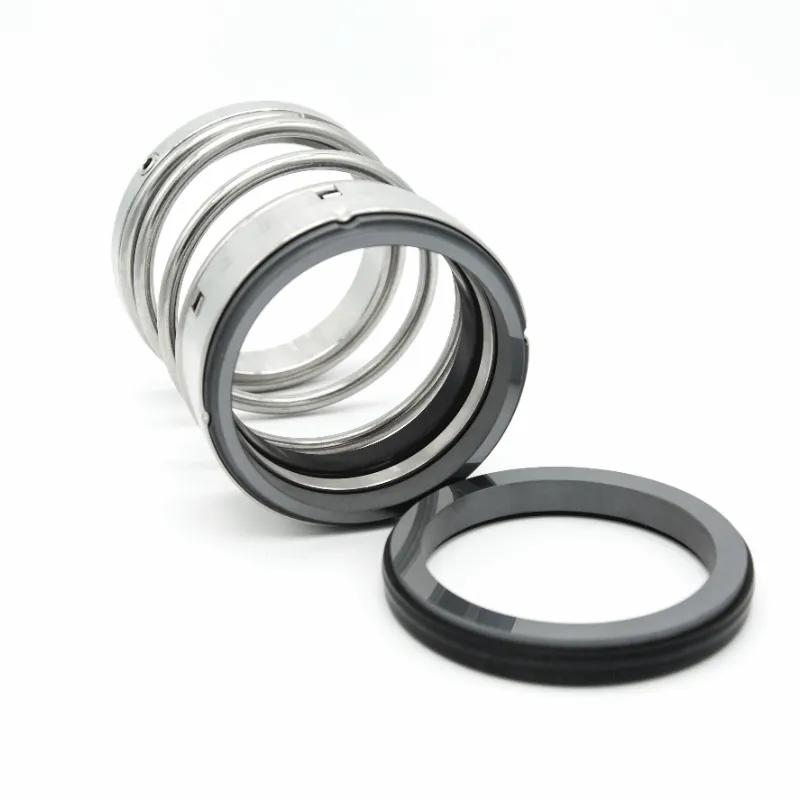
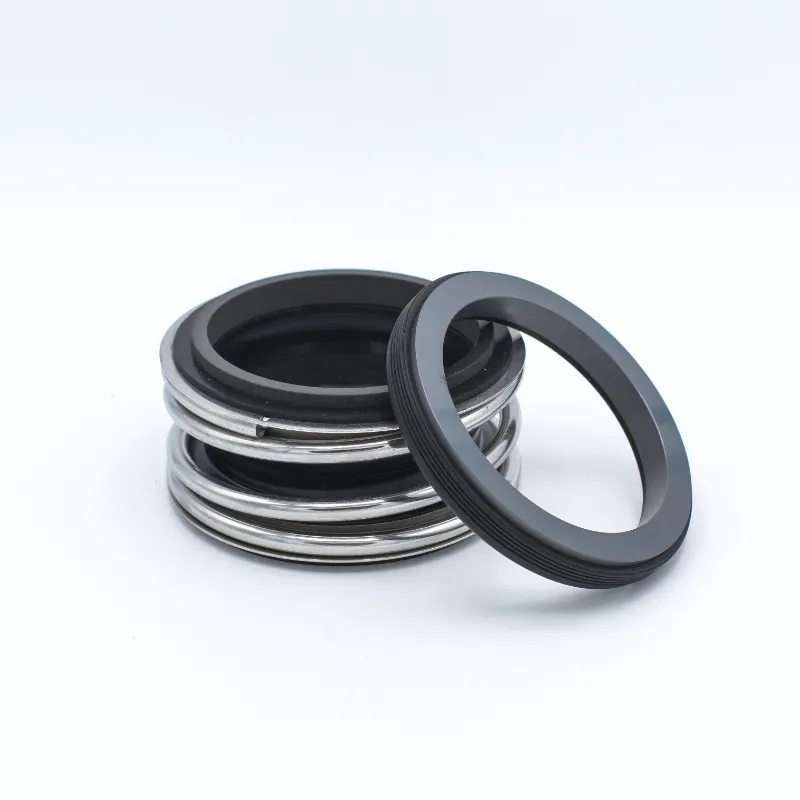
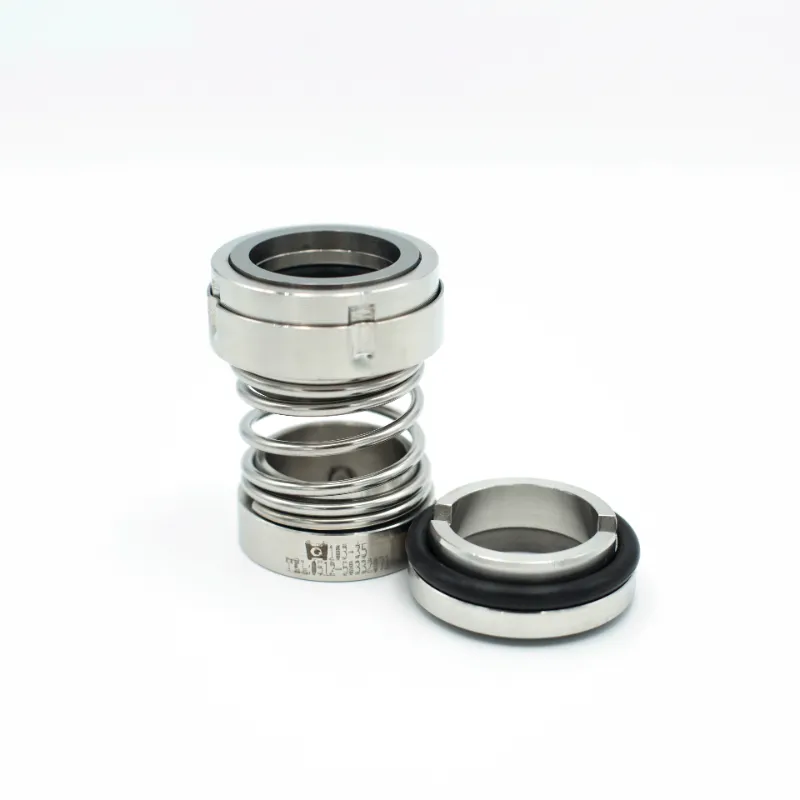
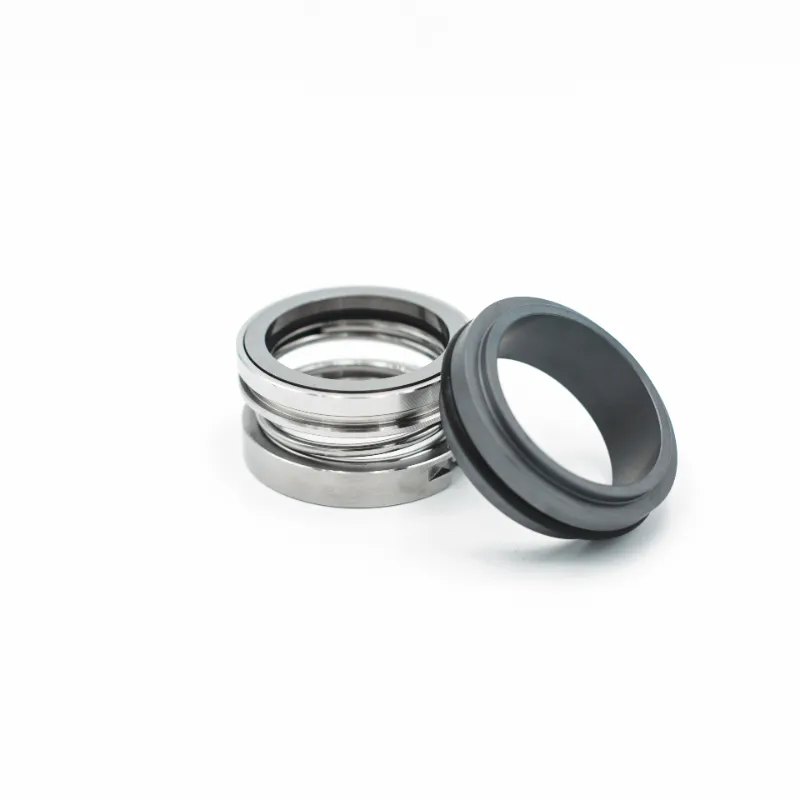
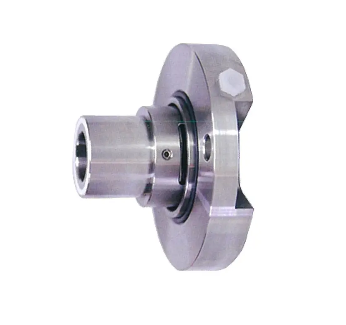
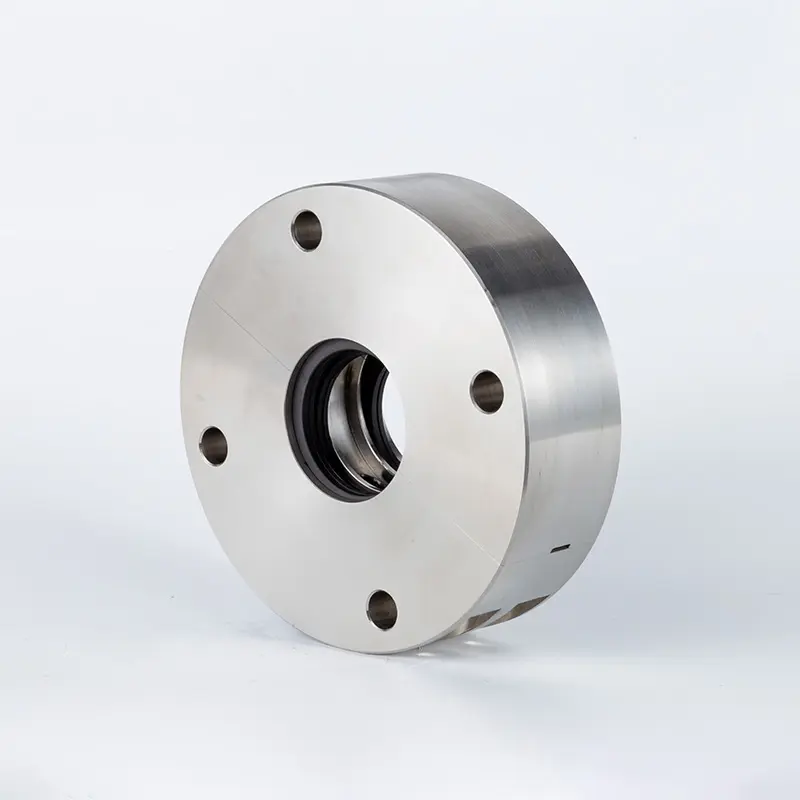
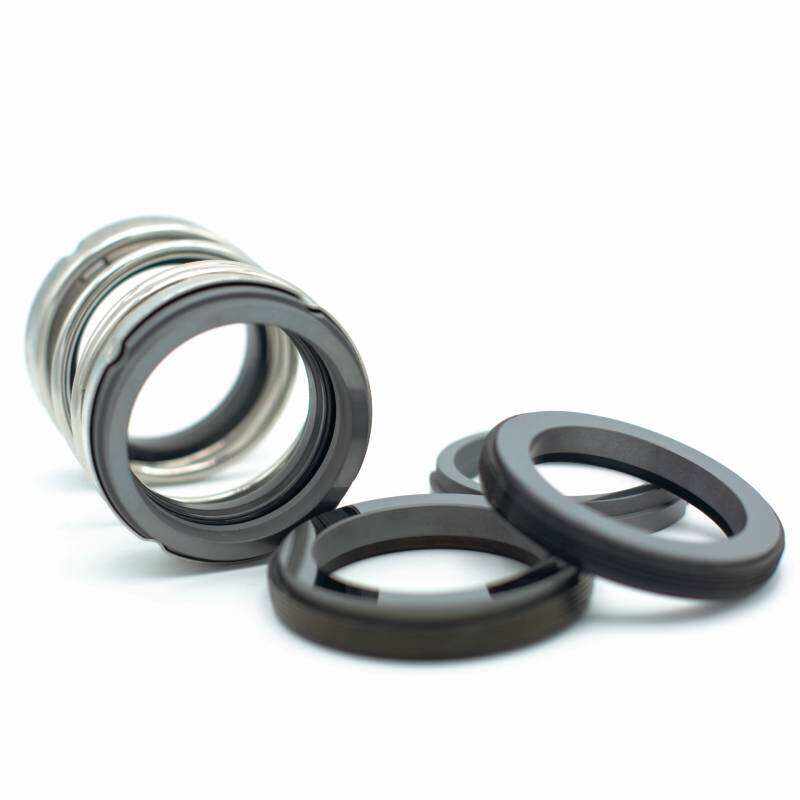
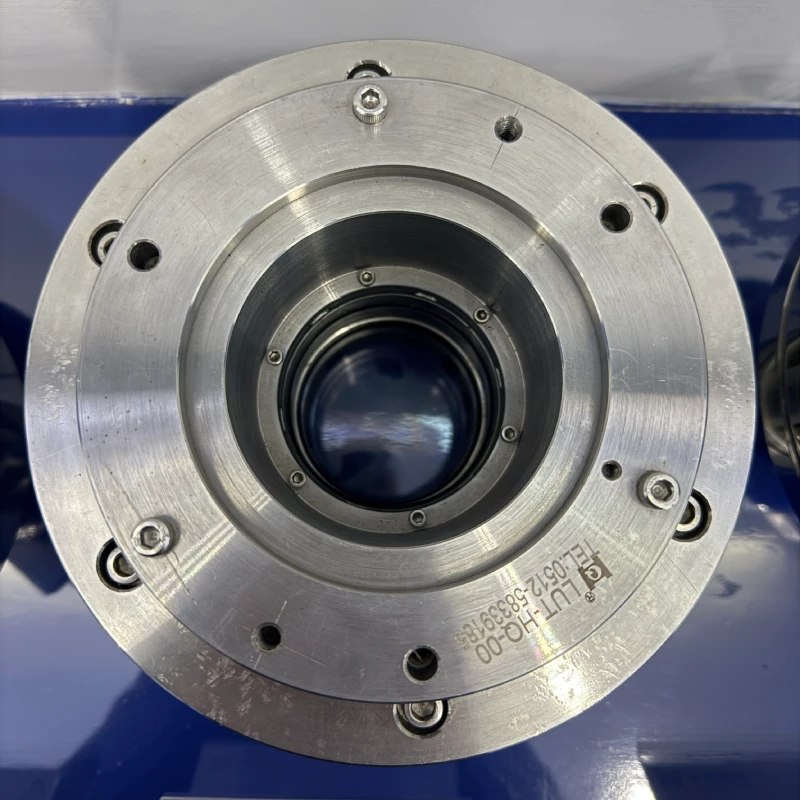
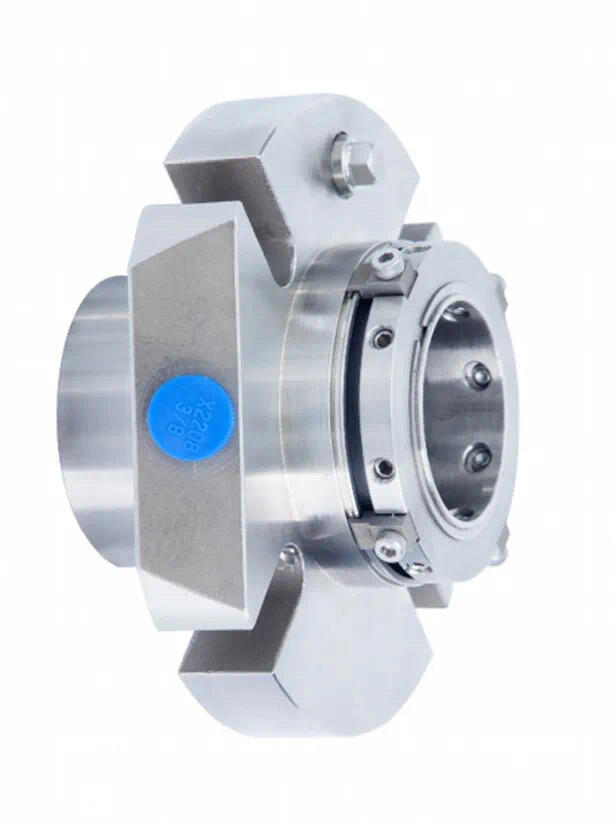
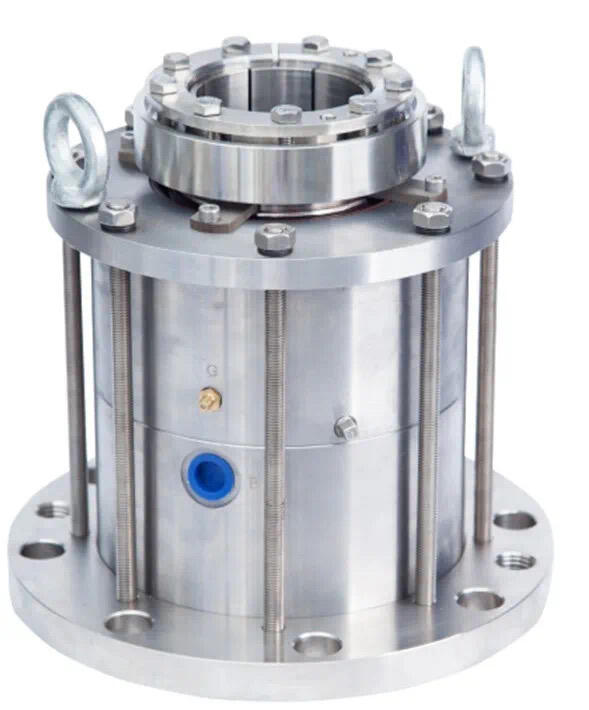
A mechanical seal represents a sophisticated sealing device designed to prevent fluid leakage between rotating and stationary machine components. Understanding what is mechanical seal begins with recognizing its fundamental purpose: creating a reliable barrier that maintains pressure integrity while allowing rotational movement in pumps, compressors, mixers, and various industrial equipment. The mechanical seal operates through precisely engineered surfaces that maintain contact under controlled conditions, effectively replacing traditional packing methods with superior performance characteristics. The core technology behind what is mechanical seal involves two primary sealing faces - typically one rotating with the shaft and one stationary within the equipment housing. These faces, manufactured from materials like carbon, ceramic, tungsten carbide, or specialized composites, create a microscopic sealing interface that prevents fluid escape. The sealing mechanism relies on balanced hydraulic forces, spring pressure, and precise face geometry to maintain optimal contact pressure across the sealing interface. Modern mechanical seals incorporate advanced features including secondary sealing elements, environmental controls, and sophisticated material combinations that enhance reliability and extend operational life. The technological sophistication of what is mechanical seal extends to its ability to handle extreme temperatures, corrosive chemicals, high pressures, and demanding operational conditions that would quickly destroy conventional sealing methods. Applications for mechanical seals span virtually every industry requiring fluid handling equipment. Chemical processing facilities utilize these seals in reactor pumps, transfer systems, and mixing equipment where chemical compatibility and zero-emission requirements are critical. Water treatment plants depend on mechanical seals for centrifugal pumps, ensuring reliable operation while preventing contamination. Oil refineries employ specialized mechanical seals in high-temperature, high-pressure applications where safety and environmental protection are paramount. Manufacturing industries use mechanical seals in cooling systems, hydraulic equipment, and process machinery where consistent performance directly impacts production efficiency and equipment longevity.

New Product Releases

The advantages of implementing what is mechanical seal technology significantly outperform traditional sealing methods across multiple operational parameters. Mechanical seals deliver exceptional leak prevention capabilities that virtually eliminate fluid loss, protecting both the environment and operational efficiency. This superior sealing performance directly translates into reduced maintenance costs, as operators no longer need frequent packing adjustments or replacements that characterize older sealing technologies. The reliability factor of what is mechanical seal technology ensures consistent equipment performance with minimal downtime, allowing businesses to maintain production schedules and meet delivery commitments without sealing-related interruptions. Energy efficiency represents another compelling advantage, as mechanical seals reduce friction losses compared to compressed packing systems, resulting in lower power consumption and reduced operating costs over the equipment lifecycle. The precision engineering inherent in what is mechanical seal design enables operation across broader temperature and pressure ranges, providing operational flexibility that traditional sealing methods cannot match. Safety improvements constitute a critical advantage, particularly in hazardous chemical processing environments where mechanical seals prevent dangerous fluid releases that could endanger personnel or create environmental incidents. The contamination prevention capabilities of mechanical seals protect product purity in food processing, pharmaceutical manufacturing, and other applications where cross-contamination poses serious quality risks. Maintenance predictability improves significantly with mechanical seals, as their wear patterns and failure modes are more predictable than traditional packing, enabling proactive maintenance scheduling and inventory management. The extended service life of what is mechanical seal technology reduces replacement frequency, minimizing both material costs and labor expenses associated with seal changes. Equipment protection benefits include reduced shaft wear, bearing protection from contamination, and elimination of packing-induced shaft scoring that can require expensive repairs. Cost-effectiveness emerges through reduced total ownership costs, despite higher initial investment, as mechanical seals deliver superior reliability, longer service intervals, and reduced maintenance requirements that generate substantial savings over time. Environmental compliance advantages help facilities meet increasingly stringent emission regulations while demonstrating corporate responsibility through reduced environmental impact and improved workplace safety conditions.

Latest News

Best Above Ground Well Pumps for Efficient Water Flow

19

Sep

Best Above Ground Well Pumps for Efficient Water Flow

Types of Above Ground Well Pumps for Efficient Flow Shallow Well Jet Pumps: Ideal for Shallow Water Tables Shallow well jet pumps are specifically designed to lift water from depths of up to 25 feet, making them ideal for rural or suburban areas wit...
View More
Common Challenges with Agitator Seals in Bioreactors

21

Jul

Common Challenges with Agitator Seals in Bioreactors

Sealing Systems in Sterile and Pressure-Sensitive Environments Bioreactors operate under highly controlled conditions, where sterility, pressure balance, and agitation efficiency must all coexist seamlessly. Among the critical components enabling thi...
View More
Cartex Mechanical Seal Solutions for Heavy-Duty Pumping Systems

22

Dec

Cartex Mechanical Seal Solutions for Heavy-Duty Pumping Systems

Industrial pumping systems demand exceptional reliability and performance, especially when handling aggressive fluids and operating under extreme conditions. Modern mechanical seal technology has evolved to meet these challenges, with advanced soluti...
View More
How Do Cartridge Mechanical Seals Simplify Installation Process?

13

Jan

How Do Cartridge Mechanical Seals Simplify Installation Process?

Modern industrial applications demand reliable sealing solutions that minimize downtime and reduce maintenance complexity. Cartridge Mechanical Seals have emerged as the preferred choice for engineers and maintenance professionals seeking efficient, ...
View More

Get a Free Quote

Our representative will contact you soon.
Email
Name
Company Name
Country/Region
Message
0/1000

what is mechanical seal

Superior Leak Prevention and Environmental Protection

Superior Leak Prevention and Environmental Protection

The leak prevention capabilities of what is mechanical seal technology represent a revolutionary advancement in fluid containment that delivers unparalleled environmental protection and operational efficiency. Unlike traditional packing methods that inherently allow controlled leakage as part of their sealing mechanism, mechanical seals create virtually zero-emission barriers that prevent fluid escape under normal operating conditions. This exceptional sealing performance stems from the precision-engineered sealing faces that maintain microscopic contact across the entire sealing interface, creating an effective barrier against fluid migration. The environmental benefits of what is mechanical seal implementation extend far beyond simple leak prevention, encompassing comprehensive protection against soil contamination, groundwater pollution, and atmospheric emissions that increasingly concern regulatory agencies and community stakeholders. Industries handling hazardous chemicals, petroleum products, or other environmentally sensitive fluids particularly benefit from mechanical seal technology, as even minor leaks can result in significant environmental damage, costly cleanup operations, and substantial regulatory penalties. The reliability of mechanical seal leak prevention enables facilities to achieve and maintain environmental compliance while protecting their operational reputation and avoiding the financial consequences of environmental incidents. Modern mechanical seal designs incorporate multiple containment barriers, including primary and secondary sealing elements that provide redundant protection against fluid escape, ensuring that even if primary sealing faces experience wear or damage, secondary systems maintain containment integrity. The precision manufacturing tolerances inherent in what is mechanical seal production ensure consistent sealing performance across varying operational conditions, temperature fluctuations, and pressure changes that might compromise less sophisticated sealing methods. Quality assurance programs implemented by reputable mechanical seal manufacturers include rigorous testing protocols that verify leak prevention capabilities under simulated operational conditions, providing customers with confidence in long-term environmental protection. The economic implications of superior leak prevention extend beyond environmental compliance to include reduced product loss, improved process efficiency, and enhanced safety conditions that protect both personnel and equipment from exposure to hazardous substances.
Extended Equipment Life and Reduced Maintenance Requirements

Extended Equipment Life and Reduced Maintenance Requirements

The implementation of what is mechanical seal technology dramatically extends equipment operational life while simultaneously reducing maintenance requirements, creating substantial cost savings and operational advantages for industrial facilities. Traditional packing systems require frequent adjustment, replacement, and monitoring to maintain acceptable sealing performance, consuming significant maintenance resources and creating ongoing operational disruptions. Mechanical seals eliminate these recurring maintenance demands through their self-contained design that maintains consistent sealing performance throughout their extended service life without requiring periodic adjustments or interventions. The protective benefits of what is mechanical seal installation extend throughout the entire pump or equipment assembly, as effective sealing prevents contamination of internal components, reduces bearing wear, and protects shaft surfaces from scoring or corrosion that can necessitate expensive repairs or complete equipment replacement. The predictable wear patterns exhibited by mechanical seals enable proactive maintenance planning that optimizes resource allocation while minimizing unexpected equipment failures that disrupt production schedules and increase emergency repair costs. Quality mechanical seals operate reliably for years under proper conditions, compared to packing systems that may require attention every few months, resulting in dramatically reduced maintenance labor costs and improved equipment availability for productive operations. The engineering precision built into what is mechanical seal design ensures optimal load distribution across sealing faces, preventing the uneven wear patterns that characterize less sophisticated sealing methods and extending overall service life. Material selection plays a crucial role in mechanical seal longevity, with advanced face materials like silicon carbide, tungsten carbide, and specialized ceramics providing exceptional wear resistance and chemical compatibility that maintains sealing effectiveness even in demanding applications. Installation quality significantly impacts mechanical seal performance and longevity, requiring proper shaft alignment, appropriate installation torques, and correct system flushing procedures that ensure optimal operating conditions from initial startup. Condition monitoring technologies integrated with modern mechanical seal systems provide early warning indicators of potential issues, enabling scheduled maintenance interventions that prevent catastrophic failures and extend equipment operational life while maintaining production continuity.
Versatile Application Range and Operational Flexibility

Versatile Application Range and Operational Flexibility

The extraordinary versatility of what is mechanical seal technology enables successful implementation across diverse industrial applications, from gentle water circulation systems to extreme high-pressure, high-temperature chemical processing environments that challenge conventional sealing methods. This operational flexibility stems from the modular design approach that allows mechanical seal manufacturers to configure sealing systems using different face materials, spring arrangements, and secondary sealing components that optimize performance for specific application requirements. Chemical compatibility represents a fundamental advantage of what is mechanical seal technology, as the wide selection of available face materials and elastomeric components enables effective sealing of virtually any fluid, from benign water-based solutions to highly corrosive acids, caustic chemicals, and exotic solvents that would rapidly destroy traditional sealing materials. Temperature tolerance capabilities of mechanical seals span an impressive range, with specialized designs operating effectively from cryogenic applications below minus 200 degrees Fahrenheit to high-temperature processes exceeding 500 degrees Fahrenheit, providing sealing solutions for applications that exceed the capabilities of conventional packing systems. Pressure handling capacity varies significantly among mechanical seal designs, with standard configurations effectively sealing low-pressure applications while specialized heavy-duty seals manage pressures exceeding several thousand pounds per square inch, demonstrating the scalability of what is mechanical seal technology across diverse operational requirements. Installation flexibility accommodates various shaft sizes, housing configurations, and space constraints that characterize different equipment designs, with cartridge-style mechanical seals particularly suited for retrofit applications where existing equipment modifications must be minimized. Performance optimization features built into advanced mechanical seal designs include balanced configurations that reduce face loading in high-pressure applications, unbalanced designs for low-pressure services, and pusher or non-pusher arrangements that accommodate different shaft movement characteristics. The adaptability of what is mechanical seal technology extends to specialized applications including slurry handling, where hardened face materials and robust spring systems maintain sealing effectiveness despite abrasive particle contamination that would quickly damage conventional sealing methods. Custom engineering capabilities offered by leading mechanical seal manufacturers enable development of application-specific solutions that address unique operational challenges, ensuring optimal performance even in the most demanding industrial environments while maintaining the reliability and efficiency advantages that characterize mechanical seal technology.

Get a Free Quote

Our representative will contact you soon.
Email
Name
Company Name
Country/Region
Message
0/1000