 EN
EN


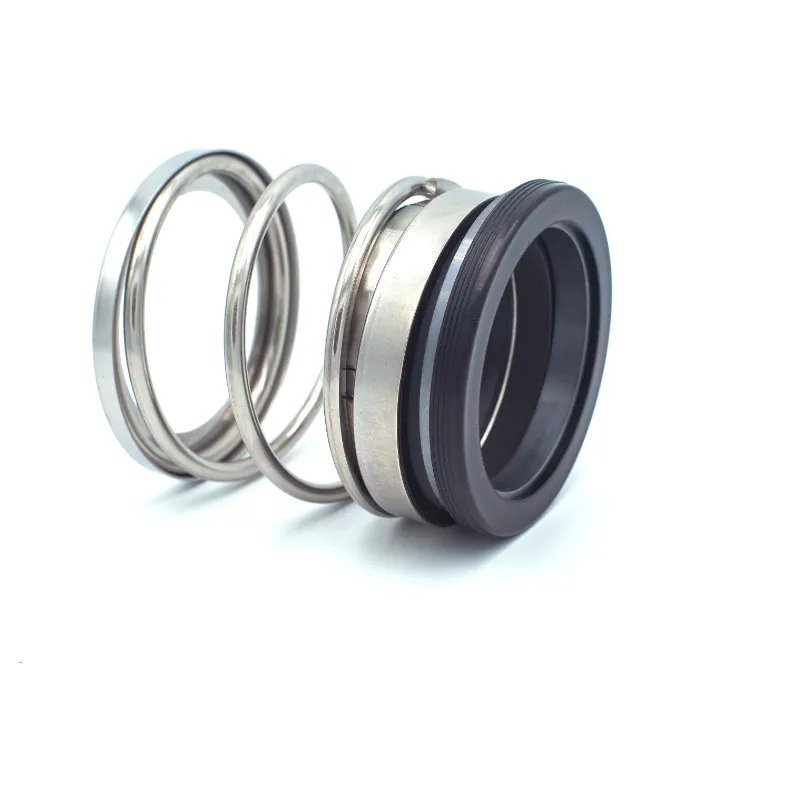
Industrial pumps operate under extreme conditions where even minor component failures can lead to catastrophic system breakdowns and costly downtime. Among all pump components, the seal face stands as one of the most critical elements determining operational reliability and longevity. A high-quality seal face acts as the primary barrier preventing fluid leakage while maintaining optimal pump performance across diverse industrial applications. Understanding how advanced seal face technology reduces leakage rates and extends equipment life is essential for engineers and maintenance professionals seeking to optimize their pumping systems.
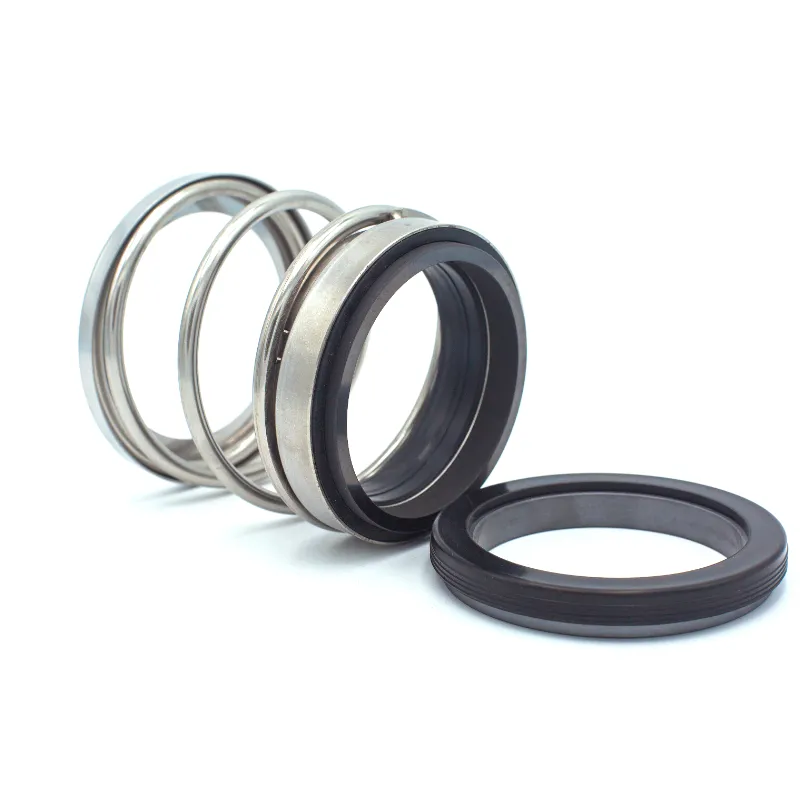
Understanding Seal Face Technology and Materials
Advanced Materials in Modern Seal Face Construction
Modern seal face technology relies heavily on advanced materials that offer superior wear resistance and chemical compatibility. Silicon carbide represents one of the most popular choices for high-performance applications due to its exceptional hardness and corrosion resistance. This ceramic material maintains dimensional stability under extreme temperatures and pressures, making it ideal for demanding industrial environments. Carbon-graphite combinations provide excellent thermal conductivity and self-lubricating properties, particularly beneficial in applications where external lubrication is limited.
Tungsten carbide seal faces deliver outstanding durability in abrasive environments where conventional materials would fail rapidly. The material's extreme hardness ensures minimal wear even when handling fluids containing suspended particles or abrasive compounds. Ceramic seal face options, including alumina and zirconia variants, offer excellent chemical inertness and thermal shock resistance. These materials maintain their sealing properties across wide temperature ranges while resisting degradation from aggressive chemicals commonly found in industrial processes.
Surface Finishing and Precision Manufacturing
The effectiveness of any seal face depends significantly on surface finishing quality and manufacturing precision. Advanced machining techniques achieve surface roughness values as low as 0.1 micrometers, creating mirror-like finishes that minimize friction and wear. Precision lapping processes ensure flatness tolerances within nanometer ranges, enabling optimal contact between mating seal faces. These manufacturing standards directly impact sealing effectiveness and operational longevity.
Computer-controlled grinding systems maintain consistent geometry across the entire seal face surface, eliminating microscopic imperfections that could compromise sealing integrity. Surface treatments such as diamond-like carbon coatings further enhance wear resistance while reducing friction coefficients. Quality control measures including coordinate measuring machines verify dimensional accuracy throughout the manufacturing process, ensuring each seal face meets stringent performance specifications.
Mechanisms of Leakage Prevention
Primary Sealing Principles
A properly functioning seal face creates an effective barrier through precise mechanical contact between stationary and rotating surfaces. The sealing mechanism relies on maintaining optimal contact pressure while accommodating thermal expansion and minor shaft deflections. Hydraulic balance systems within the seal design counteract process fluid pressure, preventing excessive contact forces that could cause premature wear or heat generation.
Face geometry plays a crucial role in establishing and maintaining effective sealing contact. Slight face modifications, including angular adjustments measured in arc-minutes, optimize pressure distribution and create favorable operating conditions. These geometric refinements ensure uniform contact across the entire sealing interface while promoting stable operation under varying process conditions.
Dynamic Sealing Performance
During operation, the seal face must accommodate various dynamic forces including shaft runout, axial movement, and thermal growth. Advanced seal designs incorporate spring-loading mechanisms that maintain consistent contact pressure throughout these operational variations. The spring system compensates for face wear over time, automatically adjusting to maintain optimal sealing performance throughout the component's service life.
Lubrication film formation between mating seal faces prevents direct solid-to-solid contact while maintaining sealing effectiveness. This microscopic fluid film, typically measured in micrometers, provides lubrication and cooling while preventing excessive wear. The balance between adequate lubrication and minimal leakage represents a critical design optimization that high-quality seal face systems achieve through precise engineering.
Impact on Pump Operational Efficiency
Reduction in Energy Consumption
High-quality seal face technology significantly reduces pump energy consumption through multiple mechanisms. Reduced friction between sealing surfaces decreases parasitic power losses that would otherwise convert mechanical energy into waste heat. Advanced materials with lower friction coefficients require less driving force to maintain rotation, directly translating into reduced motor power requirements and lower operational costs.
Elimination of excessive leakage prevents the need for makeup water or process fluid, reducing the load on upstream pumping systems. This cascading effect improves overall system efficiency while reducing environmental impact from fluid waste. Proper sealing also maintains system pressure, preventing cavitation conditions that could damage impellers and reduce pumping efficiency.
Temperature Management and Thermal Stability
Effective seal face design incorporates thermal management features that prevent excessive heat generation during operation. Heat dissipation through the seal housing and surrounding components maintains face temperatures within acceptable ranges, preventing thermal distortion that could compromise sealing effectiveness. Some advanced designs include cooling circulation systems that actively remove heat from the sealing interface.
Thermal stability of seal face materials ensures consistent performance across operating temperature ranges. Materials with low thermal expansion coefficients maintain proper contact geometry even during thermal cycling, preventing leakage that could occur with dimensional instability. This thermal management directly contributes to extended equipment life by preventing heat-related component degradation.
Extending Equipment Service Life
Wear Resistance and Durability Factors
Superior wear resistance represents the primary mechanism through which high-quality seal face components extend pump service life. Advanced materials resist abrasive wear from suspended particles while maintaining dimensional accuracy over extended operating periods. This durability reduces maintenance frequency and eliminates unscheduled downtime associated with seal failures.
Chemical compatibility between seal face materials and process fluids prevents corrosion and chemical attack that could degrade sealing surfaces. Proper material selection based on fluid composition and operating conditions ensures long-term stability and performance. Regular monitoring of seal face condition through vibration analysis and leak detection systems enables predictive maintenance strategies that maximize component life.
Preventive Maintenance Integration
Modern seal face systems incorporate design features that facilitate maintenance and inspection procedures. Cartridge-style assemblies enable rapid replacement without extensive pump disassembly, minimizing downtime during scheduled maintenance. Standardized interfaces allow for easy retrofitting of improved seal face technology into existing pump installations.
Condition monitoring capabilities built into advanced seal designs provide real-time feedback on seal face performance and wear rates. These monitoring systems enable maintenance teams to schedule replacements based on actual condition rather than arbitrary time intervals, optimizing both component life and maintenance costs. Integration with plant monitoring systems provides comprehensive data for maintenance planning and reliability analysis.
Industry Applications and Performance Benefits
Chemical Processing Applications
Chemical processing facilities demand exceptional seal face performance due to aggressive fluid characteristics and critical safety requirements. High-quality seal face technology prevents hazardous material leakage while maintaining process integrity under extreme chemical conditions. Advanced materials resist corrosion from acids, bases, and organic solvents commonly encountered in chemical manufacturing processes.
Temperature cycling in chemical processes creates additional challenges that premium seal face designs address through thermal compensation mechanisms. Rapid temperature changes that could cause thermal shock in inferior materials are accommodated through careful material selection and design optimization. This thermal resilience ensures consistent sealing performance throughout various process conditions and seasonal variations.
Water Treatment and Municipal Systems
Municipal water treatment facilities benefit significantly from reliable seal face technology that prevents contamination while maintaining system pressure. Clean water applications require seal face materials that resist chlorine and other treatment chemicals without degrading over time. The longevity of high-quality seal face components reduces maintenance burdens on municipal systems with limited maintenance resources.
Wastewater handling applications present unique challenges including abrasive suspended solids and varying fluid compositions. Robust seal face designs accommodate these challenging conditions while maintaining effective sealing throughout the treatment process. This reliability ensures environmental compliance while minimizing operational disruptions that could impact public health and safety.
Cost-Benefit Analysis and Return on Investment
Initial Investment Considerations
While high-quality seal face components require greater initial investment compared to standard alternatives, the total cost of ownership analysis demonstrates significant long-term savings. Premium materials and precision manufacturing processes increase upfront costs but deliver substantially longer service intervals and reduced maintenance requirements. This investment strategy pays dividends through reduced downtime and lower lifecycle costs.
Energy savings from improved seal face efficiency compound over time, creating substantial operational cost reductions. Lower friction losses and eliminated leakage translate directly into reduced power consumption and fluid replacement costs. These ongoing savings often recover the initial premium investment within the first year of operation, with continued benefits throughout the component's extended service life.
Maintenance Cost Reduction
Reduced maintenance frequency represents one of the most significant cost benefits from superior seal face technology. Extended service intervals reduce labor costs, spare parts consumption, and production downtime associated with maintenance activities. This reliability improvement enables facilities to optimize maintenance schedules and reduce emergency repair situations that incur premium costs.
Predictable seal face performance enables condition-based maintenance strategies that further optimize costs while maximizing equipment availability. Advanced monitoring capabilities provide early warning of potential issues, allowing planned maintenance during scheduled outages rather than emergency situations. This predictability improves overall plant reliability and operational efficiency.
Installation and Optimization Best Practices
Proper Installation Procedures
Correct installation procedures are crucial for realizing the full performance potential of high-quality seal face components. Precise alignment between shaft and seal housing prevents premature wear and ensures optimal contact between mating surfaces. Contamination prevention during installation protects precision surfaces from damage that could compromise sealing effectiveness.
Proper torque specifications and assembly sequences prevent distortion of seal face geometry that could create leakage paths. Installation tools designed specifically for seal face assemblies ensure consistent results while preventing damage to precision components. Training maintenance personnel on proper installation techniques maximizes the investment in premium seal face technology.
System Integration and Compatibility
Successful seal face implementation requires consideration of entire system compatibility including fluid properties, operating conditions, and existing equipment interfaces. Proper sizing ensures adequate cooling and lubrication while preventing excessive contact pressures that could reduce service life. System modifications may be necessary to optimize operating conditions for premium seal face performance.
Integration with existing monitoring and control systems enables comprehensive performance tracking and optimization. Data collection from seal face monitoring systems contributes to reliability databases that support continuous improvement initiatives. This systematic approach to seal face implementation maximizes performance benefits while building organizational knowledge for future applications.
FAQ
What factors determine seal face material selection for specific applications
Material selection depends primarily on fluid compatibility, operating temperature range, pressure conditions, and abrasive content. Chemical compatibility charts help identify suitable materials that resist corrosion and chemical attack from process fluids. Temperature considerations include both operating range and thermal cycling frequency, while pressure requirements determine necessary material strength and dimensional stability. Abrasive conditions may require harder materials like tungsten carbide or silicon carbide to maintain surface integrity over extended periods.
How often should seal face components be inspected or replaced
Inspection frequency varies based on operating conditions, fluid characteristics, and seal face quality. High-quality seal face components in moderate service conditions may operate for several years between inspections, while harsh environments require more frequent monitoring. Condition monitoring systems provide real-time feedback on seal face performance, enabling predictive maintenance schedules based on actual wear rates rather than arbitrary time intervals. Visual inspection during scheduled maintenance should check for wear patterns, surface damage, and proper alignment.
Can existing pumps be retrofitted with improved seal face technology
Most existing pumps can accommodate upgraded seal face technology through cartridge-style replacement assemblies. Retrofit compatibility depends on shaft size, seal chamber dimensions, and mounting configurations. Standard interface designs enable easy upgrading to premium materials and advanced seal face geometries without major pump modifications. Engineering evaluation ensures proper fit and optimal performance from upgraded components while maintaining original pump specifications and safety ratings.
What are the warning signs of seal face deterioration or failure
Early warning signs include increased leakage rates, elevated operating temperatures, unusual vibration patterns, and visible wear particles in seal flush systems. Gradual increases in power consumption may indicate increased friction from seal face wear or misalignment. Advanced monitoring systems detect these changes before visible leakage occurs, enabling proactive maintenance to prevent catastrophic failure. Regular monitoring of these parameters allows maintenance teams to schedule replacements during planned outages rather than emergency situations.