Single-Face Mechanical Seal Face: Cost-Effective Sealing Solutions for Industrial Applications

Get a Free Quote

Our representative will contact you soon.
Email
Name
Company Name
Message
0/1000

single-face mechanical seal face

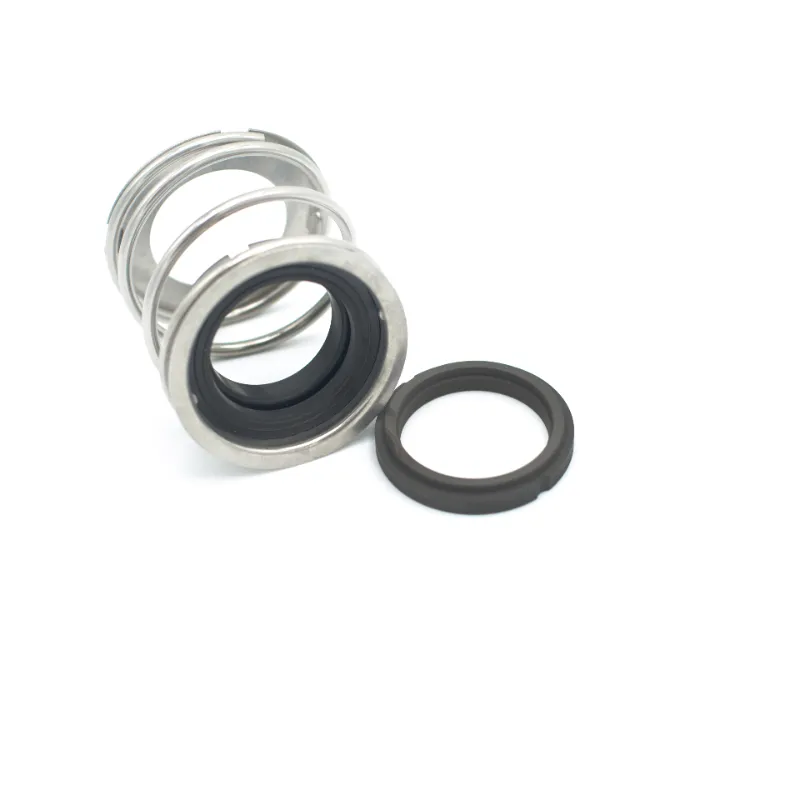
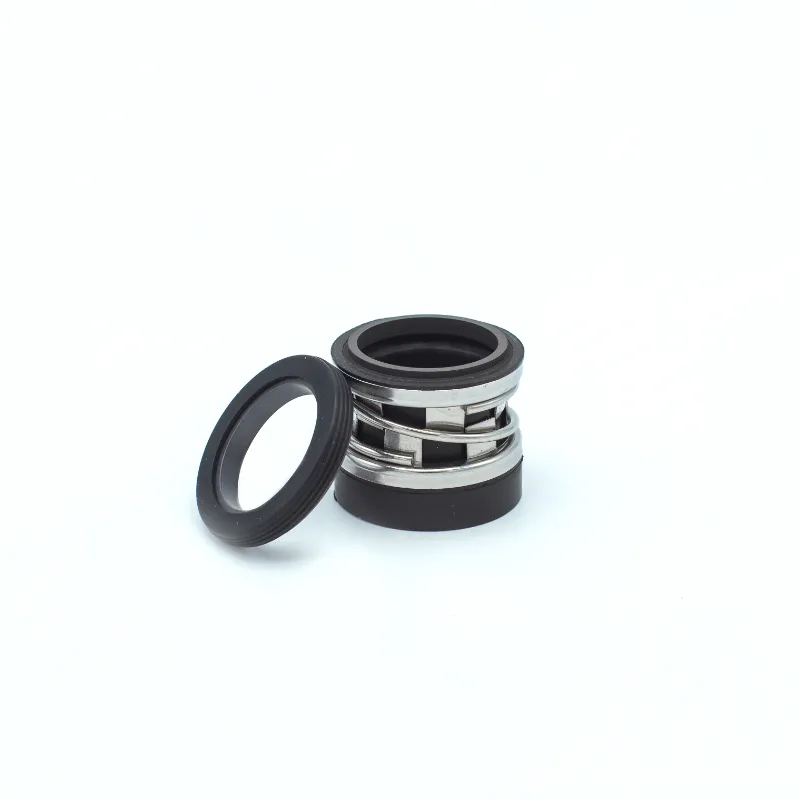
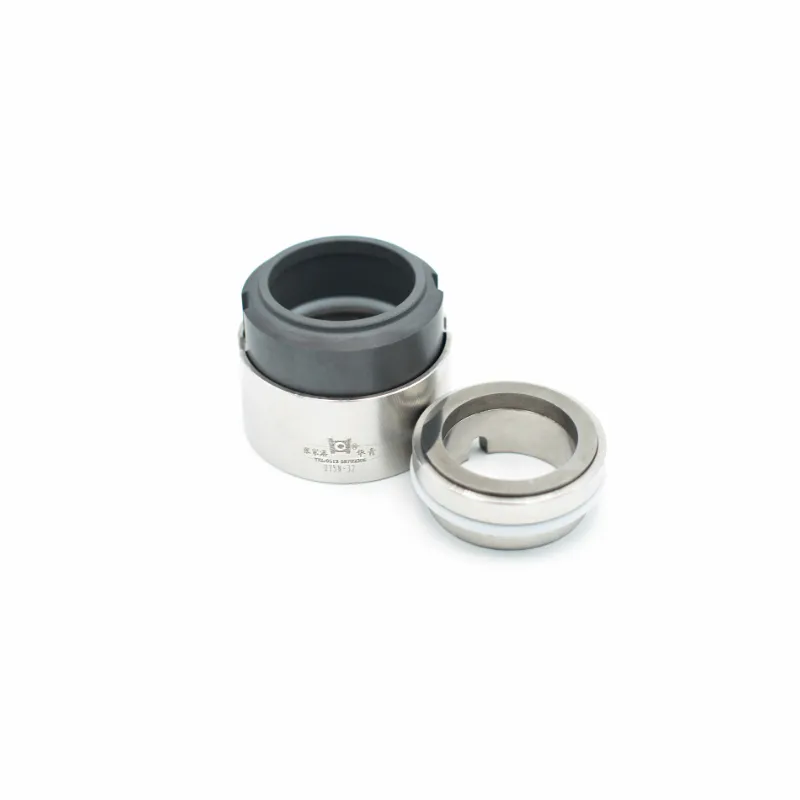
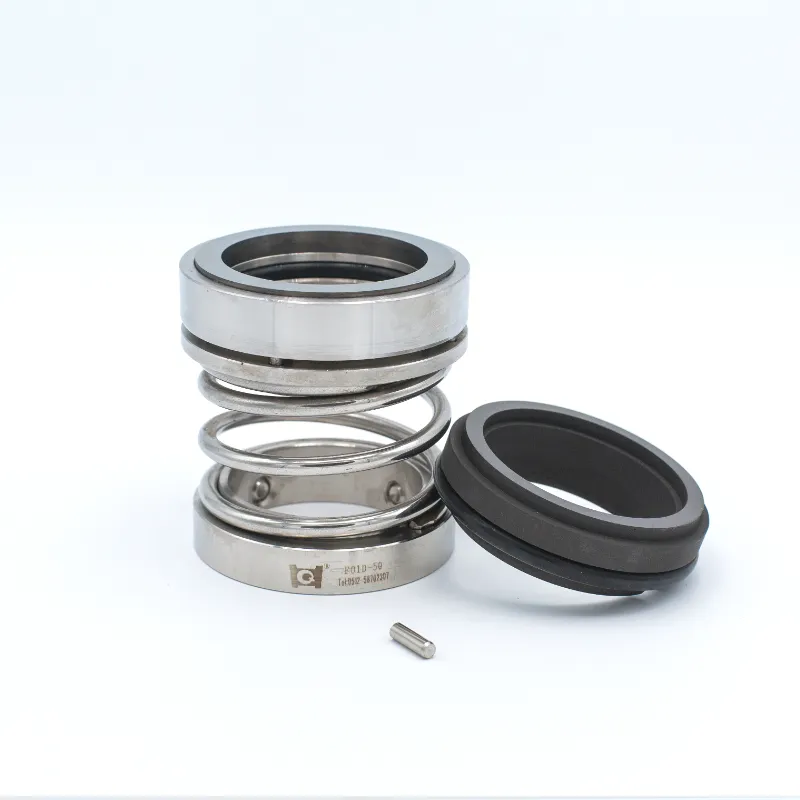
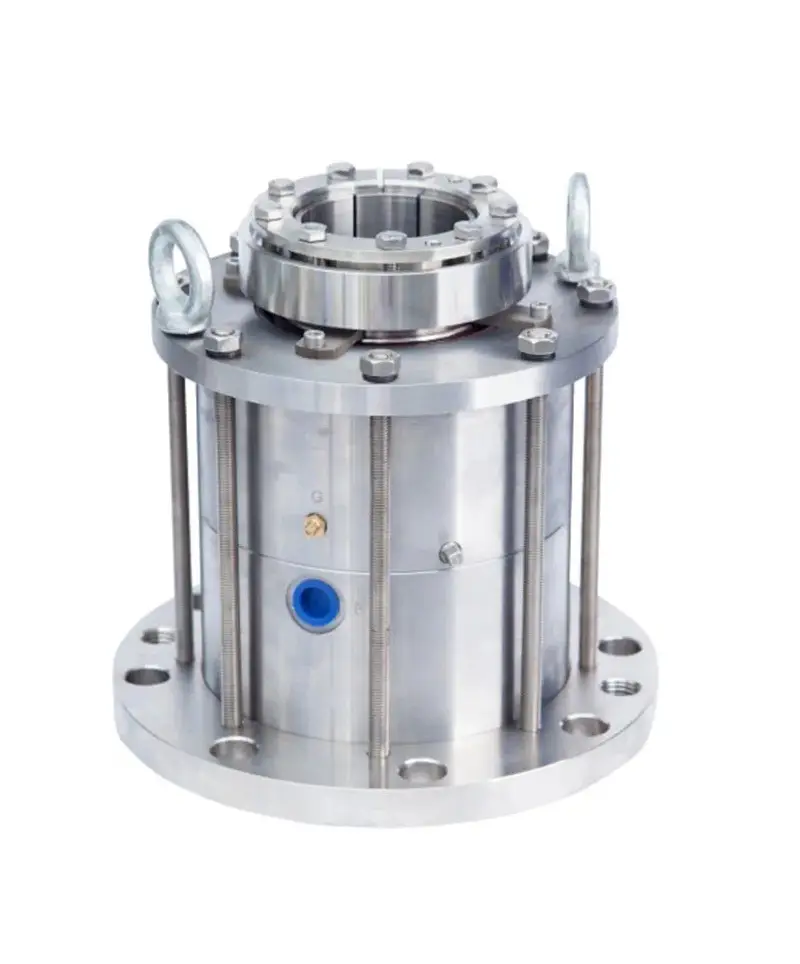
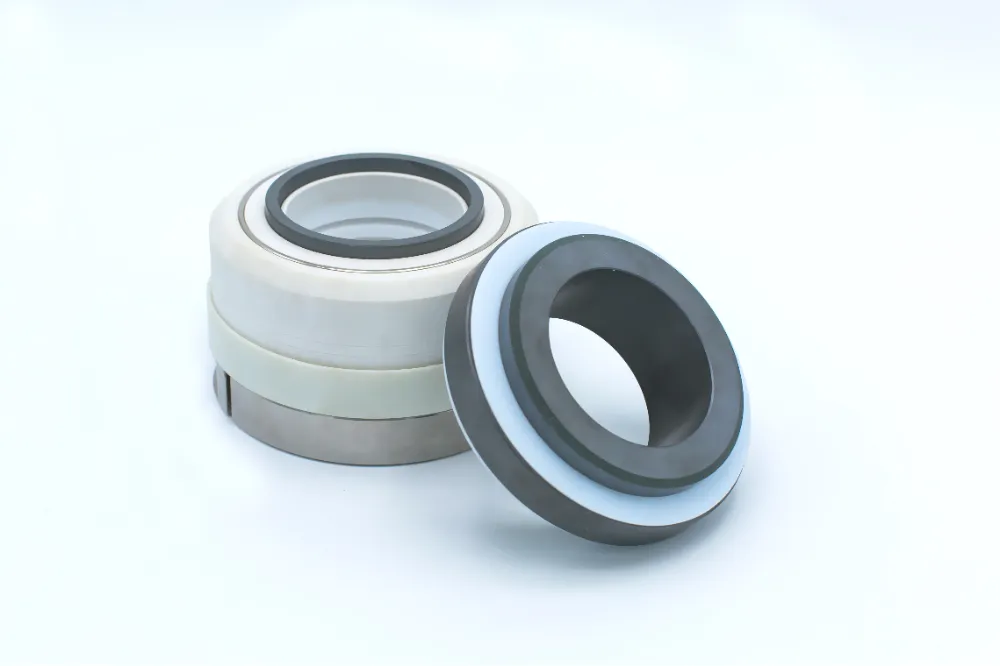
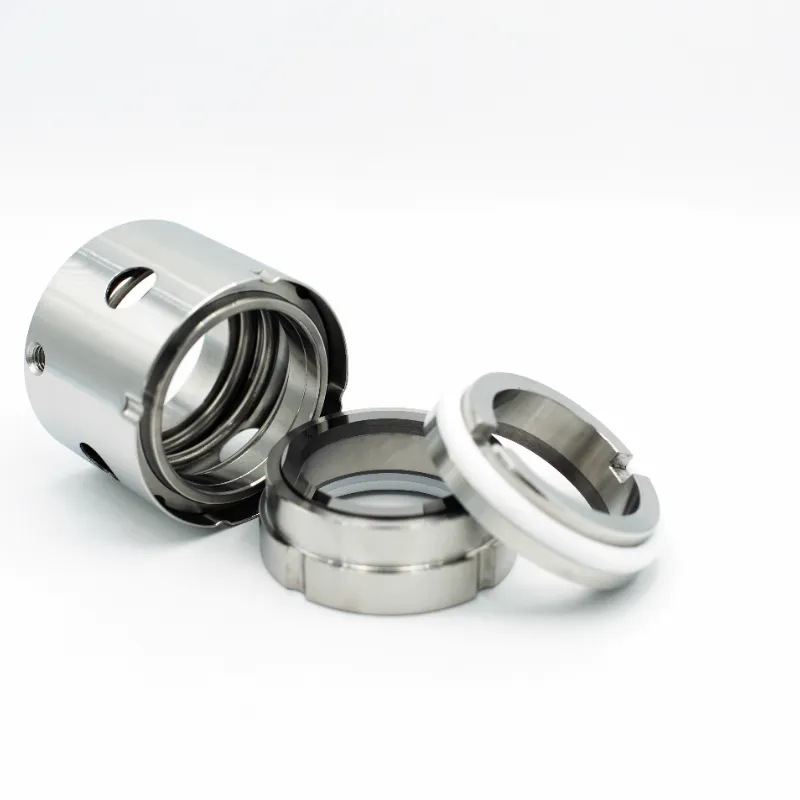
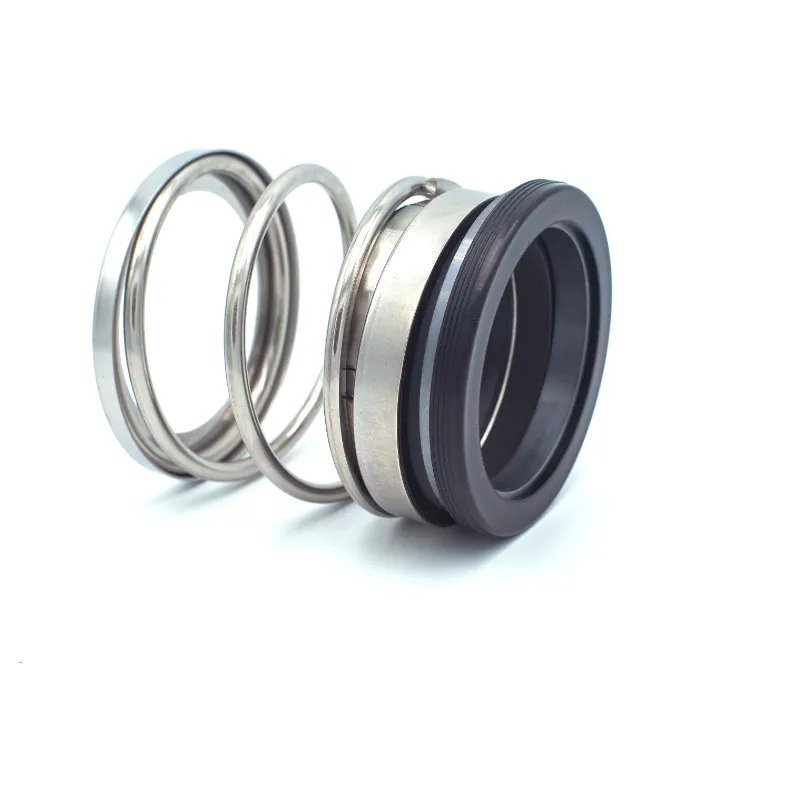
The single-face mechanical seal face represents a fundamental component in modern sealing technology, designed to provide reliable containment of fluids in rotating equipment. This essential element consists of a primary sealing interface where two precisely machined surfaces create a dynamic seal between stationary and rotating components. The single-face mechanical seal face operates through the principle of controlled leakage, maintaining a thin lubricating film between the sealing surfaces while preventing significant fluid escape. The design incorporates a stationary seal ring and a rotating seal ring, with the single-face mechanical seal face configuration utilizing one primary sealing interface. This arrangement makes it particularly suitable for applications where space constraints and cost considerations are paramount. The single-face mechanical seal face construction typically features materials such as carbon, ceramic, tungsten carbide, or silicon carbide, selected based on the specific operating conditions and fluid compatibility requirements. The sealing mechanism relies on precise surface flatness, appropriate spring loading, and proper installation to maintain optimal performance. Temperature management plays a crucial role in single-face mechanical seal face operation, as excessive heat can cause thermal distortion and premature failure. The single-face mechanical seal face design incorporates cooling and lubrication strategies to manage operating temperatures effectively. Manufacturing precision is critical for single-face mechanical seal face performance, with surface finishes typically measured in micro-inches and flatness tolerances maintained within tight specifications. The single-face mechanical seal face assembly includes secondary seals, springs, and hardware components that work together to ensure proper operation. Installation procedures for single-face mechanical seal face systems require careful attention to alignment, surface preparation, and torque specifications to achieve optimal sealing performance and longevity.

New Product Releases

The single-face mechanical seal face offers numerous practical benefits that make it an excellent choice for various industrial applications. Cost-effectiveness stands as the primary advantage, as the single-face mechanical seal face requires fewer components compared to double-face alternatives, resulting in lower initial investment and reduced inventory costs. Maintenance procedures become significantly simpler with single-face mechanical seal face systems, allowing technicians to perform routine inspections and replacements more efficiently. The single-face mechanical seal face design eliminates the complexity of managing dual sealing interfaces, reducing the potential points of failure and simplifying troubleshooting procedures. Installation time decreases substantially when using single-face mechanical seal face configurations, as technicians need to align and adjust only one primary sealing interface rather than multiple surfaces. The compact design of single-face mechanical seal face assemblies makes them ideal for applications with limited space constraints, allowing integration into smaller pump housings and equipment configurations. Energy efficiency improves with single-face mechanical seal face systems due to reduced friction losses compared to packing or other sealing methods, resulting in lower power consumption and operational costs. The single-face mechanical seal face provides consistent sealing performance across a wide range of operating conditions, maintaining reliable containment even during pressure and temperature fluctuations. Fluid contamination risks decrease significantly when using single-face mechanical seal face technology, as the controlled sealing interface prevents external contaminants from entering the system. The single-face mechanical seal face design offers excellent adaptability to various fluids, including corrosive chemicals, high-temperature liquids, and abrasive slurries, through appropriate material selection. Leak detection becomes more straightforward with single-face mechanical seal face systems, as any fluid escape occurs at a single, easily monitored location. The single-face mechanical seal face construction provides superior reliability compared to traditional packing, eliminating the need for frequent adjustments and reducing unplanned downtime. Environmental benefits result from single-face mechanical seal face implementation, as the improved sealing performance reduces fugitive emissions and minimizes environmental impact.

Tips And Tricks

Avoiding Downtime: Seal Solutions for Top-Entry Agitators

21

Jul

Avoiding Downtime: Seal Solutions for Top-Entry Agitators

Maximizing Equipment Availability in Industrial Mixing Systems Industrial processes rely heavily on consistent performance, particularly in sectors such as chemical manufacturing, food production, and pharmaceuticals. One of the most critical compone...
View More
Agitator Seal Pressure Applications in Chemical and Pharmaceutical Plants

06

Aug

Agitator Seal Pressure Applications in Chemical and Pharmaceutical Plants

Importance of Sealing Integrity in Industrial Processing Environments In chemical and pharmaceutical plants, the integrity of sealing systems is vital for ensuring safety, process efficiency, and product quality. A small leakage or contamination due ...
View More
Can Cartridge Mechanical Seals Reduce Downtime and Maintenance Needs?

22

Dec

Can Cartridge Mechanical Seals Reduce Downtime and Maintenance Needs?

Industrial facilities across manufacturing, chemical processing, and oil refining sectors face constant pressure to minimize equipment downtime while maximizing operational efficiency. One critical component that significantly impacts these goals is ...
View More
How Do Cartridge Mechanical Seals Simplify Installation Process?

13

Jan

How Do Cartridge Mechanical Seals Simplify Installation Process?

Modern industrial applications demand reliable sealing solutions that minimize downtime and reduce maintenance complexity. Cartridge Mechanical Seals have emerged as the preferred choice for engineers and maintenance professionals seeking efficient, ...
View More

Get a Free Quote

Our representative will contact you soon.
Email
Name
Company Name
Country/Region
Message
0/1000

single-face mechanical seal face

Superior Cost-Effectiveness and Simplified Maintenance

Superior Cost-Effectiveness and Simplified Maintenance

The single-face mechanical seal face delivers exceptional value through its streamlined design that significantly reduces both initial costs and ongoing maintenance expenses. Unlike complex double-face configurations, the single-face mechanical seal face utilizes a simplified architecture that requires fewer precision-manufactured components, resulting in lower procurement costs for end users. This cost advantage extends beyond the initial purchase, as replacement parts inventory requirements decrease substantially when standardizing on single-face mechanical seal face systems. Maintenance teams appreciate the straightforward approach to servicing single-face mechanical seal face assemblies, as the single sealing interface eliminates the complexity of managing multiple sealing surfaces simultaneously. The single-face mechanical seal face design allows technicians to focus their attention on one critical sealing point, improving diagnostic accuracy and reducing troubleshooting time. Training requirements for maintenance personnel become more manageable with single-face mechanical seal face technology, as the simplified design reduces the learning curve for proper installation and maintenance procedures. Spare parts management improves significantly when implementing single-face mechanical seal face solutions, as the reduced component count minimizes inventory complexity and storage requirements. The single-face mechanical seal face construction enables predictive maintenance strategies, as monitoring a single sealing interface provides clear indicators of seal condition and remaining service life. Maintenance scheduling becomes more efficient with single-face mechanical seal face systems, as the simplified design allows for faster routine inspections and condition assessments. The single-face mechanical seal face offers excellent repairability, with many components serviceable in-place without requiring complete pump disassembly. Quality control processes benefit from single-face mechanical seal face implementation, as the reduced complexity minimizes potential assembly errors and improves overall reliability. The single-face mechanical seal face design supports standardization initiatives across facilities, reducing the variety of seal types required and simplifying maintenance procedures.
Exceptional Space Efficiency and Installation Flexibility

Exceptional Space Efficiency and Installation Flexibility

The single-face mechanical seal face excels in applications where space constraints and installation flexibility are critical considerations, offering a compact solution that maximizes equipment efficiency while minimizing footprint requirements. The streamlined profile of single-face mechanical seal face assemblies makes them particularly well-suited for modern pump designs that prioritize space optimization and weight reduction. Retrofitting existing equipment becomes significantly easier with single-face mechanical seal face technology, as the compact dimensions often allow installation in spaces originally designed for less efficient sealing methods. The single-face mechanical seal face design eliminates the axial space requirements associated with buffer fluid systems and complex double-seal arrangements, freeing valuable real estate within pump housings for other critical components. Installation alignment procedures simplify considerably with single-face mechanical seal face systems, as technicians need to achieve precise positioning for only one sealing interface rather than managing multiple surfaces simultaneously. The single-face mechanical seal face construction reduces the overall weight of sealing assemblies, contributing to improved pump balance and reduced bearing loads in rotating equipment. Piping complexity decreases when implementing single-face mechanical seal face solutions, as the elimination of buffer fluid systems removes the need for additional supply lines, control valves, and monitoring equipment. The single-face mechanical seal face design offers superior compatibility with existing shaft configurations, often requiring minimal modifications to accommodate the sealing assembly. Manufacturing tolerances become less critical with single-face mechanical seal face systems, as the simplified design reduces the cumulative effect of component variations on overall performance. The single-face mechanical seal face provides excellent scalability, with designs available for a wide range of shaft sizes and operating conditions without significant complexity increases. Transportation and handling benefits emerge from single-face mechanical seal face implementation, as the reduced size and weight of assemblies lower shipping costs and simplify on-site handling procedures. The single-face mechanical seal face design supports modular equipment concepts, allowing easy integration into standardized pump platforms and reducing overall system complexity.
Outstanding Performance Reliability and Operational Efficiency

Outstanding Performance Reliability and Operational Efficiency

The single-face mechanical seal face demonstrates exceptional performance reliability through its proven design principles and optimized operational characteristics that ensure consistent sealing effectiveness across diverse industrial applications. The fundamental strength of single-face mechanical seal face technology lies in its ability to maintain precise sealing contact pressure while accommodating normal operational variations in temperature, pressure, and shaft movement. The single-face mechanical seal face design incorporates advanced materials science, utilizing combinations of carbon, ceramic, tungsten carbide, and other specialized materials to optimize wear resistance and chemical compatibility. Thermal management capabilities of single-face mechanical seal face systems excel due to the simplified heat dissipation path and reduced internal friction compared to more complex sealing arrangements. The single-face mechanical seal face construction enables superior response to transient conditions, such as startup scenarios and pressure fluctuations, maintaining sealing integrity throughout operational cycles. Wear characteristics of single-face mechanical seal face assemblies demonstrate excellent predictability, allowing maintenance teams to establish reliable service intervals and replacement schedules based on actual operating experience. The single-face mechanical seal face design minimizes the risk of catastrophic failure modes, as the simplified construction reduces interdependencies between components and potential cascade failure scenarios. Lubrication effectiveness improves with single-face mechanical seal face systems, as the process fluid can provide adequate boundary lubrication for the sealing interface without requiring complex circulation systems. The single-face mechanical seal face offers excellent contamination resistance, as the sealed environment remains isolated from external influences that could compromise sealing performance. Operating envelope flexibility represents a key advantage of single-face mechanical seal face technology, with proven performance across wide ranges of pressure, temperature, and speed conditions. The single-face mechanical seal face design supports condition monitoring initiatives, as vibration analysis, temperature monitoring, and leak detection systems can effectively assess seal health and performance trends. Quality assurance processes benefit from single-face mechanical seal face implementation, as the reduced complexity enables more thorough testing and validation of sealing performance before installation.

Get a Free Quote

Our representative will contact you soon.
Email
Name
Company Name
Country/Region
Message
0/1000