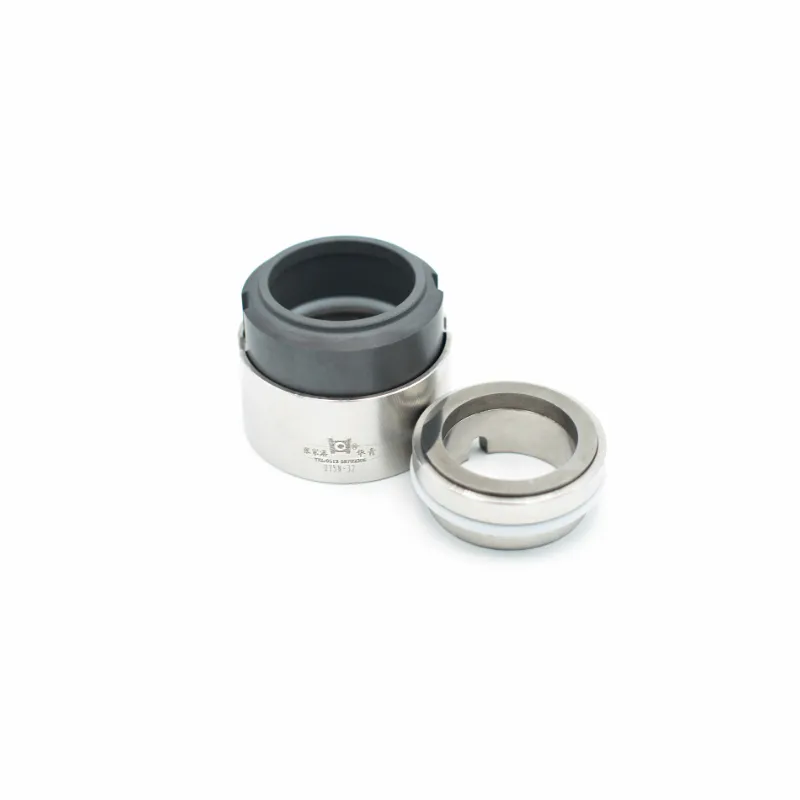
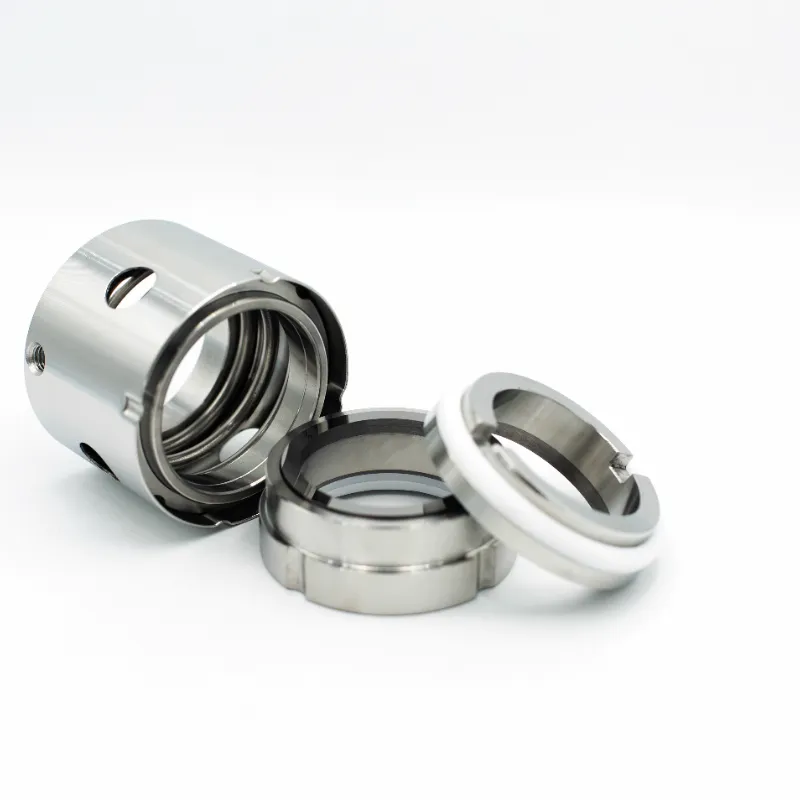
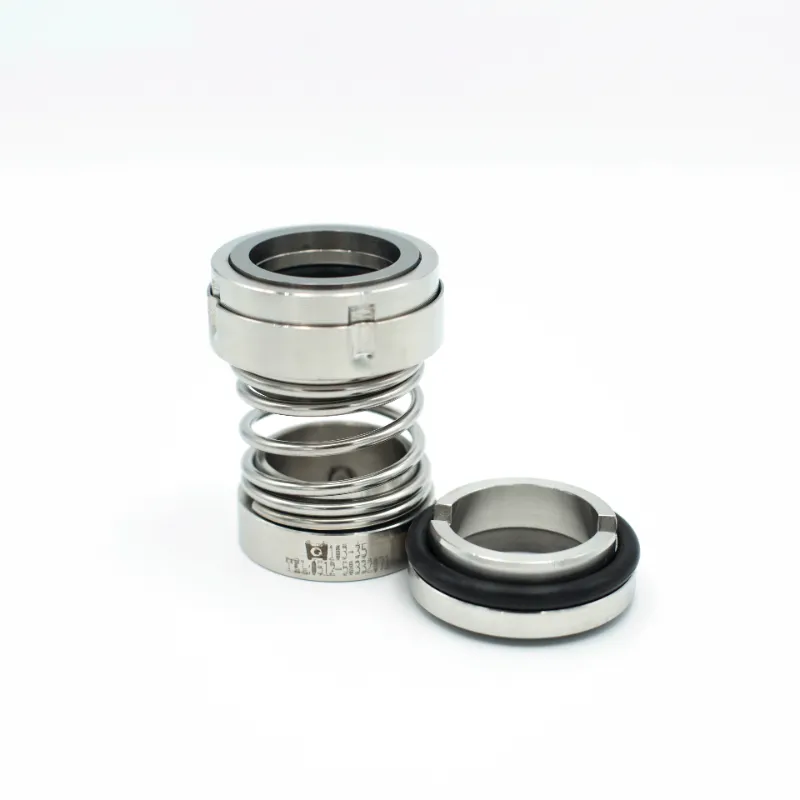
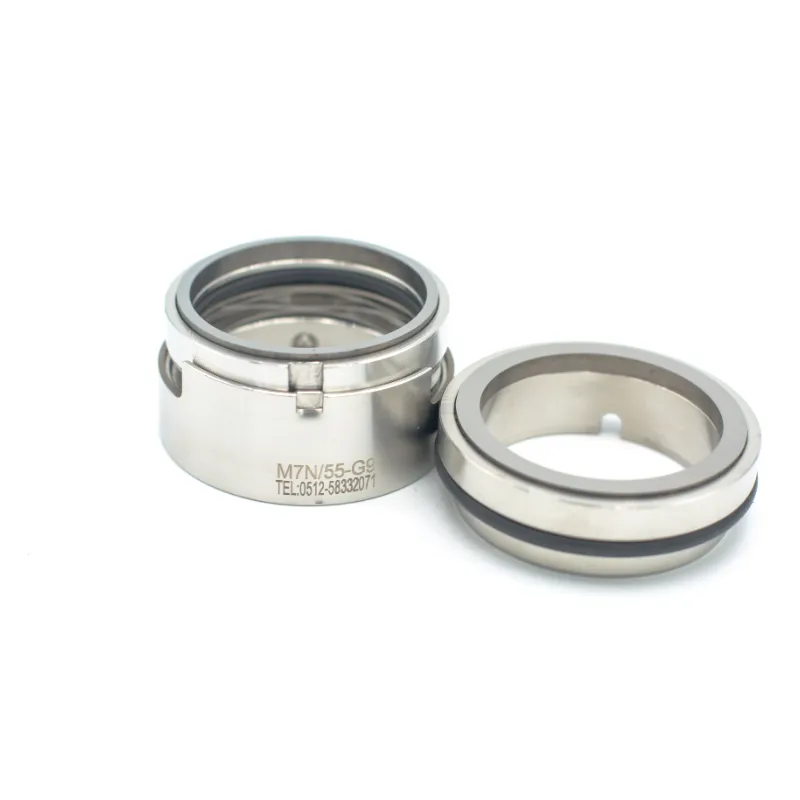
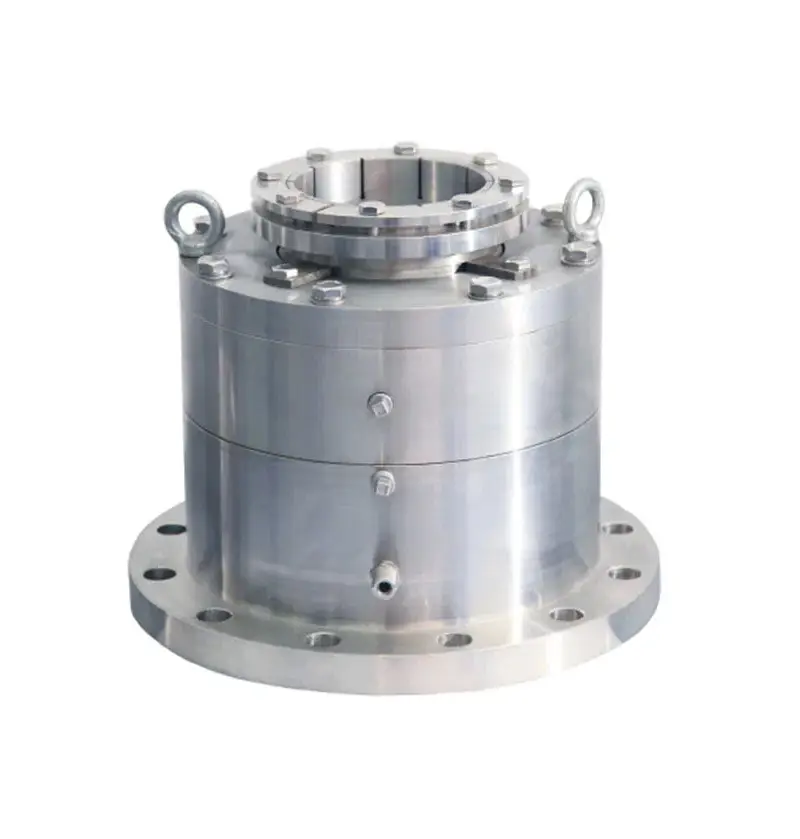
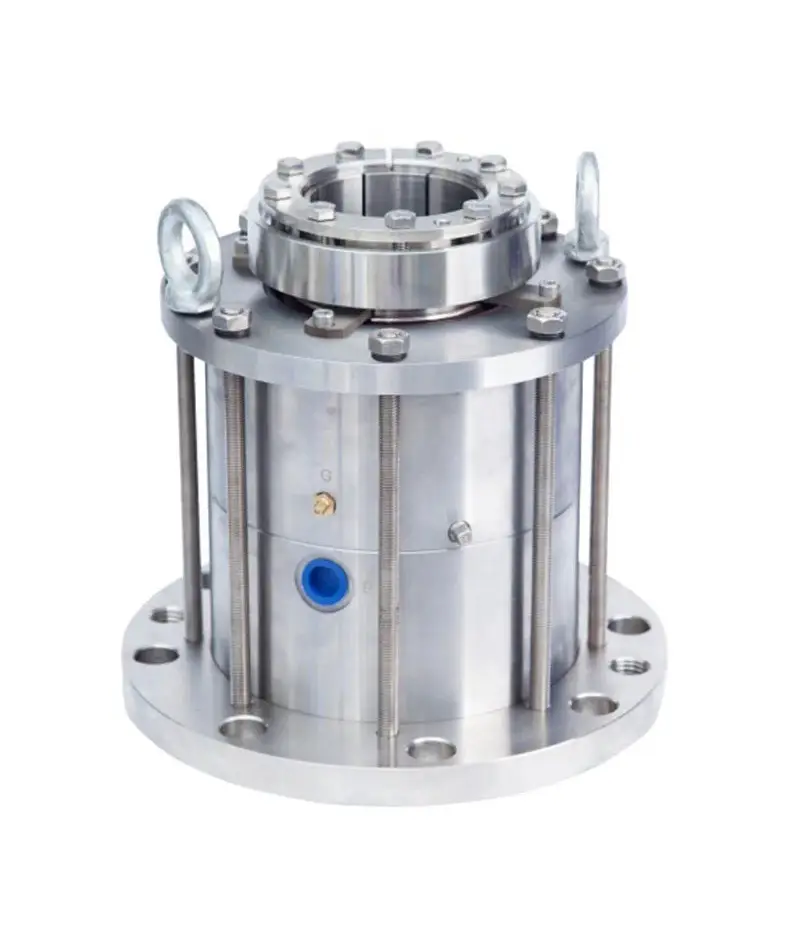
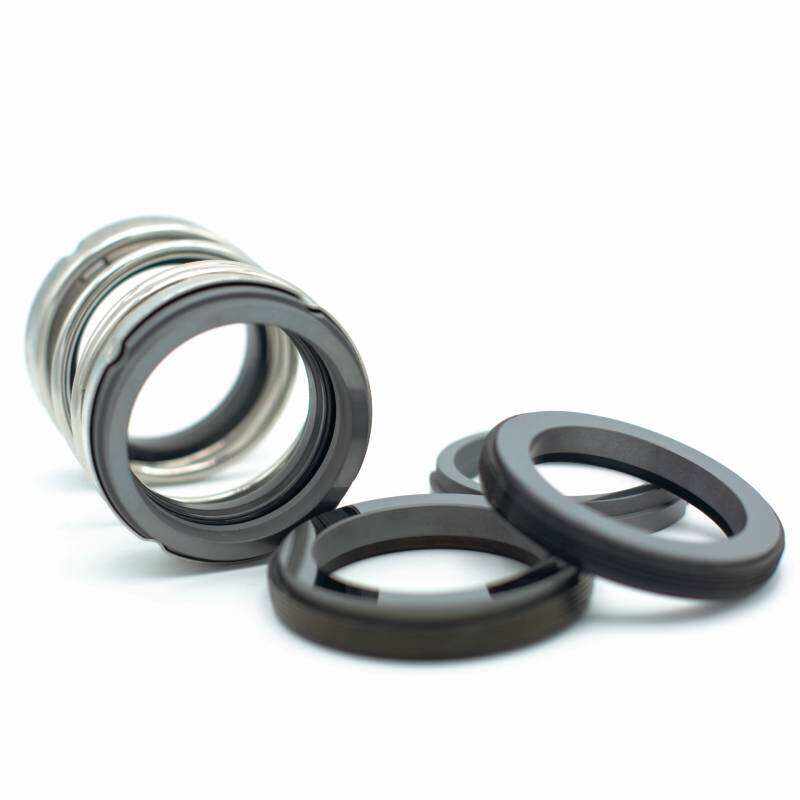
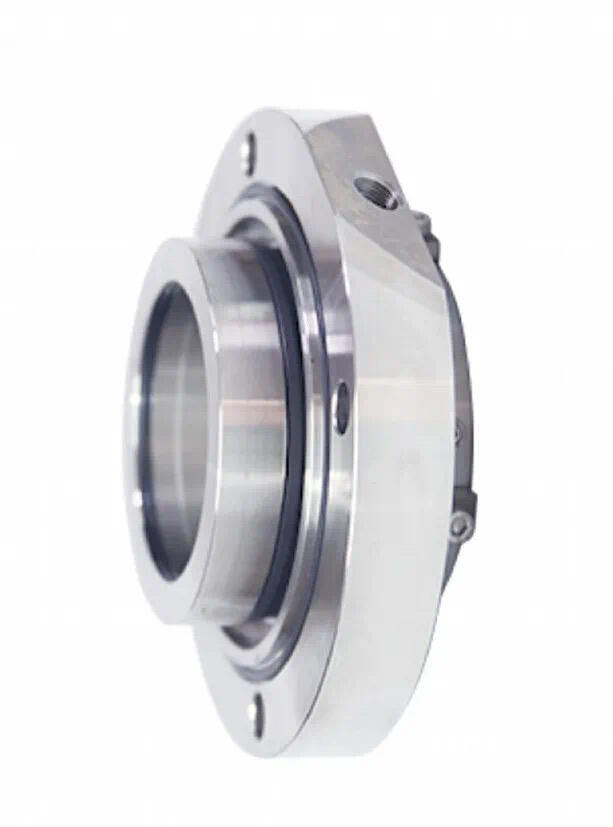
seal face for pump shaft
The seal face for pump shaft represents a critical component in modern pumping systems, designed to prevent fluid leakage and maintain optimal performance across various industrial applications. This precision-engineered sealing solution serves as the primary barrier between rotating pump shafts and stationary housing components, ensuring effective containment of pumped media while facilitating smooth operational mechanics. The seal face for pump shaft typically consists of two primary surfaces that create a tight seal through controlled contact pressure and specialized surface treatments. These components undergo rigorous manufacturing processes to achieve exceptional flatness and surface finish quality, which directly impacts sealing effectiveness and operational longevity. The technological foundation of the seal face for pump shaft relies on advanced materials science and precision machining techniques. Common materials include silicon carbide, tungsten carbide, carbon graphite, and various ceramic compositions, each selected based on specific application requirements such as chemical compatibility, temperature resistance, and wear characteristics. The manufacturing process involves diamond grinding and lapping procedures to achieve surface finishes typically ranging from 1 to 5 light bands helium, ensuring optimal sealing performance. Installation and maintenance considerations play crucial roles in maximizing the effectiveness of seal face for pump shaft systems. Proper alignment, controlled installation torque, and regular monitoring of operating parameters contribute significantly to extended service life and reliable performance. The seal face for pump shaft finds extensive applications across diverse industries including chemical processing, pharmaceutical manufacturing, food and beverage production, water treatment facilities, and petroleum refining operations. Each application presents unique challenges regarding corrosive media, extreme temperatures, high pressures, and stringent hygiene requirements, making the selection of appropriate seal face materials and configurations essential for successful implementation and long-term operational success.
 EN
EN