mechanical seal face
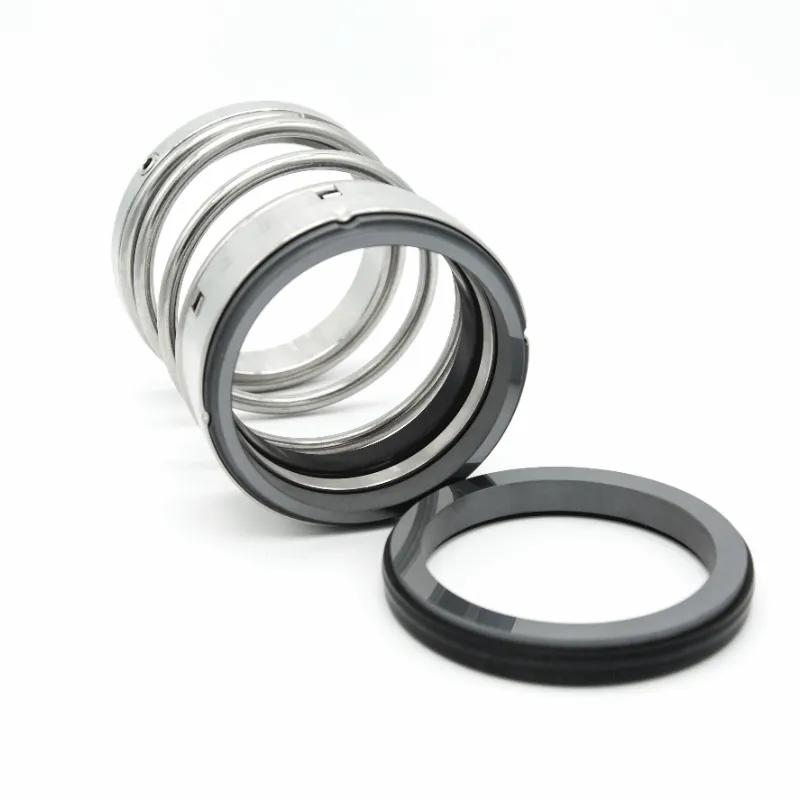
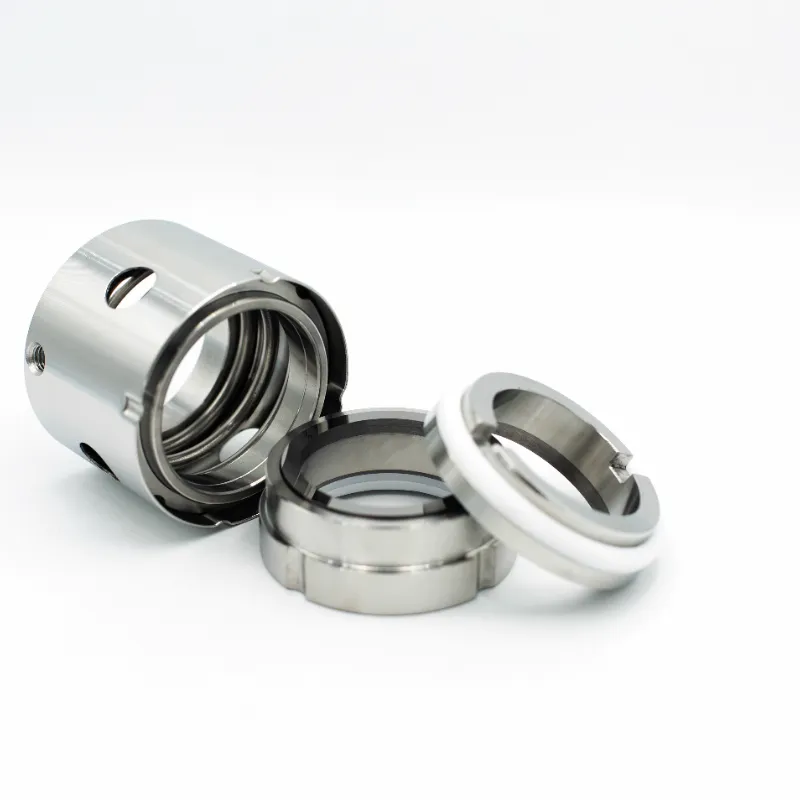
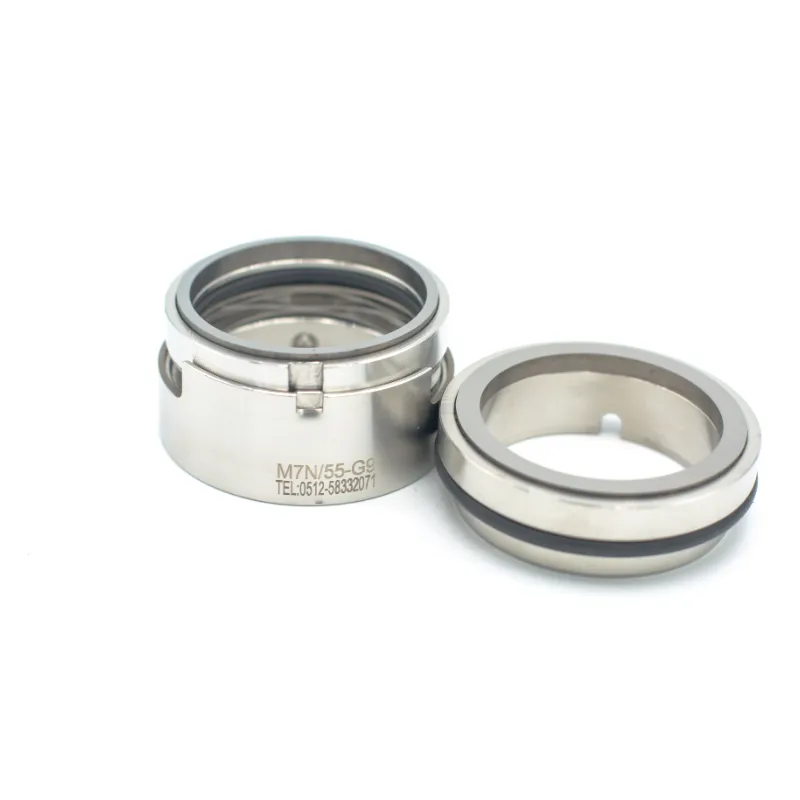
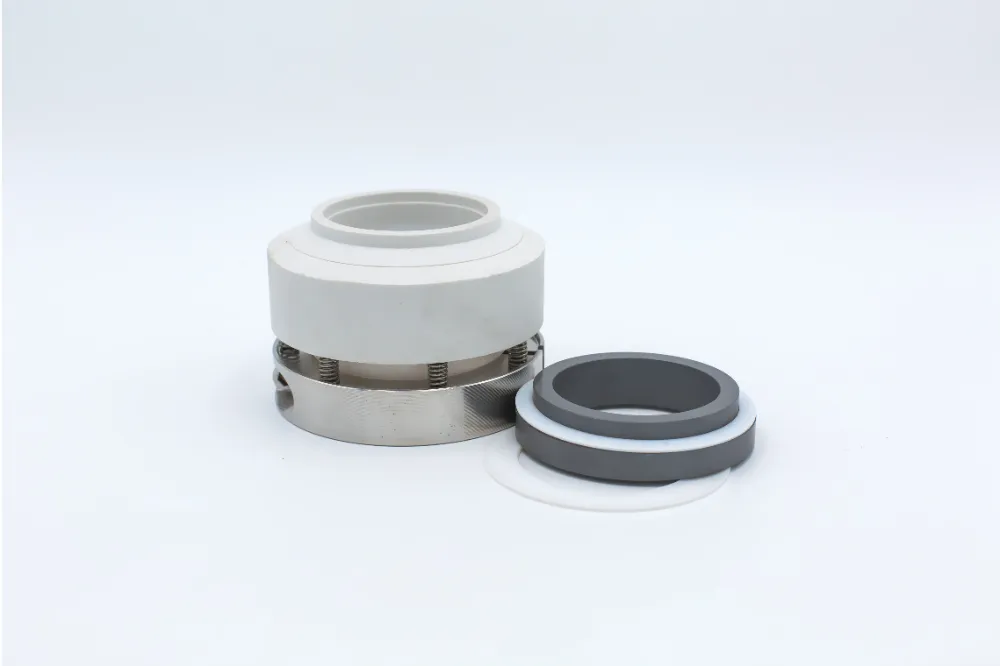
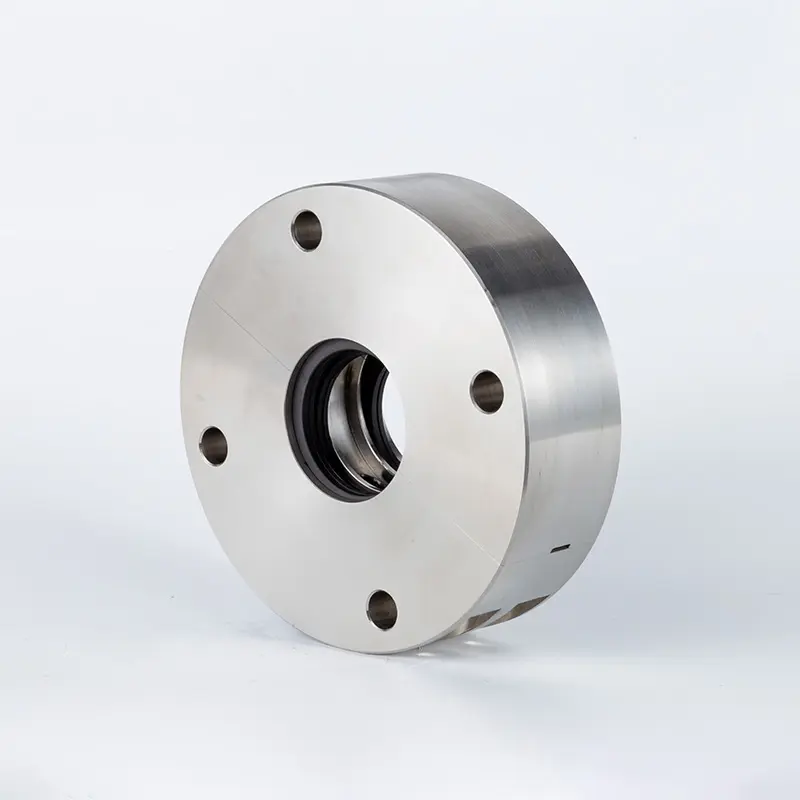
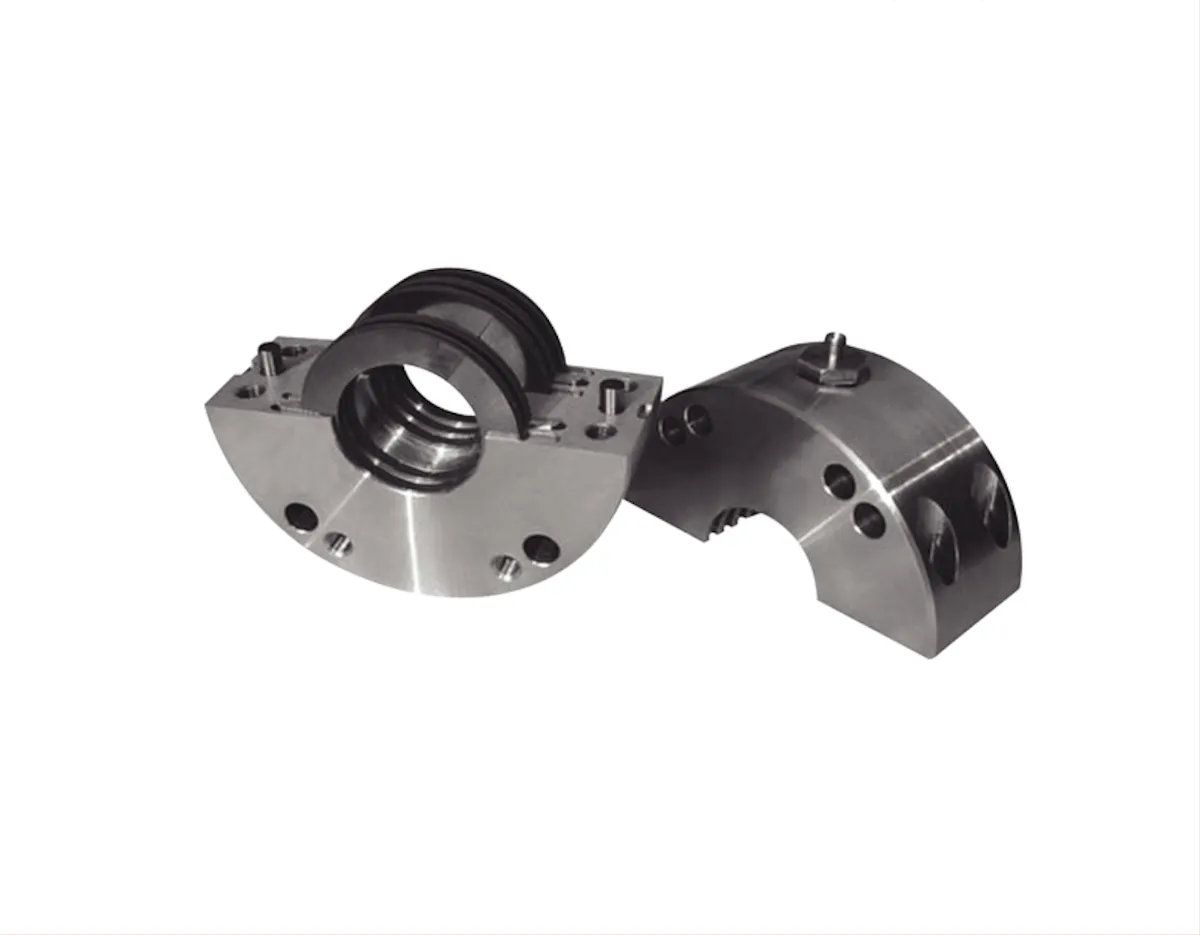
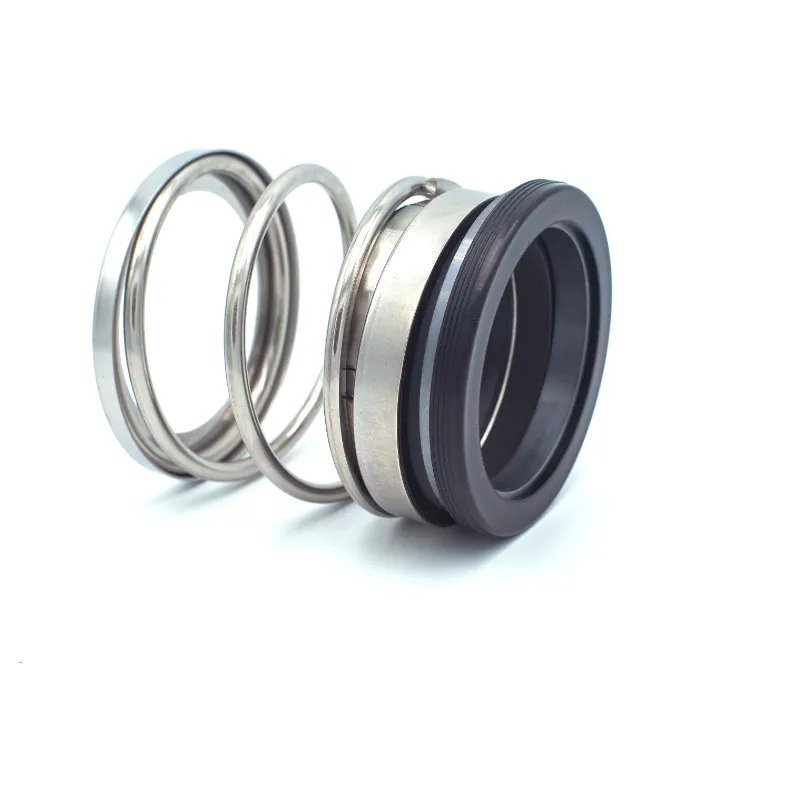
The mechanical seal face represents a critical component in modern sealing technology, serving as the primary sealing interface in rotating equipment across diverse industrial applications. This precision-engineered element forms the heart of mechanical seal systems, creating a reliable barrier between process fluids and the external environment. The mechanical seal face typically consists of two primary sealing surfaces - a stationary face and a rotating face - that maintain intimate contact under controlled conditions to prevent leakage. These faces are manufactured from high-performance materials such as carbon, silicon carbide, tungsten carbide, or ceramic compounds, each selected based on specific application requirements including temperature, pressure, chemical compatibility, and wear resistance. The fundamental principle behind the mechanical seal face operation relies on the precise balance between closing forces and opening forces, creating an optimal sealing interface that minimizes friction while maintaining effective sealing performance. Advanced manufacturing techniques ensure extremely flat and smooth surface finishes, often measured in light bands or helium leak rates, enabling these components to achieve superior sealing capabilities. The mechanical seal face design incorporates sophisticated engineering considerations including thermal management, pressure distribution, and dynamic stability to ensure consistent performance throughout the seal's operational life. Modern mechanical seal face technology has evolved to include specialized coatings, surface treatments, and geometric modifications that enhance durability and performance characteristics. These components play an essential role in preventing costly process fluid leakage, protecting expensive equipment from contamination, and ensuring environmental compliance in industrial facilities. The mechanical seal face technology continues to advance with innovations in materials science, surface engineering, and manufacturing precision, making these components increasingly reliable and cost-effective for demanding industrial applications requiring zero-leakage performance.
 EN
EN