pump seal face
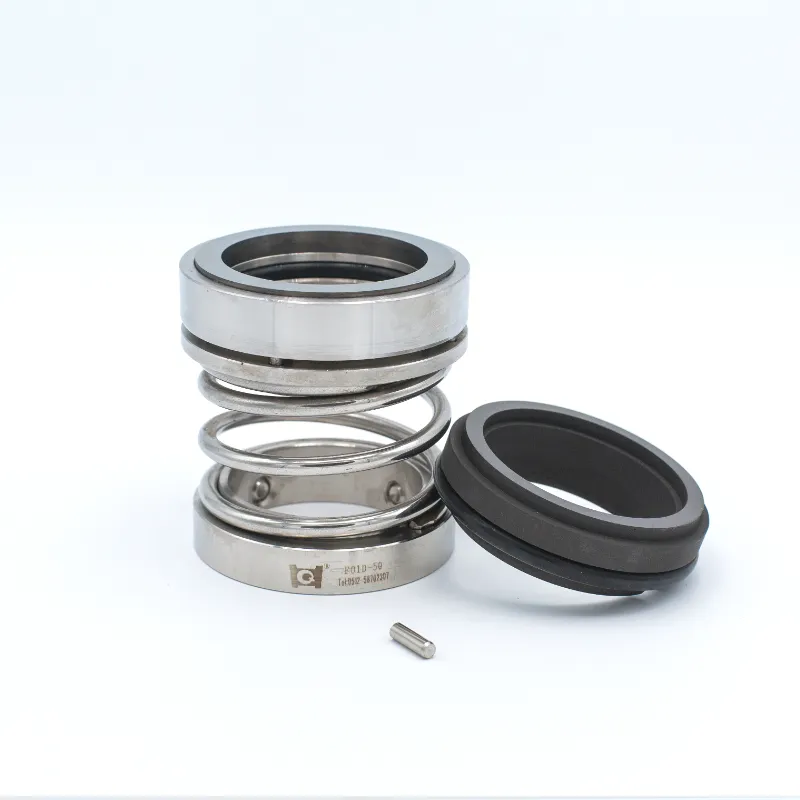
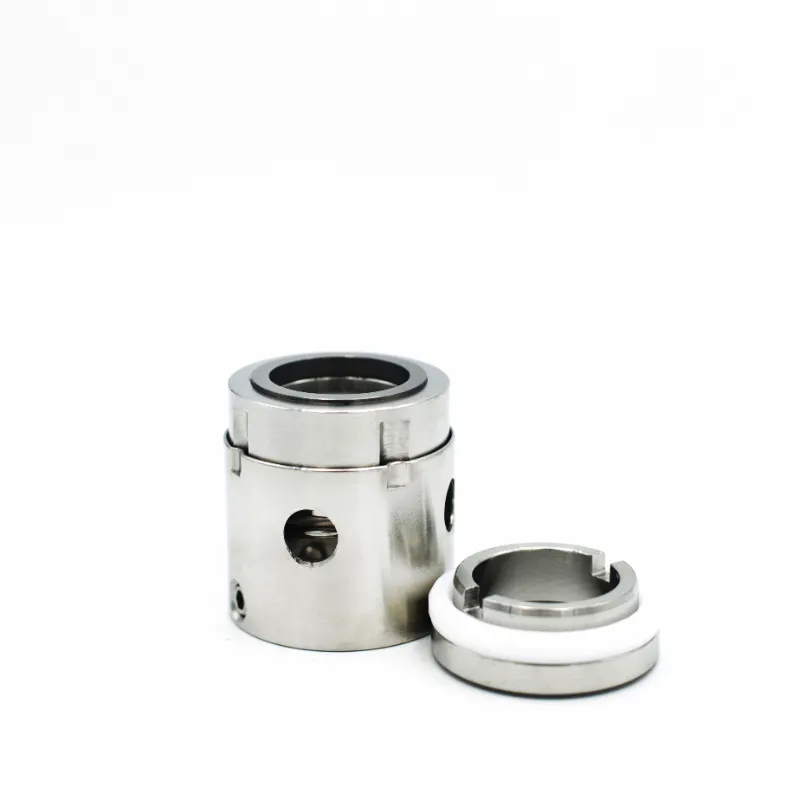
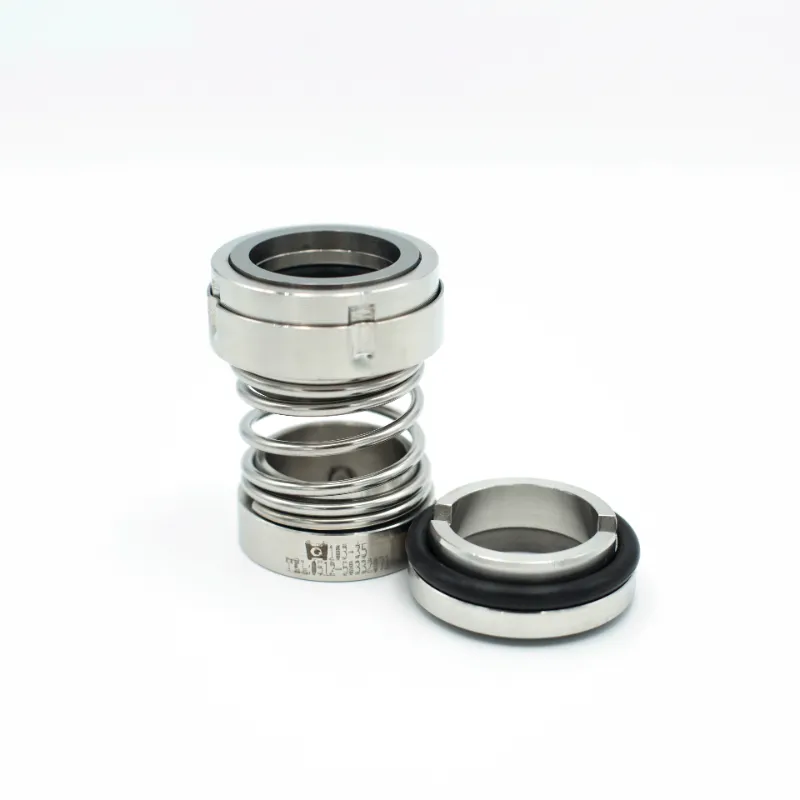
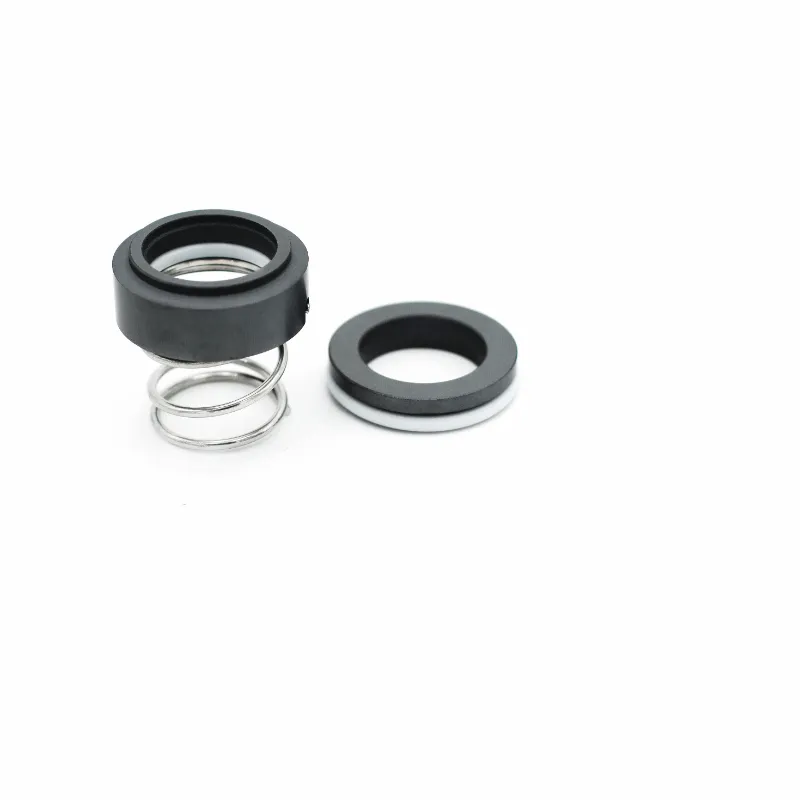
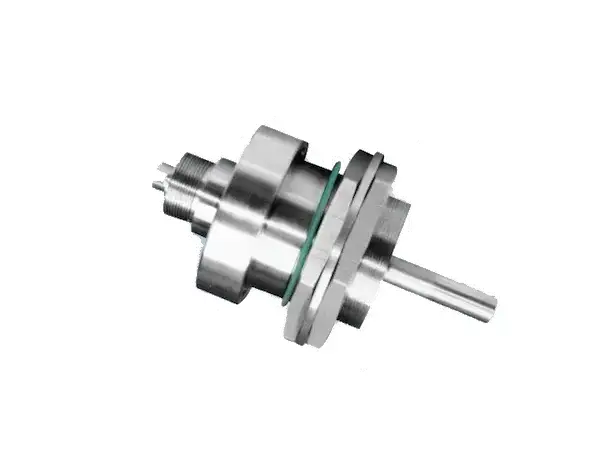
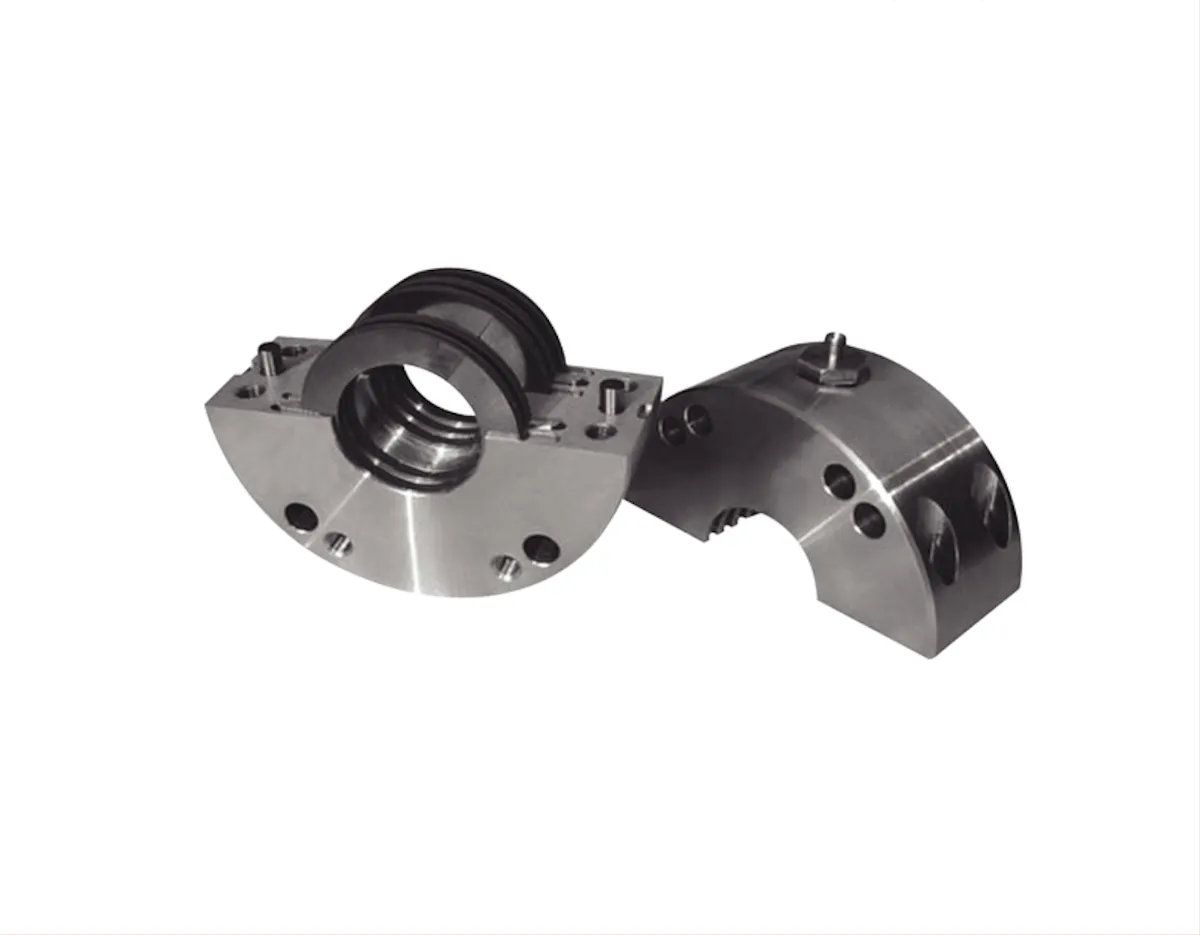
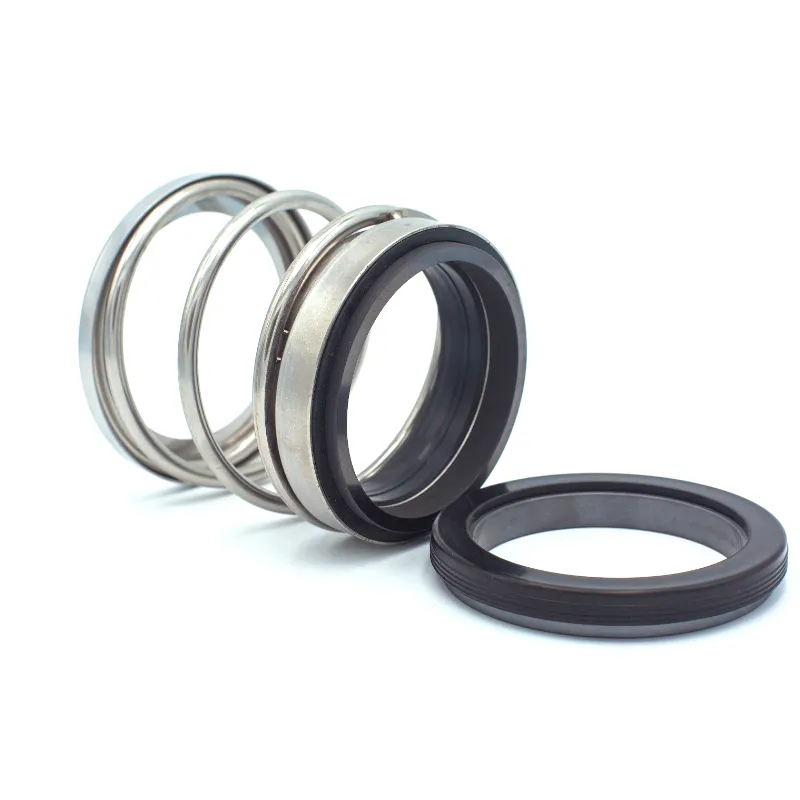
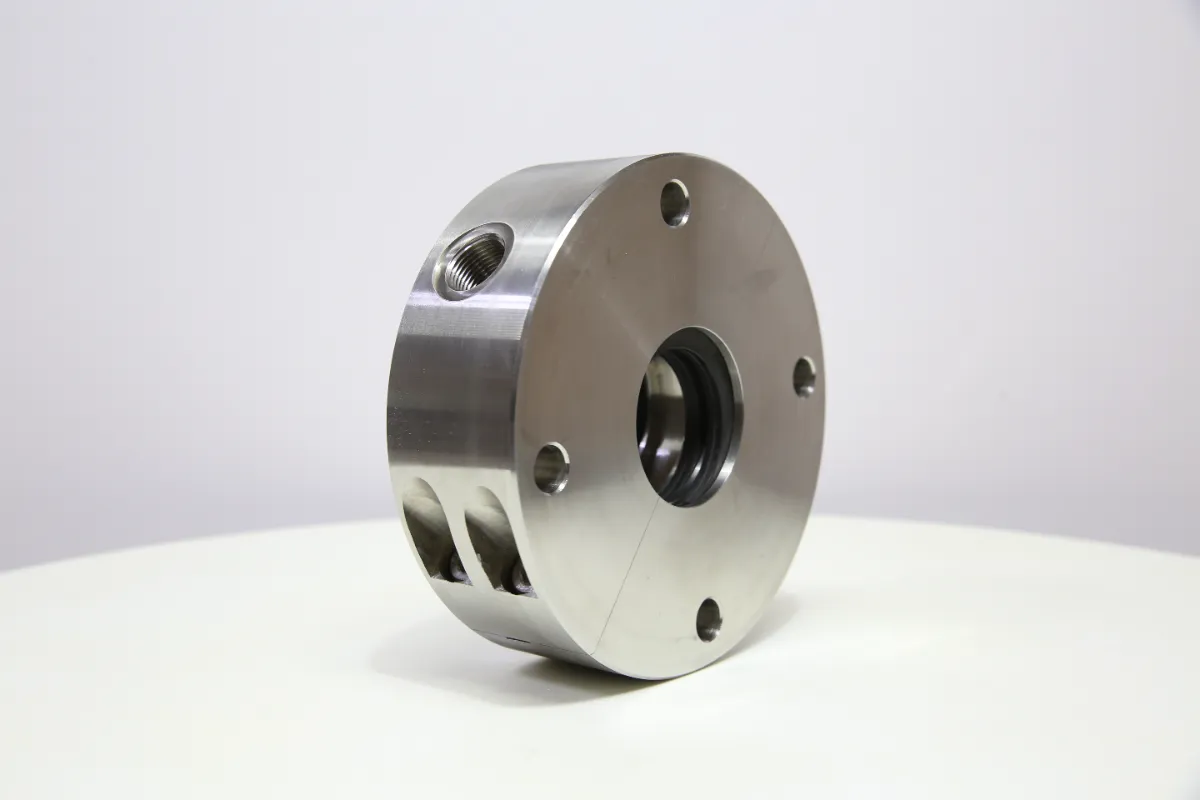
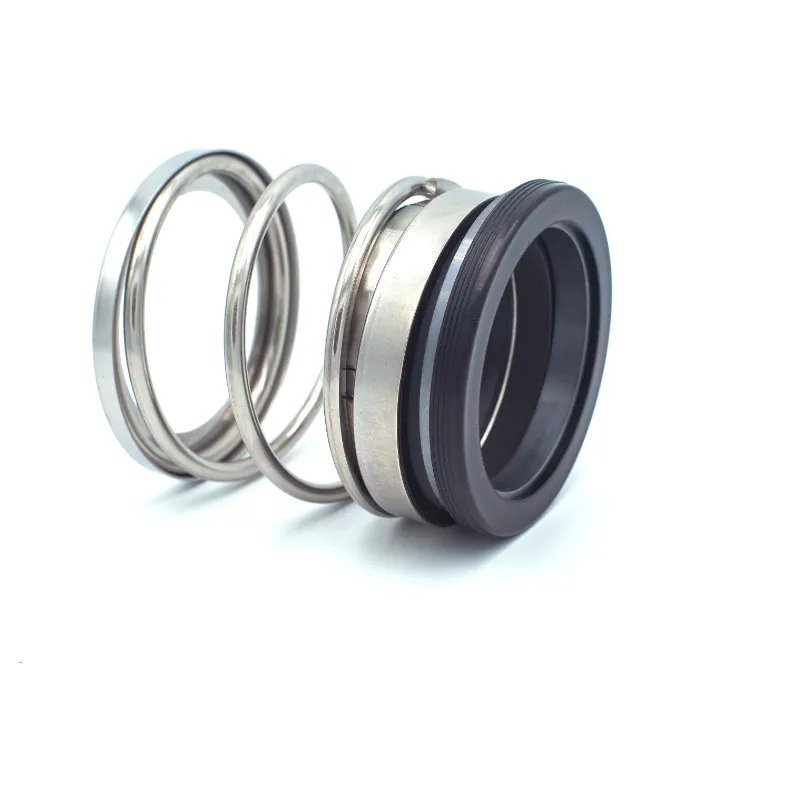
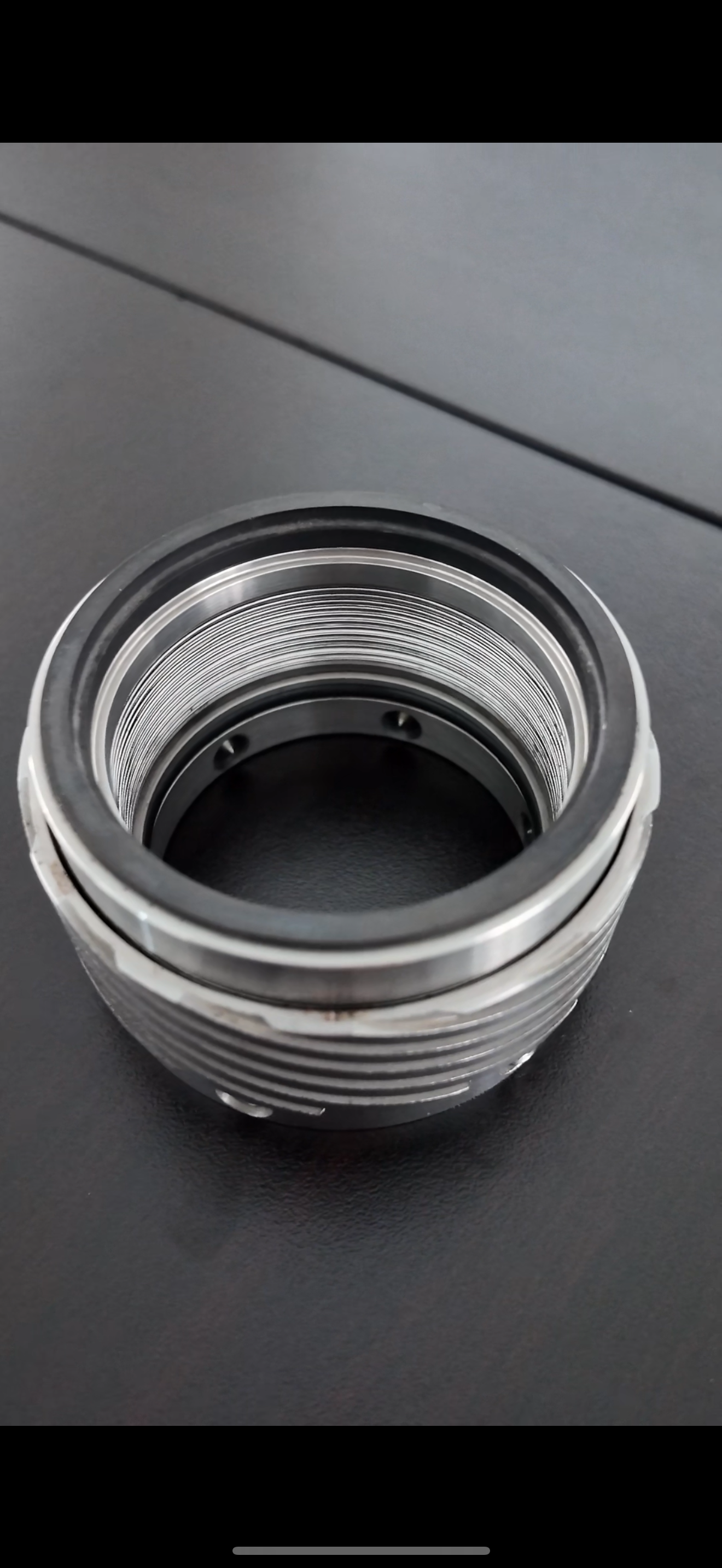
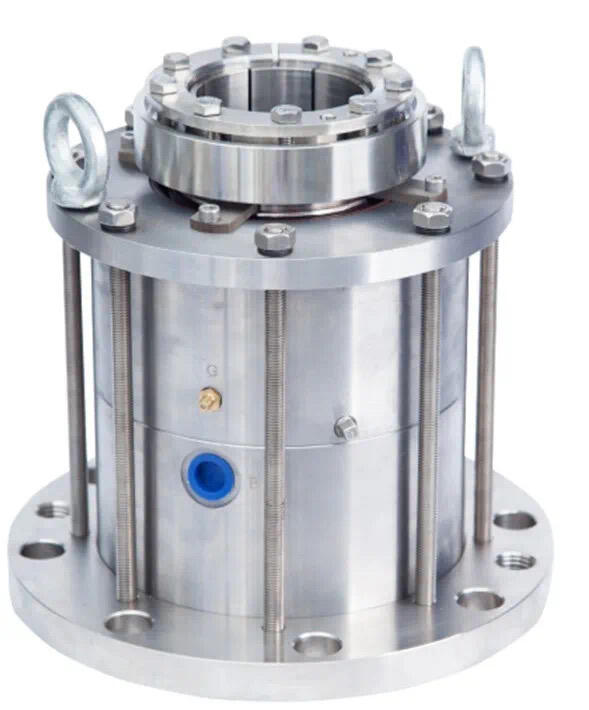
The pump seal face represents a critical component in industrial pumping systems, serving as the primary interface that prevents fluid leakage while maintaining operational efficiency. This precision-engineered element consists of two carefully matched surfaces that create a dynamic seal between rotating and stationary components within centrifugal pumps, positive displacement pumps, and various other fluid handling equipment. The pump seal face operates through controlled contact pressure and fluid film lubrication, ensuring minimal friction while maximizing sealing performance. Modern pump seal face designs incorporate advanced materials such as silicon carbide, tungsten carbide, ceramic composites, and carbon graphite, each selected based on specific application requirements including temperature resistance, chemical compatibility, and wear characteristics. The geometric precision of the pump seal face directly impacts pump performance, with surface flatness typically maintained within microinches to ensure optimal sealing contact. Manufacturing processes involve diamond lapping, precision grinding, and advanced surface finishing techniques that create mirror-like surfaces capable of withstanding extreme operating conditions. The pump seal face functions within mechanical seal assemblies, working in conjunction with secondary sealing elements, springs, and drive mechanisms to create a complete sealing solution. These components must withstand significant axial and radial forces while maintaining their sealing integrity across varying operating pressures and temperatures. Industrial applications span diverse sectors including chemical processing, oil and gas, water treatment, pharmaceutical manufacturing, and food processing, where reliable sealing performance is essential for operational safety and environmental protection. The pump seal face design considers factors such as pressure-velocity limits, thermal expansion coefficients, and chemical resistance to ensure long-term reliability in demanding industrial environments.
 EN
EN