Professional Hydraulic Cylinder Seal Failure Analysis Services - Expert Root Cause Investigation

Get a Free Quote

Our representative will contact you soon.
Email
Name
Company Name
Message
0/1000

hydraulic cylinder seal failure analysis

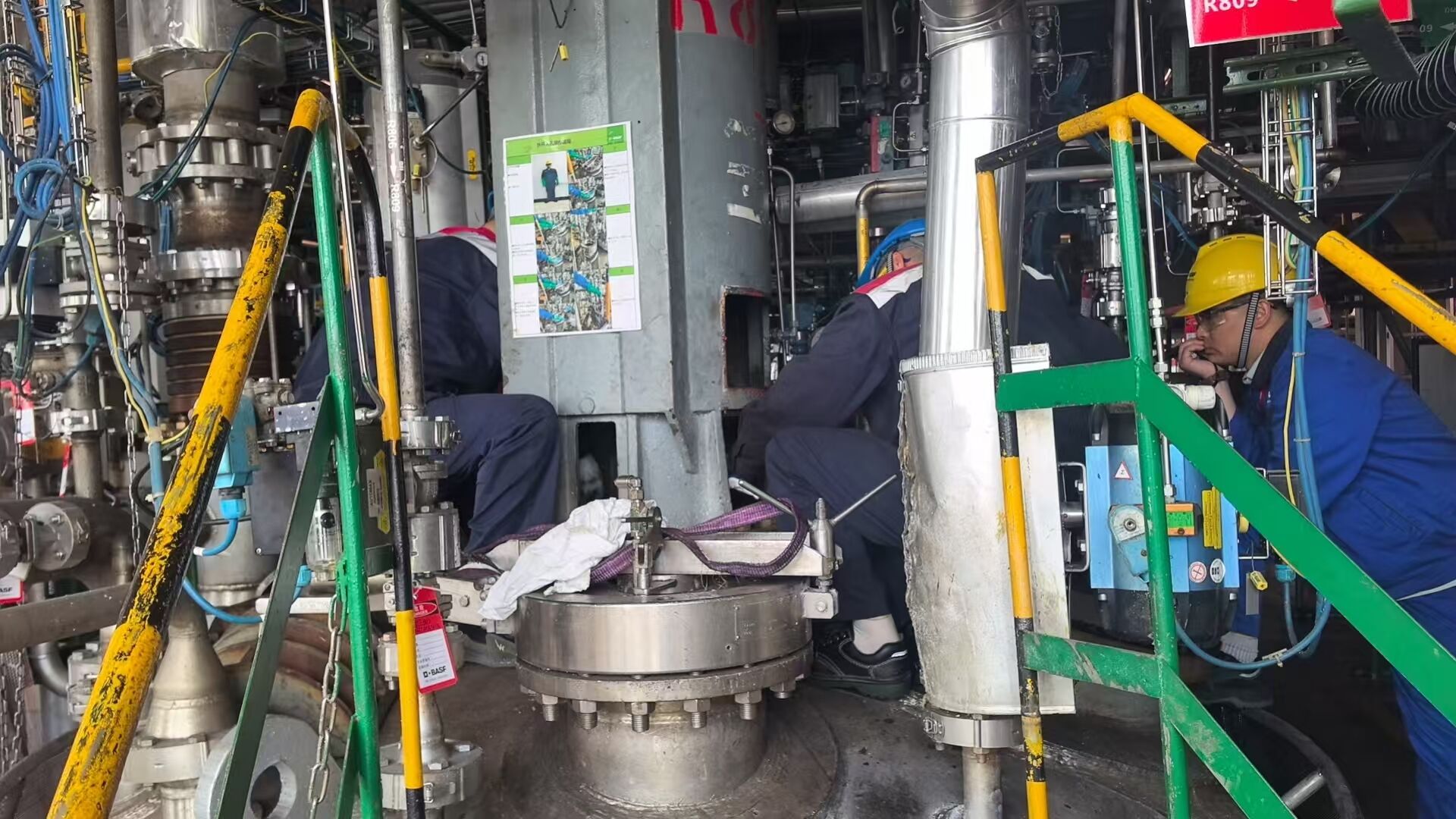
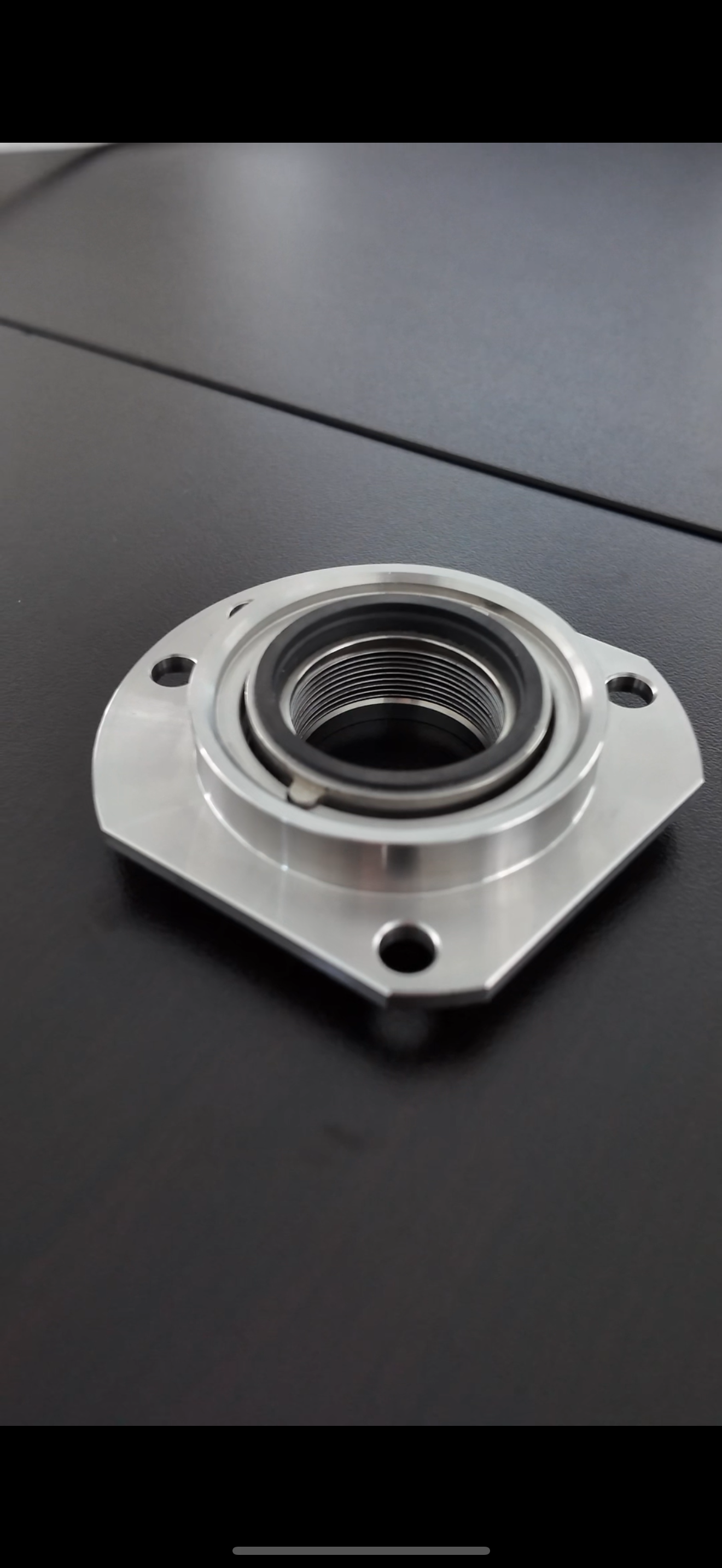
Hydraulic cylinder seal failure analysis represents a comprehensive diagnostic methodology designed to identify, evaluate, and resolve sealing system breakdowns in hydraulic equipment. This specialized engineering service combines advanced inspection techniques with systematic failure investigation protocols to determine root causes of seal degradation and performance deterioration. The primary function of hydraulic cylinder seal failure analysis involves conducting thorough examinations of failed sealing components, including O-rings, rod seals, piston seals, and wiper seals, through visual inspection, dimensional measurement, material testing, and contamination assessment. This analytical process employs cutting-edge technological features such as microscopic examination capabilities, chemical composition testing, hardness measurement tools, and pressure simulation equipment to recreate failure conditions. The methodology incorporates spectroscopic analysis to identify material degradation patterns, temperature cycling tests to assess thermal stability, and fluid compatibility evaluations to determine chemical resistance properties. Applications of hydraulic cylinder seal failure analysis span across diverse industrial sectors including construction machinery, manufacturing equipment, aerospace systems, marine vessels, agricultural machinery, and mining operations. The technology proves particularly valuable in critical applications where unexpected seal failures can result in costly downtime, safety hazards, or environmental concerns. Industries relying on heavy hydraulic equipment benefit significantly from this analytical approach, as it enables predictive maintenance strategies and prevents catastrophic system failures. The analysis process generates detailed reports documenting failure mechanisms, contributing factors, and corrective action recommendations, providing valuable insights for equipment manufacturers, maintenance teams, and facility operators seeking to optimize hydraulic system reliability and performance.

New Product Recommendations

The implementation of hydraulic cylinder seal failure analysis delivers substantial operational benefits that directly impact your bottom line and equipment reliability. First, this diagnostic approach dramatically reduces unexpected downtime by identifying potential seal failures before they occur, allowing maintenance teams to schedule repairs during planned shutdown periods rather than responding to emergency breakdowns. This proactive strategy can cut maintenance costs by up to 40% while extending equipment lifespan significantly. The analysis provides precise identification of root causes, eliminating guesswork and preventing repeated failures that plague many operations. Instead of replacing seals repeatedly without understanding why they fail, you gain scientific insight into specific failure mechanisms, whether caused by contamination, temperature extremes, pressure spikes, or material incompatibility. This knowledge enables targeted solutions that address underlying problems rather than symptoms. Cost savings extend beyond immediate repair expenses, as the analysis helps optimize seal selection for specific operating conditions, reducing inventory requirements and standardizing components across equipment fleets. The detailed documentation generated through hydraulic cylinder seal failure analysis serves as valuable reference material for training maintenance personnel and establishing best practices throughout your organization. Quality improvements become measurable as the analysis tracks failure patterns over time, enabling continuous improvement initiatives that enhance overall system reliability. Safety benefits are equally important, as seal failures in hydraulic systems can create hazardous conditions including high-pressure fluid injection injuries, environmental contamination, and equipment instability. By understanding failure modes and implementing preventive measures, organizations significantly reduce workplace safety risks. The analysis also supports warranty claims and vendor negotiations by providing objective evidence of failure causes, helping secure appropriate remedies from equipment suppliers. Environmental compliance is enhanced through better containment of hydraulic fluids, preventing soil and water contamination that can result in regulatory penalties. Performance optimization occurs naturally as the analysis identifies operating parameters that maximize seal life, enabling adjustments to pressure settings, temperature controls, and fluid specifications that improve overall system efficiency.

Latest News

Best Above Ground Well Pumps for Efficient Water Flow

19

Sep

Best Above Ground Well Pumps for Efficient Water Flow

Types of Above Ground Well Pumps for Efficient Flow Shallow Well Jet Pumps: Ideal for Shallow Water Tables Shallow well jet pumps are specifically designed to lift water from depths of up to 25 feet, making them ideal for rural or suburban areas wit...
View More
Avoiding Downtime: Seal Solutions for Top-Entry Agitators

21

Jul

Avoiding Downtime: Seal Solutions for Top-Entry Agitators

Maximizing Equipment Availability in Industrial Mixing Systems Industrial processes rely heavily on consistent performance, particularly in sectors such as chemical manufacturing, food production, and pharmaceuticals. One of the most critical compone...
View More
Complete Mechanical Seal Types Comparison for Industrial Pumps

13

Jan

Complete Mechanical Seal Types Comparison for Industrial Pumps

Industrial pumps represent the backbone of countless manufacturing processes, and their reliability depends heavily on proper sealing mechanisms. Understanding mechanical seal types is crucial for engineers and maintenance professionals who need to e...
View More
Double Mechanical Seals for Higher Pressure and Temperature Control

13

Jan

Double Mechanical Seals for Higher Pressure and Temperature Control

In industrial applications where reliability and performance are paramount, double mechanical seals have emerged as the preferred sealing solution for high-pressure and high-temperature environments. These advanced sealing systems provide superior pr...
View More

Get a Free Quote

Our representative will contact you soon.
Email
Name
Company Name
Country/Region
Message
0/1000

hydraulic cylinder seal failure analysis

Advanced Failure Mode Detection and Root Cause Analysis

Advanced Failure Mode Detection and Root Cause Analysis

The sophisticated failure mode detection capabilities of hydraulic cylinder seal failure analysis represent a quantum leap beyond traditional troubleshooting methods, offering unprecedented insight into the complex mechanisms that cause sealing system breakdowns. This comprehensive analytical approach employs state-of-the-art diagnostic equipment including electron microscopy, infrared spectroscopy, and durometer testing to examine failed seals at the molecular level, revealing subtle degradation patterns invisible to conventional inspection methods. The process begins with systematic documentation of operating conditions, including pressure cycles, temperature ranges, fluid types, and environmental factors that may contribute to seal deterioration. Specialized technicians conduct detailed visual examinations using high-powered magnification to identify surface cracking, extrusion damage, chemical attack, and wear patterns that provide crucial clues about failure progression. Material analysis techniques determine whether seal compounds have maintained their specified properties or experienced degradation due to heat, ozone exposure, or chemical incompatibility with system fluids. The root cause analysis methodology follows established engineering protocols to trace failure origins through systematic elimination of contributing factors, ensuring accurate identification of primary and secondary causes. This meticulous approach prevents misdiagnosis that often leads to recurring problems and wasted resources. Cross-contamination analysis identifies foreign particles, debris, or incompatible fluids that may have accelerated seal degradation, while pressure testing recreates operating conditions to validate failure theories. The analytical process generates comprehensive reports documenting all findings with photographic evidence, test results, and detailed explanations of failure mechanisms in clear, actionable language. These reports serve as valuable reference documents for maintenance planning, vendor discussions, and continuous improvement initiatives. The advanced detection capabilities extend beyond immediate problem-solving to establish predictive maintenance indicators that help prevent similar failures across equipment fleets, creating long-term value through enhanced reliability and reduced lifecycle costs.
Comprehensive Material and Compatibility Assessment

Comprehensive Material and Compatibility Assessment

The comprehensive material and compatibility assessment component of hydraulic cylinder seal failure analysis provides critical insights that ensure optimal seal selection and system performance across diverse operating environments. This specialized evaluation process examines the fundamental properties of sealing materials, including elastomer composition, hardness characteristics, temperature resistance, and chemical compatibility with hydraulic fluids, additives, and environmental contaminants. Advanced testing protocols assess material swelling behavior when exposed to various fluid types, measuring dimensional changes that can affect sealing effectiveness and clearance specifications. Temperature cycling tests simulate real-world thermal conditions to evaluate material stability across operating ranges, identifying degradation thresholds that may not be apparent during initial seal selection. The assessment incorporates accelerated aging studies that compress years of service life into controlled laboratory conditions, revealing long-term material behavior patterns that inform replacement scheduling and design modifications. Chemical resistance evaluation exposes seal materials to actual system fluids and potential contaminants under controlled conditions, measuring changes in physical properties, surface condition, and dimensional stability over extended periods. This testing reveals subtle compatibility issues that may not manifest immediately but can cause premature failure over time. The analysis examines additive interactions between hydraulic fluids and seal materials, identifying potential catalyst effects that accelerate degradation or improve performance characteristics. Hardness testing throughout the evaluation process tracks material property changes that affect sealing force and wear resistance, providing quantitative data for performance predictions. The compatibility assessment extends to environmental factors including ozone exposure, UV radiation, and atmospheric contamination that can affect outdoor equipment installations. Detailed documentation includes material property comparisons, performance predictions under various operating scenarios, and specific recommendations for seal selection based on actual system requirements rather than generic specifications. The assessment results enable informed decisions about seal upgrades, material substitutions, and system modifications that enhance reliability while optimizing costs. This comprehensive approach eliminates trial-and-error seal selection methods that often result in premature failures and costly downtime, providing engineering-based solutions that maximize equipment performance and operational efficiency.
Predictive Maintenance Integration and Performance Optimization

Predictive Maintenance Integration and Performance Optimization

The predictive maintenance integration and performance optimization capabilities of hydraulic cylinder seal failure analysis transform reactive maintenance approaches into proactive reliability programs that maximize equipment availability and minimize total ownership costs. This sophisticated system establishes baseline performance parameters for sealing components throughout their service life, creating detailed performance profiles that enable early detection of degradation trends before critical failures occur. The integration process begins with comprehensive data collection during initial installations, documenting seal specifications, operating conditions, and performance expectations that serve as reference points for future assessments. Periodic monitoring protocols track key performance indicators including leakage rates, pressure retention, and operating temperature patterns that signal developing problems long before visible failures manifest. Advanced data analysis techniques identify subtle changes in system behavior that correlate with seal degradation, enabling maintenance teams to schedule interventions during planned downtime rather than responding to emergency situations. The optimization component analyzes operating parameters to identify conditions that maximize seal life while maintaining required performance levels, including pressure settings, cycle frequencies, and fluid specifications that balance productivity with reliability. Statistical analysis of failure patterns across equipment fleets reveals common failure modes and contributing factors, enabling systematic improvements to maintenance procedures, operating practices, and component specifications. The system generates automated alerts when performance indicators exceed predetermined thresholds, providing maintenance teams with advance warning of potential problems and recommended corrective actions. Integration with computerized maintenance management systems streamlines work order generation, parts ordering, and resource allocation for maximum efficiency. Performance optimization extends to seal selection processes, utilizing historical failure data and operating condition analysis to specify optimal sealing solutions for specific applications and environments. The predictive maintenance program tracks cost-benefit metrics including maintenance expenses, downtime reduction, and productivity improvements to demonstrate return on investment and justify program expansion. Continuous improvement protocols analyze maintenance effectiveness and refine prediction algorithms based on actual performance data, enhancing accuracy and reducing false alarms over time. The integration capabilities support condition-based maintenance strategies that align maintenance activities with actual equipment needs rather than fixed schedules, optimizing resource utilization while maintaining high reliability standards.

Get a Free Quote

Our representative will contact you soon.
Email
Name
Company Name
Country/Region
Message
0/1000