Mechanical Seal Failure Analysis, Prevention & Management Solutions | Expert Guide

Get a Free Quote

Our representative will contact you soon.
Email
Name
Company Name
Message
0/1000

mechanical seal failure

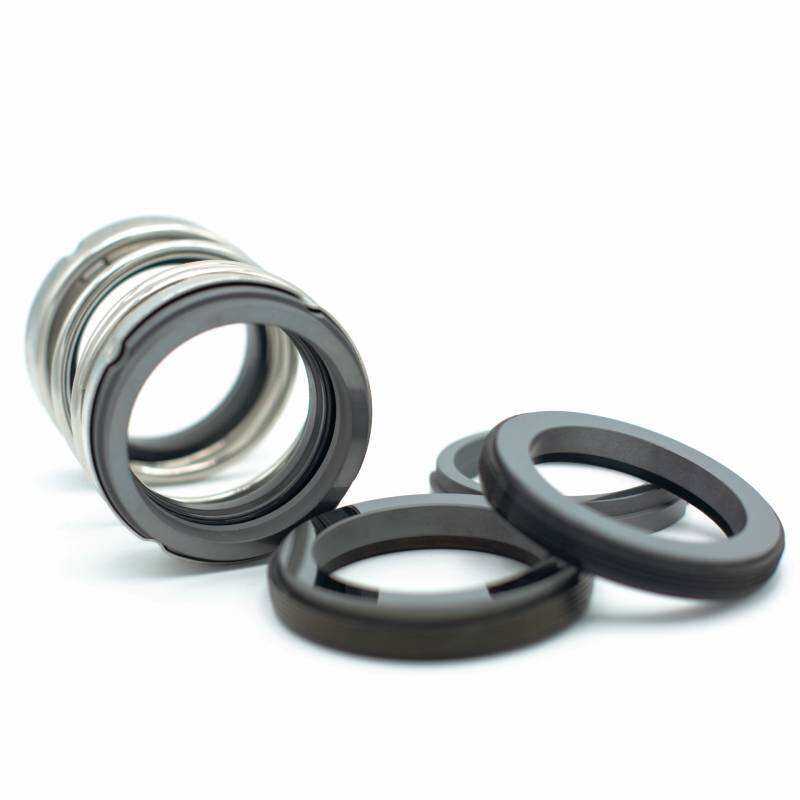
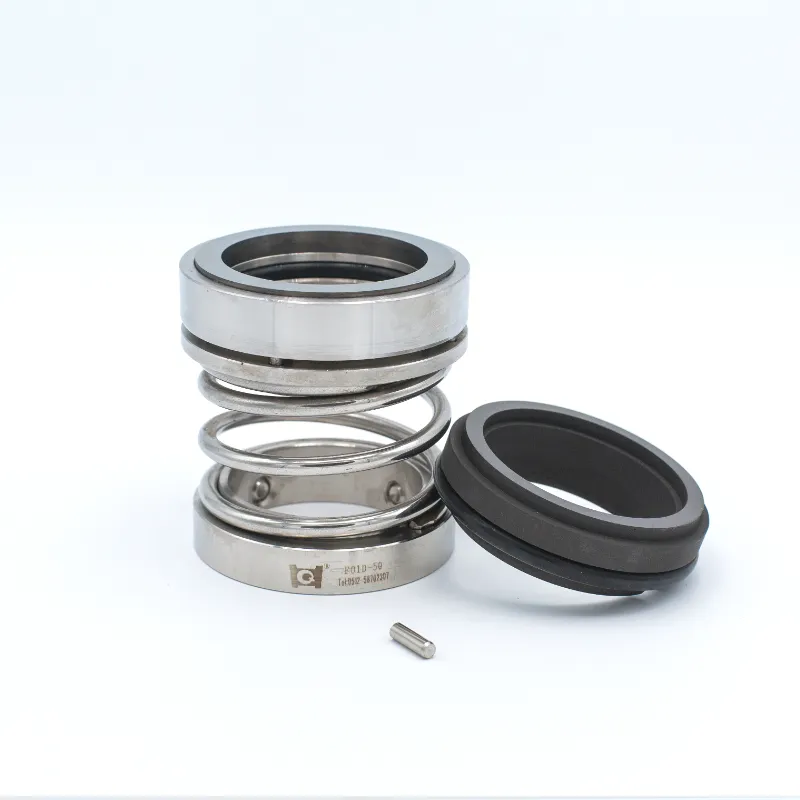
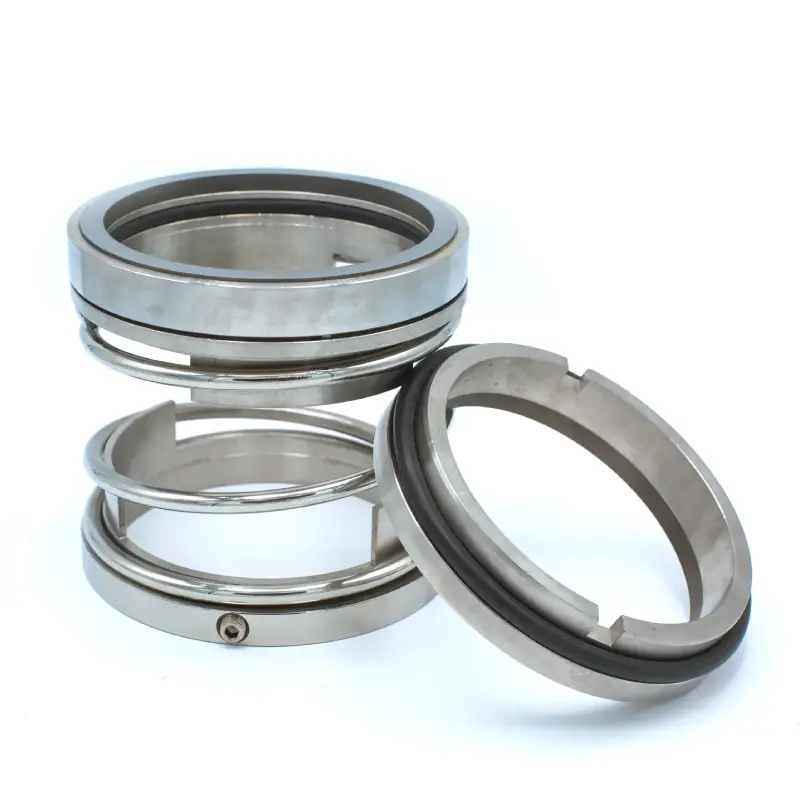
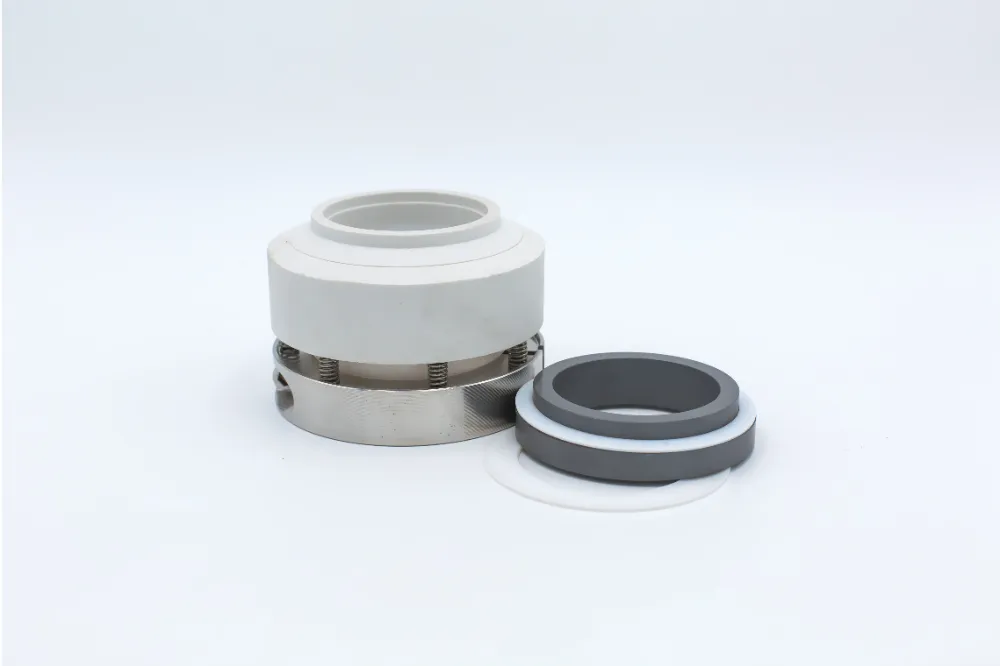
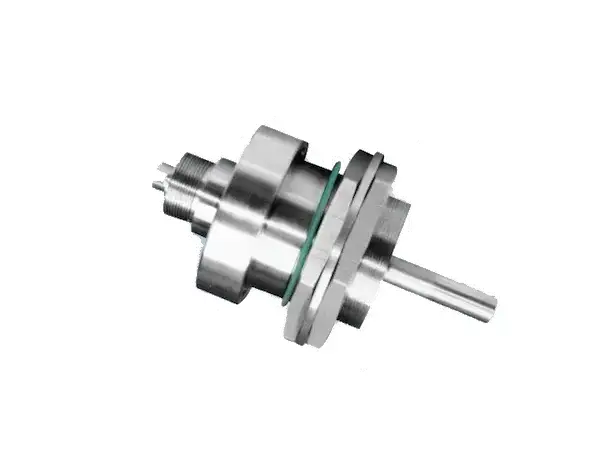
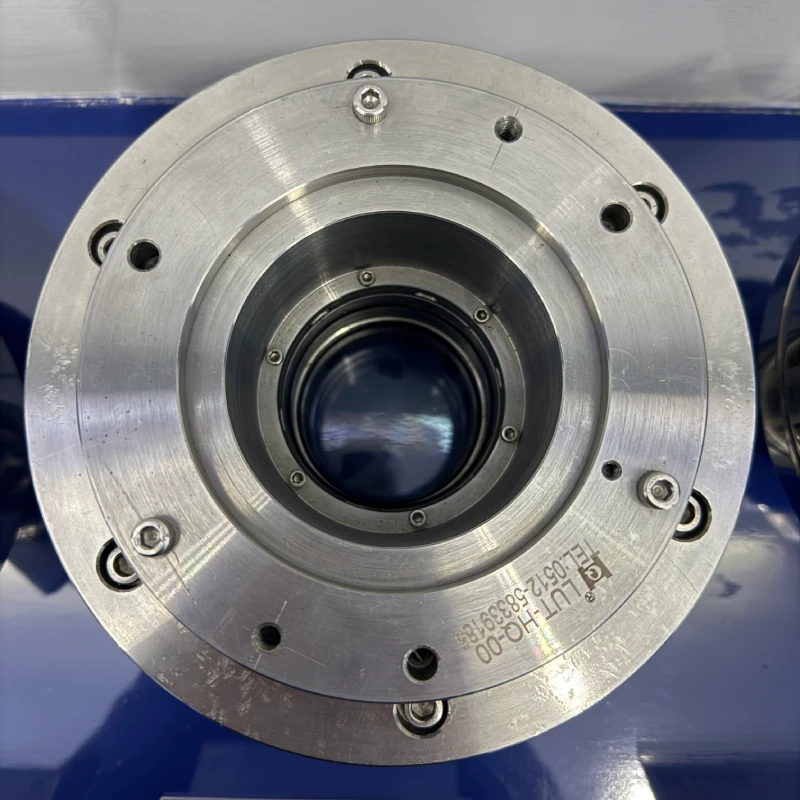
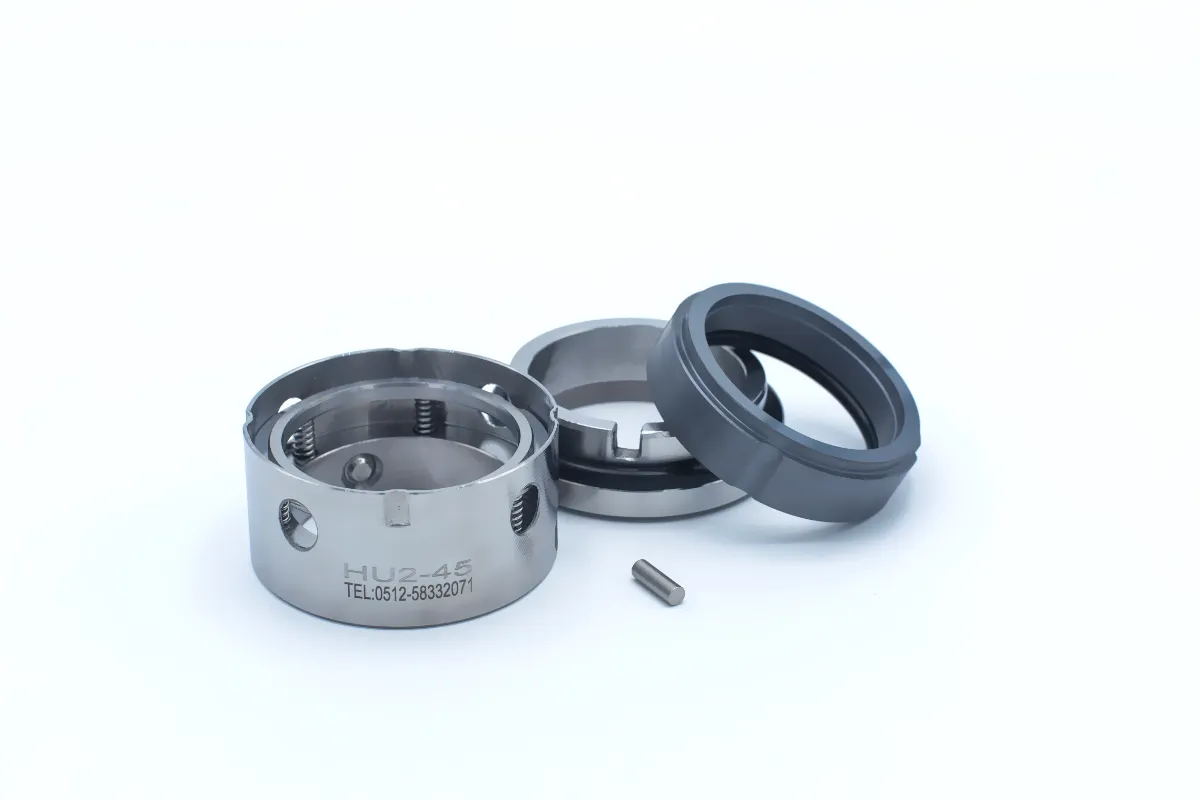
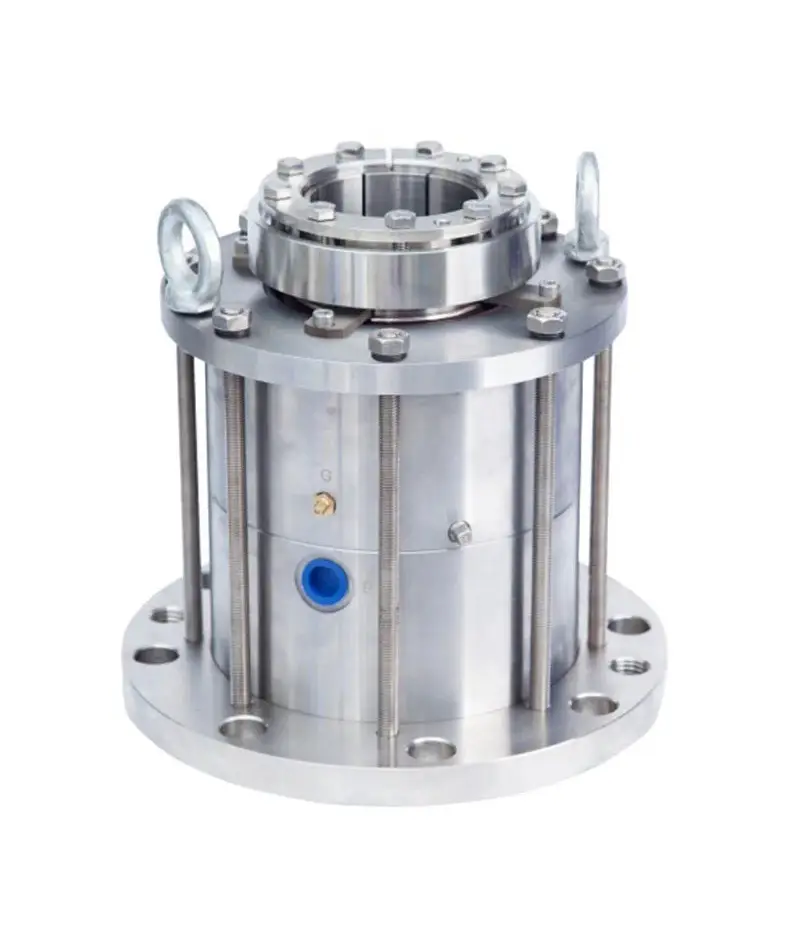
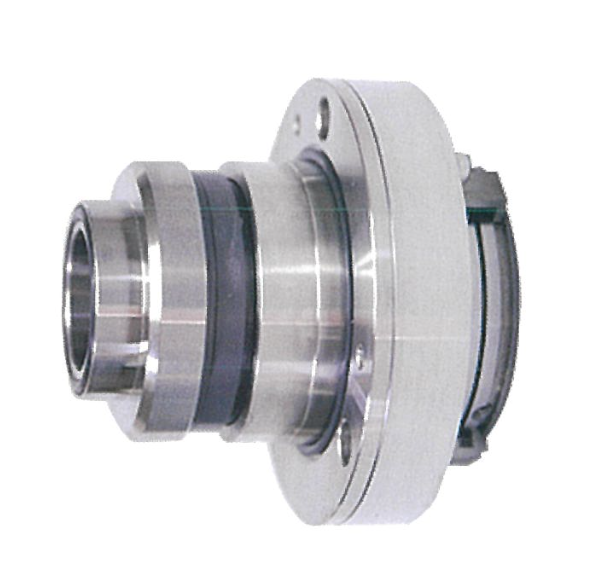
Mechanical seal failure represents a critical challenge in industrial equipment maintenance that demands immediate attention and comprehensive understanding. A mechanical seal serves as the primary barrier between rotating shafts and stationary housings in pumps, compressors, mixers, and other rotating equipment. When mechanical seal failure occurs, it compromises the seal's ability to prevent fluid leakage while maintaining proper lubrication and cooling of the sealing surfaces. The main functions of addressing mechanical seal failure include identifying root causes, implementing corrective measures, and establishing preventive maintenance protocols. These seals operate through two flat surfaces - one rotating with the shaft and one stationary - that maintain contact under spring pressure and fluid pressure. Technological features involved in mechanical seal failure analysis encompass advanced diagnostic tools, vibration monitoring systems, and thermal imaging equipment that detect early warning signs. Modern failure analysis techniques utilize computerized maintenance management systems that track performance data and predict potential issues before catastrophic failure occurs. Applications of mechanical seal failure management span across chemical processing plants, water treatment facilities, oil refineries, pharmaceutical manufacturing, and power generation facilities. Understanding mechanical seal failure patterns helps engineers select appropriate materials, face combinations, and operating parameters for specific applications. The failure analysis process involves examining wear patterns, chemical compatibility, temperature effects, and installation procedures. Industries rely on mechanical seal failure expertise to minimize downtime, reduce maintenance costs, and ensure environmental compliance. Proper mechanical seal failure management prevents costly equipment damage, product contamination, and safety hazards. The complexity of modern sealing systems requires specialized knowledge of metallurgy, tribology, and fluid dynamics to effectively address mechanical seal failure scenarios and implement lasting solutions.

New Product Releases

Understanding and properly managing mechanical seal failure delivers substantial benefits that directly impact your operational efficiency and bottom line. When you invest in comprehensive mechanical seal failure analysis, you gain the ability to predict equipment problems before they become costly emergencies. This proactive approach reduces unplanned downtime by up to 75 percent, allowing your production schedules to remain stable and predictable. Your maintenance teams become more effective when they understand mechanical seal failure patterns, enabling them to stock the right parts and plan repairs during scheduled maintenance windows rather than scrambling during crisis situations. Cost savings represent one of the most significant advantages of mechanical seal failure management. Emergency repairs typically cost three to five times more than planned maintenance, and mechanical seal failure prevention helps you avoid these premium expenses. You also reduce inventory costs by maintaining optimal spare parts levels based on actual failure data rather than guesswork. Environmental benefits emerge from preventing mechanical seal failure through reduced fluid emissions and contamination risks. This protection helps you maintain compliance with environmental regulations while demonstrating corporate responsibility. Your facility's safety record improves when mechanical seal failure risks are minimized, protecting workers from exposure to hazardous chemicals and high-pressure situations. Energy efficiency gains result from properly functioning seals that eliminate parasitic losses and maintain optimal equipment performance. Mechanical seal failure management extends equipment lifespan by addressing problems early and preventing secondary damage to pumps, motors, and other connected components. Your operational reliability increases dramatically when mechanical seal failure becomes predictable and manageable rather than a constant threat. Quality control benefits include consistent product specifications and reduced contamination risks that could compromise your final products. Training programs focused on mechanical seal failure recognition empower your workforce with valuable troubleshooting skills that improve overall plant performance and create a culture of proactive maintenance.

Latest News

Choosing the Right Agitator Seal for High-Viscosity Mixing

21

Jul

Choosing the Right Agitator Seal for High-Viscosity Mixing

Ensuring Performance in High-Viscosity Mixing Applications In industrial mixing processes involving high-viscosity fluids, reliable sealing is a fundamental requirement. The dynamic conditions in such systems—marked by increased torque, intense...
View More
How to Select the Right Agitator Seal Pressure Suppliers for Your Needs?

06

Aug

How to Select the Right Agitator Seal Pressure Suppliers for Your Needs?

Sealing Excellence Begins with the Right Supplier In industrial settings where mixing, processing, and fluid containment are essential, the importance of robust sealing systems cannot be overstated. Agitator seal pressure systems serve as a critical ...
View More
Key Features of High-Performance Agitator Seal Pressure Systems

06

Aug

Key Features of High-Performance Agitator Seal Pressure Systems

Ensuring Long-Term Efficiency in Industrial Sealing In the world of industrial processing, maintaining system integrity under various operational stresses is a continuous challenge. One of the most vital components for achieving this reliability is t...
View More
Agitator Seal Solutions for Chemical, Pharma & Food Processing

22

Dec

Agitator Seal Solutions for Chemical, Pharma & Food Processing

Industrial mixing operations in chemical, pharmaceutical, and food processing facilities rely heavily on dependable sealing solutions to maintain process integrity and operational efficiency. Agitator seals serve as critical components that prevent f...
View More

Get a Free Quote

Our representative will contact you soon.
Email
Name
Company Name
Country/Region
Message
0/1000

mechanical seal failure

Advanced Diagnostic Capabilities for Early Detection

Advanced Diagnostic Capabilities for Early Detection

Modern mechanical seal failure diagnostic systems revolutionize how industrial facilities approach equipment maintenance through sophisticated monitoring technologies that identify potential problems weeks or months before actual failure occurs. These advanced diagnostic capabilities utilize multiple sensing technologies including vibration analysis, temperature monitoring, acoustic emission detection, and pressure differential measurements to create a comprehensive picture of seal health. When mechanical seal failure warning signs emerge, the diagnostic system immediately alerts maintenance personnel through automated notification systems that can send alerts via email, text message, or integration with existing plant control systems. The real-time nature of these diagnostics means you never miss critical warning signs that could lead to catastrophic mechanical seal failure. Vibration signature analysis represents one of the most powerful diagnostic tools, as each type of mechanical seal failure produces distinct vibration patterns that trained analysts can interpret to determine the specific nature of developing problems. Temperature monitoring detects thermal anomalies that often precede mechanical seal failure, allowing maintenance teams to investigate cooling system problems, lubrication issues, or excessive friction before damage occurs. Acoustic emission sensors pick up high-frequency sounds generated by crack propagation, surface degradation, and other mechanical seal failure precursors that remain inaudible to human operators. The integration of artificial intelligence and machine learning algorithms enhances diagnostic accuracy by learning normal operating patterns for each piece of equipment and automatically identifying deviations that suggest impending mechanical seal failure. Historical data analysis reveals trends and patterns that help predict not just when mechanical seal failure might occur, but also the most likely failure mode, enabling targeted preventive actions. These diagnostic capabilities provide quantifiable return on investment through reduced emergency repairs, extended equipment life, improved safety records, and optimized maintenance scheduling that minimizes production disruptions while maximizing equipment availability.
Comprehensive Failure Analysis and Root Cause Investigation

Comprehensive Failure Analysis and Root Cause Investigation

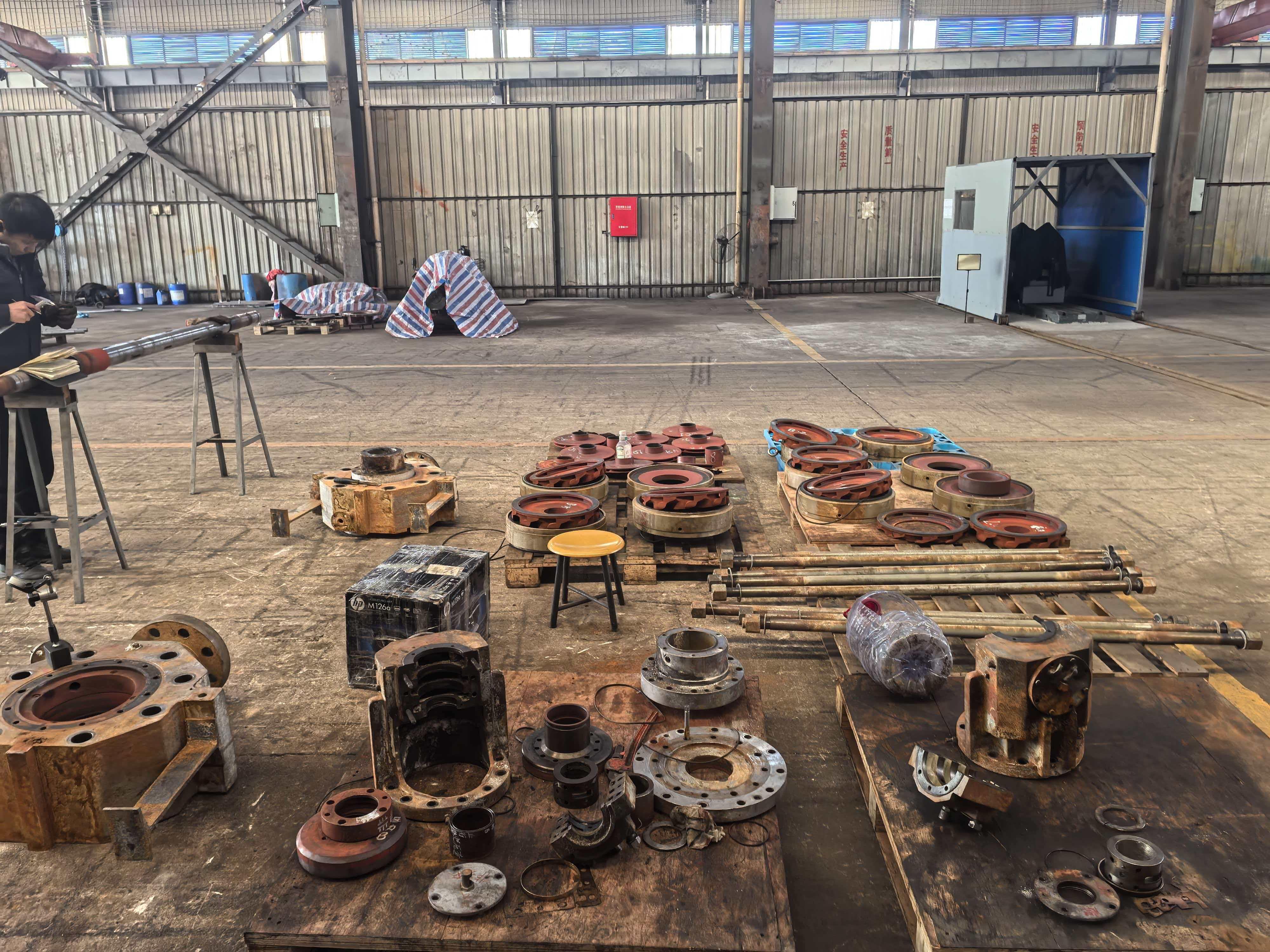
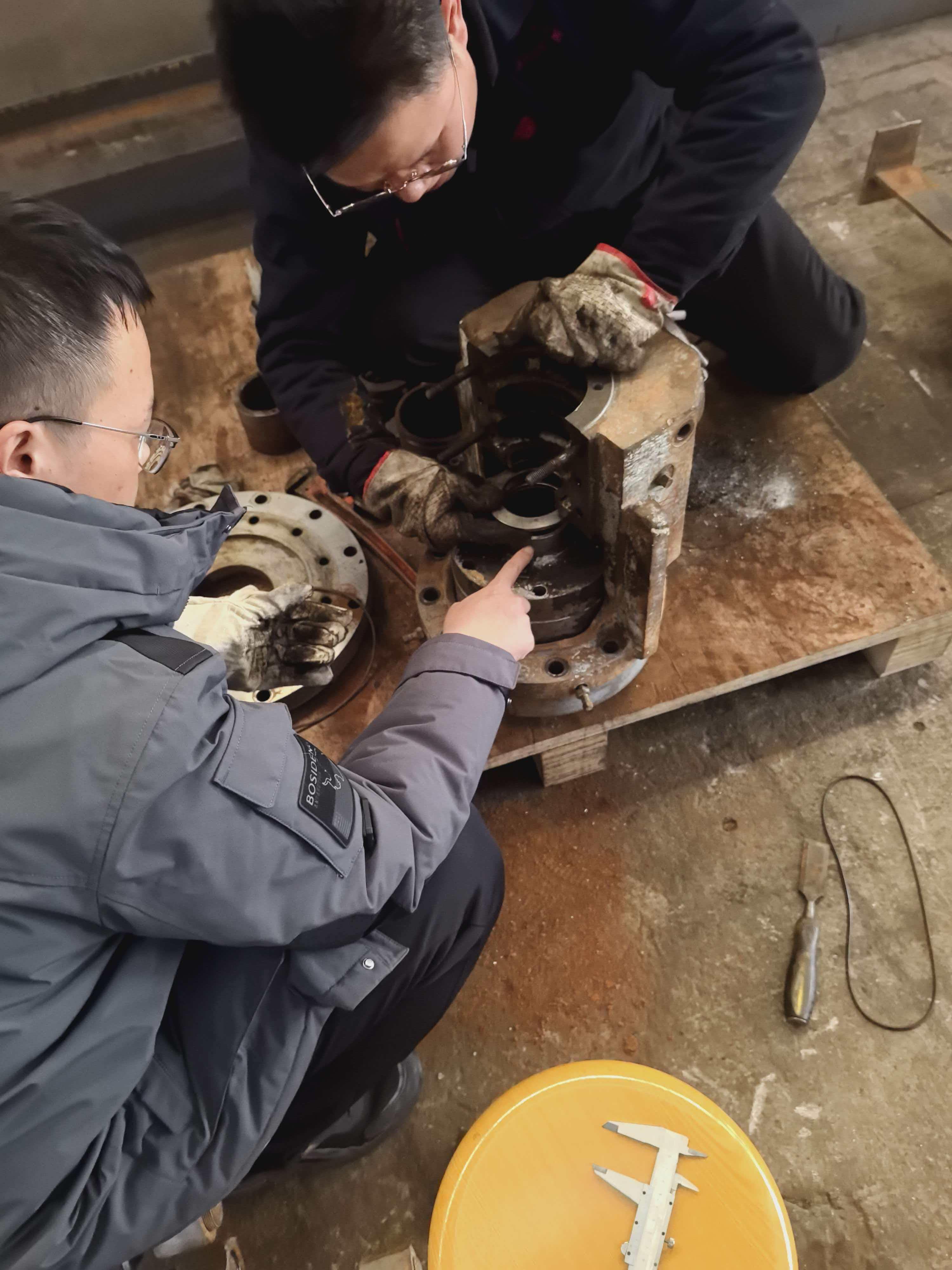
Professional mechanical seal failure analysis goes far beyond simple visual inspection to provide detailed forensic investigation that identifies the fundamental causes of seal problems and develops targeted solutions to prevent recurrence. This comprehensive approach examines every aspect of the operating environment, installation procedures, material selection, and maintenance practices that could contribute to mechanical seal failure. Metallurgical analysis of failed components reveals information about material compatibility, corrosion mechanisms, thermal stress effects, and manufacturing defects that may have initiated the failure process. Forensic examination of seal faces under high-powered microscopy shows wear patterns, surface finish degradation, and contact anomalies that provide crucial clues about operating conditions leading to mechanical seal failure. Chemical analysis of process fluids and contamination deposits helps identify corrosive substances, abrasive particles, or incompatible materials that accelerated seal degradation. The investigation process includes detailed review of installation procedures to identify human factors that may have contributed to premature mechanical seal failure, such as improper alignment, inadequate surface preparation, or incorrect torque specifications. Operating parameter analysis examines pressure fluctuations, temperature cycling, speed variations, and other dynamic conditions that could have stressed the seal beyond its design limits. Documentation of the complete failure timeline helps investigators understand the sequence of events leading to mechanical seal failure and identify missed opportunities for early intervention. Root cause analysis extends beyond the immediate failure to examine systemic issues such as inadequate preventive maintenance programs, insufficient operator training, or design limitations that make mechanical seal failure more likely. The comprehensive nature of this analysis ensures that corrective actions address actual problems rather than symptoms, preventing repeated failures and reducing long-term maintenance costs. Results are presented in detailed reports that include photographic evidence, laboratory test results, and specific recommendations for preventing similar mechanical seal failure incidents in the future.
Customized Prevention Strategies and Maintenance Optimization

Customized Prevention Strategies and Maintenance Optimization

Effective mechanical seal failure prevention requires customized strategies that account for specific operating conditions, process requirements, and maintenance capabilities unique to each industrial application. These tailored prevention programs begin with comprehensive assessment of existing equipment, operating procedures, and maintenance practices to identify vulnerabilities that could lead to premature mechanical seal failure. Engineering analysis evaluates whether current seal selections are appropriate for actual operating conditions, considering factors such as process fluid compatibility, temperature ranges, pressure variations, and shaft deflection characteristics that influence seal performance. Maintenance optimization involves developing specific procedures for installation, inspection, and replacement that minimize the risk of mechanical seal failure while extending service life. Predictive maintenance schedules are established based on actual equipment history and operating conditions rather than generic manufacturer recommendations, ensuring that maintenance activities occur at optimal intervals. Training programs educate maintenance personnel, operators, and engineers about mechanical seal failure warning signs, proper handling procedures, and troubleshooting techniques that prevent minor problems from escalating into major failures. Spare parts management strategies ensure that critical seal components are available when needed while avoiding excessive inventory costs associated with overstocking. Quality control procedures verify that replacement seals meet specifications and are properly installed to prevent mechanical seal failure due to substandard parts or installation errors. Environmental monitoring systems track operating parameters that affect seal life and automatically adjust process conditions to minimize stress on sealing components. Documentation systems maintain detailed records of seal performance, failure incidents, and corrective actions to support continuous improvement efforts and identify trends that could indicate emerging problems. Integration with existing maintenance management systems ensures that mechanical seal failure prevention activities are coordinated with other plant maintenance activities and properly prioritized based on business impact. Regular performance reviews assess the effectiveness of prevention strategies and identify opportunities for further optimization, creating a continuous improvement cycle that reduces mechanical seal failure rates while controlling maintenance costs and improving overall equipment reliability.

Get a Free Quote

Our representative will contact you soon.
Email
Name
Company Name
Country/Region
Message
0/1000