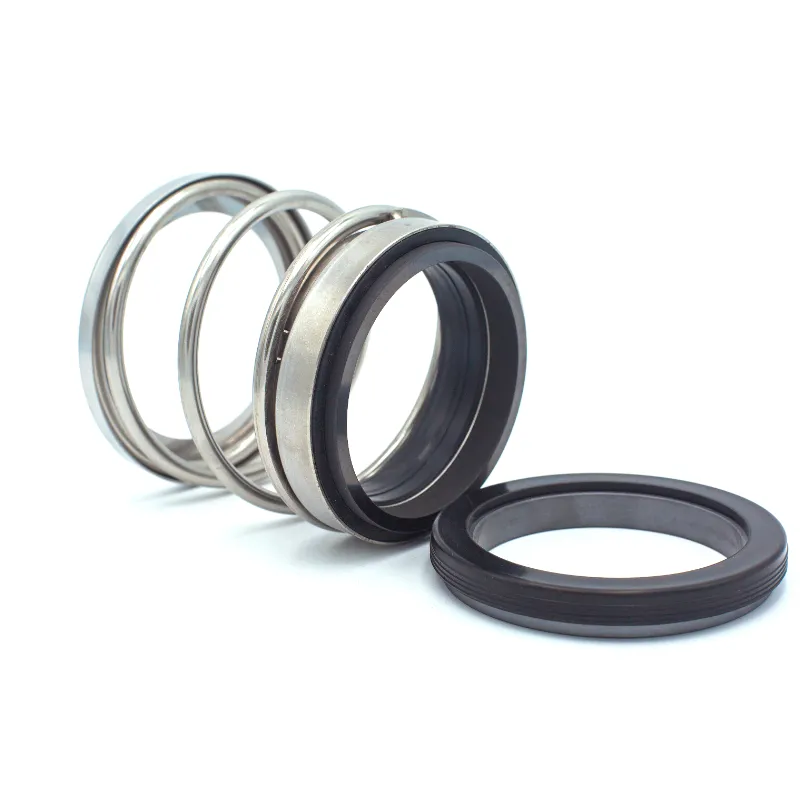
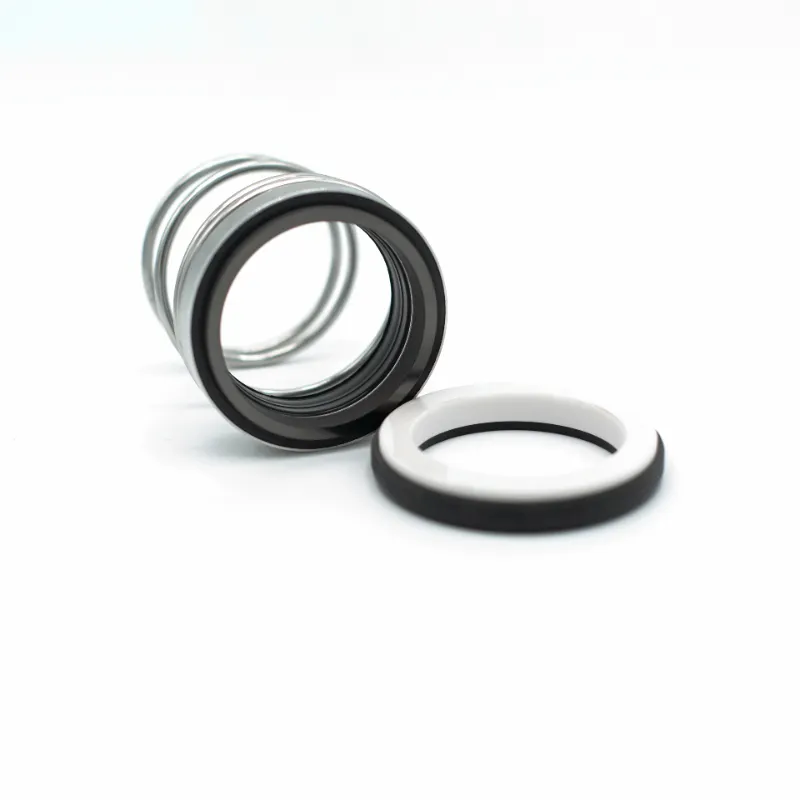
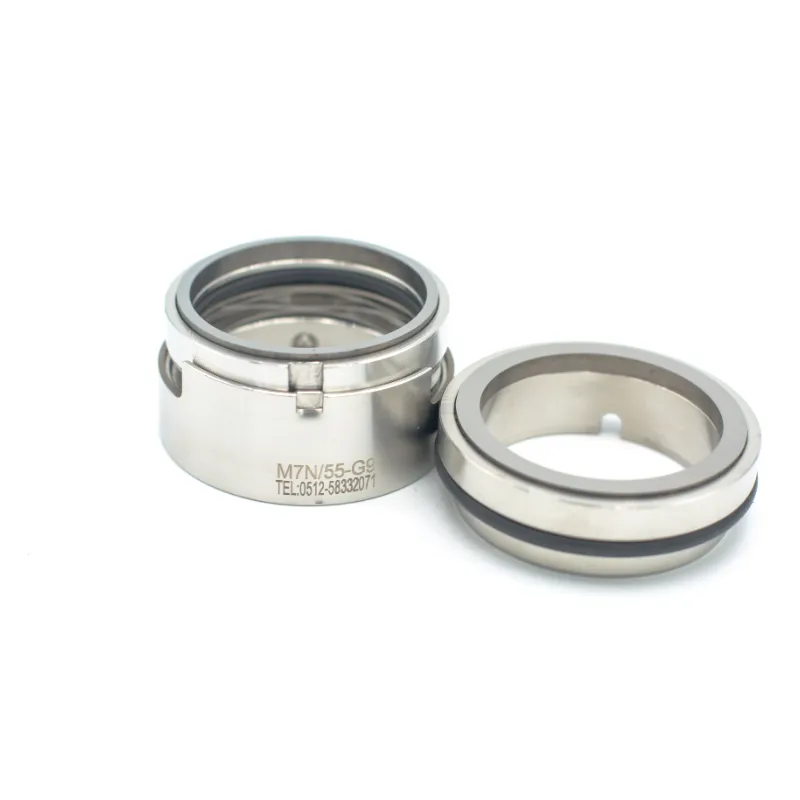
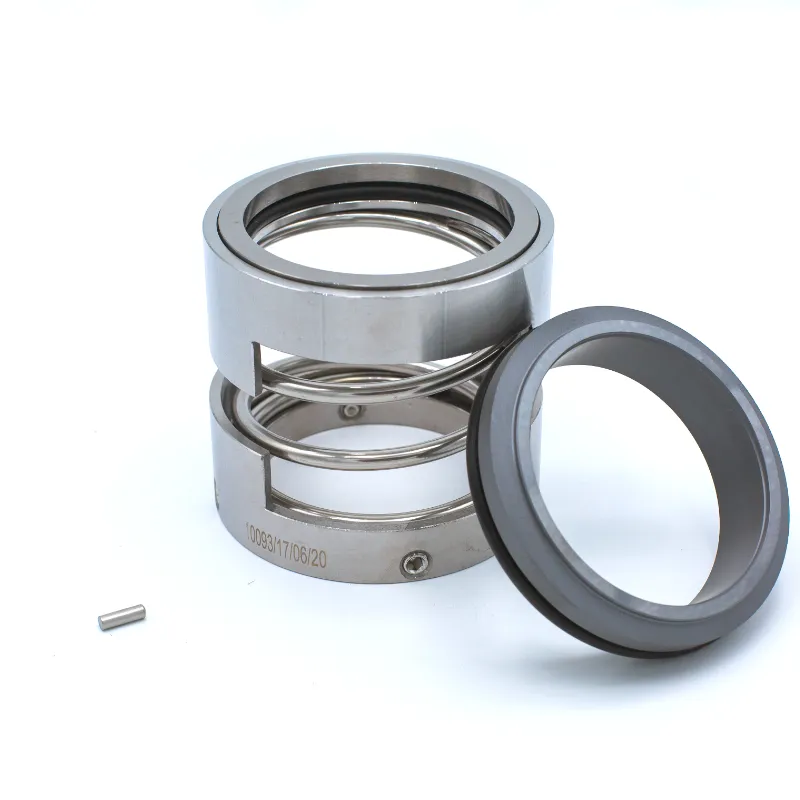
seal failure analysis
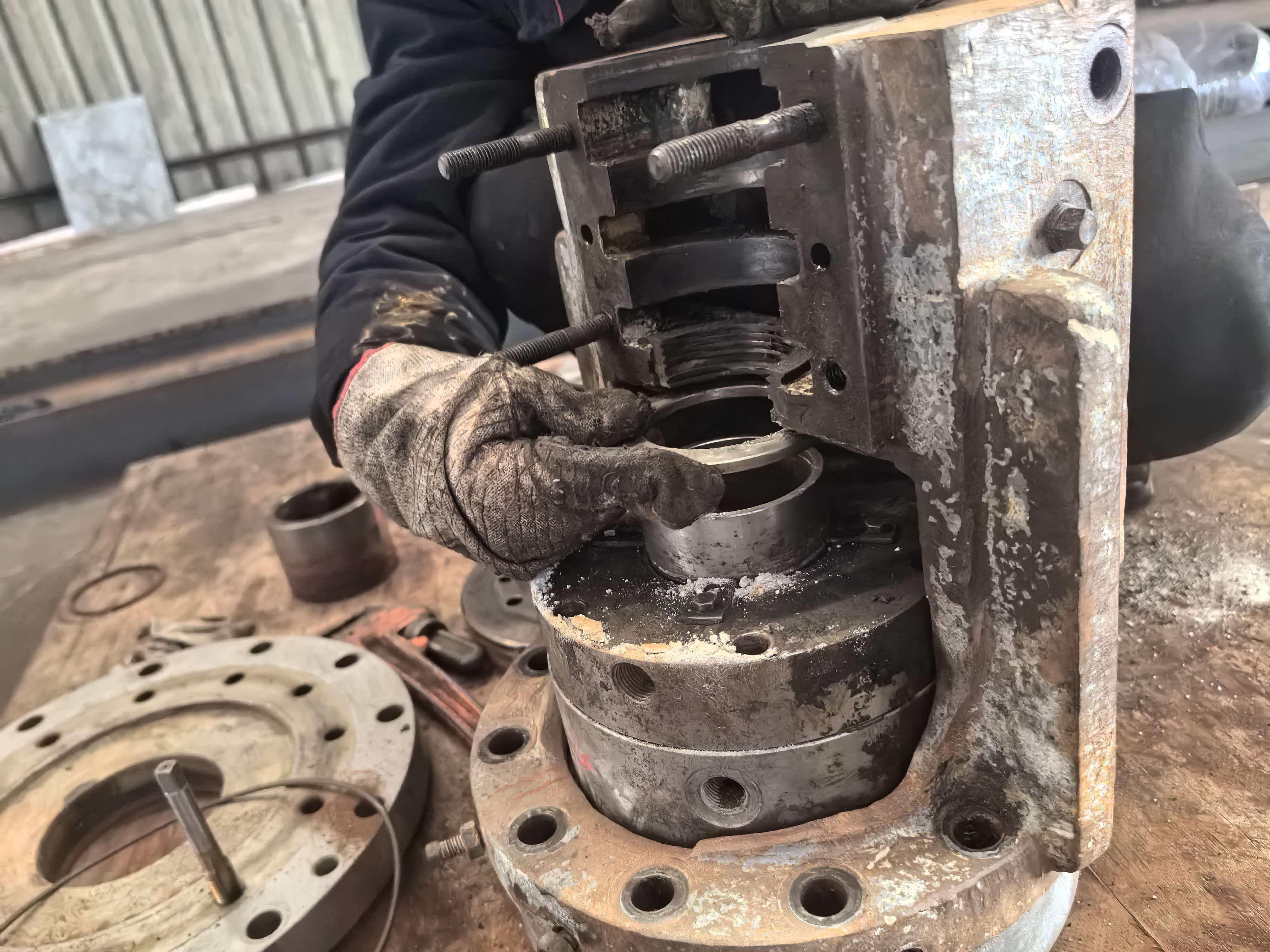
Seal failure analysis represents a critical diagnostic process that systematically examines compromised sealing systems to determine root causes, failure mechanisms, and preventive measures. This comprehensive evaluation methodology combines advanced materials science, mechanical engineering principles, and forensic investigation techniques to provide definitive answers about sealing component failures across industrial applications. The primary functions of seal failure analysis encompass detailed visual inspection, microscopic examination, chemical composition testing, mechanical property assessment, and environmental factor evaluation. These analytical procedures help identify whether failures resulted from design inadequacies, material defects, improper installation, operational stresses, or environmental degradation. The technological features of modern seal failure analysis include sophisticated diagnostic equipment such as electron microscopy, spectroscopic analysis tools, hardness testing apparatus, and specialized imaging systems. Advanced laboratories utilize scanning electron microscopes to examine surface topography at magnifications exceeding 100,000x, revealing microscopic wear patterns, crack propagation paths, and contamination deposits invisible to conventional inspection methods. Infrared spectroscopy and energy-dispersive X-ray analysis identify chemical changes, additive depletion, and foreign substance contamination that compromise seal integrity. The applications of seal failure analysis span numerous industries including aerospace, automotive, oil and gas, chemical processing, marine systems, and manufacturing operations. In aerospace applications, seal failure analysis ensures flight safety by investigating hydraulic system seals, fuel system components, and environmental control systems. Automotive manufacturers rely on this analysis to improve gasket designs, transmission seals, and engine components. Chemical processing facilities utilize seal failure analysis to prevent hazardous leaks and ensure regulatory compliance. The process typically involves sample collection, preservation protocols, laboratory testing sequences, data interpretation, and comprehensive reporting that includes failure mode identification, contributing factors, and recommended corrective actions for preventing future occurrences.
 EN
EN