Complete Guide to Pump Seal Failure: Prevention, Detection, and Cost-Effective Solutions

Get a Free Quote

Our representative will contact you soon.
Email
Name
Company Name
Message
0/1000

pump seal failure

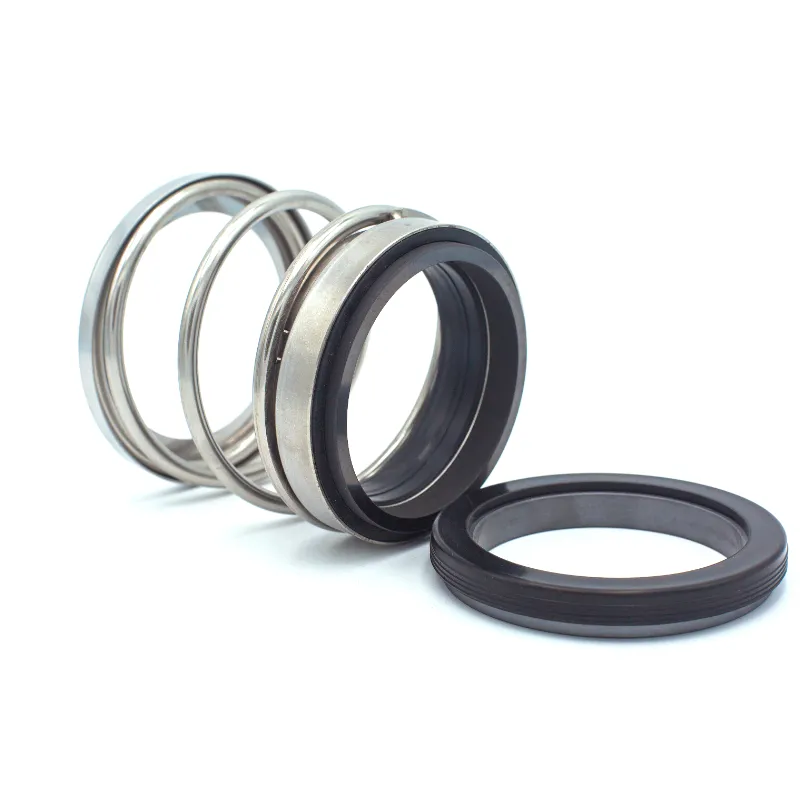
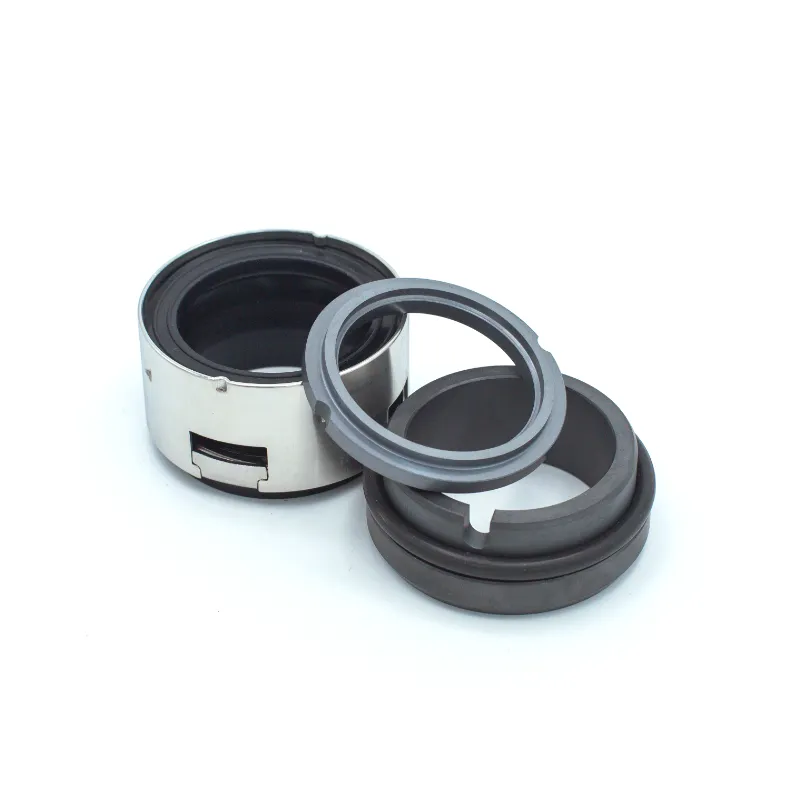
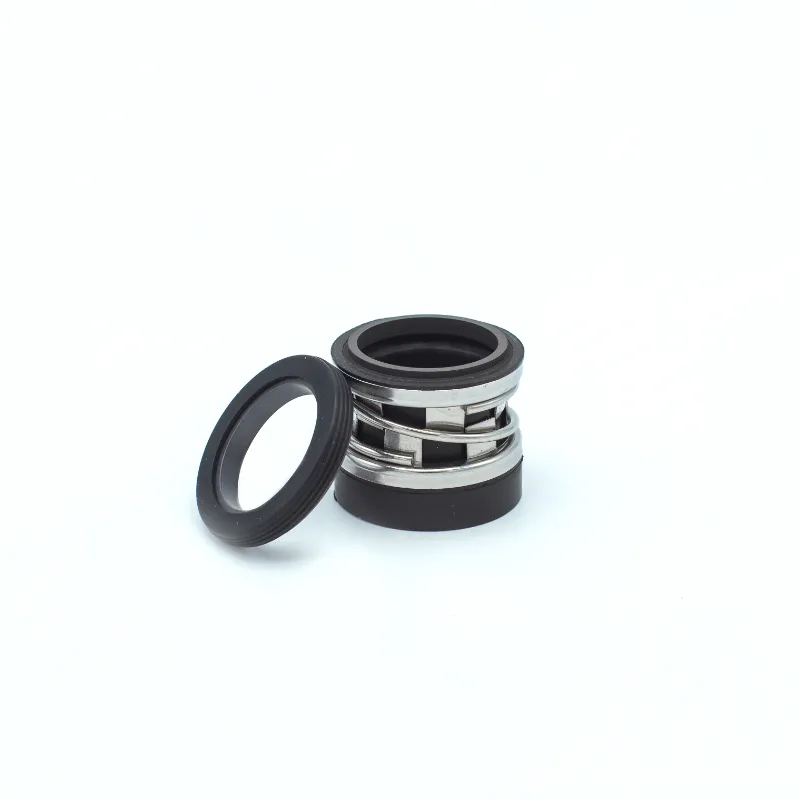
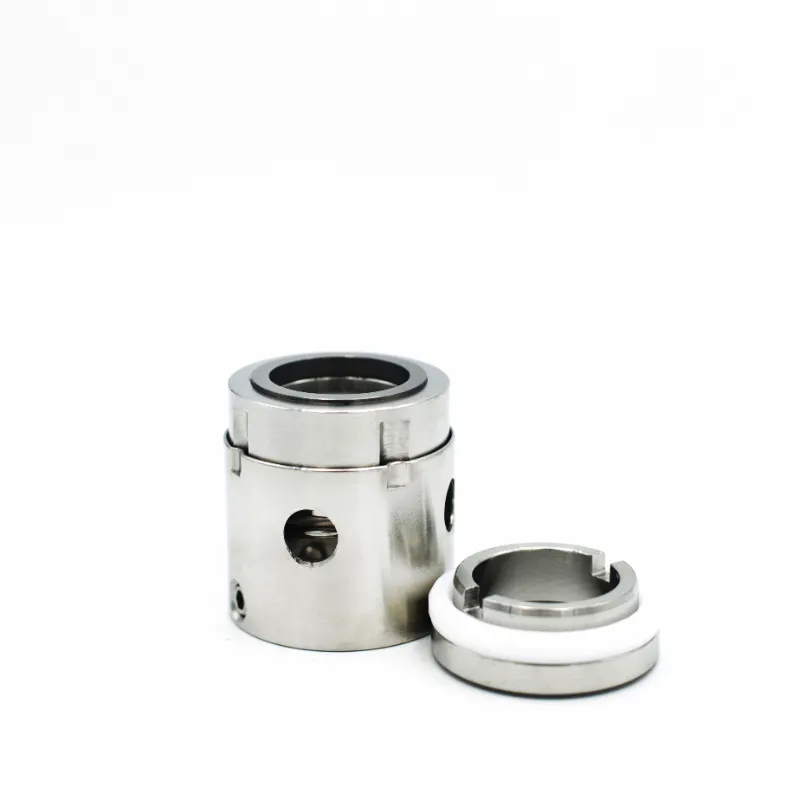
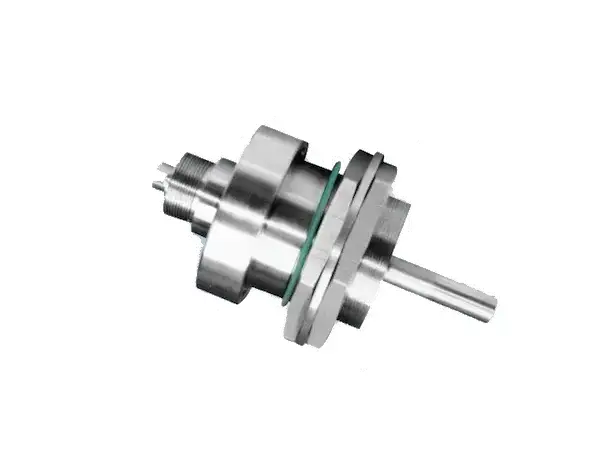
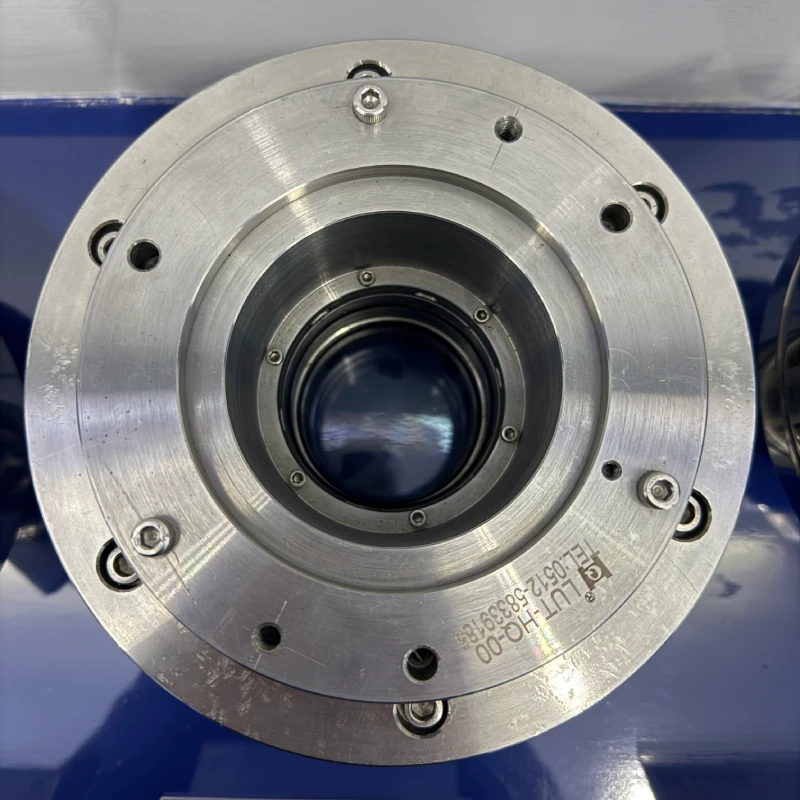
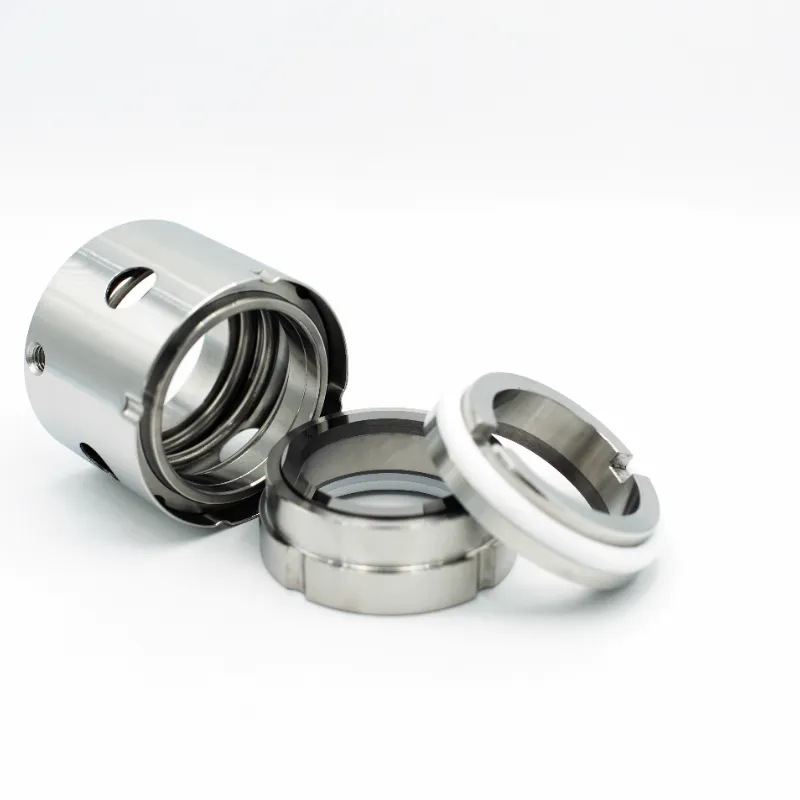
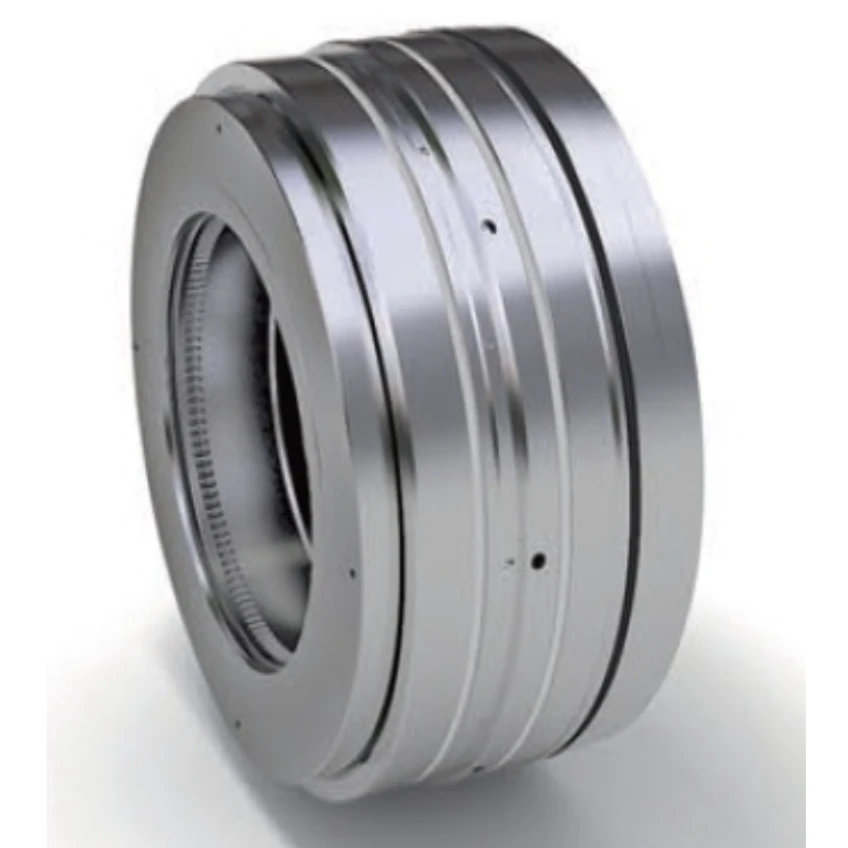
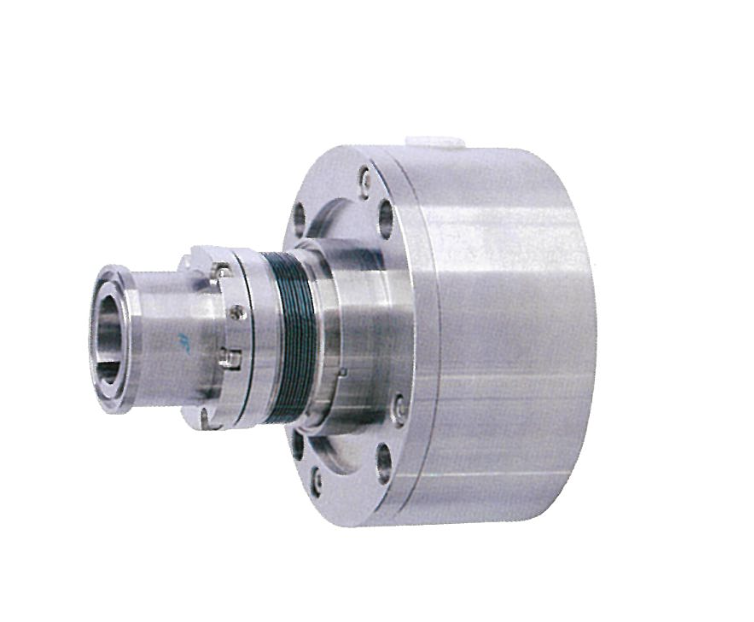
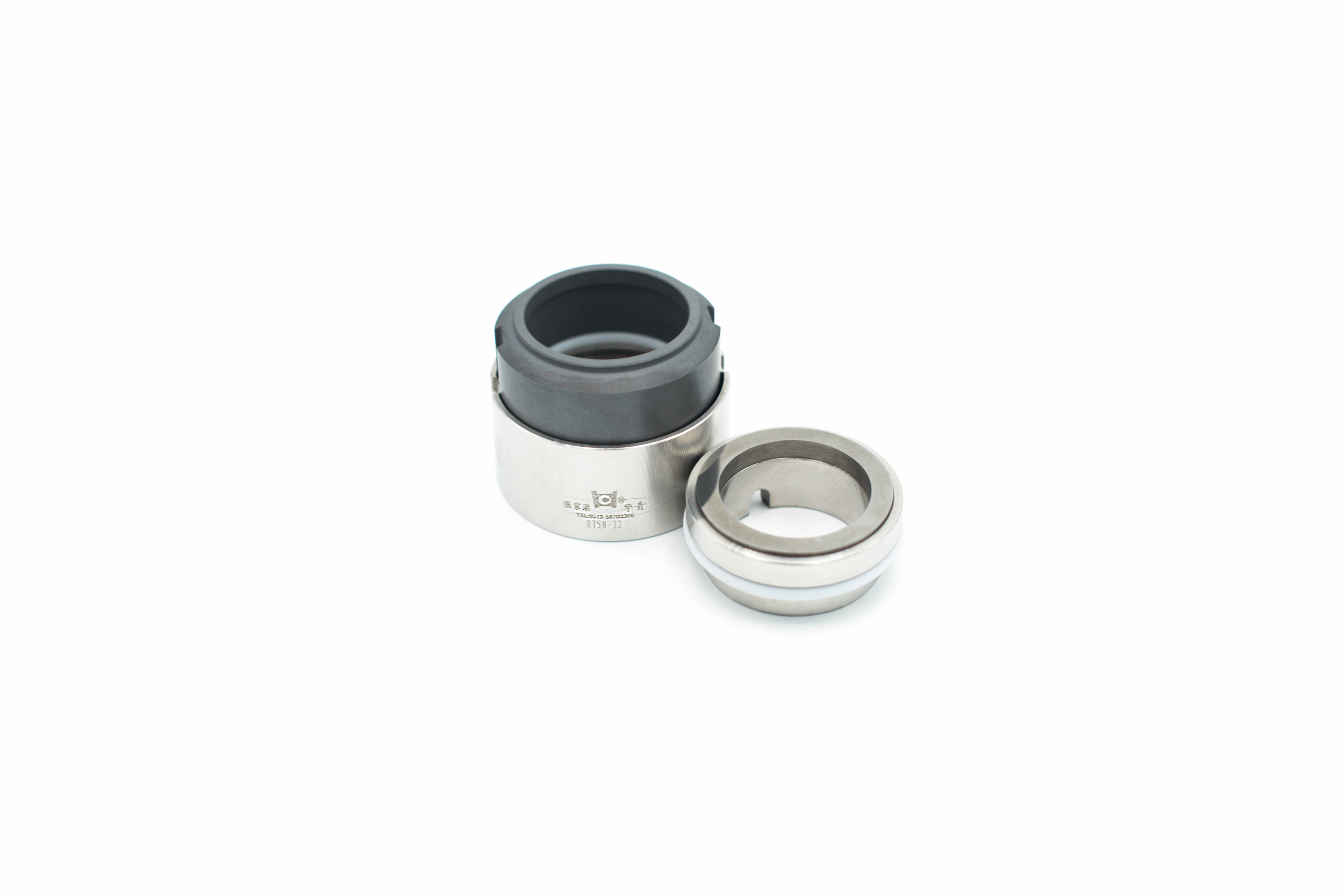
Pump seal failure represents a critical mechanical breakdown that occurs when sealing components within pumping systems lose their ability to prevent fluid leakage between rotating and stationary parts. This failure primarily affects the mechanical seals, gaskets, and O-rings that maintain pressure boundaries and prevent contamination in centrifugal pumps, positive displacement pumps, and specialized industrial pumping equipment. The main functions of pump seal systems include containing process fluids, preventing external contaminants from entering the pump chamber, maintaining system pressure, and ensuring safe operation by preventing hazardous material leakage. When pump seal failure occurs, these protective barriers become compromised, leading to operational inefficiencies and potential safety hazards. The technological features associated with pump seal failure encompass various failure modes including thermal degradation, mechanical wear, chemical attack, improper installation, and inadequate maintenance practices. Modern diagnostic technologies now enable early detection of pump seal failure through vibration analysis, thermal imaging, acoustic monitoring, and pressure testing methods. These advanced detection systems help identify potential seal deterioration before catastrophic failure occurs. Applications where pump seal failure monitoring becomes crucial span across chemical processing plants, water treatment facilities, oil refineries, pharmaceutical manufacturing, food processing industries, and power generation stations. In these environments, pump seal failure can result in product contamination, environmental releases, equipment damage, and production downtime. Understanding pump seal failure patterns helps maintenance teams implement preventive strategies, select appropriate sealing materials, and establish optimal operating parameters. The economic impact of pump seal failure extends beyond immediate repair costs to include lost production time, environmental cleanup expenses, and regulatory compliance issues, making proactive seal management essential for operational success.

New Product Releases

Understanding and addressing pump seal failure delivers significant practical benefits that directly impact operational efficiency and cost management for industrial facilities. Organizations that implement comprehensive pump seal failure monitoring systems experience substantially reduced unplanned downtime, as early detection capabilities allow maintenance teams to schedule repairs during planned outages rather than responding to emergency breakdowns. This proactive approach to pump seal failure management typically reduces maintenance costs by thirty to fifty percent compared to reactive maintenance strategies. The financial advantages extend beyond direct repair expenses, as preventing pump seal failure eliminates the cascading effects of equipment damage, product contamination, and environmental incidents that can cost hundreds of thousands of dollars per occurrence. Safety improvements represent another crucial advantage of effective pump seal failure management, particularly in facilities handling hazardous chemicals or high-temperature fluids. When pump seal failure occurs unexpectedly, personnel face increased exposure risks from chemical spills, pressure releases, and emergency response situations. Implementing systematic pump seal failure monitoring creates safer working environments by minimizing these exposure scenarios and providing advance warning of potential hazards. Environmental protection benefits emerge from preventing pump seal failure incidents that could result in soil contamination, groundwater pollution, or atmospheric releases. Regulatory compliance becomes more manageable when organizations demonstrate proactive pump seal failure prevention measures, often resulting in reduced inspection frequencies and lower insurance premiums. Operational reliability improvements through pump seal failure management contribute to consistent production output, enhanced product quality, and improved customer satisfaction levels. Energy efficiency gains occur when pump seal failure issues are addressed promptly, as compromised seals often cause pumps to work harder, consuming additional power while delivering reduced performance. The competitive advantages of mastering pump seal failure management include improved equipment longevity, reduced spare parts inventory requirements, and enhanced reputation for operational excellence. These benefits compound over time, creating sustainable cost savings and positioning organizations as industry leaders in maintenance practices and environmental stewardship.

Tips And Tricks

Choosing the Right Agitator Seal for High-Viscosity Mixing

21

Jul

Choosing the Right Agitator Seal for High-Viscosity Mixing

Ensuring Performance in High-Viscosity Mixing Applications In industrial mixing processes involving high-viscosity fluids, reliable sealing is a fundamental requirement. The dynamic conditions in such systems—marked by increased torque, intense...
View More
How to Select the Right Agitator Seal Pressure Suppliers for Your Needs?

06

Aug

How to Select the Right Agitator Seal Pressure Suppliers for Your Needs?

Sealing Excellence Begins with the Right Supplier In industrial settings where mixing, processing, and fluid containment are essential, the importance of robust sealing systems cannot be overstated. Agitator seal pressure systems serve as a critical ...
View More
Can Cartridge Mechanical Seals Reduce Downtime and Maintenance Needs?

22

Dec

Can Cartridge Mechanical Seals Reduce Downtime and Maintenance Needs?

Industrial facilities across manufacturing, chemical processing, and oil refining sectors face constant pressure to minimize equipment downtime while maximizing operational efficiency. One critical component that significantly impacts these goals is ...
View More
Double Mechanical Seals for Higher Pressure and Temperature Control

13

Jan

Double Mechanical Seals for Higher Pressure and Temperature Control

In industrial applications where reliability and performance are paramount, double mechanical seals have emerged as the preferred sealing solution for high-pressure and high-temperature environments. These advanced sealing systems provide superior pr...
View More

Get a Free Quote

Our representative will contact you soon.
Email
Name
Company Name
Country/Region
Message
0/1000

pump seal failure

Advanced Diagnostic Technologies for Early Pump Seal Failure Detection

Advanced Diagnostic Technologies for Early Pump Seal Failure Detection

Modern industrial facilities increasingly rely on sophisticated diagnostic technologies to identify pump seal failure conditions before they escalate into costly emergency situations. These advanced systems utilize multiple monitoring techniques working in concert to provide comprehensive pump seal failure detection capabilities. Vibration analysis represents the cornerstone of contemporary pump seal failure monitoring, employing accelerometers and velocity transducers to detect minute changes in equipment vibration patterns that indicate seal degradation. When pump seal failure begins developing, characteristic frequency signatures emerge in the vibration spectrum, allowing trained analysts to pinpoint specific failure mechanisms and estimate remaining seal life. Thermal imaging technology complements vibration monitoring by detecting temperature anomalies associated with pump seal failure, such as excessive friction heat generation or cooling system inefficiencies that accelerate seal deterioration. Infrared cameras can identify hot spots around seal housings that indicate imminent pump seal failure, providing visual evidence of thermal stress conditions. Acoustic emission monitoring adds another layer of pump seal failure detection by capturing ultrasonic frequencies generated during crack propagation and material degradation within seal components. These high-frequency signals often precede visible signs of pump seal failure by weeks or months, enabling extremely early intervention. Oil analysis programs specifically designed for pump seal failure detection examine lubricant samples for wear particles, contamination levels, and chemical degradation products that indicate seal performance decline. Advanced laboratories can identify specific seal materials in oil samples, confirming pump seal failure progression and guiding replacement decisions. Pressure monitoring systems track seal chamber pressures and differential pressures across seal faces, providing real-time indication of pump seal failure development. Integration of these diagnostic technologies through computerized maintenance management systems creates comprehensive pump seal failure prediction models that optimize maintenance scheduling and resource allocation while maximizing equipment availability and operational safety.
Cost-Effective Maintenance Strategies for Pump Seal Failure Prevention

Cost-Effective Maintenance Strategies for Pump Seal Failure Prevention

Implementing strategic maintenance approaches specifically designed to prevent pump seal failure delivers exceptional return on investment while significantly improving equipment reliability and operational efficiency. Predictive maintenance programs focused on pump seal failure prevention combine condition monitoring technologies with systematic inspection protocols to identify optimal maintenance timing, reducing both planned and unplanned maintenance costs. These programs typically achieve maintenance cost reductions of forty to sixty percent compared to traditional time-based maintenance schedules by performing seal replacements only when condition assessments indicate actual need rather than following arbitrary calendar intervals. Condition-based maintenance strategies for pump seal failure prevention utilize real-time monitoring data to trigger maintenance actions based on actual equipment condition rather than predetermined schedules, ensuring maximum seal life utilization while preventing unexpected failures. Root cause analysis techniques applied to pump seal failure incidents help identify underlying issues such as improper installation procedures, inadequate lubrication systems, or operating condition problems that contribute to premature seal deterioration. Addressing these root causes through systematic corrective actions reduces pump seal failure recurrence rates and extends average seal life significantly. Preventive maintenance protocols specifically designed for pump seal failure prevention include regular inspection schedules, proper lubrication practices, cooling system maintenance, and alignment verification procedures that maintain optimal operating conditions for seal components. Training programs focused on pump seal failure recognition and prevention provide maintenance personnel with specialized knowledge needed to identify early warning signs, perform proper installation procedures, and implement best practices for seal life optimization. Inventory management strategies for pump seal failure prevention ensure critical spare parts availability while minimizing carrying costs through demand forecasting and supplier partnership programs. Maintenance scheduling optimization considers production requirements, equipment criticality, and pump seal failure probability assessments to minimize operational disruption while maintaining high equipment availability. Documentation systems tracking pump seal failure history, maintenance actions, and performance trends provide valuable data for continuous improvement initiatives and help identify opportunities for further cost reduction and reliability enhancement.
Environmental and Safety Compliance Through Pump Seal Failure Management

Environmental and Safety Compliance Through Pump Seal Failure Management

Effective pump seal failure management serves as a cornerstone of comprehensive environmental protection and workplace safety programs, helping industrial facilities maintain regulatory compliance while protecting personnel and surrounding communities from hazardous exposures. Environmental protection benefits from proactive pump seal failure prevention include significant reduction in potential chemical releases, groundwater contamination incidents, and atmospheric emissions that can result from seal failures in critical pumping applications. Regulatory agencies increasingly focus on preventing pollution at the source rather than responding to incidents after they occur, making pump seal failure prevention programs essential components of environmental management systems. Documentation requirements for environmental compliance often mandate detailed records of pump seal failure incidents, response actions, and preventive measures implemented to reduce future occurrence probability. Systematic pump seal failure management provides the structured approach and comprehensive documentation needed to satisfy these regulatory requirements while demonstrating corporate commitment to environmental stewardship. Safety improvements achieved through pump seal failure prevention programs directly protect workers from exposure to hazardous chemicals, high-pressure releases, and emergency response situations that pose significant health risks. Occupational safety regulations require employers to minimize worker exposure to hazardous substances, making pump seal failure prevention both a legal obligation and ethical responsibility. Emergency response planning for pump seal failure incidents must consider potential exposure scenarios, evacuation procedures, and containment strategies that protect both personnel and environmental resources. Training programs addressing pump seal failure recognition and response ensure workers can identify developing problems before they become safety hazards and respond appropriately when incidents occur. Insurance benefits often accompany comprehensive pump seal failure management programs, as insurers recognize the reduced risk profile associated with proactive maintenance and environmental protection measures. Risk assessment methodologies incorporate pump seal failure probability and consequence analysis to prioritize safety improvements and resource allocation decisions. Continuous improvement processes focused on pump seal failure prevention help organizations exceed minimum compliance requirements while building reputation for operational excellence and environmental responsibility that provides competitive advantages in increasingly environmentally conscious markets.

Get a Free Quote

Our representative will contact you soon.
Email
Name
Company Name
Country/Region
Message
0/1000