Complete Guide to Seal Failure in Pumps: Prevention, Detection & Solutions

Get a Free Quote

Our representative will contact you soon.
Email
Name
Company Name
Message
0/1000

seal failure in pumps

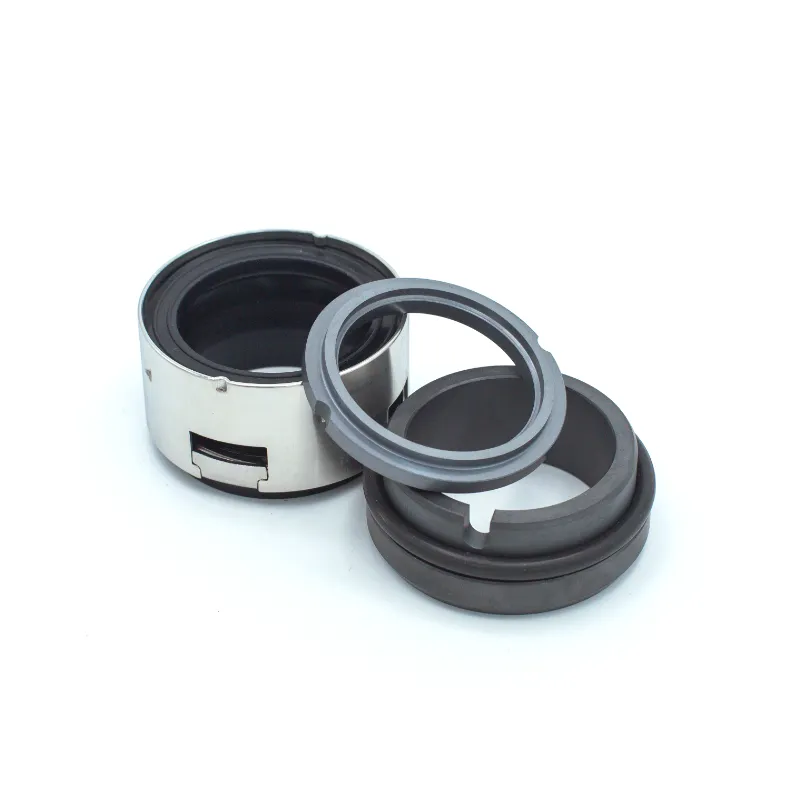
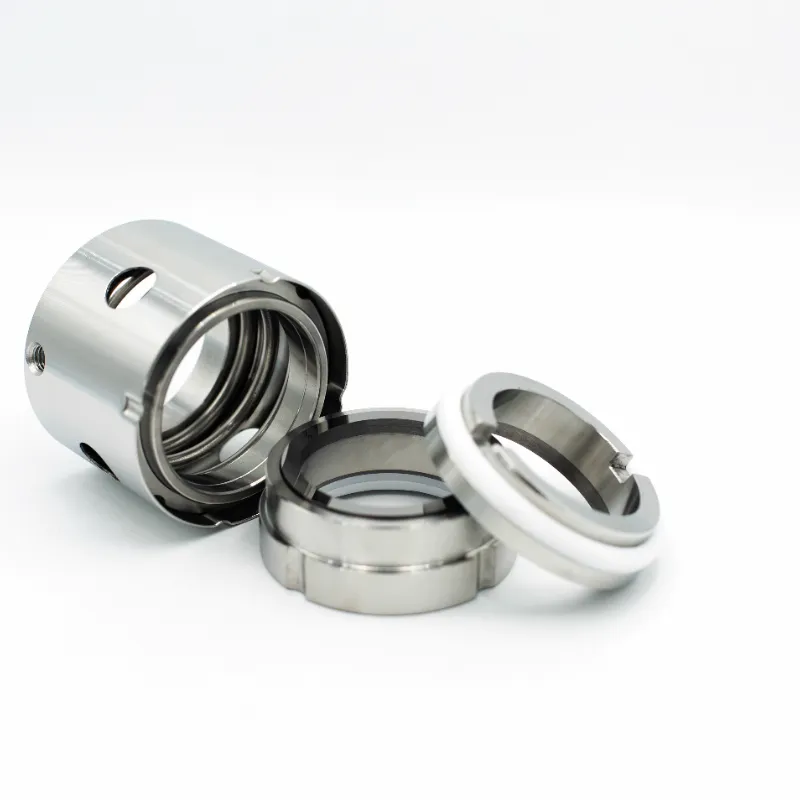
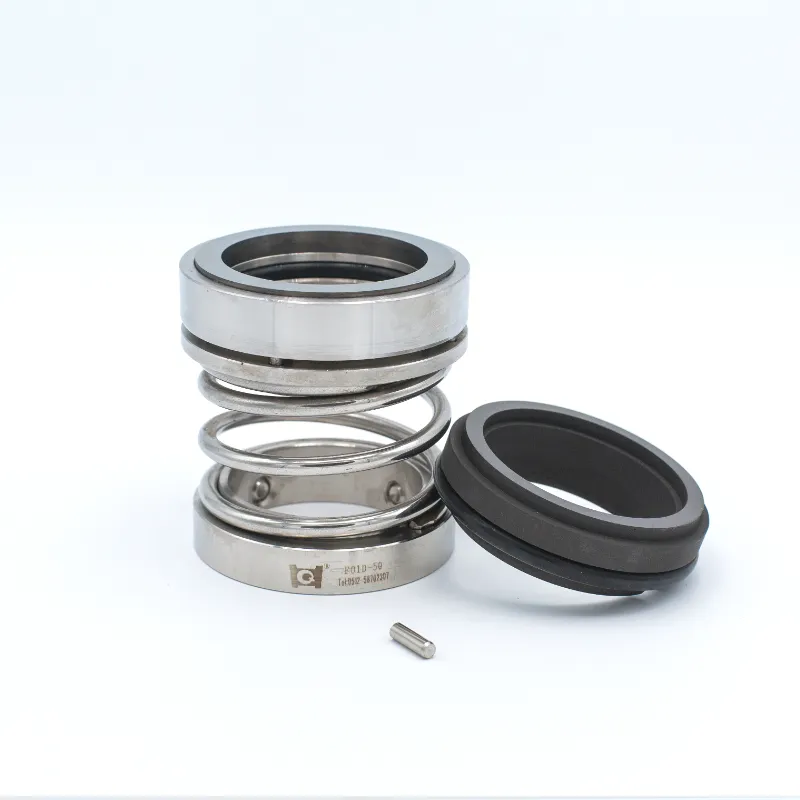
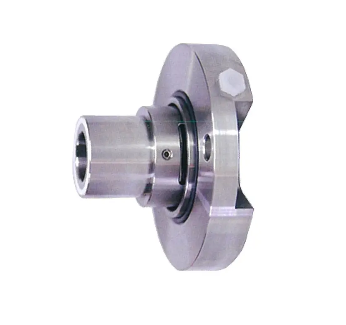
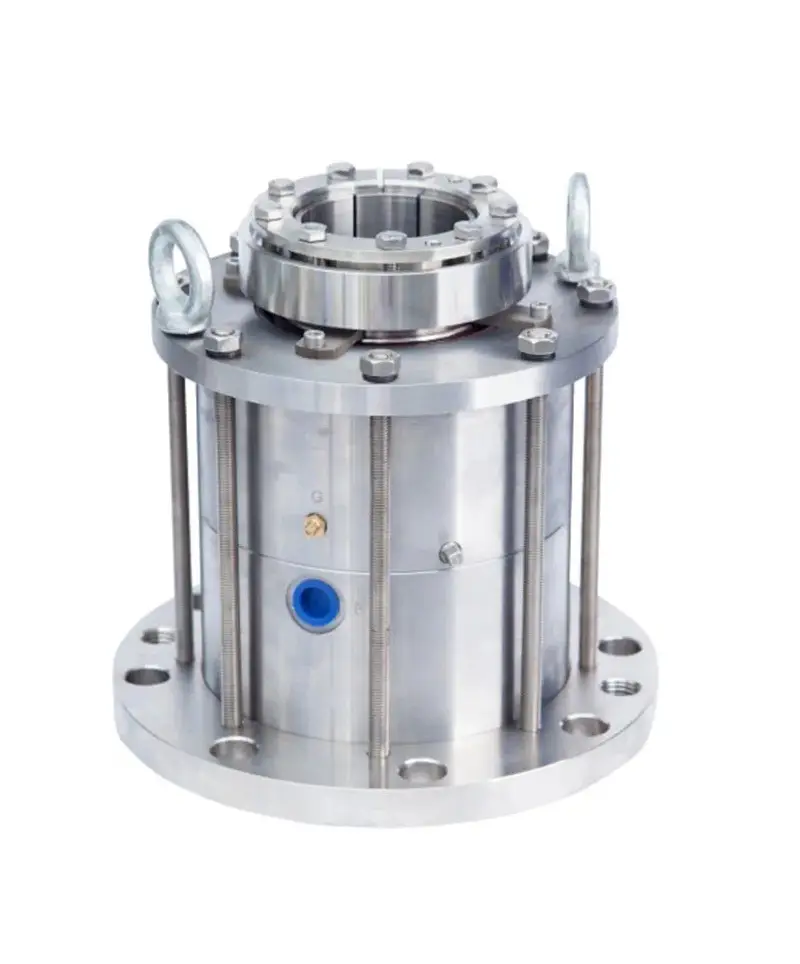
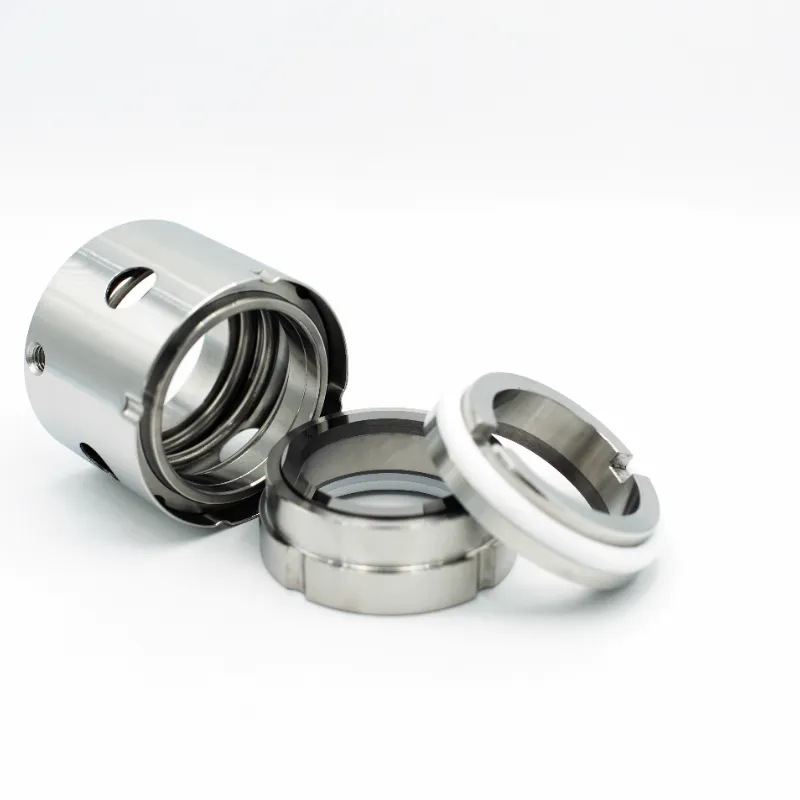
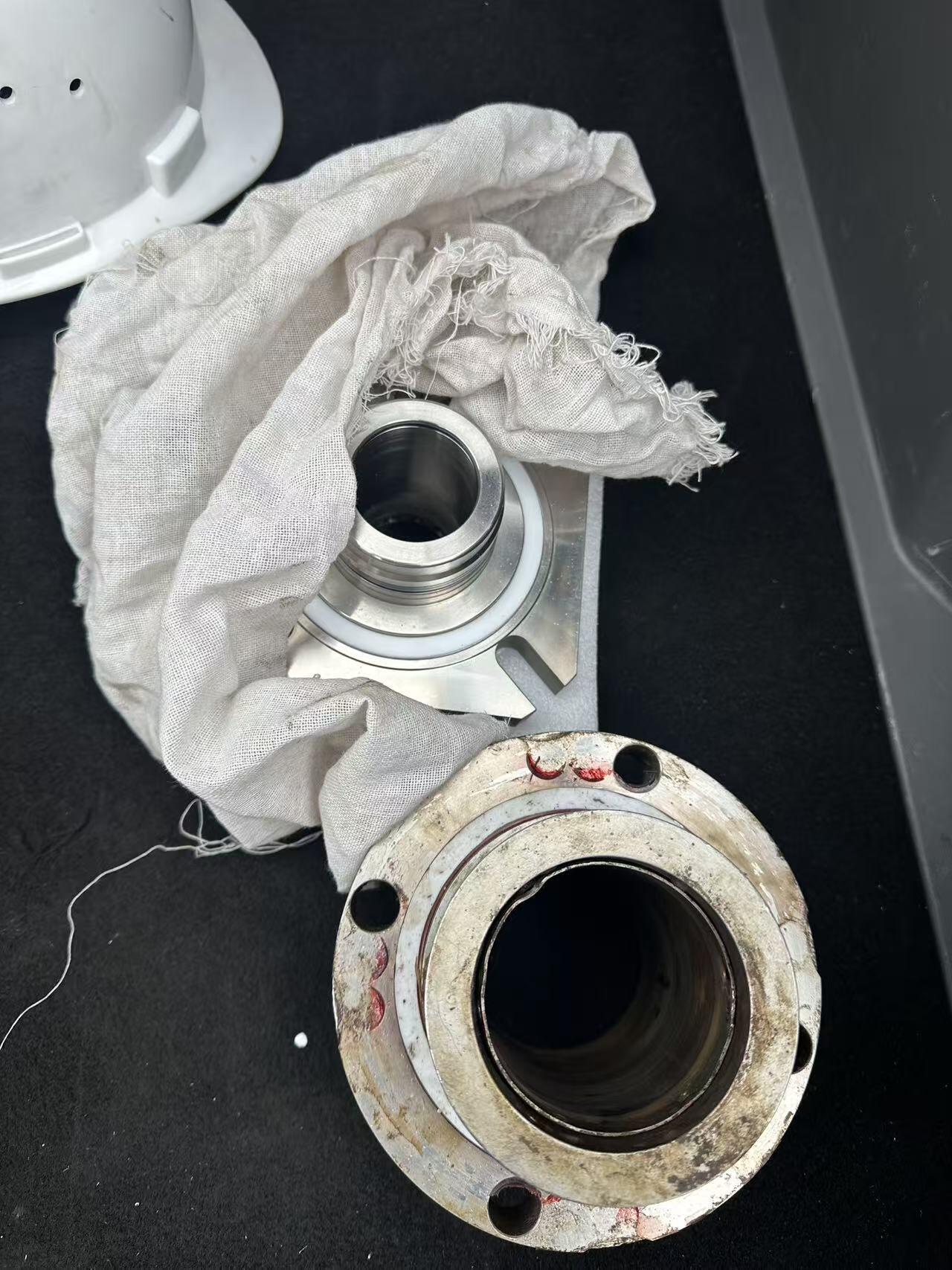
Understanding seal failure in pumps represents a critical aspect of industrial equipment maintenance and operational efficiency. Seal failure in pumps occurs when the mechanical seals that prevent fluid leakage between rotating and stationary components begin to deteriorate or malfunction. These seals serve as essential barriers that maintain system pressure, prevent contamination, and ensure safe operation across various industrial applications. The main functions of pump seals include containing process fluids within the pump housing, preventing air ingress that could cause cavitation, and protecting internal components from external contaminants. When seal failure in pumps manifests, it typically presents through visible leakage, unusual noise, vibration, or performance degradation. The technological features associated with seal failure in pumps encompass various failure modes including thermal damage, mechanical wear, chemical deterioration, and improper installation effects. Modern diagnostic technologies enable early detection of seal failure in pumps through vibration analysis, thermal imaging, and acoustic monitoring systems. These advanced monitoring techniques help maintenance teams identify potential seal failure in pumps before catastrophic breakdown occurs. Applications where seal failure in pumps commonly appears span across chemical processing, water treatment, oil and gas, pharmaceutical manufacturing, and food processing industries. Each application presents unique challenges regarding seal material compatibility, operating temperatures, pressure ranges, and chemical exposure levels. The complexity of seal failure in pumps increases with high-pressure systems, corrosive media, and extreme temperature conditions. Preventive maintenance strategies specifically designed to address seal failure in pumps include regular inspection schedules, proper lubrication protocols, alignment verification, and timely replacement of worn components. Understanding the root causes behind seal failure in pumps enables operators to implement targeted solutions that extend equipment lifespan and reduce unplanned downtime costs.

New Product Recommendations

Addressing seal failure in pumps proactively delivers substantial operational benefits that directly impact your bottom line and production efficiency. Early detection and prevention of seal failure in pumps significantly reduces maintenance costs by avoiding expensive emergency repairs and component replacements. When you implement proper monitoring systems for seal failure in pumps, you gain predictive capabilities that allow scheduled maintenance during planned downtime rather than costly unscheduled shutdowns. The financial advantages of preventing seal failure in pumps extend beyond immediate repair costs to include reduced product loss, minimized environmental compliance issues, and improved worker safety conditions. Proper management of seal failure in pumps eliminates unexpected fluid leakage that could contaminate products, damage surrounding equipment, or create hazardous working environments. Your production reliability improves dramatically when seal failure in pumps is addressed through systematic monitoring and maintenance programs. This reliability translates into consistent output levels, meeting delivery schedules, and maintaining customer satisfaction ratings. Energy efficiency gains result from preventing seal failure in pumps because properly functioning seals maintain optimal pressure levels and reduce parasitic losses within the pumping system. Equipment longevity increases substantially when seal failure in pumps is managed effectively, protecting your capital investments and extending asset lifecycles. The diagnostic capabilities associated with seal failure in pumps monitoring provide valuable data for optimizing operating parameters and improving overall system performance. Reduced environmental impact occurs when seal failure in pumps prevention eliminates accidental spills and emissions that could trigger regulatory violations or cleanup costs. Operator confidence and morale improve when seal failure in pumps monitoring systems provide clear indicators of equipment health, reducing stress and uncertainty during daily operations. Insurance premiums may decrease when documented seal failure in pumps prevention programs demonstrate proactive risk management to underwriters. Supply chain benefits emerge from preventing seal failure in pumps because consistent equipment operation reduces emergency parts orders and expedited shipping costs while enabling better inventory planning and vendor relationships.

Practical Tips

Best Above Ground Well Pumps for Efficient Water Flow

19

Sep

Best Above Ground Well Pumps for Efficient Water Flow

Types of Above Ground Well Pumps for Efficient Flow Shallow Well Jet Pumps: Ideal for Shallow Water Tables Shallow well jet pumps are specifically designed to lift water from depths of up to 25 feet, making them ideal for rural or suburban areas wit...
View More
Avoiding Downtime: Seal Solutions for Top-Entry Agitators

21

Jul

Avoiding Downtime: Seal Solutions for Top-Entry Agitators

Maximizing Equipment Availability in Industrial Mixing Systems Industrial processes rely heavily on consistent performance, particularly in sectors such as chemical manufacturing, food production, and pharmaceuticals. One of the most critical compone...
View More
How to Select the Right Agitator Seal Pressure Suppliers for Your Needs?

06

Aug

How to Select the Right Agitator Seal Pressure Suppliers for Your Needs?

Sealing Excellence Begins with the Right Supplier In industrial settings where mixing, processing, and fluid containment are essential, the importance of robust sealing systems cannot be overstated. Agitator seal pressure systems serve as a critical ...
View More
Can Cartridge Mechanical Seals Reduce Downtime and Maintenance Needs?

22

Dec

Can Cartridge Mechanical Seals Reduce Downtime and Maintenance Needs?

Industrial facilities across manufacturing, chemical processing, and oil refining sectors face constant pressure to minimize equipment downtime while maximizing operational efficiency. One critical component that significantly impacts these goals is ...
View More

Get a Free Quote

Our representative will contact you soon.
Email
Name
Company Name
Country/Region
Message
0/1000

seal failure in pumps

Advanced Predictive Monitoring Systems for Seal Failure Detection

Advanced Predictive Monitoring Systems for Seal Failure Detection

Revolutionary predictive monitoring technology transforms how industries approach seal failure in pumps by providing real-time insights into seal condition and performance trends. These sophisticated systems utilize multiple sensor technologies including vibration analysis, acoustic emission monitoring, and thermal imaging to detect the earliest signs of seal failure in pumps before visible symptoms appear. The integration of artificial intelligence and machine learning algorithms enables these monitoring systems to establish baseline performance patterns and identify deviations that indicate developing seal failure in pumps conditions. This technological advancement represents a paradigm shift from reactive maintenance to proactive intervention, allowing maintenance teams to schedule repairs during optimal windows rather than responding to emergency breakdowns. The economic impact of implementing advanced monitoring for seal failure in pumps extends far beyond simple cost avoidance, creating opportunities for operational optimization and performance enhancement. These systems provide detailed analytics that help operators understand the root causes behind seal failure in pumps, enabling targeted improvements to operating procedures, maintenance protocols, and equipment specifications. The data collected through continuous monitoring of seal failure in pumps creates valuable historical records that support warranty claims, insurance documentation, and regulatory compliance requirements. Modern monitoring platforms offer cloud-based connectivity that allows remote monitoring of seal failure in pumps across multiple facilities, providing centralized oversight and expert analysis capabilities. The user interface design prioritizes accessibility, ensuring that both experienced engineers and frontline operators can interpret seal failure in pumps indicators and take appropriate action. Integration capabilities with existing maintenance management systems streamline workflow processes and ensure that seal failure in pumps alerts trigger proper response protocols automatically.
Cost-Effective Maintenance Strategies for Pump Seal Longevity

Cost-Effective Maintenance Strategies for Pump Seal Longevity

Implementing strategic maintenance approaches specifically designed to prevent seal failure in pumps delivers exceptional return on investment while maximizing equipment reliability and performance. These comprehensive maintenance strategies encompass preventive, predictive, and precision maintenance techniques that address the multiple factors contributing to seal failure in pumps. The foundation of effective seal failure in pumps prevention lies in understanding the specific operating conditions, fluid characteristics, and environmental factors that impact seal performance in your unique application. Precision alignment procedures represent a critical component of preventing seal failure in pumps, as misalignment creates excessive stress on seal faces and reduces operational lifespan significantly. Proper lubrication management prevents seal failure in pumps by ensuring adequate cooling and reducing friction between rotating components. Temperature control strategies minimize thermal stress that accelerates seal failure in pumps, particularly in high-temperature applications where thermal expansion and contraction cycles create mechanical stress. Contamination control measures protect against seal failure in pumps by preventing abrasive particles and chemical incompatibilities from degrading seal materials. Regular inspection protocols enable early detection of conditions that lead to seal failure in pumps, including cavitation damage, erosion patterns, and material degradation. Training programs ensure that operators understand the connection between operational practices and seal failure in pumps, promoting behaviors that extend seal life and optimize performance. Documentation systems track seal failure in pumps incidents and maintenance activities, creating valuable databases for trend analysis and continuous improvement initiatives. Inventory management strategies for seal failure in pumps prevention include maintaining appropriate spare parts levels while avoiding excessive inventory carrying costs. Vendor partnerships enhance seal failure in pumps prevention by providing technical expertise, application-specific recommendations, and access to the latest seal technologies and materials that offer superior performance in challenging operating conditions.
Industry-Specific Solutions for Complex Seal Failure Challenges

Industry-Specific Solutions for Complex Seal Failure Challenges

Specialized approaches to managing seal failure in pumps vary significantly across different industries, requiring tailored solutions that address unique operational challenges and regulatory requirements. Chemical processing facilities face particularly complex seal failure in pumps scenarios due to aggressive media, extreme temperatures, and strict safety regulations that demand specialized seal materials and monitoring approaches. The pharmaceutical industry requires seal failure in pumps solutions that maintain product purity while meeting stringent regulatory standards for documentation and validation. Oil and gas operations encounter seal failure in pumps challenges related to high pressures, temperature extremes, and hazardous environments that necessitate explosion-proof monitoring equipment and specialized maintenance procedures. Water treatment facilities must address seal failure in pumps while maintaining continuous service to communities, requiring redundant systems and rapid response capabilities. Food processing applications require seal failure in pumps solutions that meet sanitary design requirements while preventing contamination and maintaining product quality standards. Mining operations face unique seal failure in pumps challenges from abrasive slurries and remote locations that complicate maintenance access and parts availability. Power generation facilities require seal failure in pumps management that supports high availability requirements and minimizes forced outages that impact grid reliability. The marine industry addresses seal failure in pumps in harsh saltwater environments with limited maintenance windows during port visits. Aerospace applications demand seal failure in pumps solutions that meet strict weight and reliability requirements while operating in extreme environmental conditions. Each industry develops specialized expertise in managing seal failure in pumps through accumulated experience, regulatory compliance requirements, and technological innovations specific to their operational challenges. Cross-industry knowledge sharing accelerates the development of improved seal failure in pumps solutions by combining insights from different applications and operating environments. The evolution of industry-specific standards for seal failure in pumps reflects the growing understanding of how different operating conditions impact seal performance and longevity across various sectors.

Get a Free Quote

Our representative will contact you soon.
Email
Name
Company Name
Country/Region
Message
0/1000