solution mechanical seals
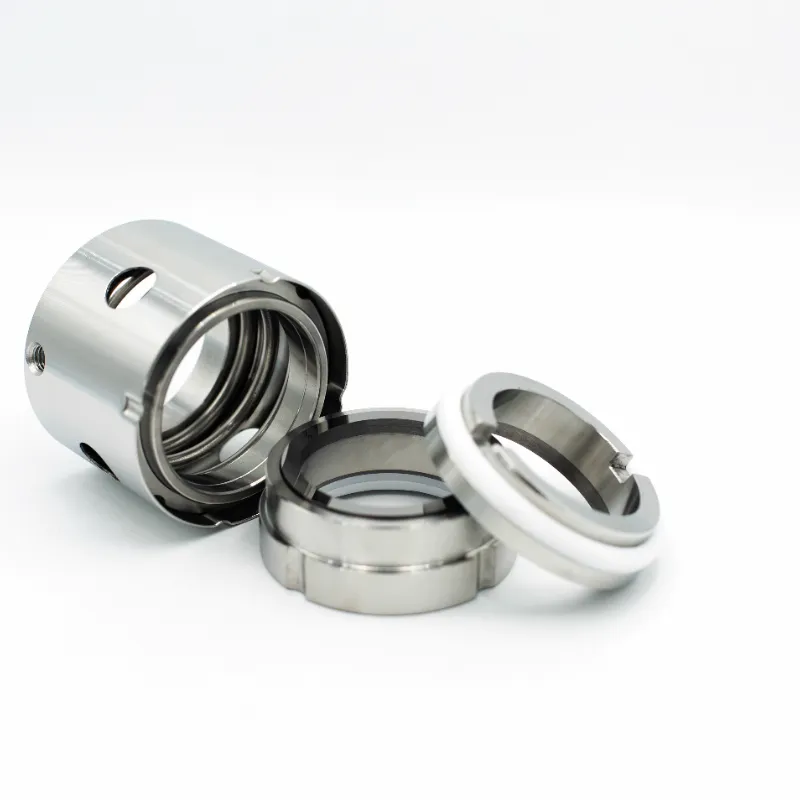
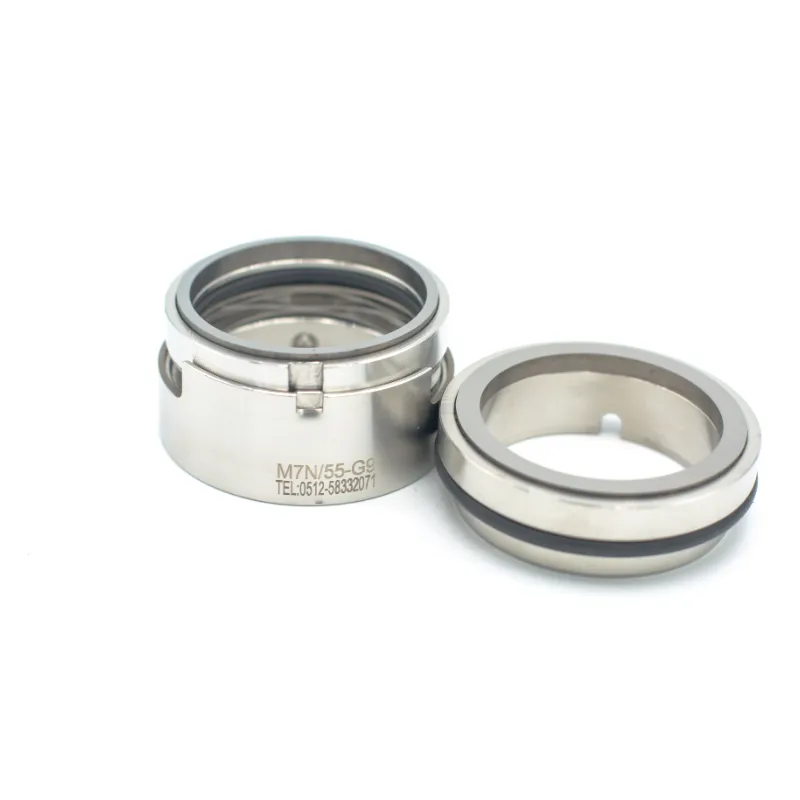
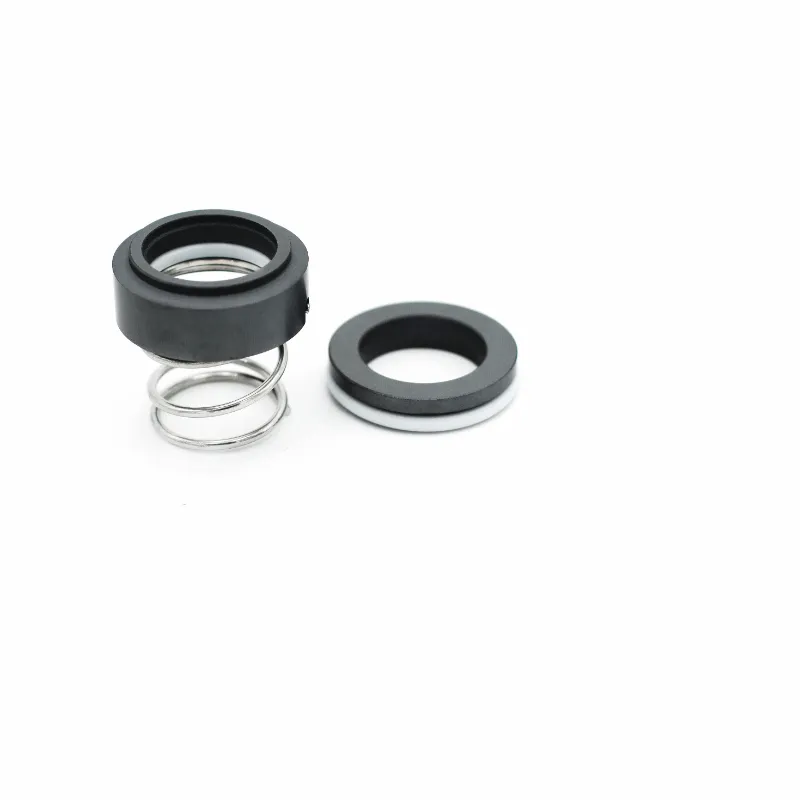
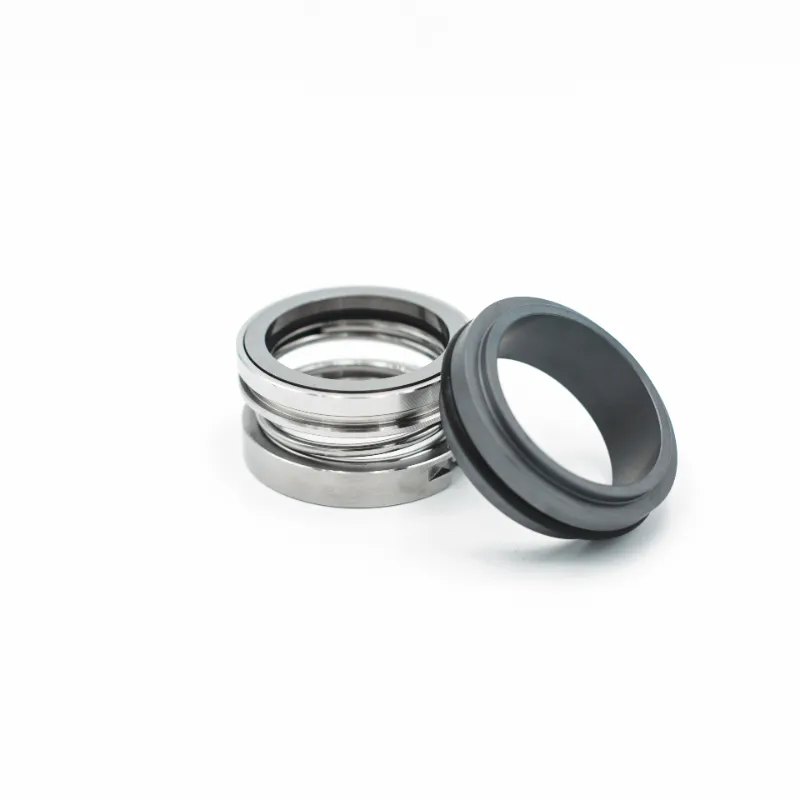
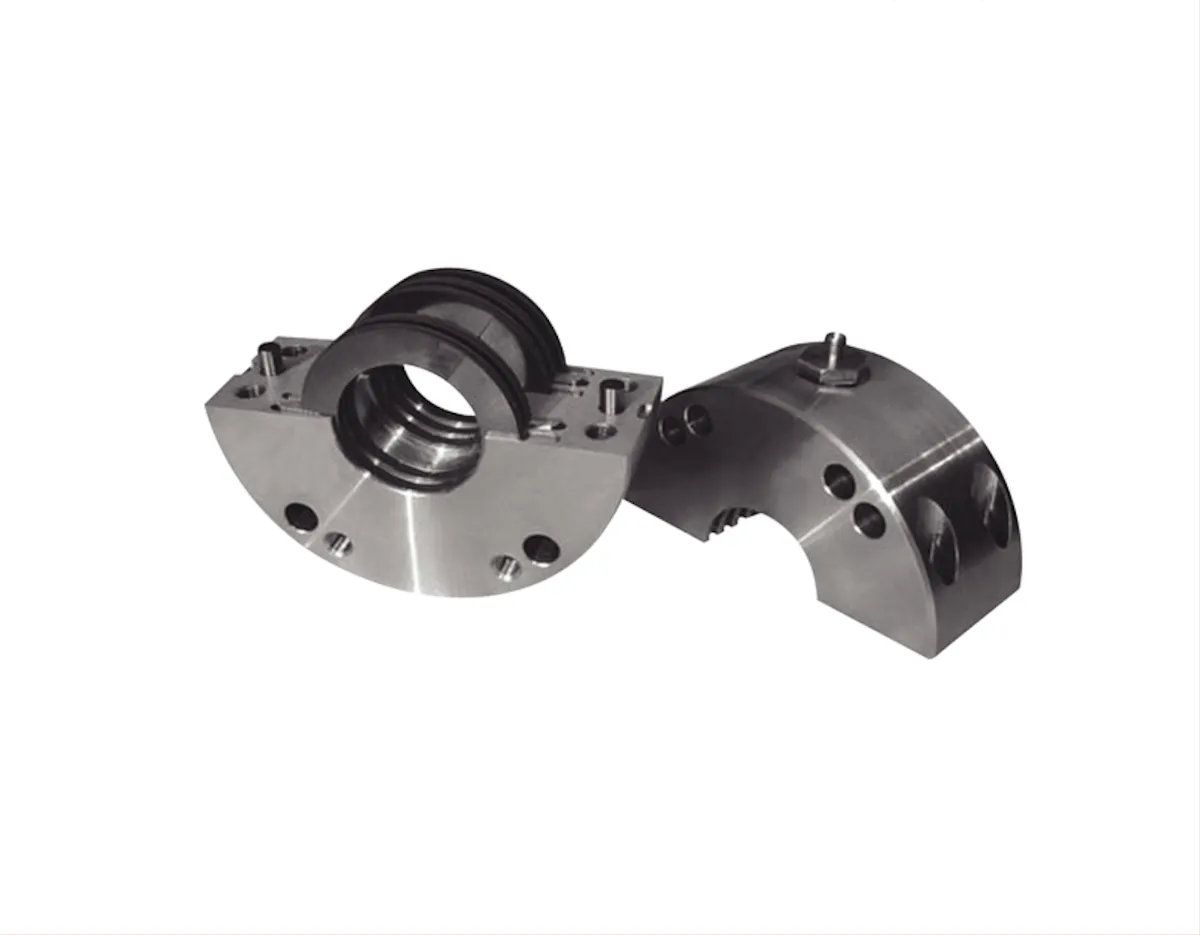
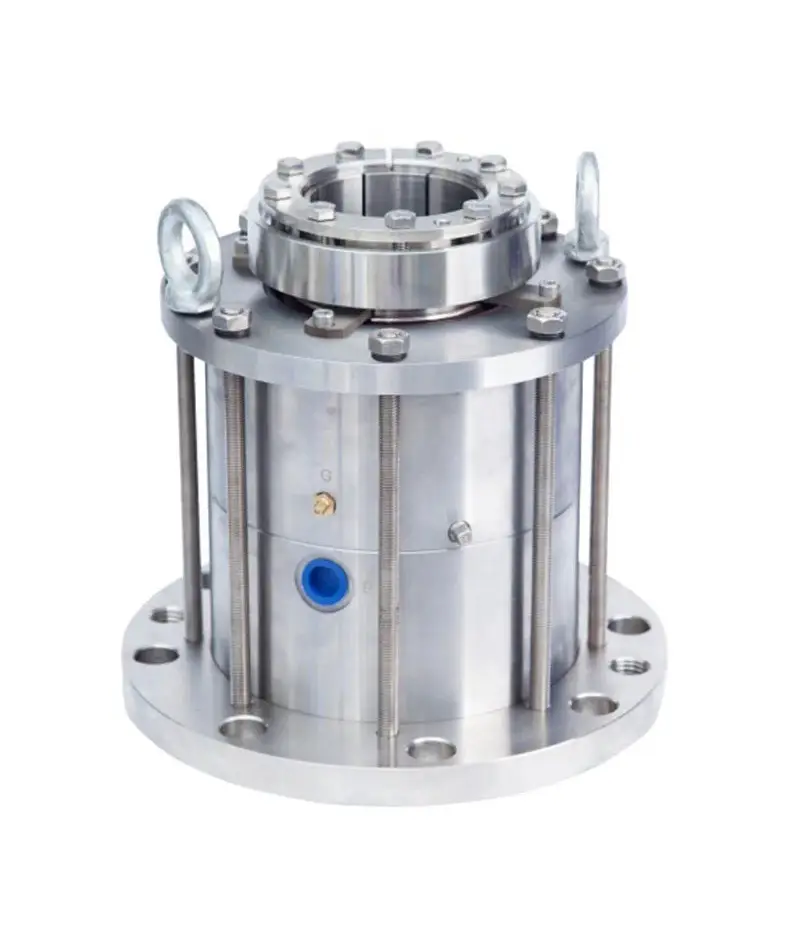
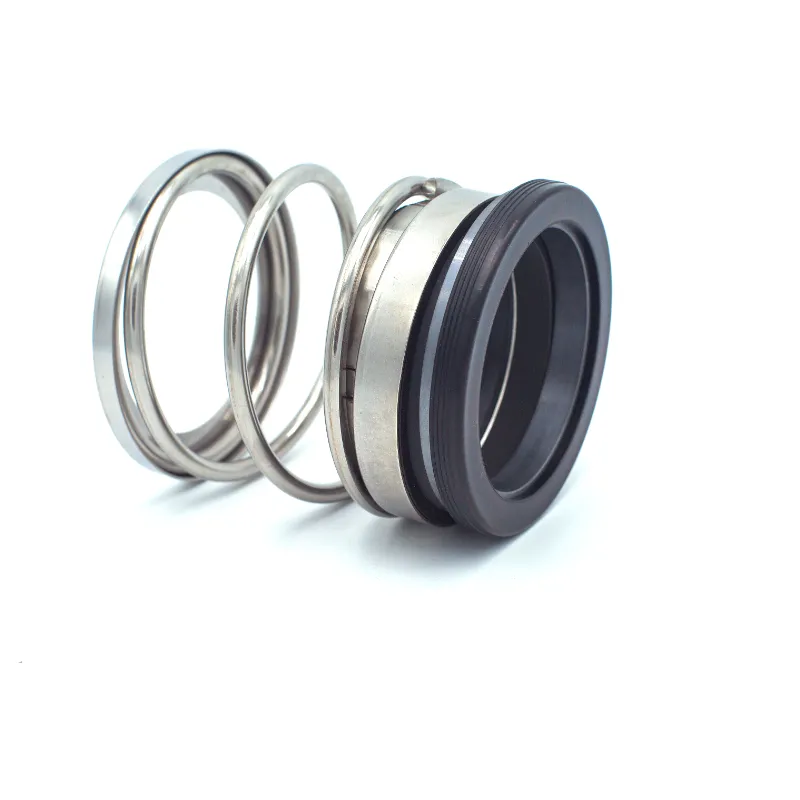
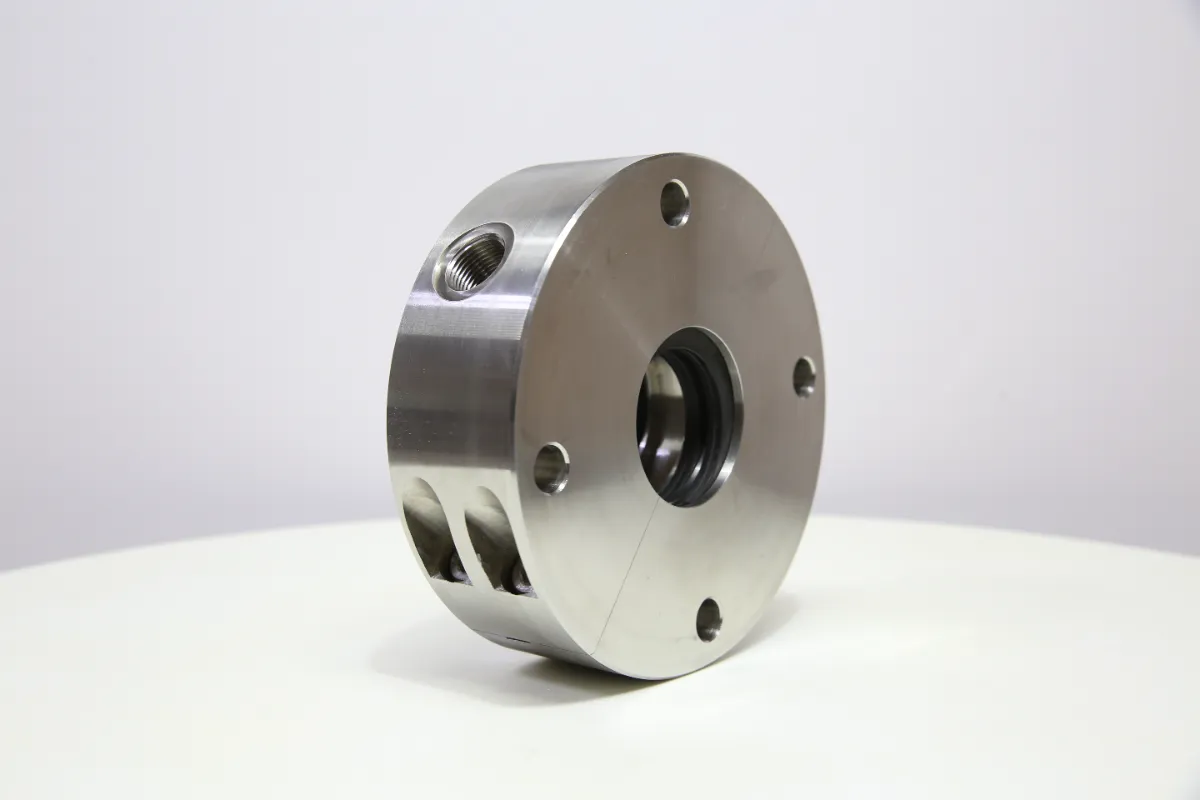
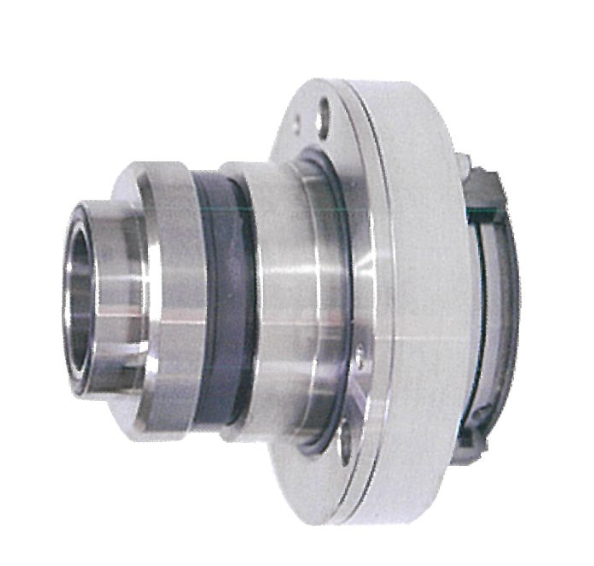
Solution mechanical seals represent a critical advancement in industrial sealing technology, designed to prevent fluid leakage between rotating and stationary equipment components. These sophisticated sealing systems function as dynamic barriers that maintain separation between process fluids and the external environment while allowing shaft rotation. The primary mechanism involves two precisely machined faces - typically one rotating with the shaft and one stationary - that create a sealed interface through controlled contact pressure and minimal clearance gaps. Solution mechanical seals incorporate advanced materials engineering, utilizing specialized polymers, ceramics, and metal alloys that resist chemical corrosion, thermal degradation, and mechanical wear. The technological architecture includes primary sealing faces, secondary sealing elements, spring systems for maintaining contact pressure, and housing components that ensure proper alignment and support. These seals excel in applications involving aggressive chemicals, extreme temperatures, high pressures, and demanding operational conditions where traditional packing materials would fail rapidly. Manufacturing processes for solution mechanical seals involve precision machining, surface finishing to micro-inch tolerances, and rigorous quality control testing to ensure dimensional accuracy and performance reliability. The design philosophy emphasizes longevity, reduced maintenance requirements, and environmental protection through elimination of fugitive emissions. Solution mechanical seals find extensive use across petroleum refining, chemical processing, pharmaceutical manufacturing, food and beverage production, water treatment facilities, and power generation systems. Their modular construction allows customization for specific applications, incorporating features such as cartridge mounting systems, built-in flushing arrangements, and specialized face materials optimized for particular service conditions. The evolution of solution mechanical seals continues through computational fluid dynamics modeling, advanced materials research, and integration of smart monitoring technologies that provide real-time performance feedback and predictive maintenance capabilities.
 EN
EN