mechanical seals for oil & fat refining equipment
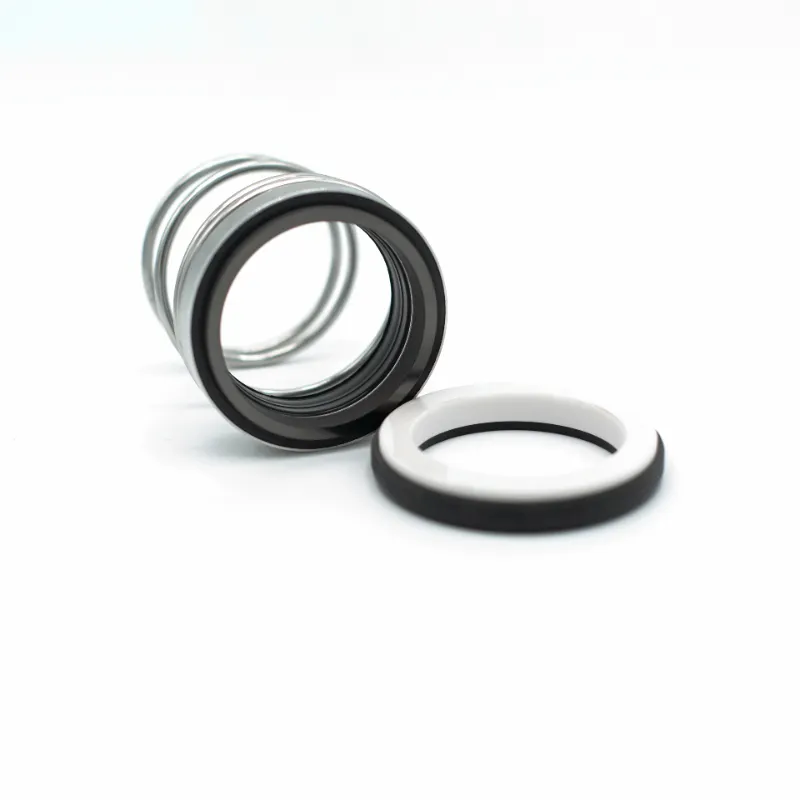
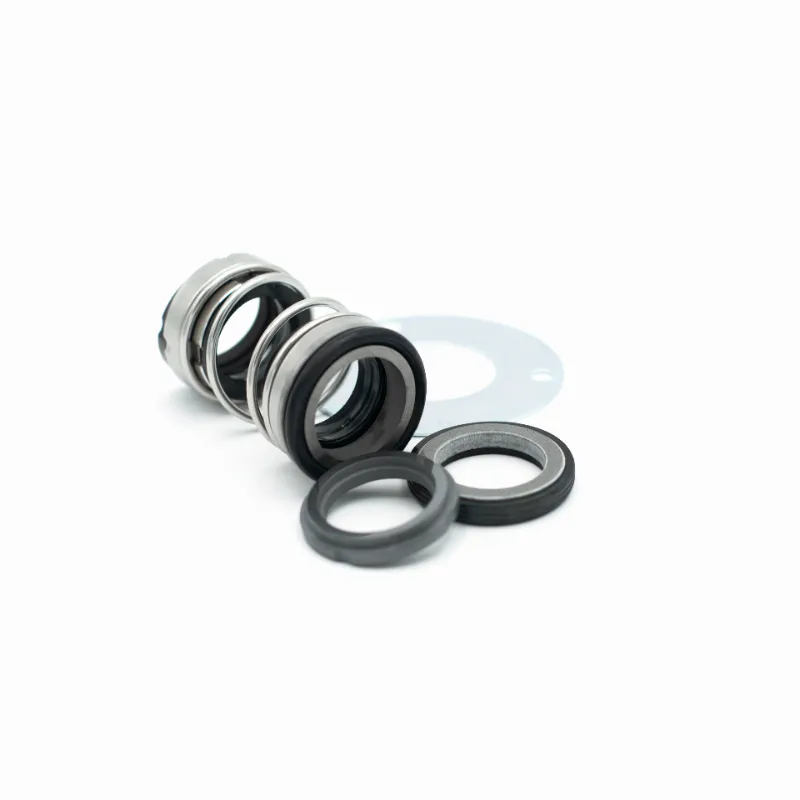
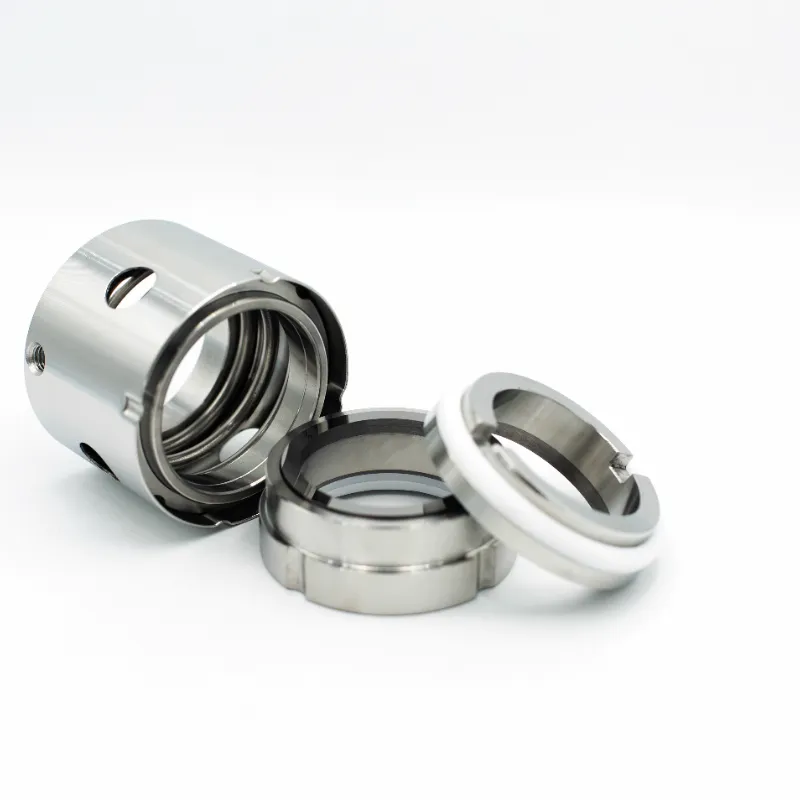
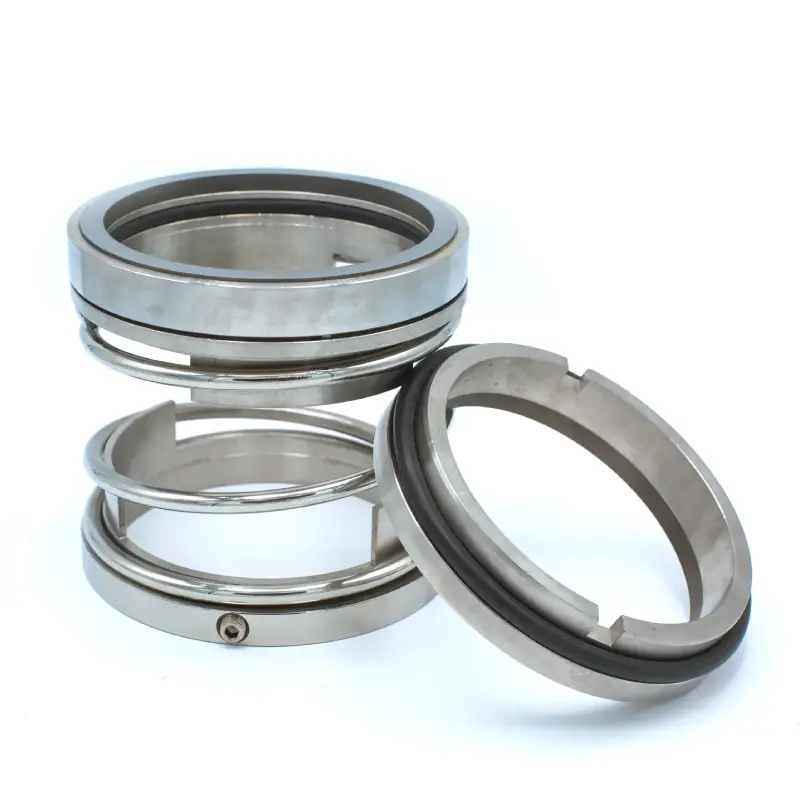
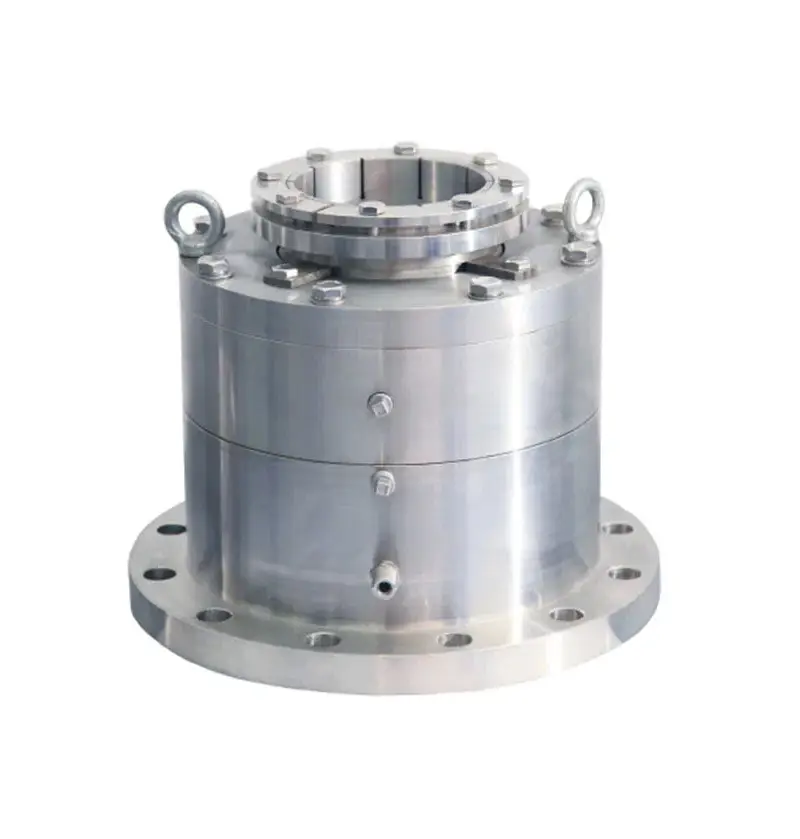
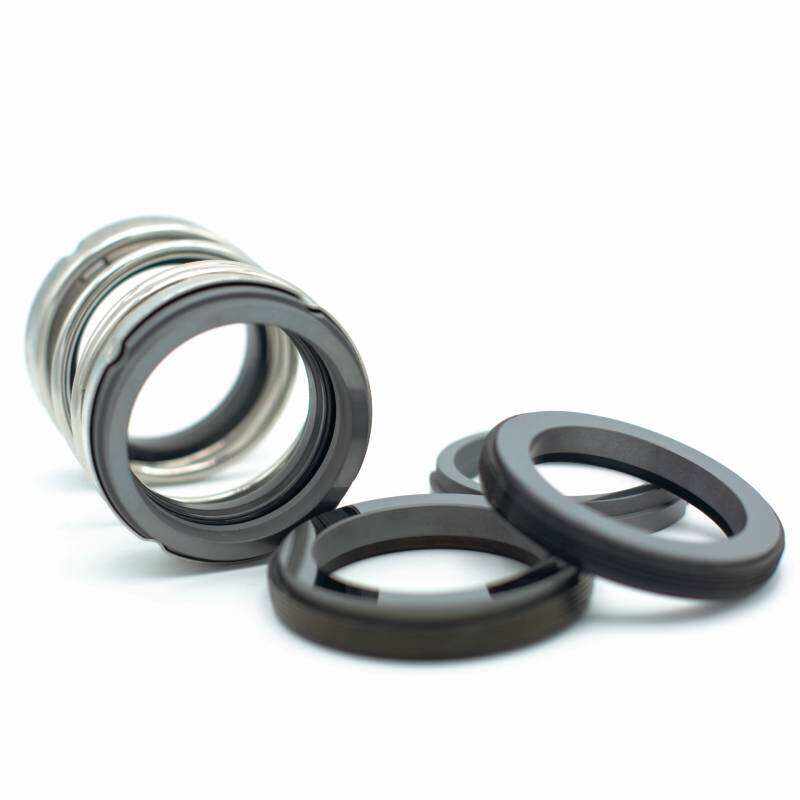
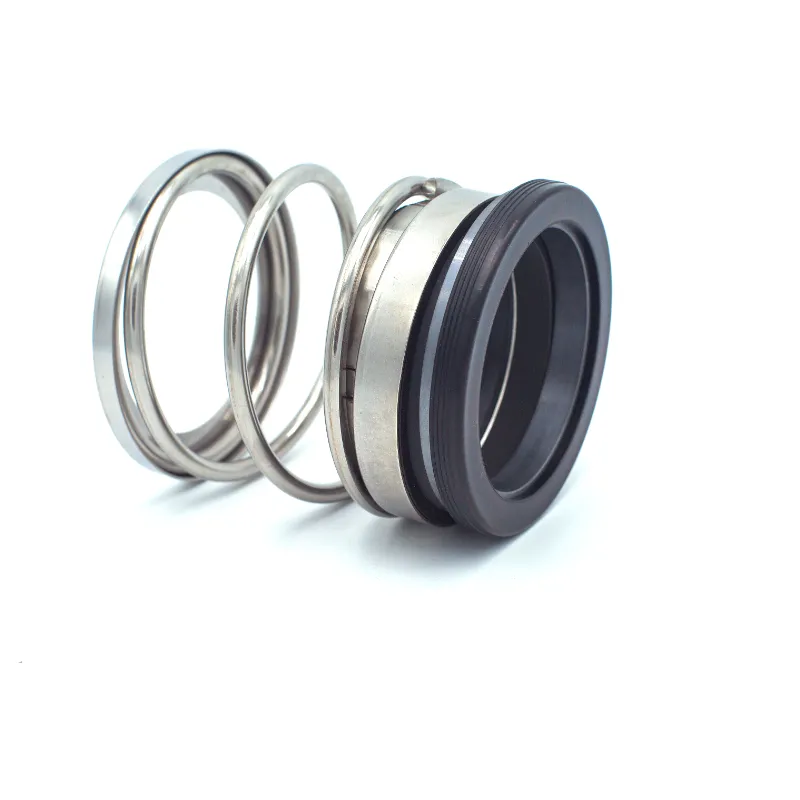
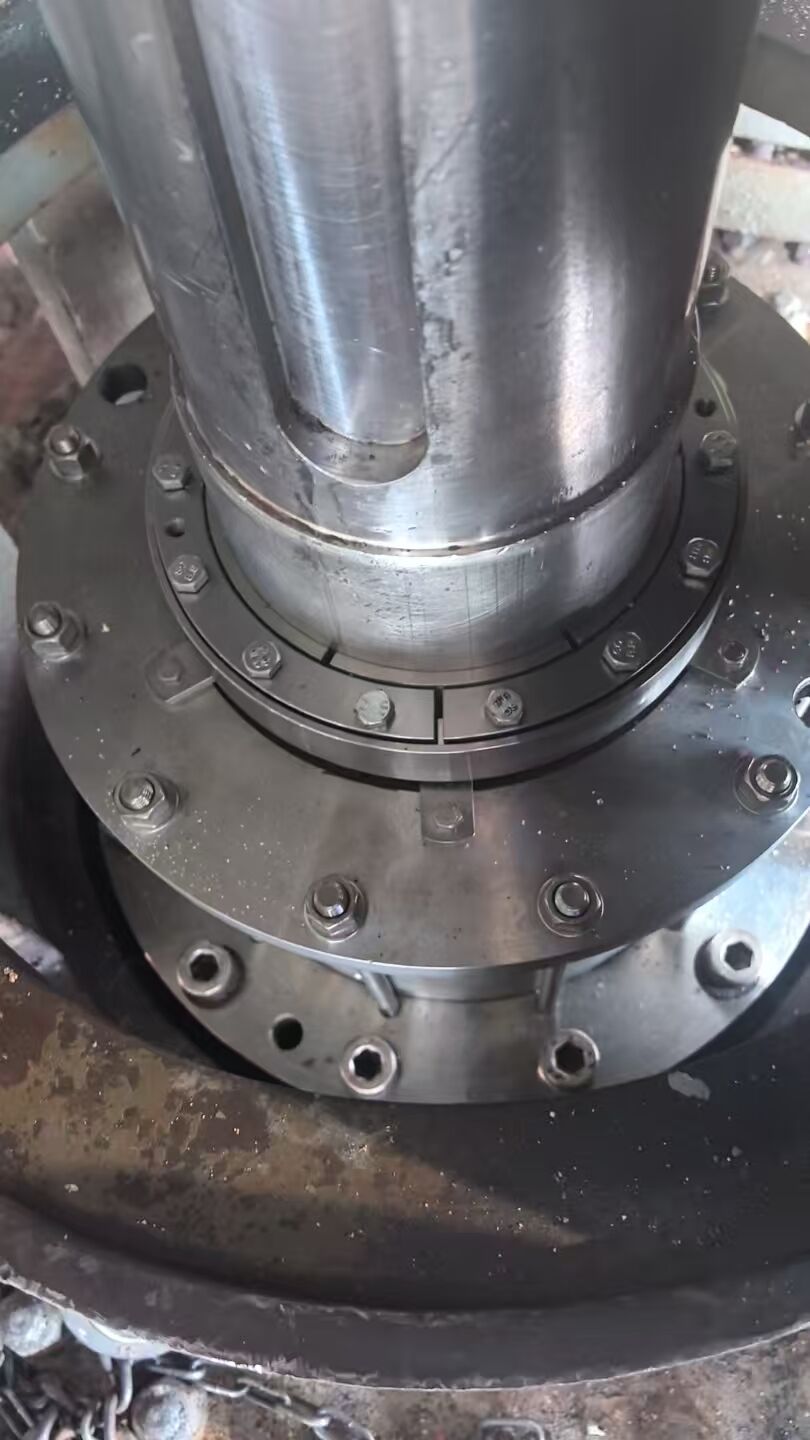
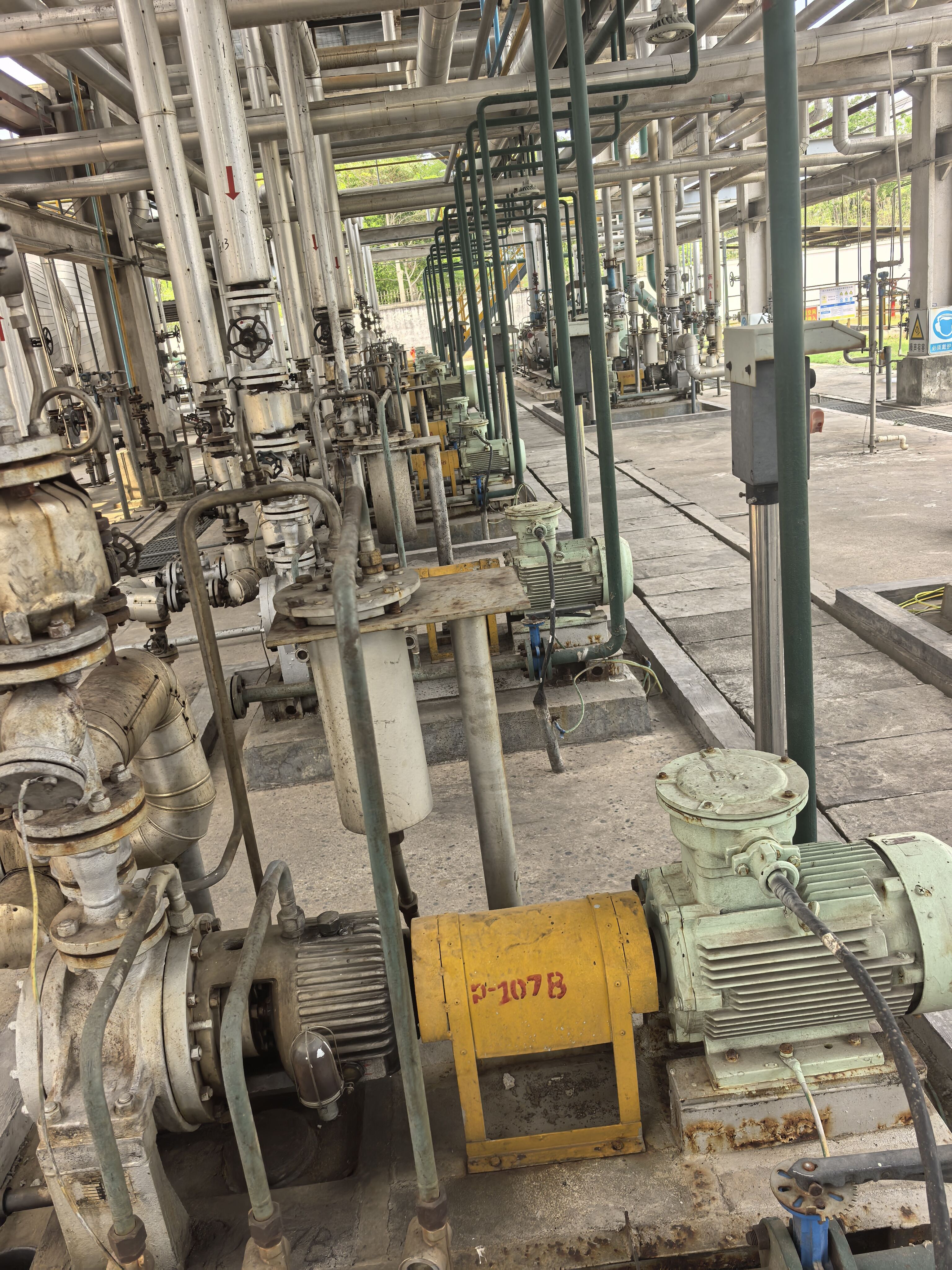
Mechanical seals for oil & fat refining equipment represent critical components that ensure optimal performance and safety in edible oil processing facilities. These specialized sealing solutions are designed to prevent leakage of processed oils, fats, and other fluids while maintaining the integrity of refining operations under demanding conditions. The primary function of mechanical seals for oil & fat refining equipment involves creating a reliable barrier between rotating and stationary components, preventing contamination and ensuring product purity throughout the refining process. These sealing systems incorporate advanced materials and engineering designs specifically tailored to withstand the corrosive nature of vegetable oils, animal fats, and chemical processing agents commonly used in refinement operations. The technological features of mechanical seals for oil & fat refining equipment include temperature resistance capabilities ranging from -40°C to 250°C, pressure handling up to 40 bar, and compatibility with various media including crude oils, refined oils, caustic solutions, and organic solvents. Modern mechanical seals for oil & fat refining equipment utilize specialized face materials such as silicon carbide, tungsten carbide, and ceramic composites that resist wear and chemical attack. The sealing interfaces employ precision-engineered surfaces with flatness tolerances measured in light bands to ensure optimal sealing performance. Applications for mechanical seals for oil & fat refining equipment span across multiple processing stages including degumming, neutralization, bleaching, deodorization, and fractionation processes. These sealing solutions are commonly installed in centrifugal pumps, mixers, reactors, heat exchangers, and distillation columns throughout oil refineries. The robust construction and specialized materials enable mechanical seals for oil & fat refining equipment to maintain reliable operation in environments characterized by high temperatures, aggressive chemicals, and continuous operation cycles that are typical in commercial oil processing facilities.
 EN
EN