Flexible Operation Mechanical Seals: Advanced Sealing Solutions for Industrial Applications

Get a Free Quote

Our representative will contact you soon.
Email
Name
Company Name
Message
0/1000

flexible operation mechanical seals

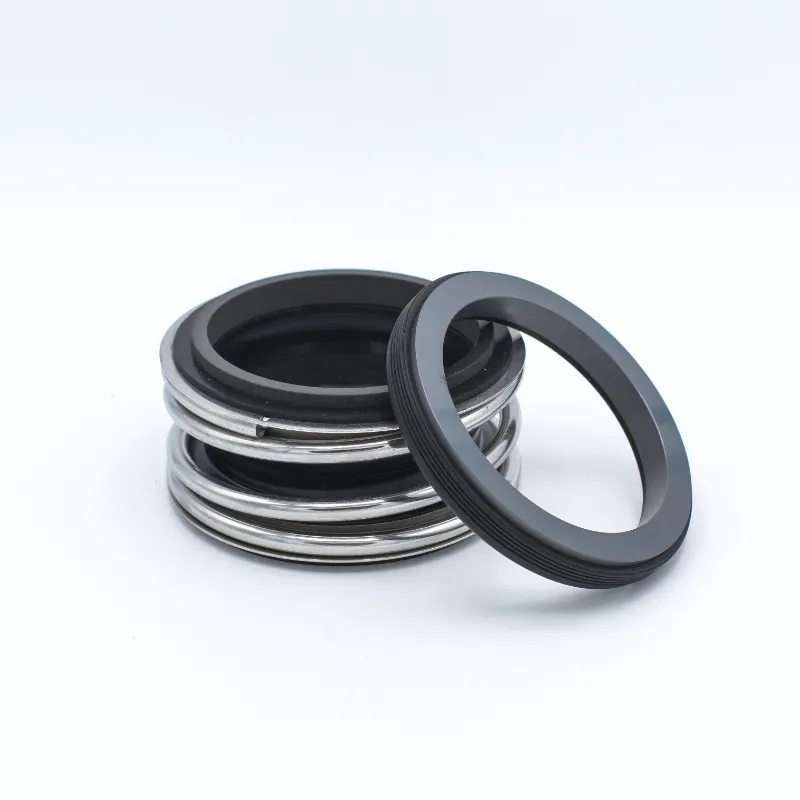
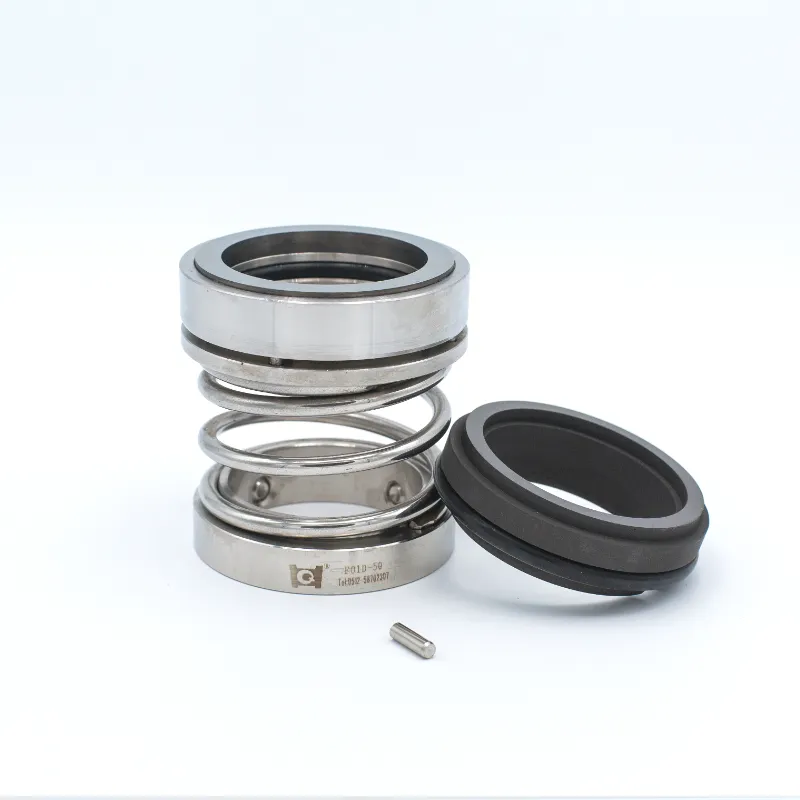
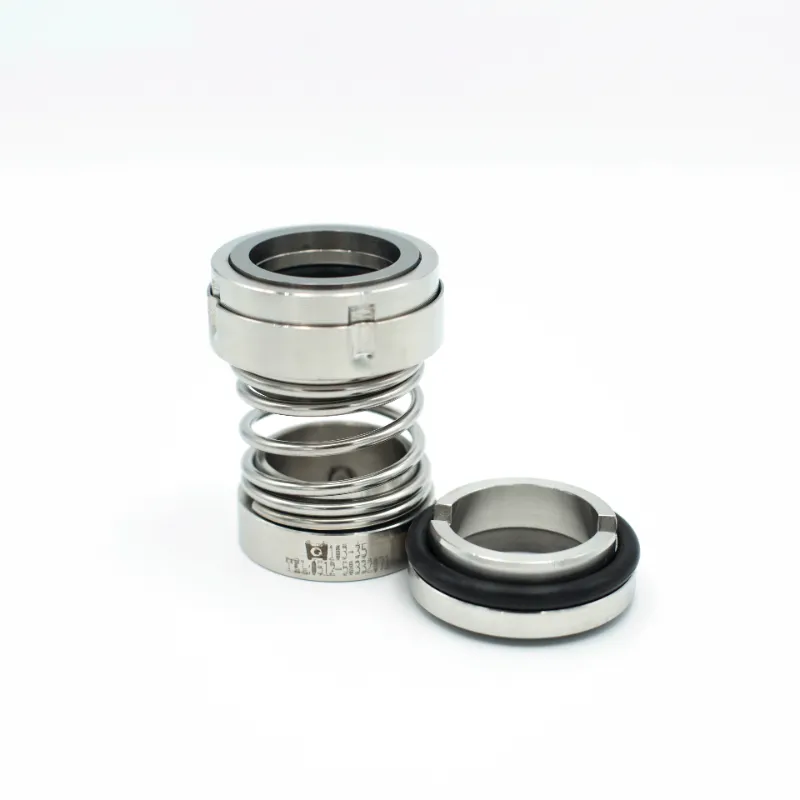
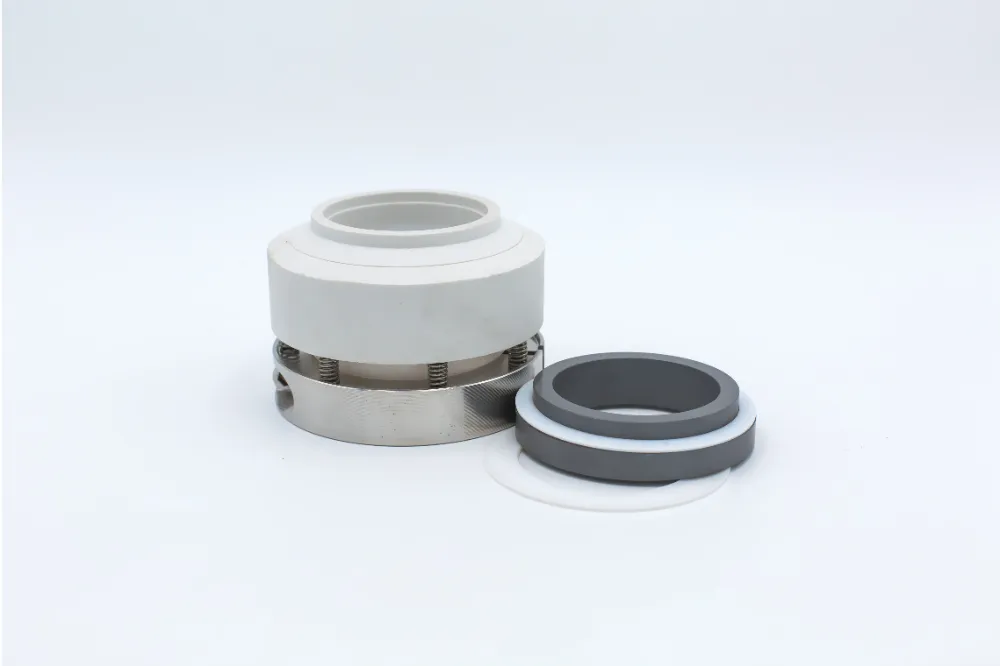
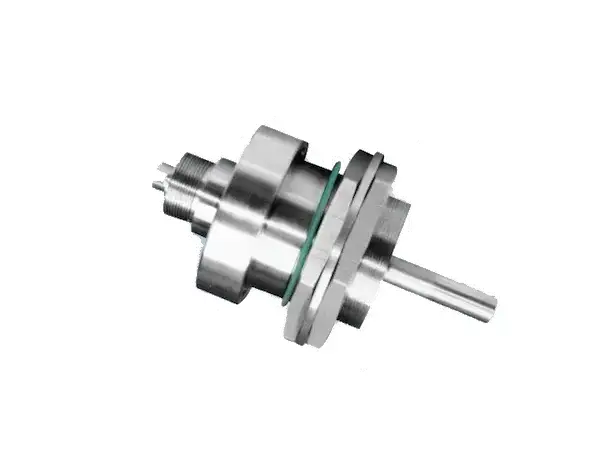
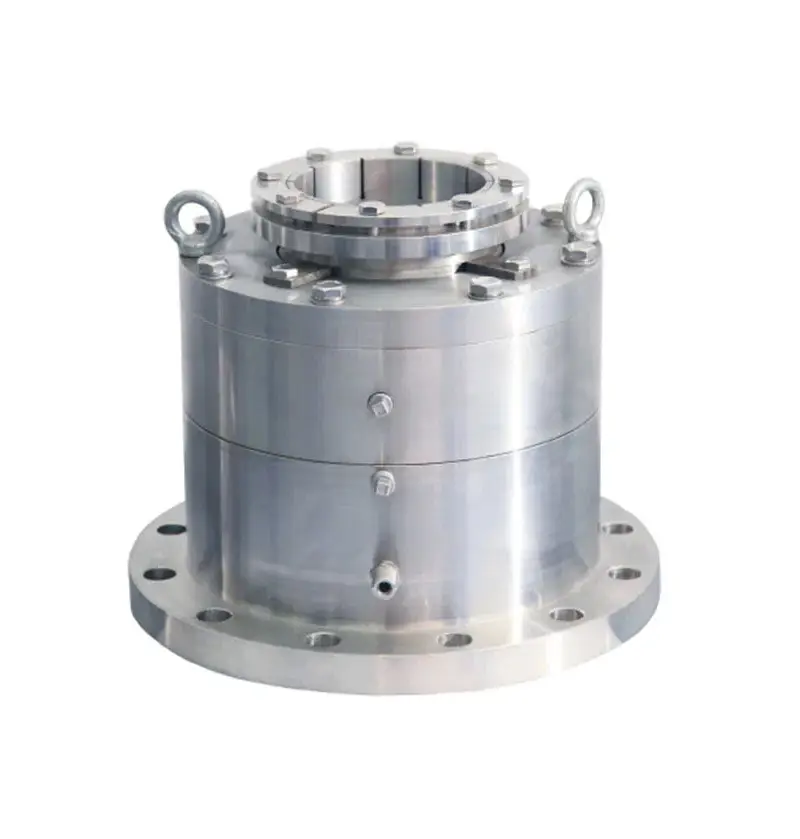
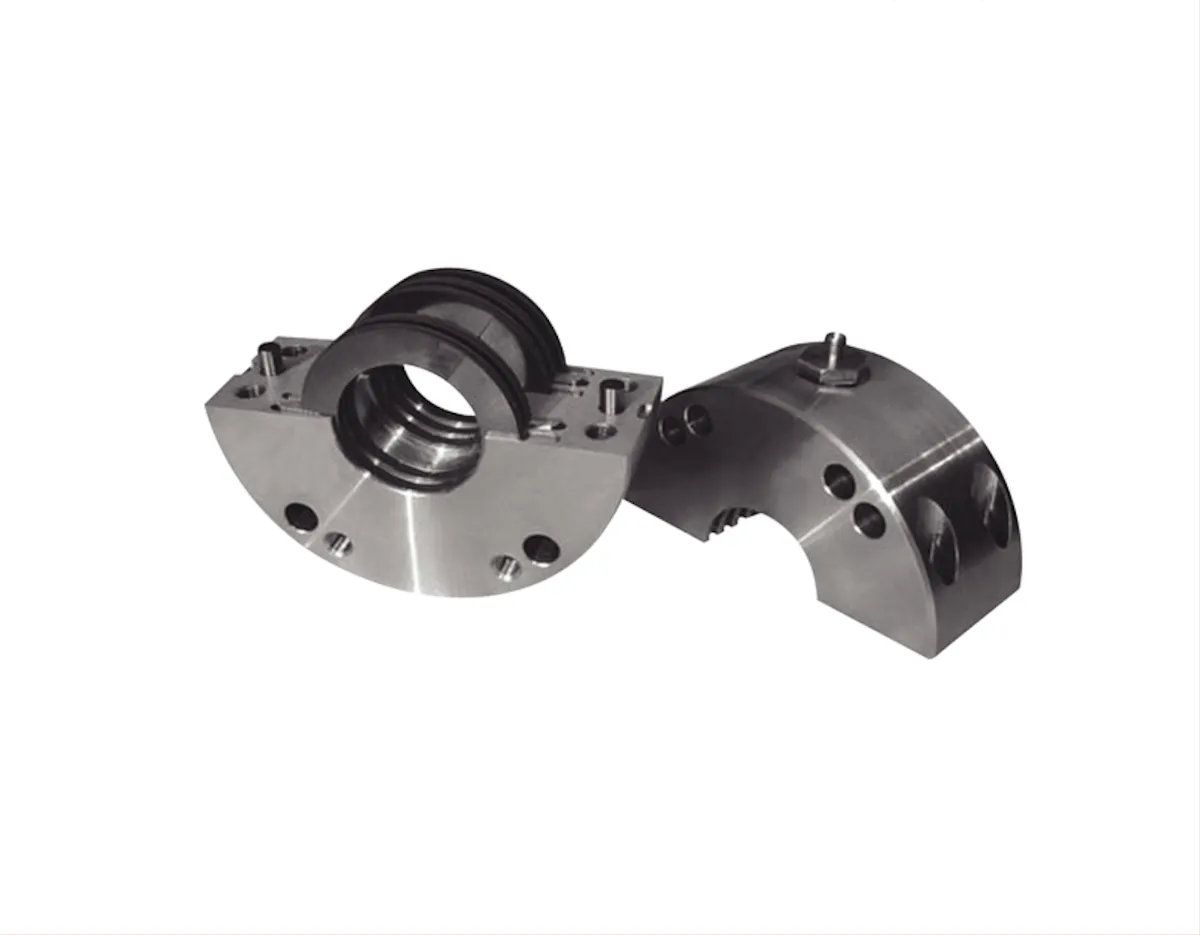
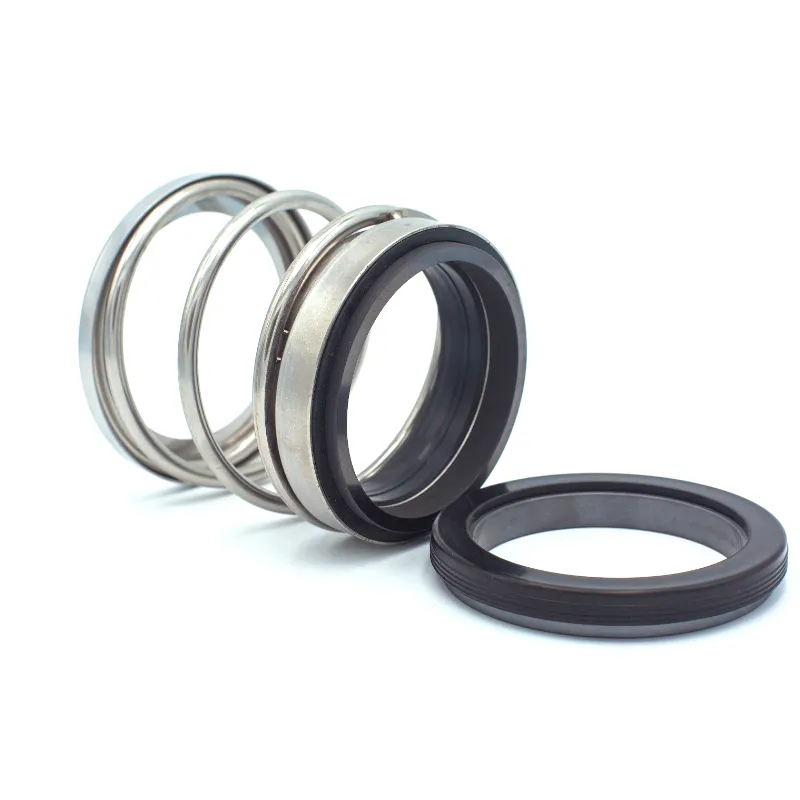
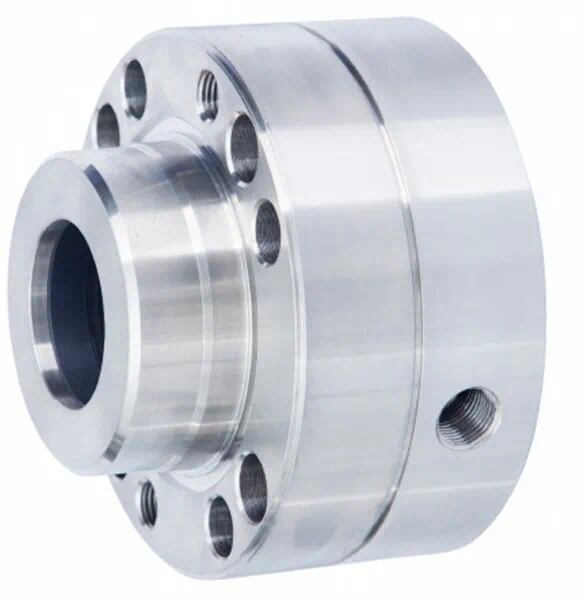
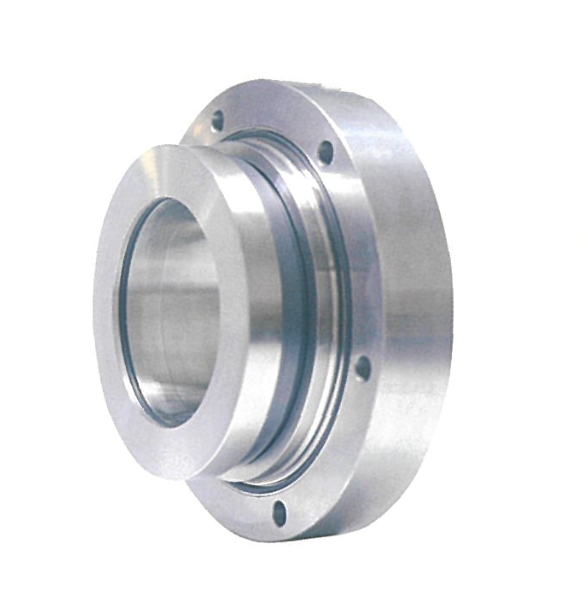
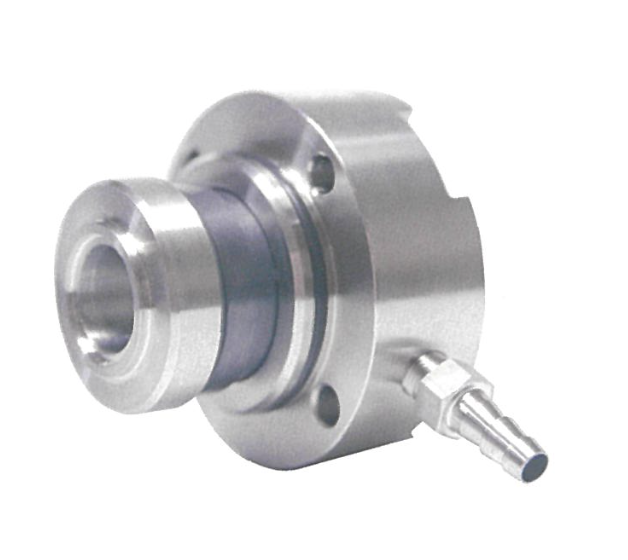
Flexible operation mechanical seals represent a cutting-edge advancement in sealing technology, designed to provide superior performance across diverse industrial applications. These sophisticated sealing systems combine innovative engineering principles with advanced materials to deliver exceptional reliability and operational efficiency. The primary function of flexible operation mechanical seals centers on preventing fluid leakage while accommodating dynamic shaft movements, thermal expansion, and operational variations that occur in rotating equipment. Unlike traditional rigid sealing solutions, these flexible variants adapt to changing operational conditions, maintaining optimal sealing performance throughout their service life. The technological features of flexible operation mechanical seals include specialized elastomeric components, precision-engineered contact surfaces, and adaptive sealing geometries that respond to operational demands. The seal design incorporates multiple sealing elements that work synergistically to create a robust barrier against fluid migration while allowing controlled flexibility during equipment operation. Advanced materials such as fluorocarbon elastomers, specialized ceramics, and high-performance metals ensure durability under extreme conditions including high temperatures, aggressive chemicals, and varying pressure differentials. These seals find extensive applications across numerous industries including petrochemical processing, pharmaceutical manufacturing, food and beverage production, water treatment facilities, and general industrial pumping systems. In petrochemical environments, flexible operation mechanical seals handle volatile organic compounds and corrosive chemicals while maintaining safety standards. Pharmaceutical applications require seals that meet stringent hygiene requirements while preventing contamination. The food industry benefits from seals designed for sanitary conditions and frequent cleaning cycles. Water treatment facilities utilize these seals for handling various chemical additives and maintaining system integrity. The versatility of flexible operation mechanical seals makes them ideal for centrifugal pumps, mixers, compressors, and other rotating equipment where conventional sealing methods may fall short of performance expectations.

New Products

Flexible operation mechanical seals deliver numerous practical benefits that directly impact operational efficiency and cost-effectiveness for industrial facilities. The primary advantage lies in their exceptional adaptability to varying operational conditions, which significantly reduces maintenance requirements and extends equipment lifespan. This adaptability translates into substantial cost savings through reduced downtime and fewer emergency repairs. The flexible design accommodates shaft deflection, thermal growth, and vibration that would typically cause premature failure in rigid sealing systems. Users experience improved reliability because these seals maintain effective sealing contact even when equipment operates outside ideal parameters. The enhanced sealing performance prevents costly product loss and environmental contamination, which protects both operational budgets and regulatory compliance. Energy efficiency represents another significant advantage, as flexible operation mechanical seals reduce friction and power consumption compared to alternative sealing methods. This efficiency improvement leads to lower operating costs and reduced carbon footprint for environmentally conscious operations. Installation simplicity provides additional value, as these seals often require less precise alignment and setup procedures than traditional alternatives. Maintenance personnel appreciate the user-friendly design that facilitates faster replacement and reduces labor costs. The superior chemical compatibility of flexible operation mechanical seals enables use with aggressive fluids that would damage conventional sealing materials. This compatibility expands application possibilities and eliminates the need for multiple seal types across different processes. Temperature tolerance capabilities allow operation in extreme thermal conditions without performance degradation, providing operational flexibility for diverse applications. The leak-free performance characteristic ensures process integrity and prevents cross-contamination in critical applications such as pharmaceutical and food processing. Extended service intervals reduce maintenance scheduling complexity and associated costs while improving overall equipment availability. Quality manufacturing standards ensure consistent performance and reduce the likelihood of unexpected failures that could disrupt production schedules. These seals also demonstrate excellent resistance to wear and abrasion, maintaining sealing effectiveness throughout their operational life cycle.

Latest News

Choosing the Right Agitator Seal for High-Viscosity Mixing

21

Jul

Choosing the Right Agitator Seal for High-Viscosity Mixing

Ensuring Performance in High-Viscosity Mixing Applications In industrial mixing processes involving high-viscosity fluids, reliable sealing is a fundamental requirement. The dynamic conditions in such systems—marked by increased torque, intense...
View More
What Are the Different Types of Agitator Seals?

21

Jul

What Are the Different Types of Agitator Seals?

Exploring Sealing Solutions for Industrial Mixing Systems In industrial mixing applications, maintaining a controlled, leak-free environment is essential to ensure product quality, process efficiency, and safety. Agitator seals play a pivotal role in...
View More
Agitator Seal Pressure Manufacturers Offering Customized Sealing Solutions

06

Aug

Agitator Seal Pressure Manufacturers Offering Customized Sealing Solutions

The Growing Demand for Precision Sealing in Industrial Equipment In modern industrial processes, efficiency and reliability are more critical than ever. Equipment must operate under extreme pressure, temperature, and chemical exposure, requiring comp...
View More
Can High-Performance Mechanical Seals Reduce Maintenance Costs?

22

Dec

Can High-Performance Mechanical Seals Reduce Maintenance Costs?

Industrial facilities worldwide face mounting pressure to reduce operational costs while maintaining peak equipment performance. One critical component that significantly impacts maintenance expenses is the mechanical seal system used in pumps, compr...
View More

Get a Free Quote

Our representative will contact you soon.
Email
Name
Company Name
Country/Region
Message
0/1000

flexible operation mechanical seals

Advanced Adaptive Sealing Technology

Advanced Adaptive Sealing Technology

The cornerstone of flexible operation mechanical seals lies in their revolutionary adaptive sealing technology that automatically adjusts to changing operational conditions without manual intervention. This sophisticated technology incorporates intelligent design elements that respond dynamically to variations in pressure, temperature, and shaft movement, ensuring consistent sealing performance across diverse operating scenarios. The adaptive mechanism utilizes specialized elastomeric components that maintain optimal contact pressure between sealing surfaces while accommodating thermal expansion and mechanical deflection. This self-adjusting capability eliminates the need for frequent manual adjustments that plague traditional sealing systems, resulting in significantly reduced maintenance requirements and operational interruptions. The technology employs advanced materials science, combining high-performance polymers with precision-engineered metal components to create a sealing system that adapts seamlessly to operational demands. Users benefit from this technology through improved process reliability, as the seals maintain effective barrier properties even when equipment experiences vibration, misalignment, or thermal cycling. The adaptive nature prevents the premature wear patterns commonly associated with rigid sealing designs, extending service life and reducing replacement frequency. Industrial facilities experience enhanced productivity because the seals continue performing effectively during equipment aging and settling, maintaining process integrity throughout the equipment lifecycle. The technology incorporates fail-safe mechanisms that provide warning signs before complete seal failure, enabling predictive maintenance strategies that prevent catastrophic failures and unplanned shutdowns. This proactive approach to maintenance scheduling optimizes resource allocation and minimizes emergency repair costs. The adaptive sealing technology also demonstrates superior performance in applications involving frequent start-stop cycles, where traditional seals may experience accelerated wear due to thermal shock and pressure variations.
Superior Chemical and Temperature Resistance

Superior Chemical and Temperature Resistance

Flexible operation mechanical seals excel in demanding environments through their exceptional chemical and temperature resistance capabilities, making them ideal for challenging industrial applications where conventional sealing solutions fail. The advanced material composition includes fluorocarbon elastomers, ceramic components, and specialized metal alloys that withstand exposure to aggressive chemicals, extreme temperatures, and corrosive environments without degradation. This resistance ensures reliable performance in petrochemical processing facilities handling volatile organic compounds, acid processing plants managing corrosive fluids, and high-temperature applications exceeding standard material limits. The chemical resistance extends across a broad spectrum of substances including acids, bases, solvents, and oxidizing agents, providing versatility for multi-product facilities that process various chemicals through the same equipment. Temperature tolerance ranges from cryogenic conditions to high-heat applications, enabling use in diverse thermal environments without compromising sealing effectiveness. Users benefit from reduced inventory requirements because a single seal type can handle multiple chemical processes, simplifying procurement and maintenance procedures. The superior resistance characteristics prevent seal swelling, hardening, or chemical attack that commonly affects standard sealing materials, resulting in consistent performance and predictable service life. Industrial operations experience enhanced safety because these seals maintain integrity when exposed to hazardous chemicals, preventing dangerous leaks that could threaten personnel and environmental safety. The resistance properties also enable cleaning with aggressive sanitizing agents, making these seals suitable for pharmaceutical and food processing applications requiring strict hygiene standards. Long-term exposure testing demonstrates minimal property changes even after extended contact with challenging chemicals, providing confidence for critical applications where seal failure could result in significant consequences. The temperature stability ensures reliable performance during process upsets or equipment malfunctions that might subject seals to thermal extremes beyond normal operating conditions.
Enhanced Operational Efficiency and Cost Savings

Enhanced Operational Efficiency and Cost Savings

Flexible operation mechanical seals deliver substantial operational efficiency improvements and cost savings that provide measurable return on investment for industrial facilities across various sectors. The efficiency gains stem from reduced friction characteristics that minimize power consumption in rotating equipment, resulting in lower energy costs and improved overall system performance. These seals eliminate the parasitic power losses associated with higher-friction alternatives, enabling equipment to operate at optimal efficiency levels while reducing heat generation that could affect process conditions. The leak-free operation prevents product loss that typically occurs with less effective sealing methods, preserving valuable process fluids and reducing raw material costs. Industrial facilities benefit from decreased environmental compliance costs because effective sealing prevents emissions that might require expensive treatment or disposal procedures. Maintenance efficiency improvements result from extended service intervals and simplified replacement procedures that reduce labor requirements and minimize equipment downtime. The robust design characteristics enable operation in demanding conditions without frequent intervention, reducing maintenance scheduling complexity and associated administrative costs. Users experience improved production planning capabilities because reliable seal performance eliminates unexpected equipment failures that disrupt manufacturing schedules and delivery commitments. Quality improvements result from consistent process conditions maintained by effective sealing, reducing product rejection rates and enhancing customer satisfaction. The durability characteristics reduce spare parts inventory requirements and procurement complexity, simplifying supply chain management while reducing carrying costs. Energy efficiency improvements compound over time, providing ongoing operational cost reductions that enhance facility profitability and competitive positioning. Insurance and risk management benefits emerge from reduced likelihood of environmental incidents or safety hazards associated with seal failures, potentially reducing premium costs and regulatory exposure. Training requirements decrease because flexible operation mechanical seals require less specialized knowledge for proper installation and maintenance, reducing workforce development costs and improving operational flexibility.

Get a Free Quote

Our representative will contact you soon.
Email
Name
Company Name
Country/Region
Message
0/1000