Advanced Aerospace Mechanical Seals - High-Performance Sealing Solutions for Aviation and Space Applications

Get a Free Quote

Our representative will contact you soon.
Email
Name
Company Name
Message
0/1000

aerospace mechanical seals

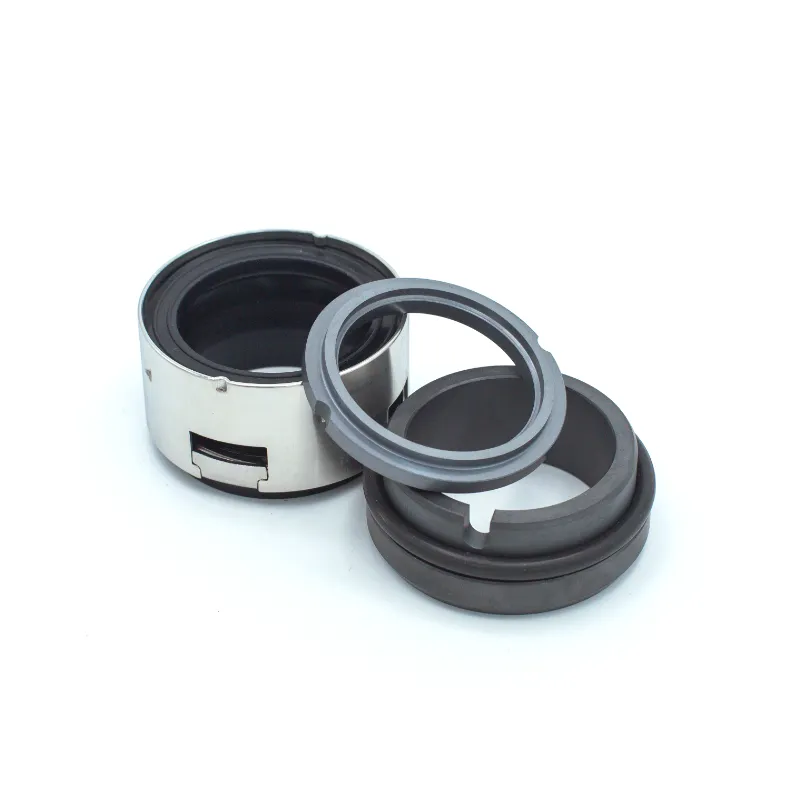
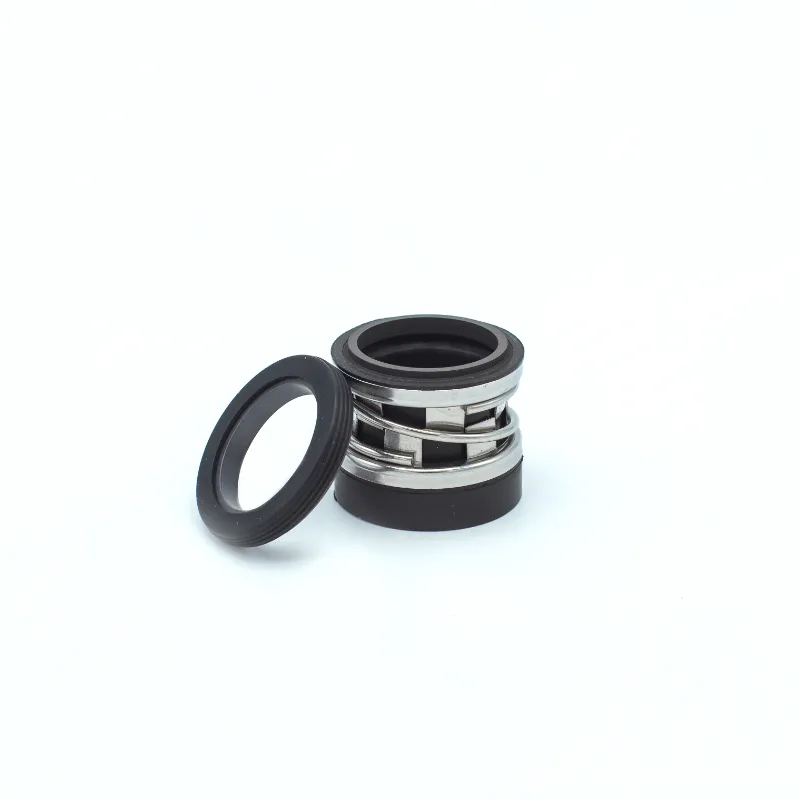
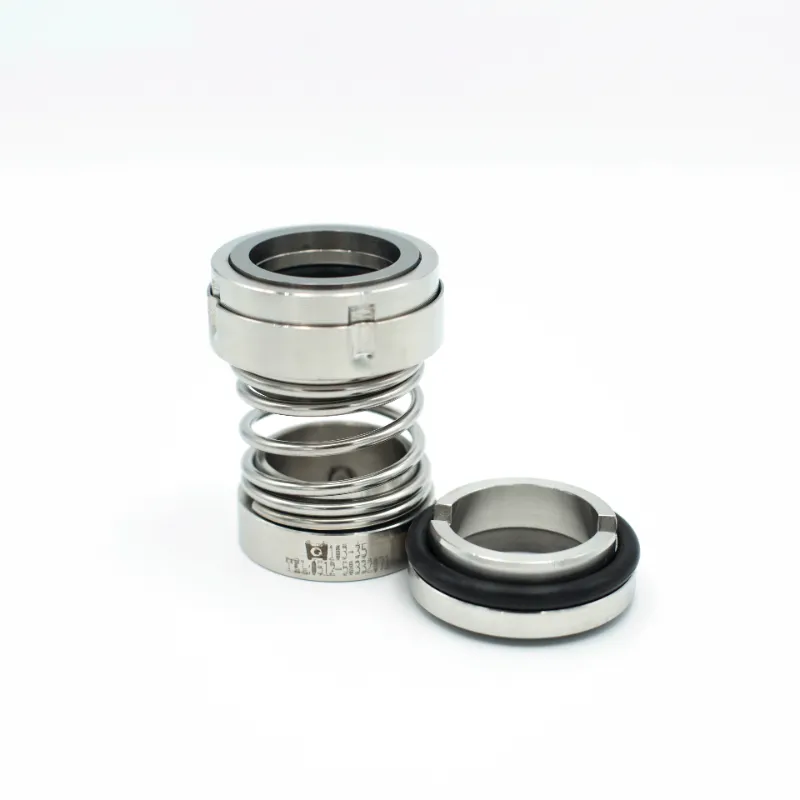
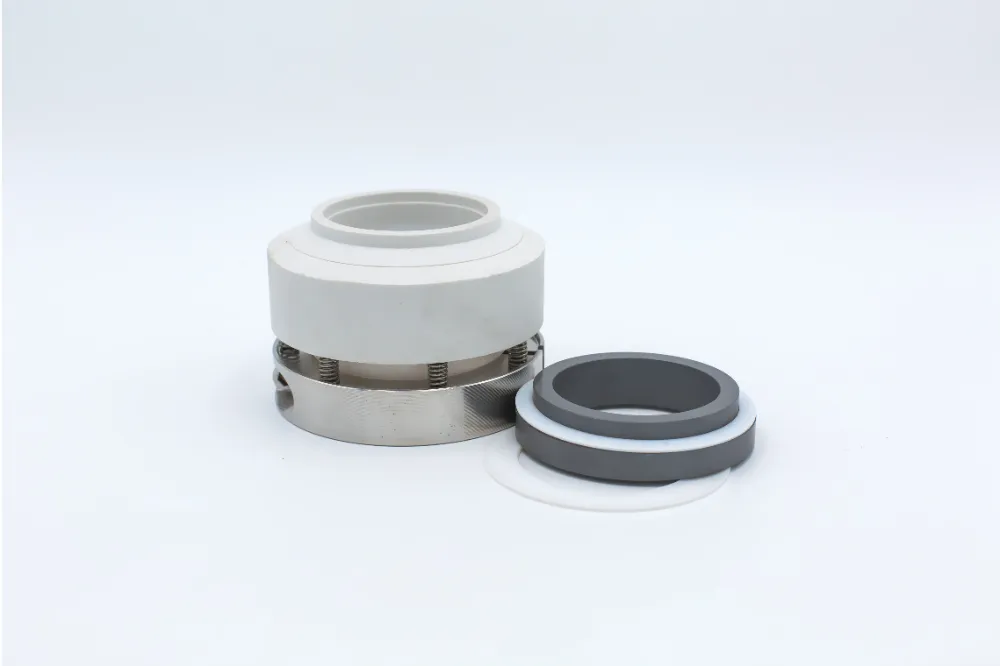
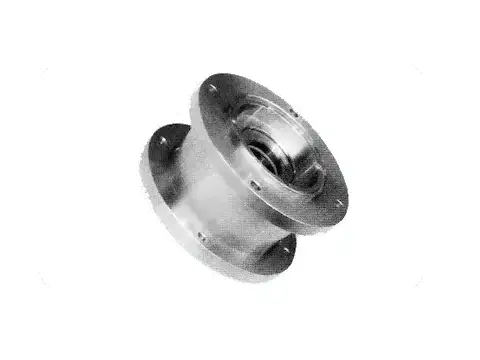
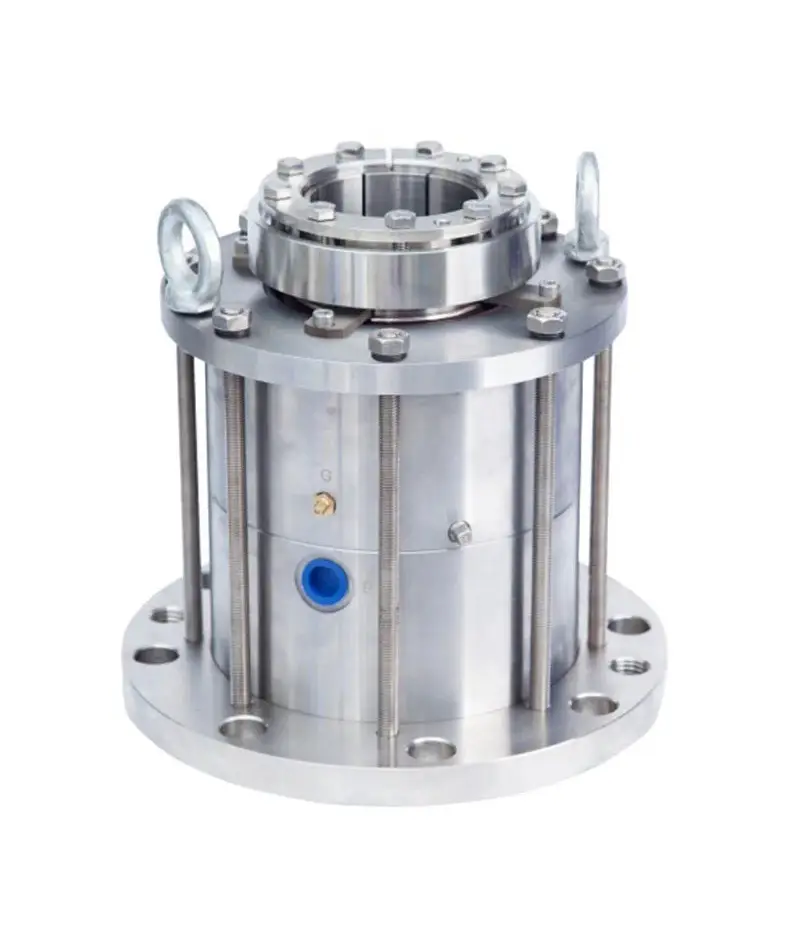
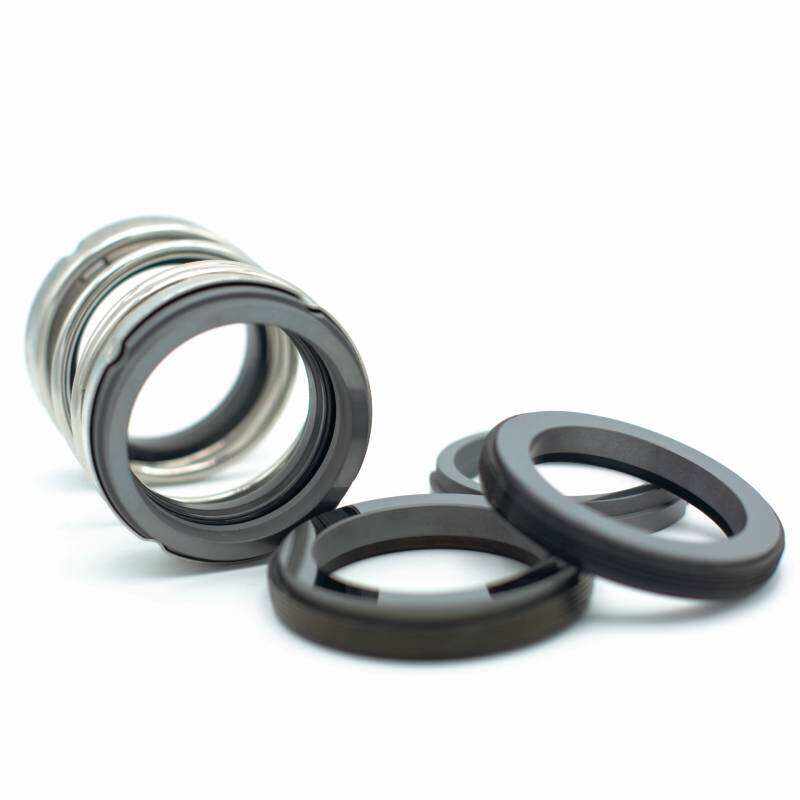
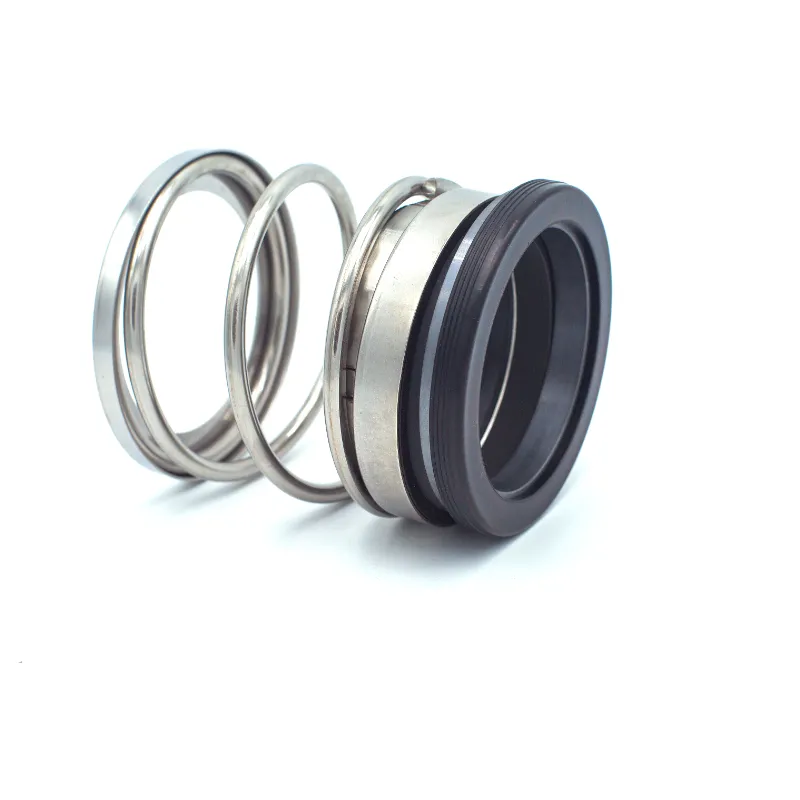
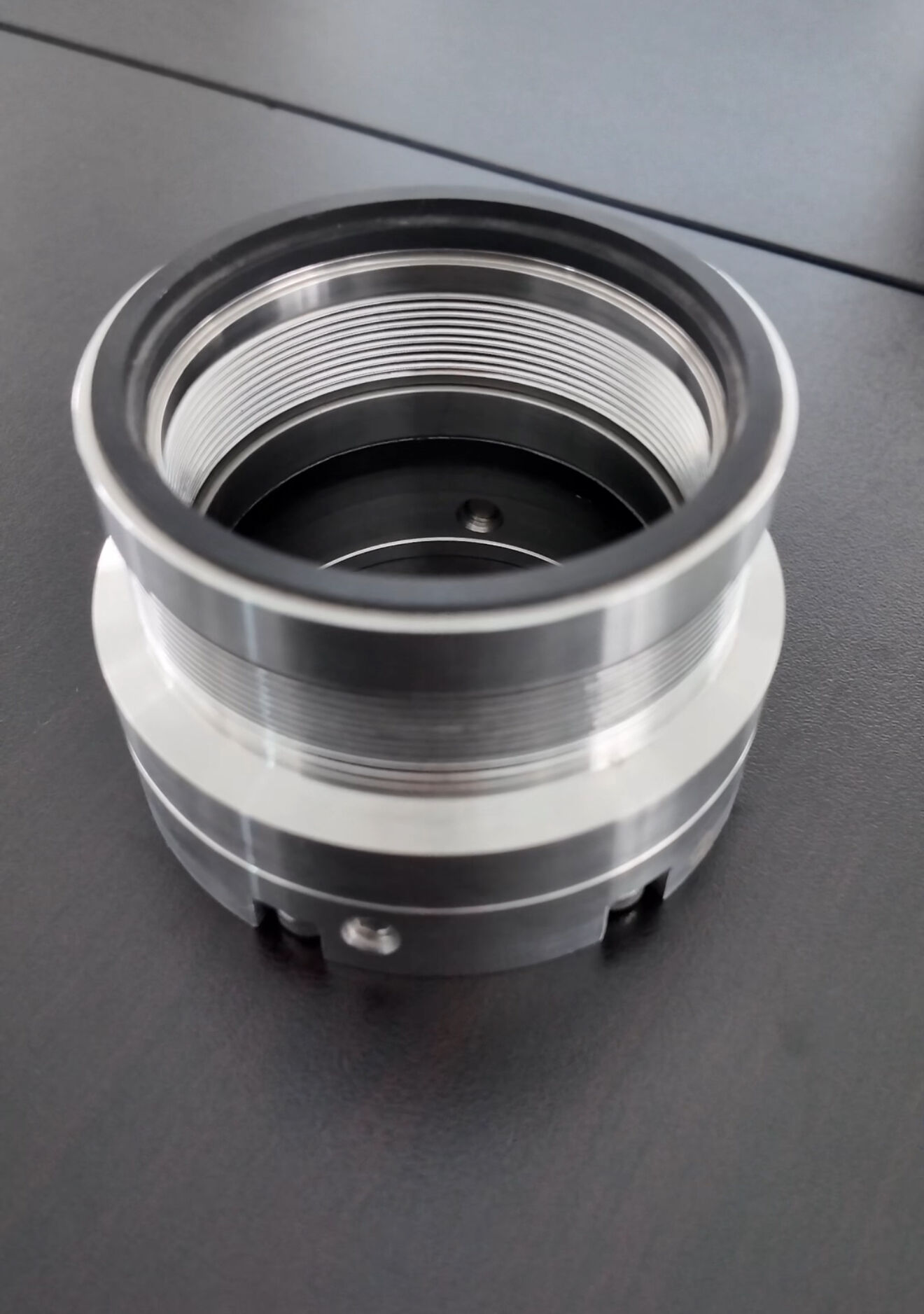
Aerospace mechanical seals represent critical components in modern aviation and space exploration systems, designed to prevent fluid leakage while maintaining operational integrity under extreme conditions. These sophisticated sealing solutions serve as barriers between rotating and stationary components in aircraft engines, hydraulic systems, fuel pumps, and spacecraft propulsion units. The primary function of aerospace mechanical seals involves containing pressurized fluids, gases, and lubricants within their designated chambers while preventing contamination from external elements. These seals operate by creating a controlled interface between a rotating face and a stationary face, utilizing precise engineering tolerances and advanced materials to achieve reliable sealing performance. Technological features of aerospace mechanical seals include specialized face materials such as silicon carbide, tungsten carbide, and advanced ceramics that withstand temperature fluctuations ranging from cryogenic conditions to over 1000 degrees Fahrenheit. The seal designs incorporate secondary sealing elements including O-rings, bellows, and gaskets manufactured from high-performance elastomers and metals capable of maintaining flexibility and sealing integrity across diverse operating environments. Spring-loaded mechanisms within these seals provide consistent face loading, compensating for wear and thermal expansion while ensuring continuous contact between sealing surfaces. Applications for aerospace mechanical seals span commercial aviation, military aircraft, satellites, rocket engines, and ground support equipment. In jet engines, these seals protect bearing compartments and oil systems from contamination while maintaining proper lubrication flow. Hydraulic flight control systems rely on aerospace mechanical seals to maintain pressure integrity for critical functions including landing gear operation, flight surface control, and braking systems. Fuel system applications utilize these seals to prevent leakage and maintain fire safety standards throughout aircraft operation. Space applications demand even greater performance reliability, where aerospace mechanical seals enable long-duration missions without maintenance accessibility.

New Products

Aerospace mechanical seals deliver exceptional reliability that significantly reduces maintenance requirements and operational downtime for aircraft operators. These advanced sealing systems eliminate frequent seal replacements through superior durability, resulting in substantial cost savings over traditional sealing methods. The precision engineering of aerospace mechanical seals ensures consistent performance across varying operational conditions, providing operators with predictable maintenance schedules and reduced unexpected failures. Extended service life represents a major advantage, as these seals typically operate for thousands of hours without requiring replacement, directly translating to lower total cost of ownership for aviation companies. The self-compensating design of aerospace mechanical seals automatically adjusts to normal wear patterns, maintaining effective sealing throughout their operational lifespan without manual intervention. This feature proves particularly valuable in commercial aviation where aircraft availability directly impacts profitability. Enhanced safety characteristics make aerospace mechanical seals superior choices for critical flight systems, as their failure modes are typically gradual rather than catastrophic, providing maintenance crews with adequate warning signs before replacement becomes necessary. The leak-tight performance of these seals prevents fluid contamination that could compromise system performance or create safety hazards during flight operations. Aerospace mechanical seals demonstrate excellent chemical compatibility with aviation fluids including synthetic lubricants, hydraulic fluids, and jet fuels, ensuring long-term stability without degradation. Temperature stability allows these seals to maintain performance integrity from ground-level operations through high-altitude flight conditions where temperature variations can exceed 200 degrees Fahrenheit. The compact design of aerospace mechanical seals enables installation in space-constrained aircraft systems without compromising performance, making them ideal for modern aircraft where weight and space optimization remain critical design factors. Reduced vibration sensitivity ensures reliable operation in high-vibration environments typical of aircraft engines and rotating machinery. The proven track record of aerospace mechanical seals in demanding applications provides engineers and operators with confidence in their selection for critical sealing applications where failure is not acceptable.

Practical Tips

What Is Agitator Seal Pressure and Why It Matters in Industrial Equipment?

06

Aug

What Is Agitator Seal Pressure and Why It Matters in Industrial Equipment?

Importance of Pressure Control in Industrial Sealing Systems Industrial processes often involve extreme conditions—high temperatures, intense pressures, and reactive chemicals. To maintain system safety and ensure reliable performance, manufac...
View More
Agitator Seal Solutions for Chemical, Pharma & Food Processing

22

Dec

Agitator Seal Solutions for Chemical, Pharma & Food Processing

Industrial mixing operations in chemical, pharmaceutical, and food processing facilities rely heavily on dependable sealing solutions to maintain process integrity and operational efficiency. Agitator seals serve as critical components that prevent f...
View More
Cartex Mechanical Seal Solutions for Heavy-Duty Pumping Systems

22

Dec

Cartex Mechanical Seal Solutions for Heavy-Duty Pumping Systems

Industrial pumping systems demand exceptional reliability and performance, especially when handling aggressive fluids and operating under extreme conditions. Modern mechanical seal technology has evolved to meet these challenges, with advanced soluti...
View More
Cartridge Mechanical Seal Solutions for Zero-Error Maintenance

22

Dec

Cartridge Mechanical Seal Solutions for Zero-Error Maintenance

Industrial pump systems operate under extreme conditions where even minor seal failures can result in catastrophic downtime and costly repairs. The cartridge mechanical seal represents a revolutionary advancement in sealing technology, offering super...
View More

Get a Free Quote

Our representative will contact you soon.
Email
Name
Company Name
Country/Region
Message
0/1000

aerospace mechanical seals

Superior High-Temperature Performance and Material Innovation

Superior High-Temperature Performance and Material Innovation

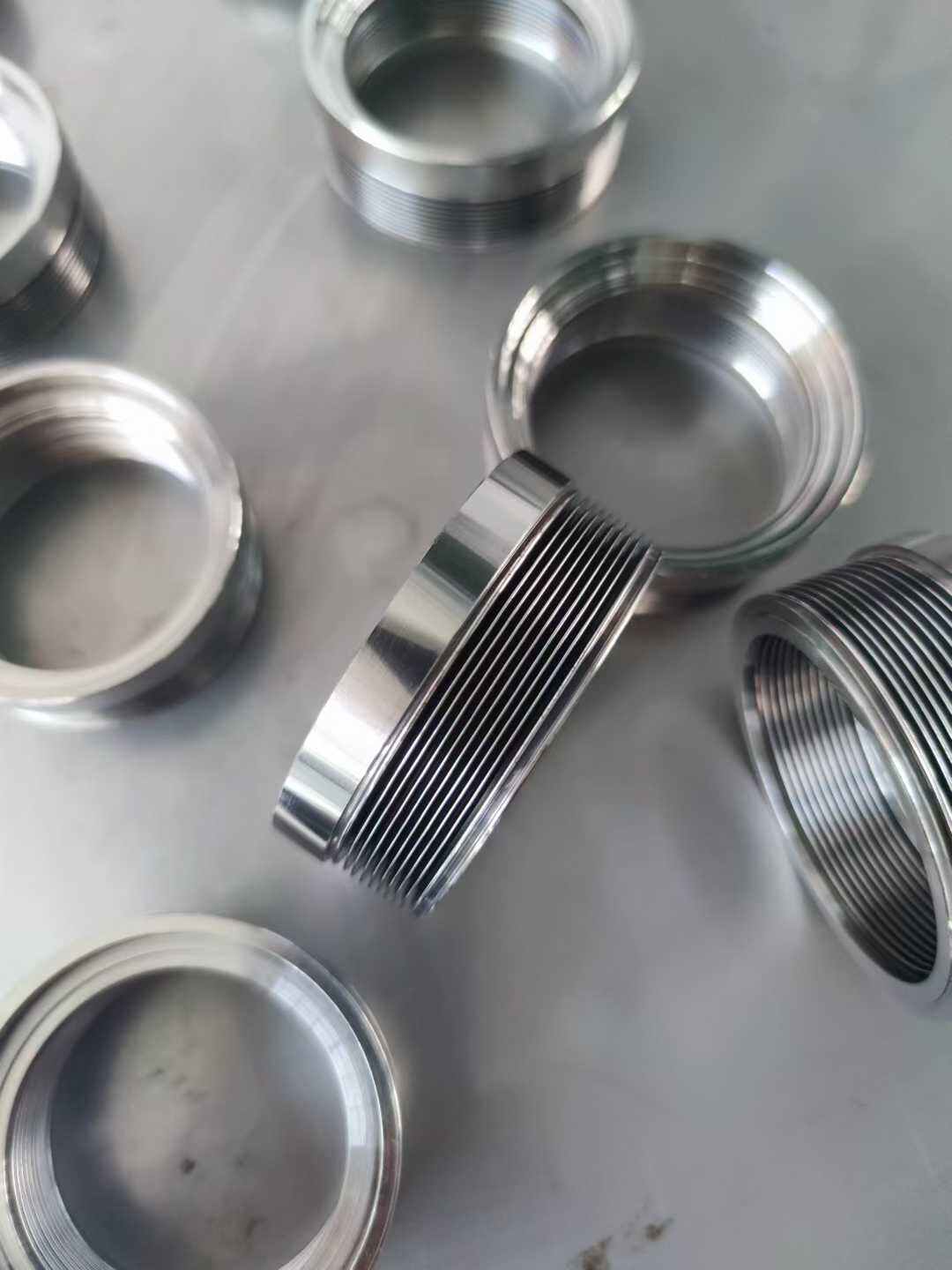
Aerospace mechanical seals excel in extreme temperature environments through advanced material science and innovative design engineering that surpasses conventional sealing solutions. The primary sealing faces utilize cutting-edge materials including reaction-bonded silicon carbide, tungsten carbide, and advanced ceramic composites that maintain dimensional stability and surface integrity across temperature ranges from minus 65 degrees Fahrenheit to over 1000 degrees Fahrenheit. These materials resist thermal shock, thermal cycling fatigue, and high-temperature oxidation that would destroy conventional sealing materials. The coefficient of thermal expansion matching between seal faces prevents warping and loss of sealing contact during temperature transitions, ensuring continuous leak-tight performance throughout flight profiles. Secondary sealing elements incorporate perfluoroelastomer compounds and spring-energized PTFE seals that retain flexibility and sealing force at temperature extremes where standard elastomers become brittle or lose resilience. Advanced metallurgy in seal hardware components utilizes superalloys and titanium grades that maintain structural integrity under thermal stress while providing corrosion resistance in harsh operating environments. The thermal management design of aerospace mechanical seals includes heat dissipation features and thermal barrier coatings that protect critical sealing interfaces from temperature spikes during engine operation or atmospheric reentry scenarios. Specialized face coatings and surface treatments enhance wear resistance and reduce friction heat generation, extending seal life while maintaining performance under continuous high-temperature operation. The material selection process for aerospace mechanical seals involves extensive testing under simulated flight conditions including thermal cycling, vibration exposure, and chemical compatibility verification to ensure reliable performance throughout the operational envelope. This comprehensive approach to material engineering and temperature management makes aerospace mechanical seals the preferred choice for applications where temperature extremes would cause conventional sealing systems to fail, providing operators with confidence in critical system integrity across all flight conditions and mission profiles.
Zero-Leakage Design for Critical Flight Safety Systems

Zero-Leakage Design for Critical Flight Safety Systems

Aerospace mechanical seals deliver uncompromising leak-tight performance essential for maintaining flight safety and regulatory compliance in critical aircraft systems where even minor fluid losses could result in catastrophic consequences. The precision-engineered sealing interface creates a barrier measured in microinches, utilizing lapped sealing faces with surface finishes approaching mirror quality to eliminate leak paths that would allow fluid escape. Advanced face loading mechanisms maintain optimal contact pressure between sealing surfaces throughout the operational envelope, automatically compensating for normal wear, thermal expansion, and system pressure variations without operator intervention. The balanced seal design minimizes opening forces created by system pressure, ensuring consistent sealing contact even during pressure surges or system cycling that would cause conventional seals to lift and leak. Positive sealing action prevents reverse flow and maintains directional fluid control essential for proper system operation in hydraulic flight controls, fuel systems, and lubrication circuits. The fail-safe design philosophy incorporated into aerospace mechanical seals ensures that seal degradation occurs gradually with detectable warning signs, allowing maintenance crews to schedule replacement during routine maintenance rather than experiencing sudden seal failure during flight operations. Advanced monitoring capabilities enable integration with aircraft health monitoring systems to track seal performance parameters and predict maintenance requirements before leakage occurs. The hermetic sealing capability of aerospace mechanical seals prevents contamination ingress that could compromise fluid quality or introduce foreign particles into sensitive system components. Environmental sealing performance protects against moisture, dust, and chemical contamination in ground operations and flight environments where exposure to adverse conditions is unavoidable. Quality assurance protocols for aerospace mechanical seals include helium leak testing, pressure decay testing, and endurance testing that validates zero-leakage performance under simulated service conditions before installation. This rigorous approach to leak prevention and quality validation ensures that aerospace mechanical seals meet the stringent safety requirements of modern aviation where system reliability directly impacts passenger safety and mission success across commercial and military applications.
Extended Service Life and Reduced Maintenance Requirements

Extended Service Life and Reduced Maintenance Requirements

Aerospace mechanical seals provide exceptional operational longevity that dramatically reduces maintenance burden and operational costs through advanced engineering design and premium material selection optimized for extended service intervals. The wear-resistant face materials and optimized tribological interfaces enable these seals to operate continuously for 15,000 to 25,000 hours or more, significantly exceeding the service life of conventional sealing solutions while maintaining consistent performance throughout their operational lifespan. Self-compensating wear mechanisms automatically adjust seal geometry as normal face wear occurs, maintaining proper sealing contact without requiring periodic adjustment or maintenance intervention during routine service intervals. The robust construction and over-engineered design margins provide substantial safety factors that accommodate operational variations, manufacturing tolerances, and service condition changes without compromising seal integrity or requiring premature replacement. Predictive maintenance capabilities enable operators to monitor seal condition through vibration analysis, temperature monitoring, and fluid analysis programs that identify gradual performance changes long before seal replacement becomes necessary. This proactive approach eliminates unexpected maintenance events and allows maintenance planning integration with scheduled aircraft downtime, maximizing aircraft availability and operational efficiency. The standardized design and proven reliability of aerospace mechanical seals reduce spare parts inventory requirements and maintenance training needs, streamlining maintenance operations and reducing total support costs. Simplified installation procedures and fool-proof design features minimize maintenance errors and reduce installation time, further decreasing maintenance labor costs and aircraft downtime duration. The extensive service history and documented performance data for aerospace mechanical seals enable accurate maintenance interval planning and budget forecasting, providing operators with predictable maintenance costs and improved financial planning capabilities. Field-proven durability in demanding operational environments demonstrates the ability of aerospace mechanical seals to withstand operational stresses including vibration, shock loading, pressure cycling, and environmental exposure that would cause premature failure in conventional sealing systems. The combination of extended service life, predictable maintenance requirements, and reduced failure rates makes aerospace mechanical seals a cost-effective investment that delivers substantial return on investment through reduced maintenance costs, improved aircraft availability, and enhanced operational reliability across diverse aviation applications and mission profiles.

Get a Free Quote

Our representative will contact you soon.
Email
Name
Company Name
Country/Region
Message
0/1000