High-Performance Mechanical Seals for Oleochemical Processing | Industrial Sealing Solutions

Get a Free Quote

Our representative will contact you soon.
Email
Name
Company Name
Message
0/1000

mechanical seals for oleochemical

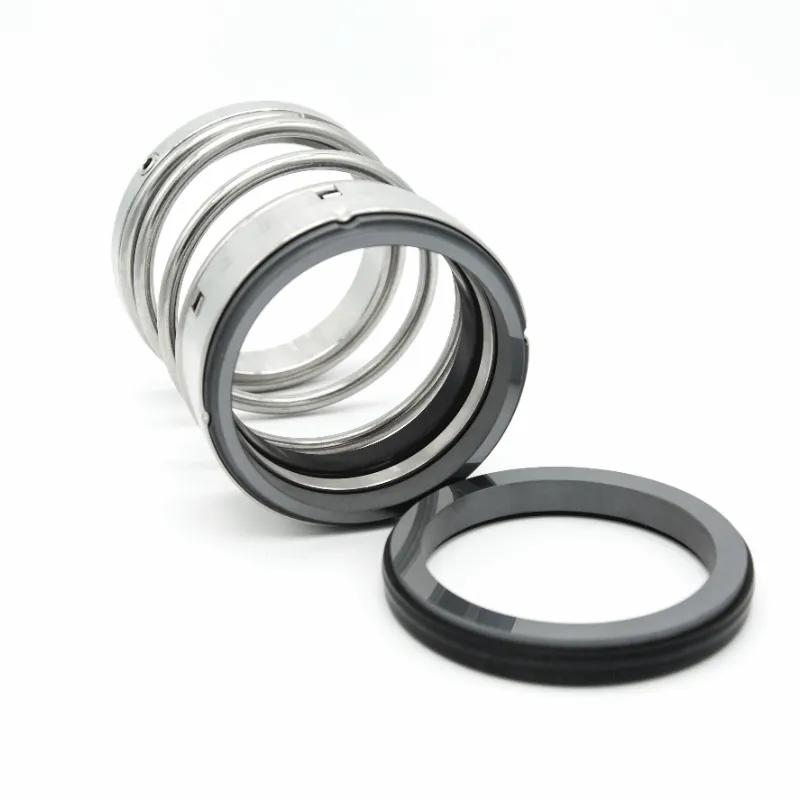
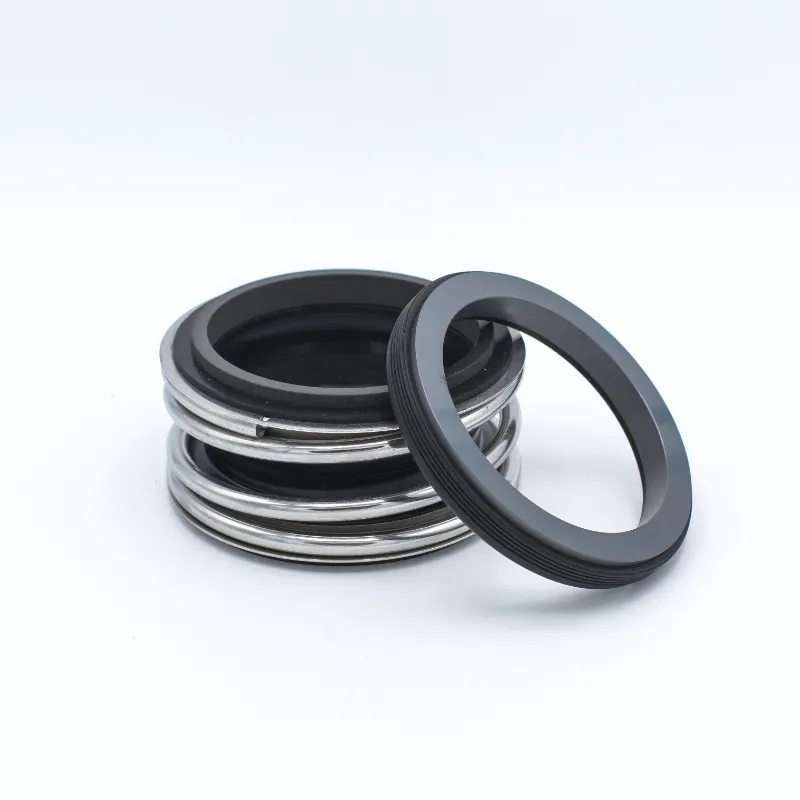
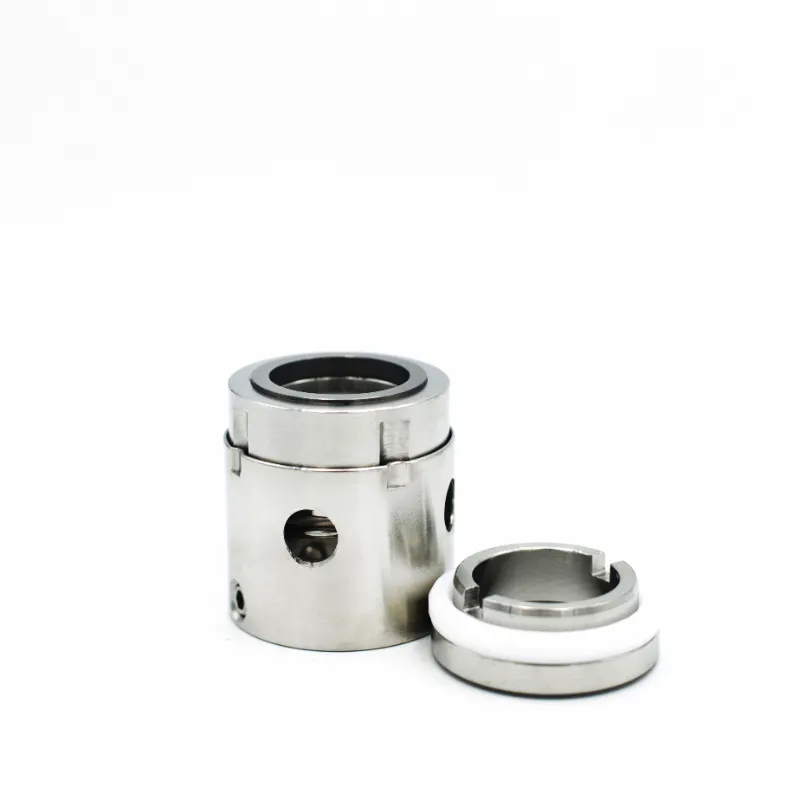
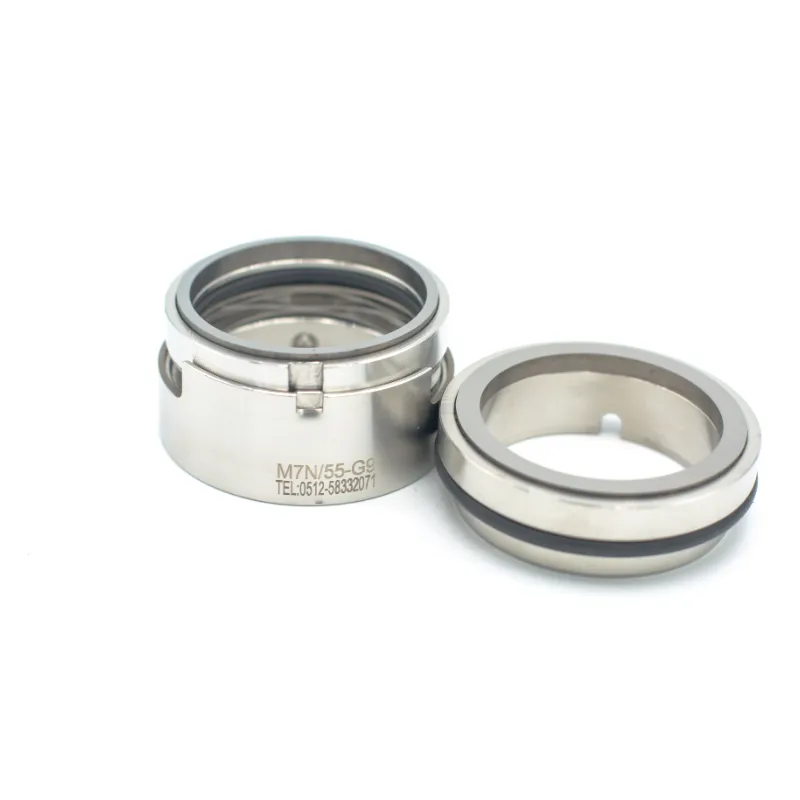
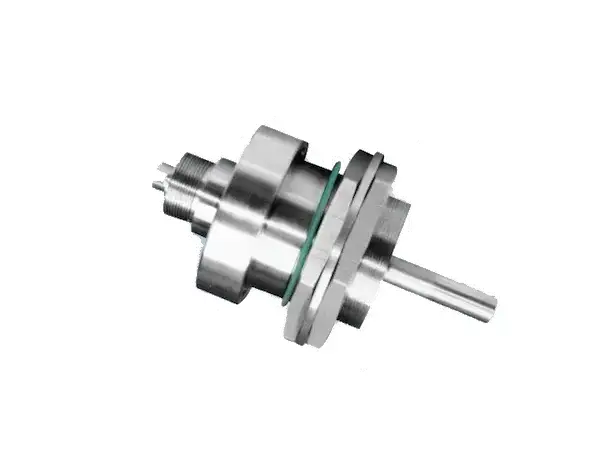
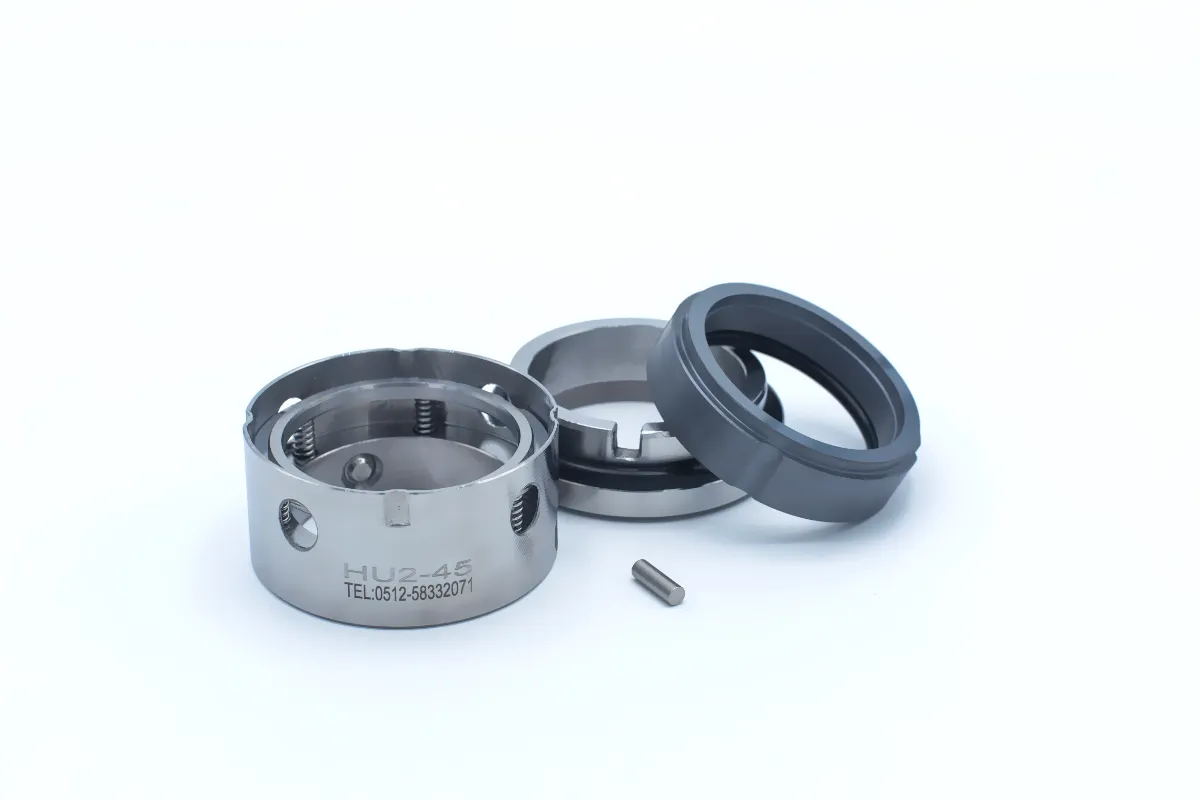
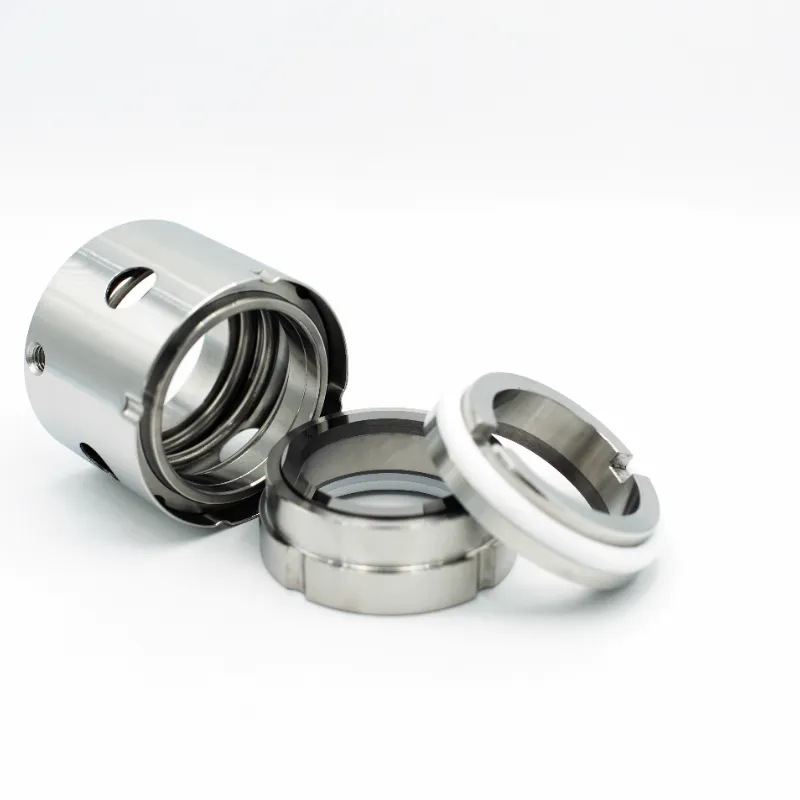
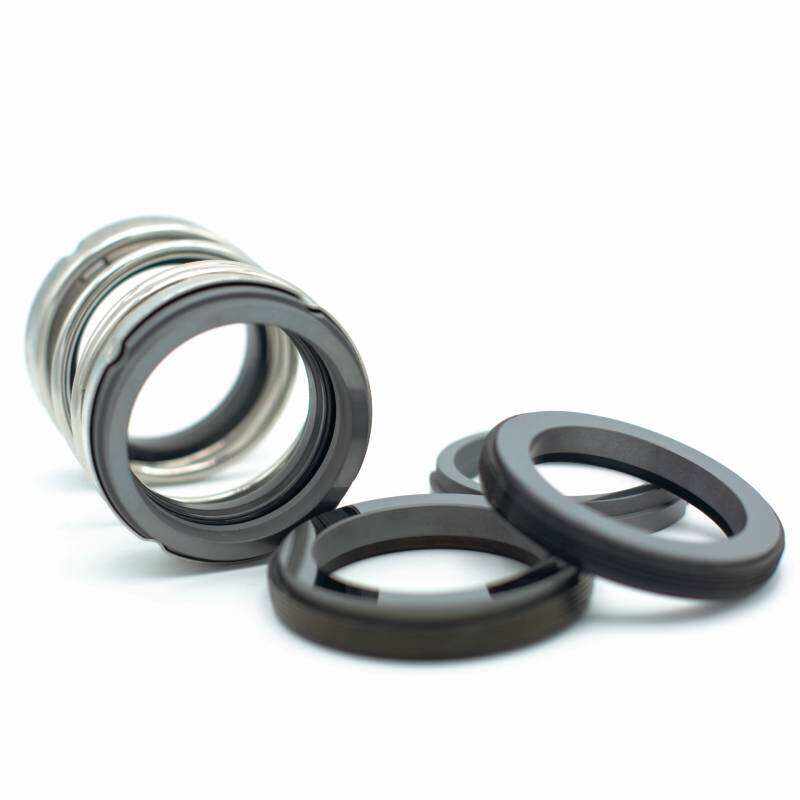
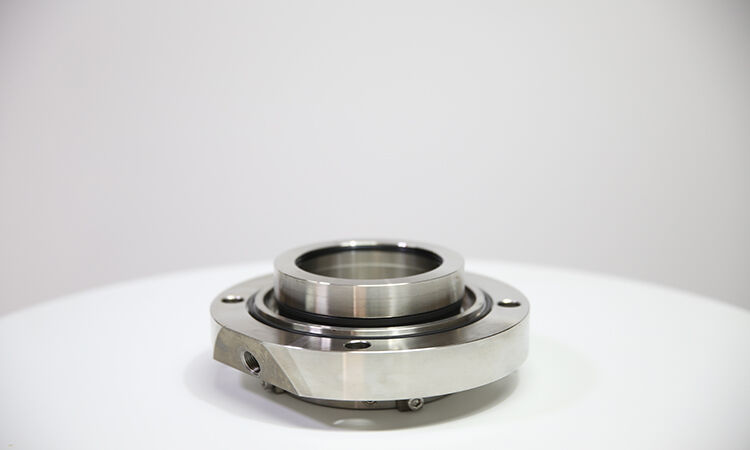
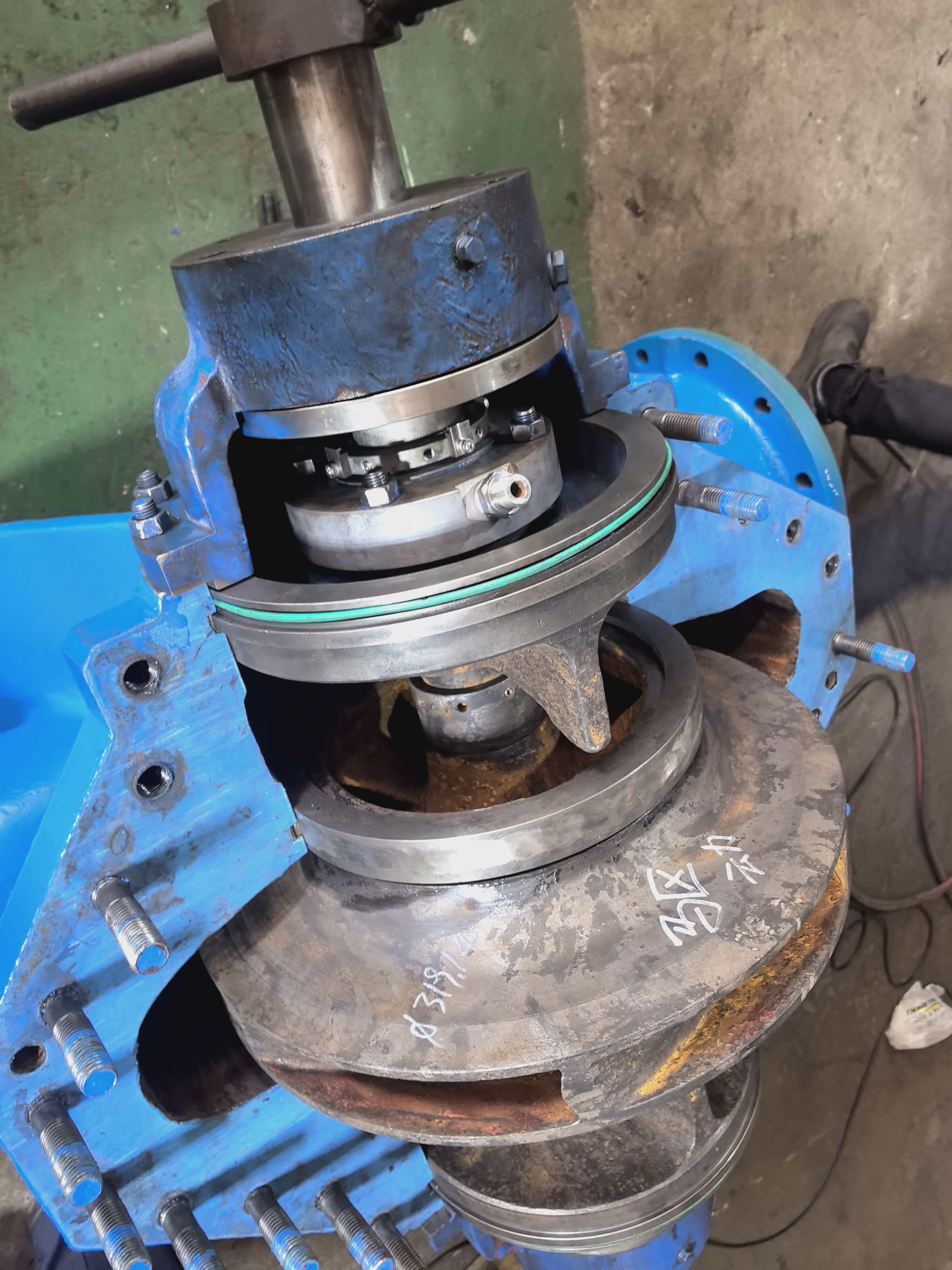
Mechanical seals for oleochemical applications represent a critical component in ensuring the safe and efficient operation of processing equipment within the oleochemical industry. These specialized sealing solutions are engineered to handle the unique challenges presented by oleochemical processing environments, where equipment must manage various chemical compounds derived from natural fats and oils. The primary function of mechanical seals for oleochemical systems involves preventing leakage between rotating and stationary equipment components while maintaining optimal operational integrity. These seals create a controlled barrier that prevents process fluids from escaping into the surrounding environment, thereby protecting both personnel safety and environmental compliance standards. The technological features of mechanical seals for oleochemical applications include advanced material compositions that resist chemical corrosion, temperature fluctuations, and mechanical wear. These seals typically incorporate specialized face materials such as silicon carbide, tungsten carbide, or ceramic compositions that provide excellent chemical resistance against oleochemical compounds. The spring-loaded design ensures consistent face contact pressure, while secondary sealing elements made from chemically compatible elastomers provide additional leak prevention. Advanced mechanical seals for oleochemical processes often feature balanced designs that minimize face loading and reduce heat generation, extending operational life significantly. Temperature control mechanisms, including flush plans and cooling systems, help maintain optimal operating conditions even in high-temperature oleochemical processing environments. Applications for mechanical seals for oleochemical equipment span across numerous processing operations, including fatty acid distillation, glycerin purification, soap manufacturing, and biodiesel production. These seals are commonly installed in centrifugal pumps, agitators, reactors, and distillation columns where reliable sealing performance is essential for continuous production operations. The versatility of mechanical seals for oleochemical applications makes them suitable for handling various process conditions, from high-vacuum distillation to high-pressure reaction vessels.

Popular Products

The advantages of mechanical seals for oleochemical applications provide substantial benefits that directly impact operational efficiency, safety, and cost-effectiveness for processing facilities. These sealing systems deliver superior leak prevention compared to traditional packing solutions, significantly reducing product loss and environmental contamination risks. When companies implement mechanical seals for oleochemical equipment, they experience dramatic reductions in maintenance downtime because these seals require less frequent adjustment and replacement compared to conventional sealing methods. The enhanced reliability translates to increased production uptime, allowing facilities to maintain consistent output levels without unexpected interruptions. Mechanical seals for oleochemical processes offer excellent chemical compatibility, ensuring long-term performance even when exposed to aggressive oleochemical compounds that would quickly degrade standard sealing materials. This chemical resistance prevents premature failure and extends seal life, reducing replacement costs and maintenance labor requirements. The improved sealing performance also enhances product quality by preventing contamination from external sources, which is particularly important in food-grade oleochemical applications where purity standards are stringent. Energy efficiency represents another significant advantage, as mechanical seals for oleochemical equipment typically require less shaft power than traditional packing systems due to reduced friction between sealing faces. This energy savings accumulates over time, contributing to lower operational costs and improved environmental sustainability. Safety benefits include reduced exposure to potentially hazardous oleochemical vapors and liquids, as the superior sealing capability minimizes fugitive emissions that could pose health risks to personnel. The self-adjusting nature of mechanical seals for oleochemical applications means operators spend less time on routine maintenance tasks, allowing them to focus on other critical operational activities. Installation flexibility allows these seals to accommodate various shaft sizes and equipment configurations, making them suitable for both new installations and retrofit applications. The predictable wear patterns of mechanical seals for oleochemical systems enable better maintenance planning and inventory management, as replacement schedules can be established based on actual operating experience rather than reactive maintenance approaches. Temperature stability ensures consistent performance across the wide temperature ranges commonly encountered in oleochemical processing, from ambient conditions to elevated temperatures required for distillation and reaction processes.

Latest News

Choosing the Right Agitator Seal for High-Viscosity Mixing

21

Jul

Choosing the Right Agitator Seal for High-Viscosity Mixing

Ensuring Performance in High-Viscosity Mixing Applications In industrial mixing processes involving high-viscosity fluids, reliable sealing is a fundamental requirement. The dynamic conditions in such systems—marked by increased torque, intense...
View More
Key Features of High-Performance Agitator Seal Pressure Systems

06

Aug

Key Features of High-Performance Agitator Seal Pressure Systems

Ensuring Long-Term Efficiency in Industrial Sealing In the world of industrial processing, maintaining system integrity under various operational stresses is a continuous challenge. One of the most vital components for achieving this reliability is t...
View More
Can Cartridge Mechanical Seals Reduce Downtime and Maintenance Needs?

22

Dec

Can Cartridge Mechanical Seals Reduce Downtime and Maintenance Needs?

Industrial facilities across manufacturing, chemical processing, and oil refining sectors face constant pressure to minimize equipment downtime while maximizing operational efficiency. One critical component that significantly impacts these goals is ...
View More
Cartex Mechanical Seal Solutions for Heavy-Duty Pumping Systems

22

Dec

Cartex Mechanical Seal Solutions for Heavy-Duty Pumping Systems

Industrial pumping systems demand exceptional reliability and performance, especially when handling aggressive fluids and operating under extreme conditions. Modern mechanical seal technology has evolved to meet these challenges, with advanced soluti...
View More

Get a Free Quote

Our representative will contact you soon.
Email
Name
Company Name
Country/Region
Message
0/1000

mechanical seals for oleochemical

Advanced Chemical Resistance Technology

Advanced Chemical Resistance Technology

The advanced chemical resistance technology incorporated in mechanical seals for oleochemical applications represents a breakthrough in sealing performance for challenging processing environments. This sophisticated technology utilizes specially formulated face materials and elastomer compounds that withstand prolonged exposure to aggressive oleochemical substances without degrading or losing sealing effectiveness. The development of these materials involved extensive testing against various oleochemical compounds, including fatty acids, glycerides, alcohols, and their derivatives, ensuring compatibility across the full spectrum of oleochemical processing applications. Silicon carbide and tungsten carbide face materials provide exceptional hardness and chemical inertness, while advanced ceramic compositions offer additional benefits for specific oleochemical applications where traditional materials may be insufficient. The secondary sealing elements employ fluorocarbon elastomers and perfluoroelastomers that maintain flexibility and sealing integrity even after extended exposure to oleochemical process fluids at elevated temperatures. This chemical resistance technology prevents seal face deterioration that commonly occurs with standard materials, eliminating the frequent seal replacements that plague facilities using conventional sealing solutions. The molecular structure of these advanced materials resists swelling, cracking, and chemical attack, maintaining dimensional stability throughout the seal's operational life. Temperature cycling, which is common in oleochemical processing, does not compromise the chemical resistance properties, ensuring consistent performance regardless of process variations. The technology also incorporates barrier fluid systems that provide additional protection against aggressive chemicals, creating multiple layers of defense against chemical attack. These mechanical seals for oleochemical applications can handle pH variations and chemical mixtures that would quickly destroy conventional sealing materials, providing reliable operation in even the most demanding processing environments. The long-term cost benefits of this advanced chemical resistance technology include reduced maintenance expenses, eliminated unscheduled downtime, and improved process reliability that translates to enhanced profitability for oleochemical processing facilities.
Precision Engineering for Extended Service Life

Precision Engineering for Extended Service Life

Precision engineering in mechanical seals for oleochemical applications ensures extended service life through meticulous design optimization and manufacturing excellence that addresses the specific demands of oleochemical processing environments. This precision approach begins with advanced computational fluid dynamics modeling that analyzes seal face interactions, heat generation, and fluid flow patterns to optimize geometry for maximum performance and longevity. The manufacturing process employs state-of-the-art machining techniques that achieve surface finishes measured in microinches, ensuring perfect seal face flatness and parallelism that are critical for effective sealing. Dimensional tolerances are maintained to aerospace-grade standards, guaranteeing proper fit and function even after extended operation in challenging oleochemical processing conditions. The spring system design incorporates multiple coil springs or wave springs engineered to provide consistent closing force throughout the seal's operational life, compensating for face wear and thermal expansion effects. Precision balancing calculations ensure optimal face loading that minimizes wear while maintaining effective sealing, preventing both excessive friction that causes premature failure and insufficient loading that allows leakage. The drive mechanism features anti-rotation pins or drive lugs precisely positioned to eliminate rotational slippage while accommodating thermal growth and shaft deflection. Quality control procedures include leak testing, dimensional verification, and material certification that ensures every mechanical seal for oleochemical applications meets stringent performance standards before shipment. Advanced metallurgy in spring and hardware components provides corrosion resistance and mechanical strength required for long-term reliability in oleochemical environments. The precision engineering approach extends to seal installation procedures, with detailed specifications for shaft preparation, housing machining, and assembly torques that ensure optimal performance from initial startup. Statistical process control monitoring during manufacturing identifies potential variations before they affect product quality, maintaining consistency across all mechanical seals for oleochemical production. This precision engineering philosophy results in predictable seal performance, enabling facility managers to establish reliable maintenance schedules and optimize spare parts inventory based on actual service life data rather than conservative estimates.
Comprehensive Environmental Protection and Safety Enhancement

Comprehensive Environmental Protection and Safety Enhancement

Comprehensive environmental protection and safety enhancement capabilities of mechanical seals for oleochemical applications provide critical safeguards that protect both personnel and environmental resources while ensuring regulatory compliance in increasingly stringent industrial environments. These sealing systems incorporate multiple containment barriers that prevent hazardous oleochemical substances from escaping into workplace atmospheres or surrounding environments, addressing growing concerns about industrial emissions and worker exposure. The primary sealing interface creates an effective barrier against process fluid migration, while secondary containment features provide backup protection in the unlikely event of primary seal degradation. Advanced flush and quench systems can be integrated with mechanical seals for oleochemical applications to provide additional safety measures, using compatible barrier fluids or inert gases to create positive separation between process fluids and atmospheric exposure points. Vapor recovery capabilities allow facilities to capture and recycle valuable oleochemical compounds that might otherwise be lost to atmosphere, improving both economic and environmental performance. The sealed construction eliminates the packing gland adjustments required with traditional sealing methods, reducing personnel exposure to potentially hazardous oleochemical vapors during routine maintenance activities. Emergency shutdown capabilities can be incorporated into seal monitoring systems, automatically isolating equipment when abnormal conditions are detected, preventing catastrophic releases that could endanger personnel or environmental resources. Fire safety benefits include reduced ignition sources from eliminating hot packing boxes and minimized flammable vapor accumulation through superior leak prevention. Compliance with environmental regulations becomes more manageable when mechanical seals for oleochemical equipment provide documented leak rates that meet or exceed regulatory requirements for fugitive emissions control. Worker safety improvements include reduced slip and fall hazards from eliminated product leakage, decreased exposure to skin and respiratory irritants, and simplified maintenance procedures that minimize direct contact with process chemicals. Air quality monitoring integration allows real-time assessment of sealing performance and early detection of potential issues before they become safety or environmental concerns. Documentation and reporting capabilities support environmental management systems by providing verifiable performance data for regulatory submissions and internal safety assessments, demonstrating corporate commitment to responsible oleochemical processing operations.

Get a Free Quote

Our representative will contact you soon.
Email
Name
Company Name
Country/Region
Message
0/1000