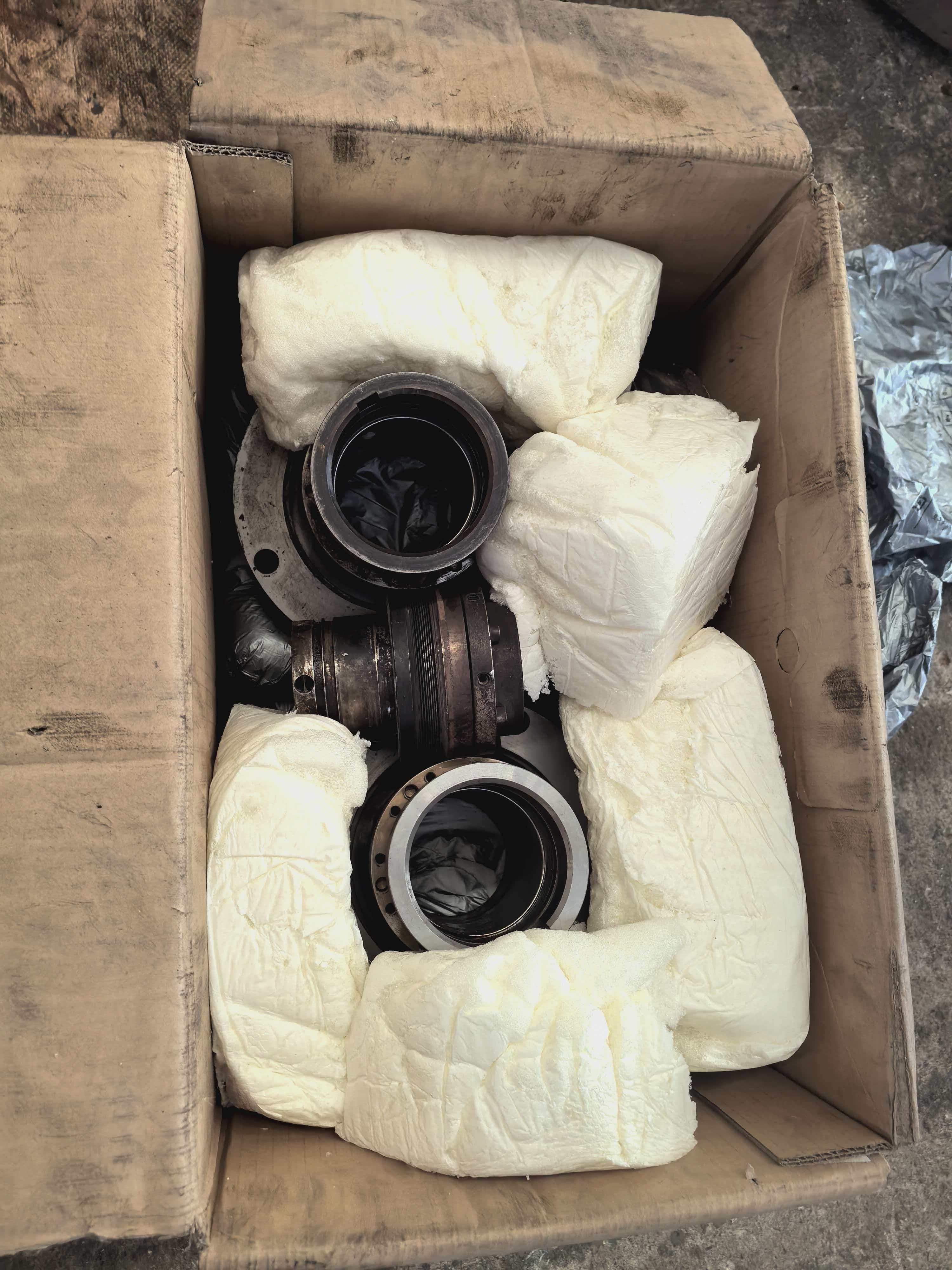
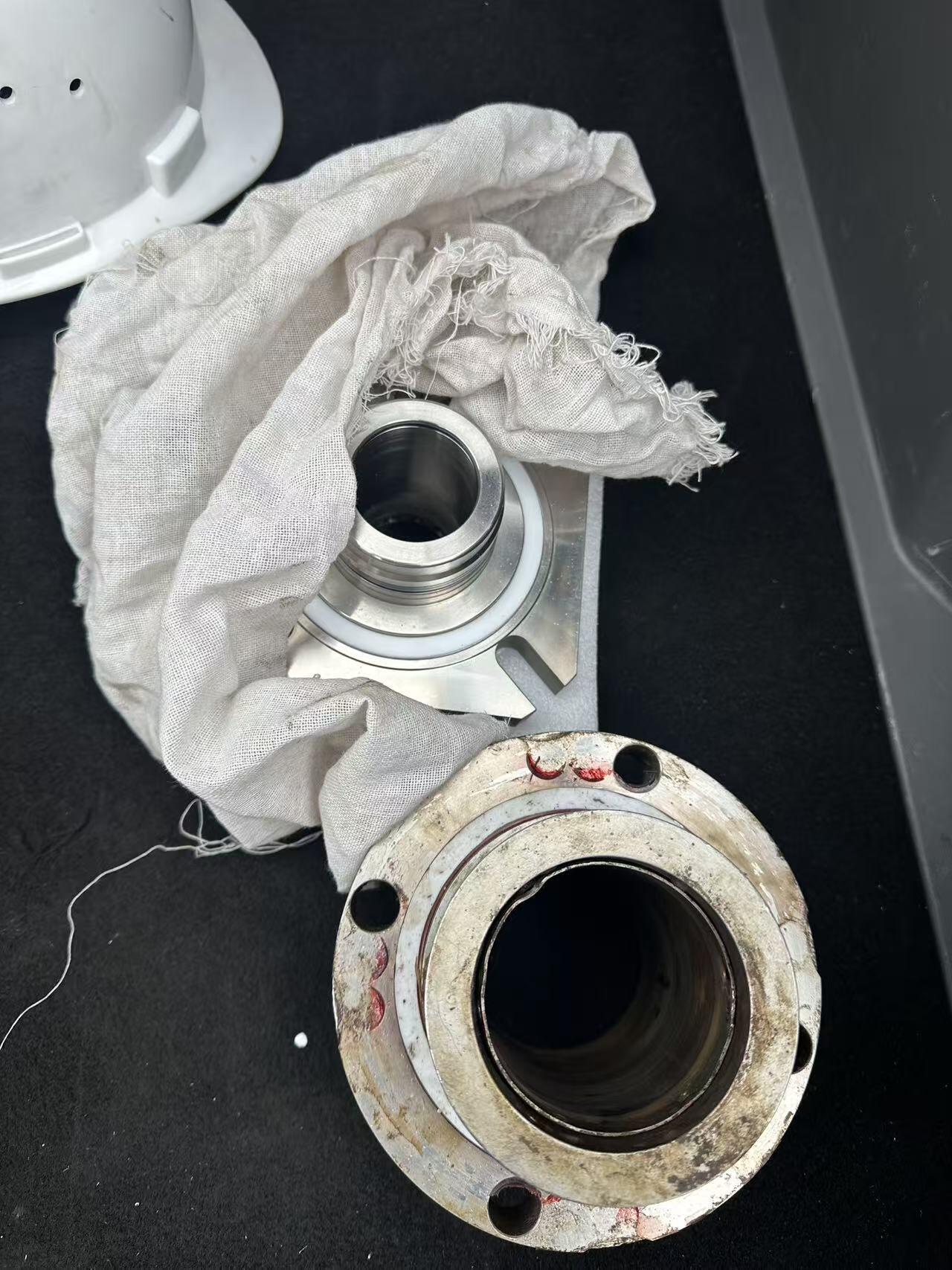
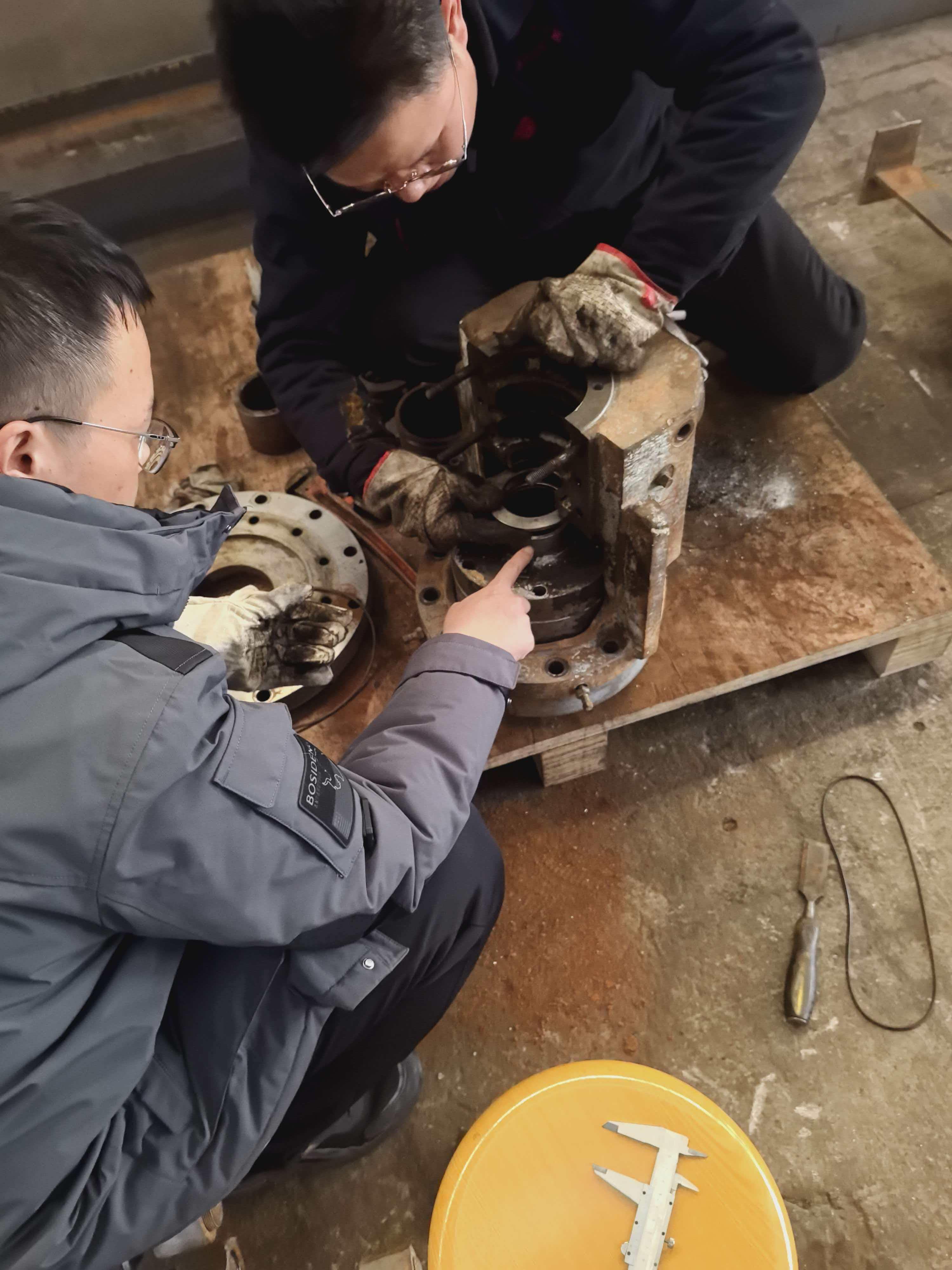
seal damage
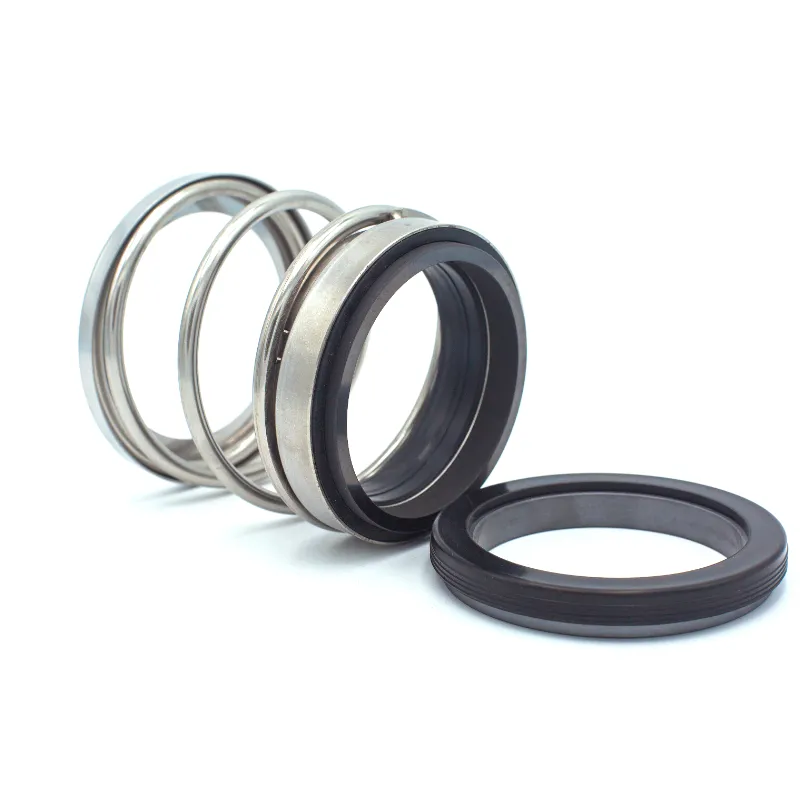
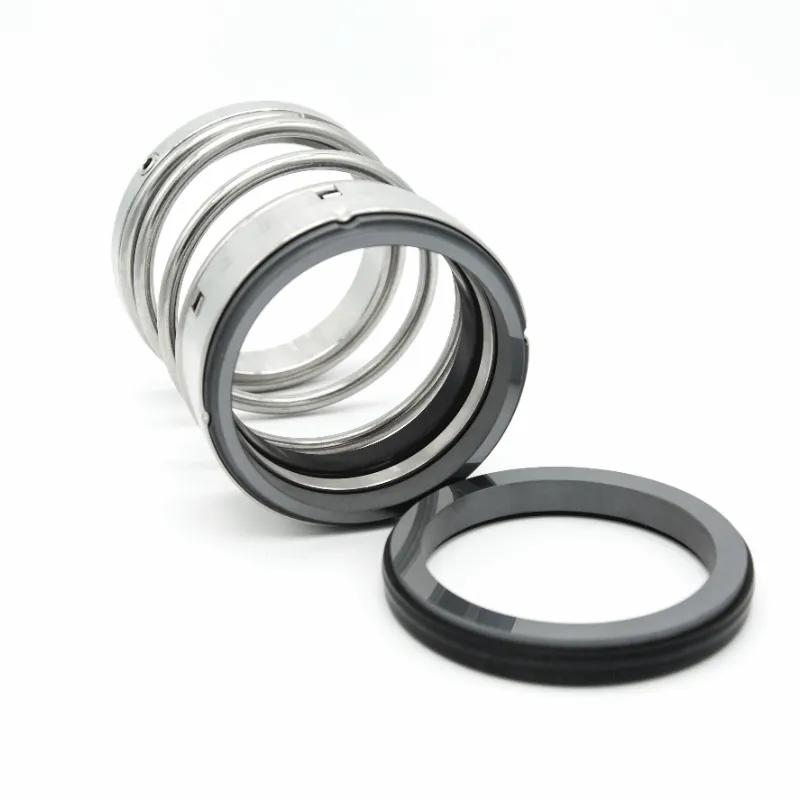
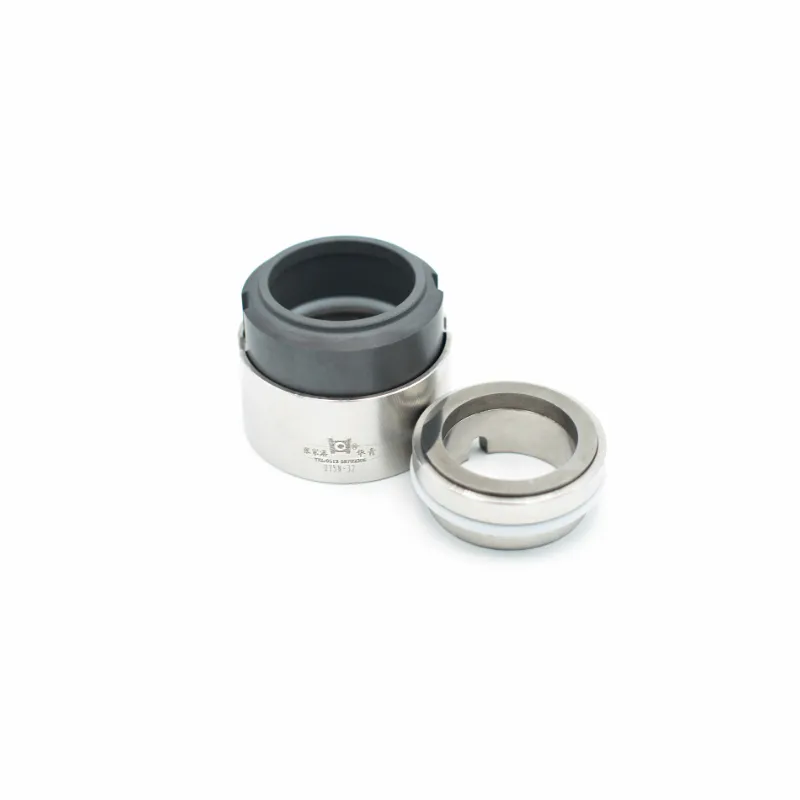
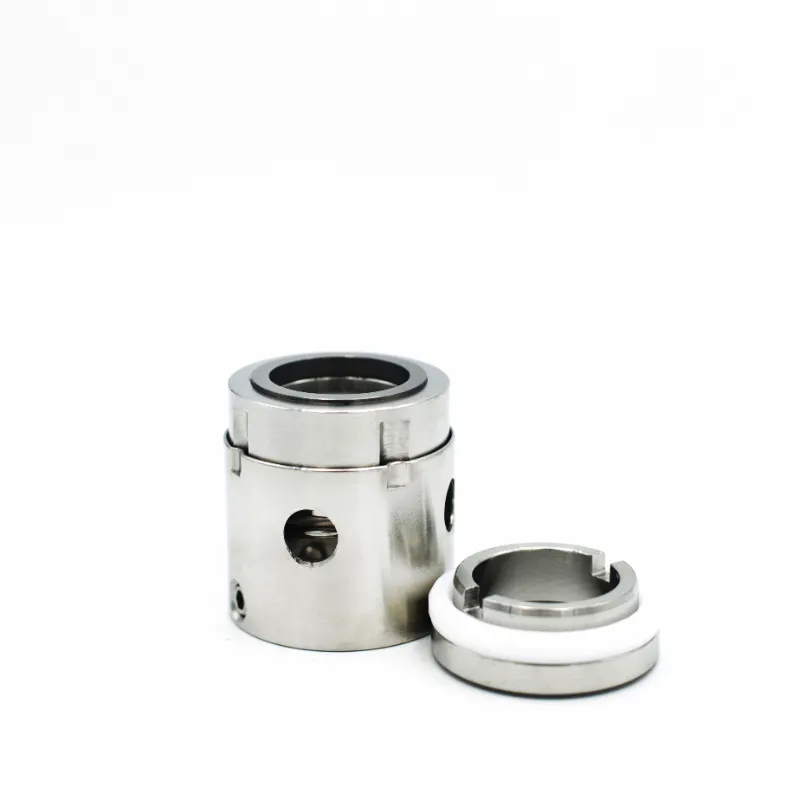
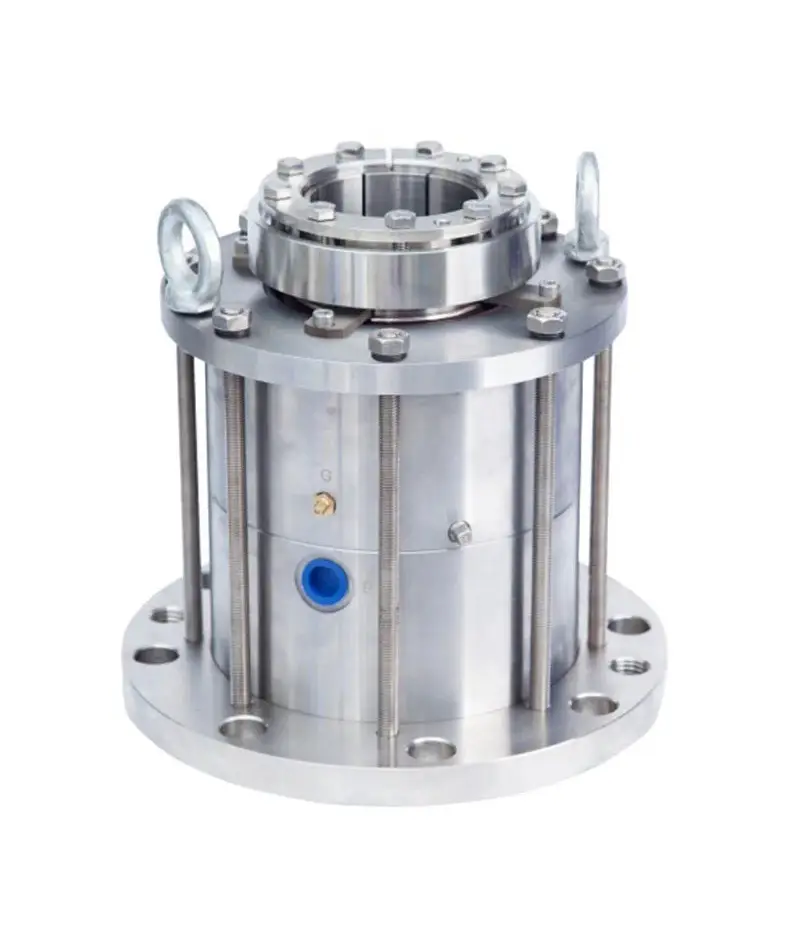
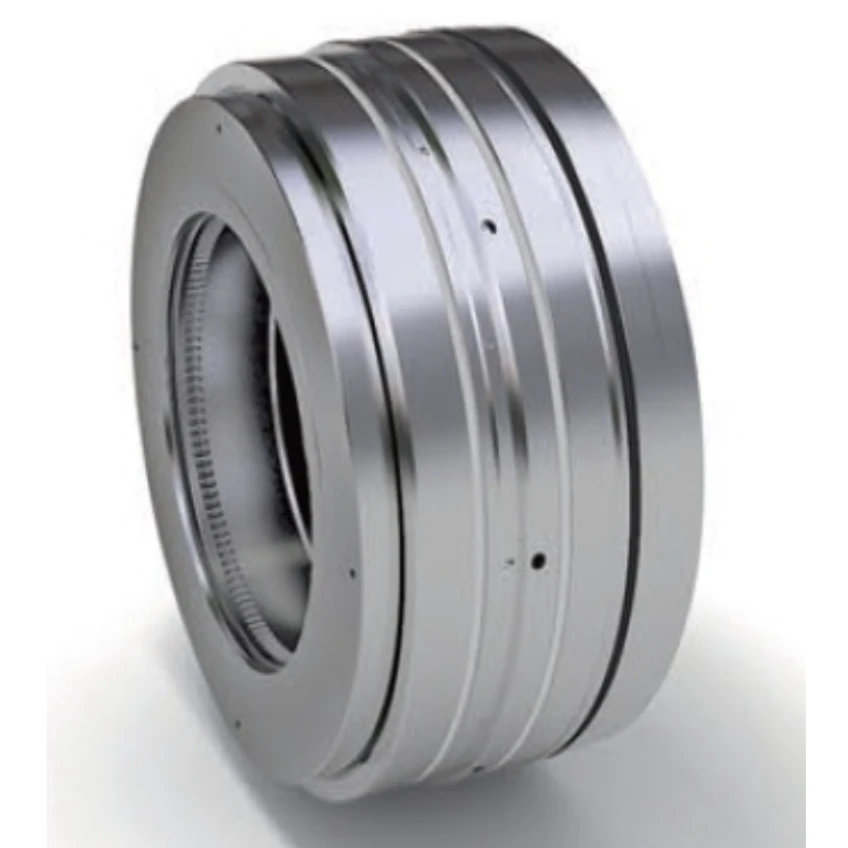
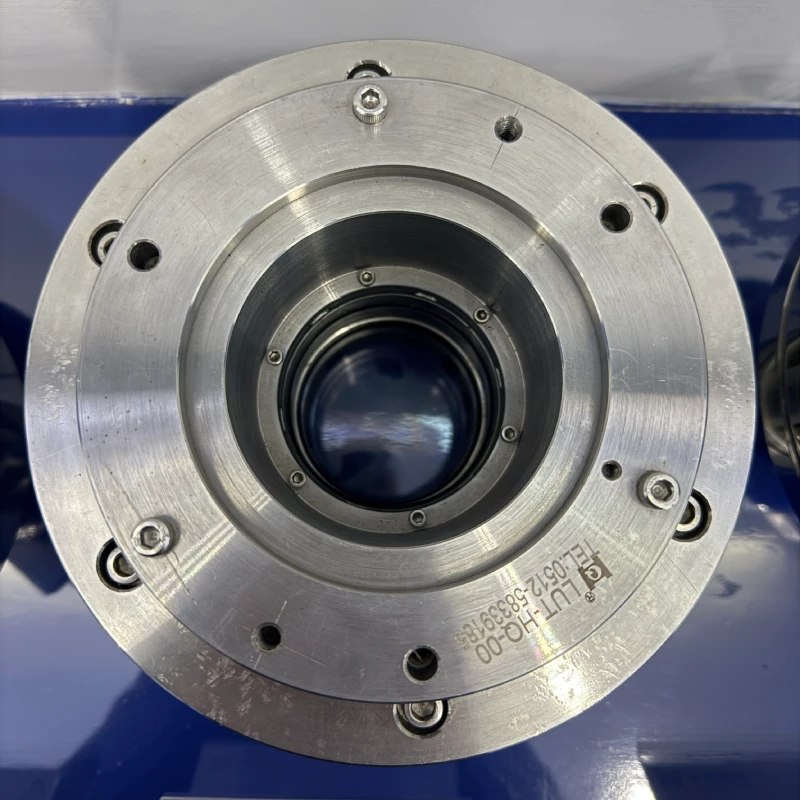
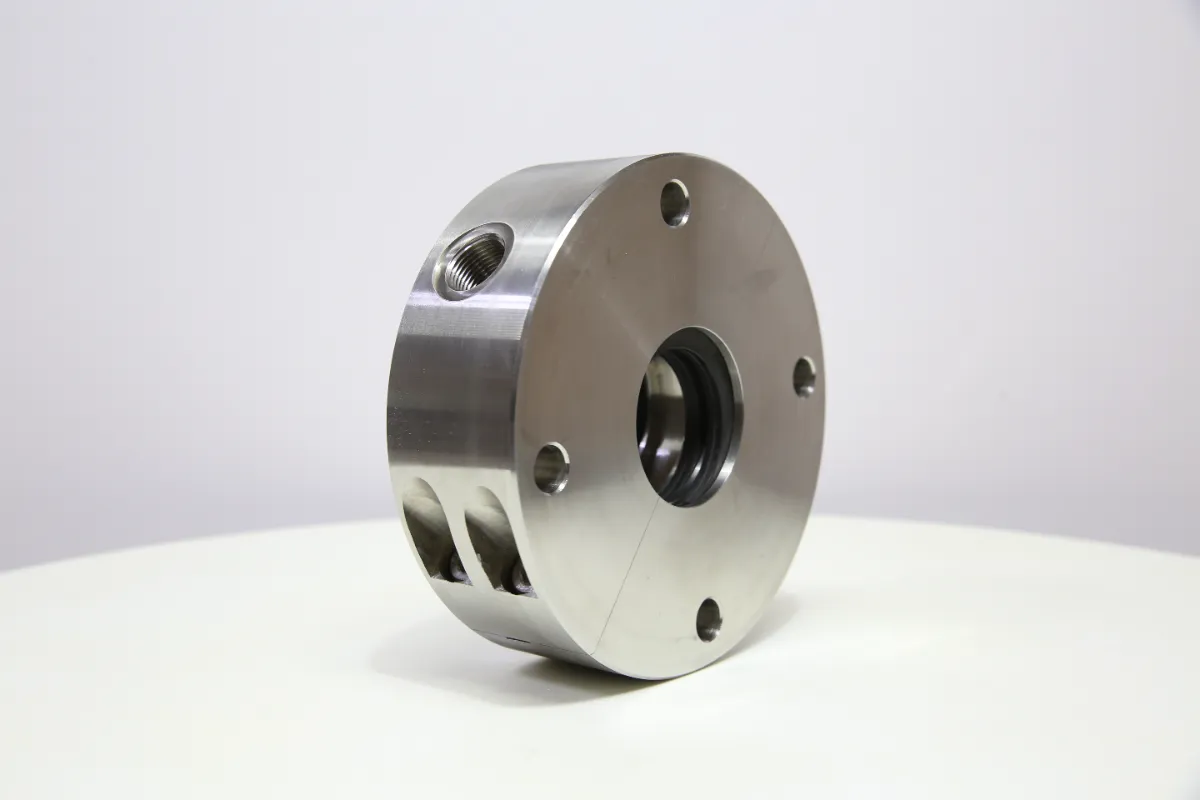
Seal damage refers to the deterioration, wear, or failure of sealing components that are critical for maintaining the integrity of various mechanical systems and industrial equipment. These specialized components serve as barriers between different environments, preventing the unwanted passage of fluids, gases, or contaminants while maintaining pressure differentials and system efficiency. The primary function of seals is to create secure boundaries that protect internal mechanisms from external elements and prevent leakage of valuable materials or hazardous substances. When seal damage occurs, it compromises these essential protective barriers, leading to operational inefficiencies and potential system failures. The technological features of modern sealing solutions include advanced material compositions such as elastomers, thermoplastics, and composite materials that resist chemical degradation, temperature extremes, and mechanical stress. These seals incorporate sophisticated design elements like specialized lip geometries, spring-loaded mechanisms, and multi-component assemblies that adapt to various operating conditions. Applications for seal damage assessment and prevention span numerous industries including automotive manufacturing, aerospace engineering, oil and gas operations, pharmaceutical production, and marine systems. In automotive applications, seal damage affects engine performance, transmission efficiency, and hydraulic brake systems. Aerospace applications require seals that withstand extreme altitude changes and temperature variations while maintaining critical pressure seals in aircraft systems. Industrial machinery relies on seals to prevent contamination in hydraulic systems, pneumatic equipment, and rotating shaft assemblies. The identification and management of seal damage involves comprehensive diagnostic procedures, predictive maintenance strategies, and replacement protocols that ensure optimal system performance and longevity.
 EN
EN