Complete Guide to Mechanical Seal Damage: Prevention, Diagnosis, and Cost-Effective Solutions

Get a Free Quote

Our representative will contact you soon.
Email
Name
Company Name
Message
0/1000

mechanical seal damage

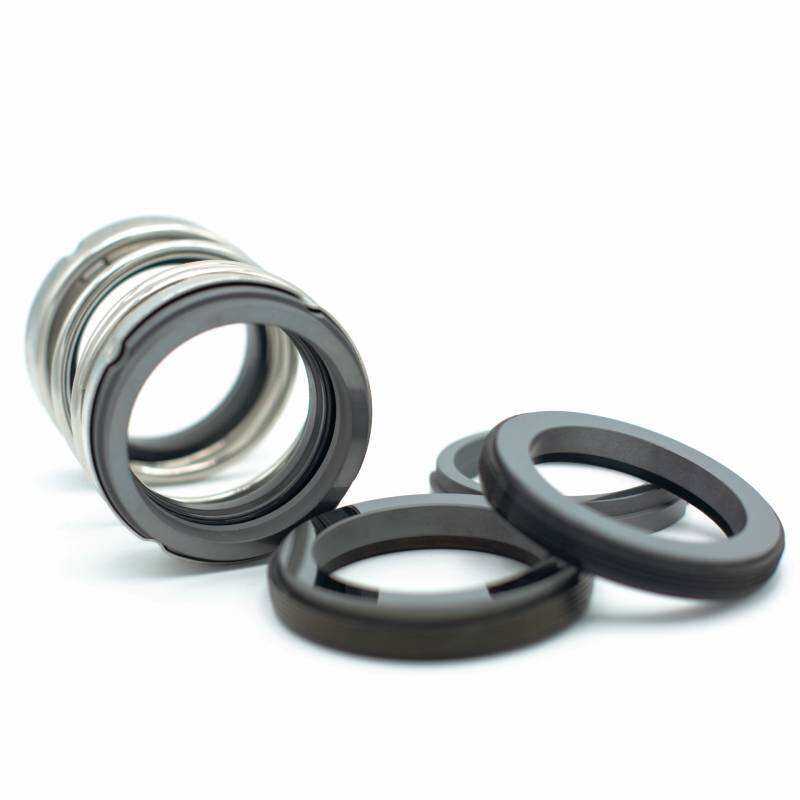
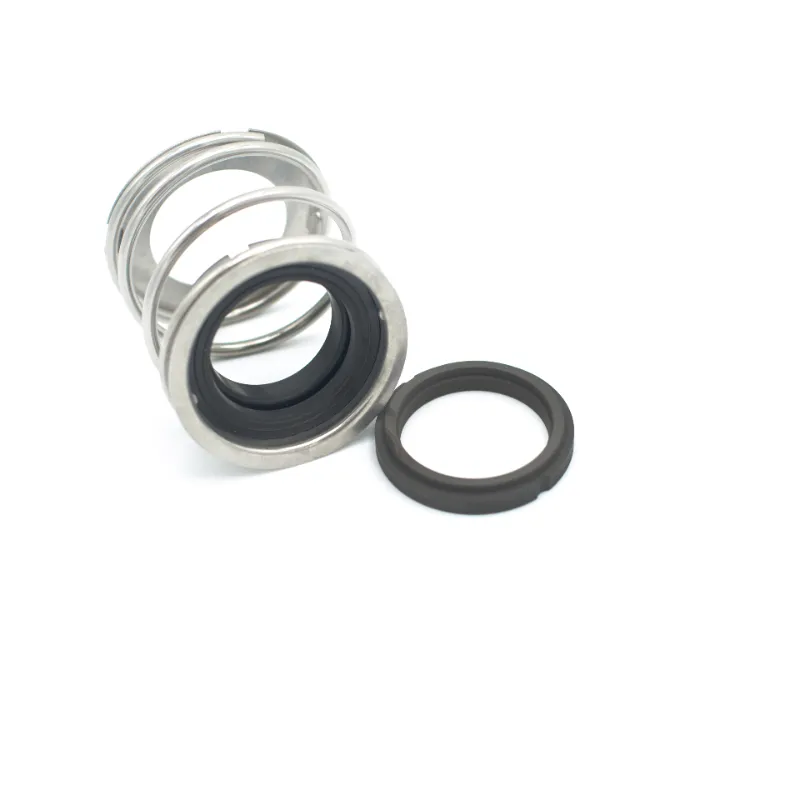
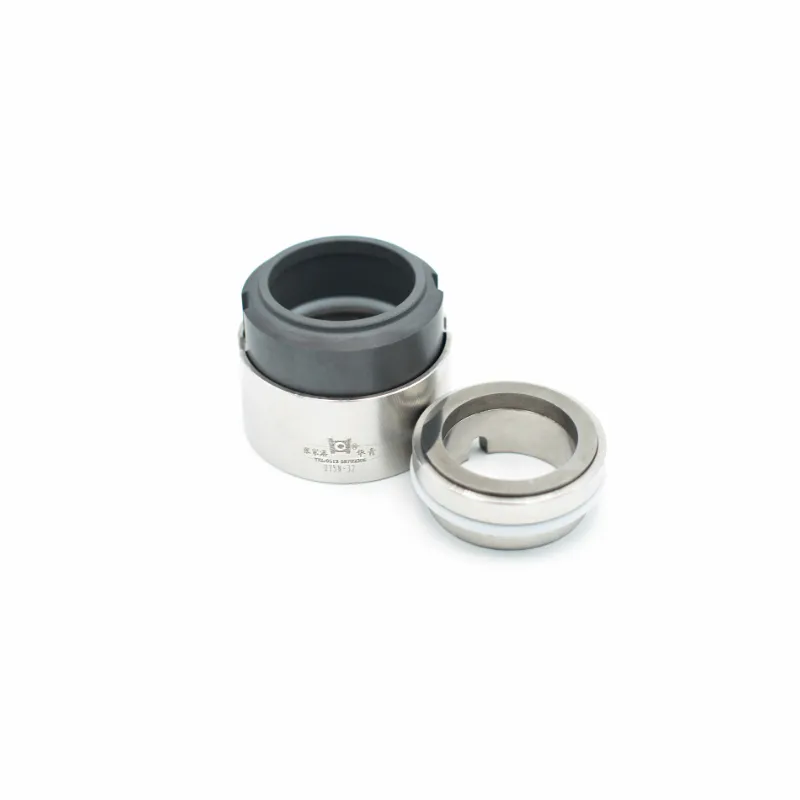
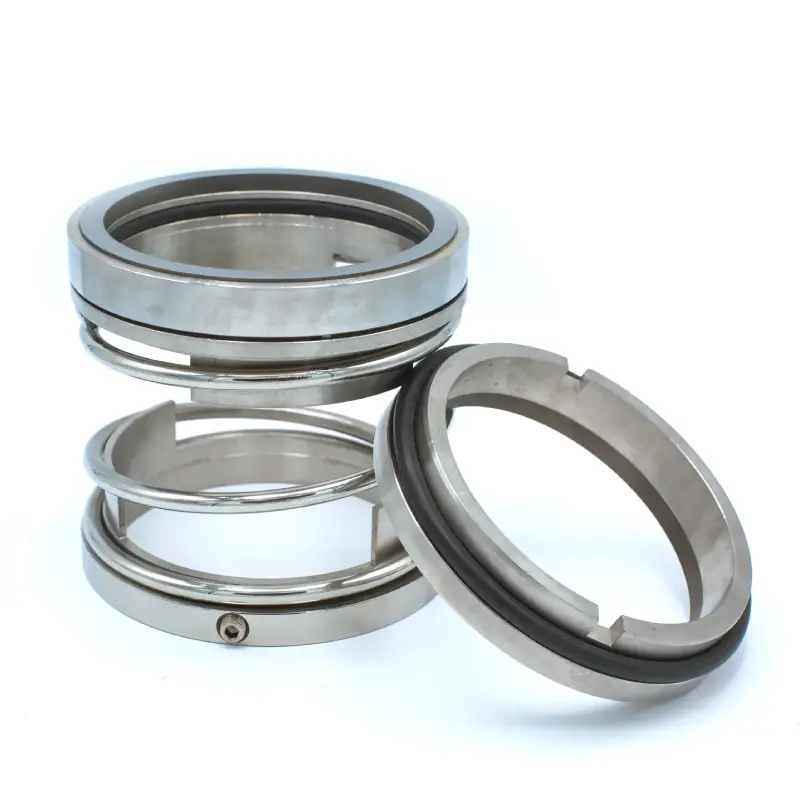
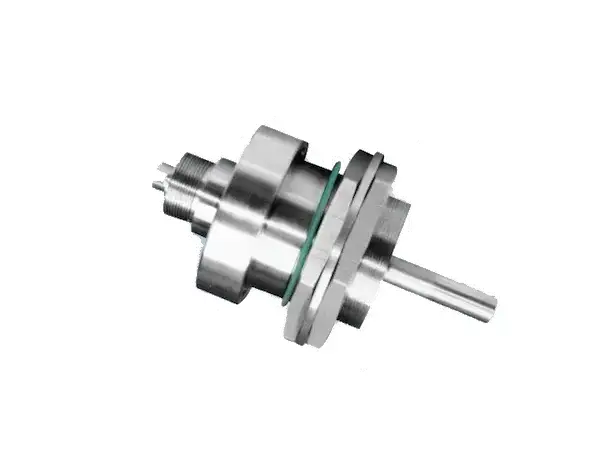
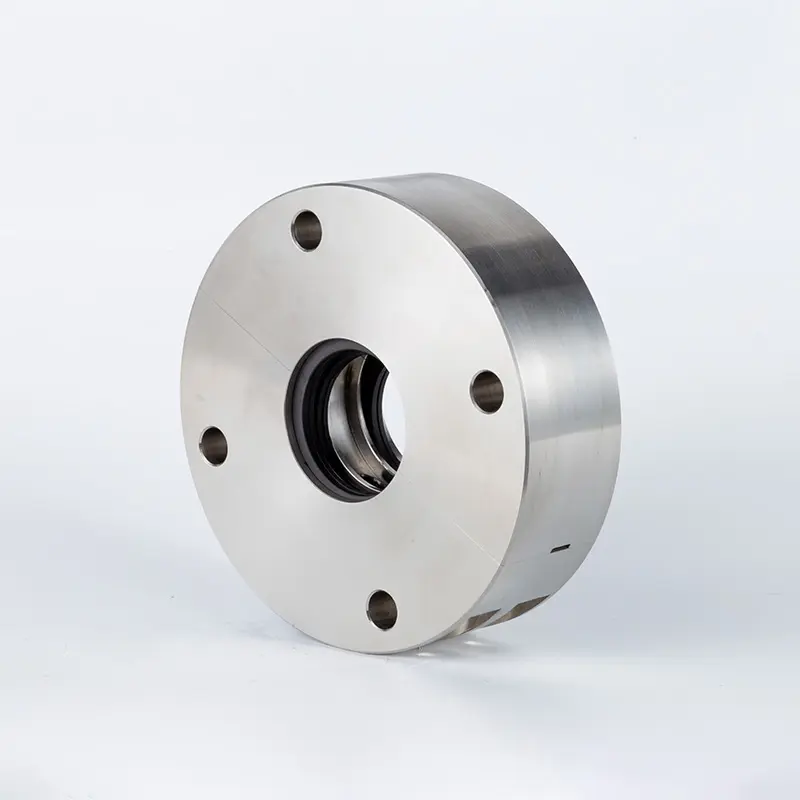
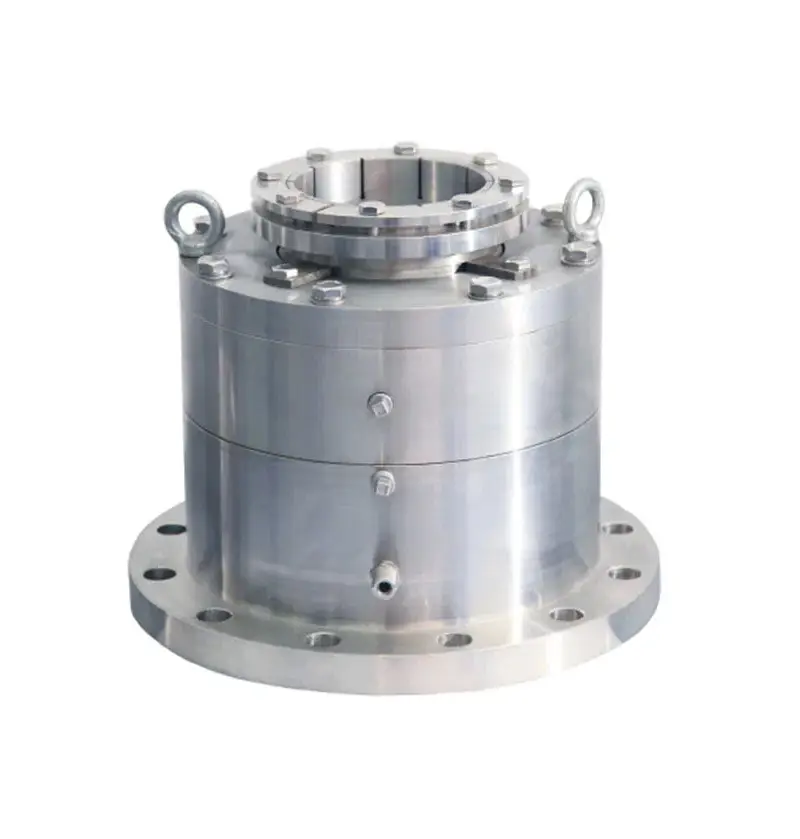
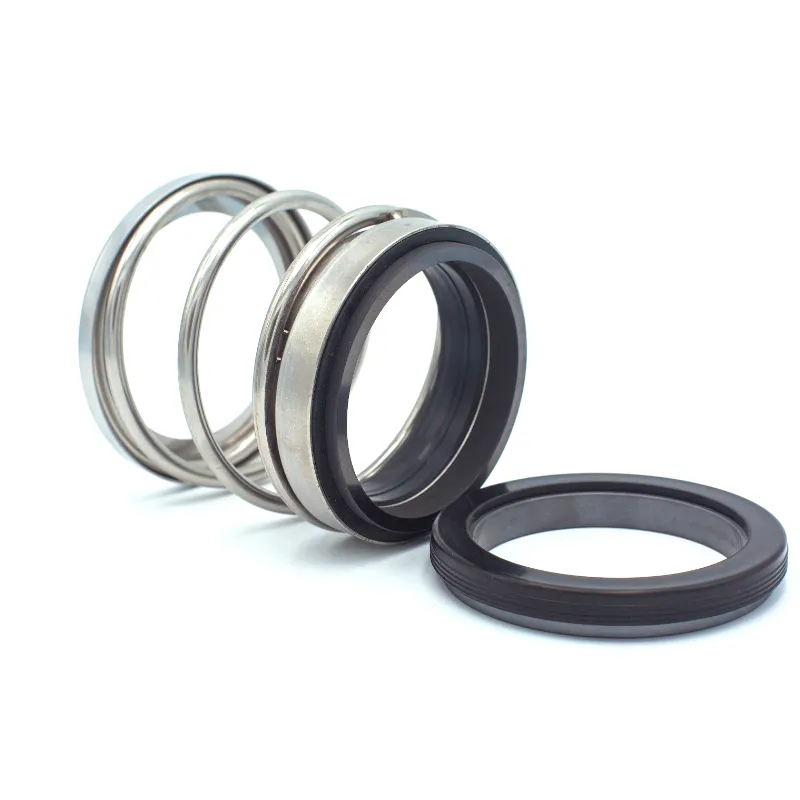
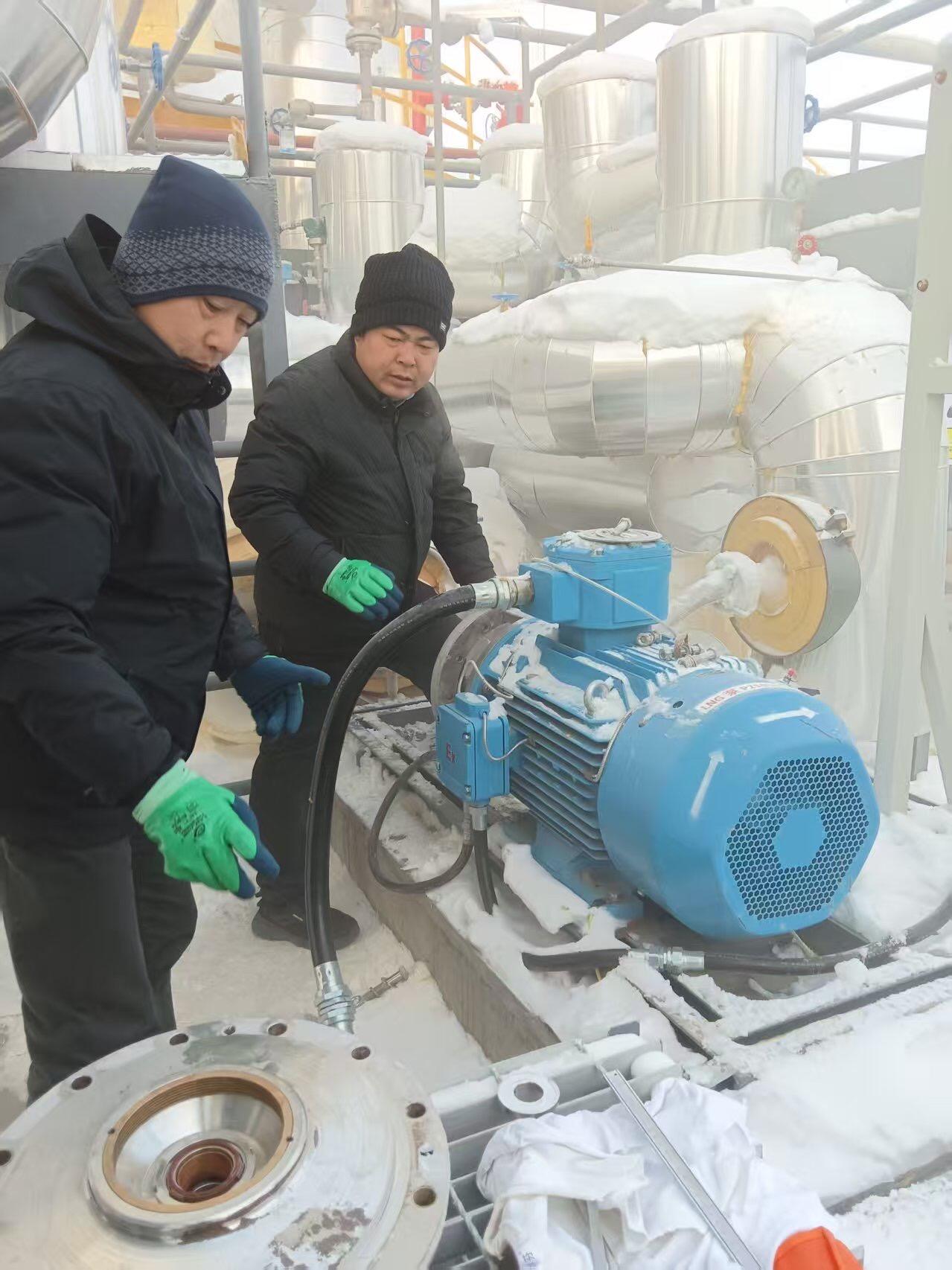
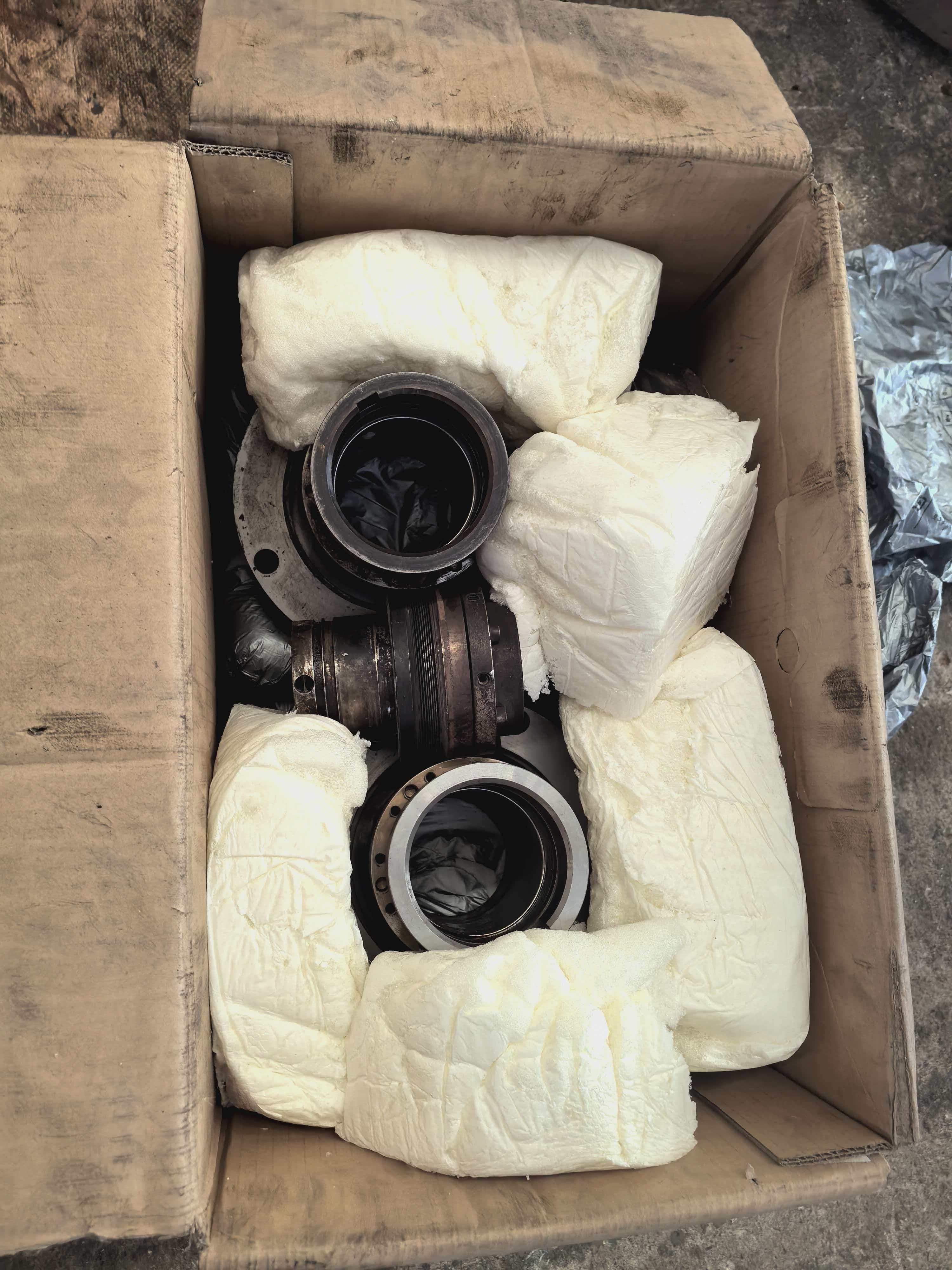
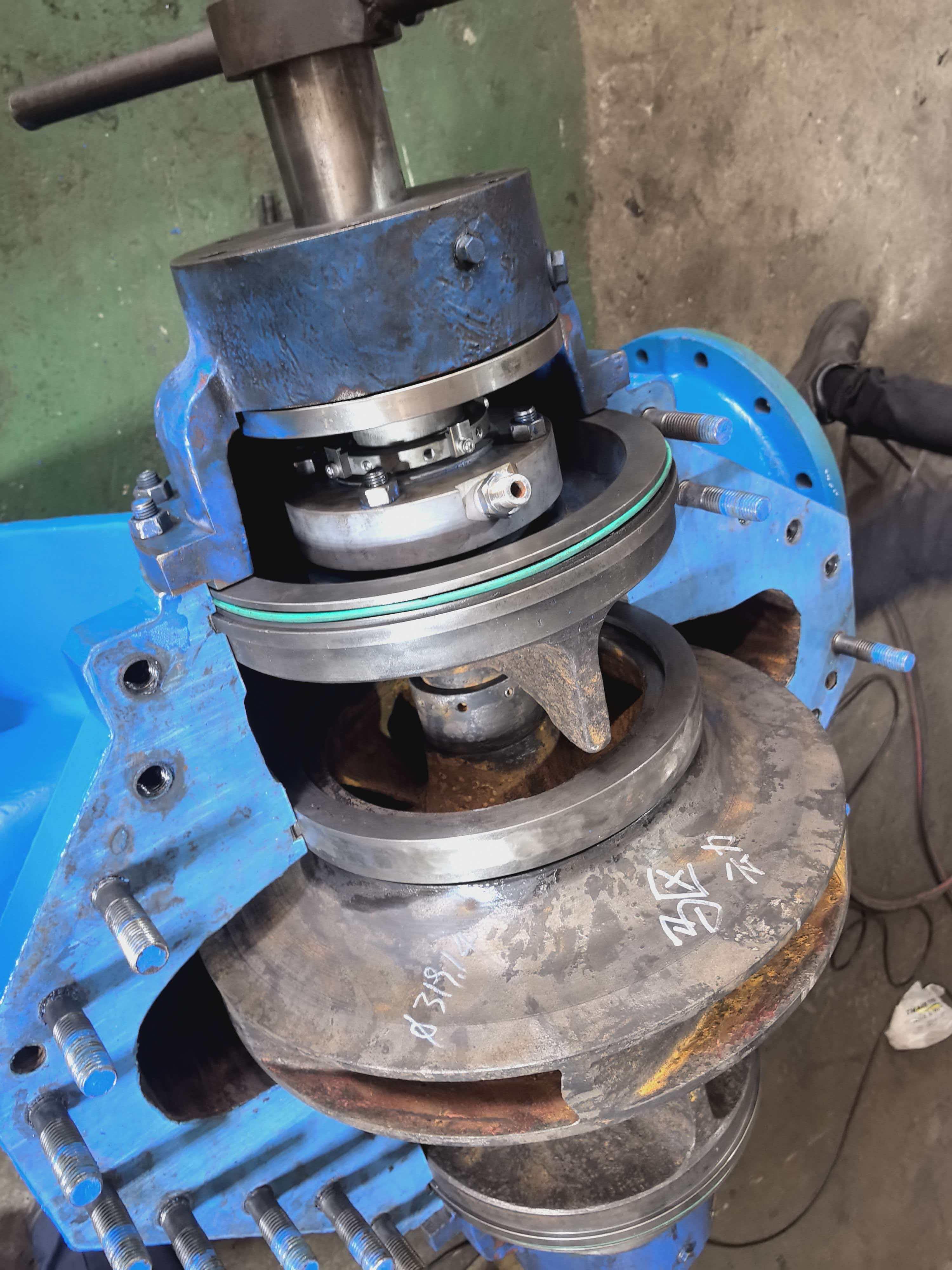
Mechanical seal damage represents a critical concern in industrial equipment operations, significantly impacting the performance and reliability of rotating machinery systems. Understanding mechanical seal damage is essential for maintenance professionals, engineers, and facility managers who depend on seamless equipment operation. Mechanical seals serve as primary barriers between rotating shafts and stationary housings in pumps, compressors, mixers, and various industrial equipment. These sophisticated components prevent fluid leakage while maintaining system pressure and protecting internal mechanisms from contamination. The main functions of mechanical seals include containing process fluids, excluding external contaminants, and minimizing friction between rotating and stationary surfaces. When mechanical seal damage occurs, these fundamental functions become compromised, leading to equipment failure, safety hazards, and operational inefficiencies. Technological features of modern mechanical seals incorporate advanced materials such as silicon carbide, tungsten carbide, and specialized elastomers designed to withstand extreme temperatures, pressures, and corrosive environments. Spring-loaded mechanisms, balanced designs, and dual-seal configurations represent key technological innovations that enhance seal performance and longevity. Applications span numerous industries including chemical processing, petroleum refining, water treatment, pharmaceutical manufacturing, and food processing. Mechanical seal damage manifests through various symptoms including visible leakage, excessive heat generation, unusual vibrations, and premature seal face wear. Common damage modes include thermal shock, mechanical distortion, chemical attack, and abrasive wear. Environmental factors such as temperature fluctuations, pressure surges, and contaminated fluids contribute to accelerated mechanical seal damage. Proper installation, alignment, and maintenance practices are crucial for preventing mechanical seal damage and ensuring optimal equipment performance. Advanced monitoring technologies now enable predictive maintenance strategies that identify potential mechanical seal damage before catastrophic failure occurs, minimizing downtime and reducing replacement costs.

New Products

Understanding mechanical seal damage provides numerous practical benefits that directly impact operational efficiency, cost management, and equipment reliability across industrial applications. Early detection of mechanical seal damage allows maintenance teams to implement proactive repair strategies, preventing costly emergency shutdowns and unplanned production interruptions. This predictive approach reduces overall maintenance expenses by scheduling repairs during planned downtime rather than responding to catastrophic failures. Facilities that monitor mechanical seal damage effectively experience significantly lower equipment replacement costs, as timely intervention prevents secondary damage to pumps, motors, and associated components. The ability to identify mechanical seal damage patterns enables engineers to optimize seal selection, choosing materials and designs better suited to specific operating conditions. This optimization reduces the frequency of seal replacements and extends equipment service life substantially. Environmental compliance becomes more manageable when mechanical seal damage is properly addressed, as leaking seals often result in fluid releases that violate environmental regulations and trigger expensive remediation efforts. Safety improvements represent another major advantage, since mechanical seal damage can lead to hazardous fluid releases, creating potential exposure risks for workers and surrounding communities. Proper mechanical seal damage assessment helps maintain workplace safety standards and reduces liability concerns. Energy efficiency gains occur when mechanical seal damage is minimized, as damaged seals increase friction and require additional power consumption to maintain system operation. Production quality benefits from reduced mechanical seal damage, as leaking seals can contaminate products and compromise manufacturing processes. Inventory management becomes more efficient when mechanical seal damage trends are understood, allowing procurement teams to stock appropriate replacement parts and materials. Documentation of mechanical seal damage incidents provides valuable data for root cause analysis, helping identify systemic issues that affect multiple pieces of equipment. Training programs focused on mechanical seal damage recognition improve technician skills and reduce human error during maintenance activities. Long-term reliability planning becomes more accurate when historical mechanical seal damage data is analyzed, supporting better capital equipment decisions and maintenance budget allocations.

Practical Tips

Choosing the Right Agitator Seal for High-Viscosity Mixing

21

Jul

Choosing the Right Agitator Seal for High-Viscosity Mixing

Ensuring Performance in High-Viscosity Mixing Applications In industrial mixing processes involving high-viscosity fluids, reliable sealing is a fundamental requirement. The dynamic conditions in such systems—marked by increased torque, intense...
View More
Common Challenges with Agitator Seals in Bioreactors

21

Jul

Common Challenges with Agitator Seals in Bioreactors

Sealing Systems in Sterile and Pressure-Sensitive Environments Bioreactors operate under highly controlled conditions, where sterility, pressure balance, and agitation efficiency must all coexist seamlessly. Among the critical components enabling thi...
View More
What Are the Different Types of Agitator Seals?

21

Jul

What Are the Different Types of Agitator Seals?

Exploring Sealing Solutions for Industrial Mixing Systems In industrial mixing applications, maintaining a controlled, leak-free environment is essential to ensure product quality, process efficiency, and safety. Agitator seals play a pivotal role in...
View More
Can High-Performance Mechanical Seals Reduce Maintenance Costs?

22

Dec

Can High-Performance Mechanical Seals Reduce Maintenance Costs?

Industrial facilities worldwide face mounting pressure to reduce operational costs while maintaining peak equipment performance. One critical component that significantly impacts maintenance expenses is the mechanical seal system used in pumps, compr...
View More

Get a Free Quote

Our representative will contact you soon.
Email
Name
Company Name
Country/Region
Message
0/1000

mechanical seal damage

Advanced Diagnostic Capabilities for Early Detection

Advanced Diagnostic Capabilities for Early Detection

Modern approaches to mechanical seal damage assessment incorporate sophisticated diagnostic technologies that revolutionize how industrial facilities monitor and maintain their critical equipment. Advanced vibration analysis systems can detect the subtle changes in equipment behavior that often precede visible mechanical seal damage, allowing maintenance teams to identify problems weeks or even months before traditional inspection methods would reveal issues. Thermal imaging technology provides real-time temperature mapping of seal areas, identifying hot spots and thermal gradients that indicate developing mechanical seal damage conditions. These diagnostic capabilities extend beyond simple leak detection, offering comprehensive insights into seal face condition, spring tension, and overall seal assembly integrity. Ultrasonic testing methods can penetrate seal housings to evaluate internal component condition without requiring equipment disassembly, significantly reducing inspection time and costs while providing accurate mechanical seal damage assessments. Pressure monitoring systems track system performance parameters that correlate with seal condition, creating predictive models that forecast when mechanical seal damage will likely occur. Integration with computerized maintenance management systems enables automatic alert generation when diagnostic parameters exceed predetermined thresholds, ensuring prompt response to developing mechanical seal damage situations. Portable diagnostic equipment allows maintenance technicians to perform comprehensive mechanical seal damage evaluations during routine inspections, creating detailed condition reports that support informed maintenance decisions. Advanced data analytics platforms process multiple diagnostic inputs simultaneously, identifying complex patterns and correlations that human observers might miss, resulting in more accurate mechanical seal damage predictions. These diagnostic capabilities reduce unplanned downtime by an average of sixty to seventy percent compared to reactive maintenance approaches, demonstrating substantial return on investment. Training programs for diagnostic equipment operation ensure that maintenance personnel can effectively utilize these advanced tools to identify and assess mechanical seal damage conditions accurately.
Comprehensive Root Cause Analysis and Prevention Strategies

Comprehensive Root Cause Analysis and Prevention Strategies

Effective mechanical seal damage management requires thorough understanding of failure mechanisms and implementation of comprehensive prevention strategies that address underlying causes rather than simply treating symptoms. Root cause analysis of mechanical seal damage incidents reveals that improper installation accounts for approximately forty percent of premature seal failures, while inadequate lubrication and contamination contribute to another thirty percent of damage cases. Systematic investigation of mechanical seal damage patterns helps identify recurring issues such as shaft misalignment, excessive vibration, temperature excursions, and chemical compatibility problems that compromise seal performance. Prevention strategies begin with proper seal selection, ensuring that materials, designs, and specifications match actual operating conditions rather than theoretical design parameters. Installation procedures specifically developed to prevent mechanical seal damage include precision alignment techniques, proper torque specifications, and contamination control measures that protect seal faces during assembly. Lubrication management programs address one of the most common causes of mechanical seal damage by ensuring that barrier fluids, buffer systems, and internal lubricants maintain appropriate quality and quantity throughout equipment operation. Contamination control strategies focus on preventing abrasive particles, chemical contaminants, and process upsets from reaching seal interfaces where they cause accelerated wear and mechanical seal damage. Regular condition monitoring protocols enable early detection of developing problems before they progress to significant mechanical seal damage, allowing corrective actions to be implemented during scheduled maintenance windows. Documentation systems track mechanical seal damage incidents, repair histories, and operating conditions to build comprehensive databases that support improved prevention strategies. Training programs ensure that operators, maintenance technicians, and engineers understand the factors that contribute to mechanical seal damage and know how to implement appropriate prevention measures. Vendor collaboration programs leverage manufacturer expertise to develop customized solutions for specific mechanical seal damage challenges, often resulting in innovative approaches that significantly extend seal service life.
Cost-Effective Repair and Replacement Solutions

Cost-Effective Repair and Replacement Solutions

Managing mechanical seal damage effectively requires strategic approaches to repair and replacement that minimize costs while maximizing equipment reliability and performance. Modern repair techniques for mechanical seal damage include precision machining services that restore seal face flatness and surface finish to original specifications, often at a fraction of complete seal replacement costs. On-site repair capabilities enable maintenance teams to address minor mechanical seal damage without removing equipment from service, significantly reducing downtime and associated production losses. Seal face lapping and polishing procedures can eliminate surface imperfections and restore proper sealing geometry when mechanical seal damage is limited to surface wear or minor scoring. Refurbishment programs offered by specialized service providers can restore damaged seal components to like-new condition, providing cost-effective alternatives to complete replacement while maintaining performance standards. Inventory management strategies for mechanical seal damage situations include maintaining strategic spare parts inventories based on historical failure data and equipment criticality assessments. Standardization programs reduce the variety of seal designs and materials required, simplifying inventory management and reducing costs associated with mechanical seal damage repairs. Emergency repair kits specifically designed for common mechanical seal damage scenarios enable rapid temporary repairs that allow continued operation until permanent solutions can be implemented. Warranty programs from seal manufacturers provide protection against premature mechanical seal damage, often including replacement seals, installation services, and technical support at no additional cost. Lifecycle cost analysis tools help evaluate the total cost of ownership for different seal options, considering initial purchase price, installation costs, maintenance requirements, and expected service life in the presence of typical mechanical seal damage factors. Group purchasing programs allow facilities to leverage volume discounts on seal replacements and repair services, reducing overall costs associated with mechanical seal damage management. Predictive replacement strategies based on condition monitoring data optimize seal replacement timing, avoiding both premature replacement and costly failure-related damage while effectively managing mechanical seal damage risks throughout equipment lifecycles.

Get a Free Quote

Our representative will contact you soon.
Email
Name
Company Name
Country/Region
Message
0/1000