Mechanical Seal Industry Trends 2024: Advanced Sealing Solutions for Industrial Applications

Get a Free Quote

Our representative will contact you soon.
Email
Name
Company Name
Message
0/1000

Mechanical Seal Industry Trends

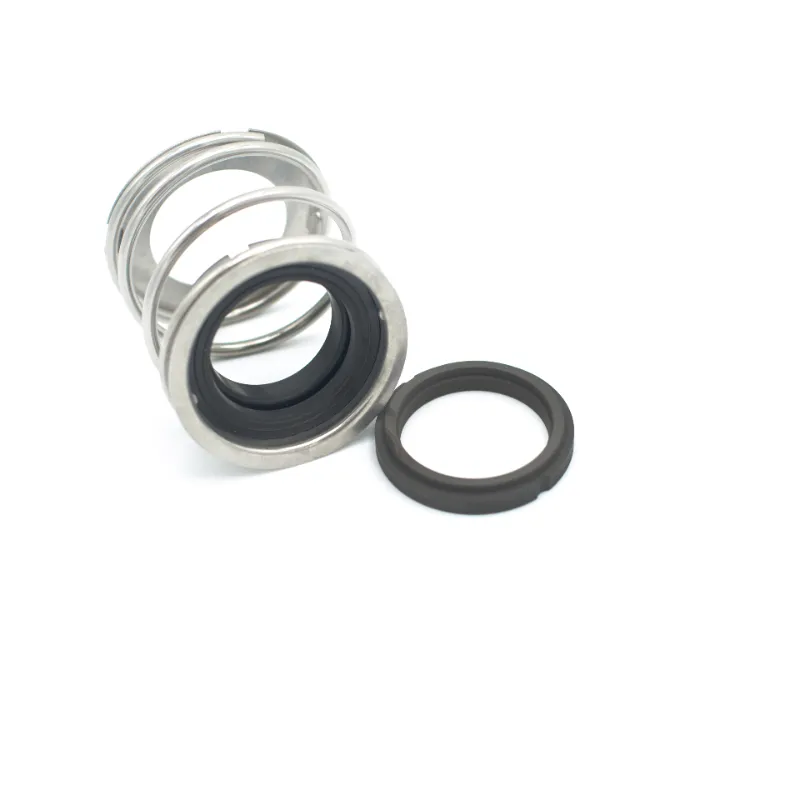
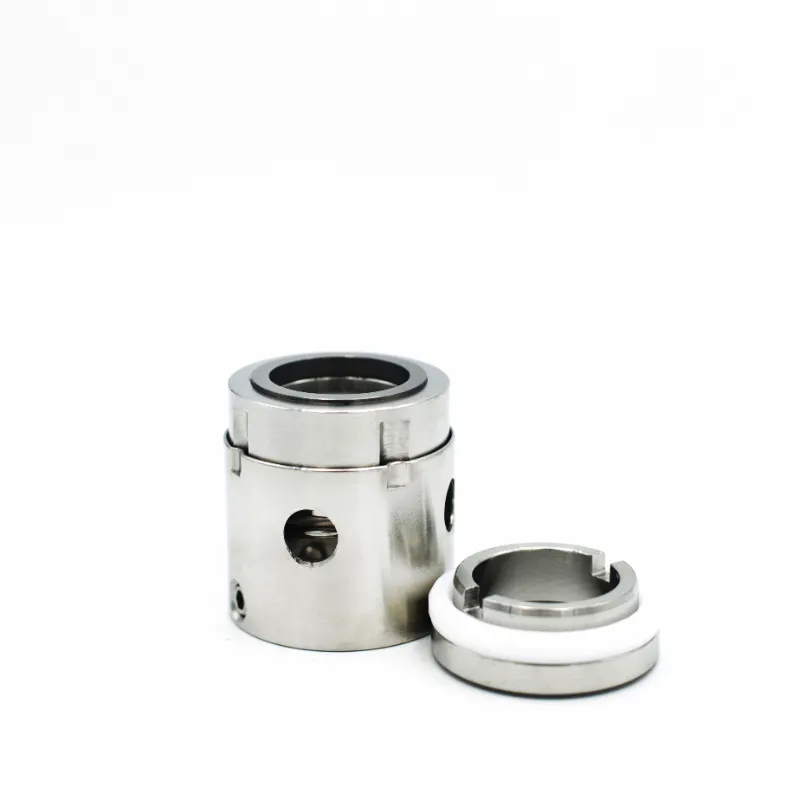
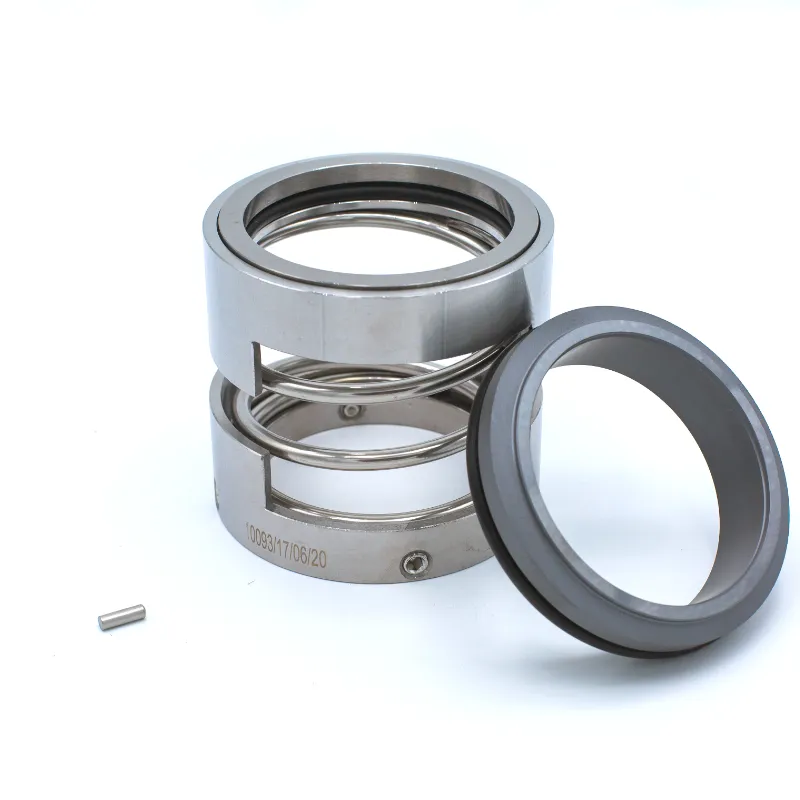
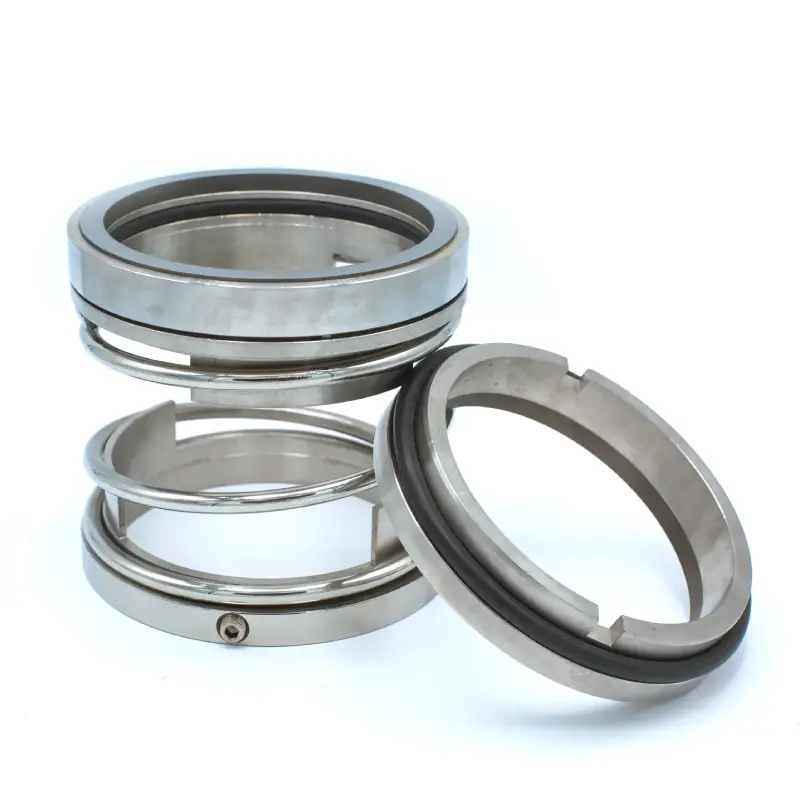
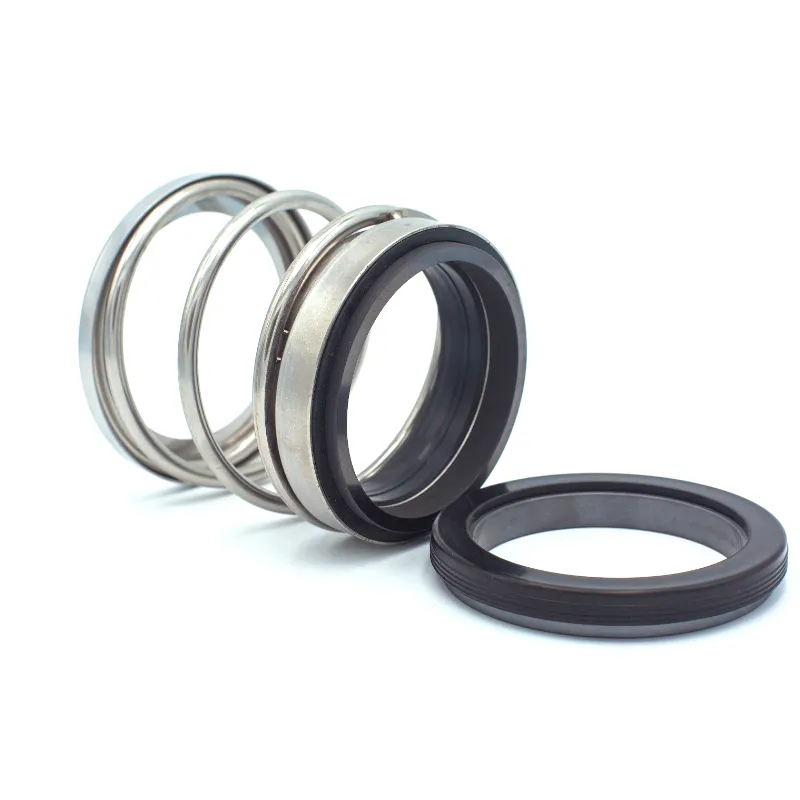
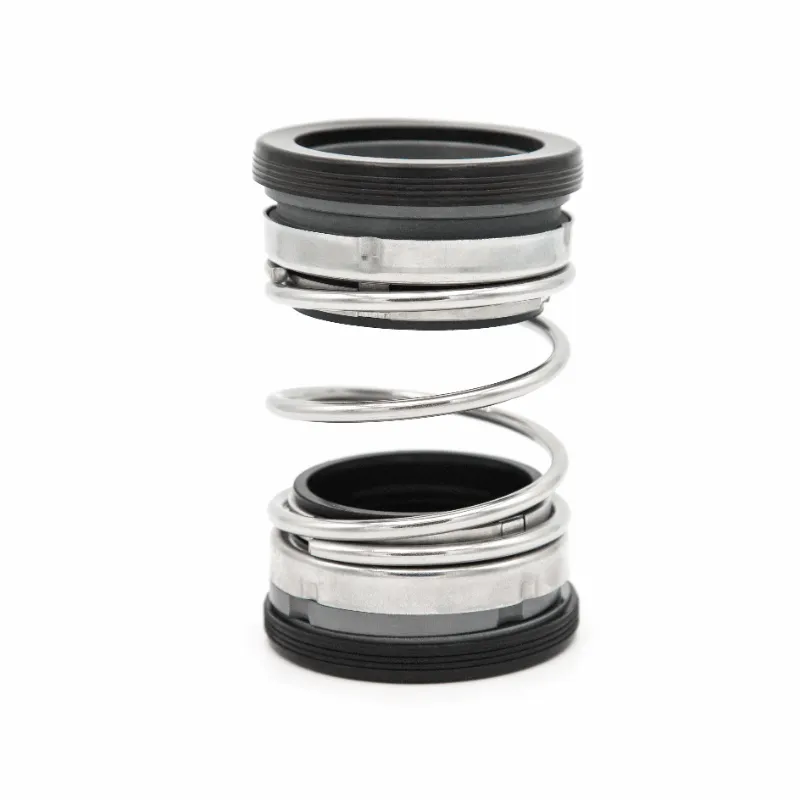
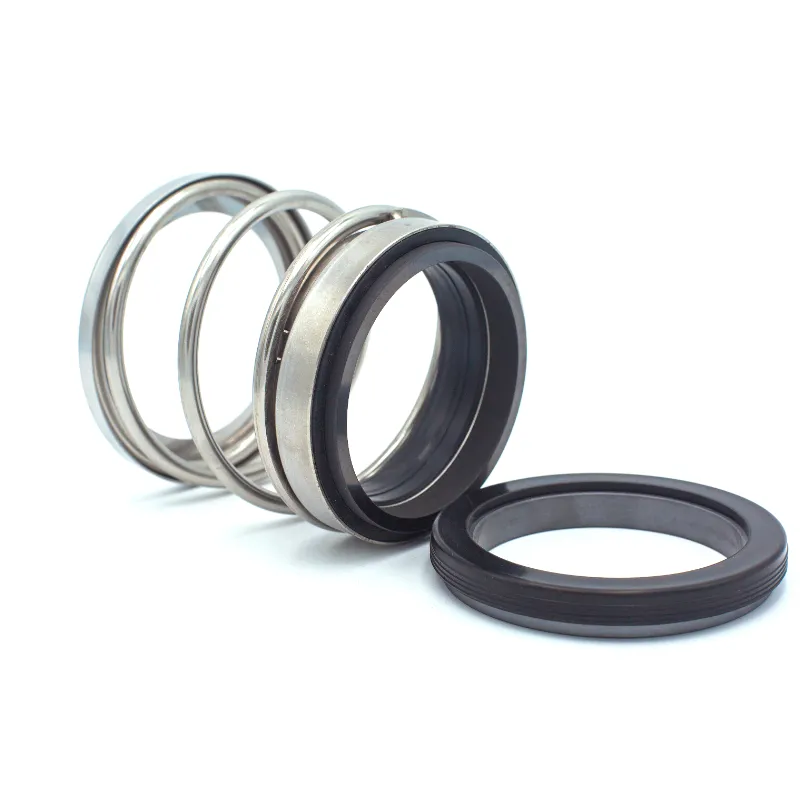
The Mechanical Seal Industry Trends represent a pivotal shift in sealing technology that addresses critical challenges across manufacturing, chemical processing, oil and gas, and water treatment sectors. These innovative sealing solutions serve as essential barriers that prevent fluid leakage between rotating and stationary components in pumps, compressors, mixers, and other rotating equipment. The primary function of modern mechanical seals involves creating a reliable interface that maintains system integrity while minimizing friction and wear. Current Mechanical Seal Industry Trends showcase remarkable technological advancements including smart monitoring capabilities, enhanced material compositions, and improved design methodologies that extend operational lifespan significantly. These sealing systems utilize precision-engineered faces that create a thin fluid film, effectively preventing process fluid from escaping while allowing smooth rotation of mechanical components. The technological features driving Mechanical Seal Industry Trends include advanced carbon-silicon carbide face combinations, integrated temperature and vibration sensors, and modular cartridge designs that simplify installation and maintenance procedures. Applications span diverse industries where fluid containment proves critical, including pharmaceutical manufacturing, food processing, petrochemical refining, power generation, and municipal water systems. Modern mechanical seals demonstrate superior performance in extreme temperature ranges, corrosive environments, and high-pressure applications where traditional packing methods fail consistently. The evolution of Mechanical Seal Industry Trends reflects increasing demands for environmental compliance, operational efficiency, and reduced maintenance costs. These sealing solutions effectively eliminate fugitive emissions, reduce energy consumption through decreased friction losses, and minimize unplanned downtime through predictive maintenance capabilities. Contemporary designs incorporate advanced computational fluid dynamics modeling and finite element analysis to optimize face geometry and material selection for specific operating conditions.

New Products

The advantages of embracing current Mechanical Seal Industry Trends provide substantial practical benefits that directly impact operational efficiency and cost management for businesses across multiple sectors. Companies implementing these advanced sealing solutions experience dramatically reduced maintenance expenses due to extended seal life and decreased replacement frequency. Modern mechanical seals eliminate the need for constant adjustment and repacking associated with traditional stuffing box arrangements, resulting in significant labor cost savings and improved productivity. The Mechanical Seal Industry Trends emphasize leak-proof performance that prevents costly product loss, environmental contamination, and regulatory compliance issues. These sealing systems deliver superior reliability in demanding applications, reducing unexpected equipment failures and associated production disruptions that cost thousands of dollars per incident. Advanced mechanical seals provide consistent performance across wide temperature ranges and pressure variations, ensuring stable operations regardless of process fluctuations. The implementation of current Mechanical Seal Industry Trends enables predictive maintenance strategies through integrated monitoring systems that detect wear patterns and performance degradation before catastrophic failure occurs. This proactive approach allows maintenance teams to schedule seal replacement during planned shutdowns, avoiding expensive emergency repairs and production losses. Energy efficiency represents another significant advantage, as modern mechanical seals reduce power consumption by minimizing friction losses compared to conventional packing systems. The precision engineering inherent in Mechanical Seal Industry Trends ensures optimal face contact and lubrication, resulting in smoother operation and reduced wear on pump shafts and bearings. Environmental benefits include zero fugitive emissions compliance, which helps companies meet stringent environmental regulations while avoiding potential fines and penalties. The modular design characteristics of contemporary mechanical seals simplify installation procedures, reducing downtime during maintenance activities and enabling faster equipment commissioning. Quality improvements in sealed processes result from contamination prevention and maintained system pressure, leading to better product consistency and reduced waste generation.

Practical Tips

Best Above Ground Well Pumps for Efficient Water Flow

19

Sep

Best Above Ground Well Pumps for Efficient Water Flow

Types of Above Ground Well Pumps for Efficient Flow Shallow Well Jet Pumps: Ideal for Shallow Water Tables Shallow well jet pumps are specifically designed to lift water from depths of up to 25 feet, making them ideal for rural or suburban areas wit...
View More
Why Are Dry Gas Seals Critical in Oil & Gas Industry?

27

Jun

Why Are Dry Gas Seals Critical in Oil & Gas Industry?

Essential Functions of Dry Gas Seals in Industrial Operations Preventing Process Gas Leaks in Turbomachinery Dry gas seals play a crucial role in preventing leaks of process gas, which is essential for maintaining operational safety and efficiency i...
View More
Avoiding Downtime: Seal Solutions for Top-Entry Agitators

21

Jul

Avoiding Downtime: Seal Solutions for Top-Entry Agitators

Maximizing Equipment Availability in Industrial Mixing Systems Industrial processes rely heavily on consistent performance, particularly in sectors such as chemical manufacturing, food production, and pharmaceuticals. One of the most critical compone...
View More
Can High-Performance Mechanical Seals Reduce Maintenance Costs?

22

Dec

Can High-Performance Mechanical Seals Reduce Maintenance Costs?

Industrial facilities worldwide face mounting pressure to reduce operational costs while maintaining peak equipment performance. One critical component that significantly impacts maintenance expenses is the mechanical seal system used in pumps, compr...
View More

Get a Free Quote

Our representative will contact you soon.
Email
Name
Company Name
Country/Region
Message
0/1000

Mechanical Seal Industry Trends

Smart Monitoring Integration and Predictive Maintenance Capabilities

Smart Monitoring Integration and Predictive Maintenance Capabilities

The integration of smart monitoring technologies represents one of the most significant developments in Mechanical Seal Industry Trends, revolutionizing how businesses approach equipment maintenance and operational efficiency. Modern mechanical seals incorporate advanced sensor arrays that continuously monitor critical parameters including face temperature, vibration levels, pressure differentials, and seal chamber conditions in real-time. These intelligent monitoring systems provide unprecedented visibility into seal performance, enabling maintenance teams to detect potential issues weeks or months before traditional inspection methods would identify problems. The predictive maintenance capabilities inherent in current Mechanical Seal Industry Trends utilize sophisticated algorithms and machine learning technologies to analyze operational data patterns and predict optimal replacement timing. This proactive approach eliminates costly emergency failures while maximizing seal service life through precise maintenance scheduling. Companies implementing these smart sealing solutions report maintenance cost reductions exceeding thirty percent due to optimized replacement intervals and reduced emergency repair incidents. The monitoring systems seamlessly integrate with existing plant automation networks, providing centralized data collection and analysis capabilities that enhance overall equipment effectiveness. Real-time alerts notify operators immediately when operating parameters exceed predetermined thresholds, enabling rapid response to prevent equipment damage or process disruptions. The data collected by these monitoring systems creates valuable historical records that support root cause analysis, performance optimization, and equipment lifecycle management decisions. Advanced analytics capabilities identify trends and correlations that help optimize operating conditions and extend equipment life across entire facilities. The implementation of smart monitoring in Mechanical Seal Industry Trends enables condition-based maintenance strategies that significantly improve reliability while reducing total cost of ownership through optimized maintenance practices and enhanced operational visibility.
Advanced Material Technology and Corrosion Resistance

Advanced Material Technology and Corrosion Resistance

The evolution of material science within Mechanical Seal Industry Trends has produced revolutionary face materials and elastomer compounds that deliver exceptional performance in previously impossible operating conditions. Advanced ceramic compositions including silicon carbide, tungsten carbide, and specialized carbon graphite materials provide superior wear resistance and thermal stability compared to traditional sealing materials. These cutting-edge materials enable mechanical seals to operate reliably in highly corrosive chemical environments, extreme temperatures ranging from cryogenic to high-heat applications, and abrasive media that would quickly destroy conventional sealing solutions. The development of specialized coatings and surface treatments within current Mechanical Seal Industry Trends further enhances material performance through reduced friction coefficients, improved lubrication characteristics, and enhanced chemical compatibility. Modern elastomer compounds utilize advanced polymer chemistry to provide superior chemical resistance while maintaining flexibility across wide temperature ranges, ensuring reliable secondary sealing performance throughout extended service intervals. The material innovations driving Mechanical Seal Industry Trends include diamond-like carbon coatings that provide exceptional hardness and chemical inertness, making them ideal for pharmaceutical and food processing applications where contamination prevention is critical. Advanced face material combinations optimize tribological performance through complementary hardness and thermal expansion characteristics that maintain proper face contact under varying operating conditions. The implementation of specialized materials enables mechanical seals to handle aggressive chemicals including concentrated acids, caustic solutions, and organic solvents that would rapidly degrade traditional materials. These material advances extend seal life significantly, with some applications achieving service intervals exceeding five years in demanding industrial environments. The cost-effectiveness of advanced materials becomes apparent through reduced replacement frequency, decreased maintenance labor, and improved process reliability that more than offset initial material costs.
Modular Design Architecture and Installation Efficiency

Modular Design Architecture and Installation Efficiency

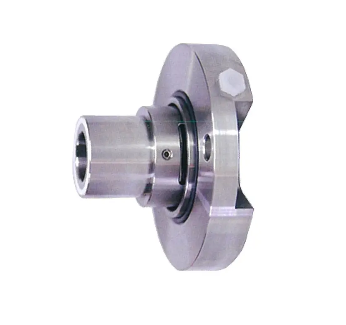
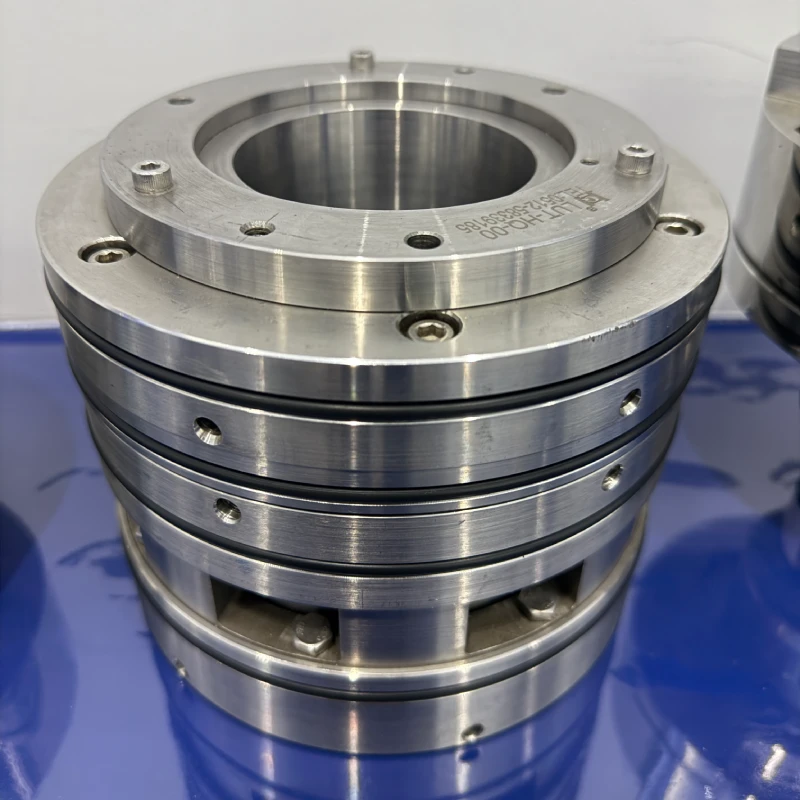
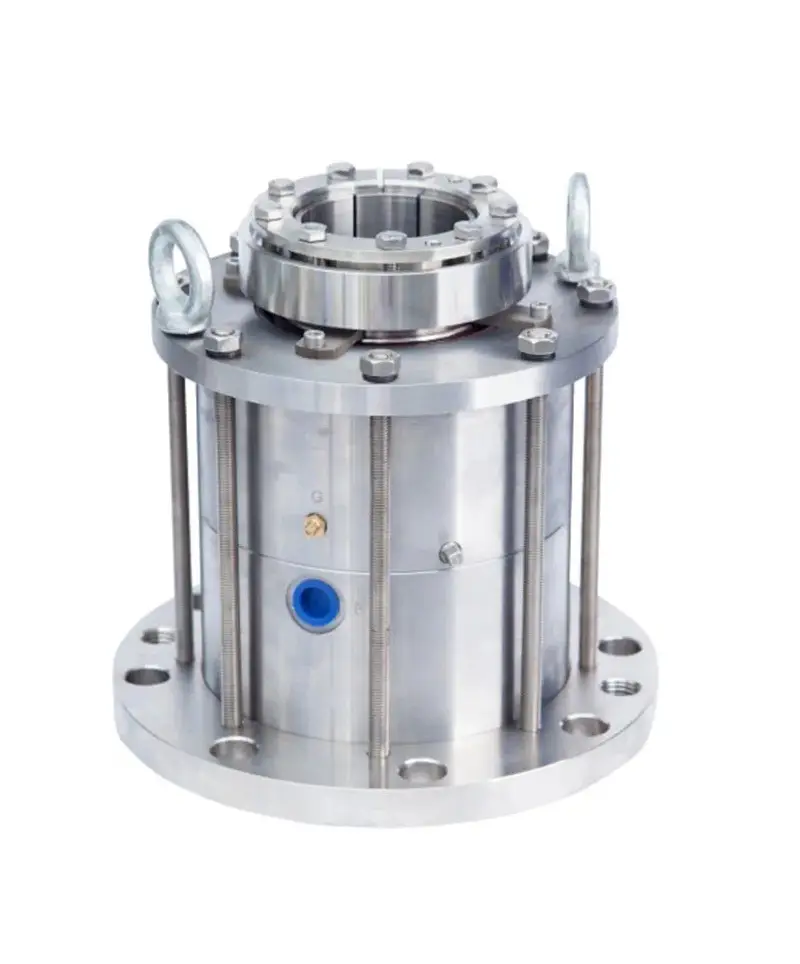
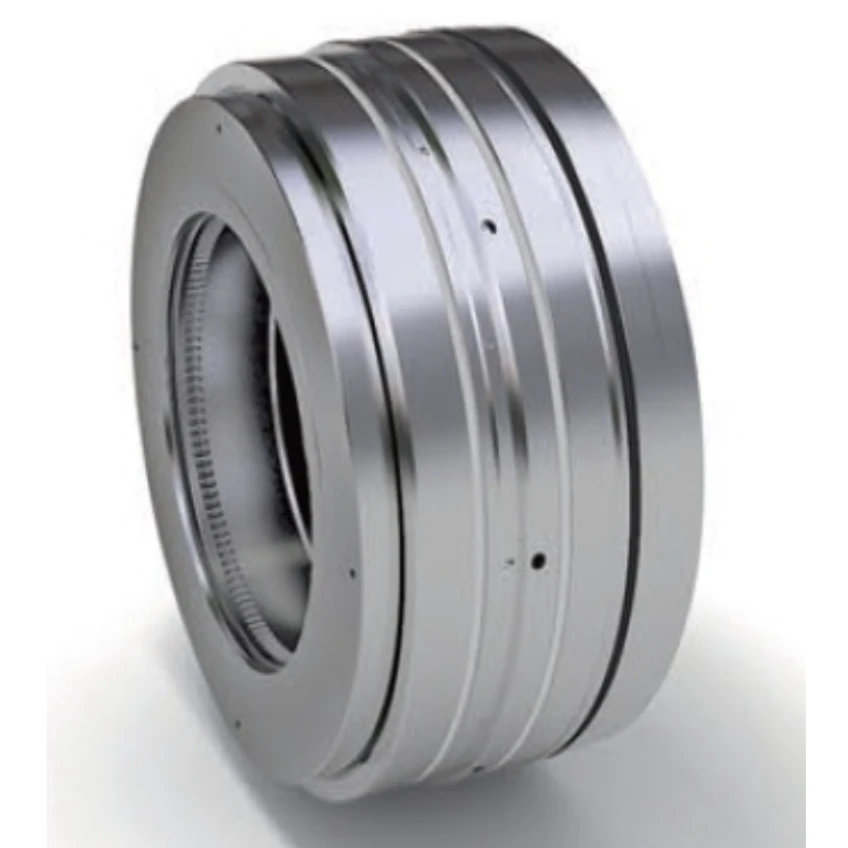
The modular design philosophy embedded in contemporary Mechanical Seal Industry Trends represents a fundamental shift toward simplified installation, maintenance, and operational flexibility that delivers substantial practical benefits for industrial operations. Modern cartridge seal designs eliminate complex assembly procedures by providing pre-assembled, pre-tested sealing units that install quickly and reliably without specialized tools or extensive technical expertise. This modular approach reduces installation time by up to seventy percent compared to component seals, minimizing production downtime during maintenance activities and equipment commissioning. The standardized mounting interfaces inherent in current Mechanical Seal Industry Trends enable interchangeability between different seal designs and manufacturers, providing procurement flexibility and reduced inventory requirements. Modular architectures incorporate quick-disconnect features that allow seal replacement without disturbing piping connections or pump alignment, significantly reducing maintenance complexity and associated labor costs. The design standardization driving Mechanical Seal Industry Trends ensures consistent performance characteristics across different applications while simplifying spare parts management and maintenance training requirements. Advanced modular seals include integral flushing and cooling provisions that eliminate external piping complexity while ensuring optimal operating conditions for extended service life. The cartridge concept enables complete seal testing and quality verification before installation, reducing field assembly errors and improving first-time installation success rates. Modular designs accommodate varying shaft sizes and equipment configurations through adjustable components and universal mounting systems that adapt to diverse application requirements. The implementation of modular sealing solutions within Mechanical Seal Industry Trends enables standardization of maintenance procedures across different equipment types, improving technician efficiency and reducing training requirements. Quick-change capabilities allow rapid seal replacement during scheduled maintenance windows, maximizing equipment availability and production uptime while maintaining optimal sealing performance throughout the service interval.

Get a Free Quote

Our representative will contact you soon.
Email
Name
Company Name
Country/Region
Message
0/1000