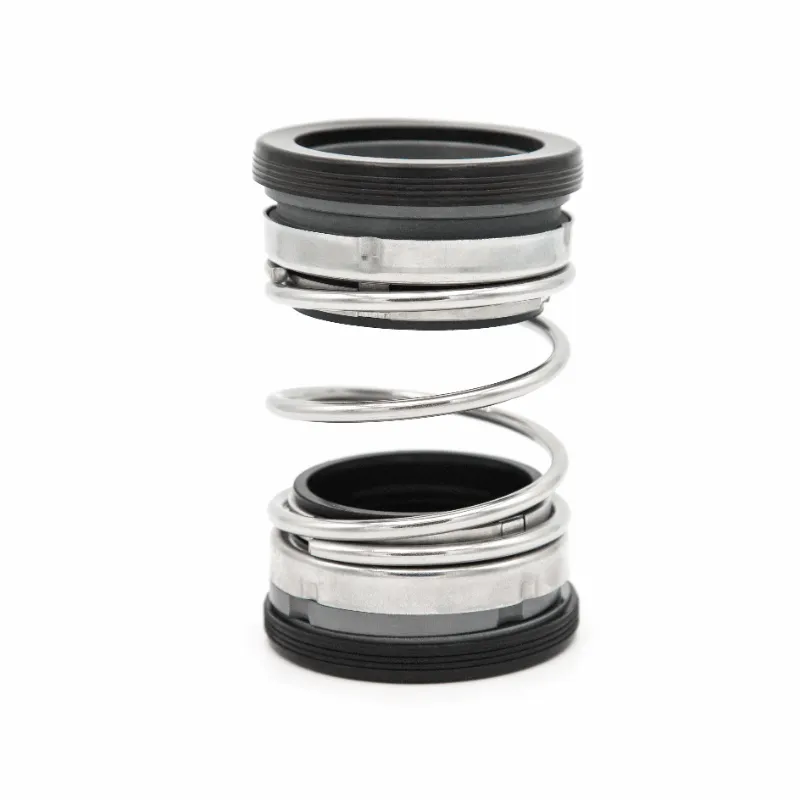
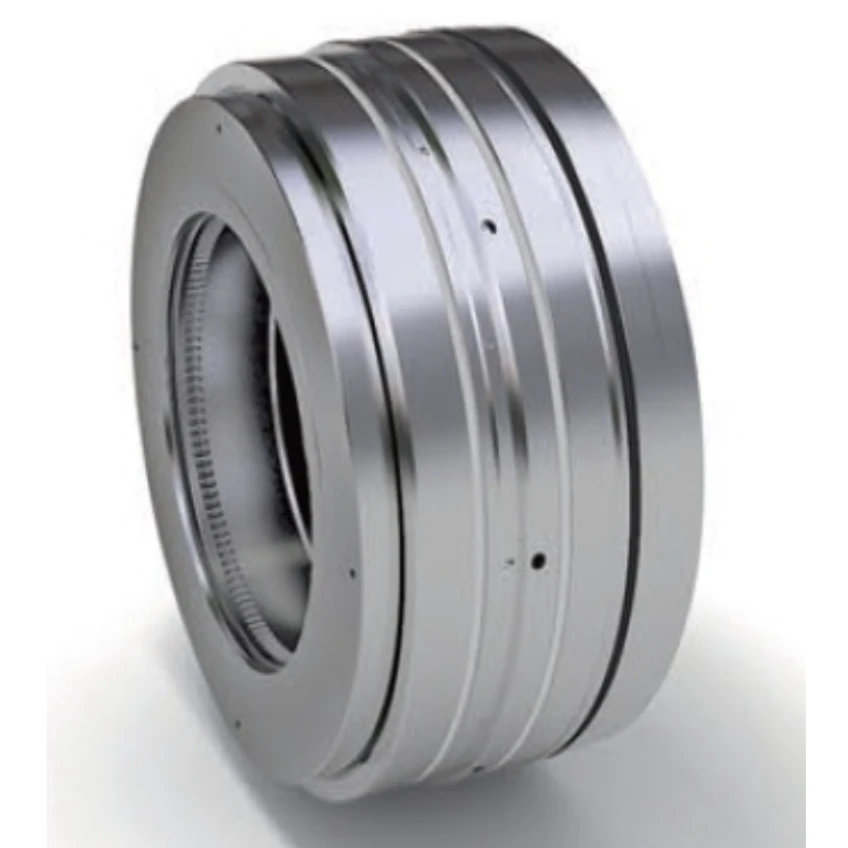
Advanced Seal Leakage Detection Systems - Comprehensive Solutions for Industrial Safety and Efficiency

Get a Free Quote

Our representative will contact you soon.
Email
Name
Company Name
Message
0/1000

Seal leakage detection

Seal leakage detection represents a critical technology in modern industrial maintenance and quality assurance systems. This advanced detection method identifies compromised seals across various applications, from automotive components to industrial machinery, ensuring optimal performance and preventing costly failures. The primary function of seal leakage detection involves monitoring the integrity of sealing systems through sophisticated sensing technologies that can identify even microscopic breaches in seal materials. These systems employ multiple detection methodologies, including pressure differential monitoring, acoustic emission analysis, and thermal imaging techniques to provide comprehensive leak identification capabilities. The technological features of seal leakage detection systems include high-sensitivity sensors capable of detecting minute pressure changes, real-time monitoring capabilities that provide instant alerts when seal integrity is compromised, and automated data logging systems that track seal performance over extended periods. Modern seal leakage detection equipment incorporates wireless connectivity options, allowing remote monitoring and integration with existing maintenance management systems. The applications for seal leakage detection span numerous industries, including automotive manufacturing where it ensures proper gasket and O-ring functionality, aerospace applications where seal integrity is critical for safety, pharmaceutical production facilities requiring sterile environments, and oil and gas operations where seal failures can result in environmental hazards and significant financial losses. Industrial applications extend to hydraulic systems, pneumatic equipment, refrigeration units, and chemical processing facilities where maintaining seal integrity is essential for operational efficiency and safety compliance. The technology proves invaluable in predictive maintenance programs, allowing facilities to identify potential seal failures before they occur, thereby reducing unplanned downtime and maintenance costs. Advanced seal leakage detection systems can differentiate between various types of leaks, providing detailed diagnostic information that helps maintenance teams determine the most appropriate repair strategies and replacement schedules for optimal equipment performance.

New Product Recommendations

Seal leakage detection offers numerous practical benefits that directly impact operational efficiency and cost management for businesses across various industries. The most significant advantage lies in its ability to prevent catastrophic equipment failures by identifying seal deterioration before complete failure occurs. This proactive approach saves companies substantial amounts of money by avoiding emergency repairs, unplanned production shutdowns, and potential safety incidents that could result in costly liability issues. The technology provides real-time monitoring capabilities that enable maintenance teams to respond quickly to developing problems, minimizing the extent of damage and reducing repair costs. Companies implementing seal leakage detection systems typically experience a 40-60% reduction in unexpected equipment failures, translating to improved production schedules and more predictable maintenance budgets. The precision of modern seal leakage detection eliminates guesswork from maintenance decisions, allowing technicians to focus their efforts on equipment that actually requires attention rather than performing unnecessary preventive maintenance on properly functioning seals. This targeted approach optimizes labor resources and reduces material costs associated with premature seal replacements. Environmental benefits represent another crucial advantage, as effective seal leakage detection prevents harmful substances from escaping into the environment, helping companies maintain regulatory compliance and avoid potential fines or cleanup costs. The technology enhances workplace safety by identifying leaks in systems containing hazardous materials, protecting workers from exposure to dangerous chemicals or gases. Quality control improvements are evident in manufacturing environments where seal leakage detection ensures product integrity and consistency, reducing waste and rework costs while maintaining customer satisfaction. The data collection capabilities of seal leakage detection systems provide valuable insights into seal performance patterns, enabling companies to make informed decisions about seal specifications, supplier selection, and replacement intervals. Integration with existing maintenance management systems streamlines workflow processes and improves overall maintenance efficiency. Long-term cost savings accumulate through extended equipment life, reduced energy consumption due to improved system efficiency, and decreased insurance premiums resulting from lower risk profiles. The return on investment for seal leakage detection systems typically occurs within 12-18 months through the combination of prevented failures, optimized maintenance scheduling, and improved operational efficiency.

Tips And Tricks

Choosing the Right Agitator Seal for High-Viscosity Mixing

21

Jul

Choosing the Right Agitator Seal for High-Viscosity Mixing

Ensuring Performance in High-Viscosity Mixing Applications In industrial mixing processes involving high-viscosity fluids, reliable sealing is a fundamental requirement. The dynamic conditions in such systems—marked by increased torque, intense...
View More
Agitator Seal Pressure Manufacturers Offering Customized Sealing Solutions

06

Aug

Agitator Seal Pressure Manufacturers Offering Customized Sealing Solutions

The Growing Demand for Precision Sealing in Industrial Equipment In modern industrial processes, efficiency and reliability are more critical than ever. Equipment must operate under extreme pressure, temperature, and chemical exposure, requiring comp...
View More
What Is Agitator Seal Pressure and Why It Matters in Industrial Equipment?

06

Aug

What Is Agitator Seal Pressure and Why It Matters in Industrial Equipment?

Importance of Pressure Control in Industrial Sealing Systems Industrial processes often involve extreme conditions—high temperatures, intense pressures, and reactive chemicals. To maintain system safety and ensure reliable performance, manufac...
View More
Agitator Seal Pressure Applications in Chemical and Pharmaceutical Plants

06

Aug

Agitator Seal Pressure Applications in Chemical and Pharmaceutical Plants

Importance of Sealing Integrity in Industrial Processing Environments In chemical and pharmaceutical plants, the integrity of sealing systems is vital for ensuring safety, process efficiency, and product quality. A small leakage or contamination due ...
View More

Get a Free Quote

Our representative will contact you soon.
Email
Name
Company Name
Country/Region
Message
0/1000

Seal leakage detection

Advanced Multi-Sensor Technology for Comprehensive Detection

Advanced Multi-Sensor Technology for Comprehensive Detection

The cornerstone of effective seal leakage detection lies in its sophisticated multi-sensor technology that combines various detection methodologies to provide unparalleled accuracy and reliability. Modern seal leakage detection systems integrate pressure differential sensors, acoustic emission detectors, thermal imaging capabilities, and chemical sensing technologies to create a comprehensive monitoring solution that can identify leaks regardless of their size or nature. This multi-layered approach ensures that no potential seal failure goes undetected, providing maintenance teams with complete visibility into seal performance across their entire facility. The pressure differential sensors can detect changes as small as 0.01% in system pressure, making it possible to identify microscopic leaks long before they become visible to the naked eye. Acoustic emission technology captures the high-frequency sound waves produced by escaping gases or liquids, even in noisy industrial environments where traditional detection methods might fail. Thermal imaging components identify temperature variations that often accompany seal failures, particularly in systems handling heated or cooled materials. The integration of these technologies through advanced signal processing algorithms eliminates false alarms while ensuring that genuine leaks are detected with exceptional reliability. Machine learning capabilities built into modern seal leakage detection systems continuously improve detection accuracy by learning from historical data and environmental conditions specific to each installation. The technology can distinguish between normal operational variations and actual seal degradation, providing maintenance teams with actionable intelligence rather than overwhelming them with unnecessary alerts. Remote monitoring capabilities allow facility managers to oversee seal performance from anywhere, receiving instant notifications when attention is required. The multi-sensor approach also provides redundancy that ensures continued monitoring even if one sensor type experiences technical issues, maintaining uninterrupted protection for critical systems. This comprehensive detection capability translates to peace of mind for facility operators who can be confident that their seal leakage detection system will identify problems before they escalate into costly failures or safety hazards.
Predictive Maintenance Integration and Cost Optimization

Predictive Maintenance Integration and Cost Optimization

Seal leakage detection systems excel in their ability to integrate seamlessly with predictive maintenance programs, transforming reactive maintenance approaches into proactive strategies that optimize costs and maximize equipment reliability. The technology provides detailed trend analysis capabilities that track seal performance degradation over time, enabling maintenance teams to predict when seals will require replacement with remarkable accuracy. This predictive capability eliminates the guesswork traditionally associated with seal maintenance, allowing companies to schedule repairs during planned downtime rather than dealing with unexpected failures that disrupt production schedules. The cost optimization benefits extend far beyond simple repair scheduling, as the data collected by seal leakage detection systems enables companies to evaluate seal performance across different manufacturers, materials, and operating conditions. This information proves invaluable when making purchasing decisions, as maintenance managers can select seals that demonstrate superior longevity and reliability in their specific applications. The integration capabilities of modern seal leakage detection systems allow them to communicate directly with computerized maintenance management systems, automatically generating work orders when predetermined thresholds are exceeded. This automation reduces administrative overhead while ensuring that maintenance tasks are never overlooked or delayed. The technology also supports condition-based maintenance strategies by providing objective data about seal condition rather than relying on time-based replacement schedules that often result in premature seal changes or unexpected failures. Companies implementing seal leakage detection for predictive maintenance typically achieve 25-40% reductions in maintenance costs through optimized scheduling, reduced emergency repairs, and extended seal life. The ability to track maintenance history and correlate it with seal performance data helps identify root causes of recurring problems, enabling permanent solutions rather than temporary fixes. Energy efficiency improvements represent another significant cost benefit, as properly functioning seals reduce energy waste in pneumatic and hydraulic systems. The comprehensive reporting capabilities of seal leakage detection systems provide management with clear visibility into maintenance performance and cost trends, supporting data-driven decisions about equipment investments and maintenance strategies. Long-term planning becomes more accurate when historical performance data is available, allowing companies to budget more precisely for seal replacement programs and avoid unexpected capital expenditures.
Enhanced Safety and Environmental Compliance Assurance

Enhanced Safety and Environmental Compliance Assurance

Safety and environmental protection represent paramount concerns in modern industrial operations, making the safety enhancement capabilities of seal leakage detection systems particularly valuable for responsible facility management. These systems provide critical early warning capabilities that protect workers from exposure to hazardous materials while simultaneously preventing environmental contamination that could result in regulatory violations and substantial fines. The immediate detection capabilities of advanced seal leakage detection systems ensure that dangerous leaks are identified within seconds of occurrence, allowing for rapid response that minimizes exposure risks and prevents the escalation of potentially catastrophic incidents. This rapid response capability is particularly crucial in facilities handling toxic chemicals, flammable materials, or high-pressure systems where seal failures can quickly develop into serious safety hazards. The precision of modern seal leakage detection technology enables the identification of leaks that are far below the threshold of human detection, providing protection against cumulative exposure to harmful substances that might otherwise go unnoticed until health impacts become apparent. Environmental compliance benefits are equally significant, as seal leakage detection systems help facilities maintain strict adherence to environmental regulations by preventing the release of pollutants into air, water, or soil. The detailed documentation capabilities of these systems provide auditable records that demonstrate due diligence in environmental protection efforts, which can be invaluable during regulatory inspections or environmental assessments. Many industries face increasingly stringent environmental regulations, making proactive leak detection not just a best practice but a regulatory requirement. The technology supports corporate sustainability initiatives by minimizing waste and preventing environmental incidents that could damage a company's reputation and stakeholder relationships. Insurance benefits often accompany the implementation of comprehensive seal leakage detection systems, as insurers recognize the reduced risk profile associated with proactive monitoring and leak prevention. The integration capabilities with emergency response systems ensure that appropriate personnel are immediately notified when hazardous leaks are detected, enabling rapid containment and remediation efforts. Worker confidence and morale improve in facilities equipped with reliable seal leakage detection systems, as employees feel more secure knowing that potential hazards will be quickly identified and addressed. The technology also supports regulatory reporting requirements by providing accurate data about leak incidents, response times, and remediation efforts, demonstrating compliance with safety and environmental regulations to regulatory agencies and stakeholders.

Get a Free Quote

Our representative will contact you soon.
Email
Name
Company Name
Country/Region
Message
0/1000