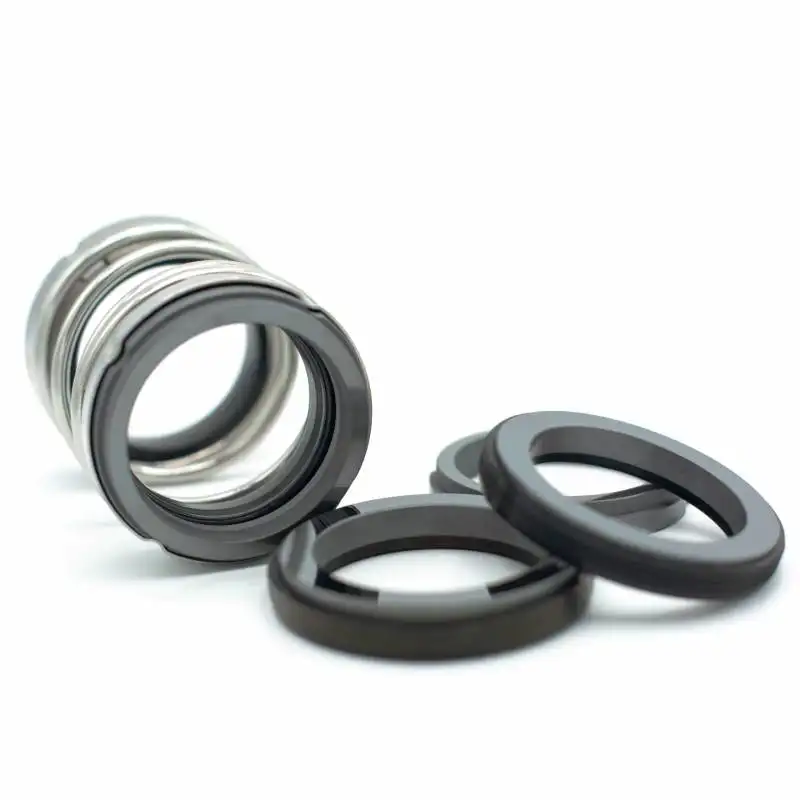
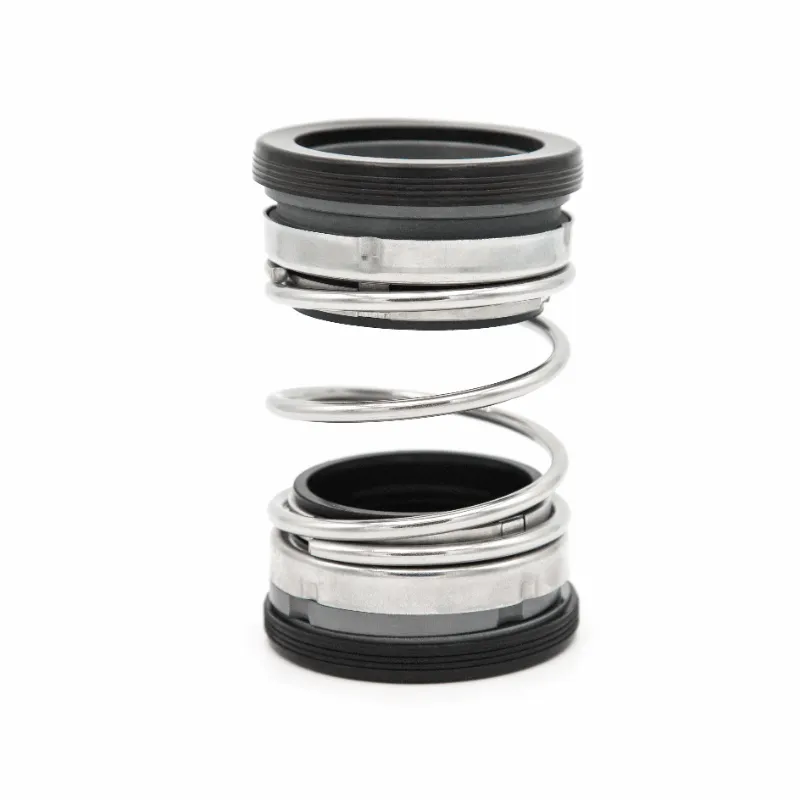
Oil & Gas Mechanical Seal
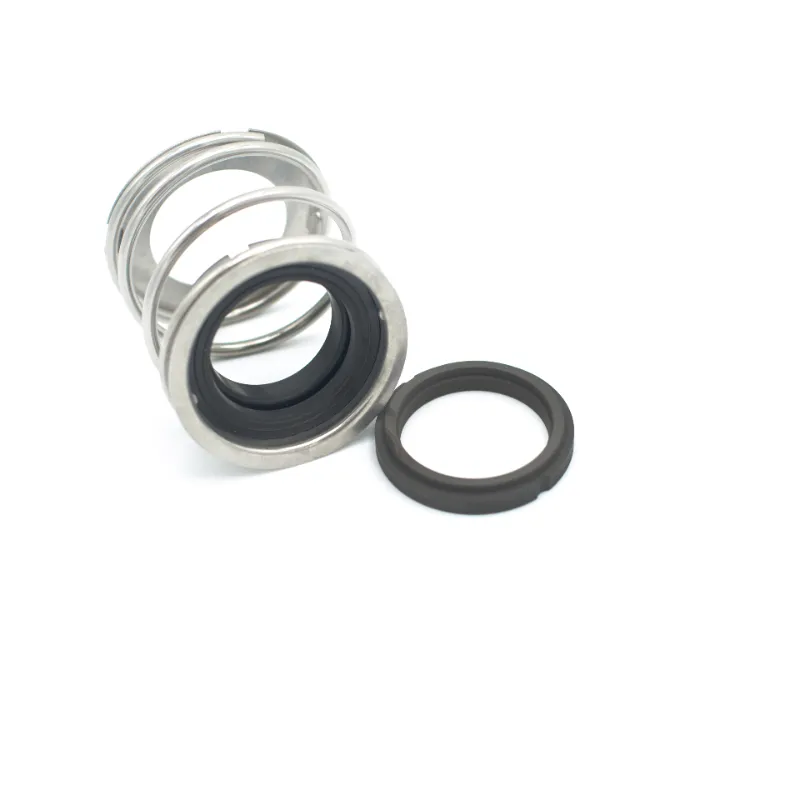
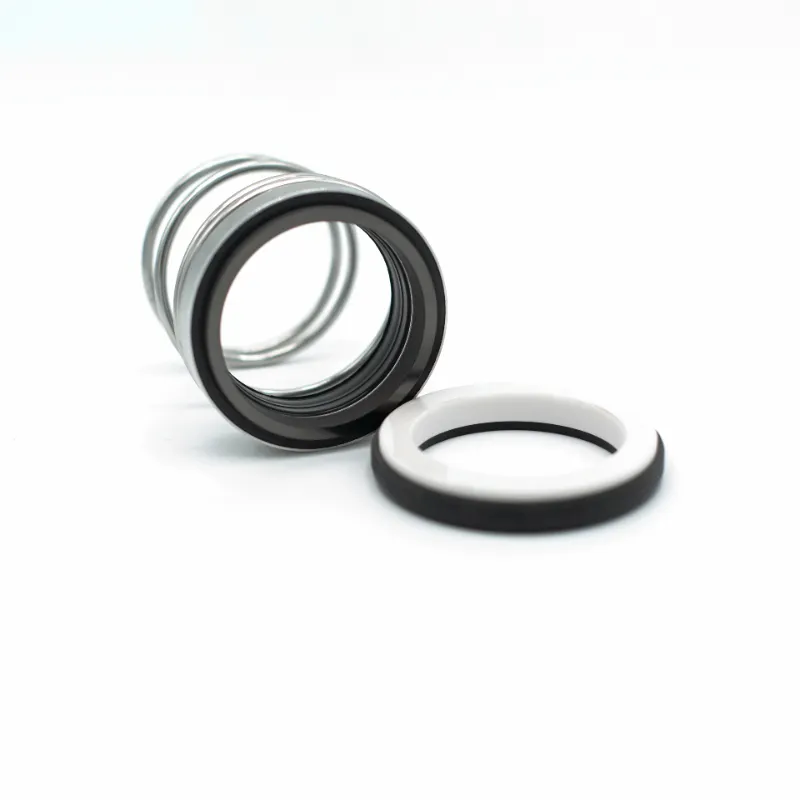
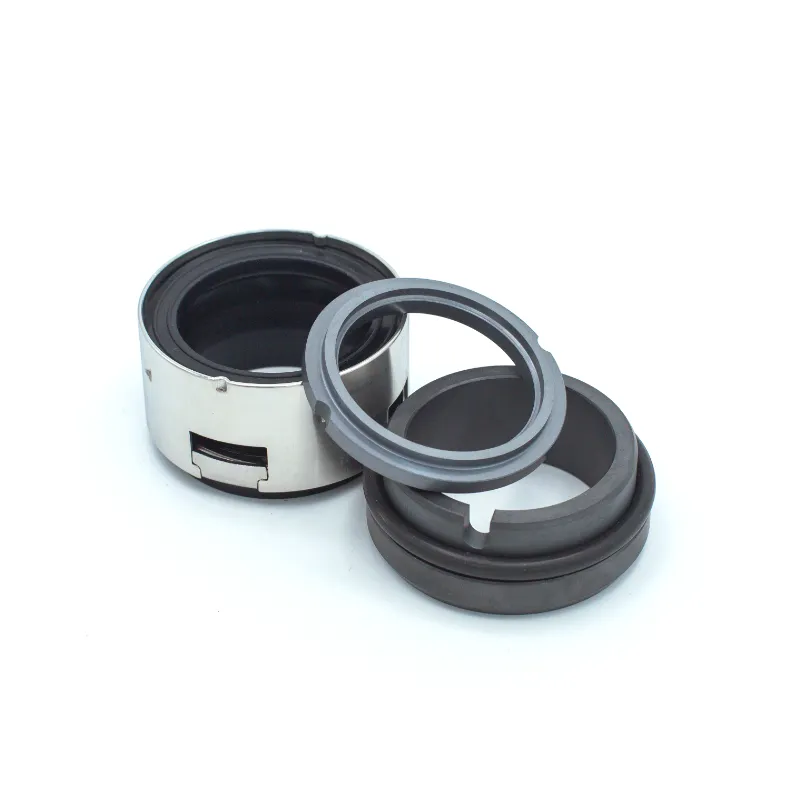
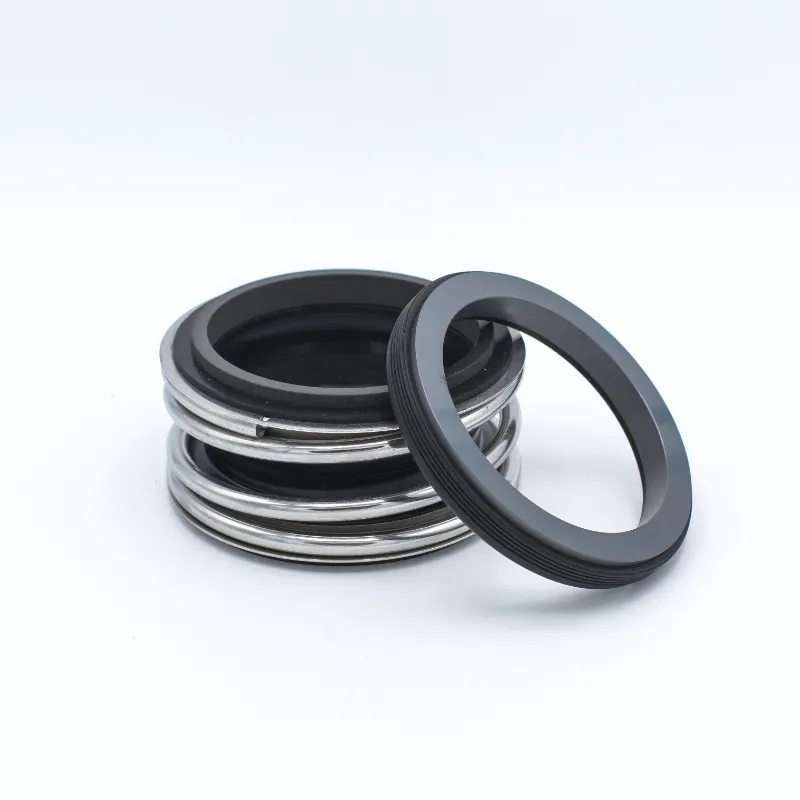
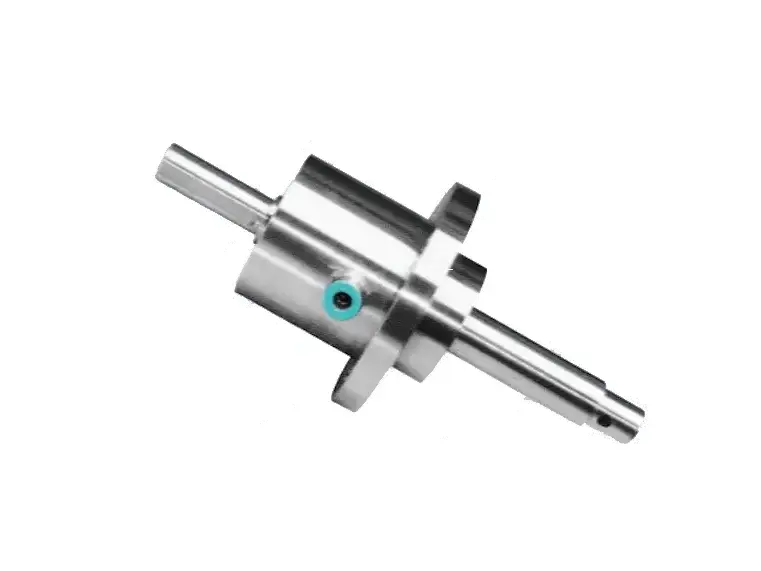
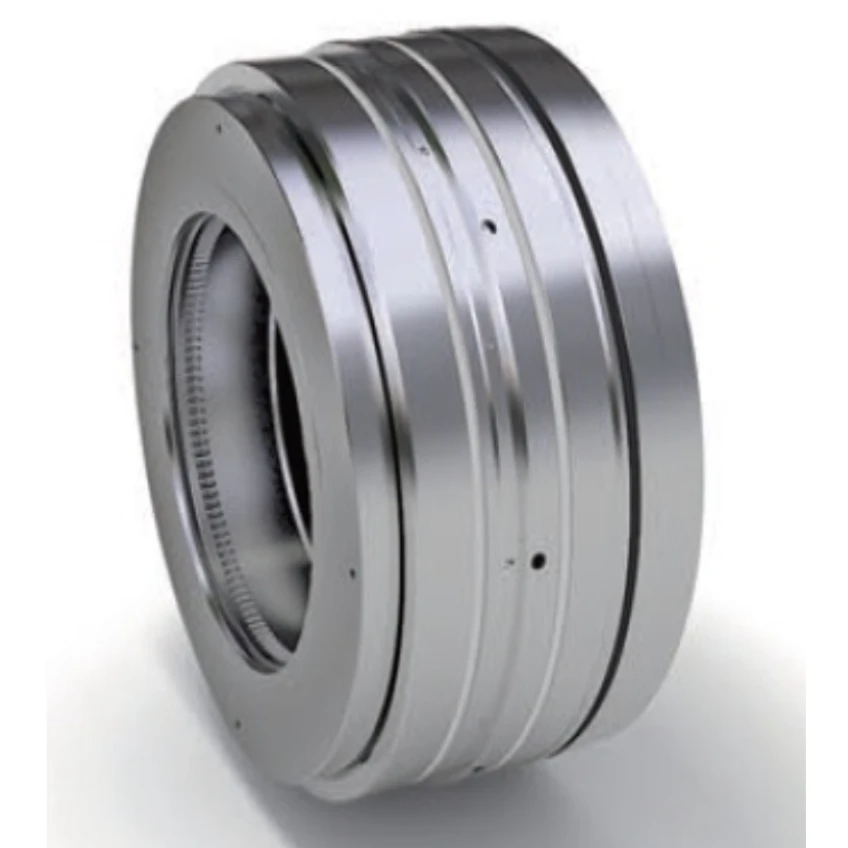
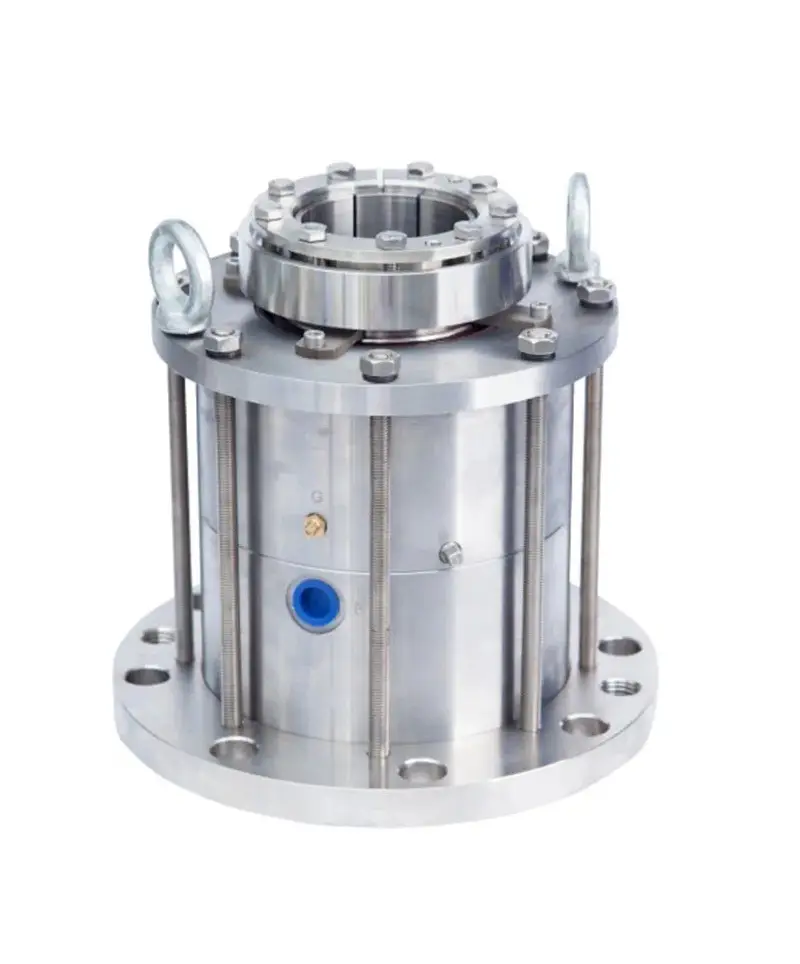
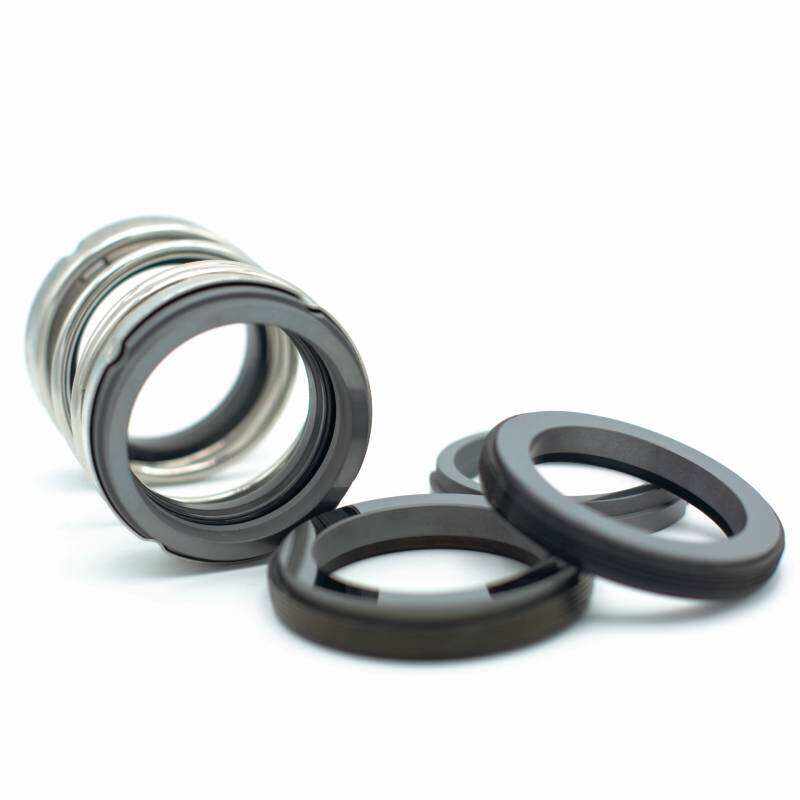
The Oil & Gas Mechanical Seal represents a critical component in petroleum industry operations, designed to prevent fluid leakage while maintaining optimal pressure conditions in rotating equipment. These specialized sealing solutions serve as barriers between rotating and stationary parts in pumps, compressors, mixers, and other machinery essential to oil and gas processing facilities. The primary function of an Oil & Gas Mechanical Seal involves creating a secure interface that prevents hazardous substances from escaping into the environment while simultaneously protecting equipment internals from contamination. Modern mechanical seals incorporate advanced materials and engineering principles to withstand extreme temperatures, corrosive chemicals, and high-pressure environments commonly encountered in petroleum operations. The technological foundation of these seals relies on precisely machined faces that maintain contact through spring mechanisms and hydraulic forces, creating an effective barrier against leakage. Contemporary Oil & Gas Mechanical Seal designs feature enhanced materials such as silicon carbide, tungsten carbide, and specialized elastomers that resist degradation from hydrocarbons and aggressive chemicals. These seals often incorporate multiple barrier systems, including primary and secondary sealing elements, buffer fluids, and monitoring systems that provide real-time performance data. Applications for Oil & Gas Mechanical Seals span across upstream, midstream, and downstream operations, including drilling platforms, refineries, petrochemical plants, and pipeline facilities. The seals function effectively in centrifugal pumps handling crude oil, water injection systems, gas compressors, and chemical processing equipment. Installation flexibility allows these seals to accommodate various shaft sizes, operating pressures, and temperature ranges while maintaining compliance with industry safety standards and environmental regulations.
 EN
EN