Advanced Material Technology and Chemical Resistance
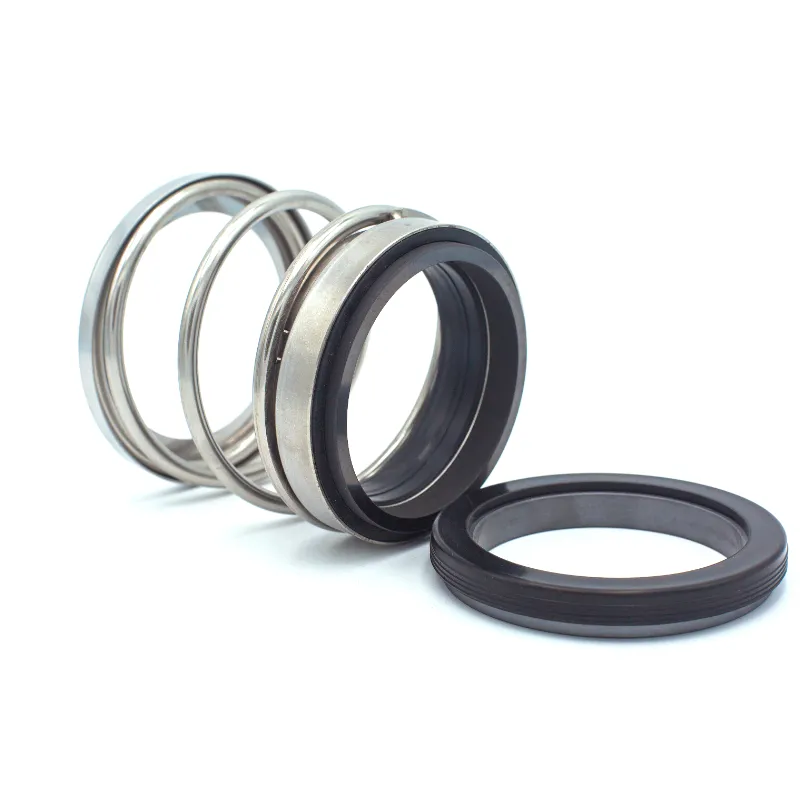
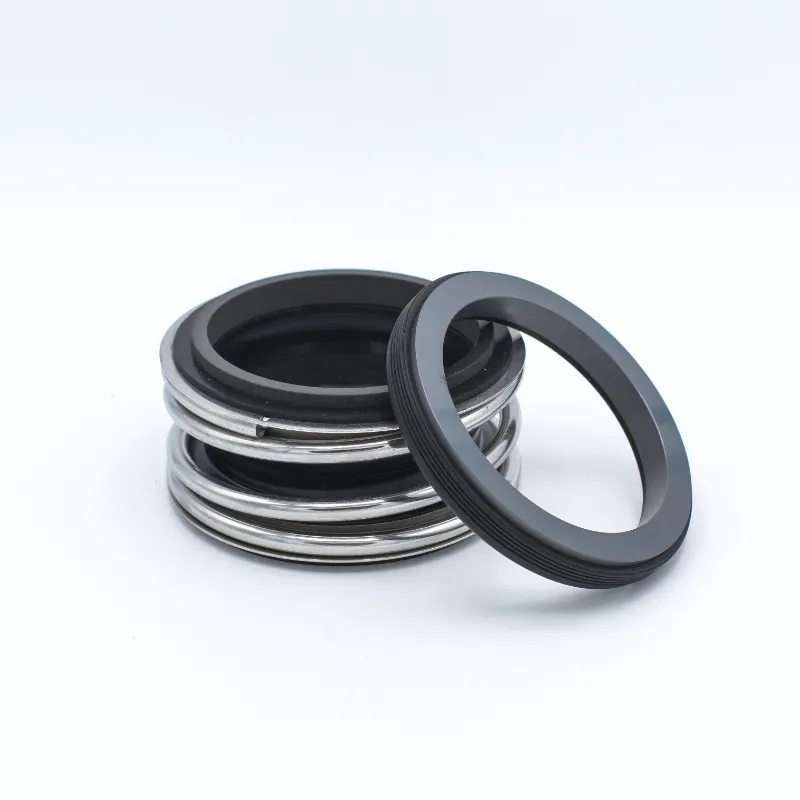
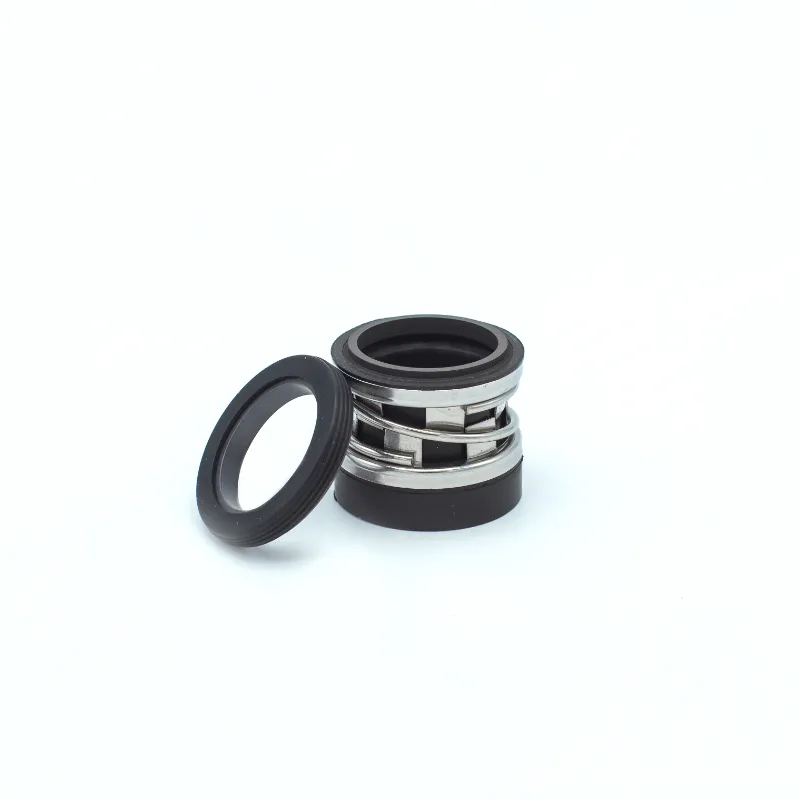
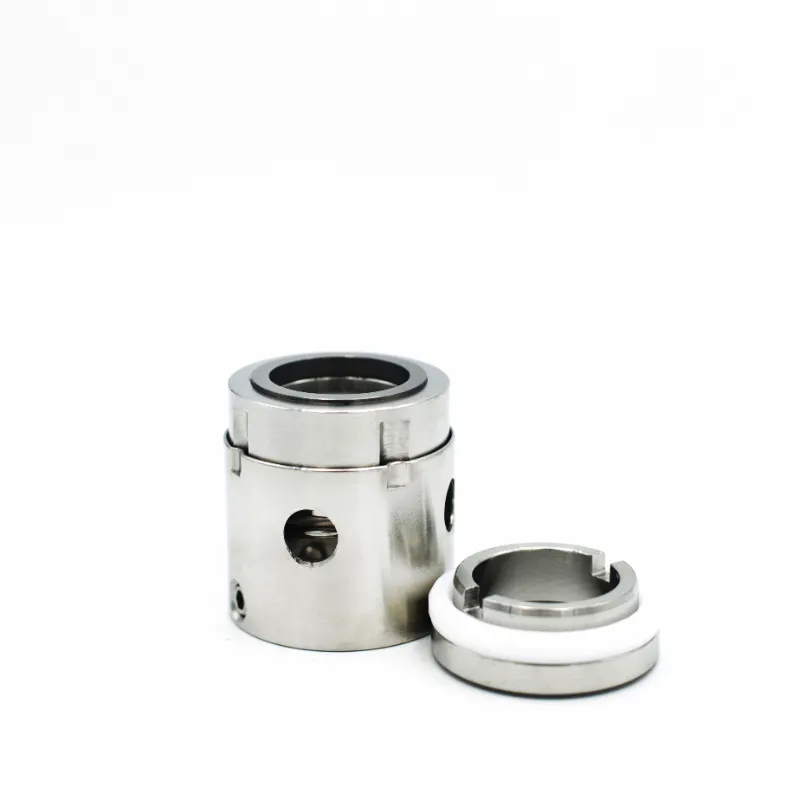
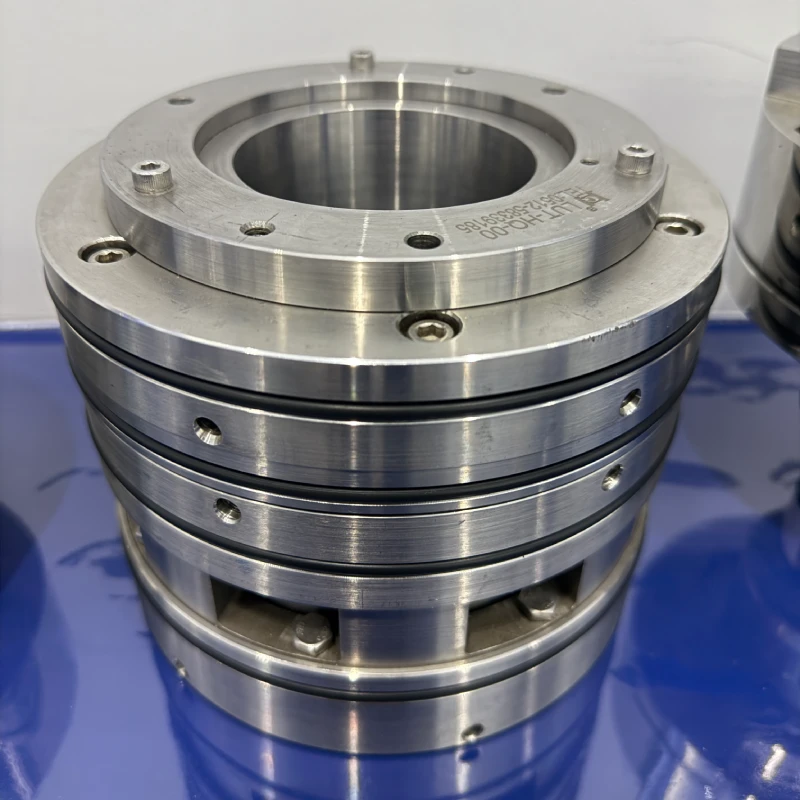
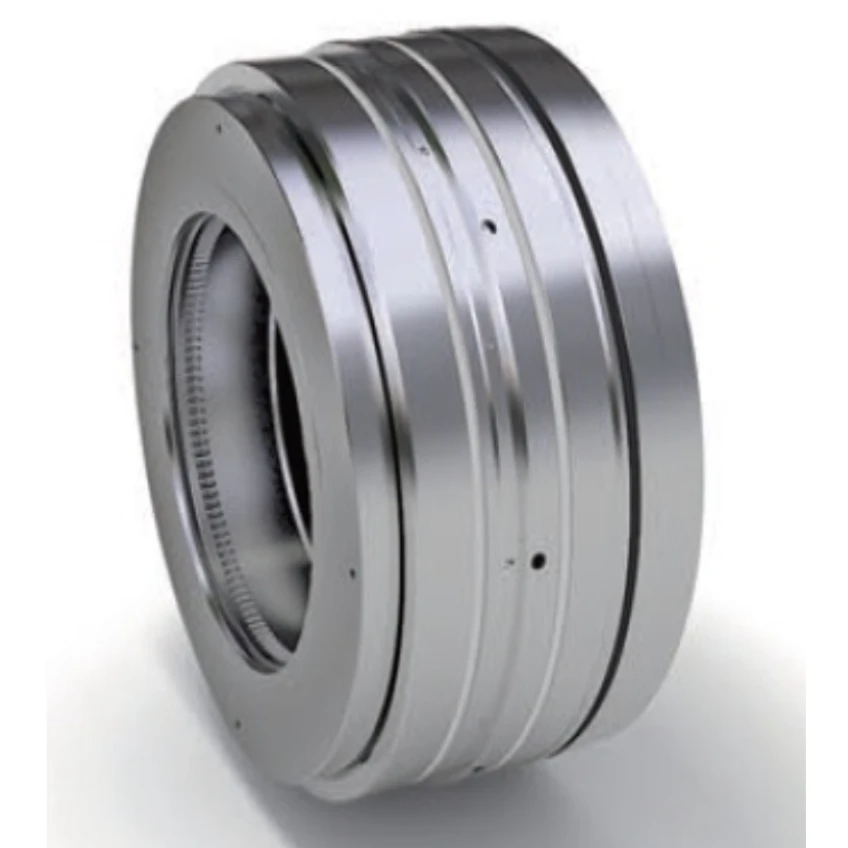
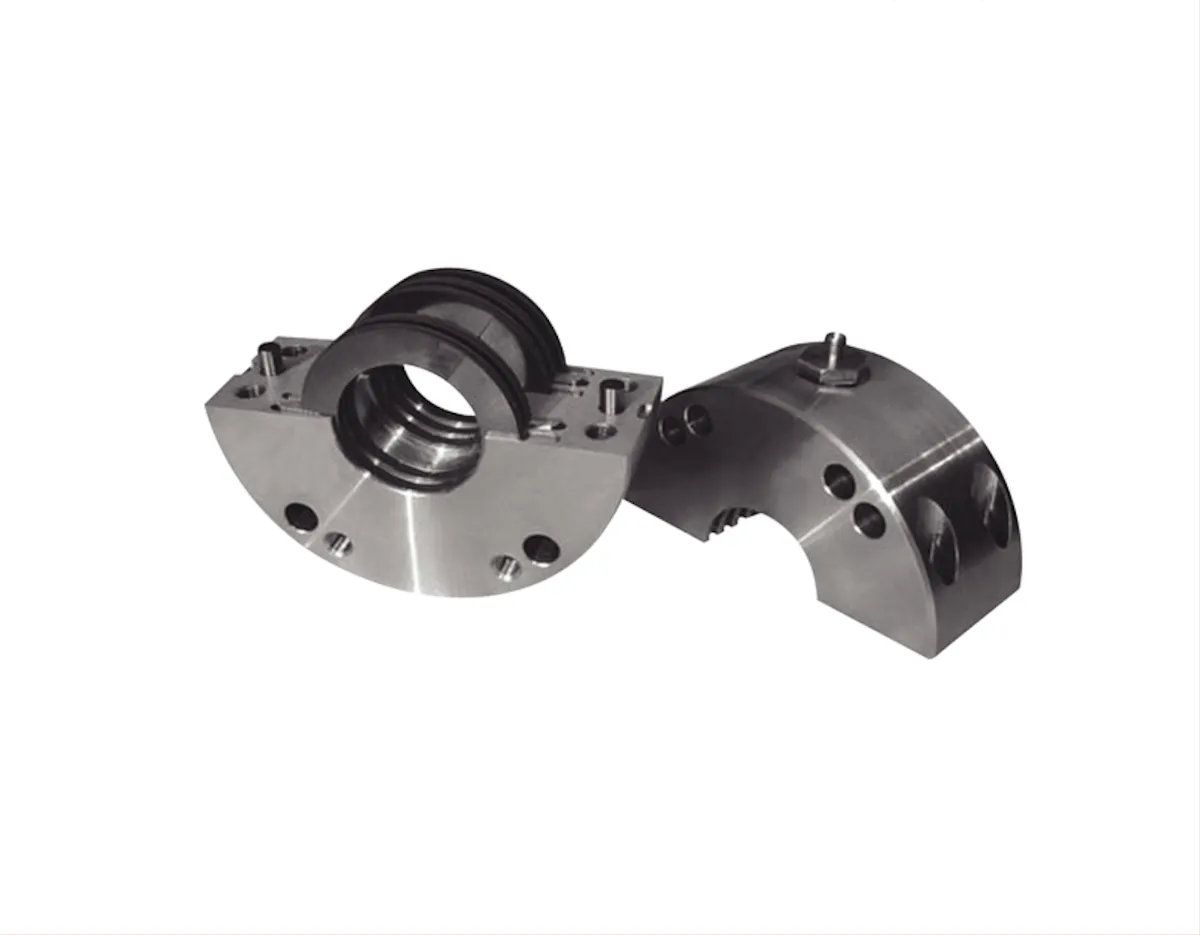
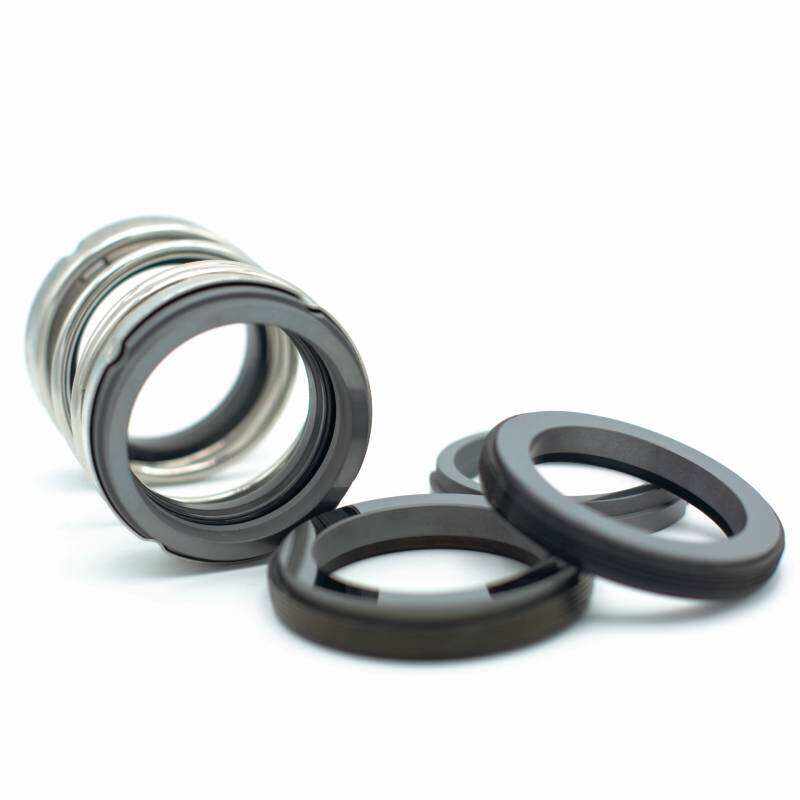
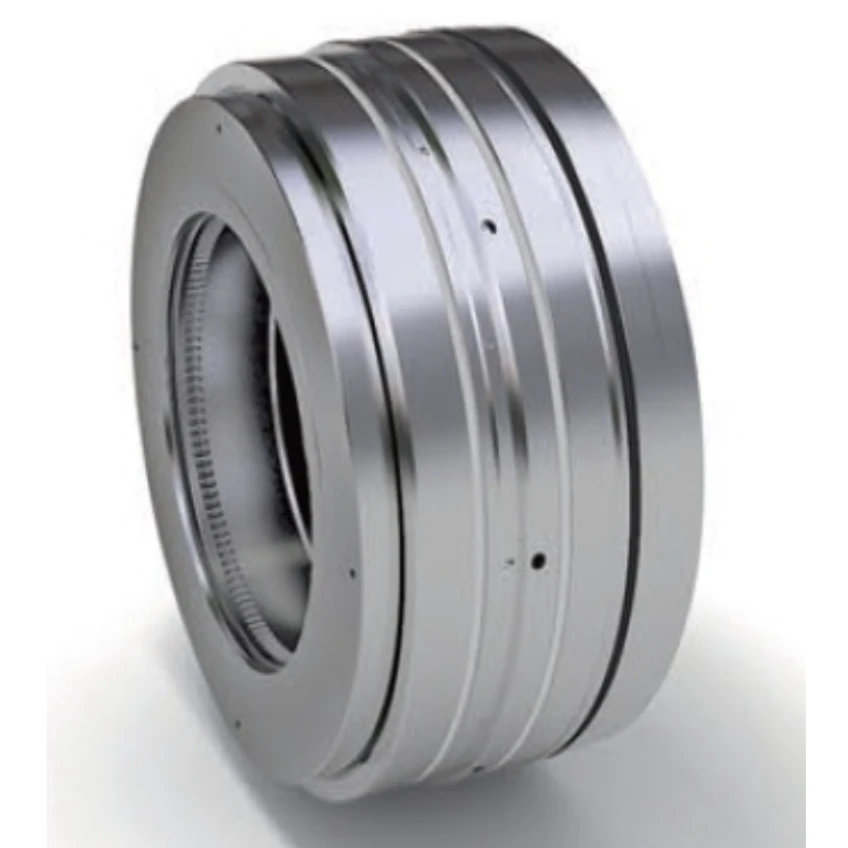
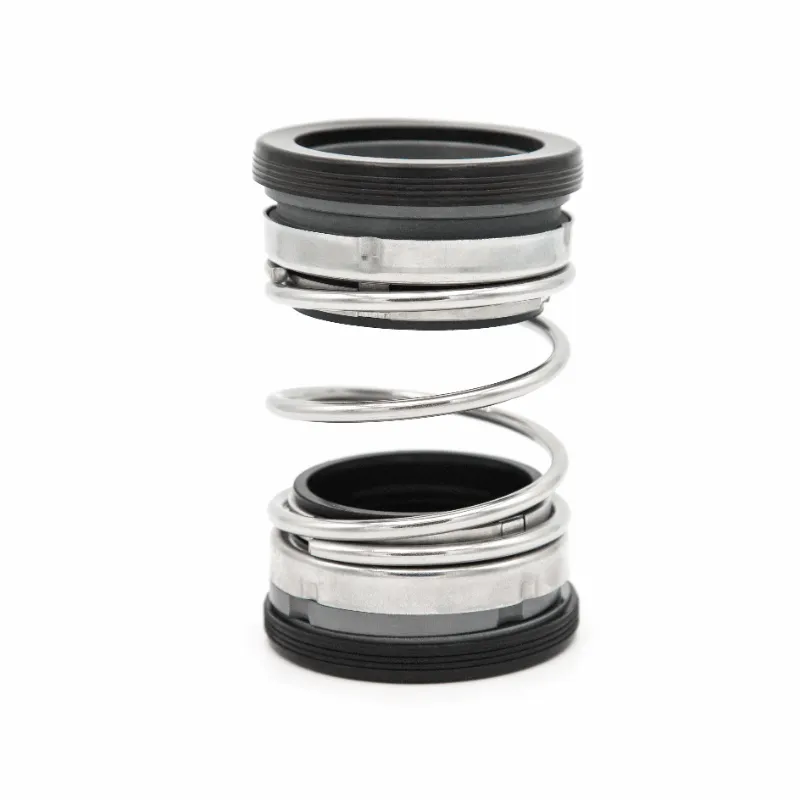
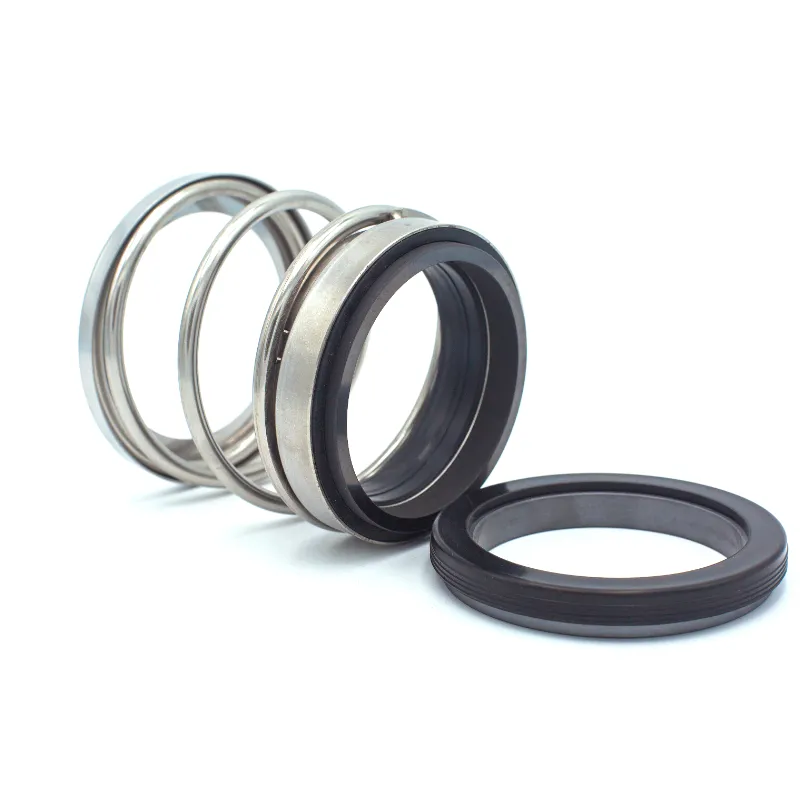
The Refinery Equipment Seal incorporates cutting-edge material science to deliver unmatched chemical resistance and durability in harsh refinery environments. These sealing systems utilize premium fluoropolymer compounds, specialized metal alloys, and advanced composite materials specifically formulated to withstand aggressive chemical exposure without degradation. The material selection process involves extensive compatibility testing with various refinery process streams to ensure long-term performance stability. High-performance elastomers maintain flexibility and sealing capability across extreme temperature ranges while resisting swelling, cracking, and chemical attack from hydrocarbons, acids, and caustic solutions. The engineered material combinations provide superior mechanical properties including tear resistance, compression set resistance, and dimensional stability under dynamic operating conditions. Advanced surface treatments and coatings enhance the base material properties by providing additional barriers against chemical penetration and improving surface lubricity for reduced friction wear. The multi-layer construction approach combines different materials to optimize specific performance characteristics such as chemical barrier properties, mechanical strength, and thermal conductivity. Quality control procedures ensure consistent material properties through rigorous testing protocols that verify chemical resistance, mechanical properties, and thermal stability. The Refinery Equipment Seal material technology represents significant advancement over traditional sealing materials, offering extended service life and improved reliability in demanding applications. Specialized compounds resist hydrogen sulfide, organic acids, and other corrosive substances commonly encountered in refinery operations, preventing premature seal failure and associated operational disruptions. The advanced material formulations maintain sealing effectiveness even when exposed to thermal cycling, pressure fluctuations, and mechanical vibrations typical in refinery equipment. Research and development efforts continue to improve material performance through innovative polymer chemistry and advanced manufacturing techniques.
 EN
EN