Seal cooling and lubrication system
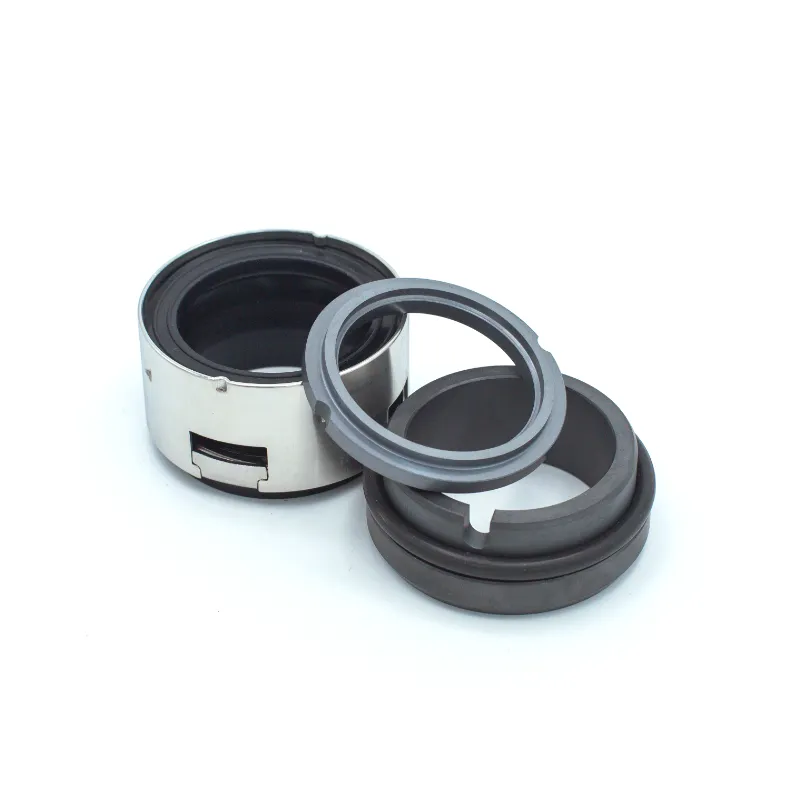
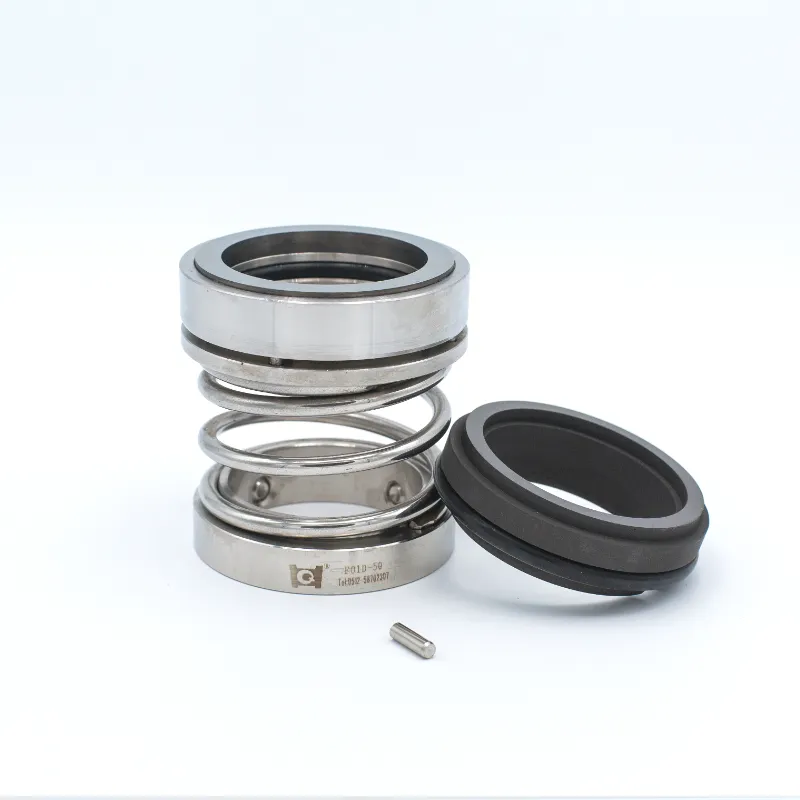
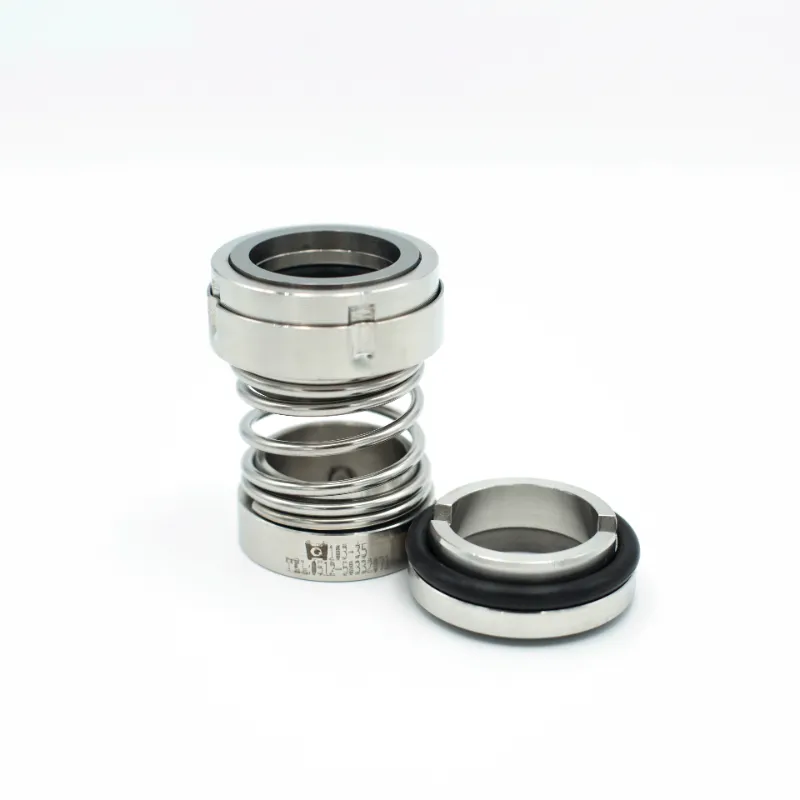
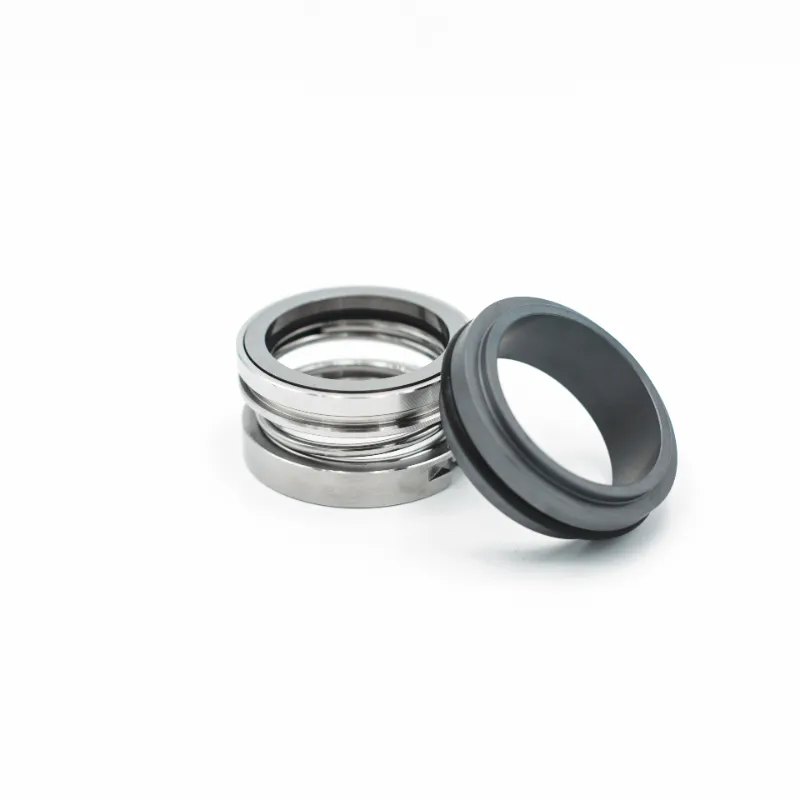
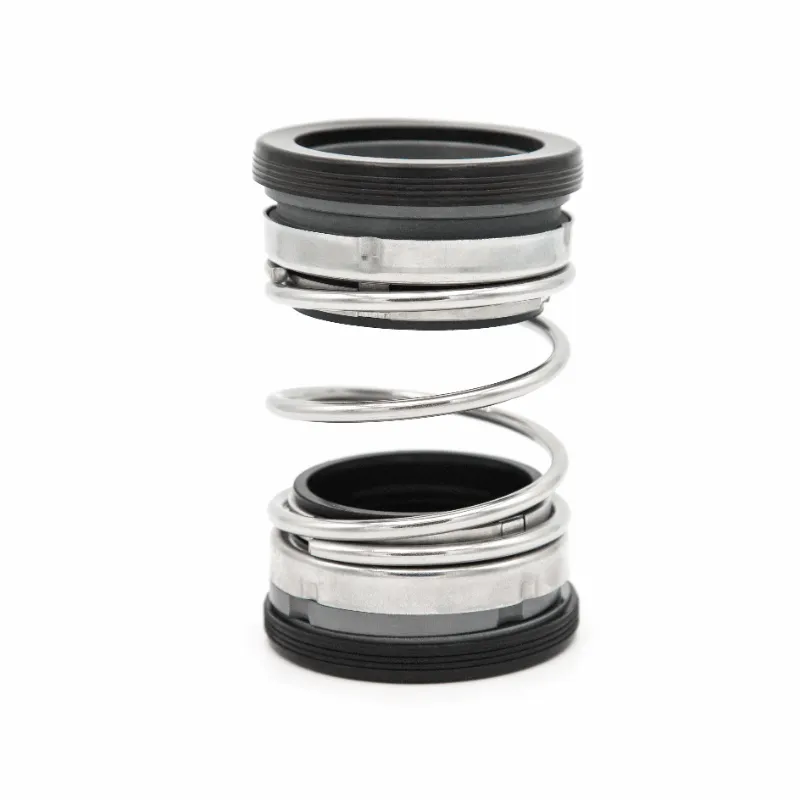
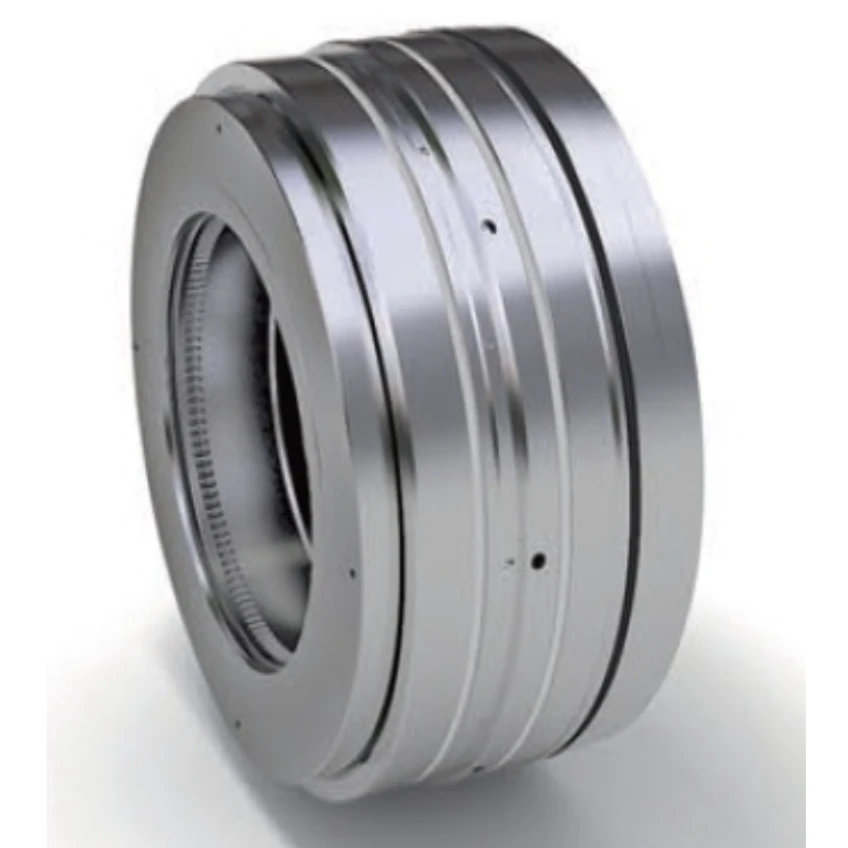
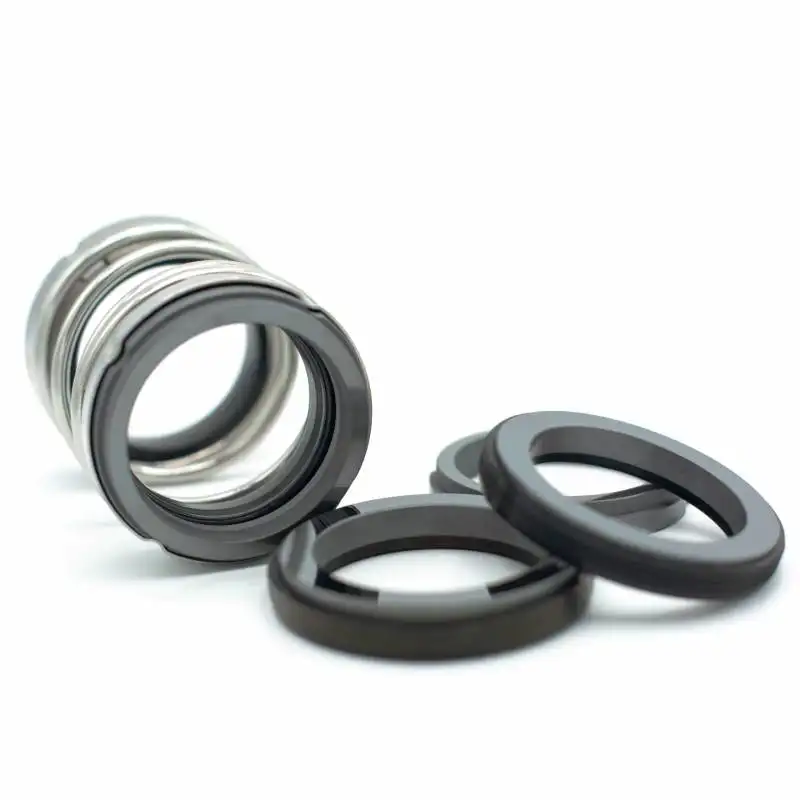
The Seal cooling and lubrication system represents a critical component in modern industrial machinery, designed to maintain optimal operating temperatures while ensuring proper lubrication of mechanical seals. This sophisticated system integrates multiple technologies to protect high-performance equipment from thermal damage and mechanical wear. The primary function of a Seal cooling and lubrication system involves circulating coolant fluid through designated pathways to absorb excess heat generated during equipment operation. Simultaneously, the system delivers precise amounts of lubricant to seal interfaces, reducing friction and preventing premature component failure. The technological foundation of these systems relies on advanced pump mechanisms, temperature monitoring sensors, and automated flow control valves. Modern Seal cooling and lubrication system designs incorporate intelligent feedback loops that continuously monitor operating parameters and adjust cooling and lubrication rates accordingly. The system typically consists of a reservoir tank, circulation pumps, heat exchangers, filtration units, and distribution networks that deliver coolant and lubricant to specific seal locations. Temperature sensors strategically positioned throughout the system provide real-time data to control units, enabling automatic adjustments to maintain optimal operating conditions. Applications for Seal cooling and lubrication system technology span numerous industries, including petrochemical processing, power generation, manufacturing, and marine operations. In petrochemical facilities, these systems protect pump seals handling corrosive chemicals and high-temperature fluids. Power plants utilize Seal cooling and lubrication system solutions to maintain steam turbine seals under extreme operating conditions. Manufacturing operations depend on these systems to ensure continuous production by preventing seal failures that could cause costly downtime. The versatility of Seal cooling and lubrication system designs allows customization for specific applications, accommodating various fluid types, temperature ranges, and pressure requirements while maintaining consistent performance standards.
 EN
EN