Cost-Effective Lifecycle Economics and Operational Efficiency
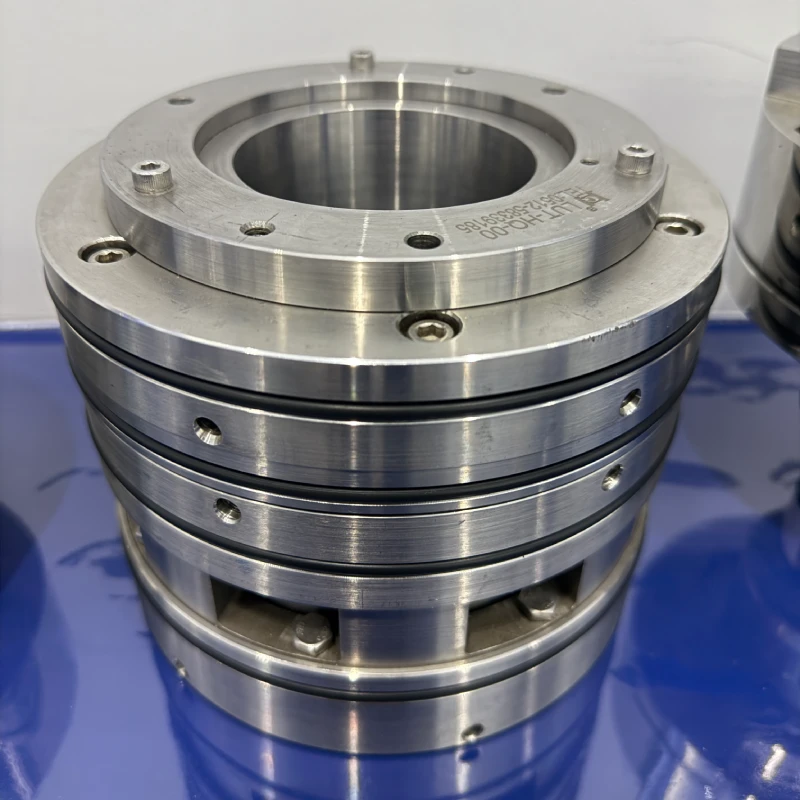
High-Pressure Dry Gas Seals deliver exceptional lifecycle economics that provide compelling return on investment through multiple cost reduction mechanisms and operational efficiency improvements that compound over time. Initial capital investment considerations often favor these systems despite higher upfront costs, as the elimination of auxiliary seal oil systems, associated piping, pumps, coolers, and control equipment frequently results in lower total installed costs for new facilities. Operating expense reductions begin immediately upon commissioning, as the elimination of seal oil procurement, storage, handling, and disposal costs provides ongoing savings that accumulate significantly over equipment lifetime. Energy efficiency improvements contribute substantially to operational cost reduction, as the frictionless gas film lubrication reduces parasitic power consumption compared to liquid-lubricated alternatives, with savings becoming particularly significant in large-scale industrial applications operating continuously. Maintenance cost optimization emerges from extended service intervals and simplified maintenance procedures, as the absence of liquid seal degradation mechanisms substantially reduces component replacement frequency and maintenance labor requirements. Downtime reduction represents a critical economic advantage, as High-Pressure Dry Gas Seals typically operate for years between major maintenance intervals, compared to months for conventional systems, resulting in improved production availability and reduced revenue losses from unplanned shutdowns. Insurance and risk management benefits include reduced fire and explosion risks associated with flammable seal oils, potentially leading to lower insurance premiums and simplified safety management requirements. Environmental compliance cost avoidance becomes increasingly valuable as regulations tighten, with these systems eliminating the need for emission control equipment, monitoring systems, and associated compliance documentation and testing expenses. Workforce efficiency improvements result from simplified operating procedures and reduced training requirements, as operators can focus on core production activities rather than complex seal oil system management. Technology lifecycle advantages include reduced obsolescence risks, as the fundamental operating principles remain stable while auxiliary systems can be upgraded independently to incorporate advancing control and monitoring technologies, protecting long-term investment value and ensuring continued regulatory compliance.
 EN
EN