Carbon vs. Silicon Carbide Seal Face
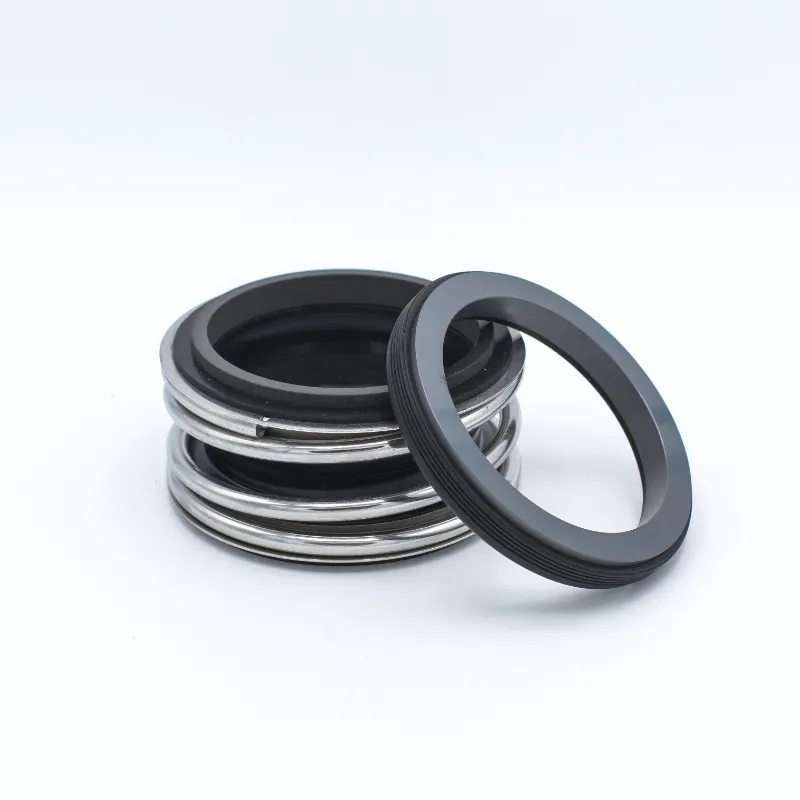
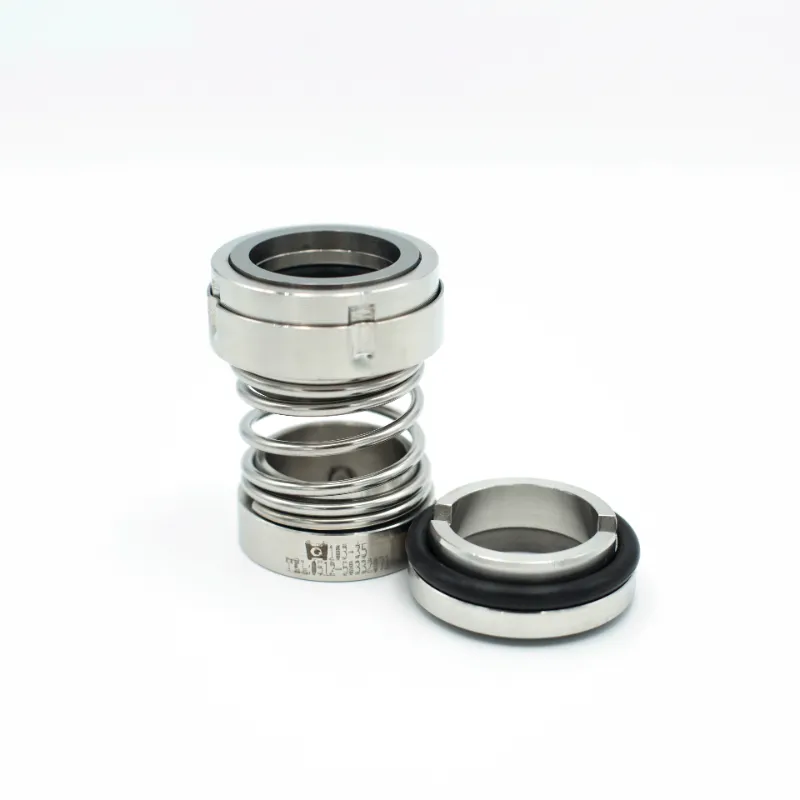
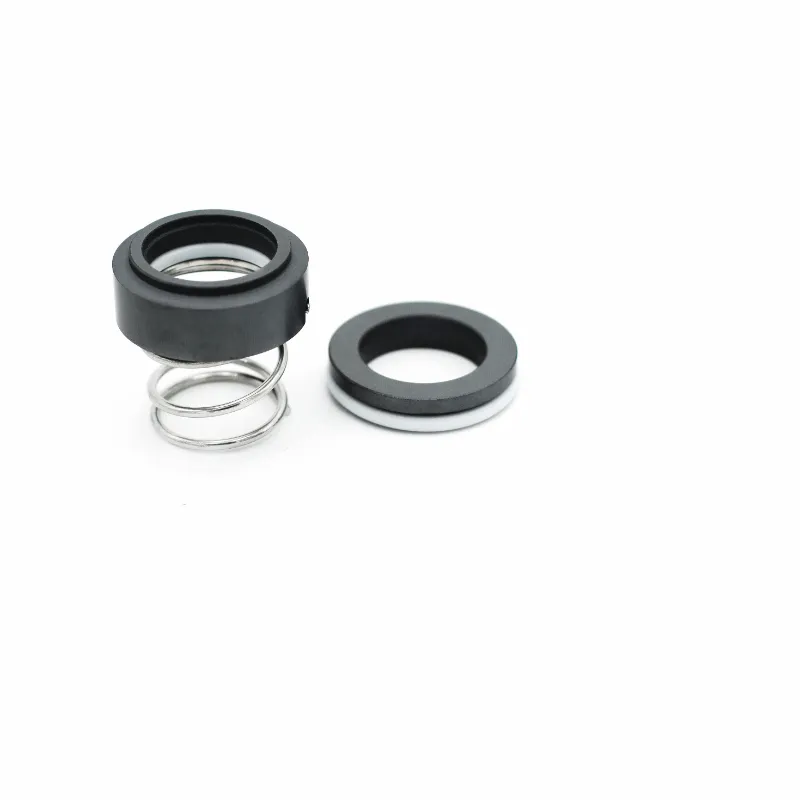
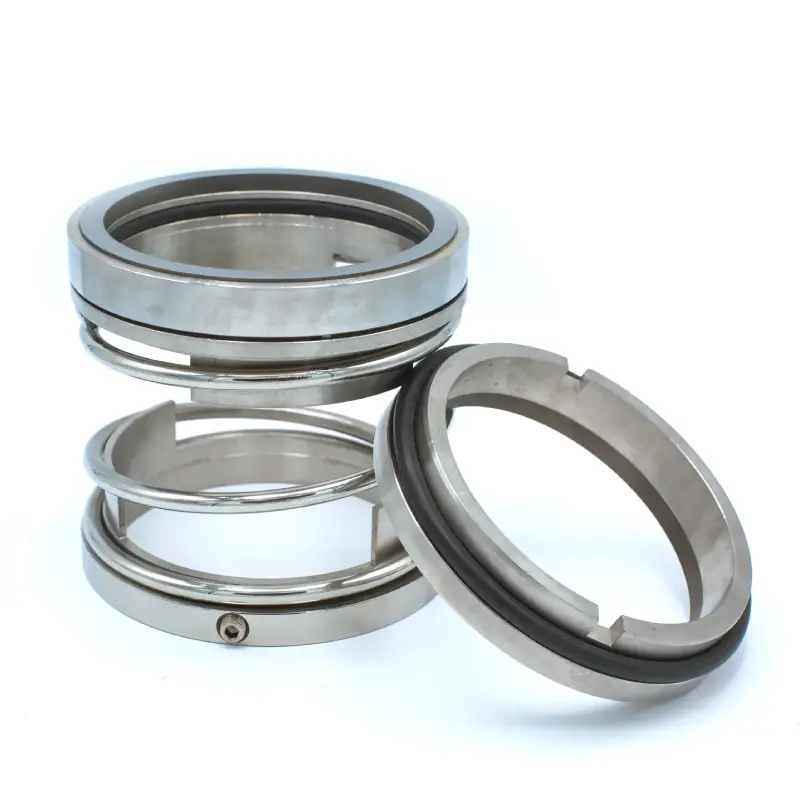
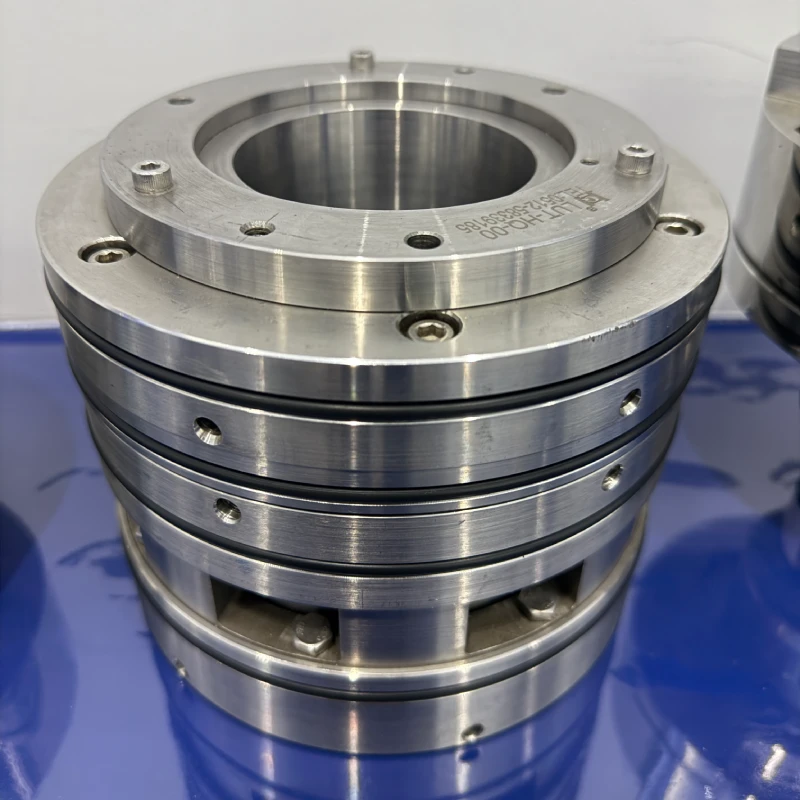
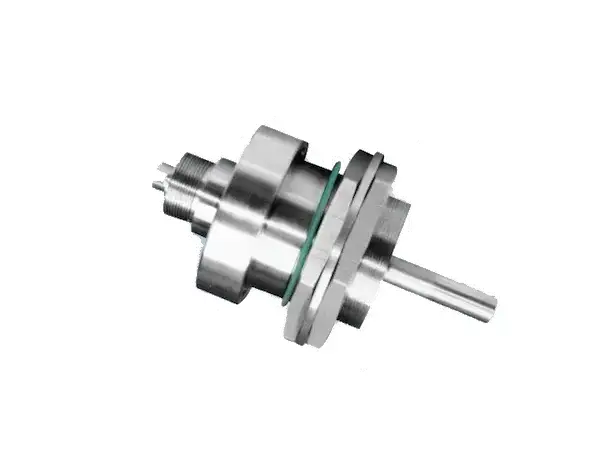
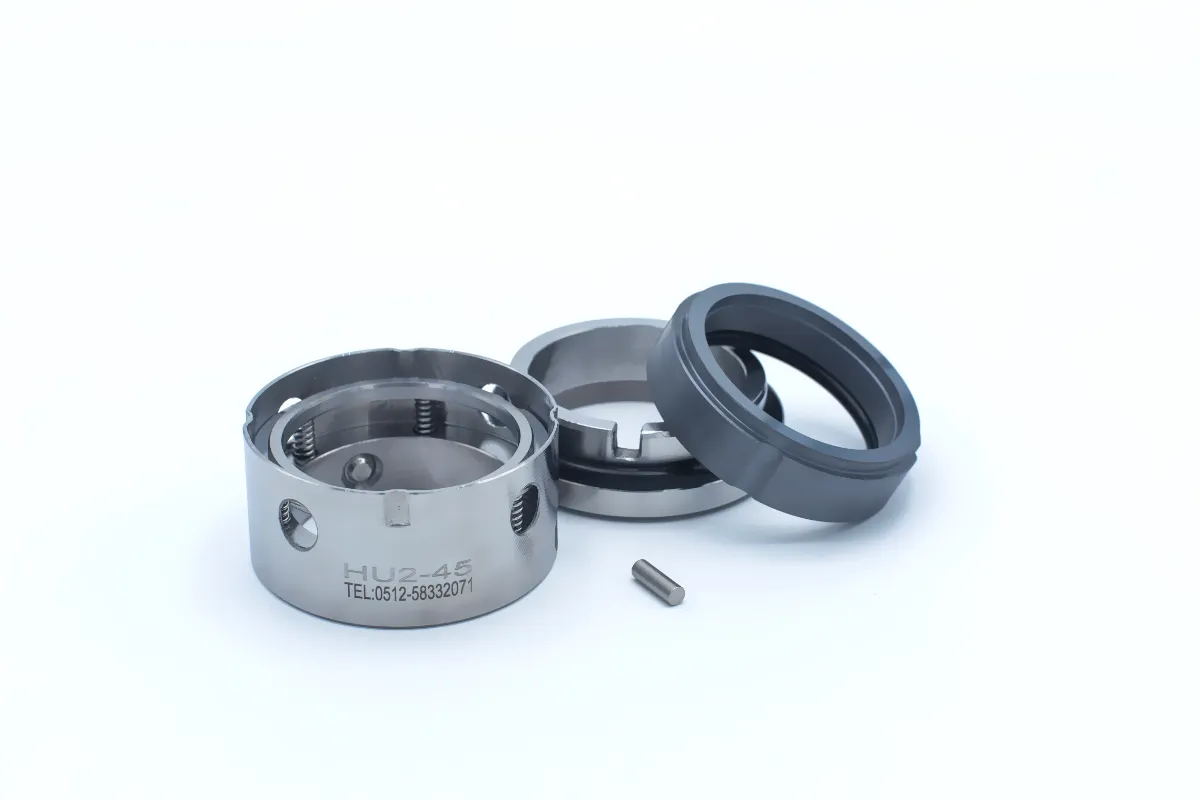
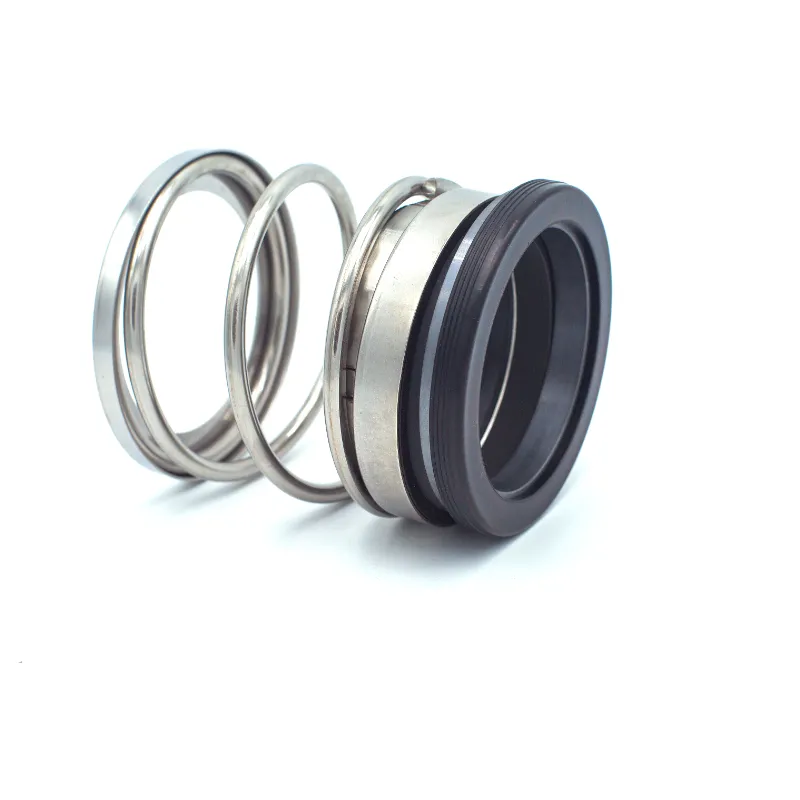
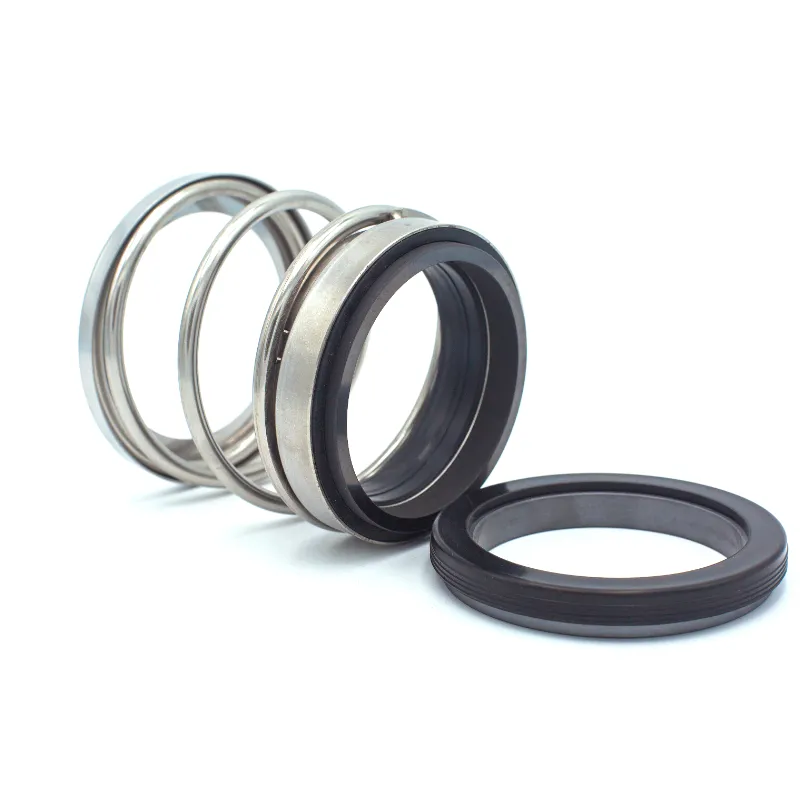
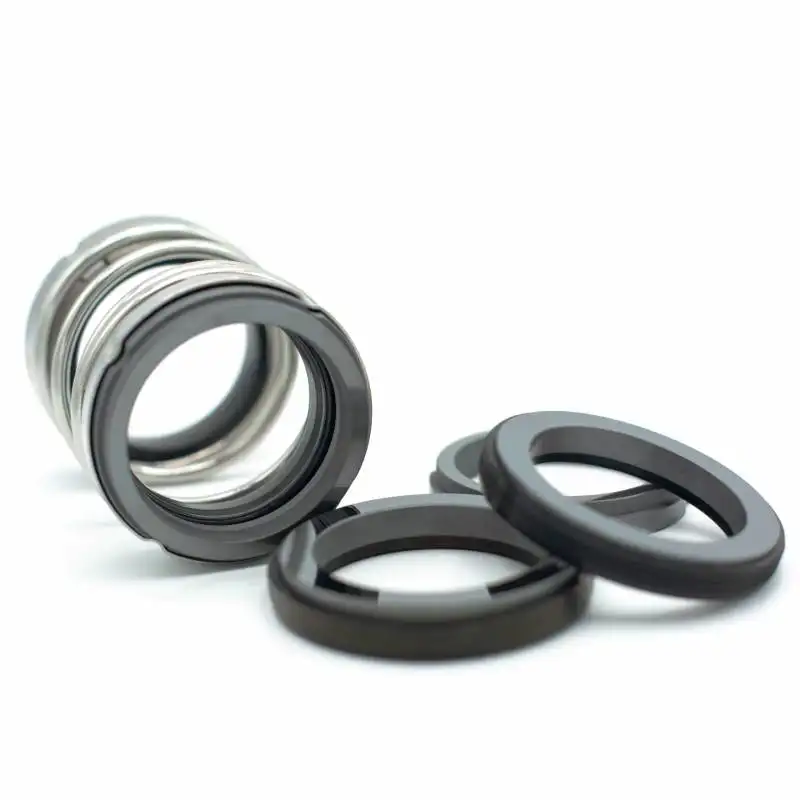
The Carbon vs. Silicon Carbide Seal Face represents a critical decision point in mechanical seal technology, where material selection directly impacts performance, longevity, and operational efficiency. These seal faces serve as the primary contact surfaces in mechanical seals, creating a barrier that prevents fluid leakage while allowing rotational movement in pumps, compressors, and other rotating equipment. The fundamental function of both carbon and silicon carbide seal faces involves maintaining optimal contact pressure and surface integrity under various operating conditions, including temperature fluctuations, chemical exposure, and mechanical stress. Carbon seal faces, typically manufactured from high-quality carbon graphite materials, offer excellent self-lubricating properties and conform well to mating surfaces, making them ideal for applications with moderate operating parameters. Their porous structure allows for enhanced heat dissipation and provides natural lubrication through absorbed fluids. Silicon carbide seal faces, engineered from advanced ceramic materials, deliver superior hardness, chemical resistance, and thermal stability, making them suitable for demanding industrial applications. The technological features of Carbon vs. Silicon Carbide Seal Face materials differ significantly in their molecular structure and manufacturing processes. Carbon faces undergo precision machining and specialized treatments to achieve optimal porosity and surface finish, while silicon carbide faces require advanced sintering techniques and precise crystalline structure control. These manufacturing differences result in distinct performance characteristics that influence application suitability. Applications for Carbon vs. Silicon Carbide Seal Face technology span across industries including chemical processing, oil and gas, water treatment, pharmaceutical manufacturing, and power generation. The selection between carbon and silicon carbide depends on specific operational requirements such as fluid compatibility, temperature ranges, pressure conditions, and expected service life, making material expertise essential for optimal seal performance.
 EN
EN