High-Performance Rocket Engine Seals - Advanced Aerospace Sealing Solutions for Space Propulsion Systems

Get a Free Quote

Our representative will contact you soon.
Email
Name
Company Name
Message
0/1000

Rocket Engine Seals

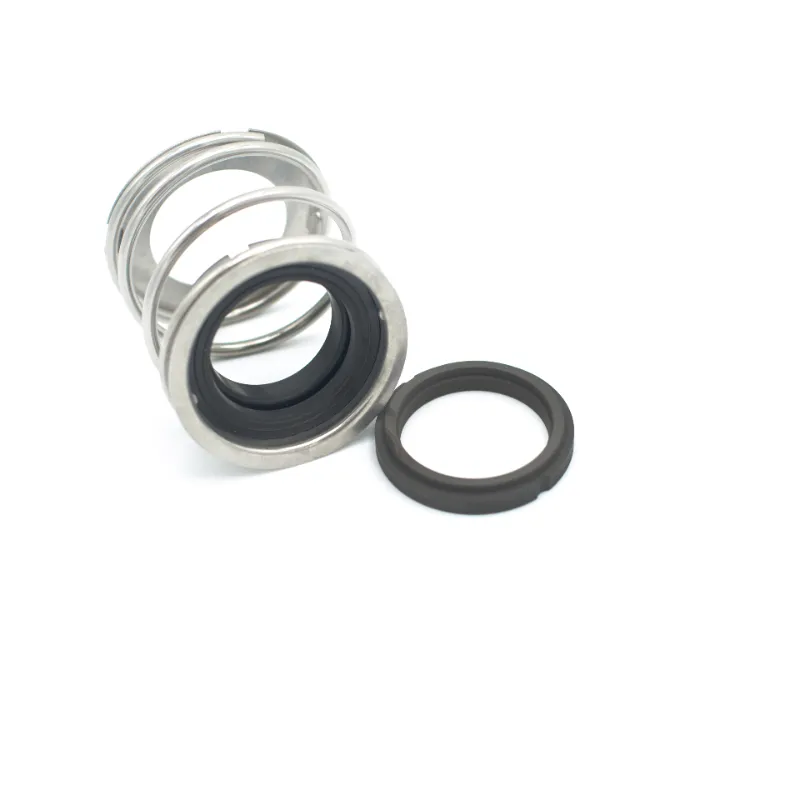
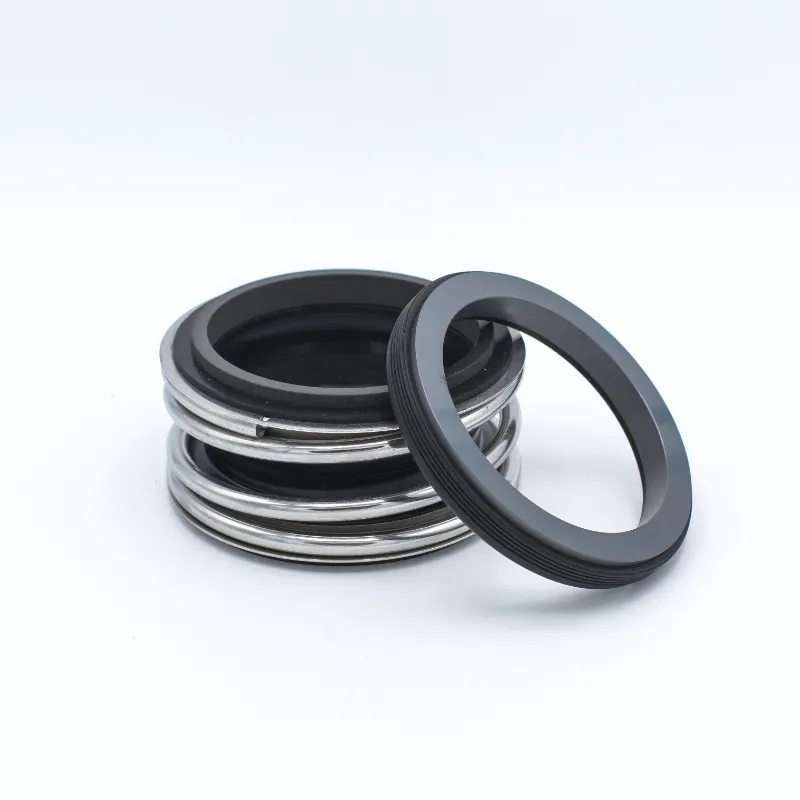
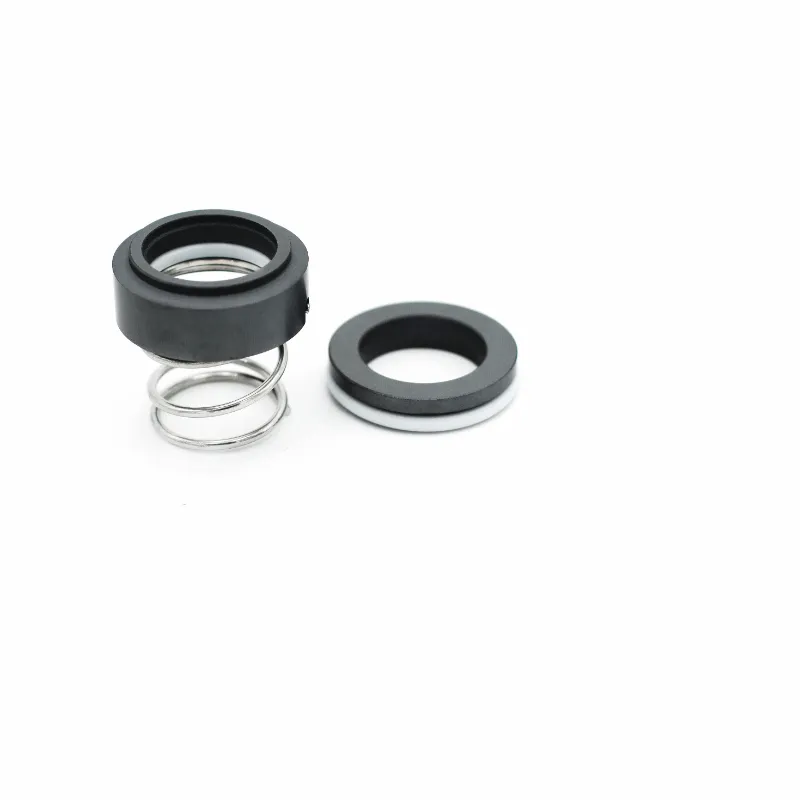
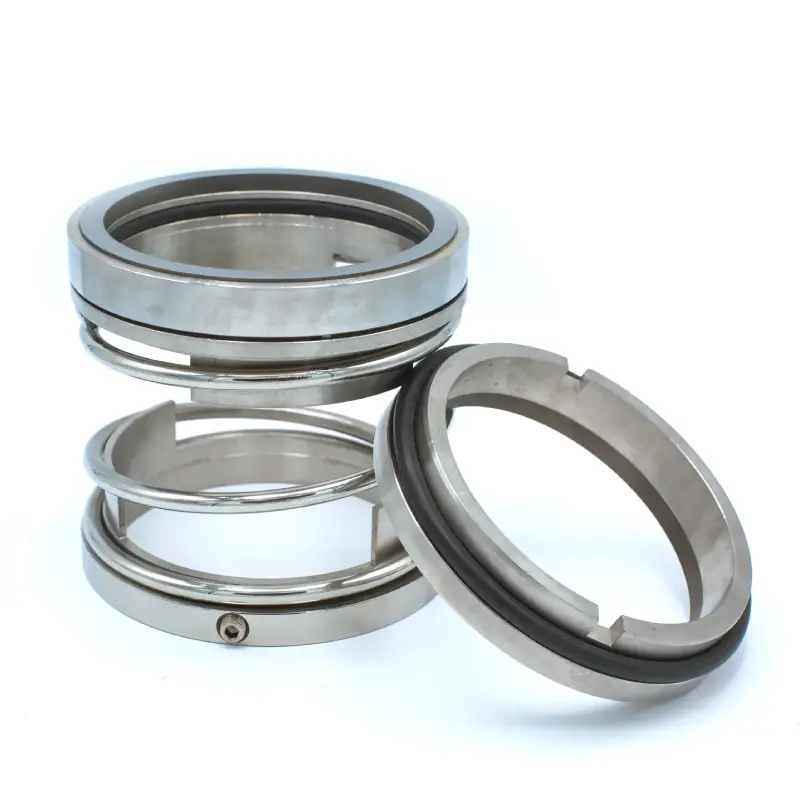
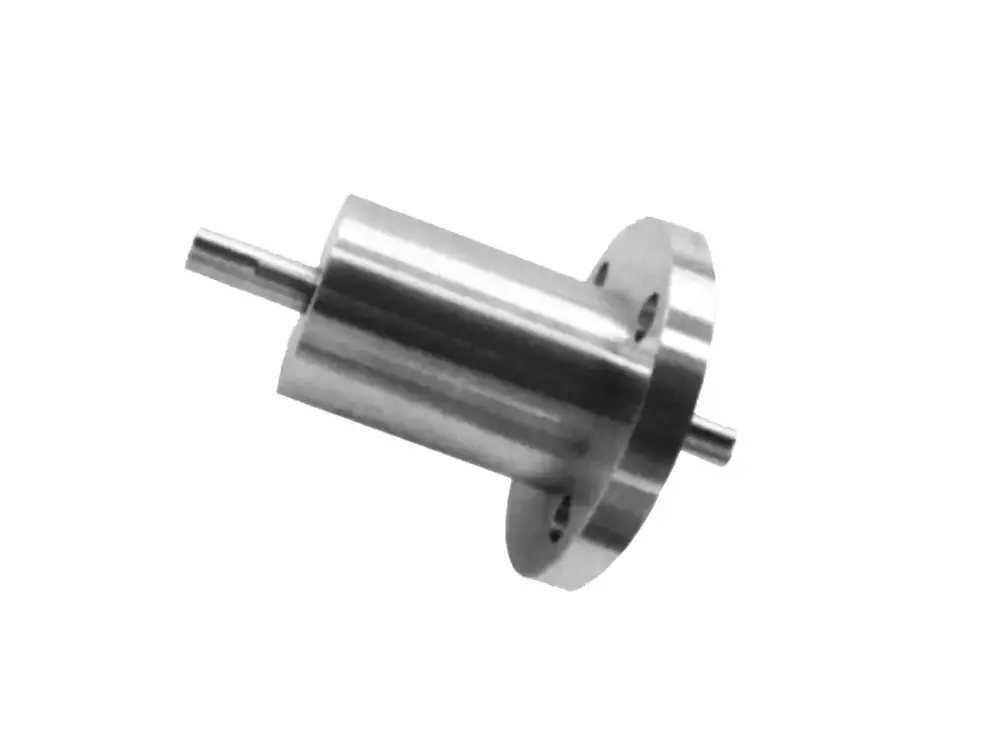
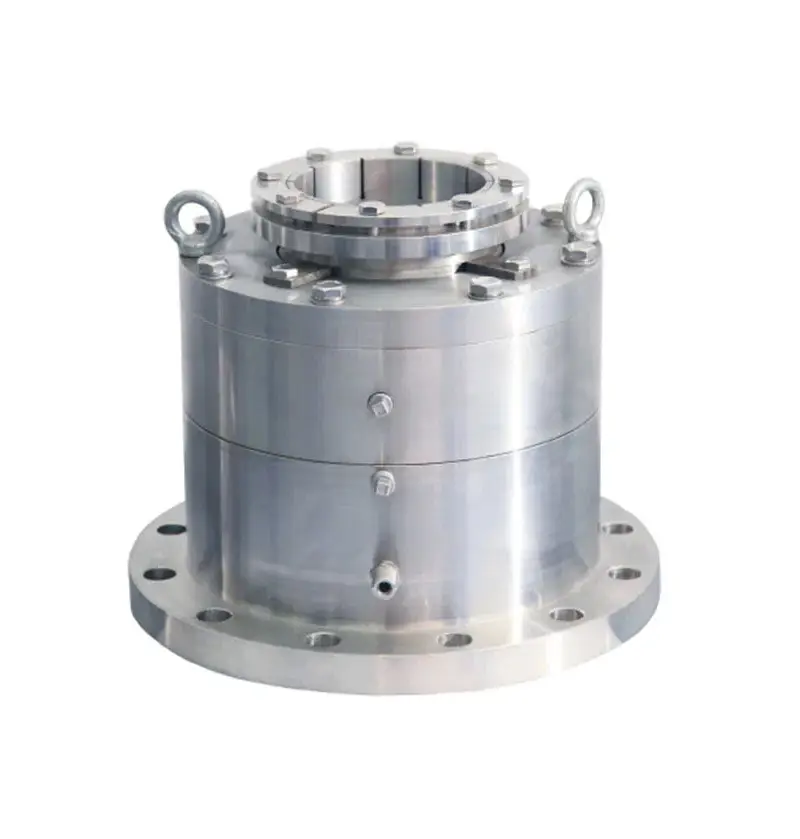
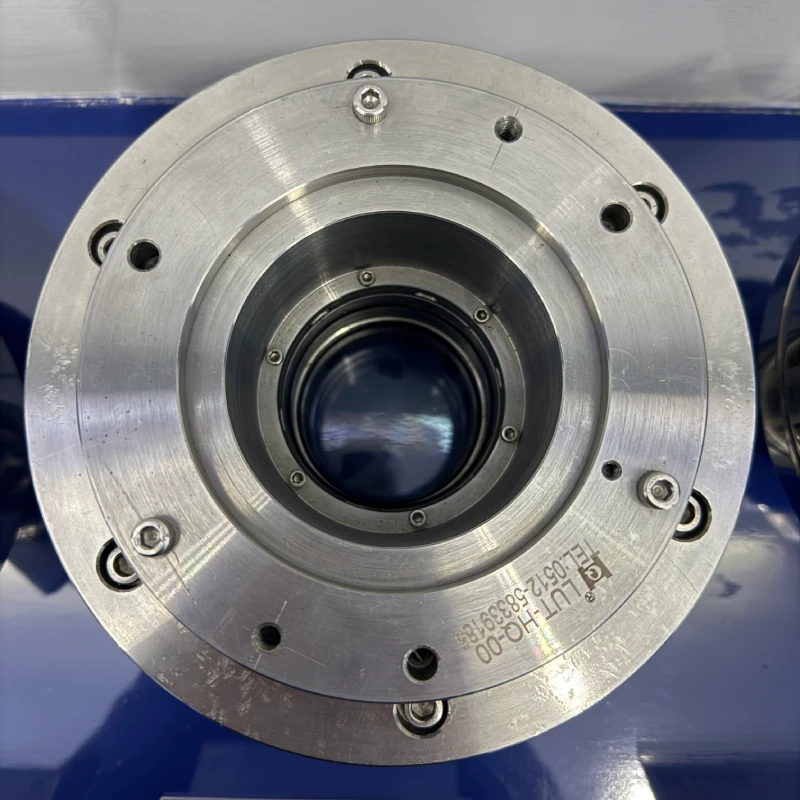
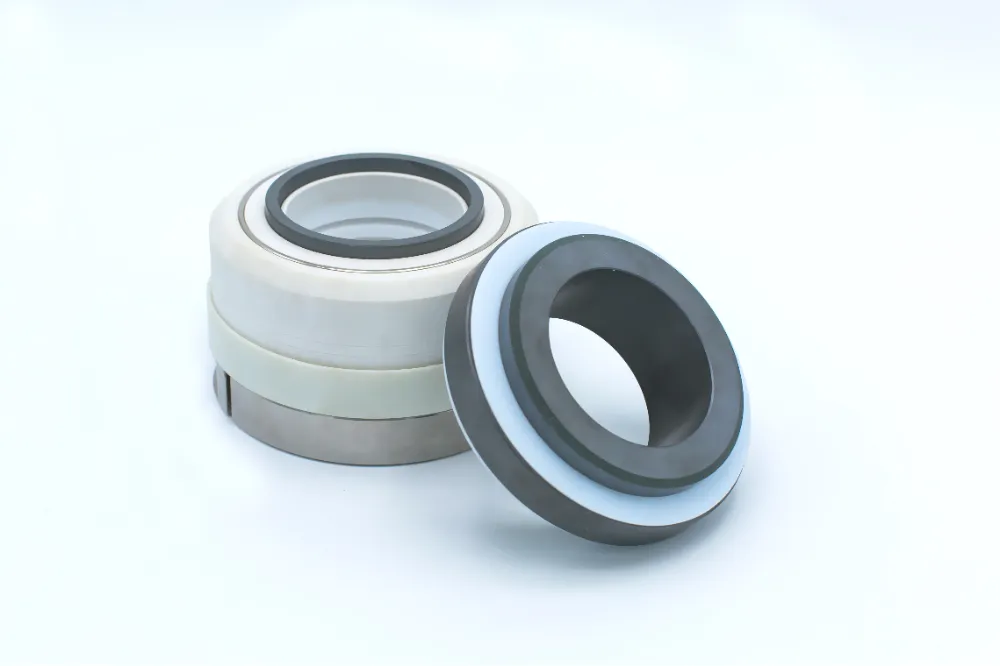
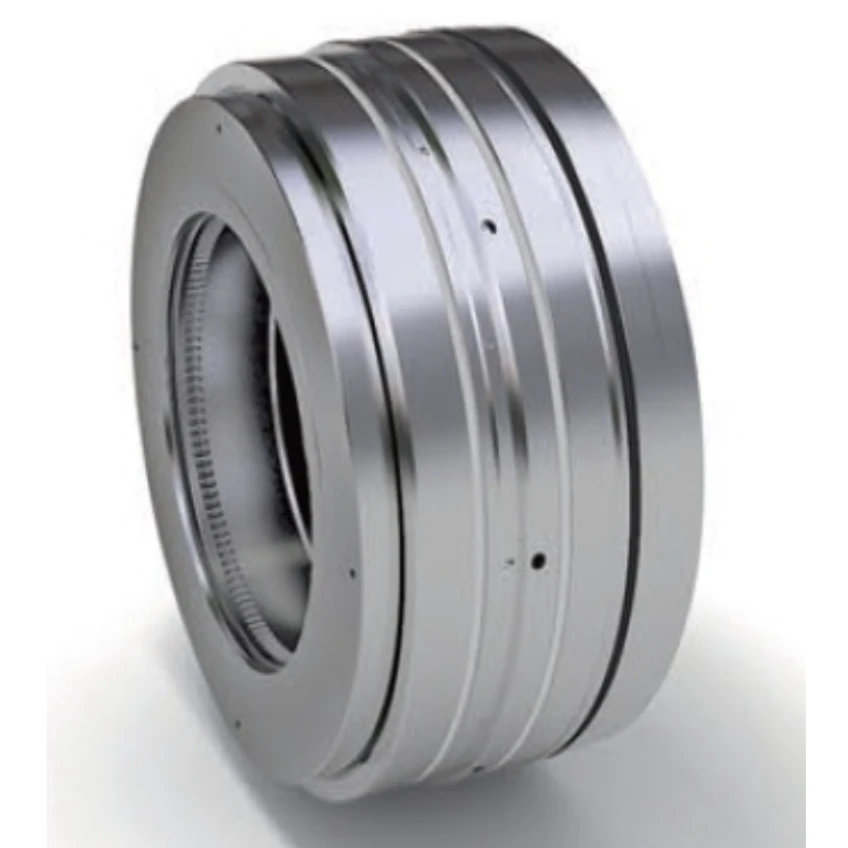
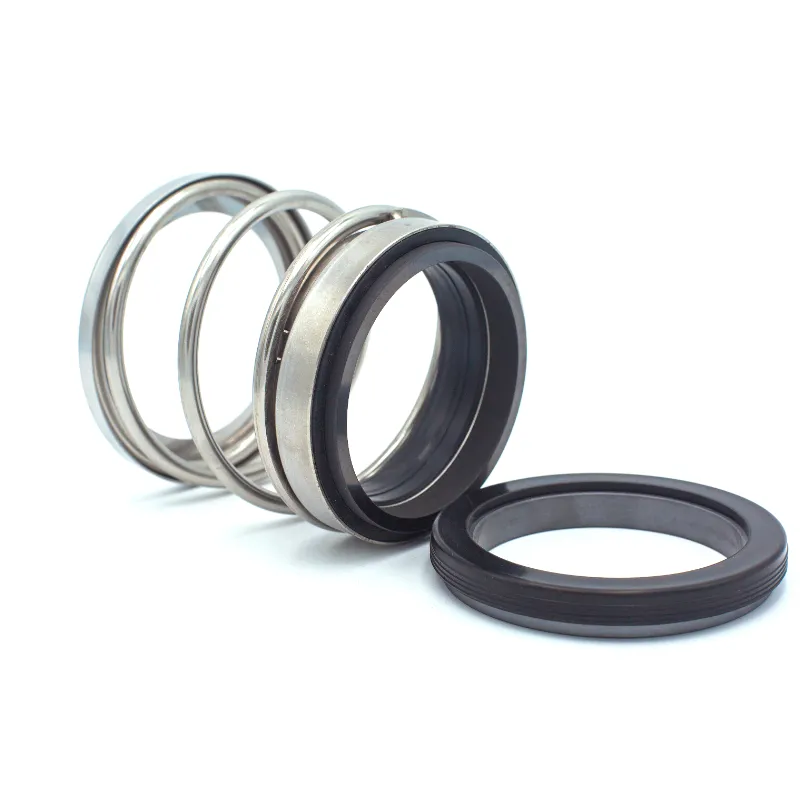
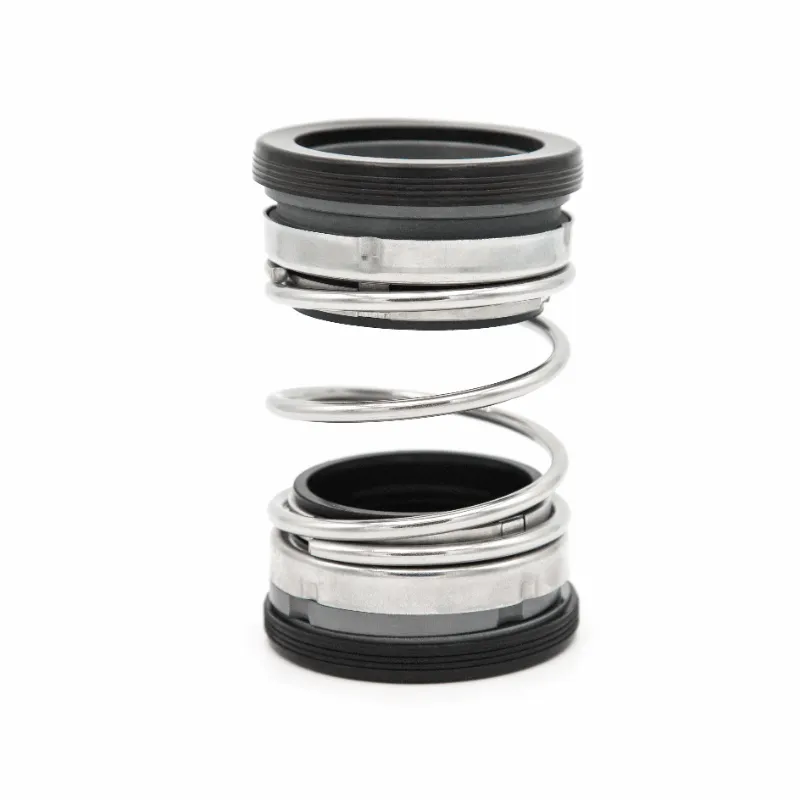
Rocket Engine Seals represent critical components in aerospace propulsion systems, serving as the backbone for ensuring optimal performance and safety in rocket operations. These specialized sealing solutions are engineered to withstand the extreme conditions present in rocket engines, including intense heat, pressure variations, and corrosive chemical environments. The primary functions of Rocket Engine Seals encompass preventing propellant leakage, maintaining chamber pressure integrity, and protecting sensitive engine components from contamination. These seals operate within turbopumps, combustion chambers, nozzle assemblies, and various interconnected systems throughout the propulsion unit. The technological features of modern Rocket Engine Seals include advanced material compositions utilizing high-temperature polymers, metal alloys, and ceramic compounds that maintain structural integrity under demanding operational parameters. Manufacturing processes incorporate precision machining, specialized coatings, and rigorous quality control protocols to ensure dimensional accuracy and performance consistency. Contemporary designs feature multi-layered configurations that provide redundant sealing capabilities, enhancing reliability during critical mission phases. The seals integrate sophisticated geometries optimized for specific pressure differentials and thermal expansion characteristics inherent in rocket engine operations. Applications for Rocket Engine Seals span commercial satellite launches, military defense systems, space exploration missions, and emerging reusable rocket technologies. These components find implementation in liquid-fueled engines, solid rocket motors, hybrid propulsion systems, and next-generation electric propulsion units. The versatility of Rocket Engine Seals enables their utilization across various rocket sizes, from small cubesats to heavy-lift launch vehicles. Advanced manufacturing techniques allow for customization based on specific mission requirements, propellant types, and operational environments. Quality assurance protocols ensure each Rocket Engine Seals assembly meets stringent aerospace standards and regulatory compliance requirements, supporting successful mission outcomes and crew safety objectives throughout diverse space exploration endeavors.

Popular Products

Rocket Engine Seals deliver exceptional performance benefits that directly impact mission success rates and operational efficiency across aerospace applications. The superior temperature resistance of these sealing systems enables continuous operation in environments exceeding 2000 degrees Fahrenheit, significantly outperforming conventional sealing materials that fail under such extreme conditions. This enhanced thermal capability translates to improved engine reliability and reduced maintenance requirements, resulting in substantial cost savings for launch providers and space agencies. The pressure containment characteristics of Rocket Engine Seals ensure optimal propellant utilization by preventing costly leakage that could compromise thrust generation and mission trajectories. Advanced materials engineering provides excellent chemical compatibility with various propellant combinations, including liquid oxygen, hydrogen, kerosene, and specialized hypergolic fuels, eliminating concerns about seal degradation that could lead to catastrophic engine failures. The lightweight design of modern Rocket Engine Seals contributes to overall vehicle mass optimization, allowing for increased payload capacity or extended mission duration capabilities that provide significant competitive advantages in commercial launch markets. Installation simplicity reduces assembly time and labor costs while minimizing the potential for human error during critical manufacturing processes. The modular design approach enables rapid replacement and maintenance operations, supporting quick turnaround times essential for reusable launch vehicle programs. Enhanced durability characteristics extend operational lifecycles, reducing replacement frequency and associated downtime that impacts launch scheduling and revenue generation. The precision manufacturing tolerances of Rocket Engine Seals ensure consistent performance across multiple engine cycles, providing predictable operational parameters that mission planners rely upon for accurate trajectory calculations and fuel consumption estimates. Contamination resistance properties protect sensitive engine components from debris and foreign substances that could cause premature wear or unexpected failures during critical flight phases. The proven track record of Rocket Engine Seals in successful space missions provides confidence for insurance providers and regulatory agencies, facilitating project approvals and reducing overall program risks that could delay or cancel important space exploration initiatives.

Practical Tips

Metal Bellow Seals vs Standard Seals: What's Better?

27

Jun

Metal Bellow Seals vs Standard Seals: What's Better?

Understanding Metal Bellow Seals and Standard Seals Metal Bellow Seals: Definition and Core Characteristics Metal bellow seals are specialized sealing solutions that utilize a flexible bellow structure made primarily from metals such as stainless st...
View More
What Are the Different Types of Agitator Seals?

21

Jul

What Are the Different Types of Agitator Seals?

Exploring Sealing Solutions for Industrial Mixing Systems In industrial mixing applications, maintaining a controlled, leak-free environment is essential to ensure product quality, process efficiency, and safety. Agitator seals play a pivotal role in...
View More
How to Select the Right Agitator Seal Pressure Suppliers for Your Needs?

06

Aug

How to Select the Right Agitator Seal Pressure Suppliers for Your Needs?

Sealing Excellence Begins with the Right Supplier In industrial settings where mixing, processing, and fluid containment are essential, the importance of robust sealing systems cannot be overstated. Agitator seal pressure systems serve as a critical ...
View More
Agitator Seal Pressure Applications in Chemical and Pharmaceutical Plants

06

Aug

Agitator Seal Pressure Applications in Chemical and Pharmaceutical Plants

Importance of Sealing Integrity in Industrial Processing Environments In chemical and pharmaceutical plants, the integrity of sealing systems is vital for ensuring safety, process efficiency, and product quality. A small leakage or contamination due ...
View More

Get a Free Quote

Our representative will contact you soon.
Email
Name
Company Name
Country/Region
Message
0/1000

Rocket Engine Seals

Advanced Material Technology for Extreme Environment Performance

Advanced Material Technology for Extreme Environment Performance

The revolutionary material technology employed in Rocket Engine Seals represents a breakthrough in aerospace engineering, specifically designed to withstand the most challenging operational environments encountered in space propulsion systems. These advanced materials incorporate cutting-edge polymer matrices reinforced with specialized fillers that maintain structural integrity under temperature fluctuations ranging from cryogenic fuel handling conditions to the intense heat generated during combustion processes. The molecular structure of these materials has been optimized through extensive research and development programs, resulting in exceptional resistance to thermal cycling fatigue that commonly affects conventional sealing solutions. This technological advancement eliminates the risk of seal failure during rapid temperature transitions that occur during engine startup and shutdown sequences, which are critical phases where component reliability directly impacts mission success. The chemical inertness of these materials ensures compatibility with aggressive propellants and oxidizers, preventing degradation reactions that could compromise seal performance or introduce contaminants into the propulsion system. Advanced manufacturing processes enable precise control over material density and porosity, optimizing the balance between flexibility and strength required for effective sealing under dynamic pressure conditions. The incorporation of nanotechnology enhances the surface properties of Rocket Engine Seals, providing superior wear resistance and extended operational lifecycles that reduce maintenance costs and improve overall system reliability. Specialized coating technologies further enhance the performance characteristics, providing additional protection against corrosion and erosion that can occur in high-velocity fluid environments. The development of these advanced materials required extensive testing programs including thermal cycling, pressure pulsation, and chemical exposure studies that validate performance under simulated mission conditions. This comprehensive approach ensures that Rocket Engine Seals deliver consistent performance throughout their operational envelope, providing mission planners with reliable performance data for critical design decisions and operational procedures that support successful space exploration objectives.
Precision Engineering for Superior Reliability and Performance

Precision Engineering for Superior Reliability and Performance

The precision engineering approach utilized in the development and manufacturing of Rocket Engine Seals establishes new standards for reliability and performance consistency in aerospace sealing applications. This meticulous attention to detail encompasses every aspect of the design process, from initial concept development through final quality verification procedures that ensure each component meets stringent performance specifications. Advanced computer-aided design tools enable engineers to optimize seal geometries for specific applications, considering factors such as pressure differentials, thermal expansion characteristics, and installation constraints that influence overall system performance. The manufacturing processes incorporate state-of-the-art machining technologies capable of achieving tolerances measured in micrometers, ensuring proper fit and function within complex engine assemblies where dimensional accuracy directly impacts sealing effectiveness. Quality control protocols include comprehensive inspection procedures utilizing coordinate measuring machines, surface roughness analyzers, and specialized testing equipment that verifies compliance with aerospace industry standards and customer specifications. The engineering approach considers the entire operational lifecycle of Rocket Engine Seals, incorporating design features that facilitate installation, maintenance, and replacement operations while minimizing the potential for human error during critical assembly procedures. Finite element analysis techniques validate stress distributions and deformation characteristics under various loading conditions, ensuring adequate safety margins that account for operational uncertainties and material property variations. The precision engineering methodology extends to supply chain management, implementing rigorous vendor qualification programs and incoming material inspection procedures that maintain consistency across all components and raw materials utilized in the manufacturing process. Advanced statistical process control techniques monitor production parameters in real-time, enabling immediate corrective actions that prevent the production of non-conforming products and maintain the high quality standards demanded by aerospace customers. This comprehensive approach to precision engineering results in Rocket Engine Seals that demonstrate exceptional reliability throughout demanding mission profiles, providing space agencies and commercial launch providers with the confidence necessary for successful space exploration programs and satellite deployment operations.
Versatile Applications Across Diverse Rocket Systems

Versatile Applications Across Diverse Rocket Systems

The versatile design and adaptable characteristics of Rocket Engine Seals enable successful implementation across an extensive range of rocket systems and propulsion technologies, demonstrating exceptional flexibility that addresses the diverse requirements of modern aerospace applications. This versatility stems from modular design approaches that allow for customization based on specific engine configurations, propellant types, and operational parameters while maintaining the fundamental performance characteristics that ensure reliable sealing under extreme conditions. The compatibility of Rocket Engine Seals with various propulsion architectures includes traditional liquid-fueled engines utilizing kerosene or hydrogen fuel combinations, solid rocket motors employing composite propellant formulations, and emerging hybrid systems that combine elements of both technologies to optimize performance for specific mission requirements. Advanced design methodologies enable rapid adaptation to new propellant combinations and engine configurations as they are developed, ensuring that Rocket Engine Seals remain relevant and effective as propulsion technology continues to evolve. The scalability of these sealing solutions accommodates applications ranging from small satellite propulsion systems to massive heavy-lift launch vehicles, demonstrating the robust engineering principles that underlie their development and manufacturing processes. Installation flexibility allows integration into both newly manufactured engines and retrofit applications for existing propulsion systems, providing cost-effective upgrade paths that enhance performance without requiring complete system replacement. The standardization of interfaces and mounting configurations facilitates interchangeability between different manufacturers and system designs, reducing inventory requirements and simplifying maintenance operations for organizations operating multiple rocket platforms. Quality certification processes ensure compliance with international aerospace standards and regulatory requirements across different markets and applications, enabling global deployment of these sealing solutions without concerns about regional compliance issues. The proven performance record of Rocket Engine Seals across diverse mission profiles provides valuable operational data that supports continuous improvement efforts and validates design decisions for future applications. This comprehensive versatility makes Rocket Engine Seals an essential component for space agencies, commercial launch providers, and defense organizations seeking reliable sealing solutions that can adapt to evolving mission requirements and emerging technologies in the rapidly advancing aerospace industry.

Get a Free Quote

Our representative will contact you soon.
Email
Name
Company Name
Country/Region
Message
0/1000