Mechanical Seals for Rotating Equipment
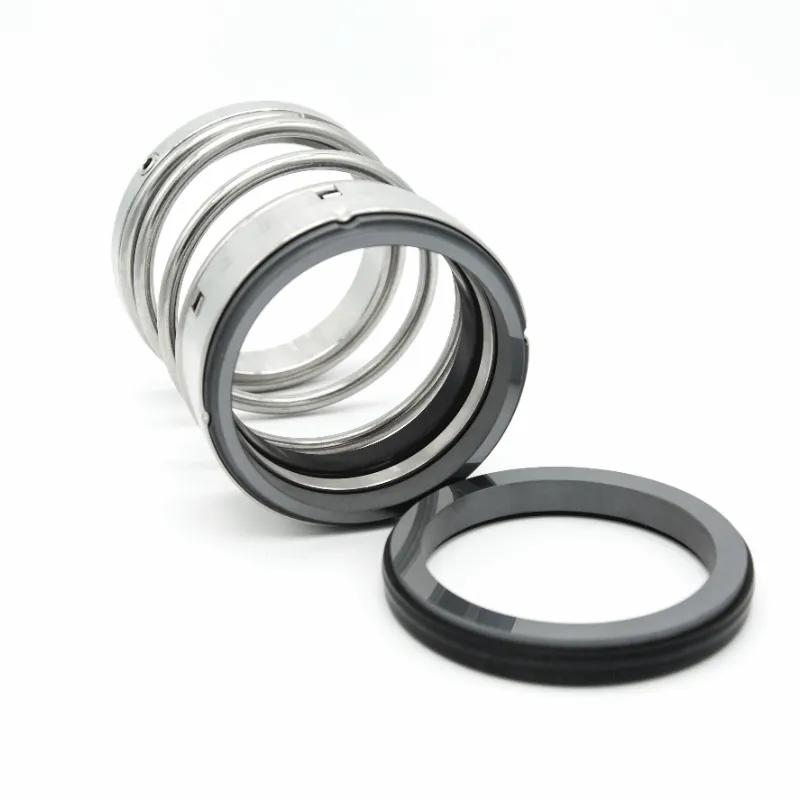
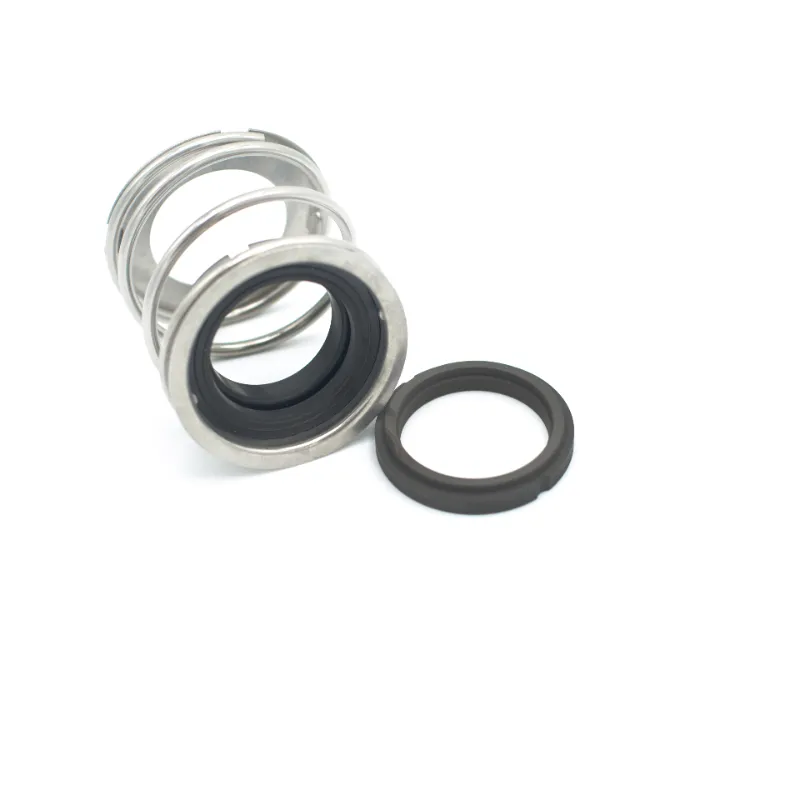
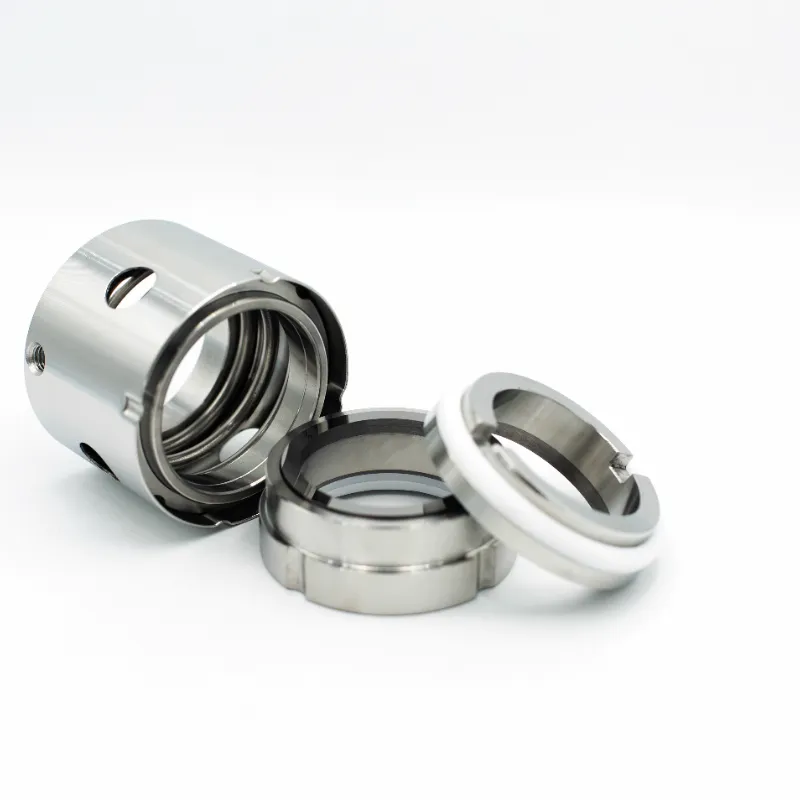
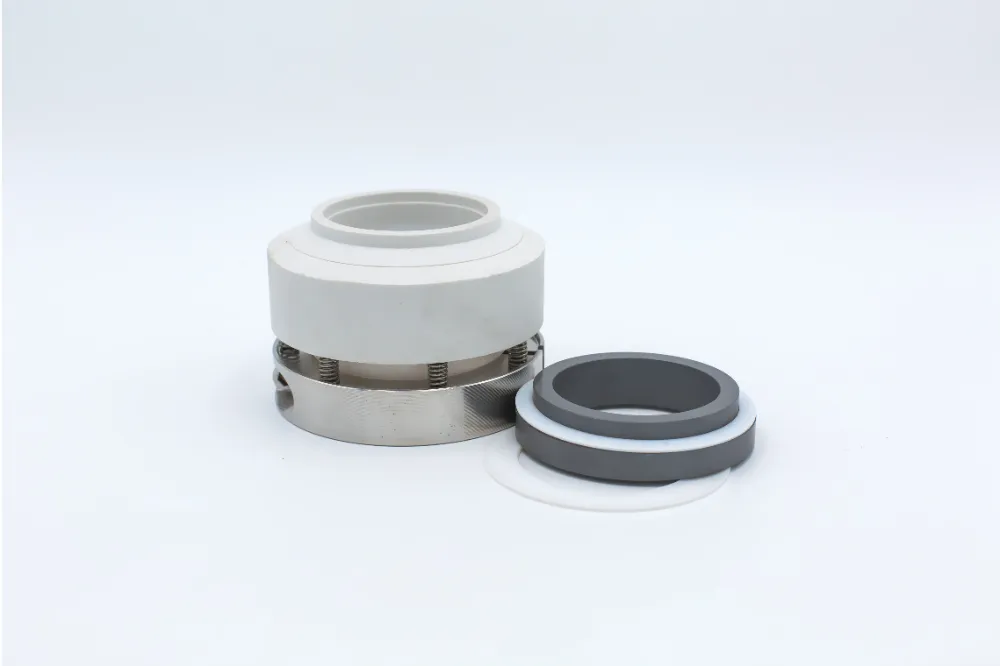
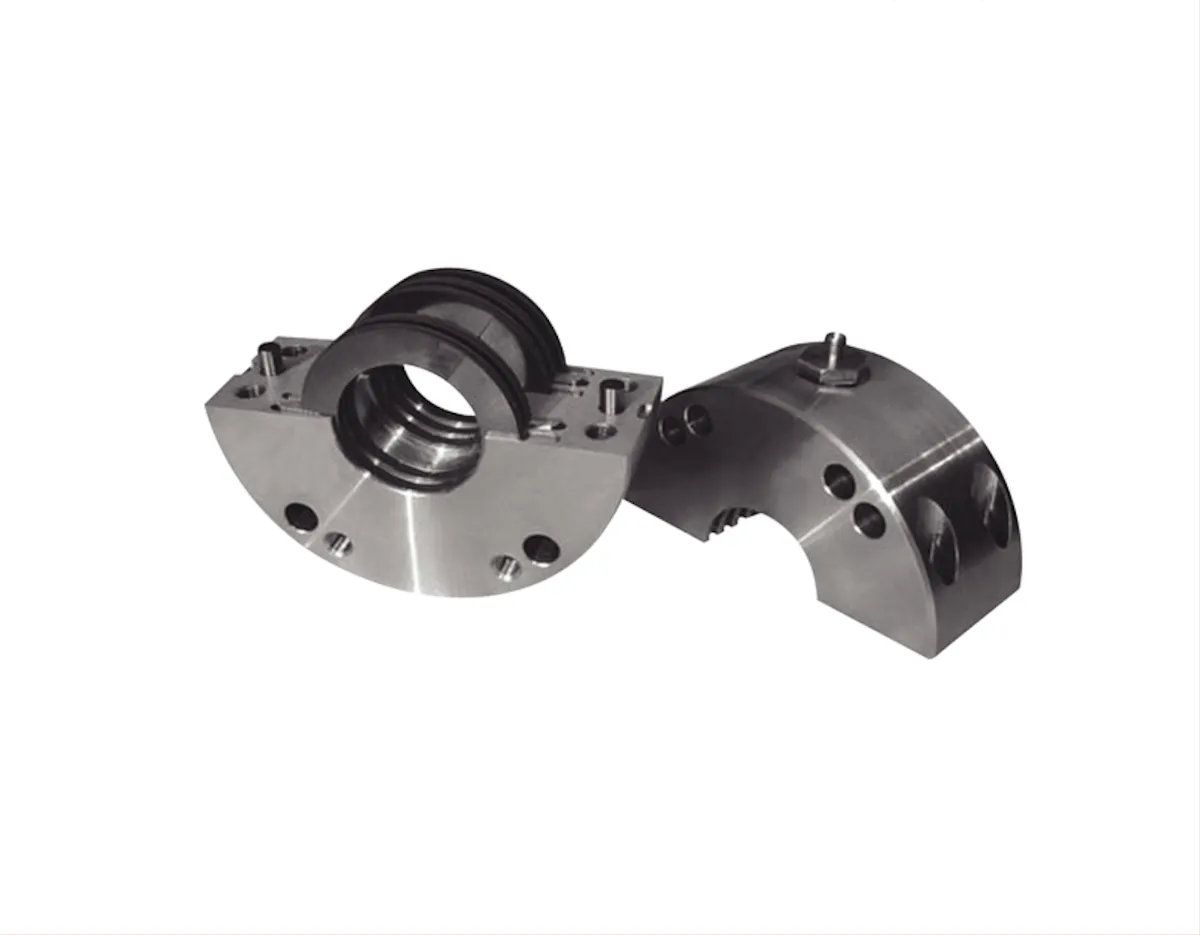
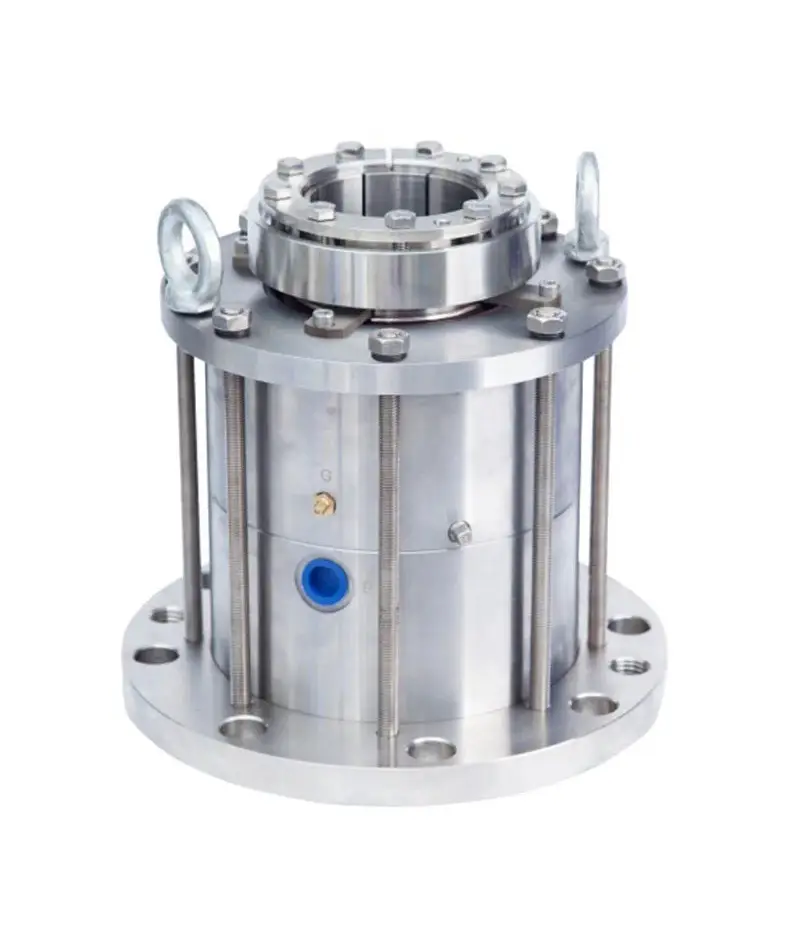
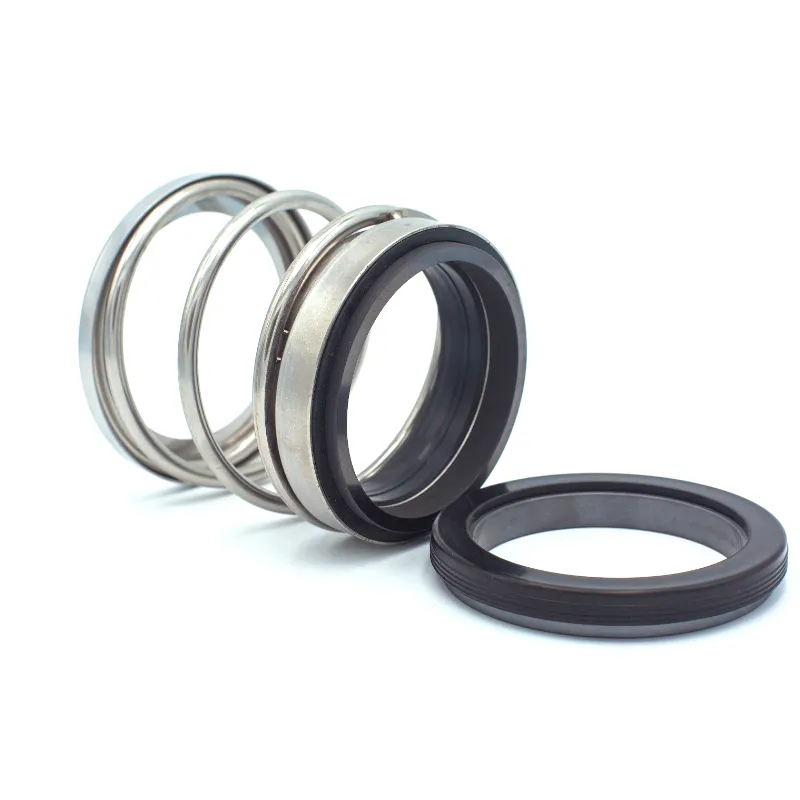
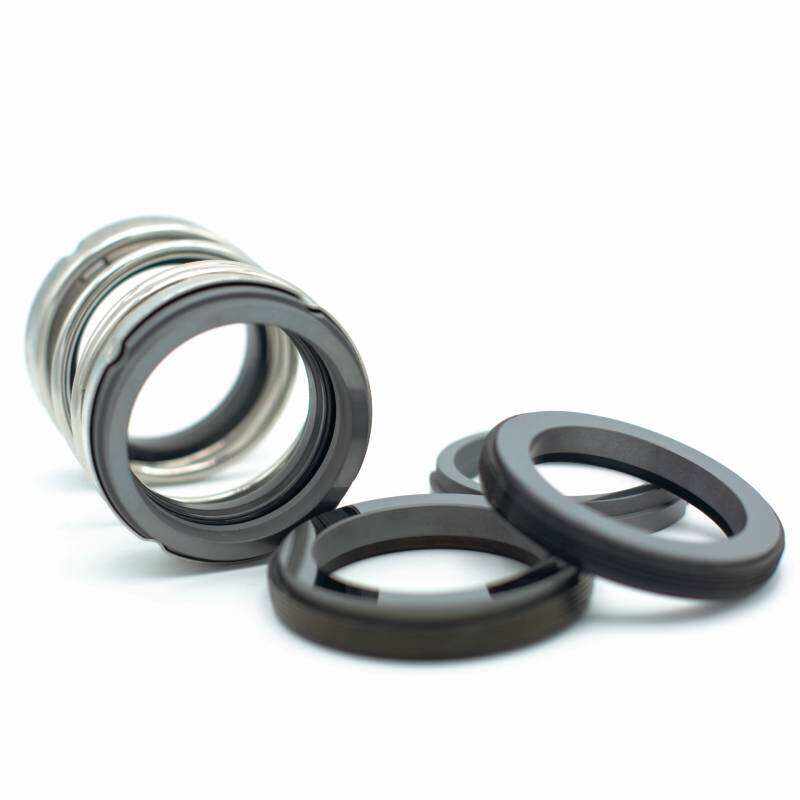
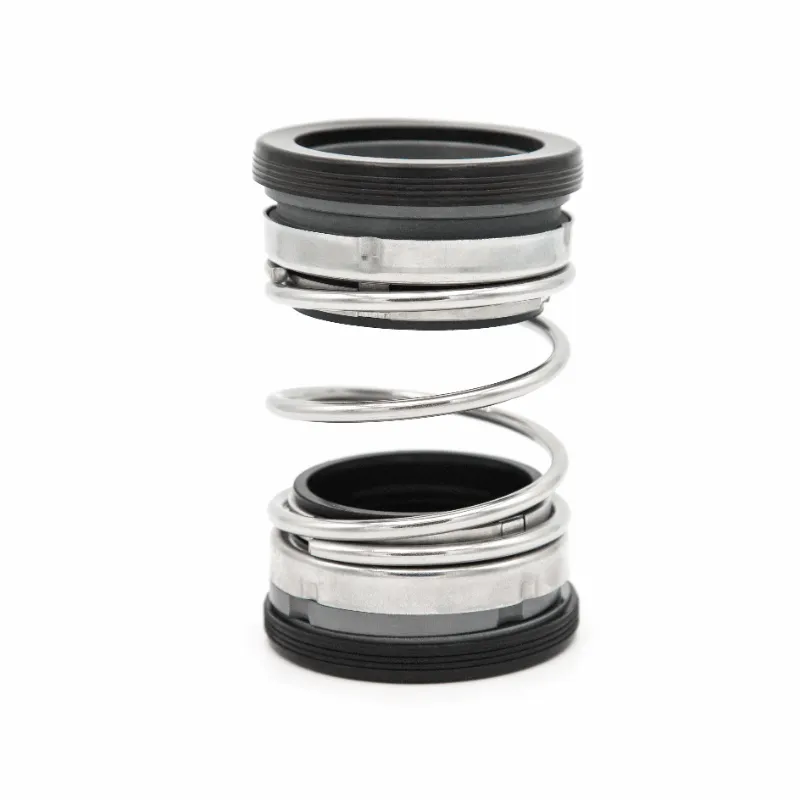
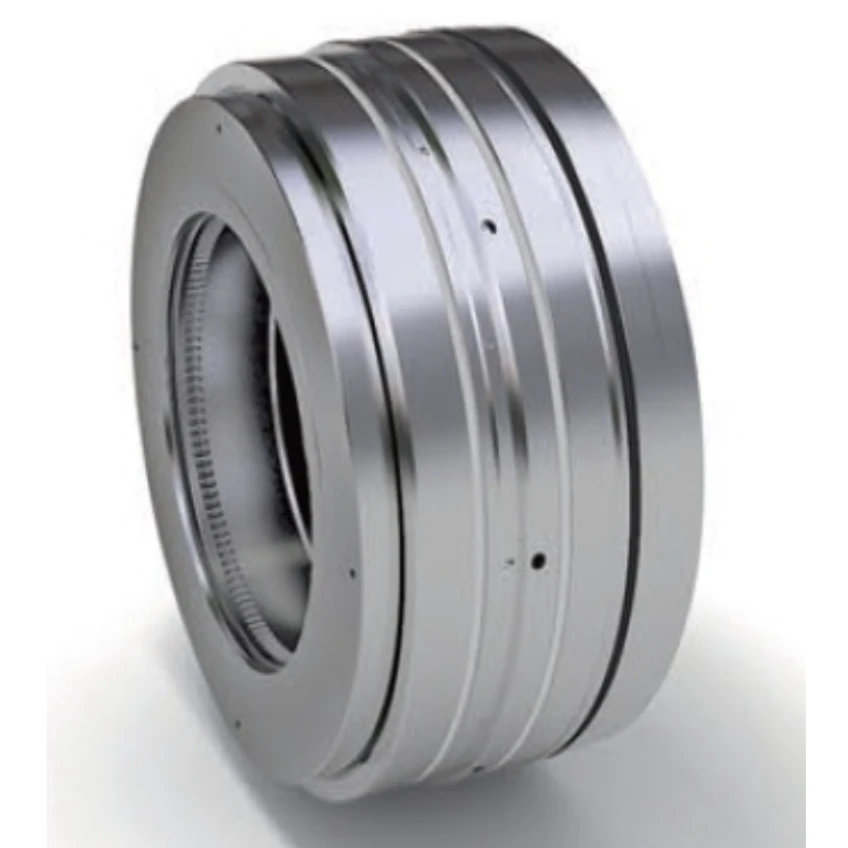
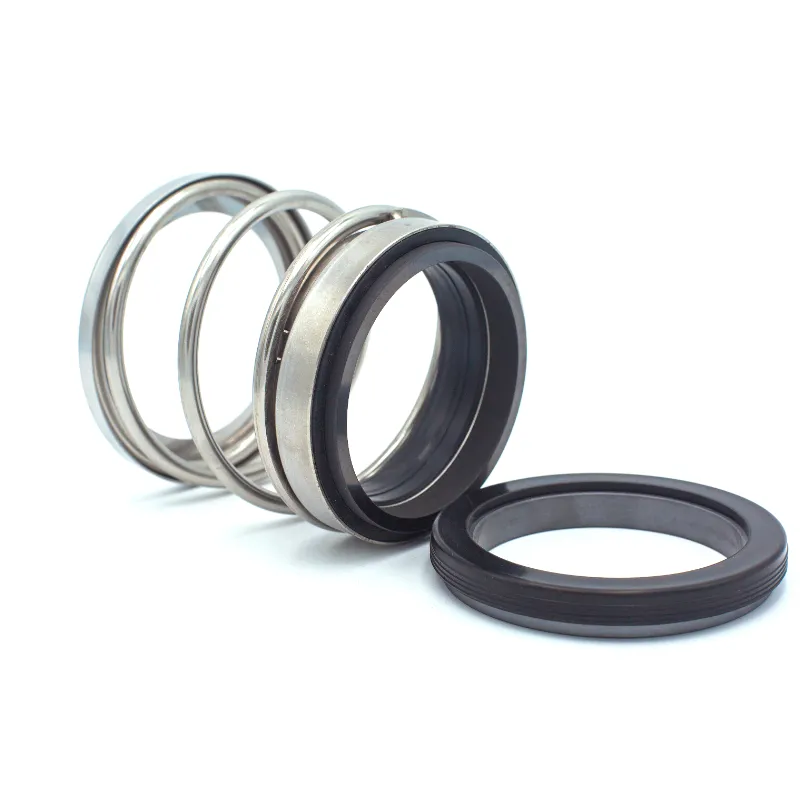
Mechanical Seals for Rotating Equipment represent critical components that prevent fluid leakage between stationary and rotating parts in industrial machinery. These sophisticated sealing solutions operate by maintaining contact between two precisely machined surfaces - typically one rotating with the shaft and one stationary within the equipment housing. The primary function of Mechanical Seals for Rotating Equipment involves creating a reliable barrier that contains process fluids while allowing shaft rotation with minimal friction and wear. These seals effectively manage pressure differentials, temperature variations, and chemical compatibility challenges across diverse industrial applications. The technological features of Mechanical Seals for Rotating Equipment include advanced materials such as silicon carbide, tungsten carbide, and specialized elastomers that provide exceptional durability and chemical resistance. Modern designs incorporate spring-loaded mechanisms that maintain optimal contact pressure between seal faces, compensating for thermal expansion and shaft deflection. Temperature management systems, including cooling jackets and flush arrangements, ensure consistent performance under extreme operating conditions. These seals utilize precision engineering tolerances measured in micrometers, guaranteeing minimal leakage rates and extended service life. Applications for Mechanical Seals for Rotating Equipment span numerous industries including chemical processing, petroleum refining, water treatment, pharmaceutical manufacturing, and power generation. They are essential components in centrifugal pumps, compressors, mixers, agitators, and turbines where reliable sealing performance directly impacts operational efficiency and environmental compliance. The versatility of Mechanical Seals for Rotating Equipment allows customization for specific process requirements, including high-pressure applications exceeding 1000 PSI, temperature ranges from cryogenic to 500°C, and compatibility with corrosive chemicals, abrasive slurries, and hazardous substances.
 EN
EN