Carbon Mechanical Seals - Premium Industrial Sealing Solutions for Reliable Performance

Get a Free Quote

Our representative will contact you soon.
Email
Name
Company Name
Message
0/1000

Carbon Mechanical Seals

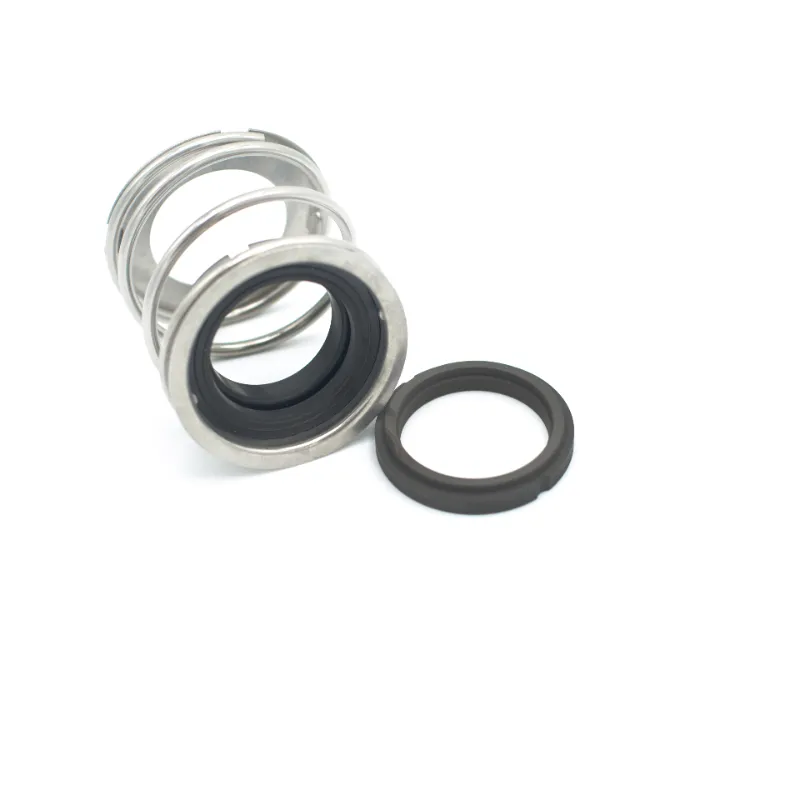
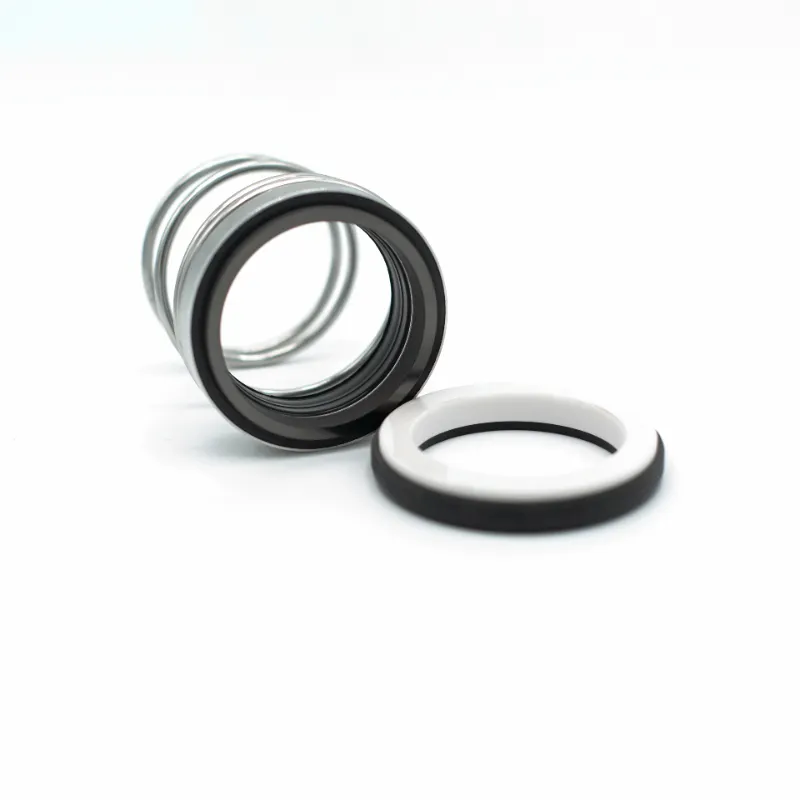
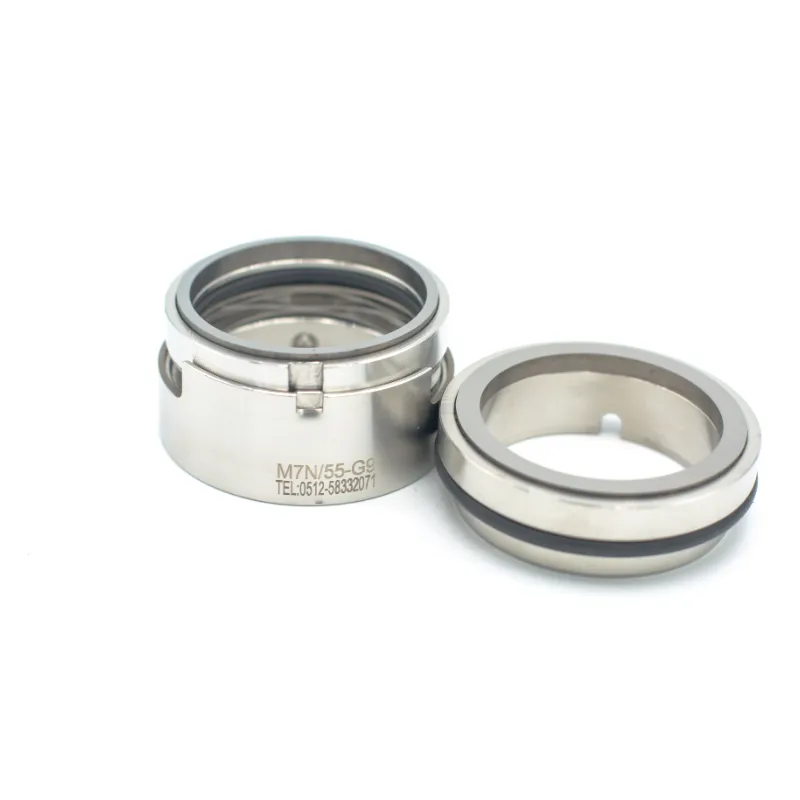
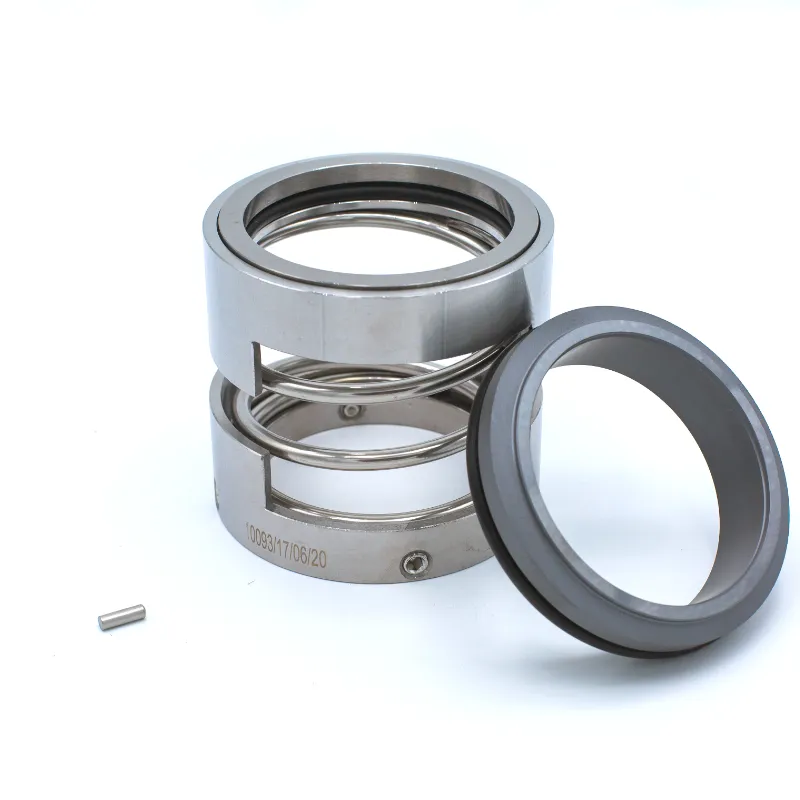
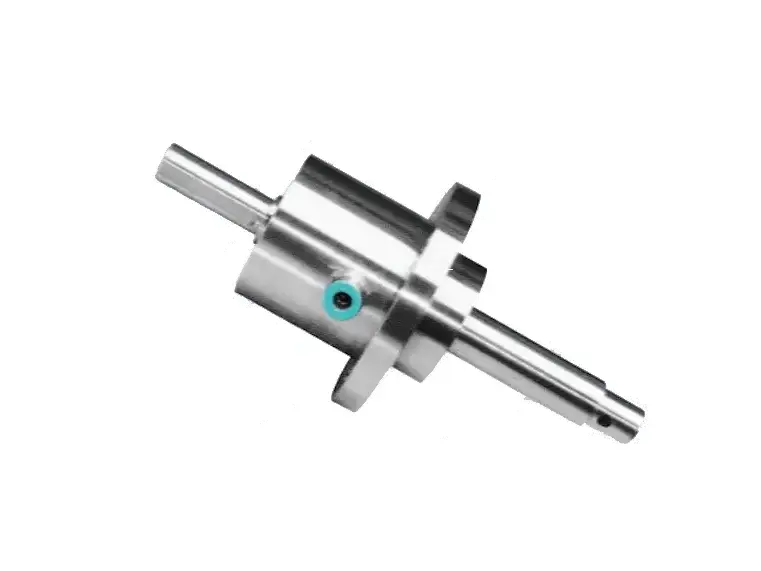
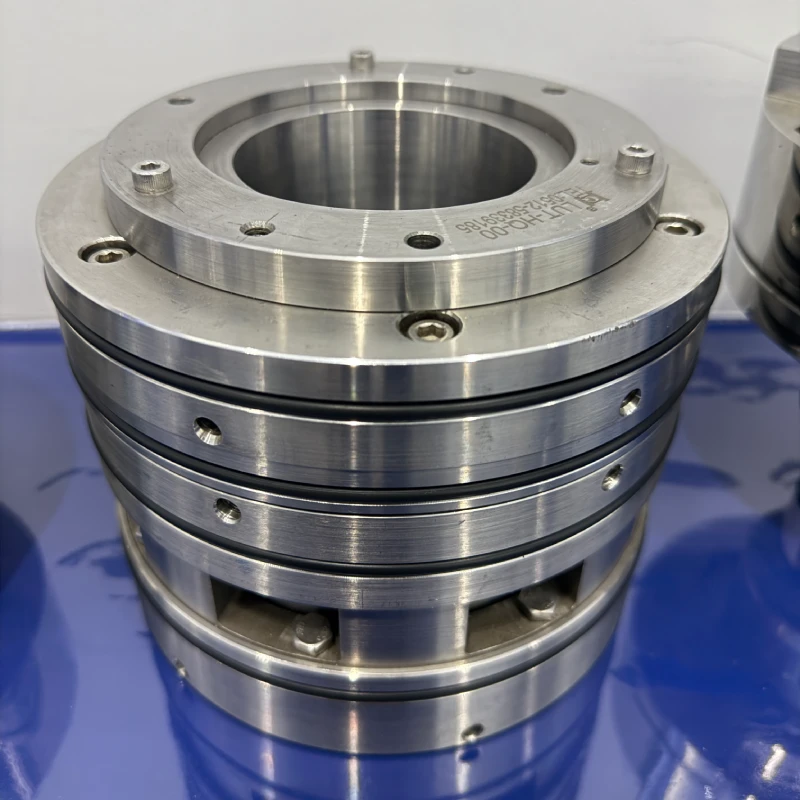
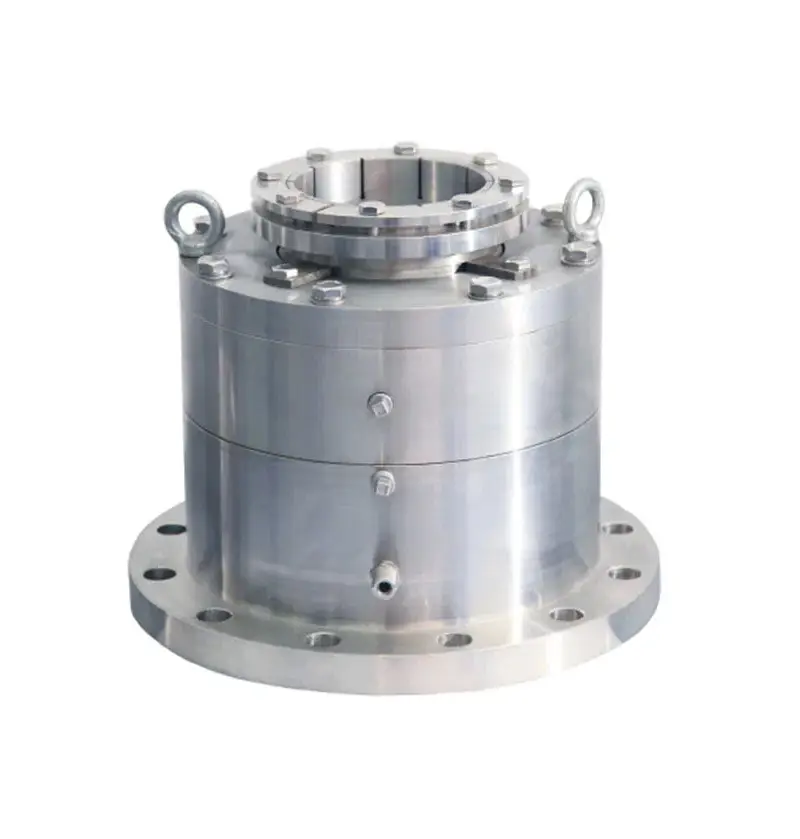
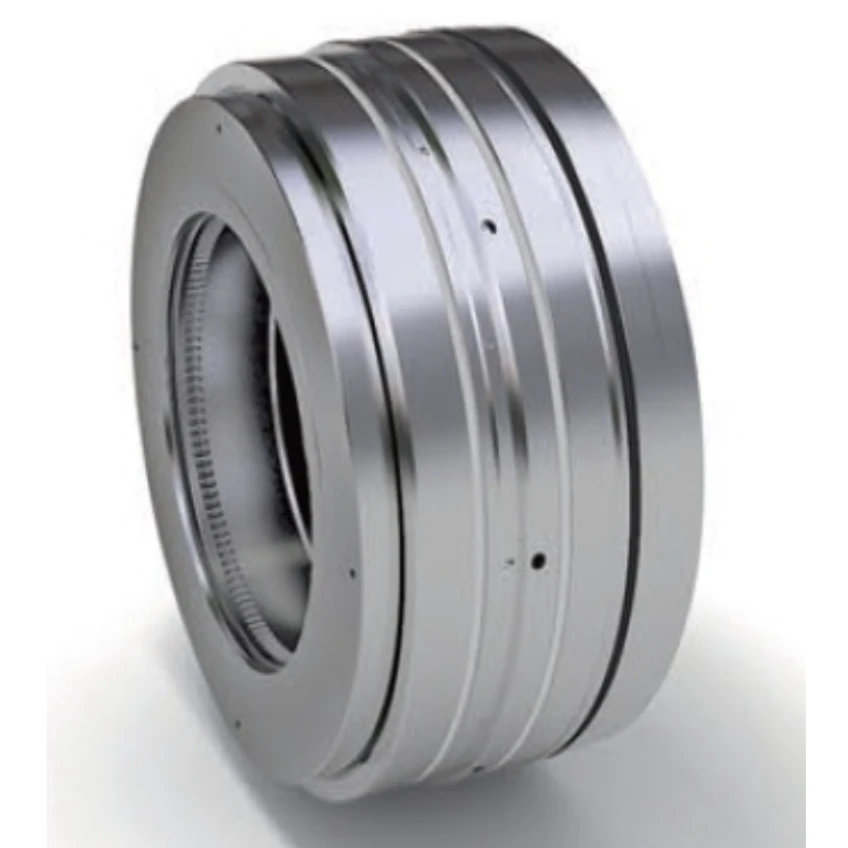
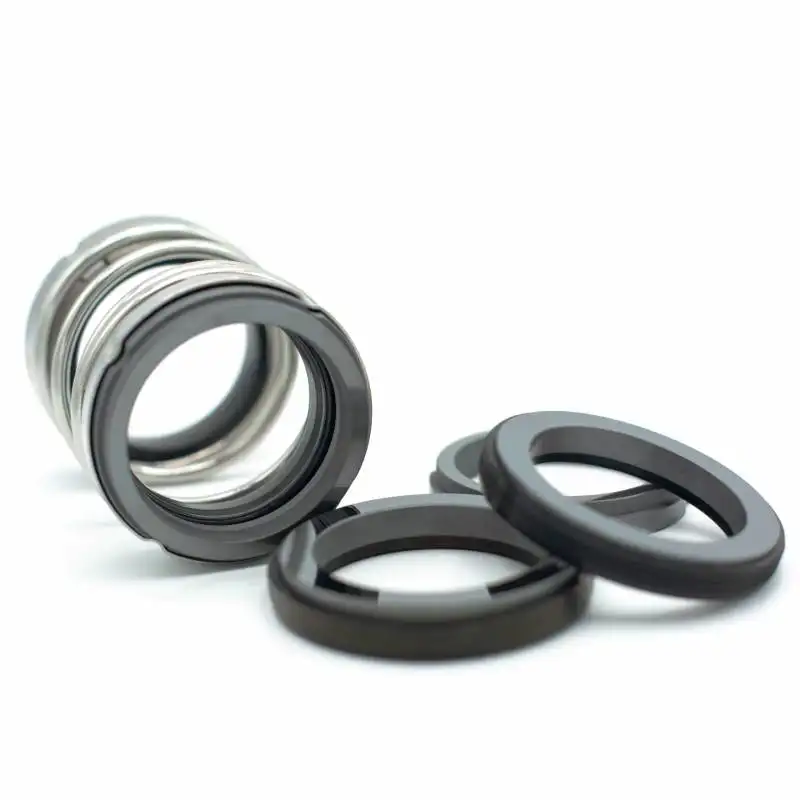
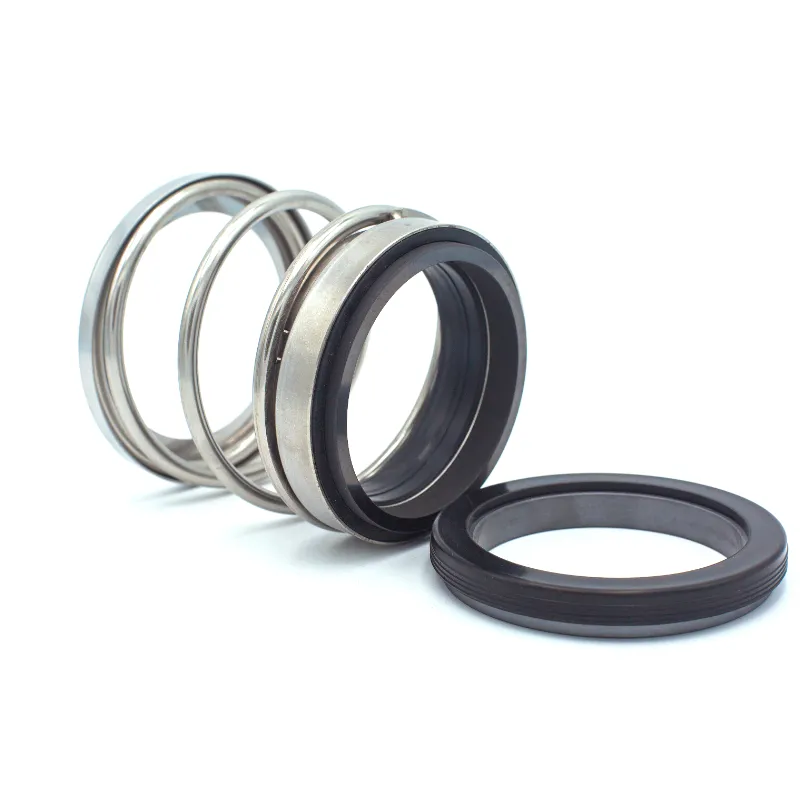
Carbon Mechanical Seals represent a critical advancement in industrial sealing technology, designed to prevent fluid leakage between rotating and stationary components in various mechanical systems. These precision-engineered sealing solutions utilize high-quality carbon materials combined with sophisticated mechanical design principles to create reliable barriers against unwanted fluid migration. The primary function of Carbon Mechanical Seals involves maintaining separation between different pressure zones while allowing rotational movement, making them indispensable components in pumps, compressors, mixers, and numerous other rotating equipment applications. The technological foundation of Carbon Mechanical Seals rests on the careful selection of carbon-based materials that exhibit exceptional wear resistance, chemical compatibility, and thermal stability. These seals typically consist of a rotating ring made from carbon graphite materials and a stationary mating ring, often constructed from ceramic, tungsten carbide, or stainless steel. The sealing interface operates through precise face-to-face contact maintained by spring pressure and hydraulic forces, creating an effective barrier while minimizing friction and wear. Advanced manufacturing processes ensure optimal surface finish and dimensional accuracy, enabling Carbon Mechanical Seals to maintain consistent performance across extended operational periods. The spring-loaded design compensates for wear and thermal expansion, ensuring continuous sealing effectiveness throughout the service life. Applications for Carbon Mechanical Seals span across diverse industrial sectors including chemical processing, water treatment facilities, oil and gas operations, pharmaceutical manufacturing, and power generation plants. These versatile sealing solutions accommodate various fluid types ranging from clean water to aggressive chemicals, making them suitable for challenging operational environments. The self-lubricating properties of carbon materials contribute to reduced maintenance requirements while providing excellent thermal conductivity for heat dissipation. Carbon Mechanical Seals demonstrate superior performance in high-temperature applications where conventional elastomeric seals would fail, offering reliable operation in temperatures exceeding 200 degrees Celsius.

New Product Releases

Carbon Mechanical Seals deliver exceptional durability that significantly reduces maintenance costs and operational downtime for industrial equipment. The carbon construction material provides outstanding wear resistance, allowing these seals to operate continuously for thousands of hours without requiring replacement or adjustment. This extended service life translates directly into cost savings through reduced maintenance intervals and decreased spare parts inventory requirements. The self-lubricating characteristics of carbon eliminate the need for external lubrication systems, simplifying installation procedures and reducing ongoing maintenance complexity. These seals maintain consistent sealing performance across wide temperature ranges, from sub-zero conditions to extreme heat applications, making them suitable for diverse industrial processes without requiring multiple seal types. The chemical resistance properties of Carbon Mechanical Seals enable safe handling of corrosive fluids, acids, bases, and solvents that would rapidly degrade alternative sealing materials. This chemical compatibility eliminates premature seal failure and prevents costly equipment damage caused by seal deterioration. The precise manufacturing tolerances achieved in Carbon Mechanical Seals ensure minimal leakage rates, protecting valuable process fluids and preventing environmental contamination. Lower friction coefficients compared to traditional packing materials result in reduced power consumption and decreased wear on rotating shafts and equipment components. The thermal conductivity of carbon materials facilitates efficient heat dissipation, preventing thermal buildup that could compromise sealing performance or damage surrounding equipment. Carbon Mechanical Seals accommodate shaft misalignment and vibration better than rigid sealing alternatives, maintaining effective sealing under challenging operational conditions. The standardized dimensions and mounting configurations simplify replacement procedures, allowing maintenance personnel to quickly install new seals without extensive equipment modifications. These seals operate effectively across broad pressure ranges, from vacuum applications to high-pressure systems, providing versatile sealing solutions for various industrial requirements. The reduced emissions achieved through superior sealing performance help facilities comply with environmental regulations while minimizing product loss. Installation costs remain minimal due to straightforward mounting procedures that require basic tools and minimal specialized knowledge. The proven reliability of Carbon Mechanical Seals reduces insurance costs and liability risks associated with equipment failures and environmental incidents.

Practical Tips

Can Metal Bellow Seals Reduce Maintenance Costs?

27

Jun

Can Metal Bellow Seals Reduce Maintenance Costs?

Understanding Metal Bellow Seals and Their Core Mechanics Key Components and Design Features of Metal Bellow Seals Metal bellow seals are meticulously designed to meet specific industry standards and operational requirements. Their basic structure i...
View More
Why Are Dry Gas Seals Critical in Oil & Gas Industry?

27

Jun

Why Are Dry Gas Seals Critical in Oil & Gas Industry?

Essential Functions of Dry Gas Seals in Industrial Operations Preventing Process Gas Leaks in Turbomachinery Dry gas seals play a crucial role in preventing leaks of process gas, which is essential for maintaining operational safety and efficiency i...
View More
What Are the Different Types of Agitator Seals?

21

Jul

What Are the Different Types of Agitator Seals?

Exploring Sealing Solutions for Industrial Mixing Systems In industrial mixing applications, maintaining a controlled, leak-free environment is essential to ensure product quality, process efficiency, and safety. Agitator seals play a pivotal role in...
View More
What Is Agitator Seal Pressure and Why It Matters in Industrial Equipment?

06

Aug

What Is Agitator Seal Pressure and Why It Matters in Industrial Equipment?

Importance of Pressure Control in Industrial Sealing Systems Industrial processes often involve extreme conditions—high temperatures, intense pressures, and reactive chemicals. To maintain system safety and ensure reliable performance, manufac...
View More

Get a Free Quote

Our representative will contact you soon.
Email
Name
Company Name
Country/Region
Message
0/1000

Carbon Mechanical Seals

Superior Wear Resistance and Extended Service Life

Superior Wear Resistance and Extended Service Life

Carbon Mechanical Seals demonstrate exceptional wear resistance characteristics that fundamentally distinguish them from conventional sealing technologies in industrial applications. The carbon-based construction material exhibits inherent self-lubricating properties that create a protective film during operation, significantly reducing friction between sealing faces and extending operational life far beyond traditional alternatives. This remarkable wear resistance stems from the unique crystalline structure of carbon materials, which maintains mechanical integrity under extreme operating conditions while providing consistent sealing performance throughout extended service periods. Laboratory testing consistently shows Carbon Mechanical Seals operating effectively for over 8,000 hours in demanding applications, compared to traditional packing materials that typically require replacement every 2,000 hours. The economic implications of this extended service life prove substantial for industrial facilities, as reduced replacement frequency directly translates to lower maintenance costs, decreased equipment downtime, and improved production efficiency. The self-lubricating nature eliminates dependency on external lubrication systems, reducing maintenance complexity while preventing contamination issues associated with lubricant breakdown or mixing with process fluids. Carbon materials maintain their structural properties across temperature cycles, preventing thermal stress failures that commonly affect alternative sealing materials. The gradual wear pattern of Carbon Mechanical Seals provides predictable maintenance scheduling, allowing facility managers to plan replacement activities during scheduled maintenance windows rather than responding to unexpected failures. This predictability proves especially valuable in continuous process industries where unplanned shutdowns result in significant financial losses. The superior wear resistance also maintains consistent clearances between sealing faces, preserving optimal sealing performance throughout the service life without gradual degradation. Installation procedures remain straightforward, with standardized mounting dimensions ensuring compatibility with existing equipment configurations. The proven durability record of Carbon Mechanical Seals provides confidence for critical applications where seal failure could result in safety hazards or environmental incidents.
Exceptional Chemical Compatibility and Temperature Resistance

Exceptional Chemical Compatibility and Temperature Resistance

Carbon Mechanical Seals provide unmatched chemical compatibility across an extensive range of process fluids, making them the preferred choice for facilities handling aggressive chemicals, corrosive substances, and high-purity applications. The inert nature of carbon materials ensures these seals maintain structural integrity when exposed to strong acids, caustic solutions, organic solvents, and oxidizing agents that would rapidly deteriorate elastomeric or metallic sealing alternatives. This broad chemical resistance eliminates the need for multiple seal types across different process lines, simplifying inventory management and reducing procurement costs while ensuring consistent sealing performance. The exceptional temperature resistance of Carbon Mechanical Seals enables operation in extreme thermal environments, from cryogenic applications at negative temperatures to high-heat processes exceeding 400 degrees Celsius. This thermal stability stems from the carbon material's ability to maintain mechanical properties across wide temperature ranges without experiencing thermal degradation or dimensional changes that could compromise sealing effectiveness. The thermal conductivity characteristics of carbon facilitate efficient heat dissipation away from sealing faces, preventing thermal buildup that could damage surrounding equipment components or affect process fluid properties. Carbon Mechanical Seals demonstrate remarkable resistance to thermal shock conditions, maintaining sealing integrity during rapid temperature changes that would crack or warp alternative materials. The chemical inertness prevents catalytic reactions that could alter process fluid composition or generate harmful byproducts, making these seals essential for pharmaceutical and food-grade applications where product purity remains critical. The non-reactive properties also prevent galvanic corrosion issues common with dissimilar metal combinations, extending equipment life while reducing maintenance requirements. Carbon materials resist swelling, softening, or hardening when exposed to various solvents and process chemicals, maintaining dimensional stability essential for consistent sealing performance. The compatibility with both aqueous and non-aqueous fluids provides versatility for facilities processing diverse product streams without requiring seal material changes.
Low Friction Operation and Energy Efficiency Benefits

Low Friction Operation and Energy Efficiency Benefits

Carbon Mechanical Seals deliver remarkable energy efficiency advantages through their inherently low friction characteristics, resulting in measurable reductions in power consumption and operating costs for rotating equipment applications. The self-lubricating properties of carbon materials create an ultra-thin boundary layer that minimizes contact friction between sealing faces, reducing the torque required to overcome sealing resistance during equipment operation. This friction reduction typically decreases power consumption by 15-25 percent compared to traditional packing seals, generating substantial energy cost savings over the equipment's operational lifetime. The smooth surface finish achieved through precision manufacturing processes further reduces friction coefficients, enabling equipment to operate at optimal efficiency levels while minimizing heat generation at sealing interfaces. Lower friction operation extends bearing life in rotating equipment by reducing shaft loading and eliminating the binding effects associated with tight-fitting packing materials. The reduced mechanical stress on drive systems decreases maintenance requirements for motors, gearboxes, and coupling components, providing system-wide reliability improvements beyond the immediate sealing function. Carbon Mechanical Seals maintain consistent friction characteristics throughout their service life, preventing the gradual increase in operating torque that commonly occurs with alternative sealing technologies as they wear or degrade. This consistency ensures predictable power consumption patterns and prevents unexpected increases in energy costs due to seal-related efficiency losses. The precision face-to-face sealing mechanism eliminates the radial shaft loading imposed by compression packing systems, allowing shafts to rotate freely without deflection or vibration issues. Environmental benefits result from reduced energy consumption, supporting sustainability initiatives while lowering carbon footprint metrics for industrial facilities. The efficient operation also reduces heat rejection requirements for cooling systems, providing additional energy savings in climate-controlled environments. Maintenance personnel report easier equipment startup procedures with Carbon Mechanical Seals due to lower breakaway torque requirements, reducing wear on starting systems and improving equipment availability. The combination of energy efficiency and operational reliability makes Carbon Mechanical Seals an investment that provides measurable returns through reduced operating costs and improved equipment performance metrics.

Get a Free Quote

Our representative will contact you soon.
Email
Name
Company Name
Country/Region
Message
0/1000