Superior Chemical Resistance and Material Engineering Extend Service Life
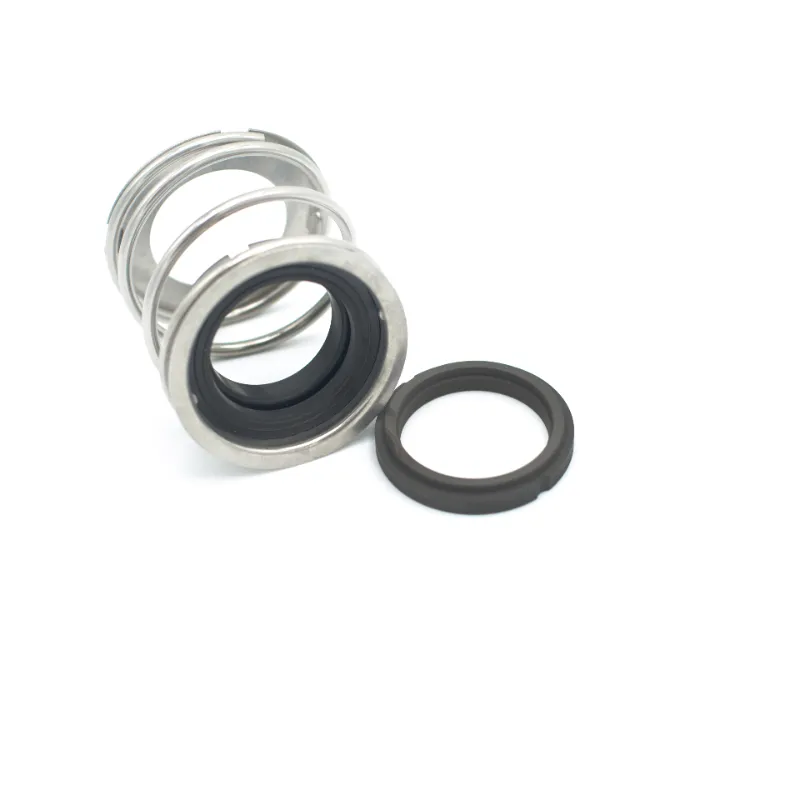
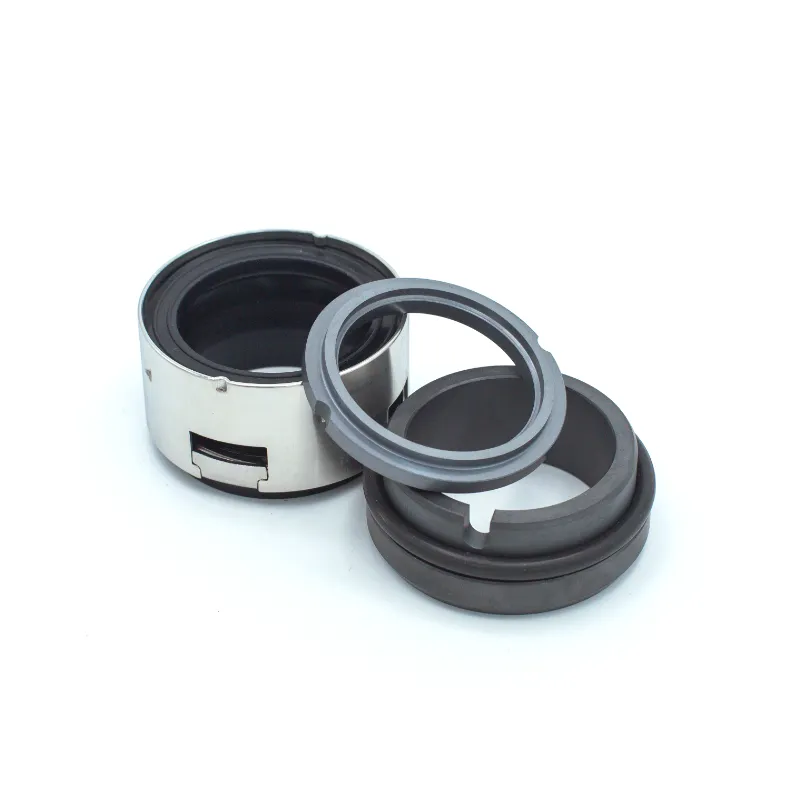
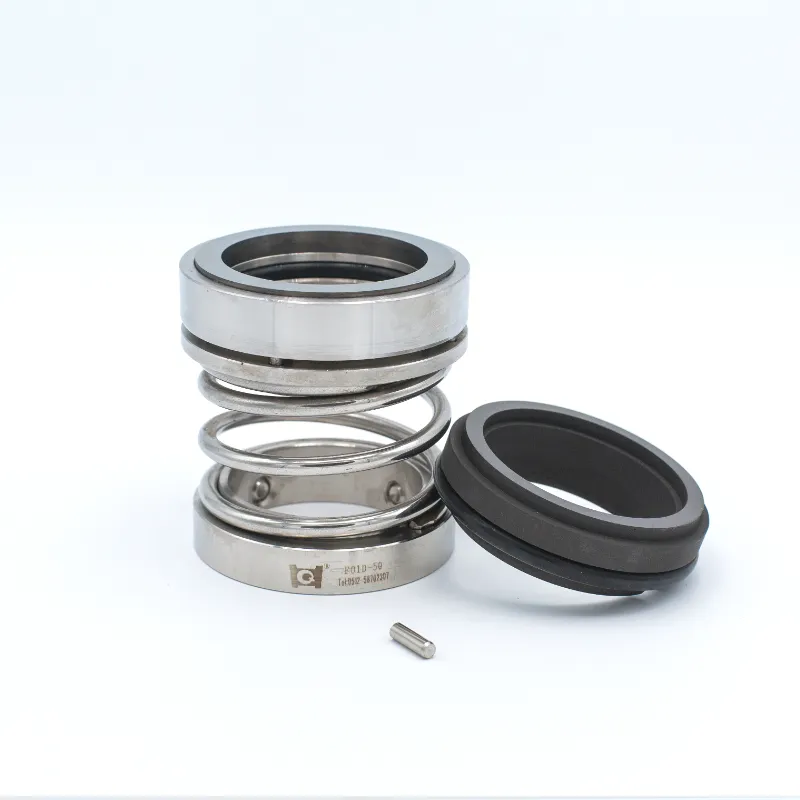
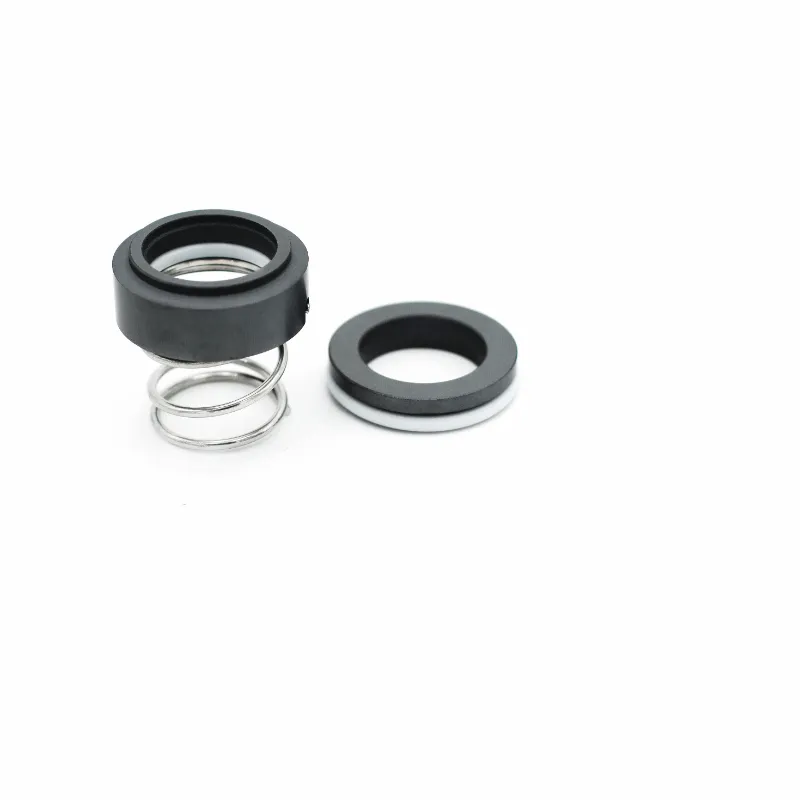
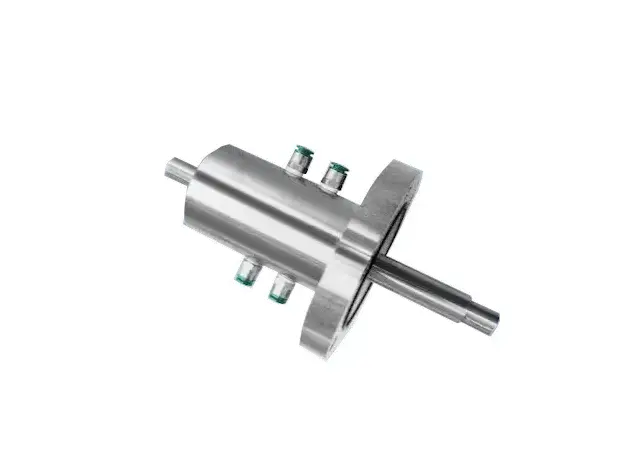
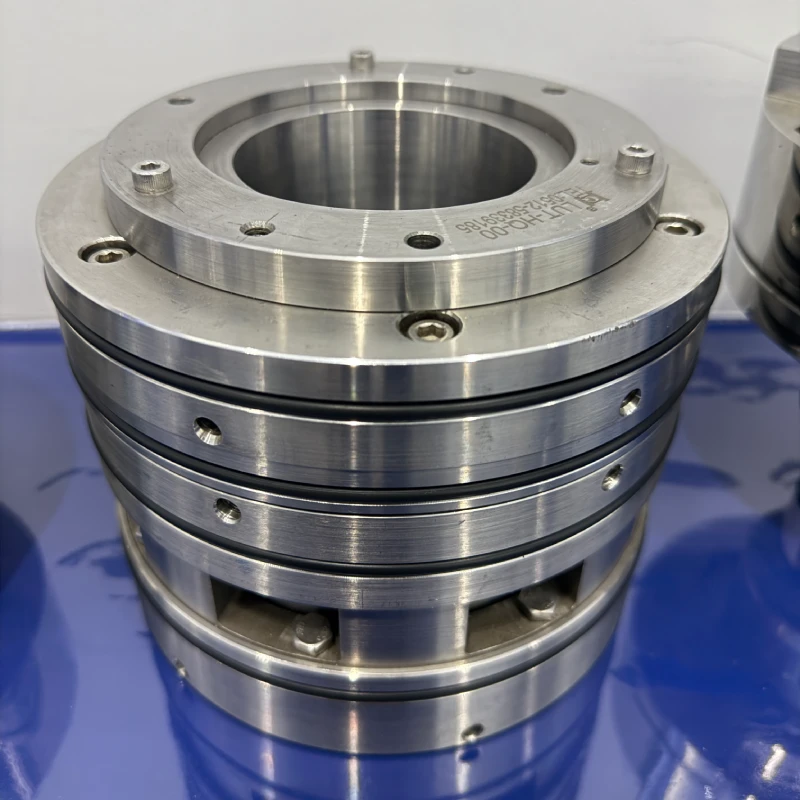
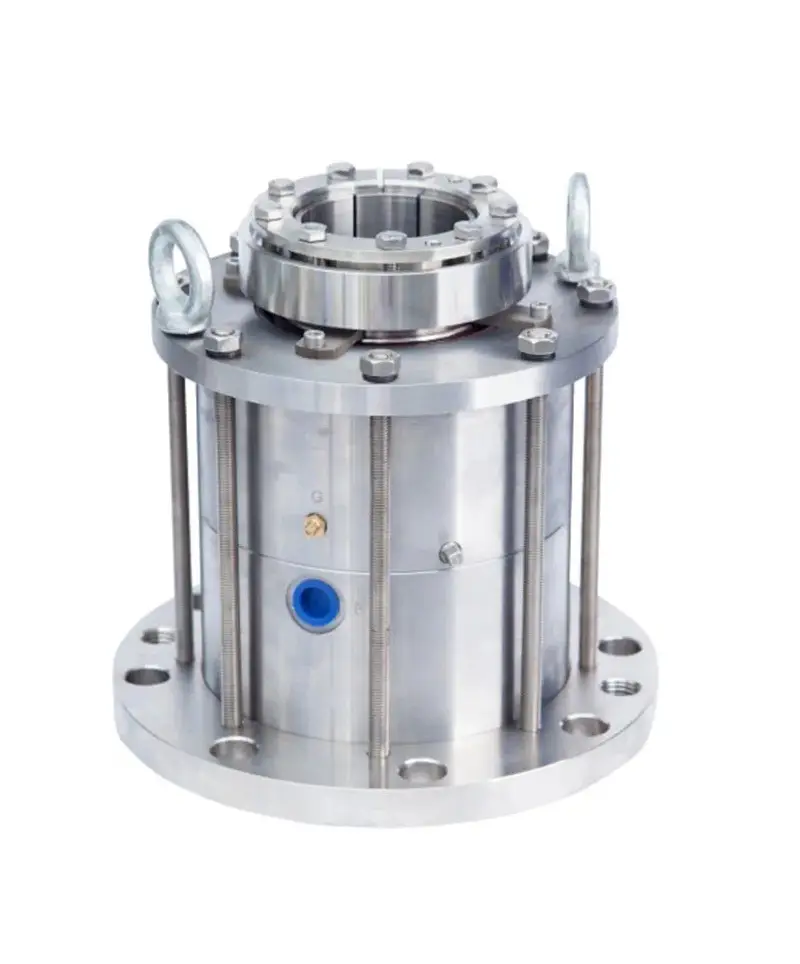
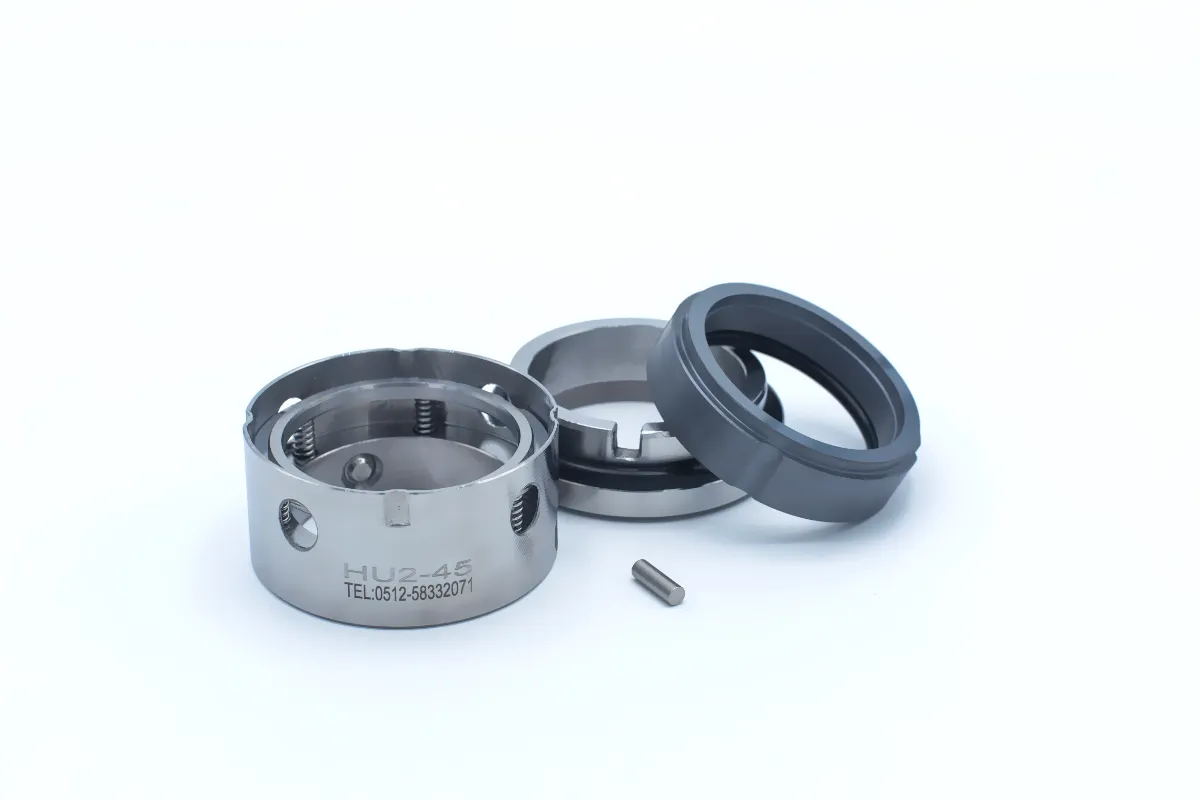
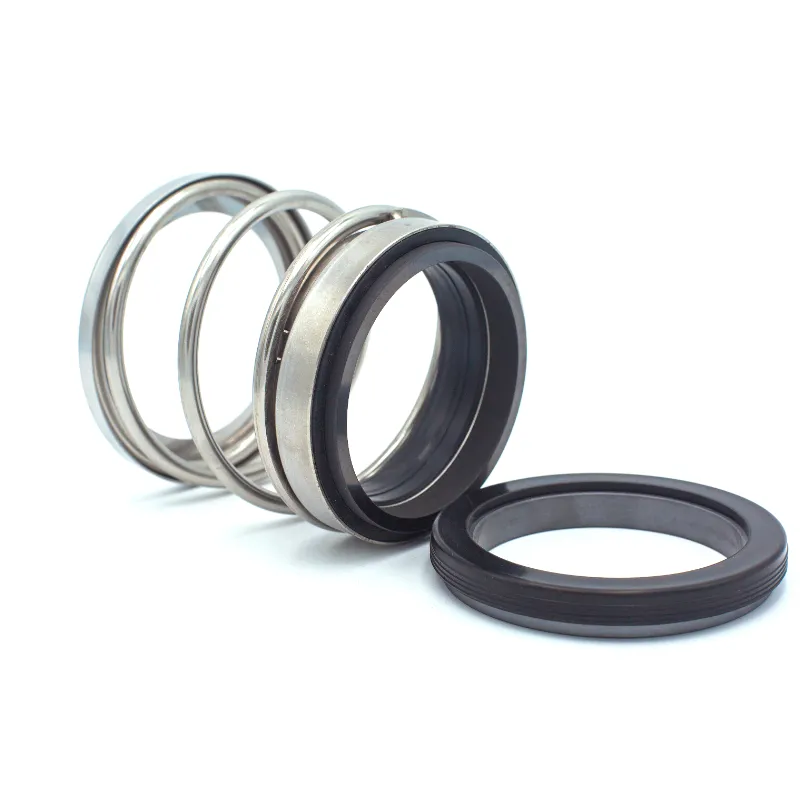
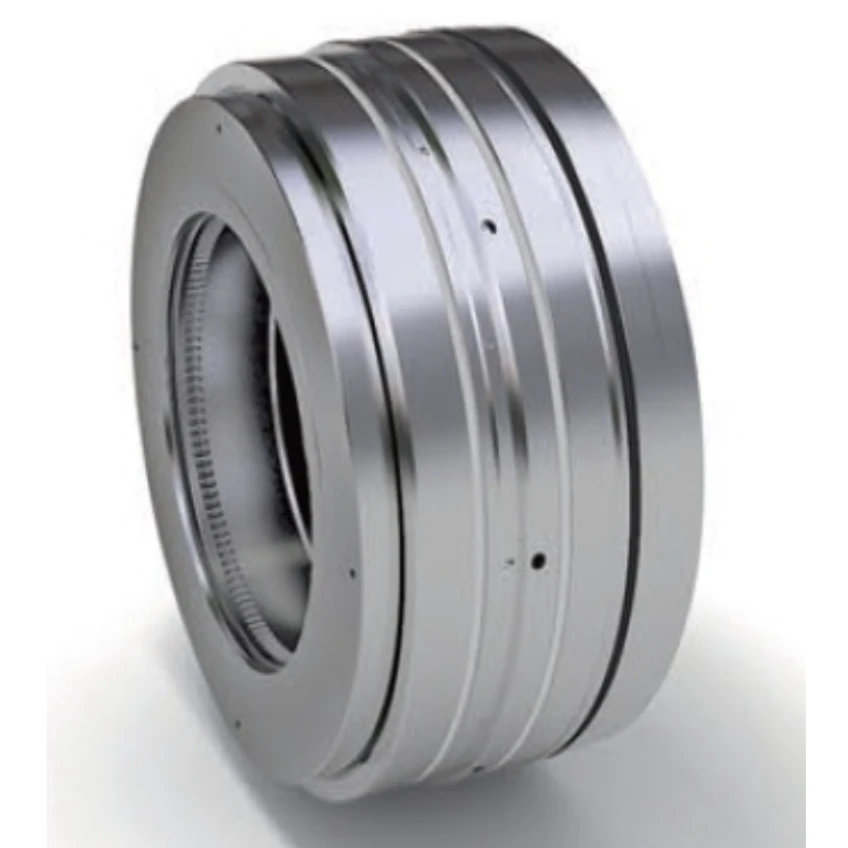
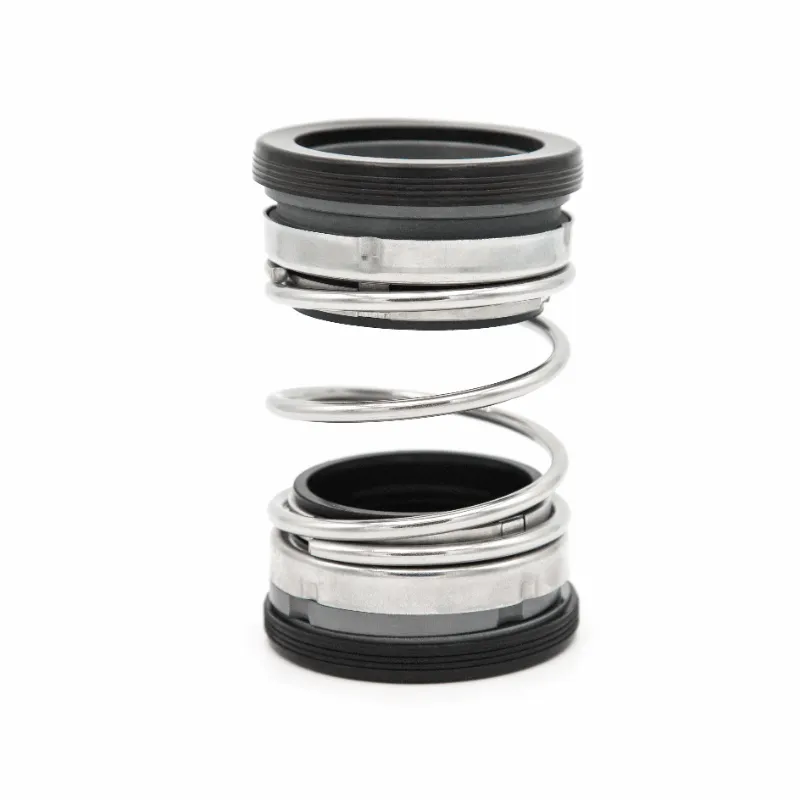
The exceptional chemical resistance and advanced material engineering incorporated into Mechanical Seals for Hazardous Environments deliver unprecedented durability and performance in the most challenging industrial applications. These seals utilize cutting-edge materials science to create components that withstand aggressive chemicals, extreme temperatures, and corrosive environments that would quickly destroy conventional sealing solutions. The seal face materials represent the pinnacle of engineering ceramics and advanced carbides, each selected and customized for specific chemical compatibility requirements. Silicon carbide faces provide outstanding resistance to most acids, bases, and organic solvents while maintaining excellent thermal conductivity for heat dissipation. Tungsten carbide offers superior hardness and wear resistance in applications involving abrasive particles or high-pressure differentials. Advanced ceramic compositions incorporate specialized additives that enhance specific properties such as thermal shock resistance, chemical inertness, or electrical conductivity for static discharge prevention. The elastomeric components utilize fluoropolymer compounds that maintain sealing effectiveness across temperature ranges from cryogenic conditions to several hundred degrees Fahrenheit. These materials resist swelling, hardening, and chemical degradation that typically plague standard rubber compounds in hazardous environments. Perfluoroelastomers provide the ultimate chemical resistance for the most aggressive applications, maintaining flexibility and sealing capability when exposed to concentrated acids, strong bases, and exotic solvents. The manufacturing processes for these materials involve sophisticated quality control procedures that ensure consistent properties and performance. Raw materials undergo incoming inspection and testing to verify chemical composition, physical properties, and purity levels. Processing parameters receive continuous monitoring to maintain optimal curing conditions, dimensional accuracy, and surface finish requirements. Each batch of material receives certification documenting compliance with applicable standards and specifications. The assembly processes for Mechanical Seals for Hazardous Environments incorporate specialized techniques that preserve material properties and optimize performance. Clean room environments prevent contamination during assembly, while precision tooling ensures proper fit and alignment of components. Post-assembly testing validates performance under simulated operating conditions, including pressure testing, leak detection, and thermal cycling evaluation. Quality assurance protocols require comprehensive documentation of all manufacturing steps, material certifications, and test results. This traceability proves essential for regulatory compliance, failure analysis, and continuous improvement initiatives. The resulting products deliver service life measured in years rather than months, significantly reducing maintenance requirements and associated safety risks while providing reliable protection for personnel, equipment, and environmental resources throughout their extended operational life.
 EN
EN